
Topic
Foreign Contacts
Relations between Cyprus and Egypt, the Levant, Anatolia, the Aegean and later empires, traced through imports, exports, texts and shared styles.
45 entries in 7 sections
Pottery
21 entriesSection overview
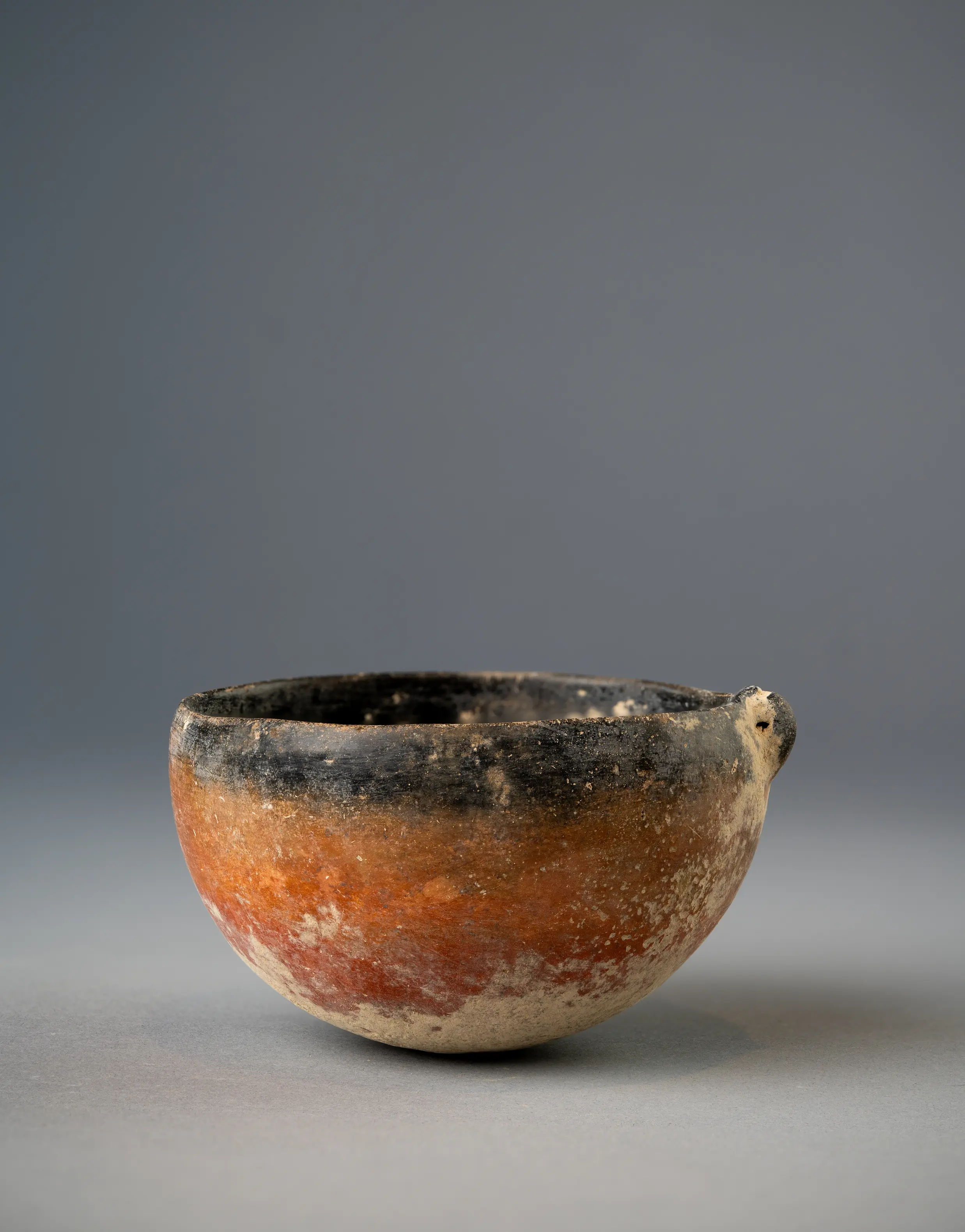 Red Polished Philia WareThe hand-made, red-slipped and polished pottery of the Philia facies, strikingly uniform across Cyprus at the opening of the Bronze Age.Early Bronze Age
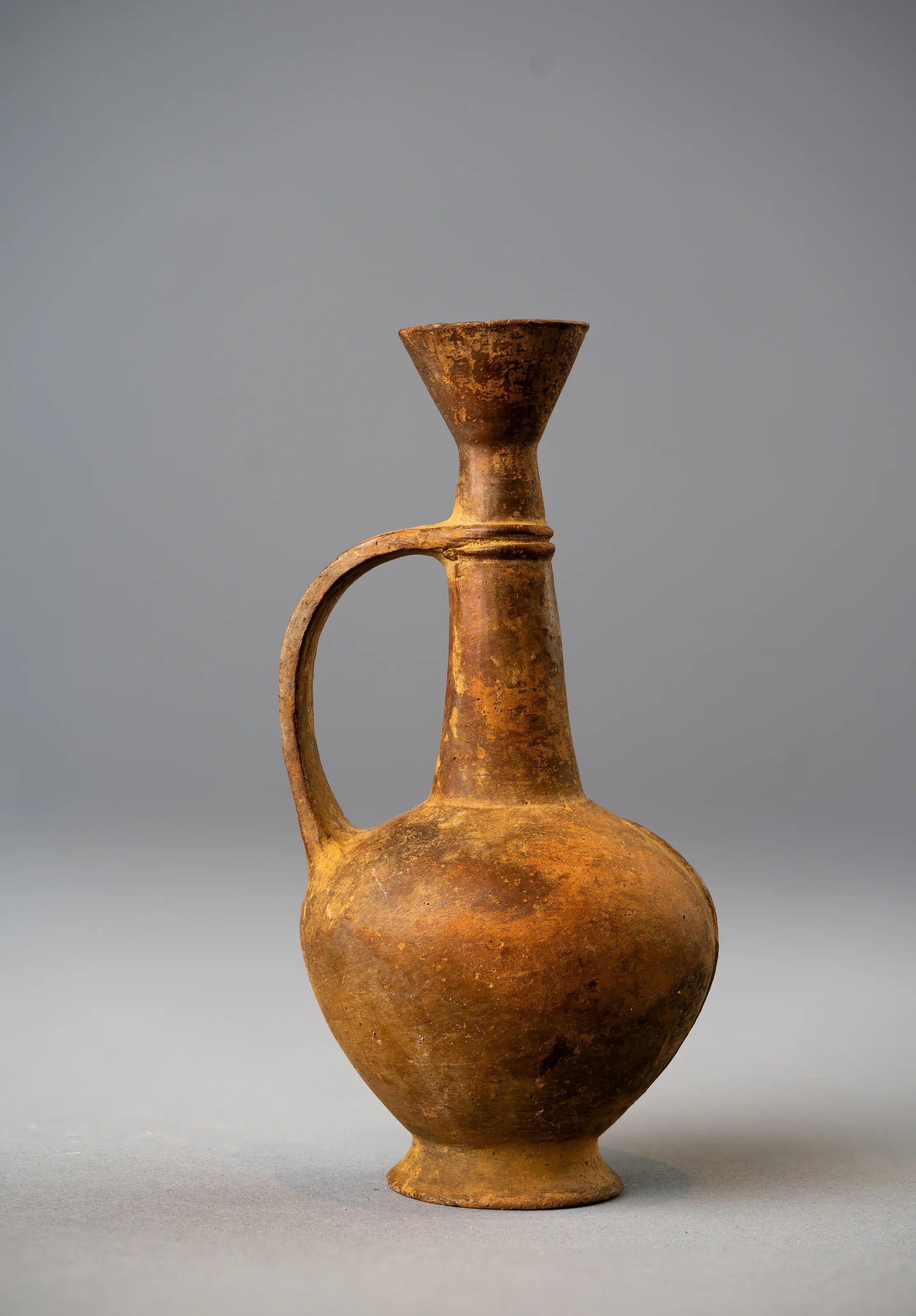 Base Ring WareThe thin-walled, hand-made Late Bronze Age pottery of Cyprus with dark lustrous surfaces imitating metal, widely exported as jugs and juglets.Late Bronze Age
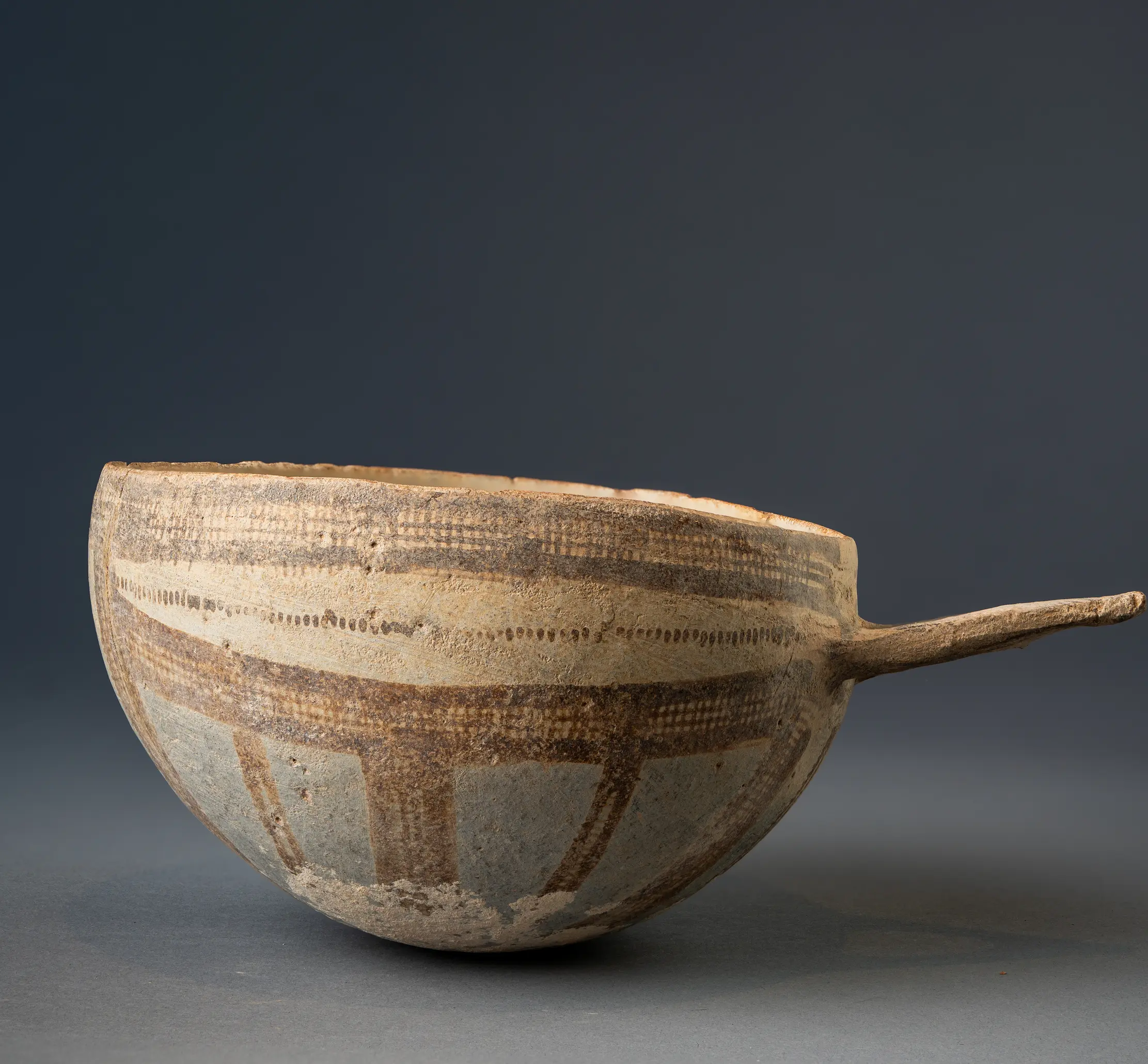 White Slip WareThe hand-made Late Bronze Age tableware with a thick white slip and dark painted decoration, mostly hemispherical bowls, widely exported from Cyprus.Late Bronze Age
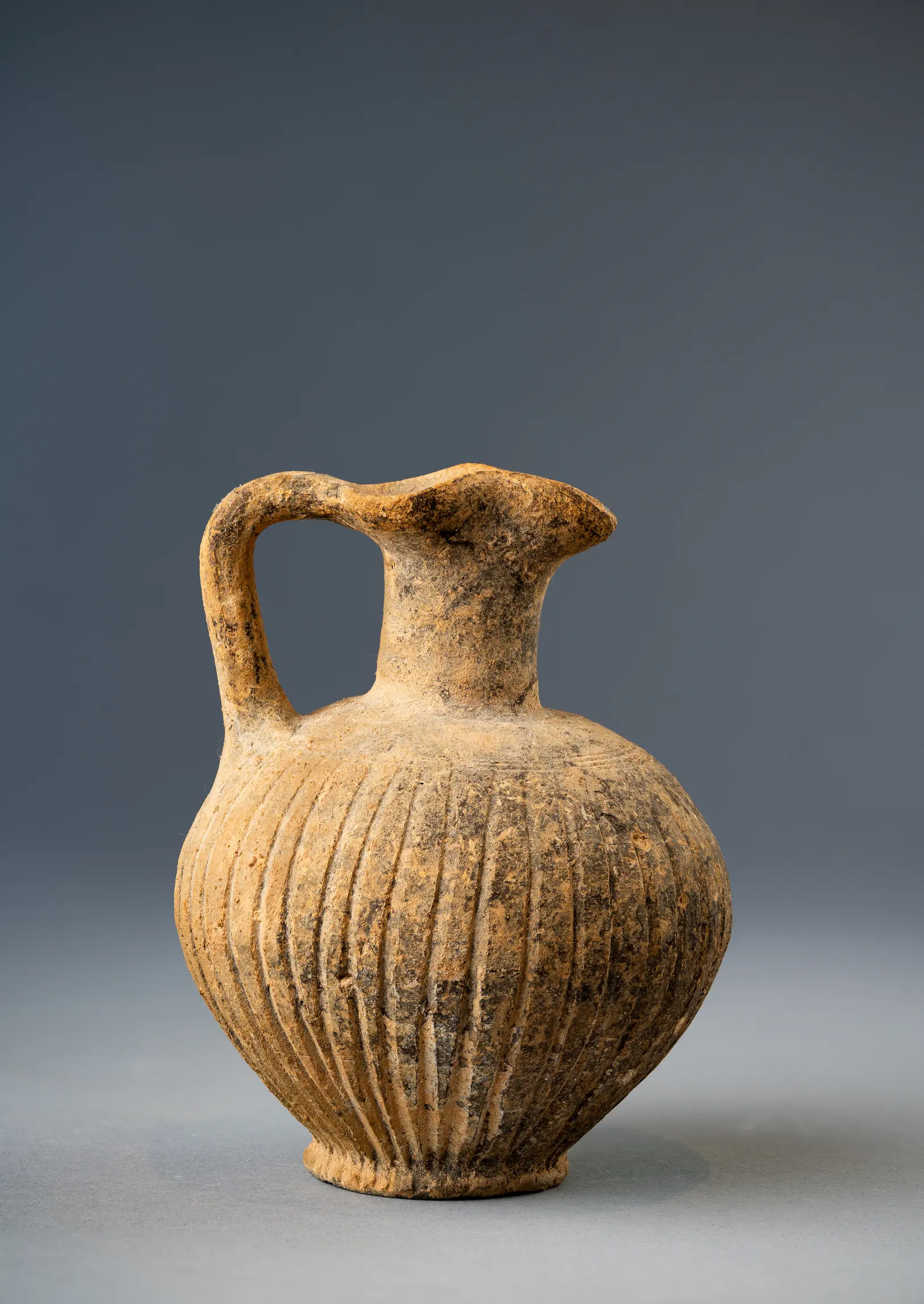 Plain White WareThe undecorated, pale-surfaced pottery of Middle and Late Bronze Age Cyprus, made by hand and later wheel-shaped, the first Cypriot ware formed with the wheel.Middle Bronze AgeLate Bronze Age
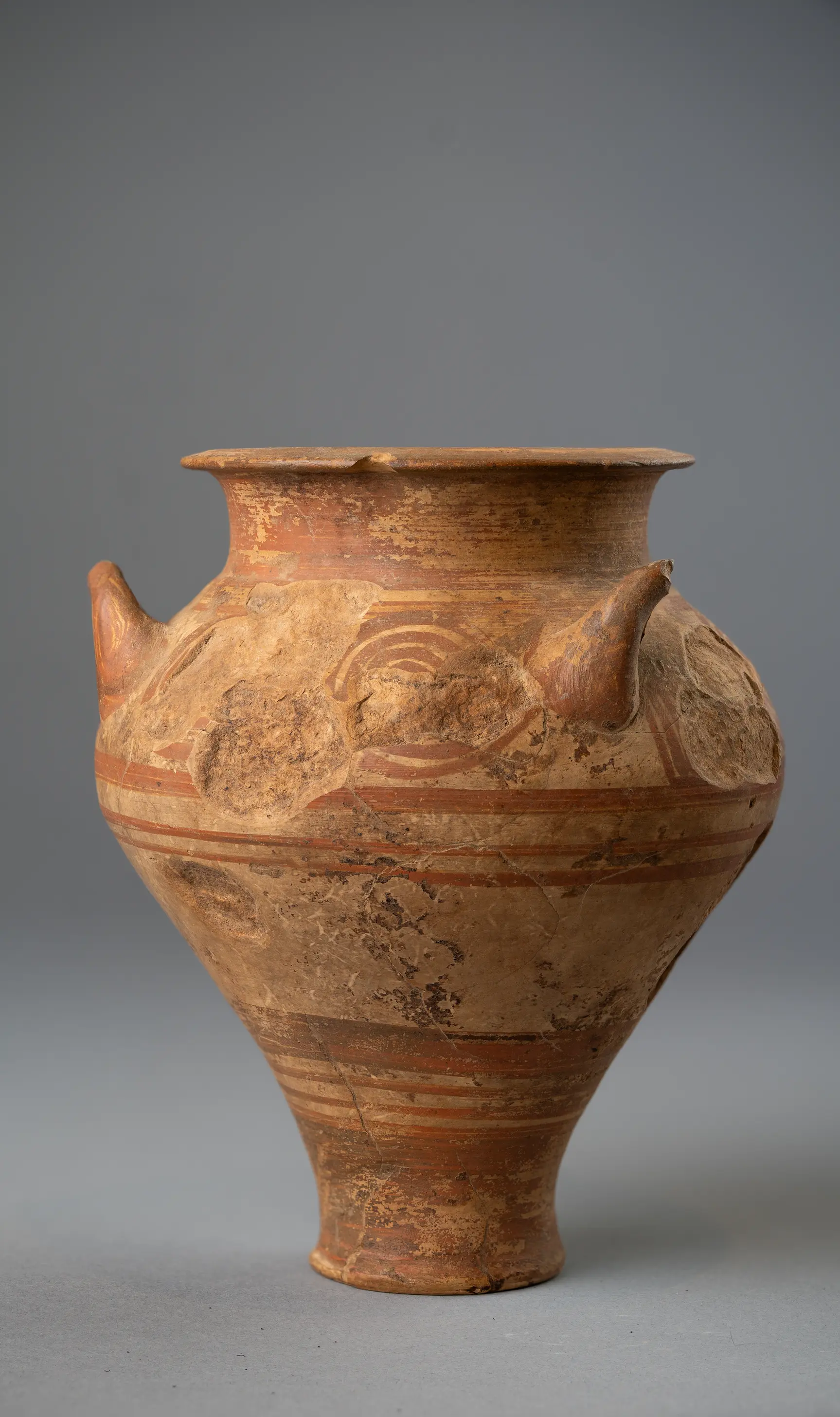 Mycenaean Imports and Local ImitationsMycenaean pottery, mostly made in the north-east Peloponnese, was the largest body of imported fine ware in Late Bronze Age Cyprus, and Cypriot potters copied some of its shapes.Late Bronze Age
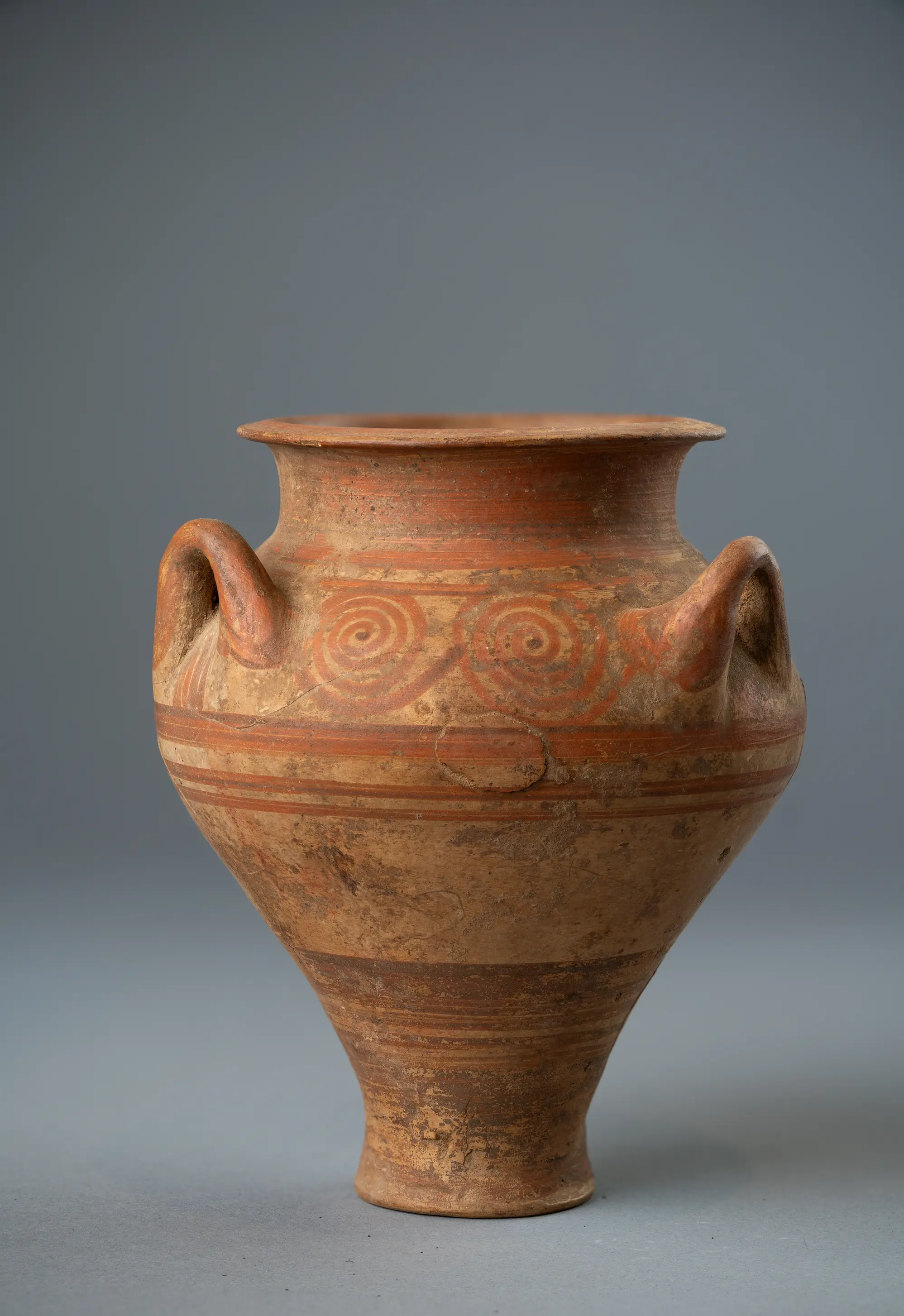 White Painted Wheelmade WareThe locally made, wheel-thrown, matt-painted pottery of Aegean inspiration that became the standard Cypriot tableware in Late Cypriot IIC and IIIA.Late Bronze Age
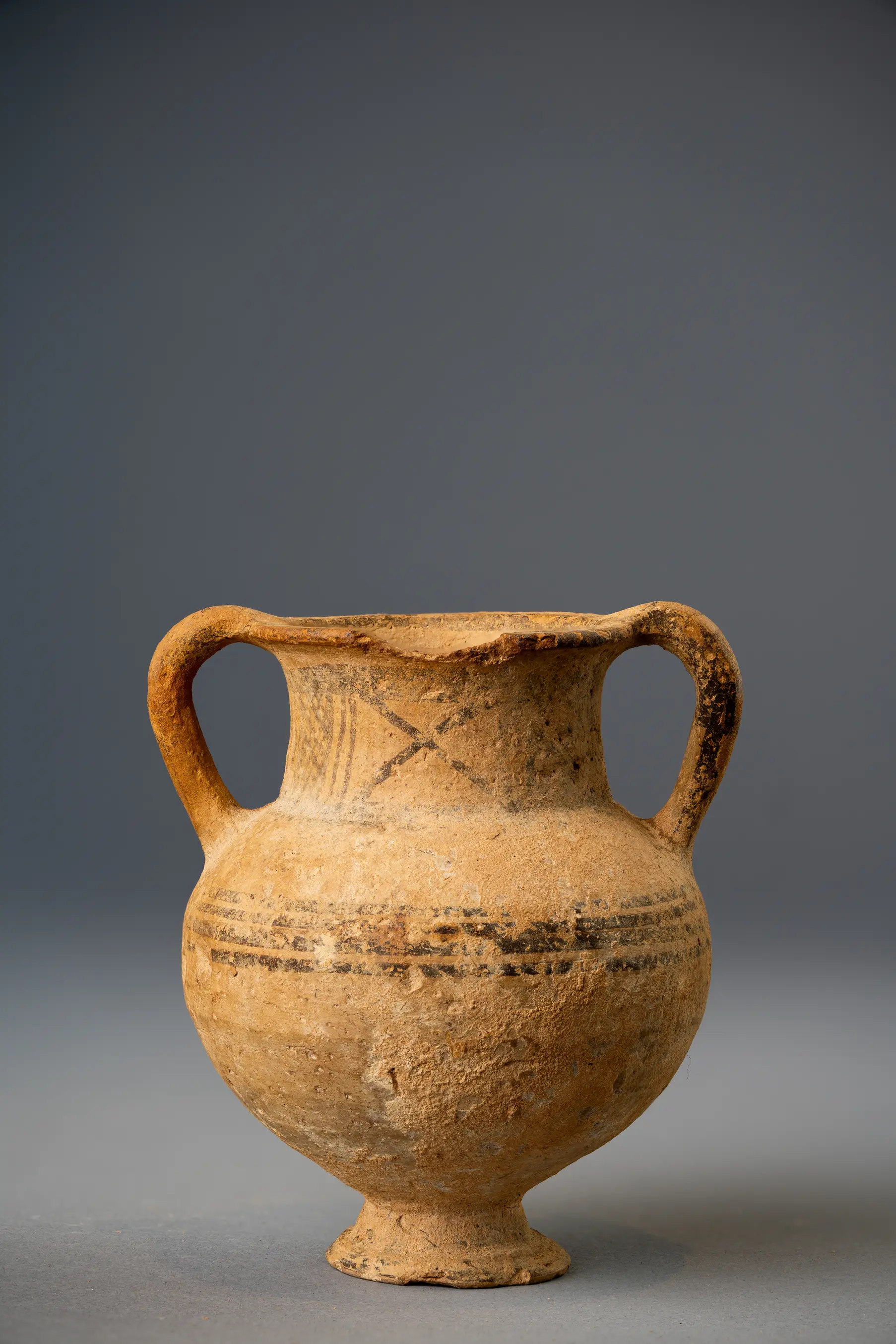 Proto-White Painted WareThe wheel-thrown, matt-painted pottery of Late Cypriot IIIB, c. 1125–1050 BCE, which merged earlier Aegean-style wares and led into Iron Age White Painted I.Late Bronze AgeCypro-Geometric
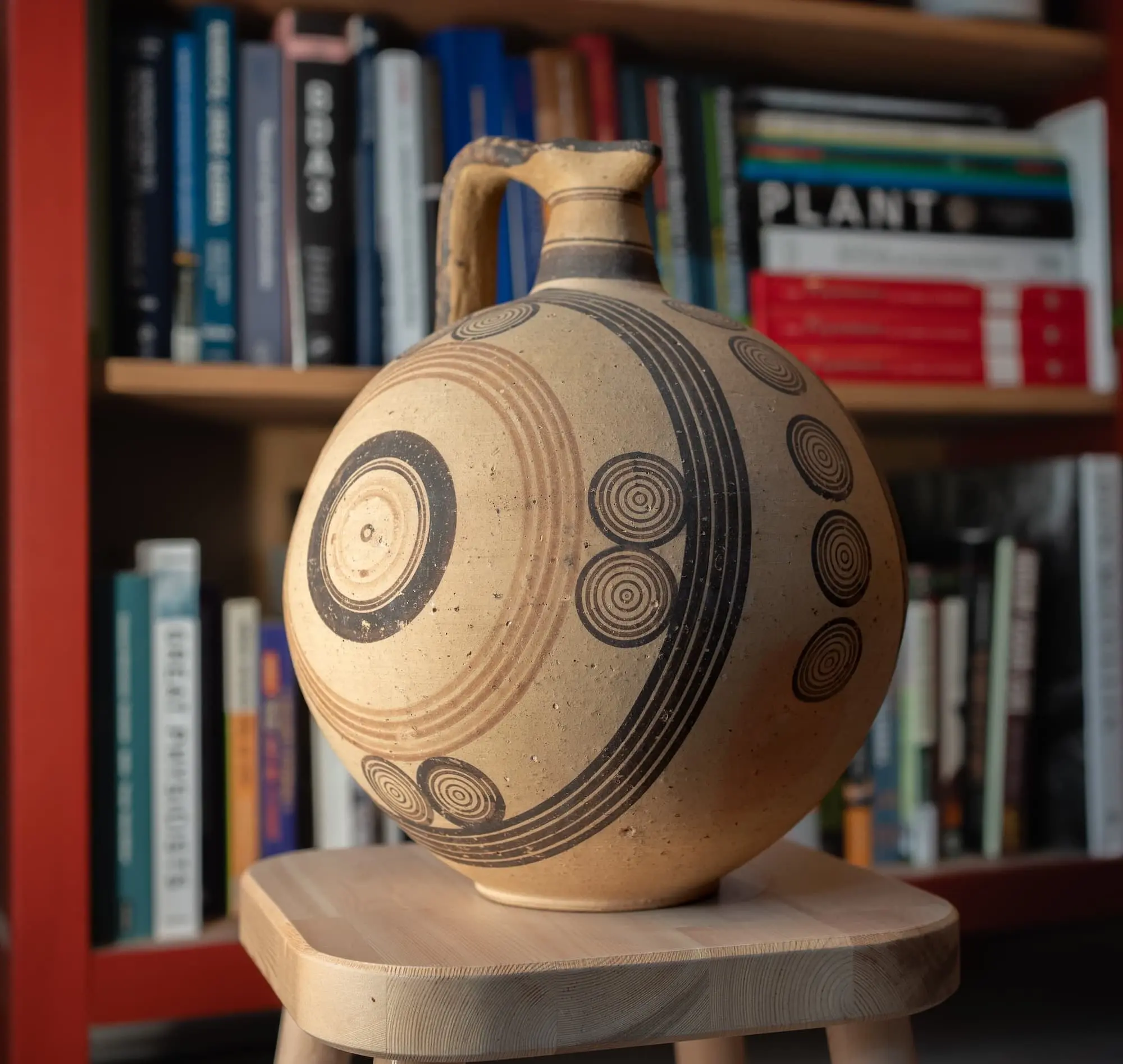 Bichrome WareBichrome is Cypriot pottery painted in black and red on a light surface, first a Late Bronze Age export ware and later a long-lived Iron Age class.Late Bronze AgeCypro-GeometricCypro-Archaic
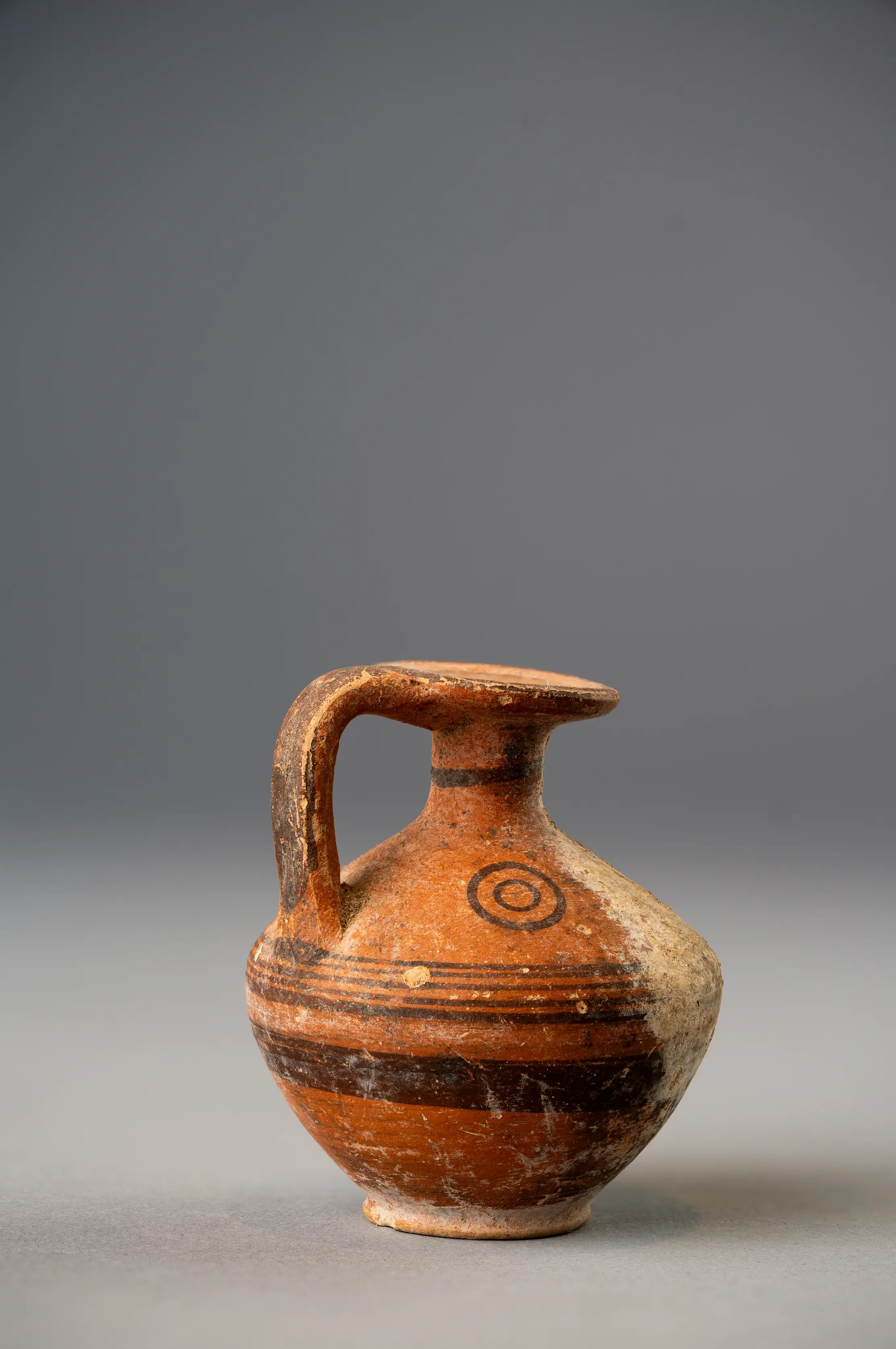 Black-on-Red WareBlack-on-Red is a Cypriot Iron Age wheel-made fine ware with black geometric decoration on a burnished red slip, widely exported from about 900 BCE.Cypro-GeometricCypro-Archaic
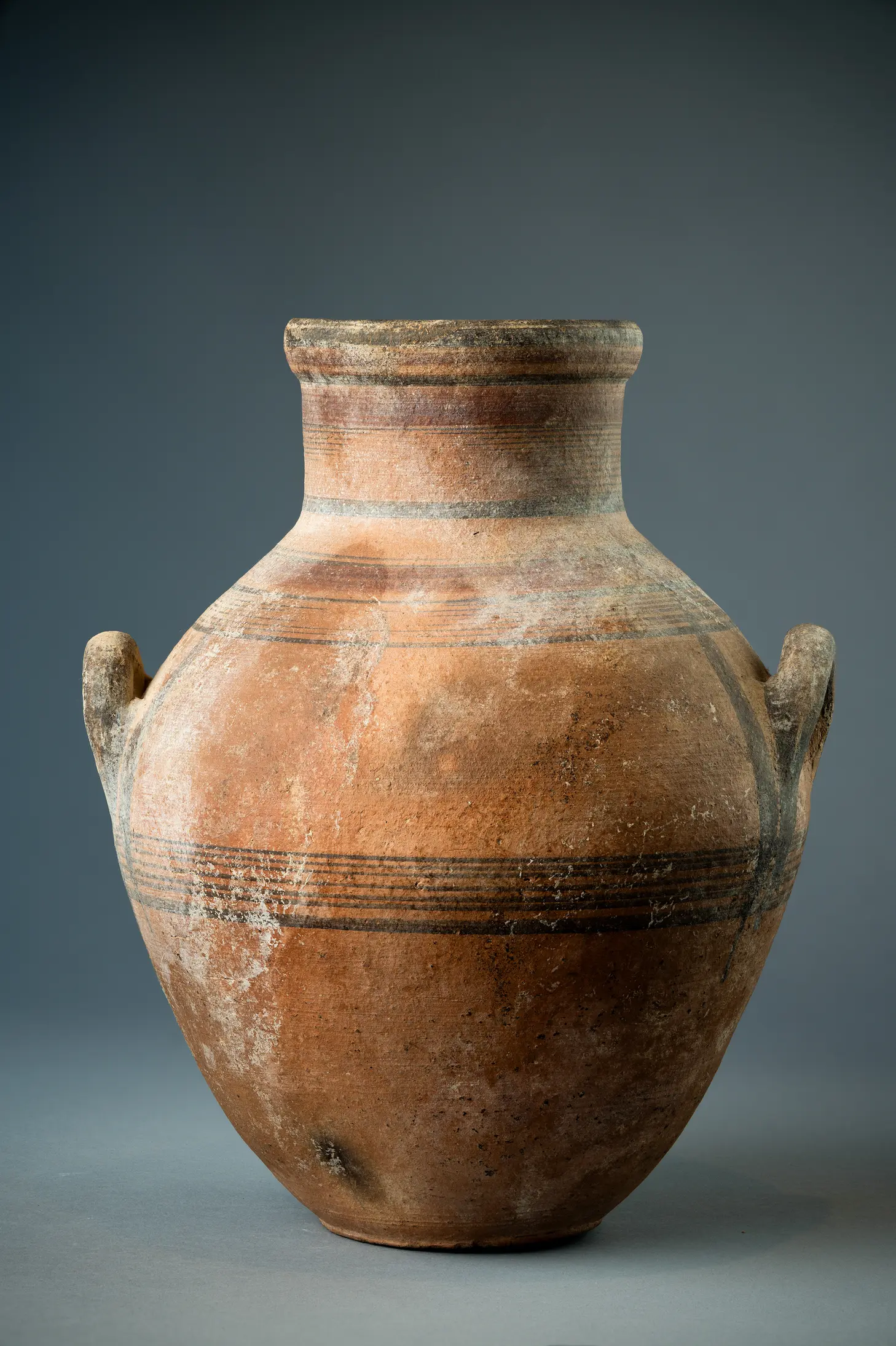 AmphoraA closed jar with two opposed handles, made in Cyprus in belly-handled and vertical-handled painted series and as a basket-handled transport jar.Late Bronze AgeCypro-GeometricCypro-Archaic
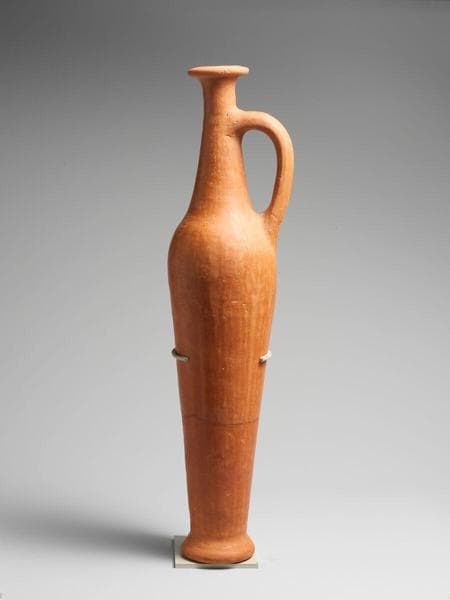 BottlesSmall, narrow-necked closed containers for valuable liquids, from Red Polished bottles to Late Bronze Age spindle bottles and Iron Age barrel jugs.Early Bronze AgeMiddle Bronze AgeLate Bronze AgeCypro-GeometricCypro-Archaic
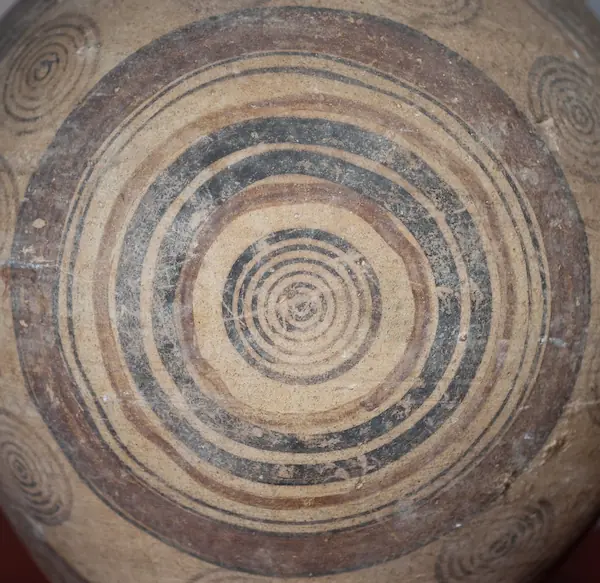 CirclesConcentric circles, disks, spirals and pendent semicircles, the leading geometric motif of Cypriot Iron Age painted pottery and of Gjerstad's Western style.Cypro-GeometricCypro-Archaic
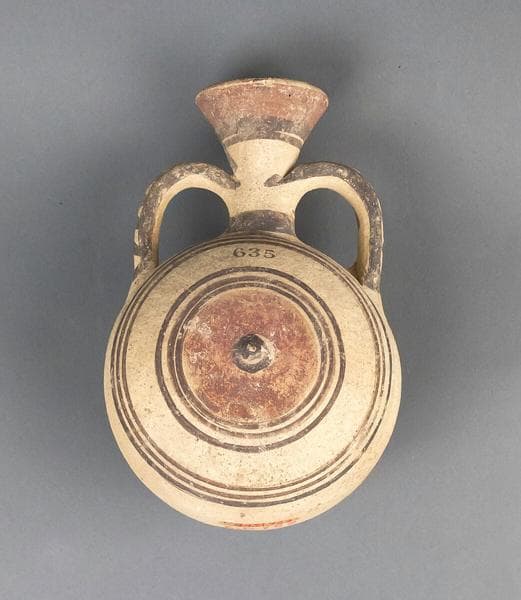 FlasksA small, often flattened narrow-necked container for valuable liquids, made in Cyprus from the Chalcolithic onward and widely exported in the Iron Age.ChalcolithicEarly Bronze AgeLate Bronze AgeCypro-GeometricCypro-Archaic
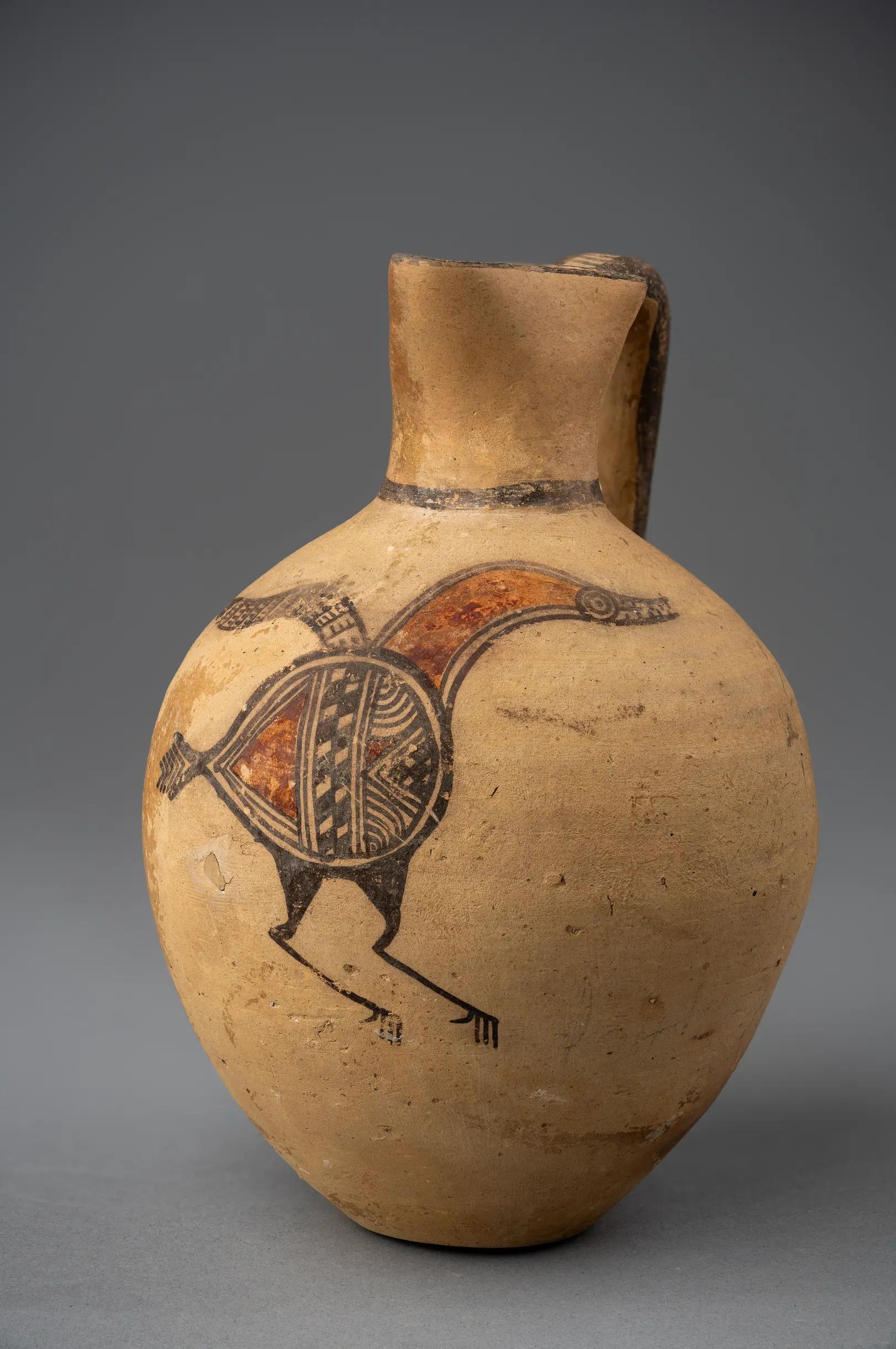 Free-Field Style: Birds, Bulls and Lotus on Cypro-Archaic JugsA layout of Cypriot Iron Age vase painting in which a single figure or motif is set on the bare, unframed body of a jug, usually opposite the handle.Cypro-GeometricCypro-Archaic
- From Bronze to Iron: Cypriot Pottery c. 1300–950 BCEThe change in Cypriot fine pottery between c. 1300 and 950 BCE, from handmade Base Ring and White Slip to wheelmade White Painted and Bichrome.Late Bronze AgeCypro-Geometric
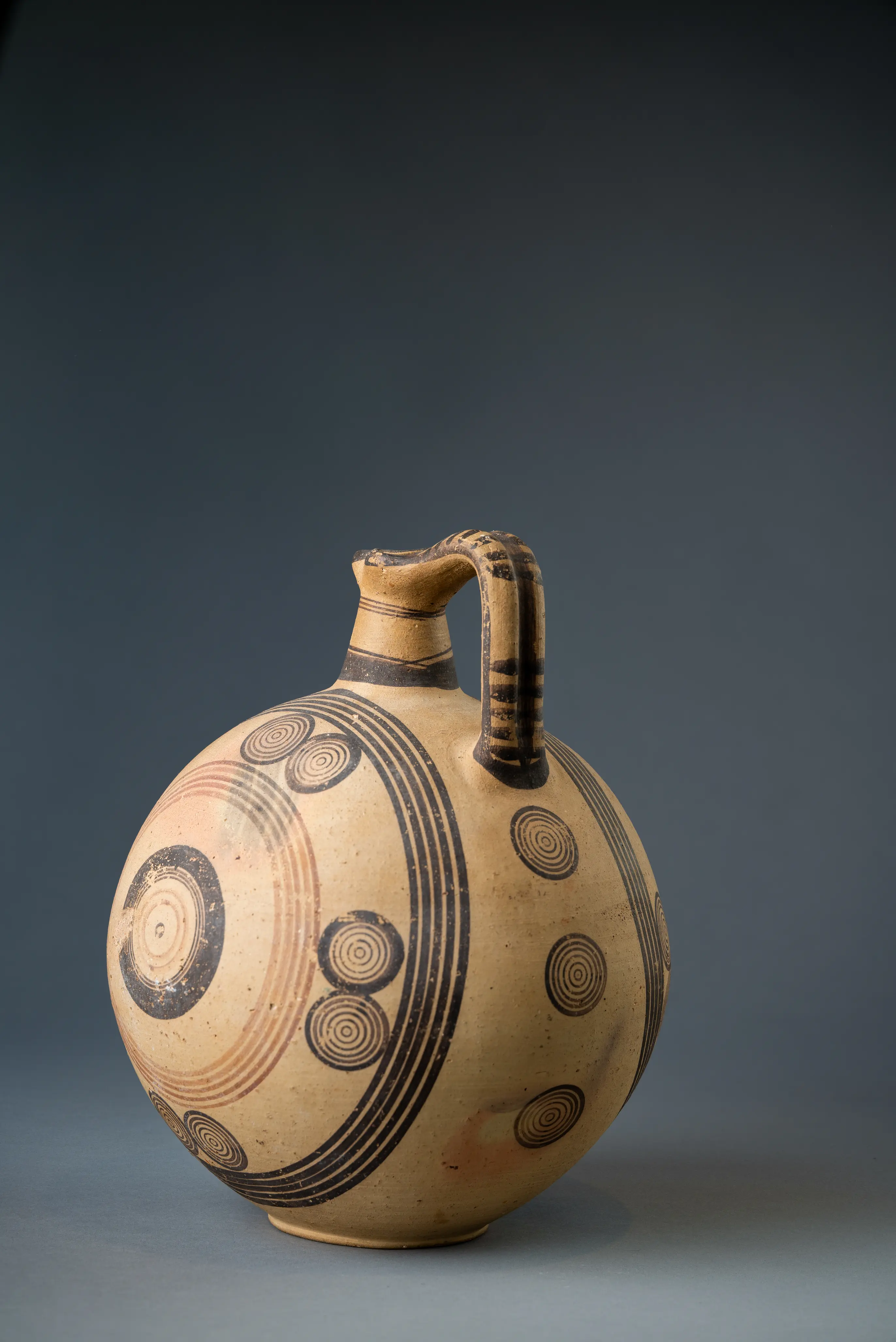 Jugs (Oinochoe)The Iron Age Cypriot pouring jug or oinochoe, a painted wheelmade vessel for liquids made in regional workshops and widely exported around the Mediterranean.Cypro-GeometricCypro-ArchaicCypro-Classical
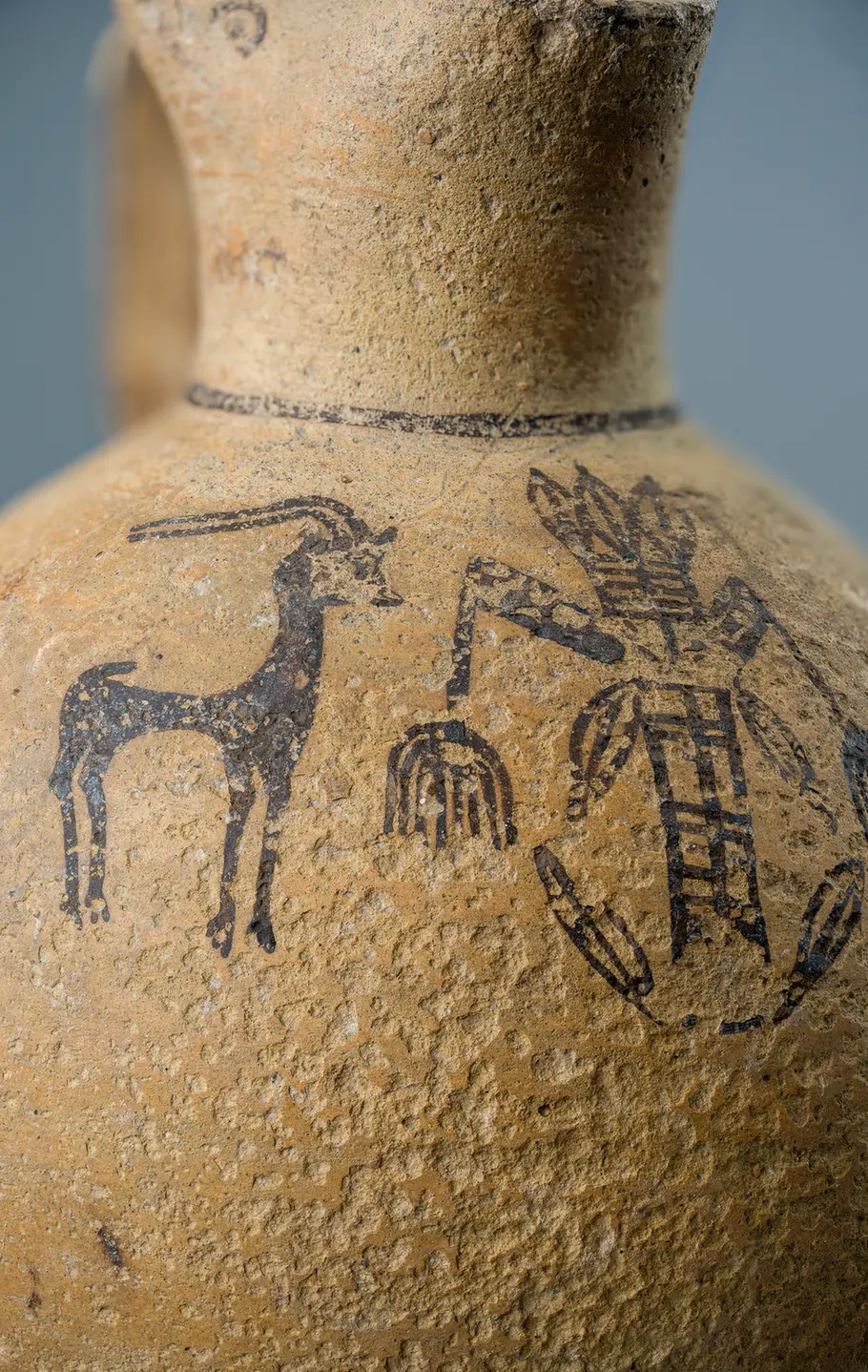 Lotus Flowers and Lotus Friezes on Cypriot Iron Age PotteryThe lotus flower and lotus-and-bud frieze, the chief plant motif of Cypriot Iron Age painted pottery, of Egyptian and Phoenician derivation.Cypro-GeometricCypro-ArchaicCypro-Classical
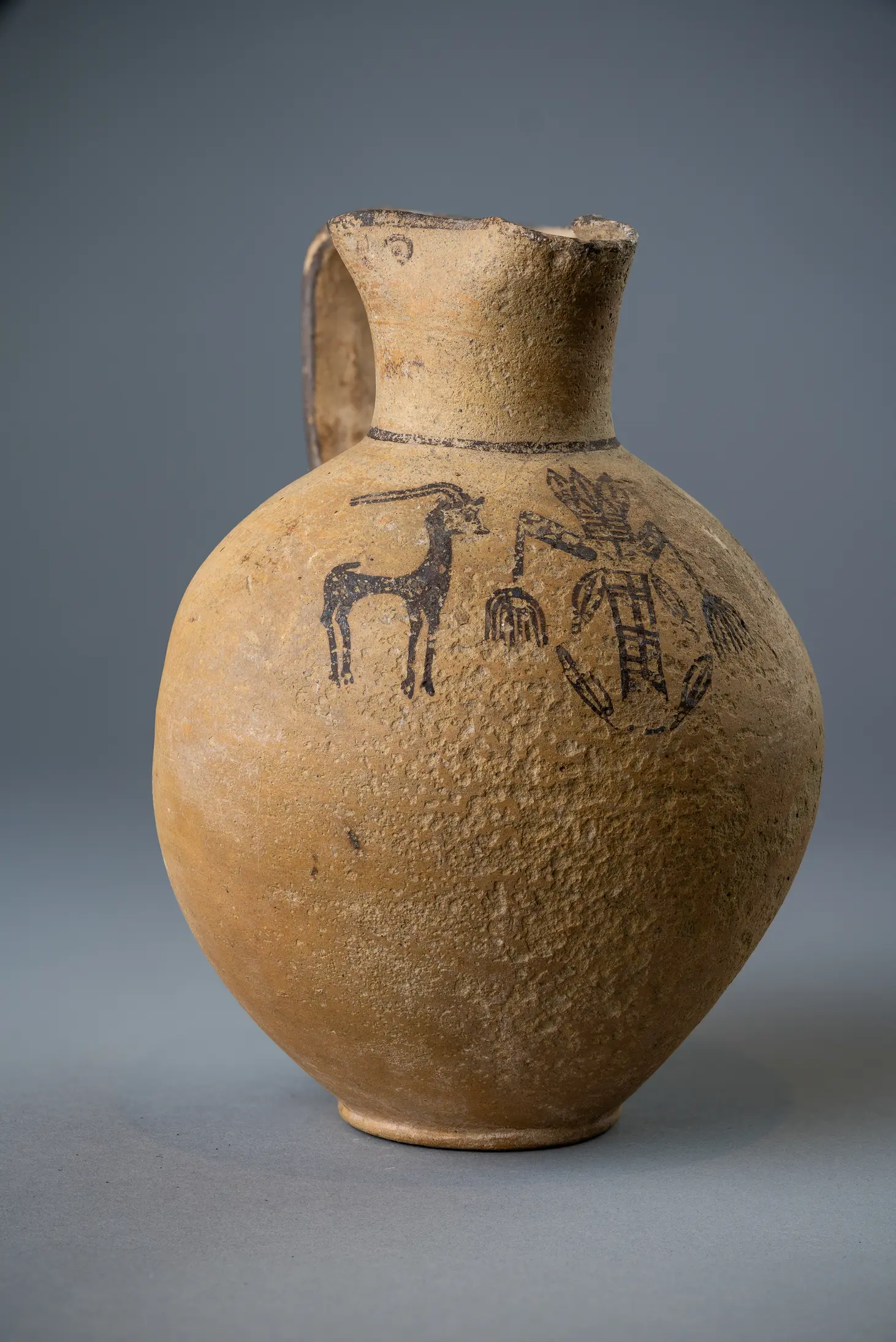 Plants, Trees and Palms on Cypriot PotteryTrees, date palms, branches and the goat-and-tree or sacred-tree composition on Cypriot pottery and related media, from the Late Bronze Age to the Cypro-Archaic period.Late Bronze AgeCypro-GeometricCypro-Archaic
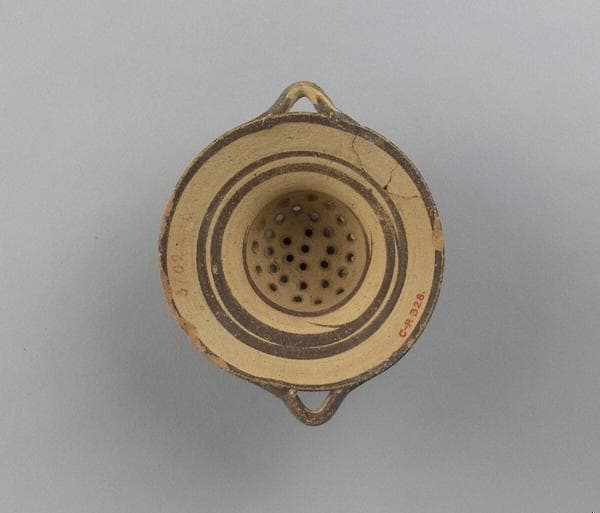 StrainersAny vessel with deliberate perforations that let liquid through and hold solids back, from Base Ring strainer jars to Iron Age strainer jugs and bronze strainers.Middle Bronze AgeLate Bronze AgeCypro-GeometricCypro-Archaic
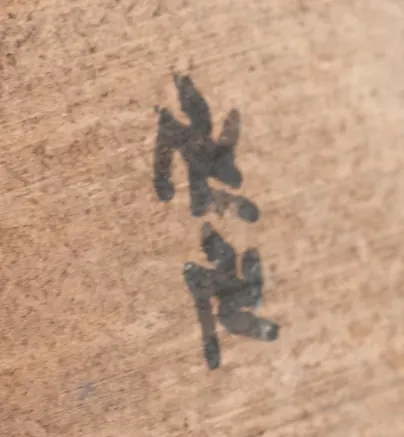 SwastikasA cross with arms bent at right angles, a frequent painted ornament on Cypriot Iron Age pottery whose meaning is still debated.Early Bronze AgeLate Bronze AgeCypro-GeometricCypro-Archaic
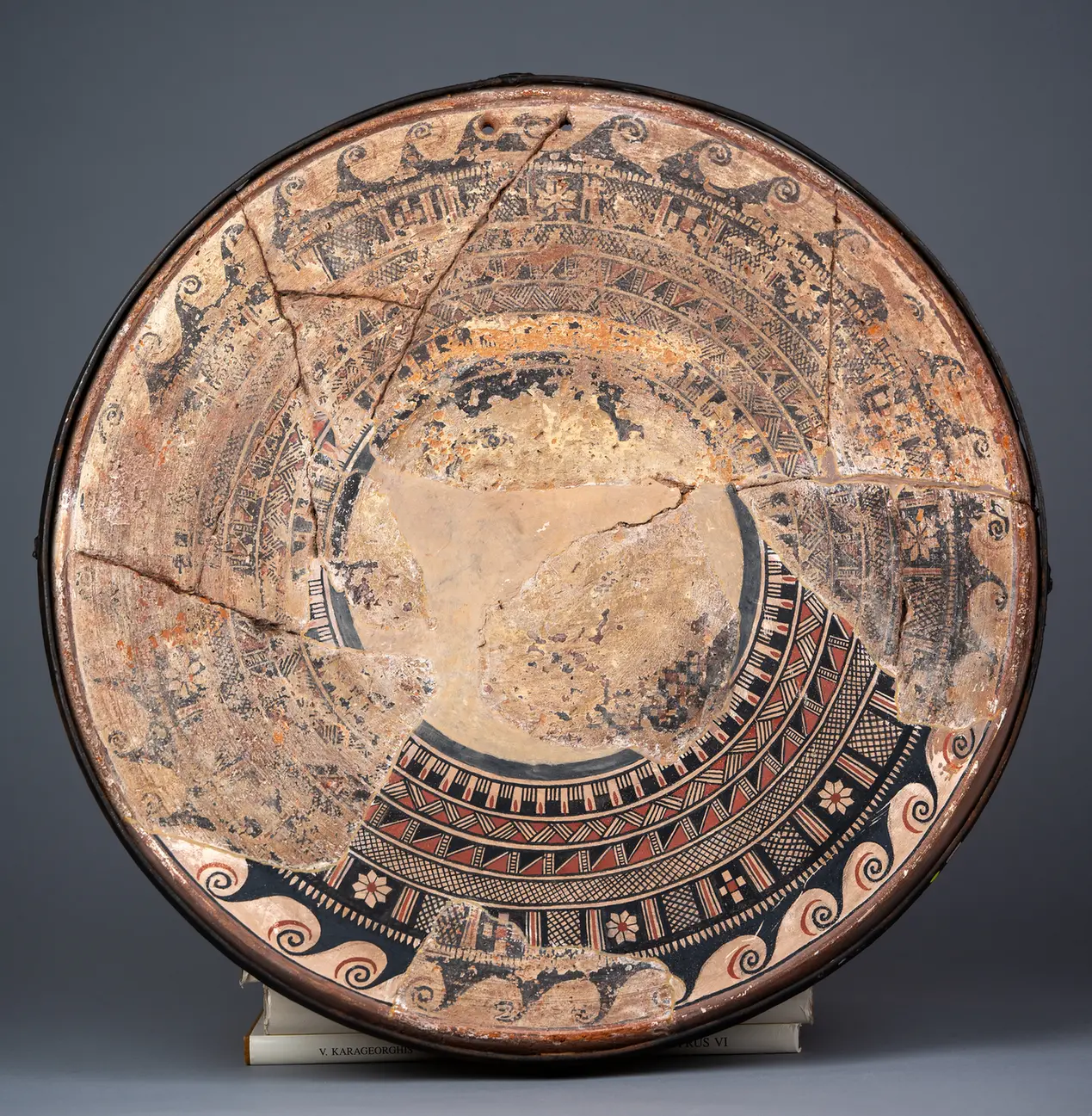 Wavy HooksWavy lines ending in a hook or spiral, found on Mycenaean imports at Enkomi, Cypro-Archaic White Painted IV juglets and Bichrome plates.Late Bronze AgeCypro-Archaic
Statues
3 entriesSection overview
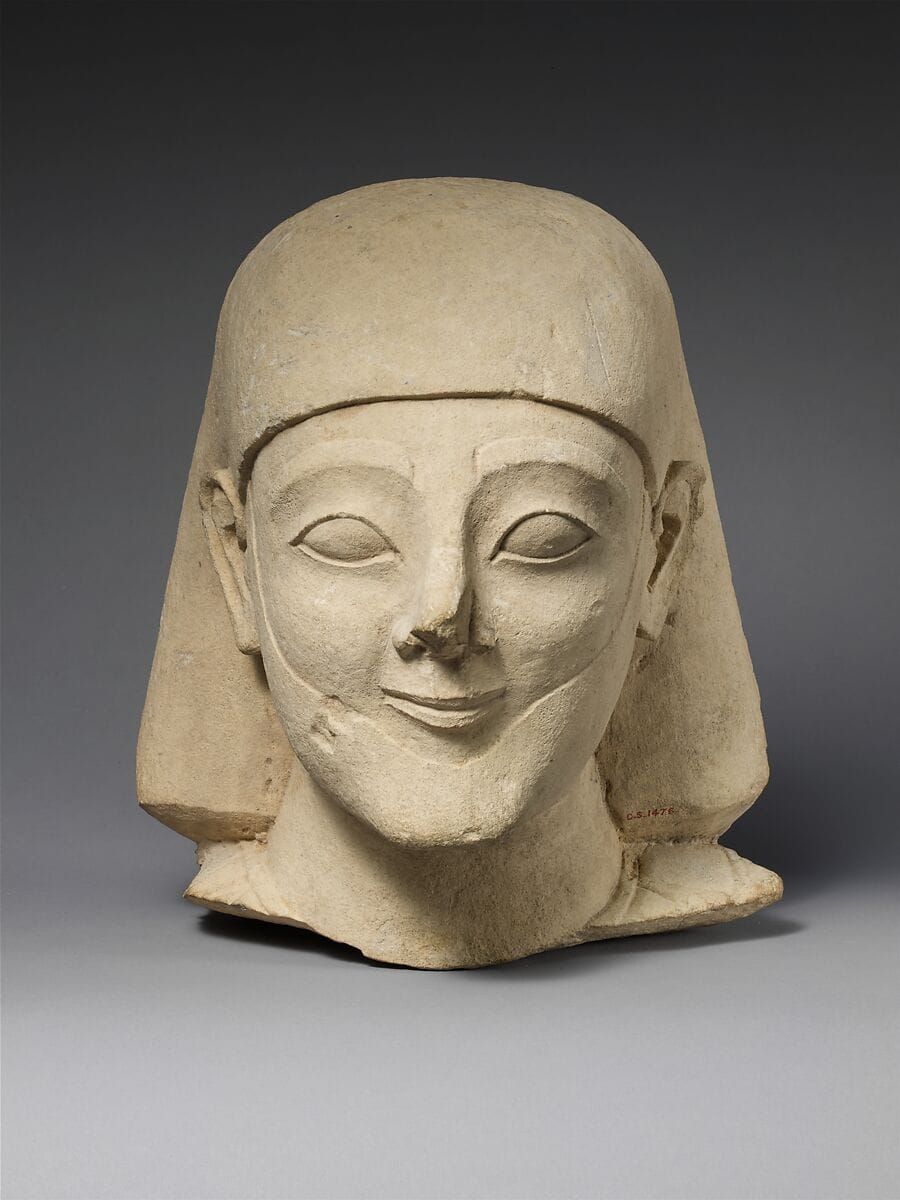 Archaic Limestone StatuesThe limestone votive statues and statuettes dedicated in Cypriot sanctuaries of the Cypro-Archaic period, many in Egyptianizing dress.Cypro-Archaic
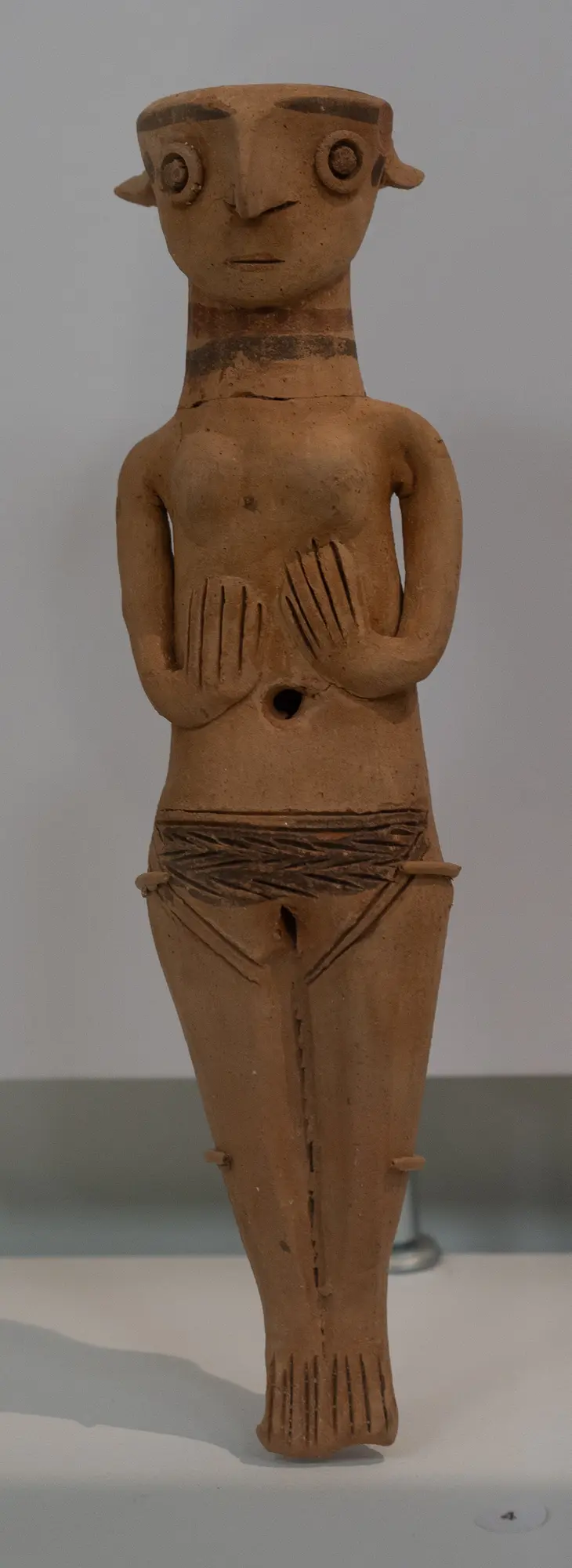 Base Ring Figurines (Astarte Type)Handmade Base Ring ware terracotta figurines of nude women from Late Bronze Age Cyprus, found in tombs and houses and often linked to Astarte.Late Bronze Age
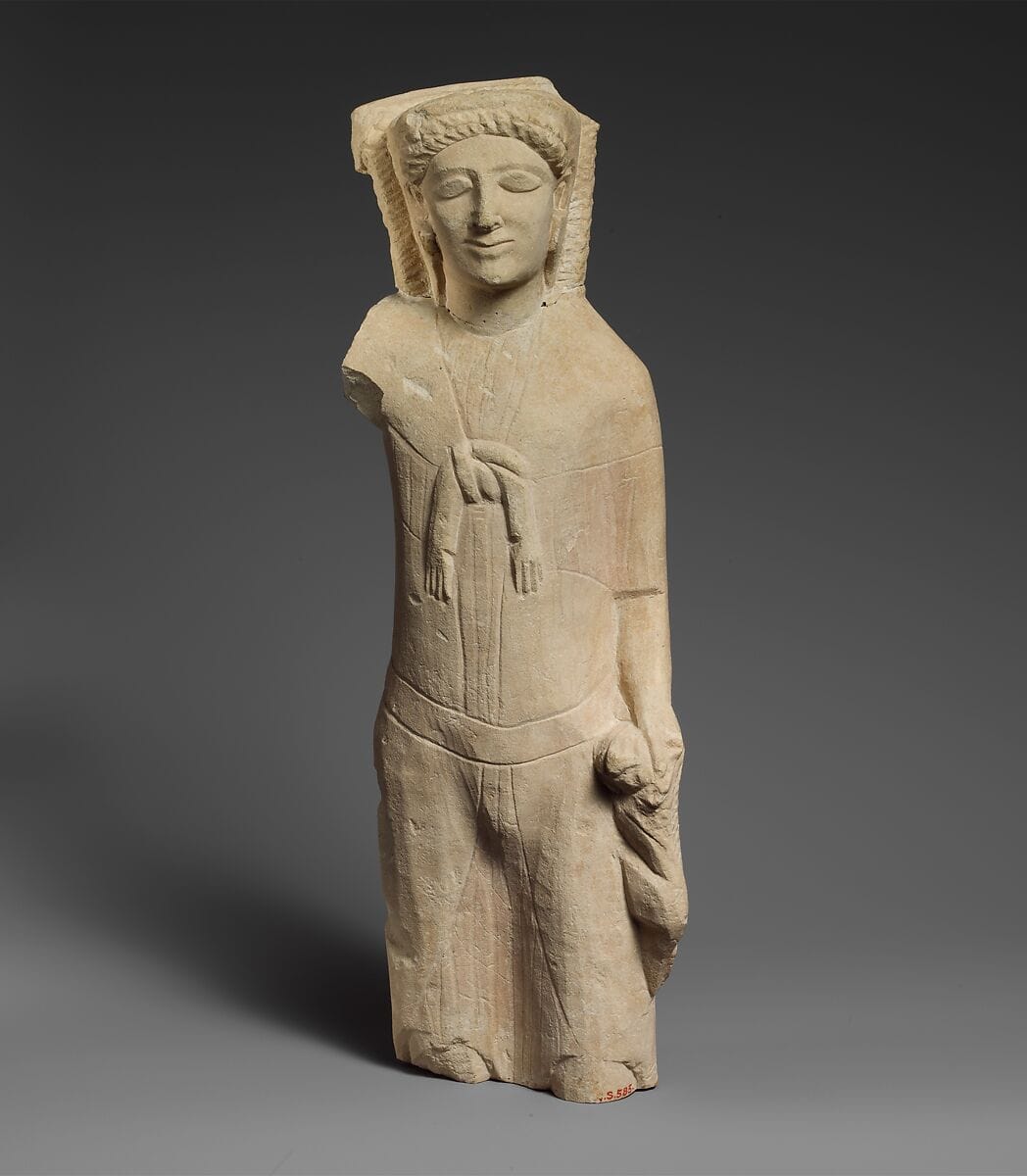 Herakles-MelqartA Cypriot limestone sculptural type of a god wearing a lion skin and often brandishing a club, fusing the Greek Herakles with the Phoenician Melqart.Cypro-ArchaicCypro-Classical
Jewelry
1 entrySection overview
Tools and Technologies
3 entriesSection overview
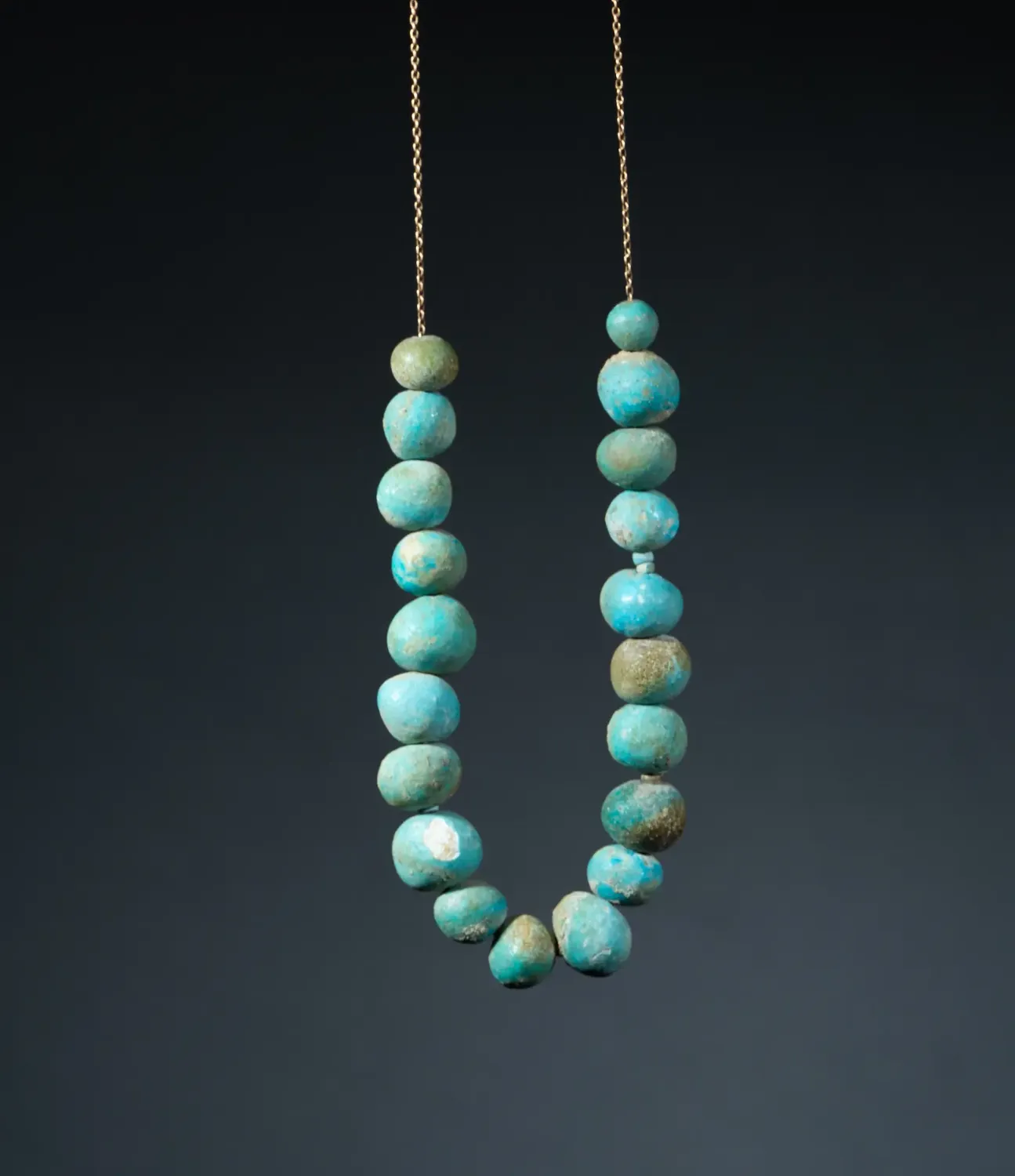 Faience in Ancient CyprusA glazed quartz-paste material found on Cyprus as beads, vessels and amulets from the Chalcolithic onward, though no local workshop has been identified.ChalcolithicMiddle Bronze AgeLate Bronze AgeCypro-GeometricCypro-Archaic
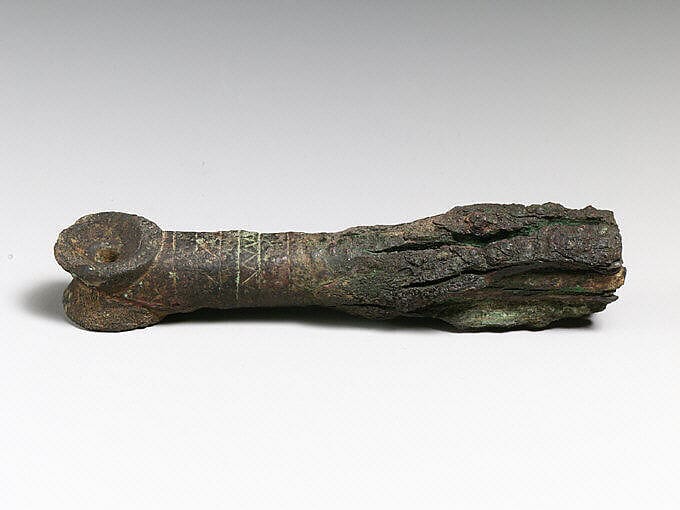 Gold, Silver, Tin, Arsenic and Iron in Ancient CyprusThe metals other than copper used by Cypriot smiths from the Philia facies to the 12th century BCE, including arsenic, tin, gold, electrum, silver, lead and iron.Early Bronze AgeMiddle Bronze AgeLate Bronze Age
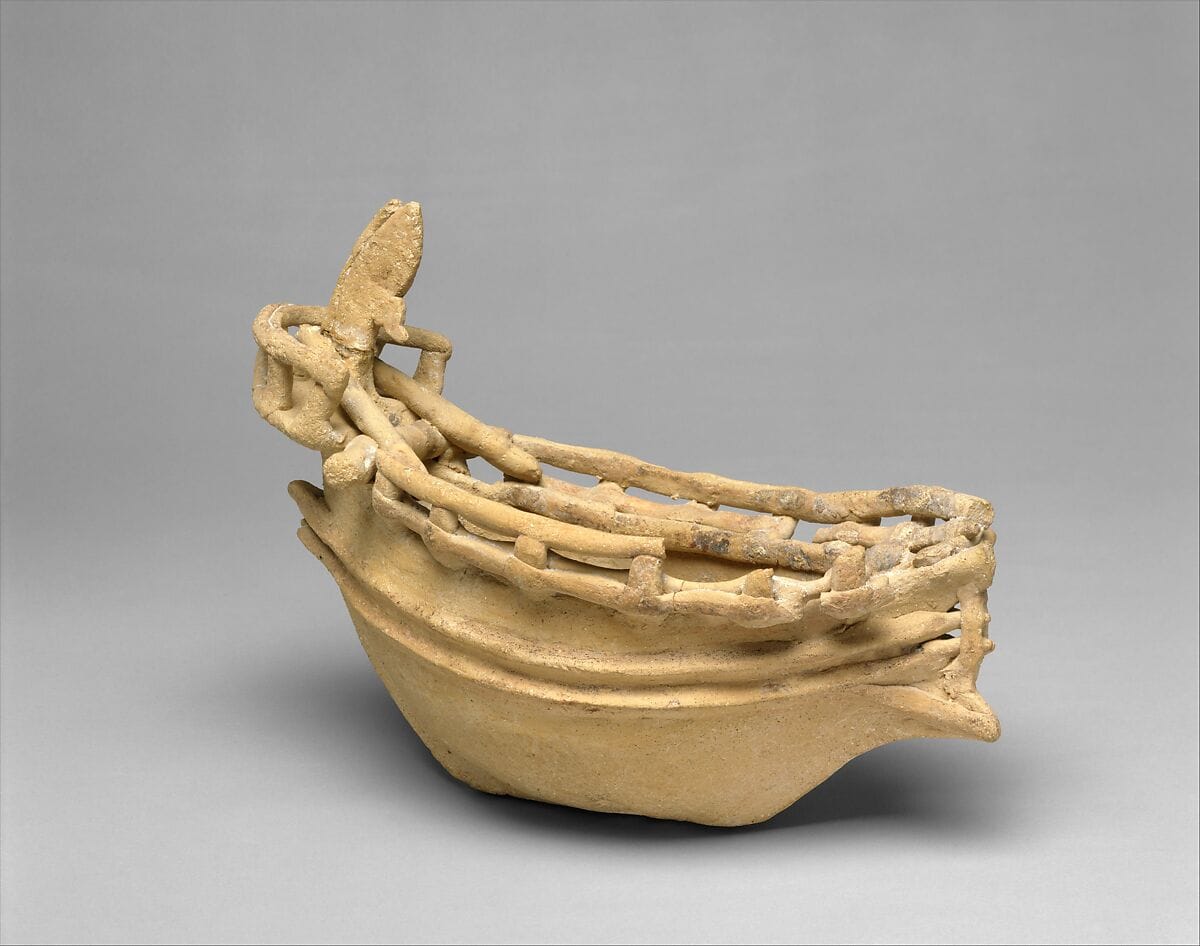 Seafaring and Ships in Ancient CyprusThe evidence for boats and seafaring around Cyprus from the first crossings to the Classical period, from anchors, models and graffiti to wrecks and shipsheds.NeolithicEarly Bronze AgeMiddle Bronze AgeLate Bronze AgeCypro-ArchaicCypro-Classical
Cultures
10 entriesSection overview
 Achaemenid PersiaThe Persian Empire, which held the Cypriot city-kingdoms as tribute-paying client states from c. 545 or 525 BCE until 332 BCE.Cypro-ArchaicCypro-Classical
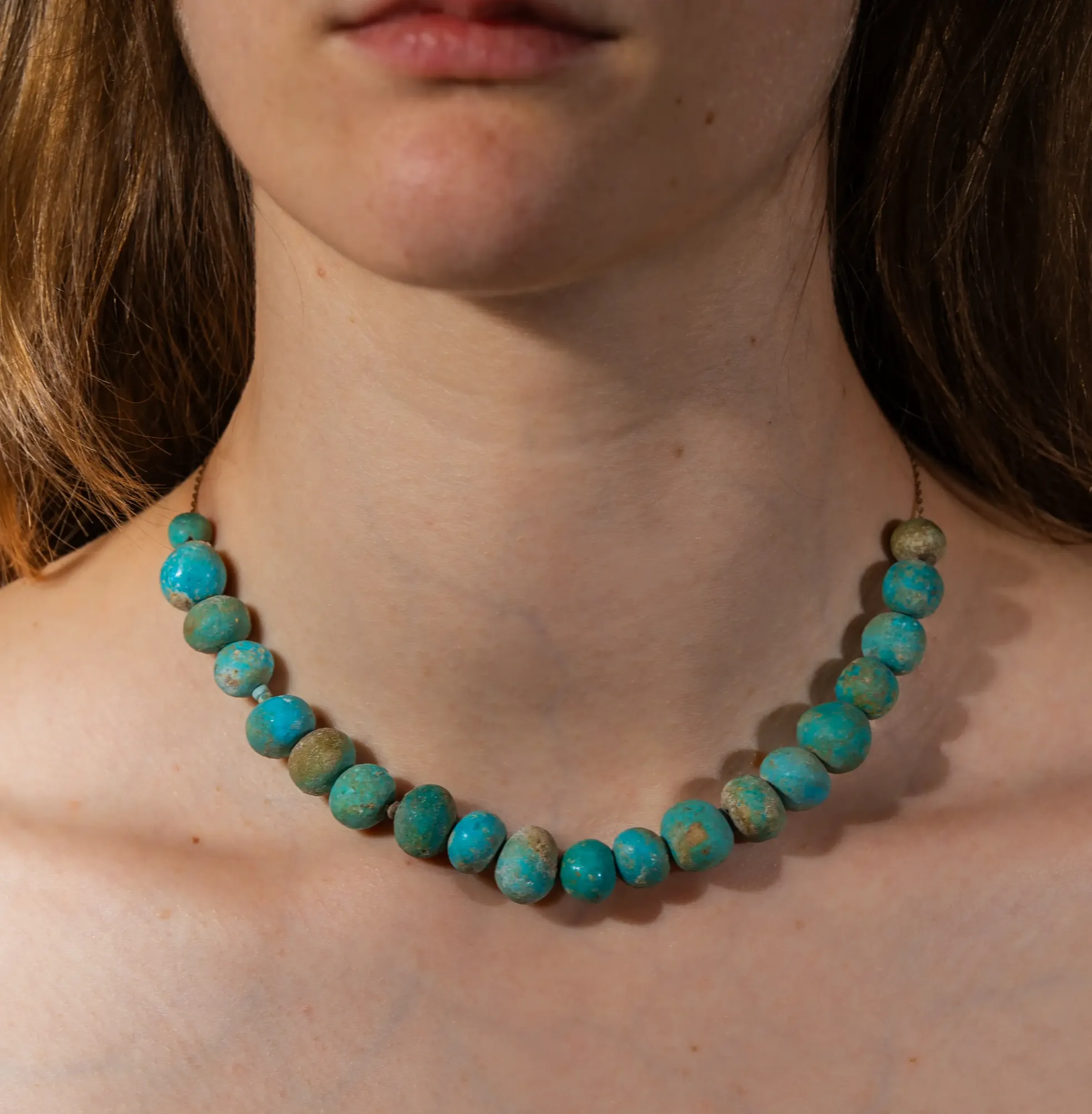 EgyptAncient Egypt, Cyprus's partner in copper, pottery and prestige goods from the Middle Kingdom to the Ptolemies, who annexed the island.Middle Bronze AgeLate Bronze AgeCypro-ArchaicCypro-ClassicalHellenistic
- Hittite Empire and CyprusThe Late Bronze Age Anatolian empire that claimed Alashiya as a tributary but left almost no material trace on Cyprus.Late Bronze Age
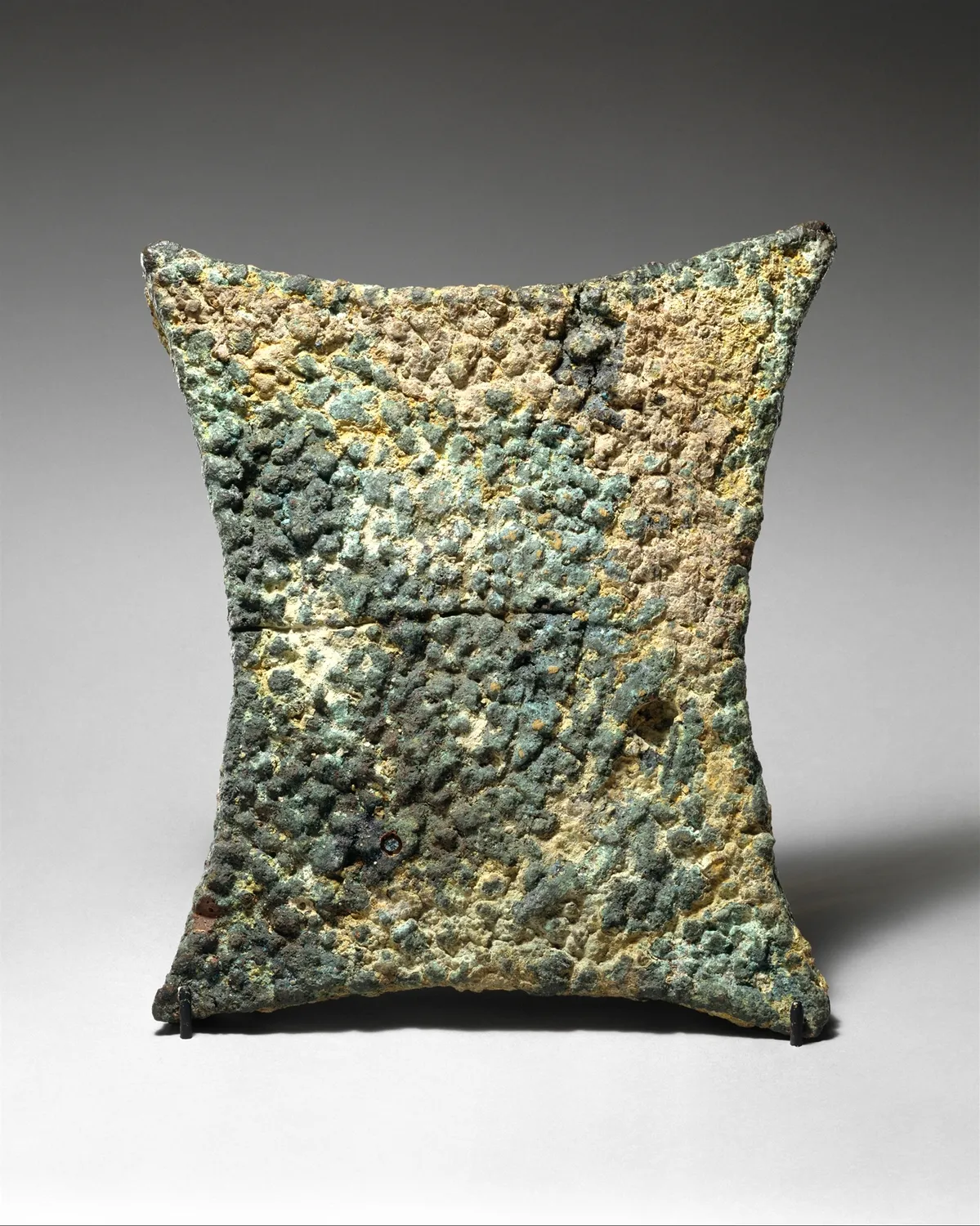 Neighboring CulturesSectionCyprus's relations with Anatolia, the Levant, Egypt, the Aegean and the Near Eastern empires, from the Chalcolithic to the Cypro-Archaic period.ChalcolithicEarly Bronze AgeMiddle Bronze AgeLate Bronze AgeCypro-GeometricCypro-Archaic
- Neo-Assyrian Empire and CyprusThe Mesopotamian empire to which the Cypriot kings submitted around 709 BCE, ruling them indirectly as tribute-paying clients.Cypro-Archaic
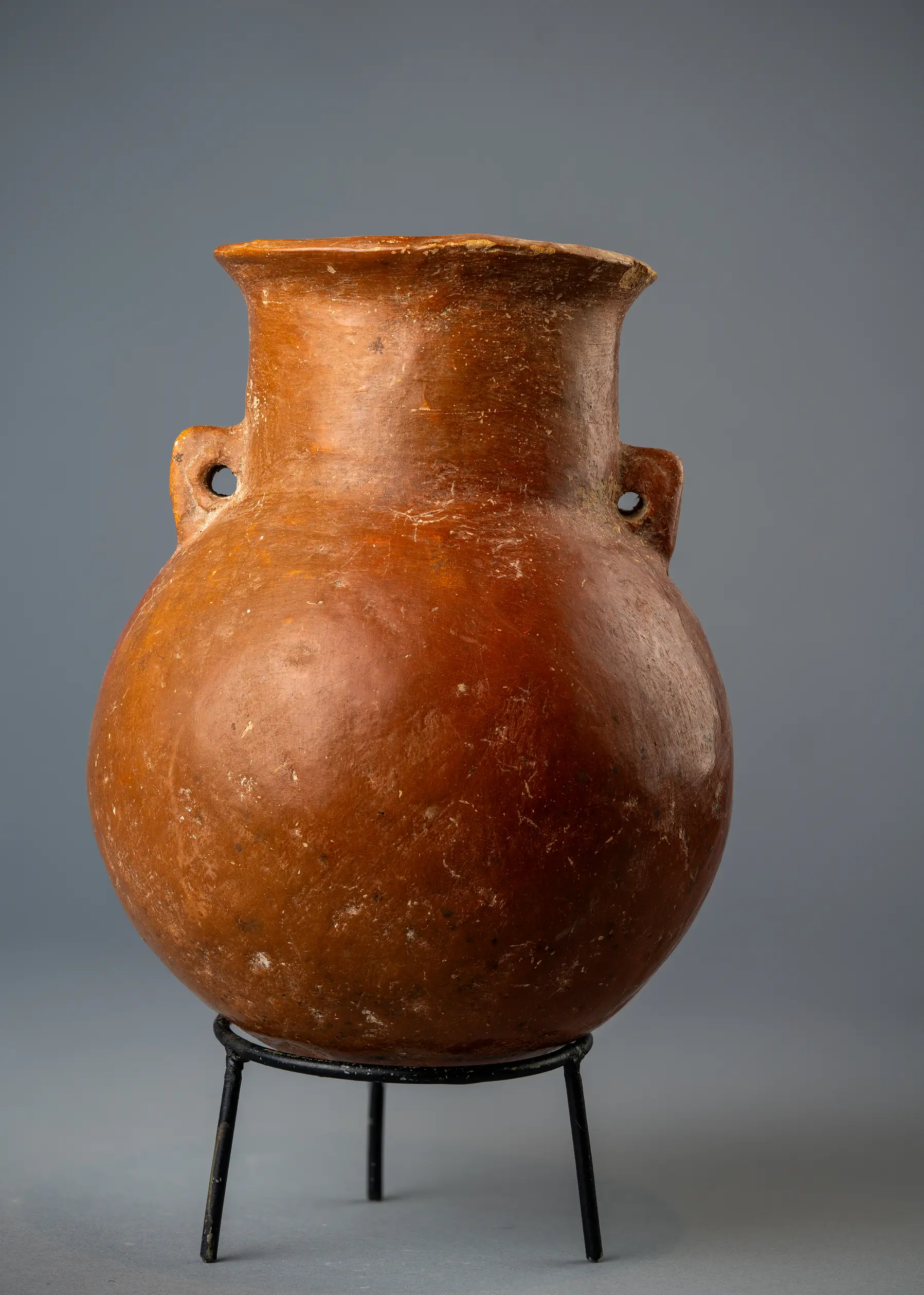 The MinoansThe palatial Bronze Age civilization of Crete, which took Cypriot copper and passed writing to Cyprus in the early Late Bronze Age.Early Bronze AgeMiddle Bronze AgeLate Bronze Age
- The Mycenaeans and CyprusThe palatial Late Bronze Age societies of mainland Greece, whose pottery flooded Cypriot coastal towns in the 14th and 13th centuries BCE.Late Bronze Age
- The PhilistinesThe 12th-century BCE newcomers to the southern Levantine coast, whose Aegean-style pottery, hearths and houses derive most directly from Cyprus.Late Bronze Age
- The PhoeniciansThe Iron Age city-states of the Levantine coast, whose traders and settlers made Kition a Phoenician kingdom and shared a hybrid culture with Cyprus.Cypro-GeometricCypro-ArchaicCypro-Classical
- Ugarit and the LevantThe Syrian port kingdom of Ugarit and the wider Levantine coast, Cyprus's closest Bronze Age trading partners across the water.Middle Bronze AgeLate Bronze AgeCypro-Geometric
Daily Life
2 entriesSection overview
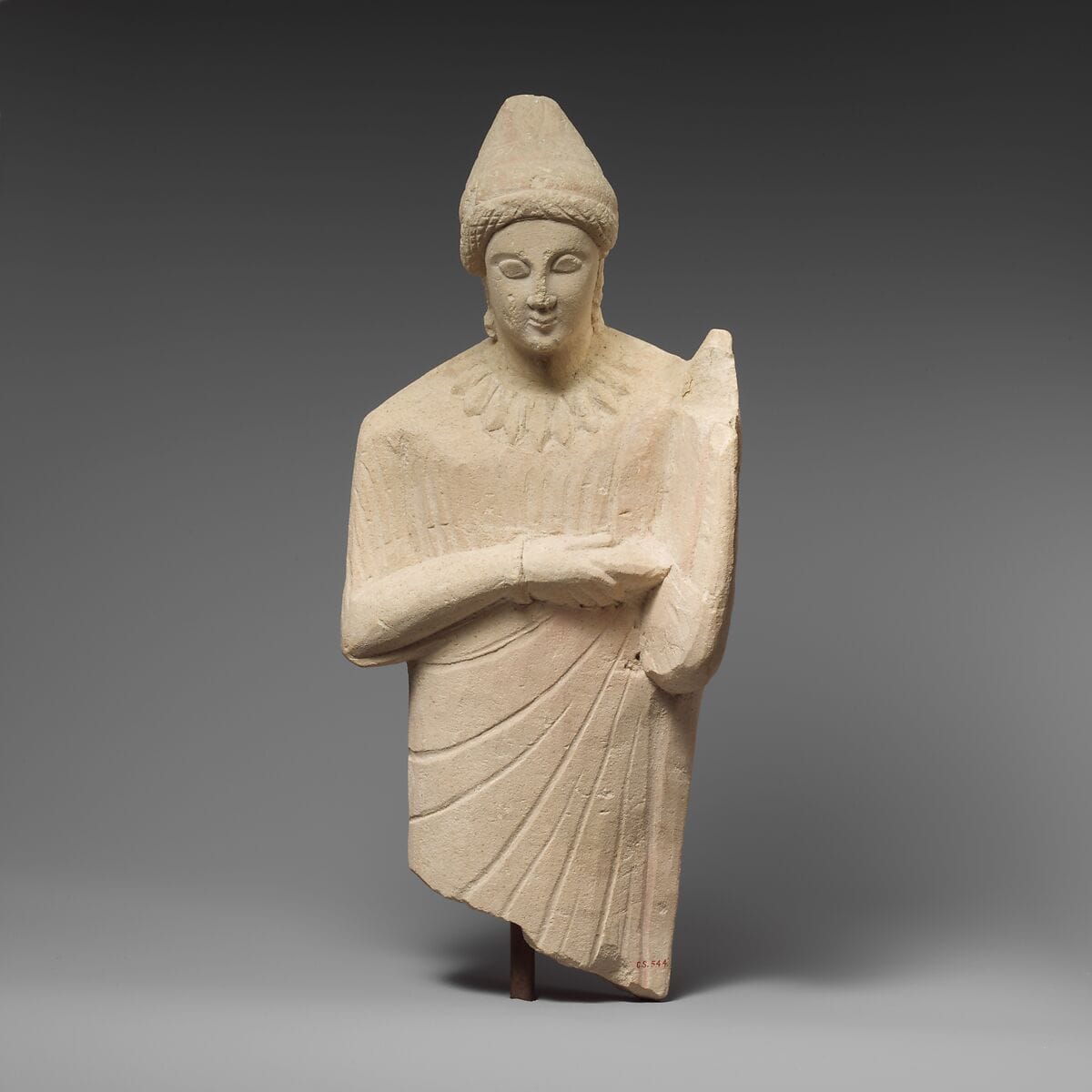 Music and Musical Instruments in Ancient CyprusLyres, double pipes, frame drums, cymbals and clay rattles in Cyprus from the Late Bronze Age to the Cypro-Classical period, known mostly from terracotta musicians.Late Bronze AgeCypro-GeometricCypro-ArchaicCypro-Classical
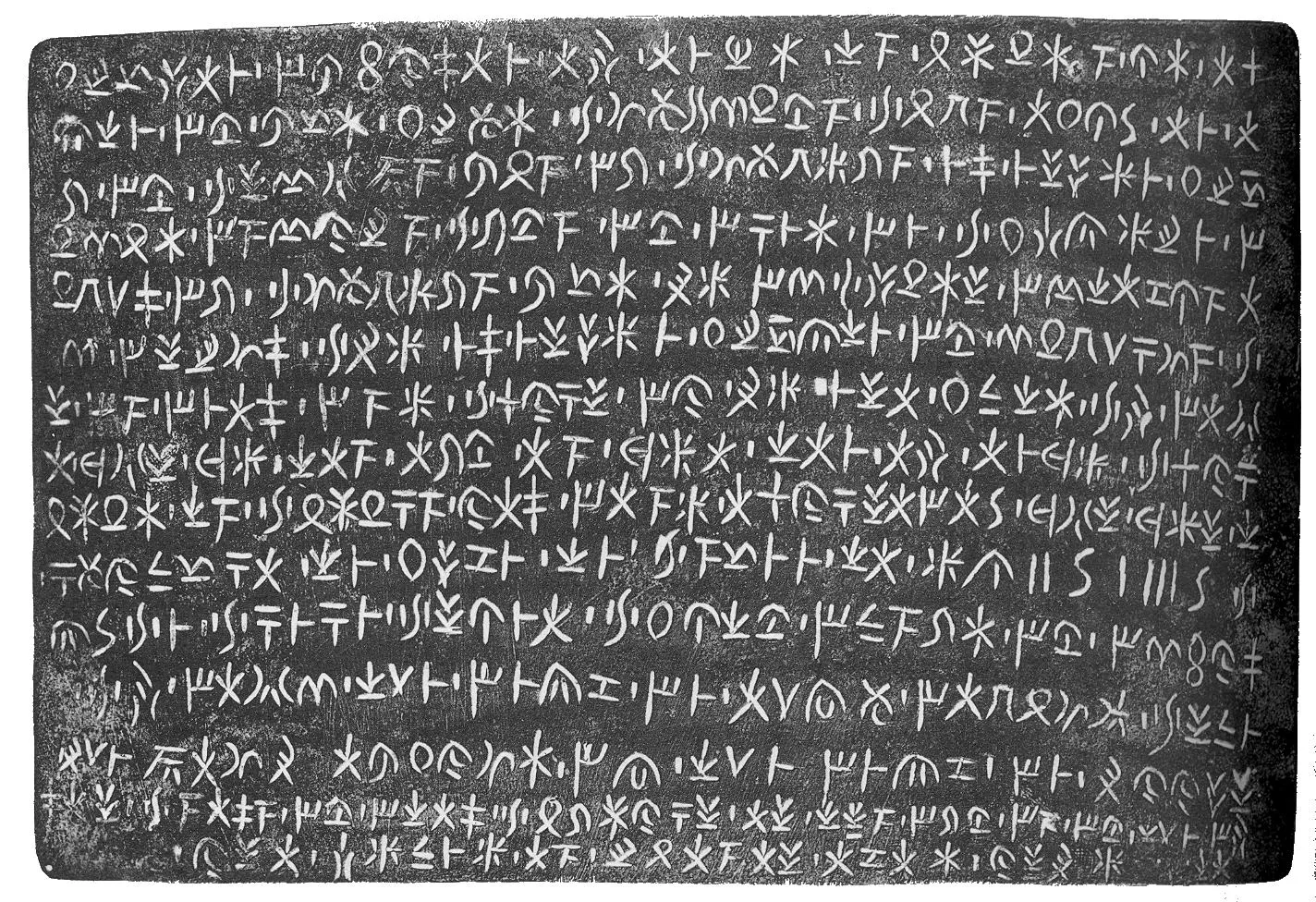
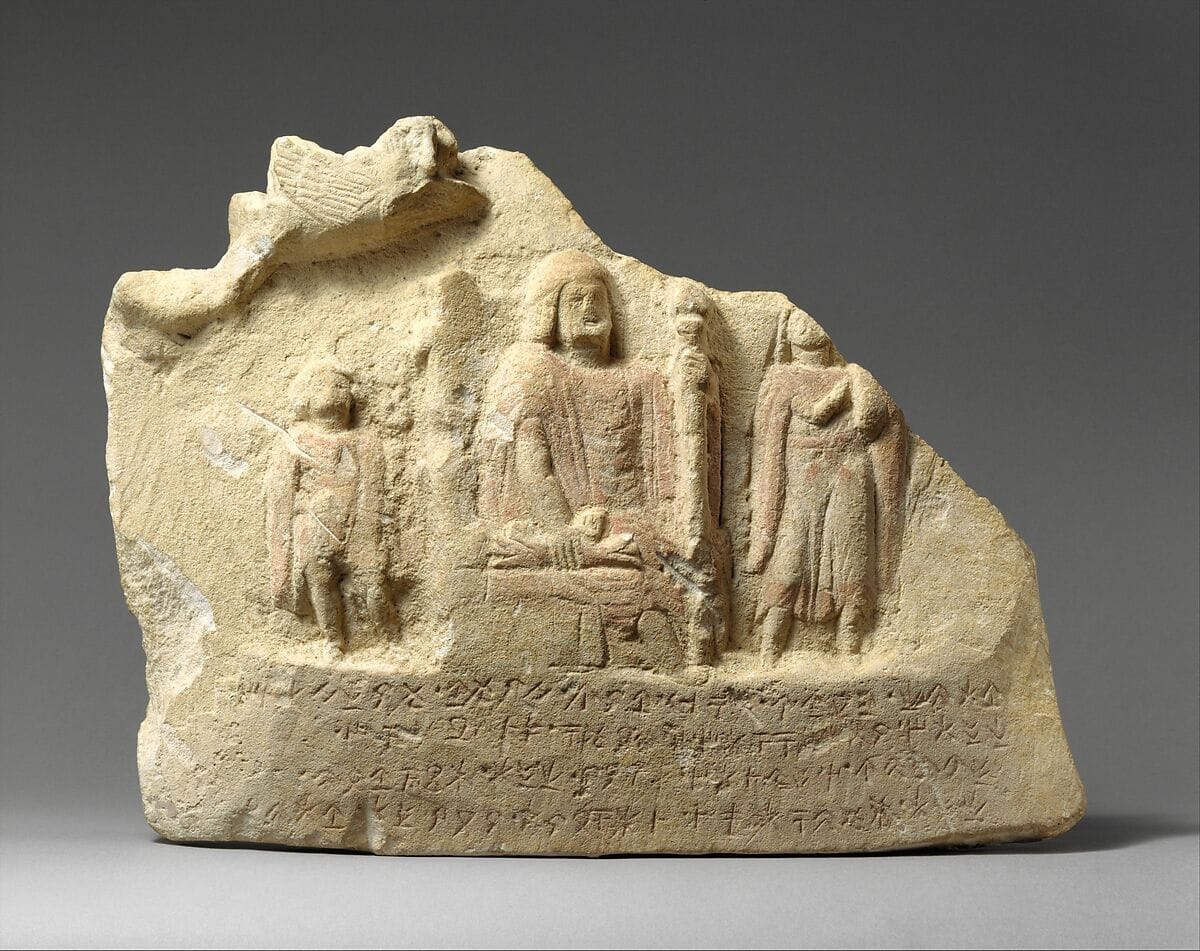 Writing and Literacy in Ancient CyprusThe scripts of ancient Cyprus, from undeciphered Cypro-Minoan to the Cypriot Syllabary, Eteocypriot, Phoenician and the Greek alphabet, and who used them.Late Bronze AgeCypro-GeometricCypro-ArchaicCypro-ClassicalHellenistic
Chronology
5 entriesSection overview
- Late Bronze Age CyprusThe Late Cypriot period, c. 1650–1050 BCE, when copper exports made Cyprus an urban, literate trading power before the crisis around 1200 BCE.Late Bronze Age
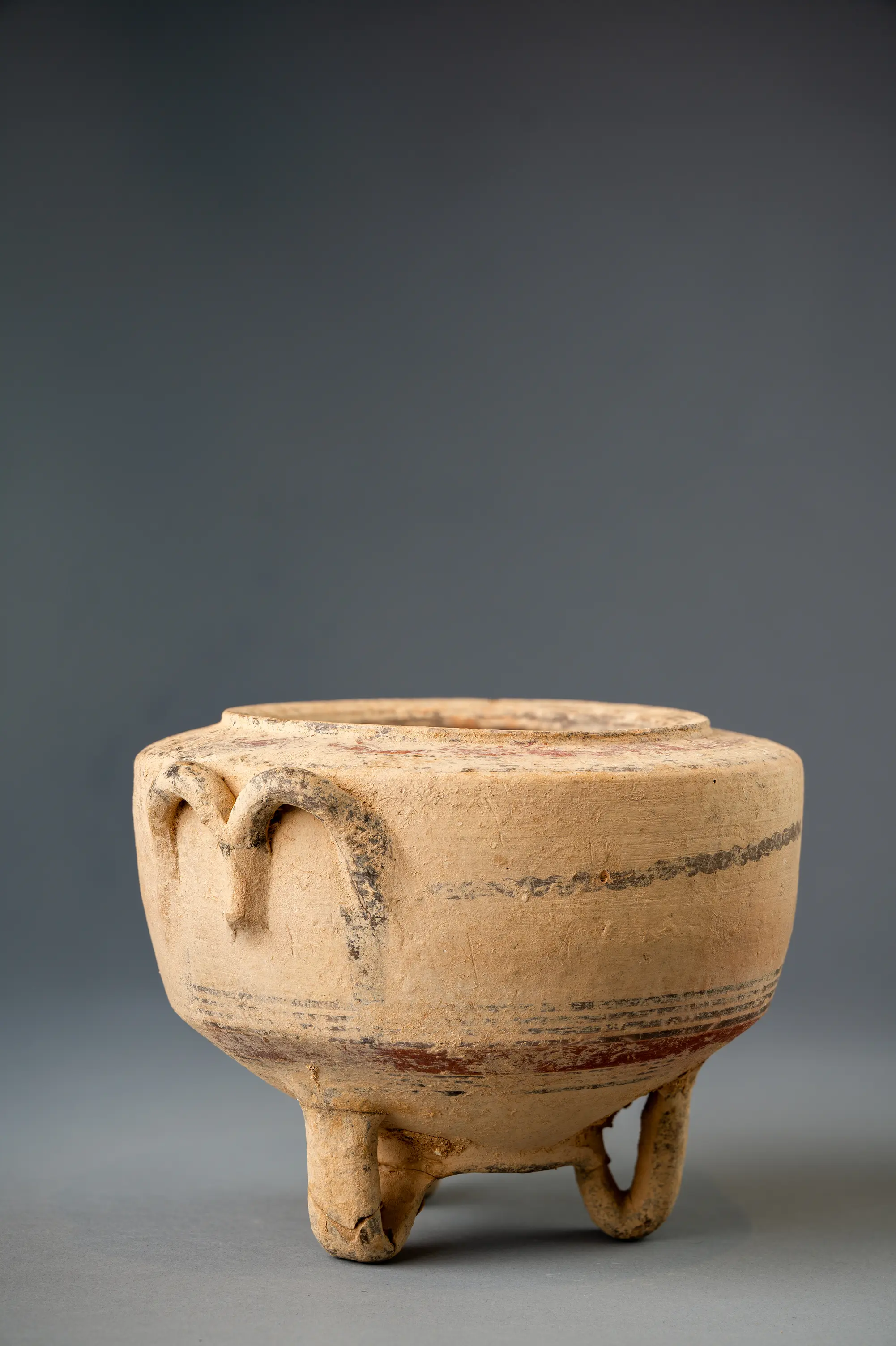 Cypro-Geometric CyprusThe Early Iron Age of Cyprus, c. 1050–750 BCE, of new dromos tombs, early ironworking, the Cypriot Syllabary and the debated origins of the city-kingdoms.Cypro-Geometric
- Cypro-Archaic CyprusThe age of the Cypriot city-kingdoms, c. 750–475 BCE, under Assyrian, Egyptian and Persian overlordship, with rural sanctuaries and regional pottery styles.Cypro-Archaic
- Cypro-Classical CyprusThe last phase of the Cypriot city-kingdoms, c. 480–310 BCE, under loose Persian overlordship, ending when Ptolemy I abolished the kings.Cypro-Classical
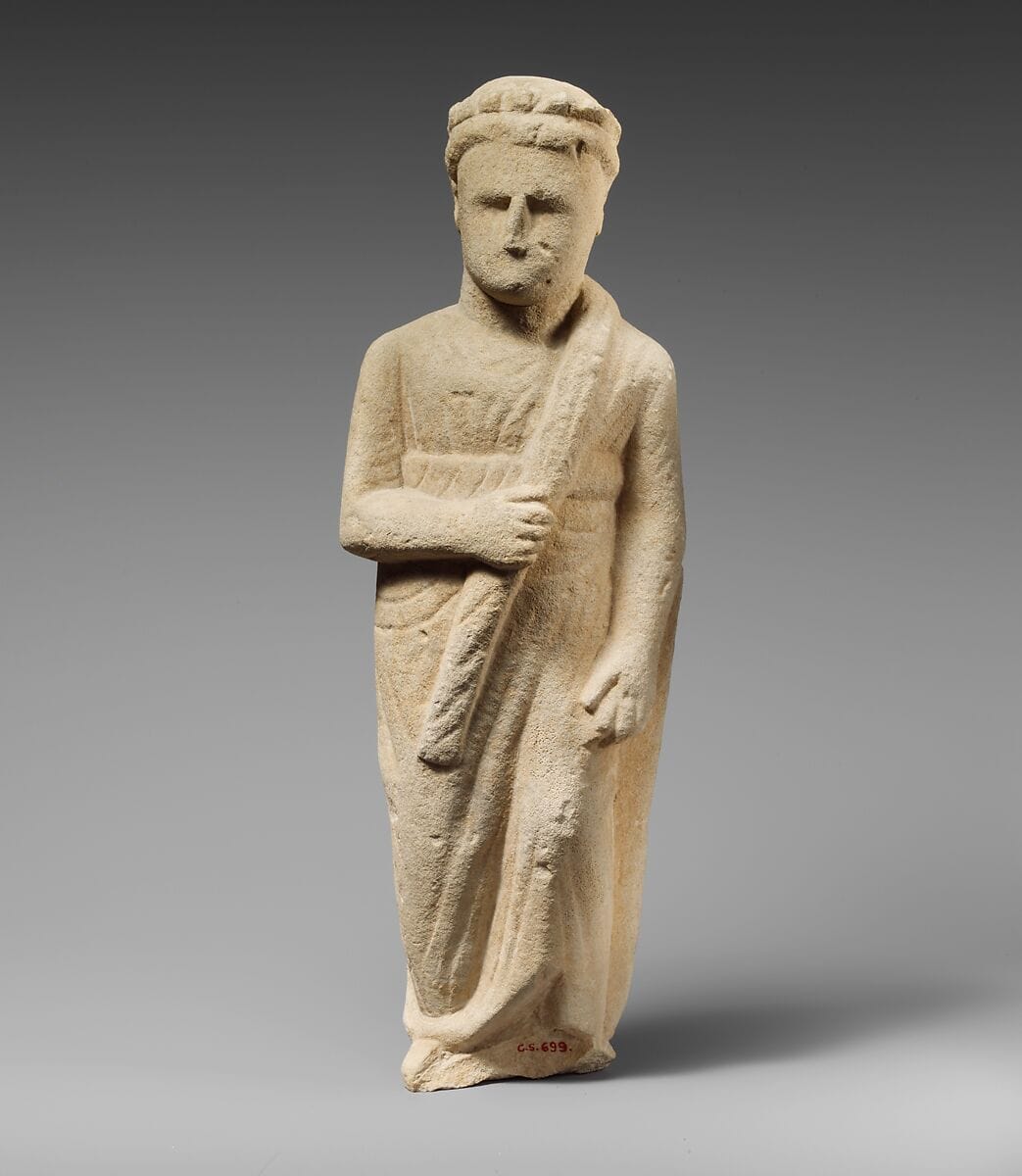 Hellenistic CyprusThe Ptolemaic period in Cyprus, c. 310–31 BCE, when the city-kingdoms were abolished and the island was governed as one province from Nea Paphos.Hellenistic