
A private collection of Cypriot antiquities
The Drakopoulos Collection
133 objects from one island, made between 4500 and 150 BC.
IThe collection
One island,
133 objects
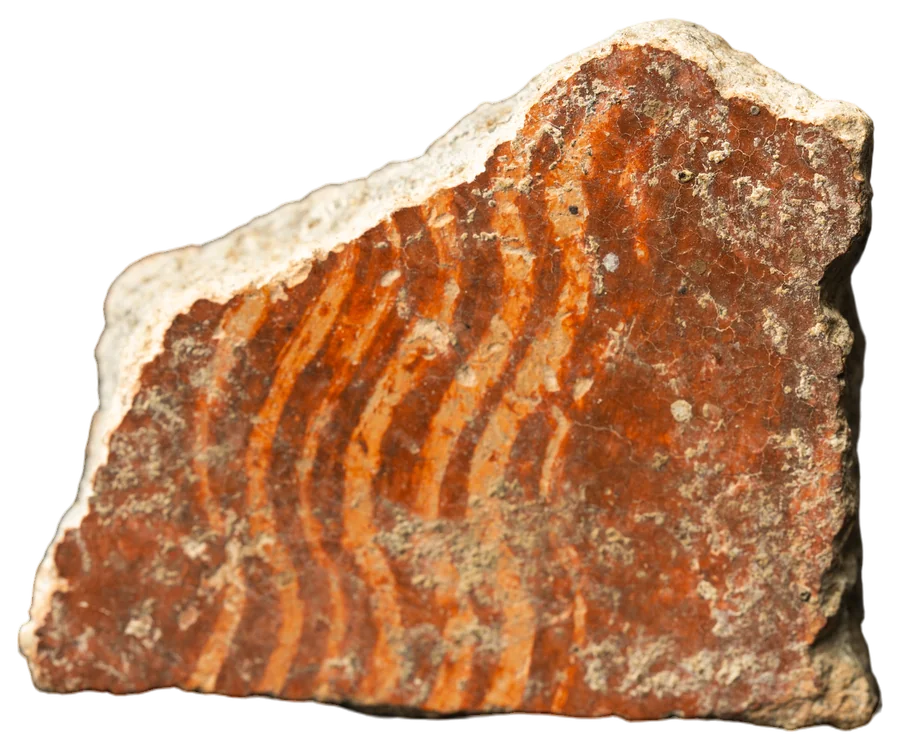
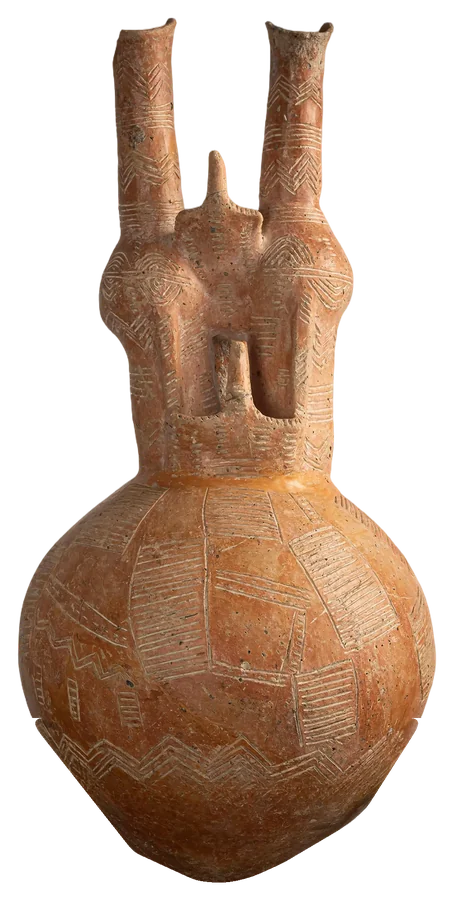
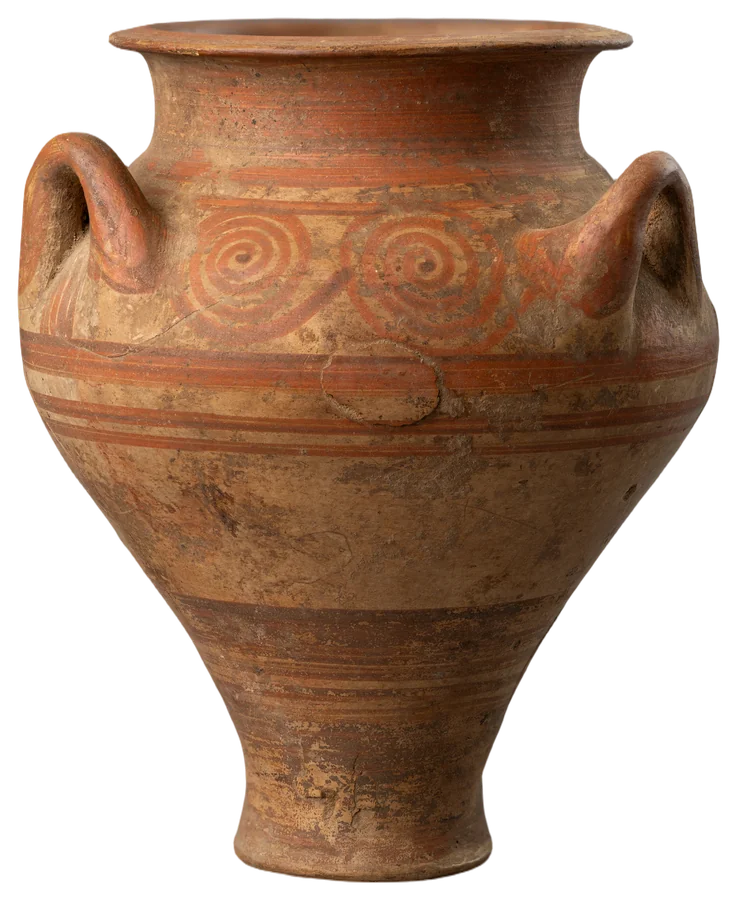
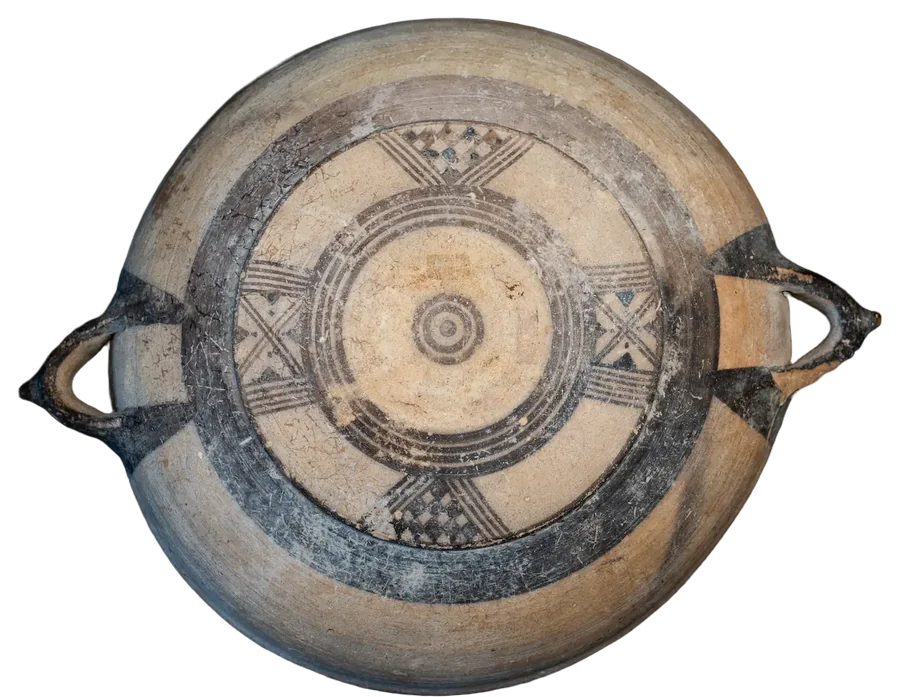
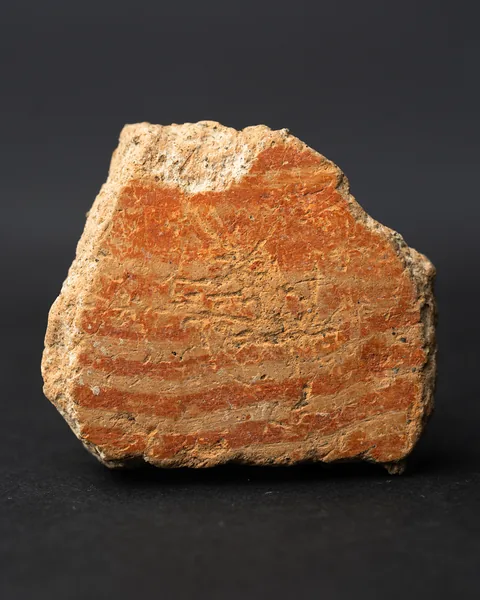
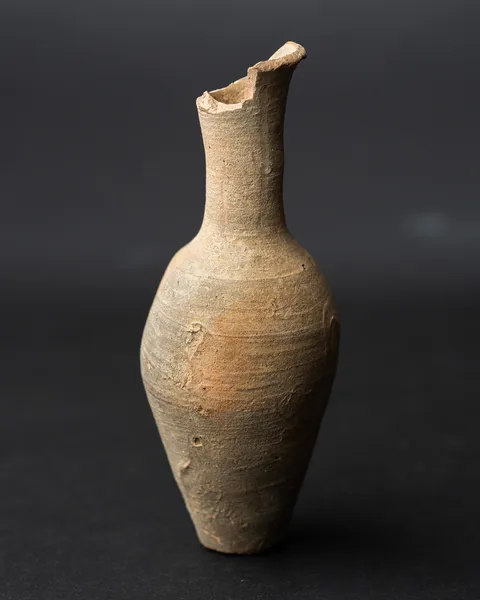
Everything here was made on Cyprus, over some 4,350 years. The oldest pieces are fragments of Neolithic pottery, made c. 4500 BC. The latest is a small wheel-made bottle for scented oil, of the kind laid in Hellenistic tombs.
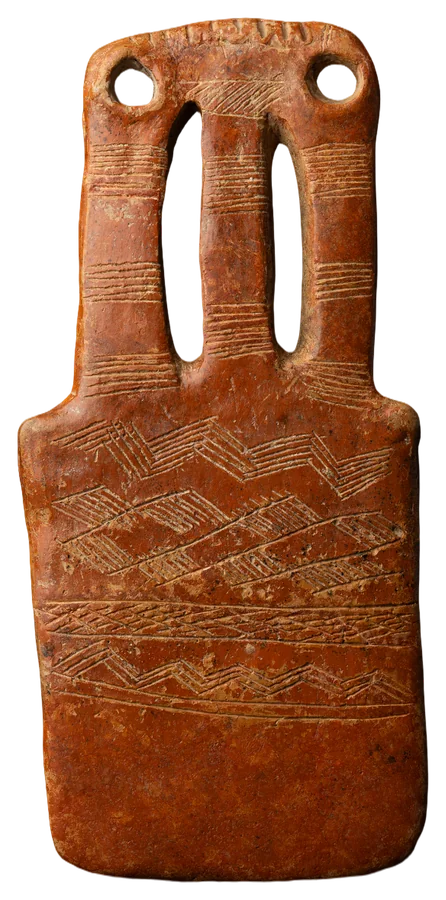
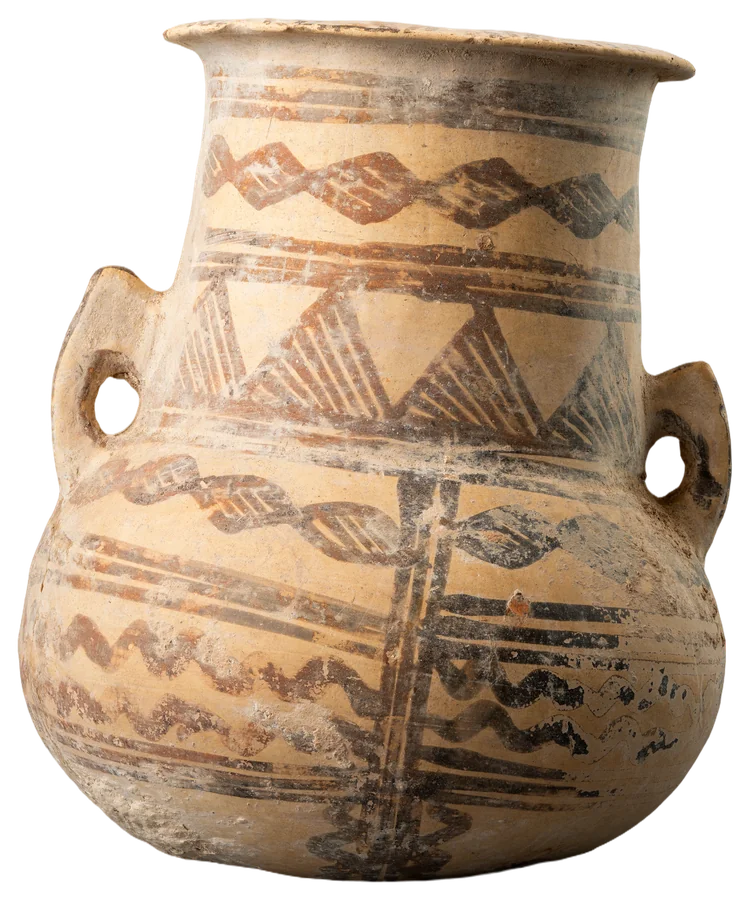
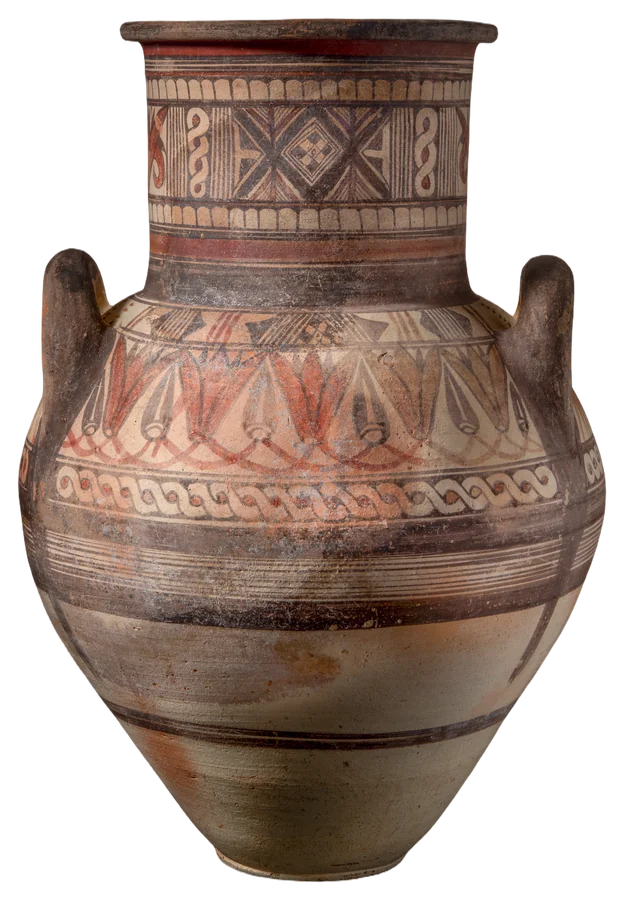
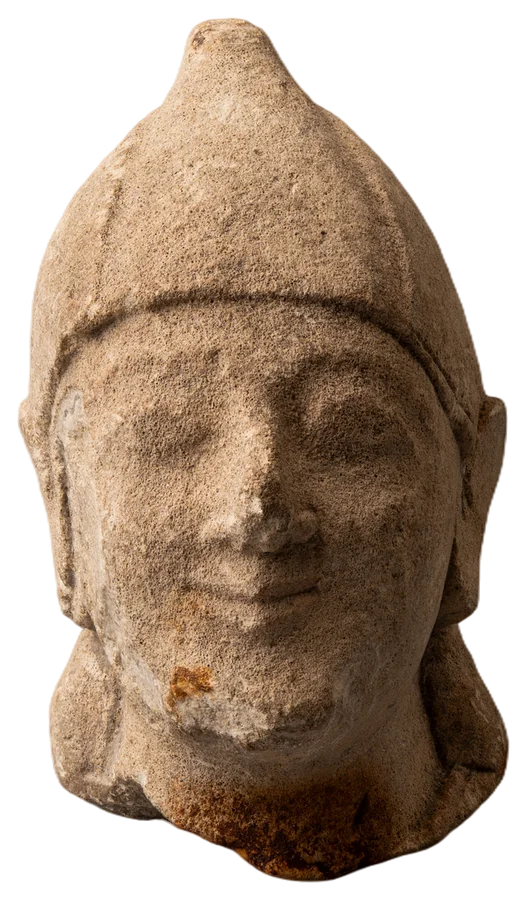
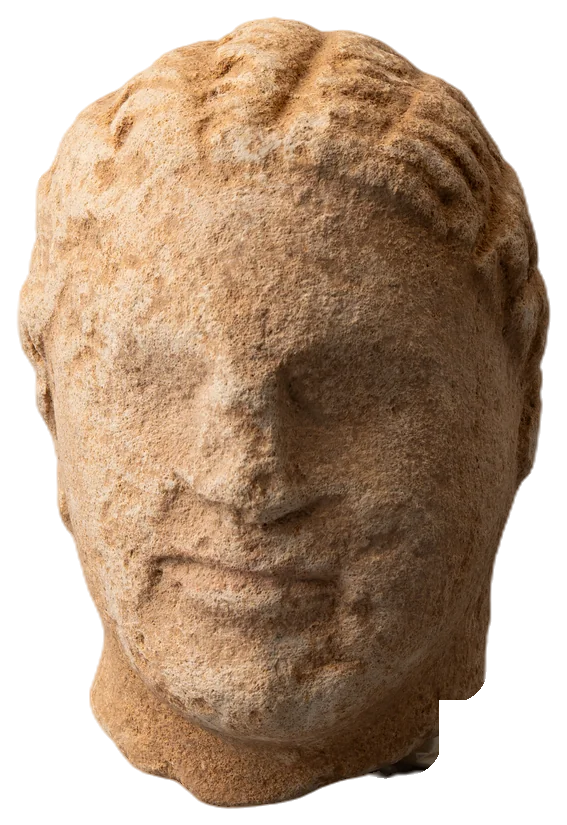
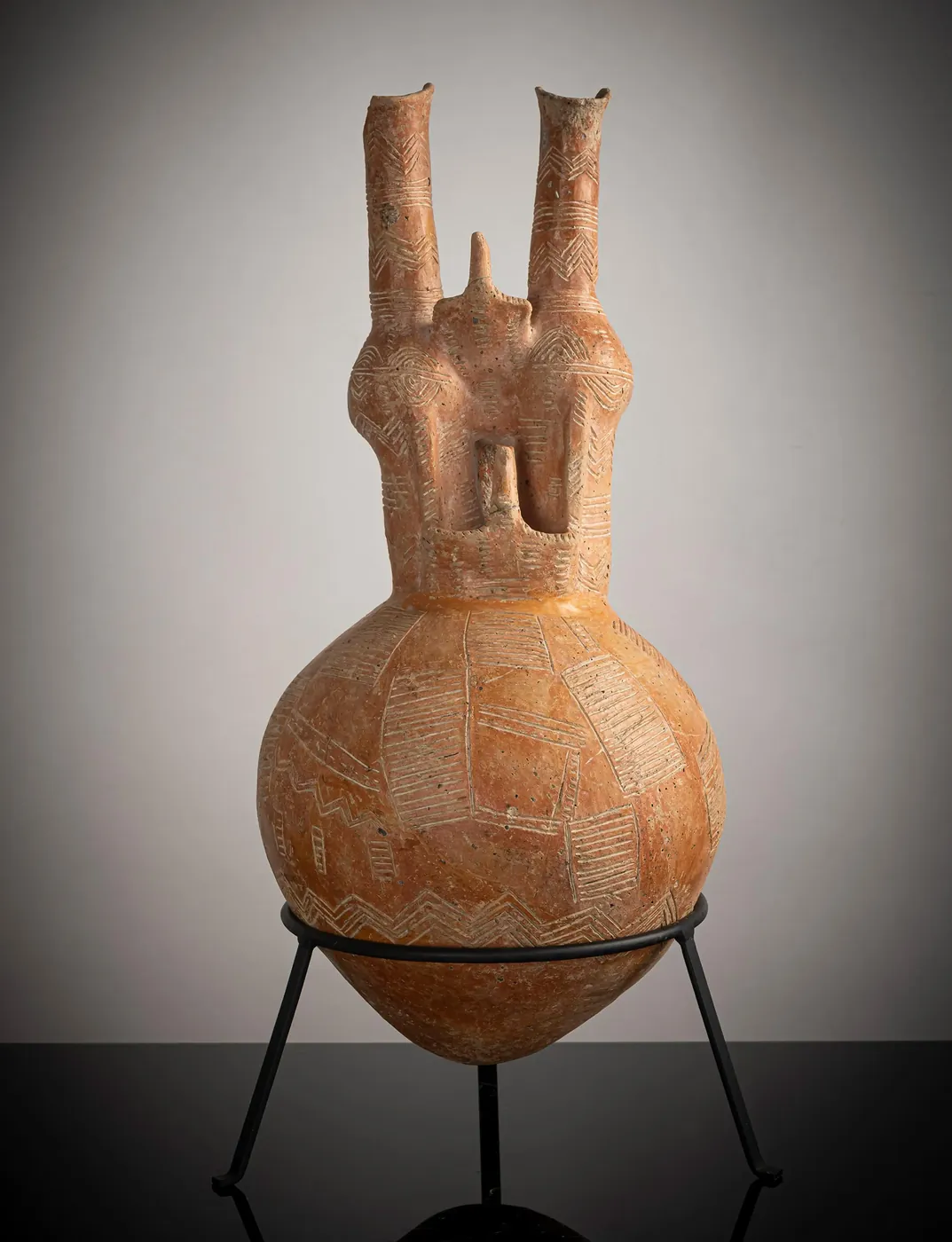
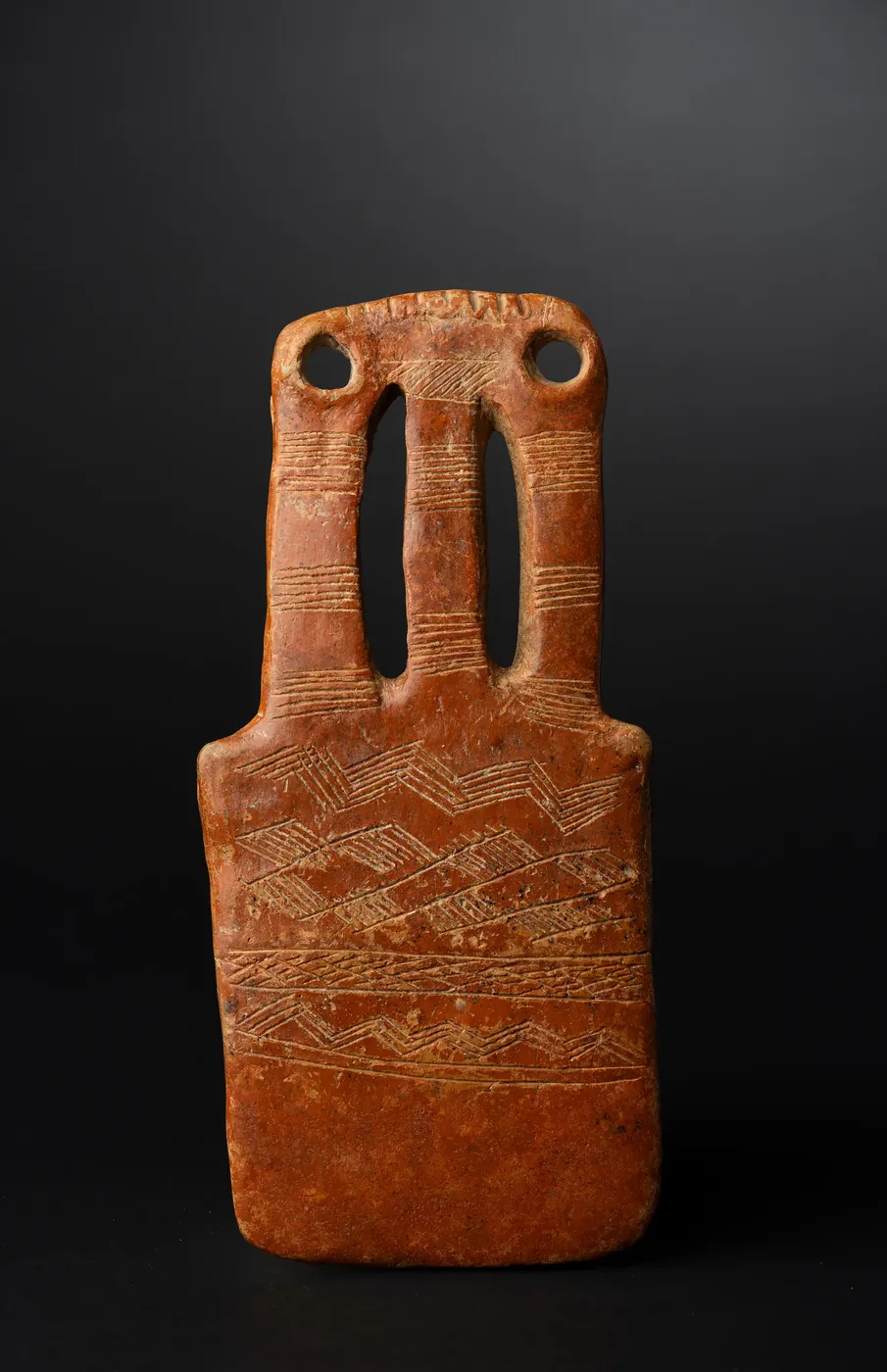
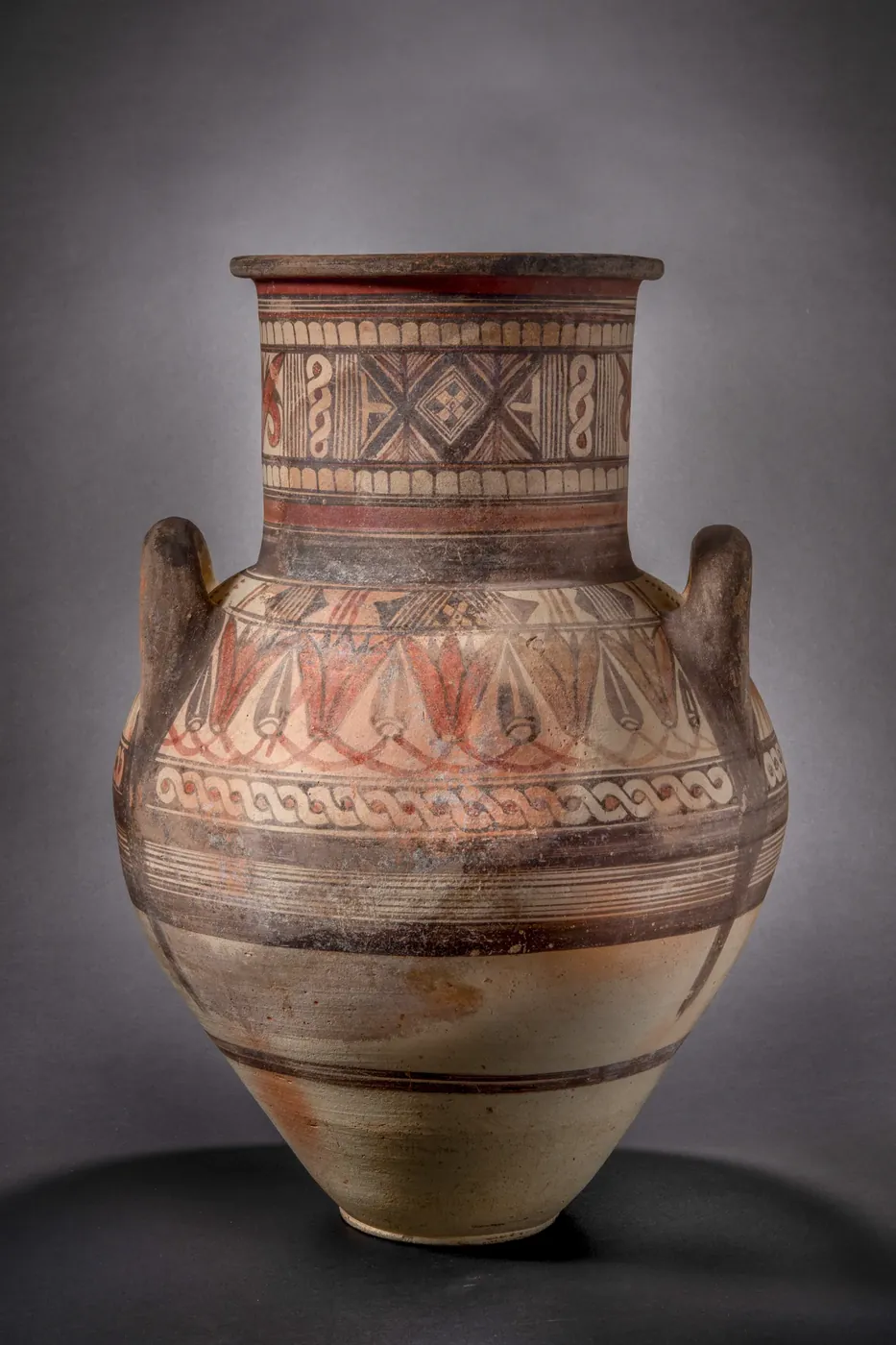
Between them lie burnished Bronze Age jugs, a pair of clay plank figures, painted Iron Age amphorae and the limestone heads of votaries, statues set up in sanctuaries to stand before the god in the worshipper’s place. Each object has its own catalogue entry, with a date, a full description and its ownership history as far back as it can be traced.
- objects
- 133objects
- years between the oldest and the latest
- 4,350years between the oldest and the latest
- eras, Neolithic to Hellenistic
- 7eras, Neolithic to Hellenistic
- scanned in three dimensions
- 14scanned in three dimensions
IIDeep time
The collection, century by century
Drag the handle through time and the pieces made in each century step out of the dark, from the first Neolithic potters to the Hellenistic tombs.
IIIThe masterpieces
Four pieces with
a room of their own
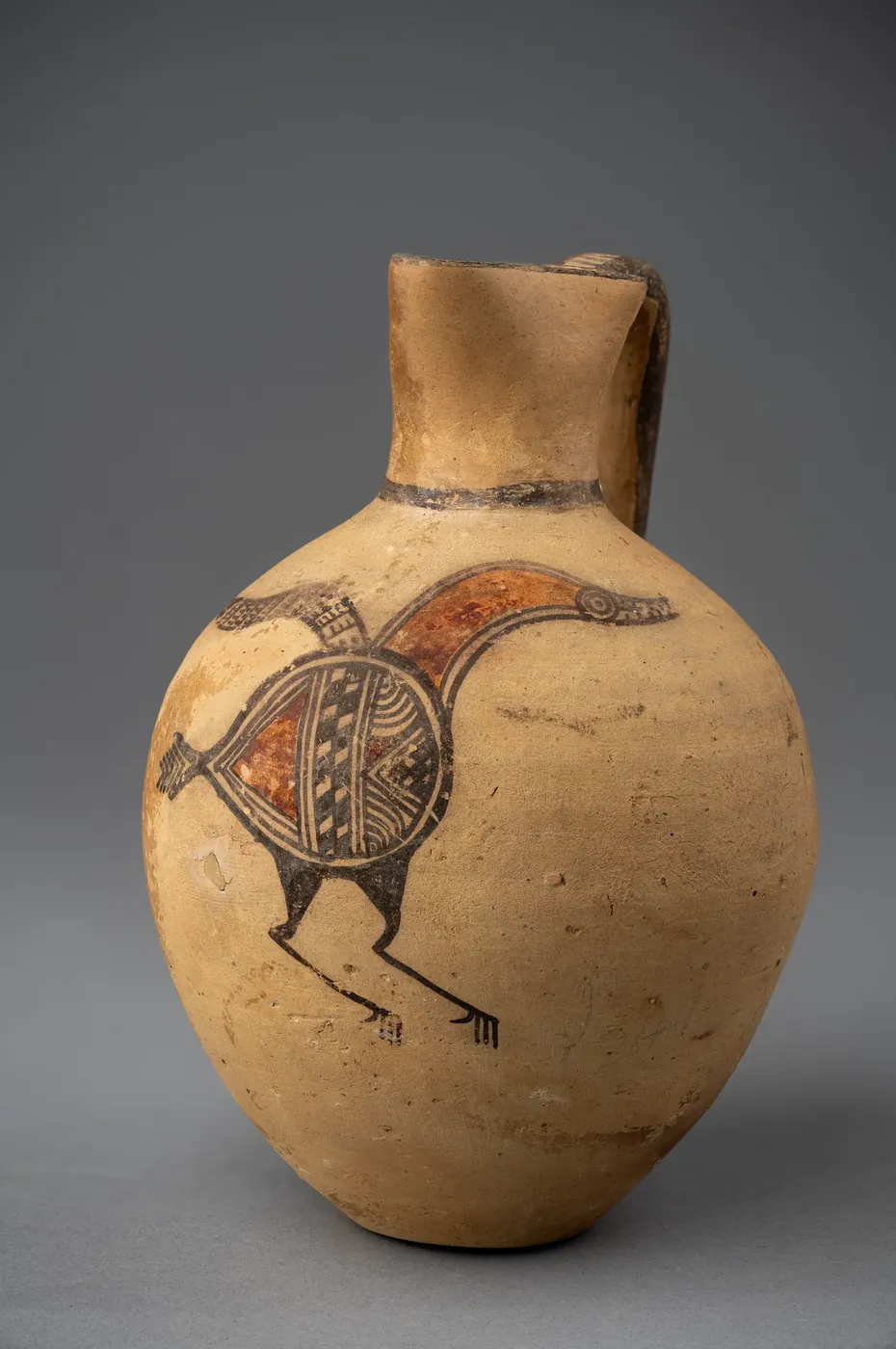
Some objects have more to tell than a catalogue entry can hold: two plank figures that spent fifty-three years in a case at the Ashmolean, a jug whose owners can be followed one by one from the 1870s to today. Each room holds close photographs, the nearest parallels and the story of how the piece got here.
IVThe cabinet
All 133 pieces on one table
Lay out the whole collection by date, by era or by shape, and open any piece where it lies.
VIn the case
Hold it to the light
The fourteen pieces on the shelf below have been photographed from every side and rebuilt in three dimensions. Turn one in your hands, then drop the gallery lights and pass a low lamp across it, the way a conservator looks for brush strokes, wheel marks and old repairs.
VIPlay
Three ways in
Make a pot at the bench, open a tomb, or follow a vase through an old sale catalogue. Each takes about five minutes.
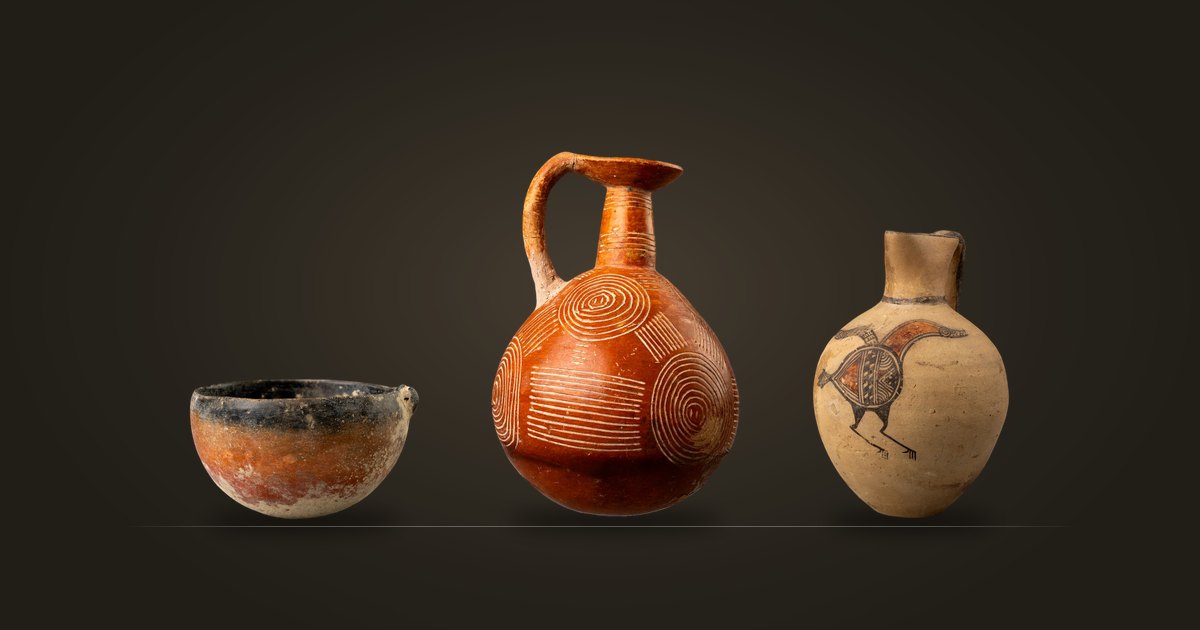
Make About 5 minutes
The Potter’s Workshop
Recreate pieces from the collection: shape them, decorate them and fire them.
Play
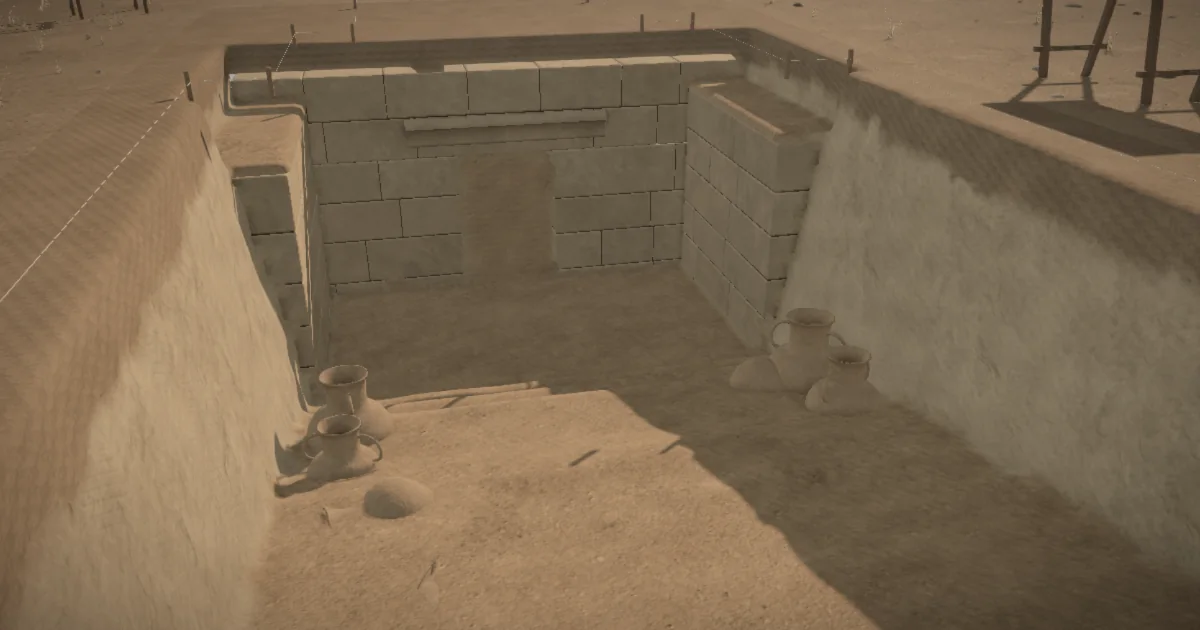
Dig About 5 minutes
The Excavation
Uncover four Cypriot tombs, step by step.
Play
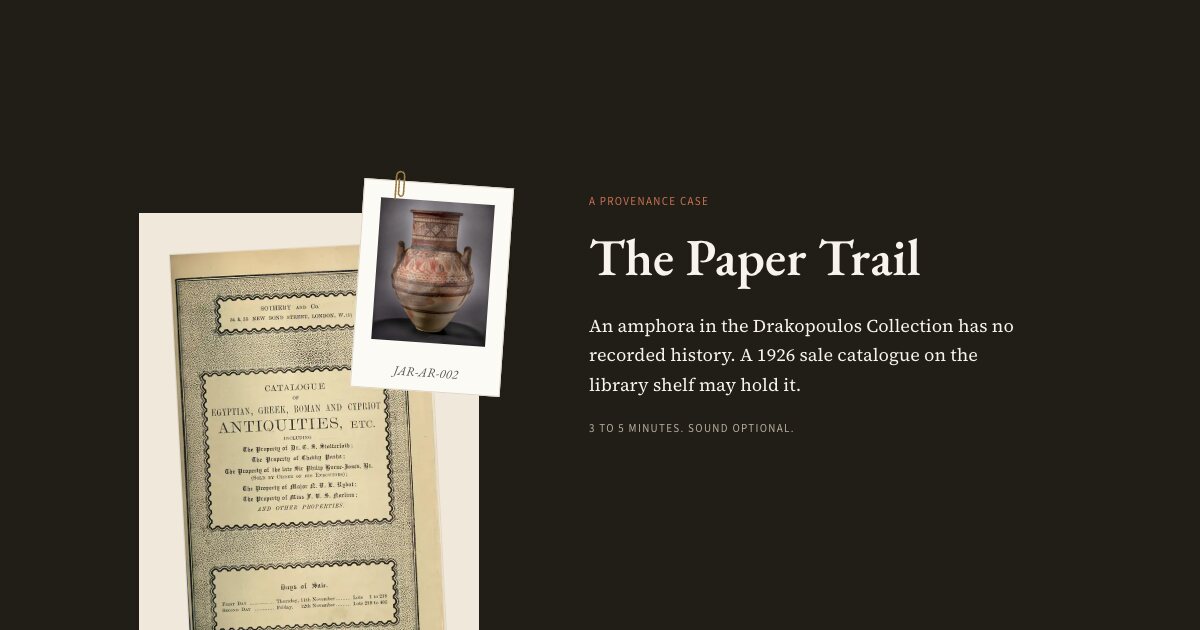
Trace About 5 minutes
The Paper Trail
Follow the lotus amphora back through the 1926 Sotheby’s sale.
Play
VIIA collector’s note
Objects with their histories
The collection is built around provenance, the record of where an object has been since it left the ground. Wherever that record survives, it is published here in full, however short it is.
Of the 133 pieces, 80 come from a single collection formed in Cyprus between 1965 and 1969. An amphora among them had been sold by the Cyprus Museum itself, through the Department of Antiquities sales register, and left the island under export licence in 1969.
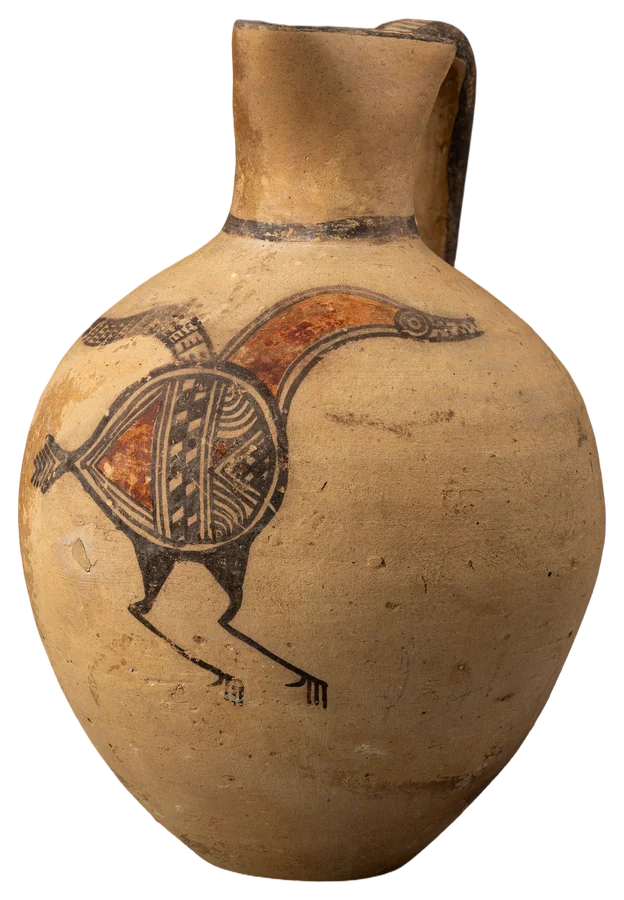
Others arrived with longer histories. The two plank figures were on loan to the Ashmolean Museum in Oxford from 1972 until 2025, and stood in its Cyprus case. The jug with the striding bird was dug up in the late 1870s. Since then it has been in the Lawrence-Cesnola and Pitt-Rivers collections and through the hands of dealers and salerooms in London and Chicago; its full record is set out here.
Pieces from the collection are available for loan to museums.
One paper trail
Bichrome IV Trefoil Jug with a Striding Bird1876–79
Excavated in Cyprus by Alessandro Palma di Cesnola
1881–83
Lawrence-Cesnola Collection
1 June 1883
Sotheby, Wilkinson and Hodge, London, lot 277
1883–1900
Lt-Gen. Augustus Henry Lane Fox Pitt-Rivers; displayed in Room IV of his museum at Farnham, Dorset, from 8 August 1896
1900–1975
By descent in the Pitt-Rivers family, to George Pitt-Rivers (d. 1966) and then Stella Pitt-Rivers
24 February 1975
Sotheby's, London, lot 168
1975–76
Charles Ede Ltd, London (stock no. E4614)
From May 1976
Private collection, Chicago
2016
Harlan J. Berk Ltd, Chicago
2016–18
Charles Ede Ltd, London
2018–c. 2024
Private collection, Surrey
c. 2024–25
Charles Ede Ltd, London; exhibited TEFAF Maastricht 2025
2025–present
Alexis Drakopoulos, London
Neolithic · c. 4500–3900 BC
Start with the first potters
The first room holds a handful of potsherds from the villages of Neolithic Cyprus. From there the collection runs forward, era by era, to the Hellenistic period.