Projects

A complete record of ancient Cyprus, and of everyone who has studied it

Ancient Cyprus is a set of connected projects: the sources themselves, gathered from the archives and libraries that hold them; registers that tie every person, publication, excavation, tomb and object to the others; the research we do with them; and the ways we share it. Each project below is shown working, with real records you can open.

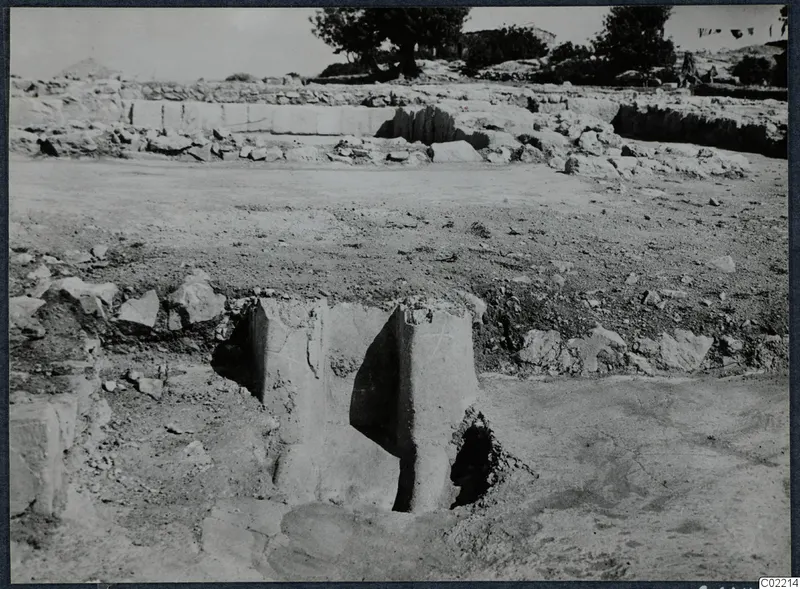
  • Excavation at the palace at Vouni
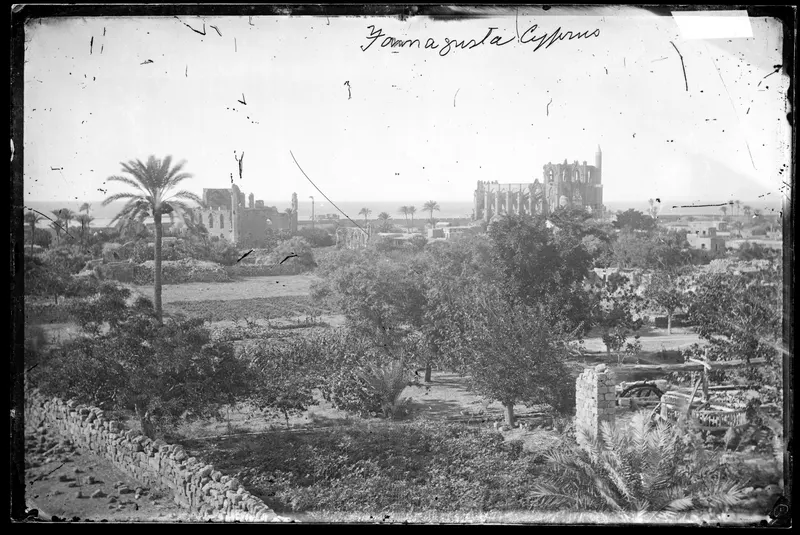
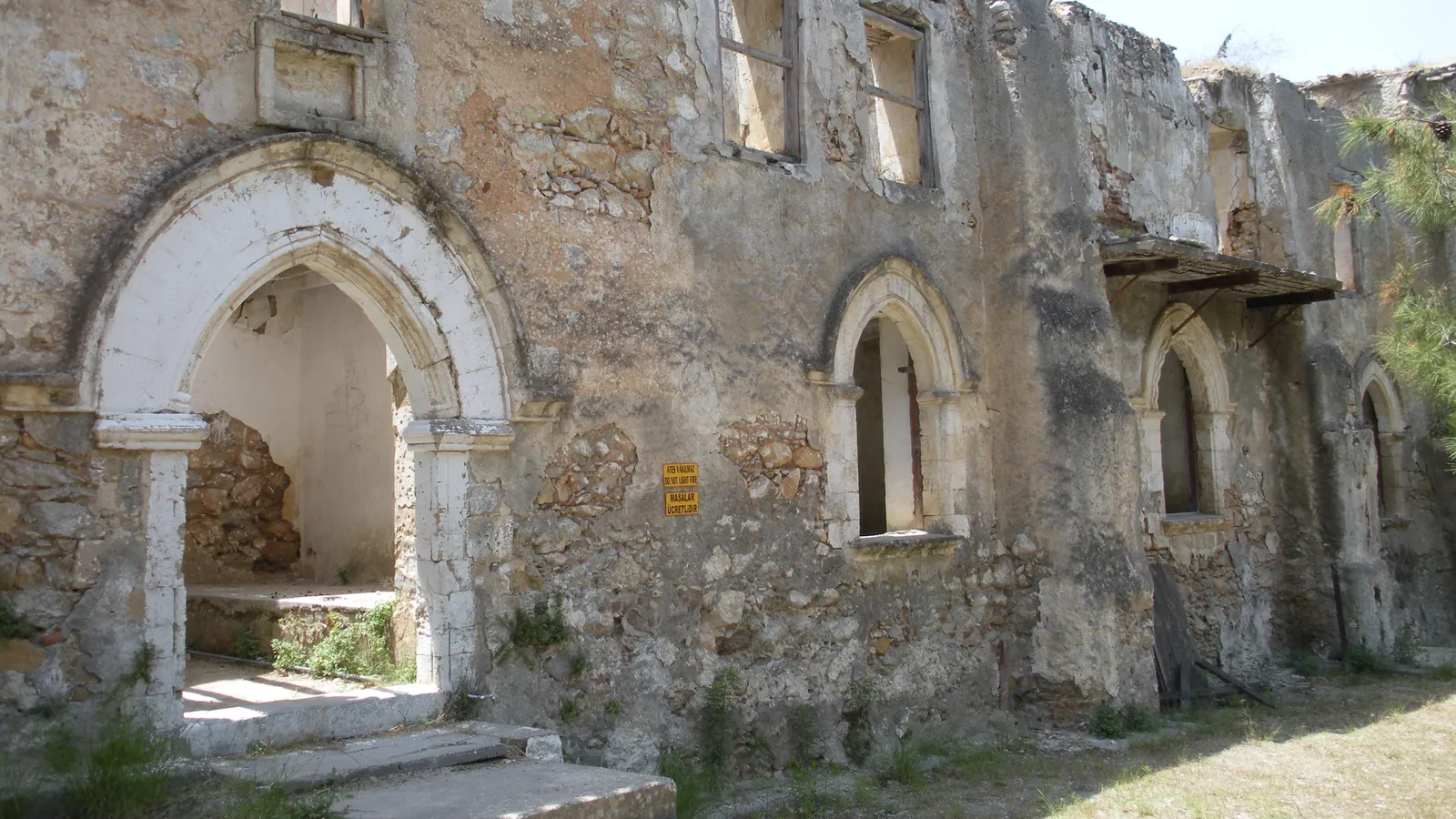
  • Famagusta: orchards and ruined churches towards the sea
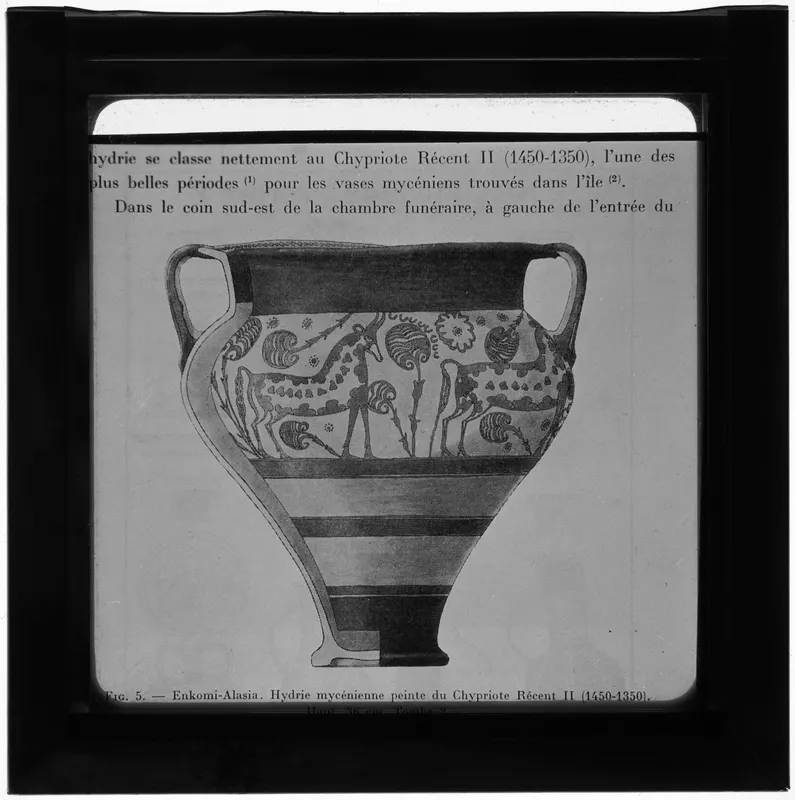
  • Enkomi: Mycenaean painted hydria of the Late Cypriot II period (tomb 2)
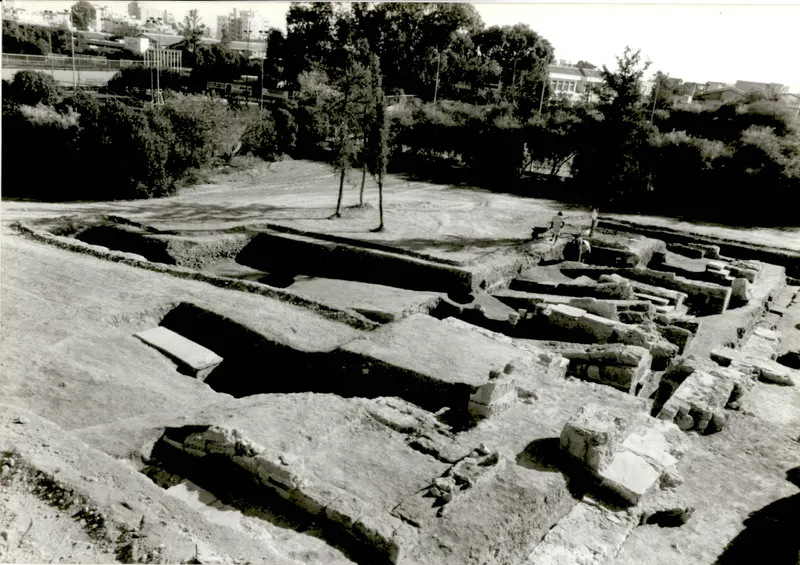
  • Black-and-white field photograph, Kition-Bamboula-Port
  • Gold and bronze jewellery in two wooden trays
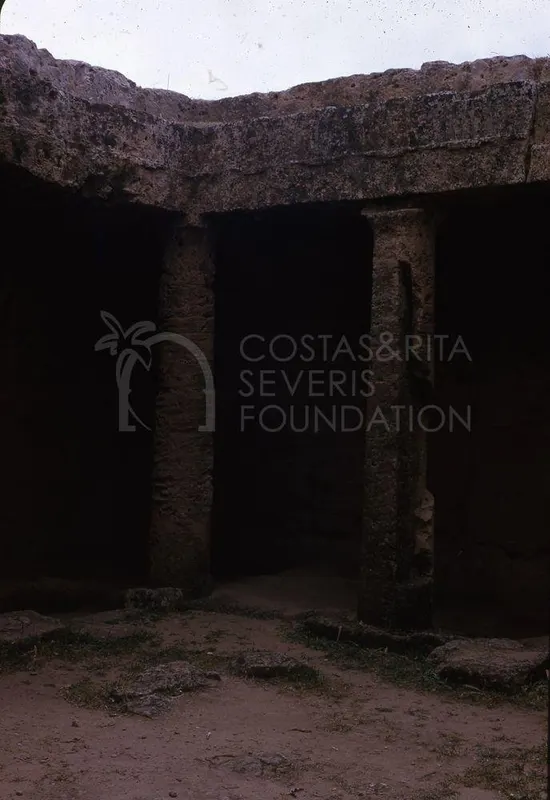
  • Tombs of the Kings, Paphos

I

The sources

Photographs, drawings, field diaries and books on the archaeology of Cyprus, brought together from the archives that hold them, each with its record, an English caption or translation, and the licence it may be reused under.

The Swedish Cyprus Expedition of 1927–1931, the French missions at Salamis, Kition and Enkomi, John Thomson’s photographs of 1878, the Colonial Office’s prints and more: every item has its own page, with the holder’s record, an English caption, its date, the sites, tombs and people it shows, and where it was published.

The field diaries, notebooks and excavation papers are transcribed page by page and read beside their scans.

photographs and drawings
40,283
photographs and drawings
collections
17
collections
field diaries and papers
1,413
field diaries and papers

Next · More collections, and every field photograph placed where it was taken.

From the collectionsChoose a photograph

Cesnola’s volumes, the colonial reports, the Medelhavsmuseet’s bulletins and the early literature of Cypriot archaeology, readable online page by page: the printed page beside its text, and an English translation of those that were not written in English.

The people, sites and objects each page names link to their own pages.

books and journals
210
books and journals
pages translated
2,462
pages translated

Next · More of the early literature, and the Swedish, German and French publications in English.

In the readerChange the book, turn the page

II

The registers

Registers of everyone and everything in the history of Cypriot archaeology, each fact cited to the publication it comes from, and every record linked to the others.

People, institutions, publications, excavations

Pull a thread

Live

The excavators, collectors, dealers, officials and scholars of Cypriot archaeology; the museums, missions, auction houses and societies they worked for; every excavation from the 1860s to now, season by season; the publications that report them; and the recorded lectures on the subject. Every fact on a page is cited to its source.

Start from a person or a place and follow the links: who directed which excavation, who reported it, and where its finds went.

people
12,581
people
museums, missions and firms
2,140
museums, missions and firms
publications
10,416
publications
excavations
825
excavations
seasons of fieldwork
1,701
seasons of fieldwork
lectures
332
lectures
Through the registersEvery link pulls the thread one step further

Each tomb with its architecture, its burials and everything found in it, read from the excavation reports, and the museums where its finds are today. Where the report printed a plan, the tomb page draws it.

The register follows the publications: the decades whose reports are still being read look thinner than the digging was.

tombs
4,696
tombs
read from their own reports
2,380
read from their own reports
with the report's plan
144
with the report's plan

Next · An explorer for asking the register your own questions, and more reports read.

The tombs on the mapChoose a decade, or play through them

Objects from museums around the world, from the tombs in the register and from the Archive’s photographs, brought into one catalogue and classified with one vocabulary: ware, shape, period, material, decoration, motif, findspot and origin.

So objects of one kind can be found together, whether they are in a museum, in a tomb report or in a photograph taken at the excavation.

objects
102,787
objects
catalogue entries
7,405
catalogue entries

Next · Written entries for the most important objects, which then join the catalogue.

ClassifiedChoose a ware or a shape

III

Research

What the sources and registers make possible: tracing objects back through their owners, reading the island's old maps, and putting it all on the map.

Provenance research

Tracing the Lotus Amphora

Live

Where has an object been since it left the ground? For a Cypriot Bichrome amphora sold at Sotheby’s on 11 November 1926 we followed four auction catalogues, a collection sold twice in one year and the Cypriot dealers behind it, link by link, and say plainly which links are proved, which are probable and which are still missing.

The same work runs through the registers, where every sale, gift and export on a person’s or a museum’s page is cited, and through our guides for owners. Own a Cypriot antiquity? Start here, and get in touch.

The chain of ownersChoose a link

Kitchener’s Trigonometrical Survey was the first accurate map of the whole island. We have read every name on its fifteen sheets, each one twice, independently, and settled the differences on the sheet itself: villages, churches, monasteries, ruins, rivers, capes and named localities.

Each village is matched to its official name today and to the spellings it was given in the old literature, so an excavation report of 1899 and a map of today can be read together.

map sheets
15
map sheets
places named
2,829
places named
villages matched to today
632 of 678
villages matched to today

Next · The map itself as a layer on our island map, beside the 1960s survey, and a page for every place with everything our registers hold there.

Then and nowChoose a village or type a name

The island map

Ancient Cyprus, and the archaeology of Cyprus, on the map

In progress· the living map is live

The island map shows Cyprus period by period, from its first visitors to the city-kingdoms: its settlements, sanctuaries, harbours and routes over a relief of the island. Its next form adds the history of the discipline, with the old survey maps underneath the years they describe.

Next · Two maps on one engine: the island in antiquity, period by period, and the history of its archaeology, year by year: who dug where, and where the finds went.

IV

Sharing it

The ways we put it in front of people: objects to turn in the hand, houses and tombs to take apart, games, an encyclopedia, courses and the news.

Photogrammetry

Objects to turn in the hand

Live

Vessels from the Drakopoulos Collection, photographed from every side and rebuilt as 3D models with their true colours, wear and repairs, so that the base, the inside of the neck and the potter’s marks can be seen as if the pot were in the hand. Notes are pinned to the details that matter.

vessels in 3D
14
vessels in 3D

Next · More of the collection, from the smallest juglets to the large amphorae.

PhotogrammetryTurn it with a finger or the mouse

Large Bichrome Oinochoe

Full viewer →

Reconstructions and games

Houses, tombs and crafts, rebuilt

Live

Houses, tombs and workshops rebuilt from their excavation reports, to take apart layer by layer in 3D, with drawings in the manner of an excavation report and a guide who explains what was found and how we know.

The games are built on real objects: The Potter’s Workshop, The Excavation, The Paper Trail, Making Cloth and The Carver of Souskiou.

reconstructions
21
reconstructions
of them tombs
12
of them tombs
games
5
games

Next · More houses and tombs, ships, and the crafts of copper, pottery and weaving.

ReconstructionsChoose a kind, then a reconstruction
Drawing of the reconstructed Khirokitia household: round rooms with flat roofs around a small court, inside a thick village wall with a stair block against its outer face

Settlement · c. 7000–5200 BC

Khirokitia household

A cluster of small round rooms around a plastered court, just inside the village wall and its stepped entrance at Khirokitia, with flat roofs of timber, reeds and earth where the old reconstructions put domes.

The compendium and the courses

An encyclopedia of ancient Cyprus

Live

The compendium covers pottery, sculpture, jewellery, weapons, tools, architecture, burial, daily life, materials, the environment, the chronology and the antiquities trade, written for a reader new to the subject and cited throughout.

The courses take a reader through Cypriot pottery and architecture lesson by lesson, with drawings and exercises.

compendium entries
254
compendium entries
articles
114
articles
courses · lessons
2 · 29
courses · lessons

Next · More topics, a page for every site to the end of the Roman period, and more courses.

Did you knowFrom the compendium

Statues

… that a virtually complete Base Ring bull vessel was found deep inside a well at Hala Sultan Tekke, where its excavators read it as a deliberate offering?

1 / 16

New excavations, finds, publications, exhibitions, lectures, jobs and returns of antiquities, from the institutions and publications themselves and written in our own words. A weekly roundup, This Week in Cypriot Archaeology, gathers each week’s work.

pieces
194
pieces
weekly issues
37
weekly issues

Next · Every new publication in the document register within days (see the publications watch below).

V

Planned

The next projects. Each starts from what we already hold, and each will be built the same way: every value cited to the page it was printed on, and linked into the registers.

Planned

Science data: dates, analyses, bones and seeds

Every radiocarbon date, lead-isotope and chemical analysis, animal and plant assemblage and survey count published for Cyprus, each value pinned to the table and page it was printed on and tied to its site, excavation, tomb or object.

Questions it will answer

  • How many dates support the start of the Aceramic Neolithic?
  • Which ore sources supplied the Late Bronze Age copper ingots?
  • When did fallow deer stop being hunted?

Already in hand · 10,416 publications in the document register to work through, and the 825 excavations and 4,696 tombs each value will be tied to.

Planned

The events register and a Fieldwork Chronicle

Every dated happening in Cypriot archaeology, from the earliest mentions to today, as a record of its own: a dig, a find, a gift, an export, a law, an appointment, a publication, each cited to the documents that report it. Its fieldwork becomes a yearly Chronicle of every excavation on the island, taking up where the Chronique of the BCH stopped in 2005.

Questions it will answer

  • What was dug on Cyprus in a given year, by whom, and what was found?
  • Where has an object been in each decade since it left the ground?
  • What happened at Kourion, year by year, from the 1870s to now?

Already in hand · 38,290 dated events already recorded on people's pages, 1,701 fieldwork seasons on 825 excavations, and the Archive's transcribed field diaries.

The excavation register →

Planned

Inscriptions of ancient Cyprus

Every inscribed text from Cyprus to the end of the Roman period, in every script: Cypro-Minoan, the Cypriot syllabary, Phoenician, the Greek alphabet and Latin. Each with the object it is on, where it was found and where it is now, its published readings and our translation, with sign tables, a map of the scripts and a way to write your own name in the Cypriot syllabary.

Questions it will answer

  • Where was the Cypriot syllabary written, and for how long?
  • Which kingdoms wrote in Phoenician, and which in Greek?

Already in hand · The inscribed objects among the museum records, the tomb register and the Archive, the editions of the corpora in the document register, and the compendium's pages on writing.

The compendium →

Planned

Coins struck in Cyprus

Our own corpus of the coins of Cyprus, from the first issues of the city-kingdoms to the end of the Roman period: the types that were struck, the individual coins (where each was found and where it is now), the hoards, and the rulers who issued them.

Questions it will answer

  • Which kings struck coins, in which metals, and when?
  • Where have hoards of Cypriot coins been found, on the island and abroad?

Already in hand · Coin collectors and dealers in the people register, and the coin finds recorded in the excavation reports we have read.

The people register →

Planned

Publications watch

Every new publication on Cypriot archaeology (articles, books, chapters, theses and reports) entered in the document register within days of its appearance, with a full citation, a neutral summary and its links to sites, people and excavations. A weekly list for researchers, feeds by topic and an annual bibliography.

Questions it will answer

  • What was published on Cypriot archaeology this week?
  • What has appeared on Enkomi since 2020?

Already in hand · The journals, publishers and repositories we already follow for the news, and some 850 recent publications already noted.

The document register →The news →

Planned

Where the photographs were taken

Placing the Archive's field photographs: the site each one shows, the spot it was taken from and its date, beginning with the Swedish Cyprus Expedition's, so they can be found from the map and shared, located, with Wikimedia Commons.

Questions it will answer

  • Where did the Expedition stand to take this photograph?
  • Which photographs show a given site, and from which side?

Already in hand · 3,232 field photographs of the Swedish Cyprus Expedition, seven in ten already linked to their site, and the dates of each of its seasons.

The Expedition's photographs →

Take part

How you can help

  • Archives and museums. Photographs, field records or catalogues already digitised that could join the Archive, with your credit and a link back.
  • Researchers. Your new publications, corrections to a register entry, or a report we have not yet read.
  • Owners of Cypriot antiquities. Tell us what you have and we can help with its history. Our advice is confidential, unless the law requires us to share it.

Then and now

What this page set out to do in 2024