
Topic
Iconography
The images and motifs Cypriot artists placed on pottery, figures, seals and metalwork, and the ways scholars have read their meaning.
52 entries in 7 sections
Pottery
35 entriesSection overview
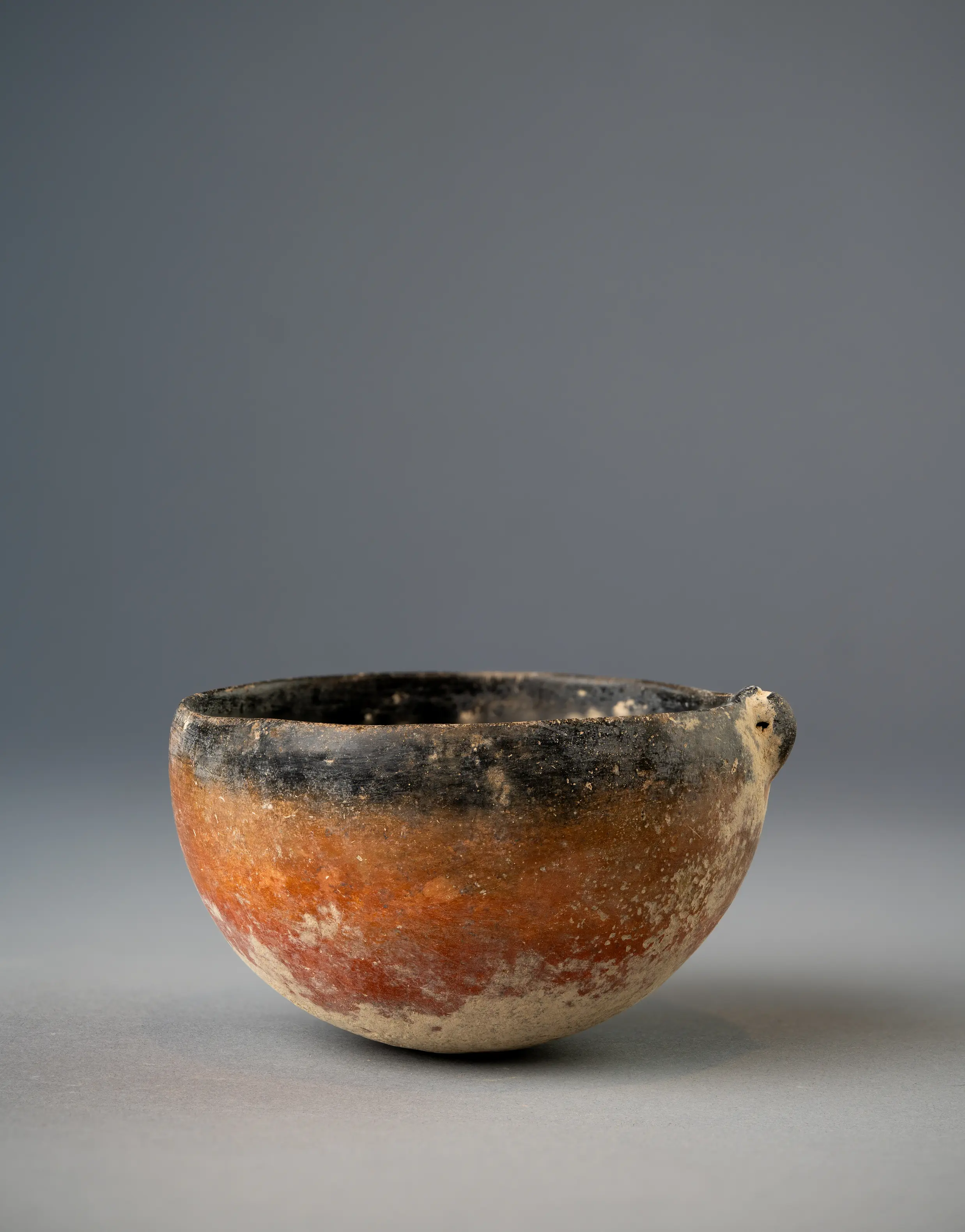 Red Polished WareRed Polished is the hand-made, red-slipped and burnished pottery that dominated Cyprus in the Early and Middle Bronze Age.Early Bronze AgeMiddle Bronze Age
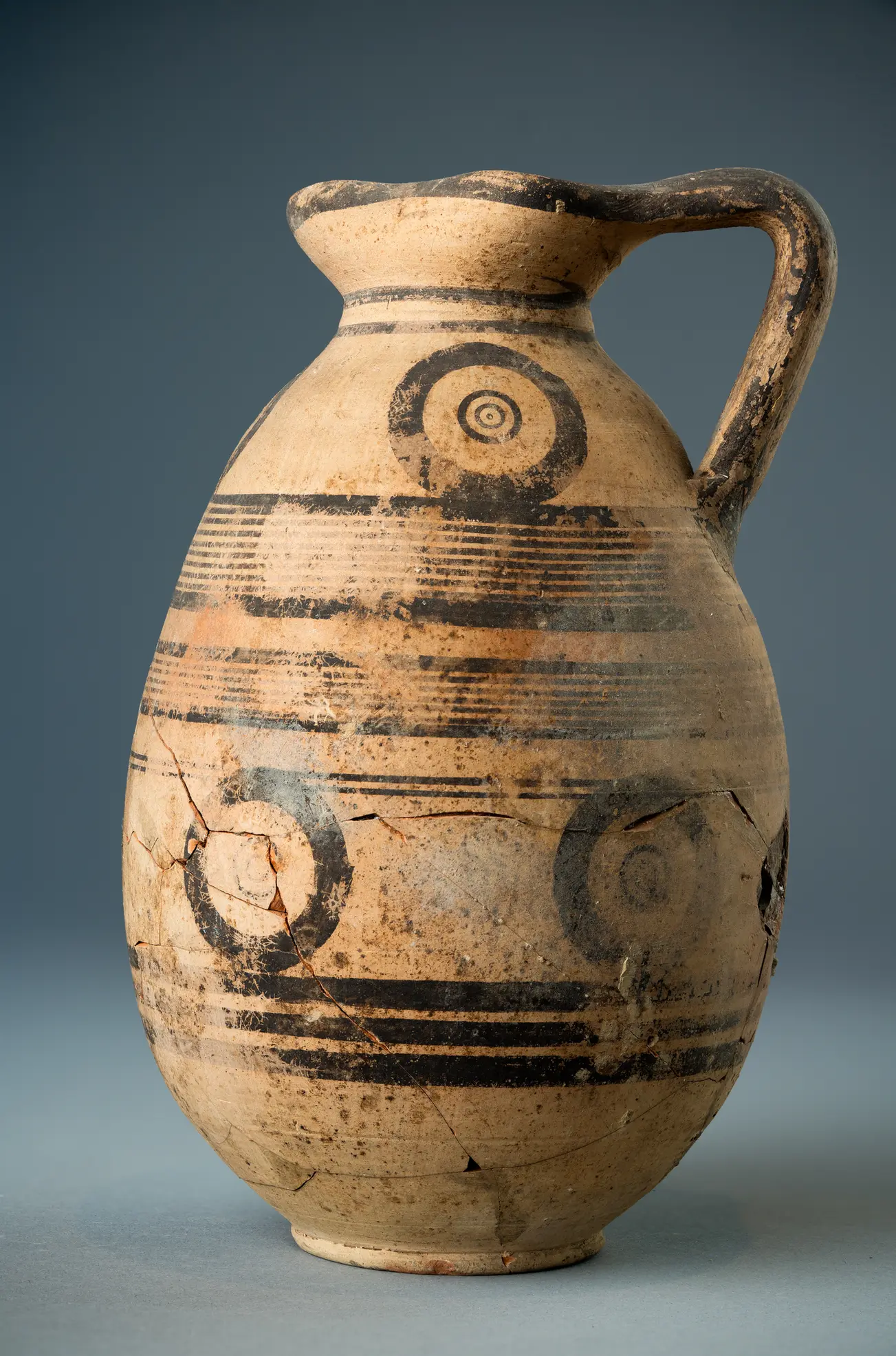 Iron Age White Painted WareIron Age White Painted is the wheel-made Cypriot pottery painted in matt black or brown on a pale ground, numbered White Painted I to VII from c. 1050 to 310 BCE.Cypro-GeometricCypro-ArchaicCypro-Classical
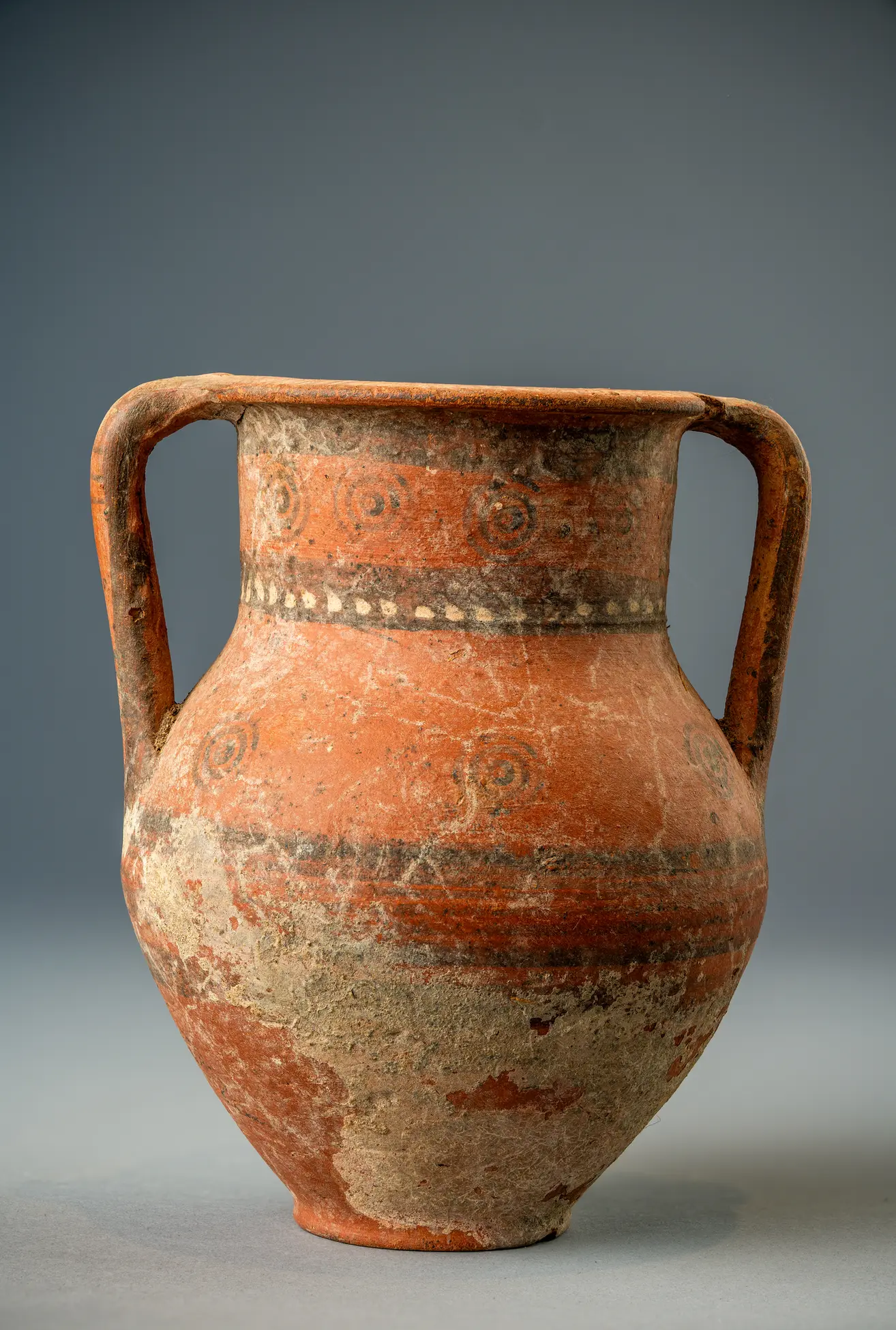 Bichrome Red WareBichrome Red is the Cypriot Iron Age wheel-made ware with black and added white paint on a red slip, the sister ware of Black-on-Red.Cypro-ArchaicCypro-Classical
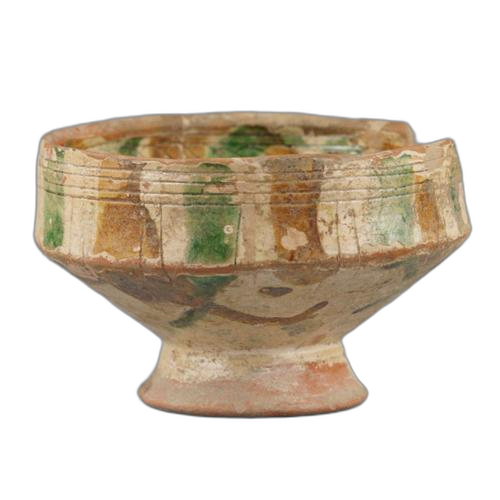 Medieval Glazed Sgraffito WareWheel-made red-clay tableware coated in white slip, incised through the slip and lead-glazed, made in Cypriot workshops from the 13th to the 16th century AD.
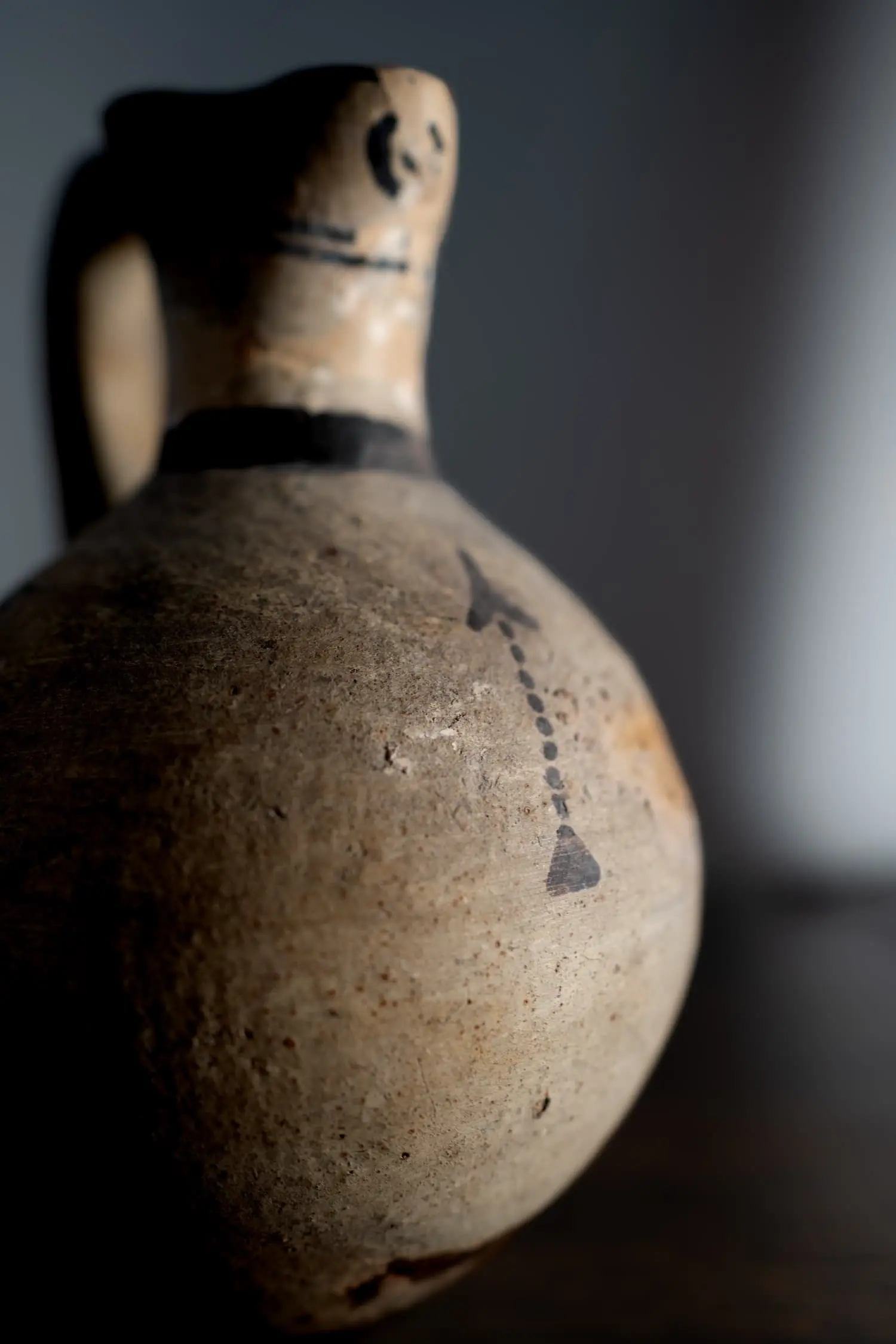 Arrows and Chevron Arrows on Cypriot Iron Age PotteryA vertical chain of chevrons ending in a point, painted as a small stock ornament on Cypriot White Painted and Bichrome jugs of the Iron Age.Cypro-GeometricCypro-Archaic
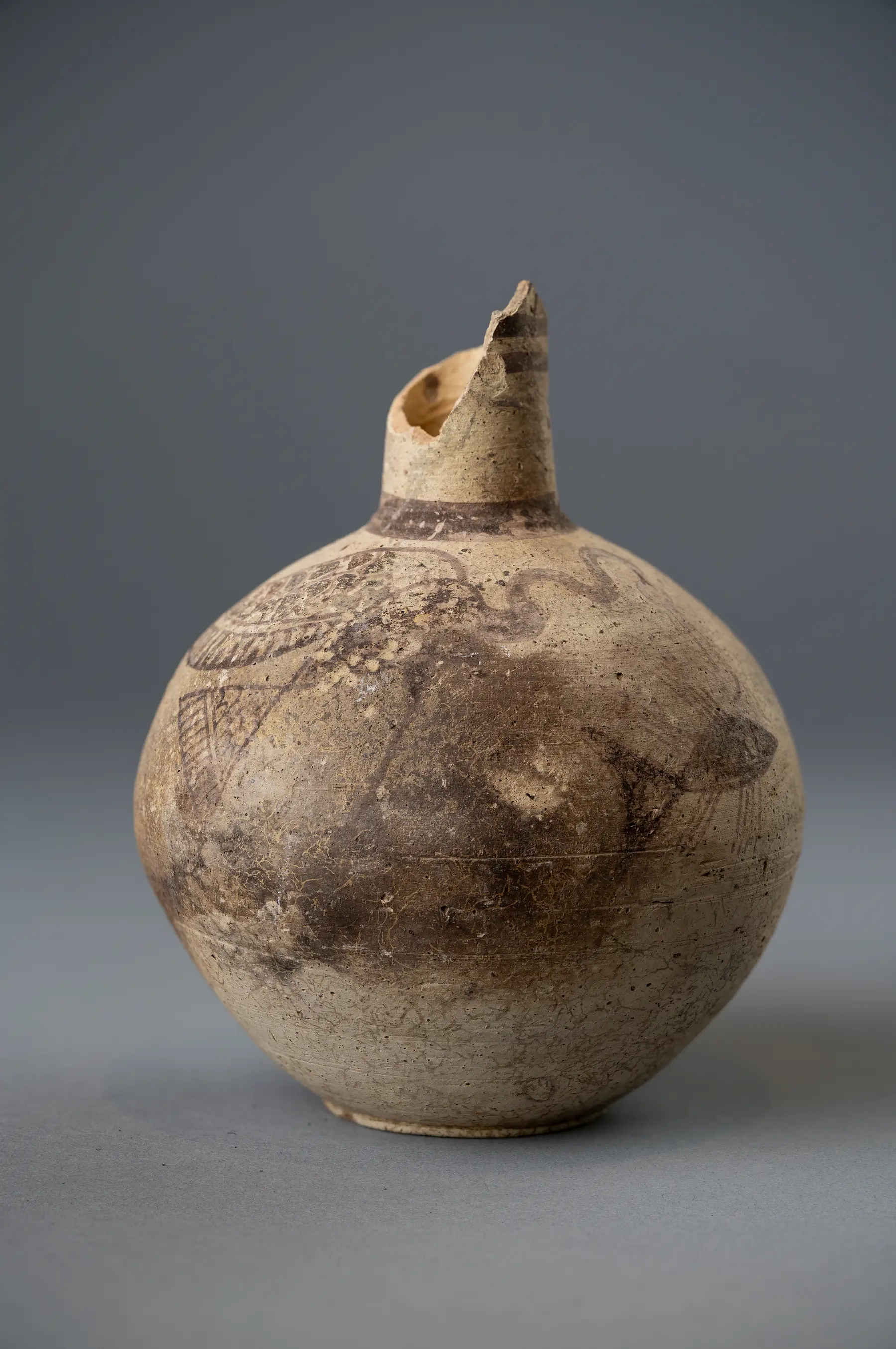 BirdsThe bird on Cypriot pottery, modelled on Bronze Age Red Polished vessels and painted as the main subject of Cypro-Archaic free-field jugs.Early Bronze AgeMiddle Bronze AgeLate Bronze AgeCypro-GeometricCypro-Archaic
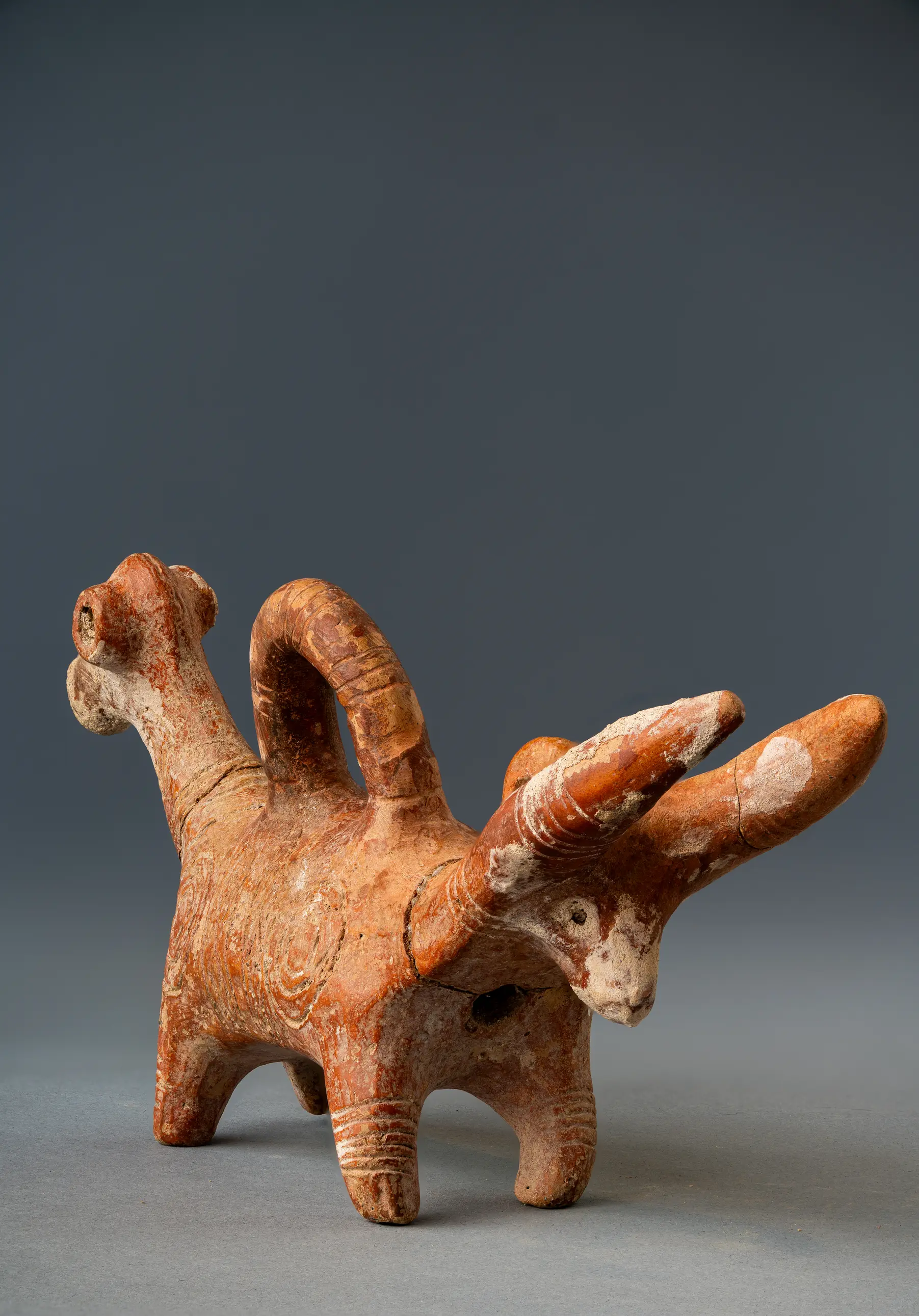 Bulls and CattleBulls and cattle in Cypriot art, modelled on Red Polished cult vessels, made as Base Ring rhyta and dedicated as Archaic votives in clay and stone.Early Bronze AgeMiddle Bronze AgeLate Bronze AgeCypro-ArchaicCypro-Classical
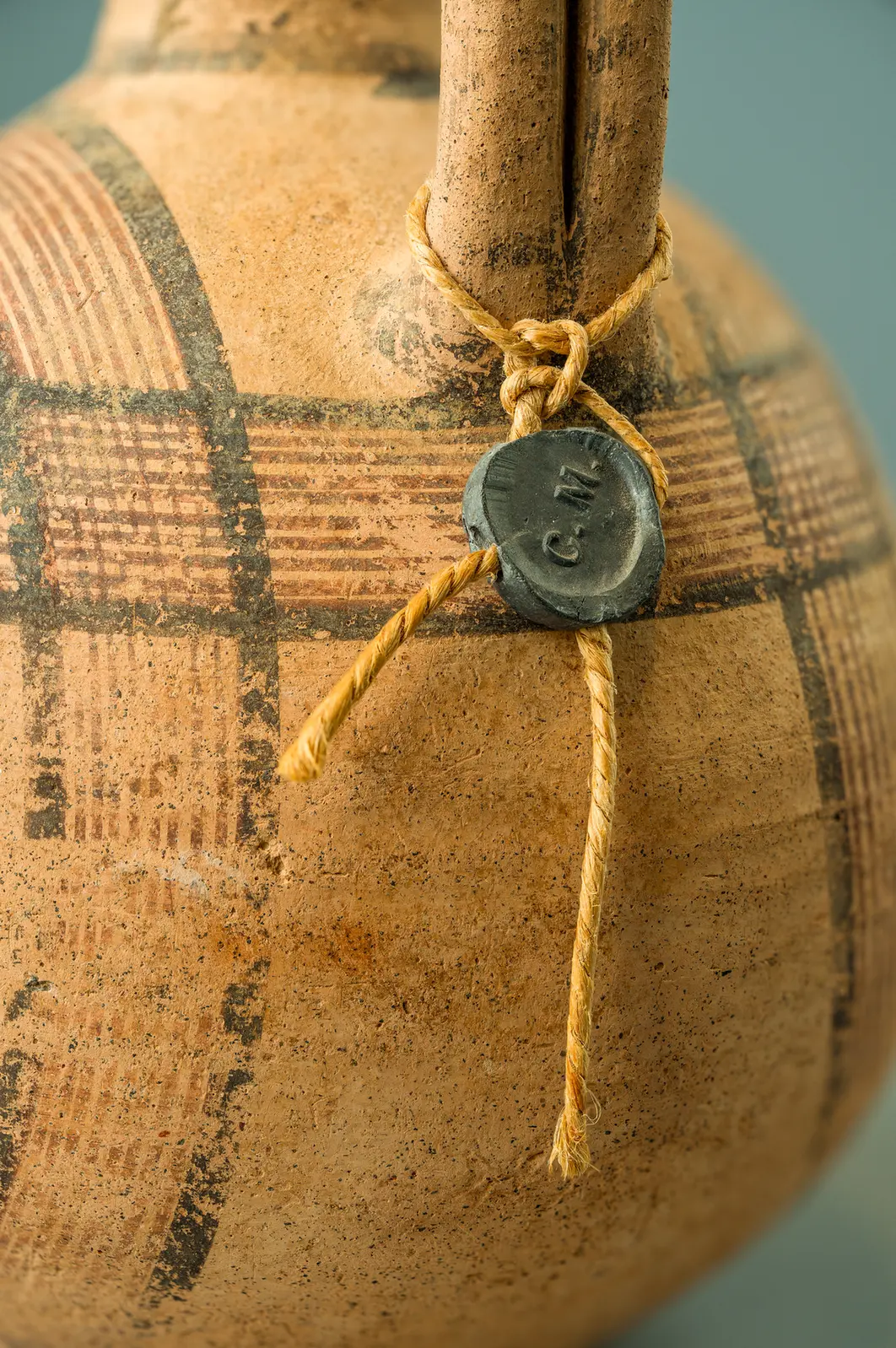 CirclesConcentric circles, disks, spirals and pendent semicircles, the leading geometric motif of Cypriot Iron Age painted pottery and of Gjerstad's Western style.Cypro-GeometricCypro-Archaic
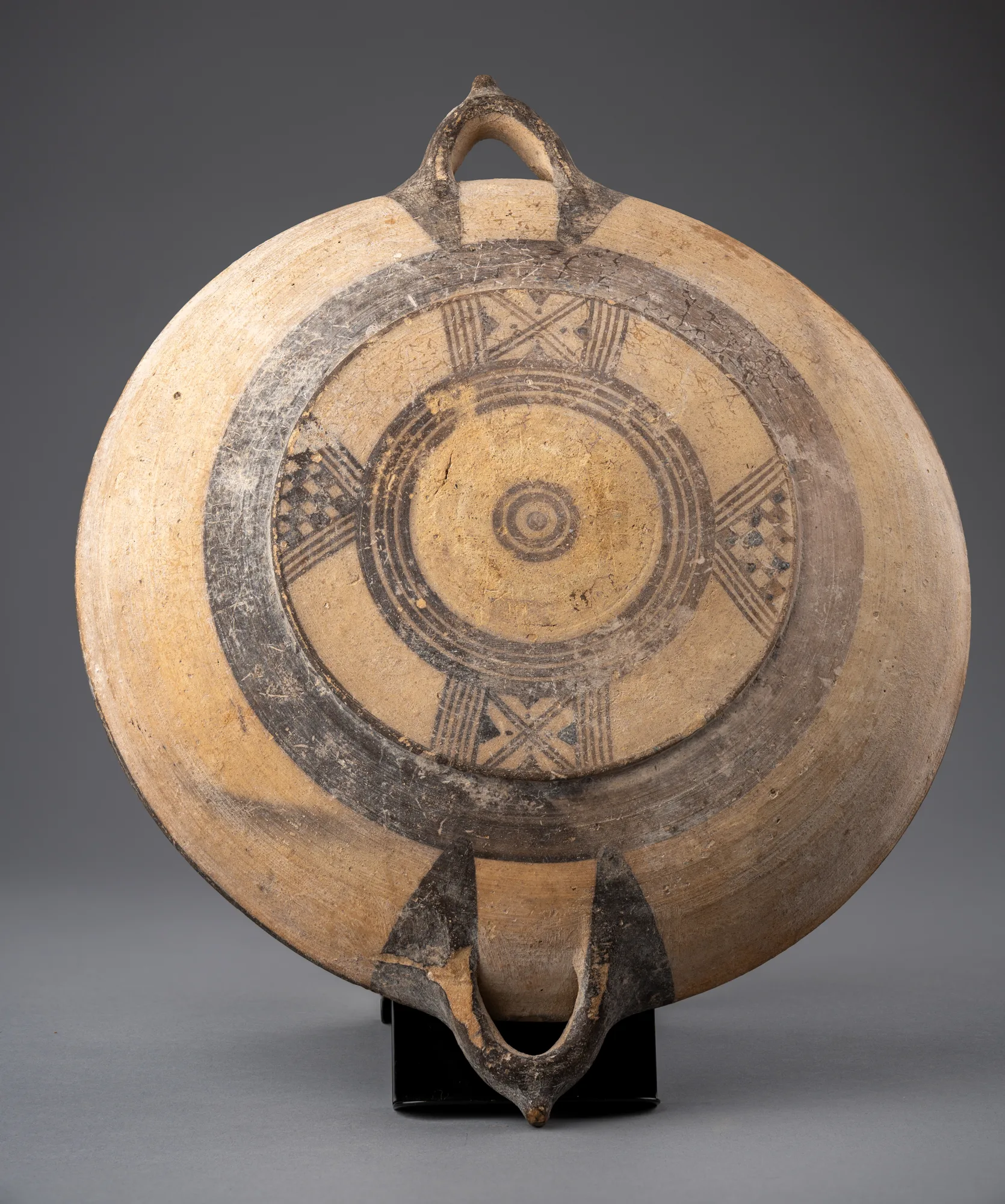 Dishes and PlatesThe flat two-handled plate, absent from the Bronze Age repertoire, that appears in advanced Cypro-Geometric I and carries its main decoration on the underside.Cypro-Geometric
- Fish and Sea CreaturesFish and other sea creatures in Cypriot art, from Late Bronze Age Aegean-style kraters to the Cypro-Archaic bird-and-fish jugs and Paphian fish-cups.Late Bronze AgeCypro-GeometricCypro-Archaic
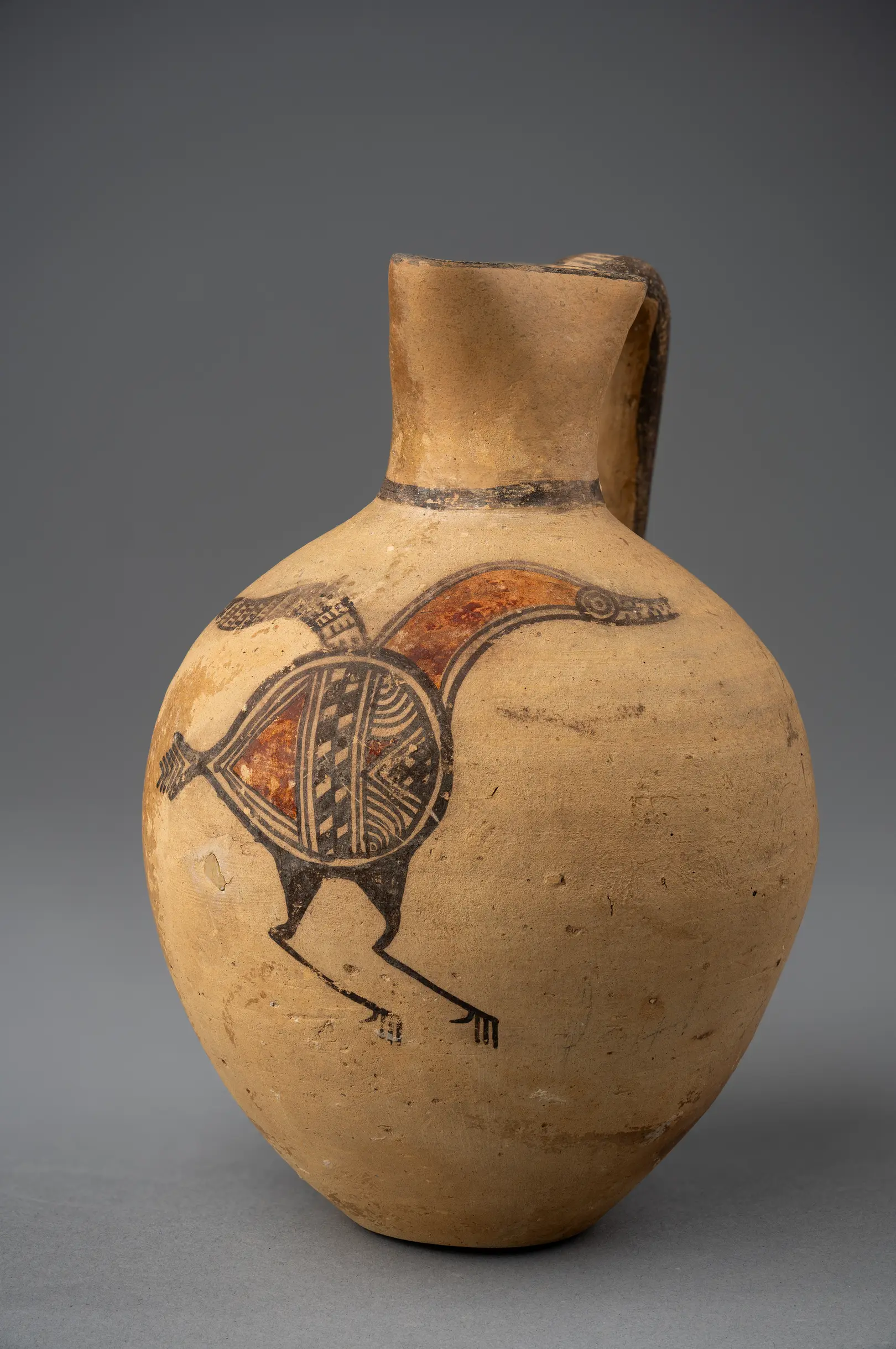 Free-Field Style: Birds, Bulls and Lotus on Cypro-Archaic JugsA layout of Cypriot Iron Age vase painting in which a single figure or motif is set on the bare, unframed body of a jug, usually opposite the handle.Cypro-GeometricCypro-Archaic
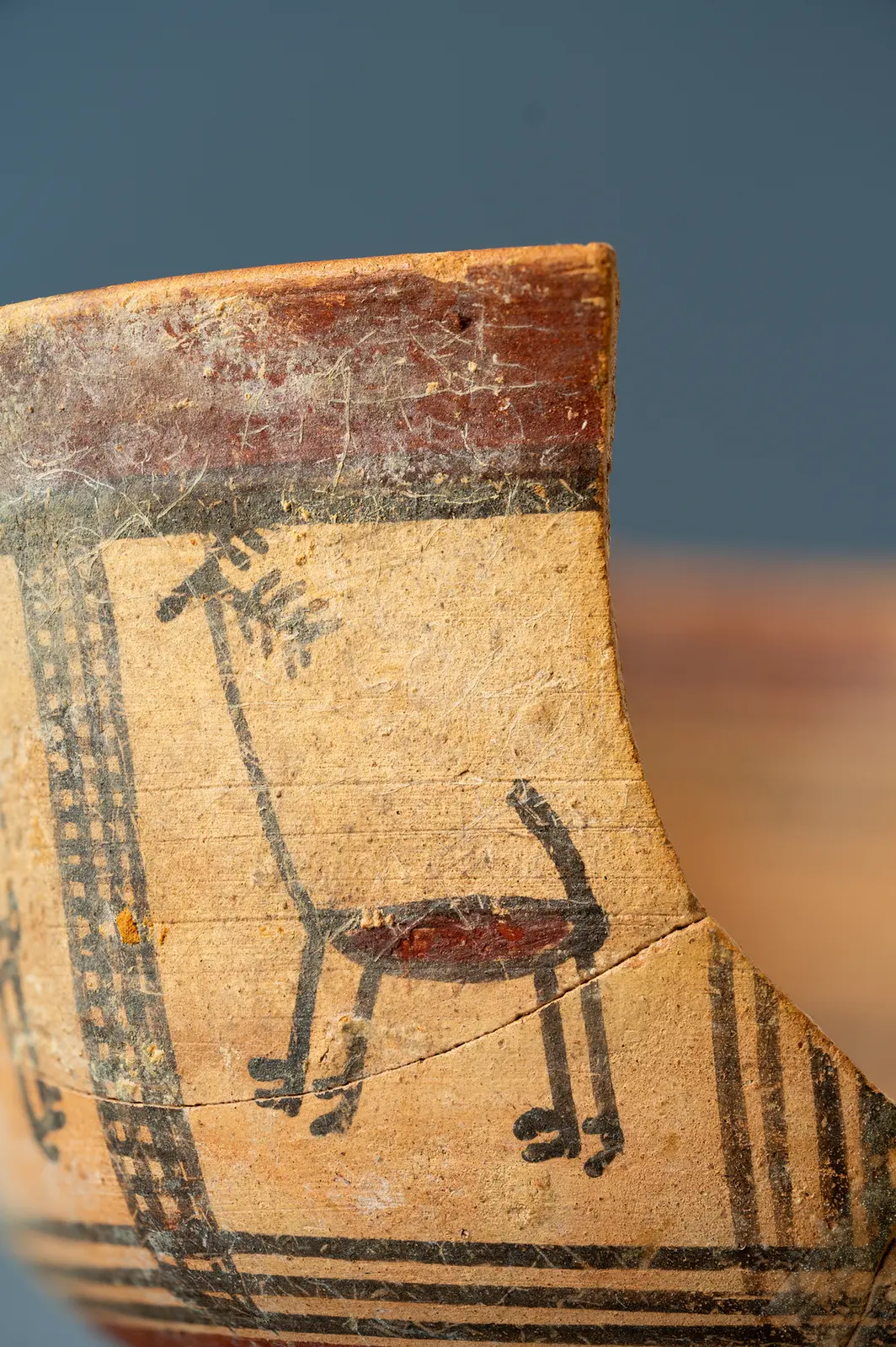 Goats, Deer and IbexWild goats and stags, the commonest wild animals in Cypriot vase decoration, from modelled Bronze Age figures to painted Iron Age friezes and free-field jugs.Early Bronze AgeMiddle Bronze AgeLate Bronze AgeCypro-GeometricCypro-Archaic
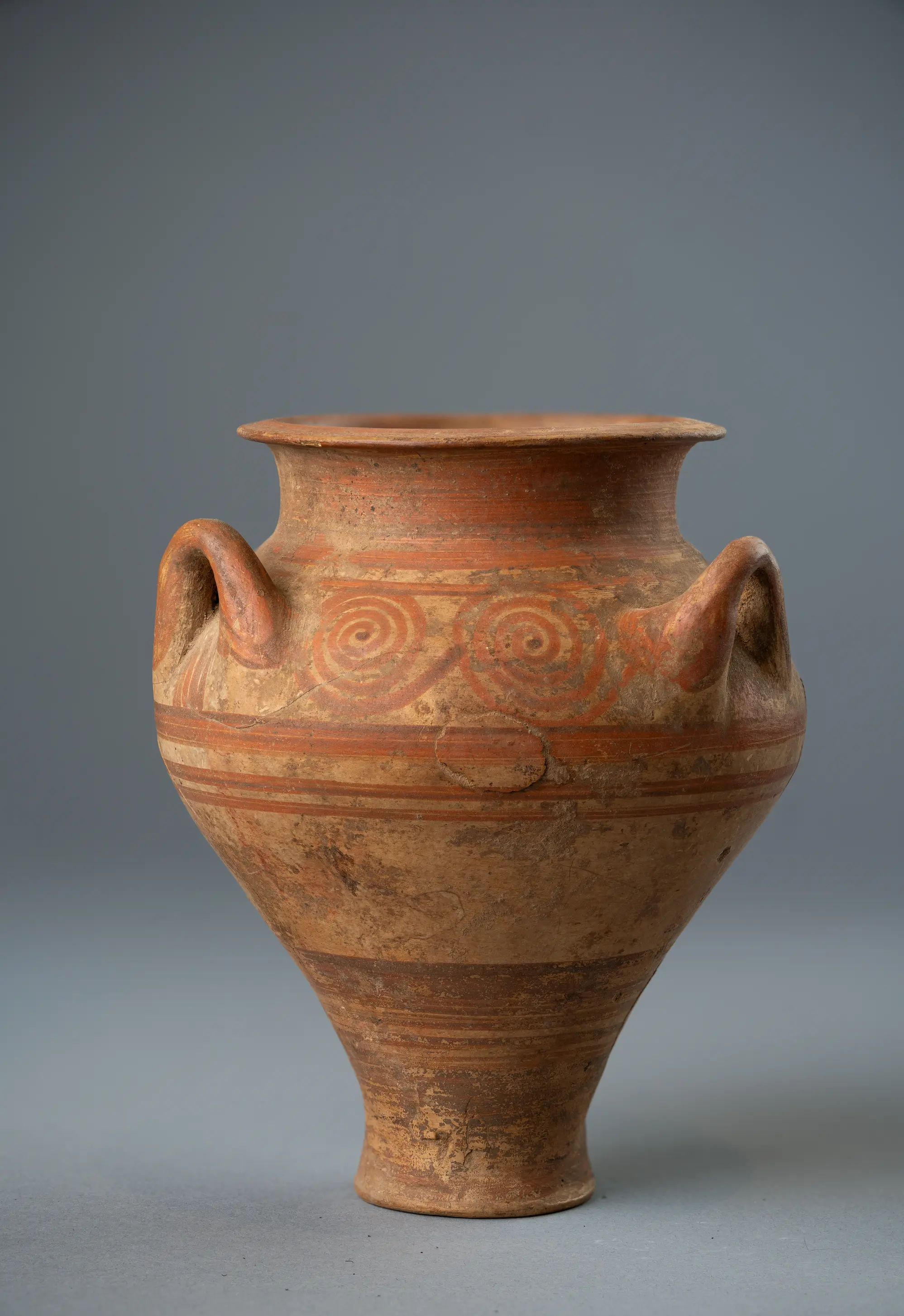 Guilloche and SpiralsTwo linked-band ornaments of Cypriot art, the Late Bronze Age running spiral of Aegean origin and the Cypro-Archaic guilloche of Near Eastern origin.Late Bronze AgeCypro-Archaic
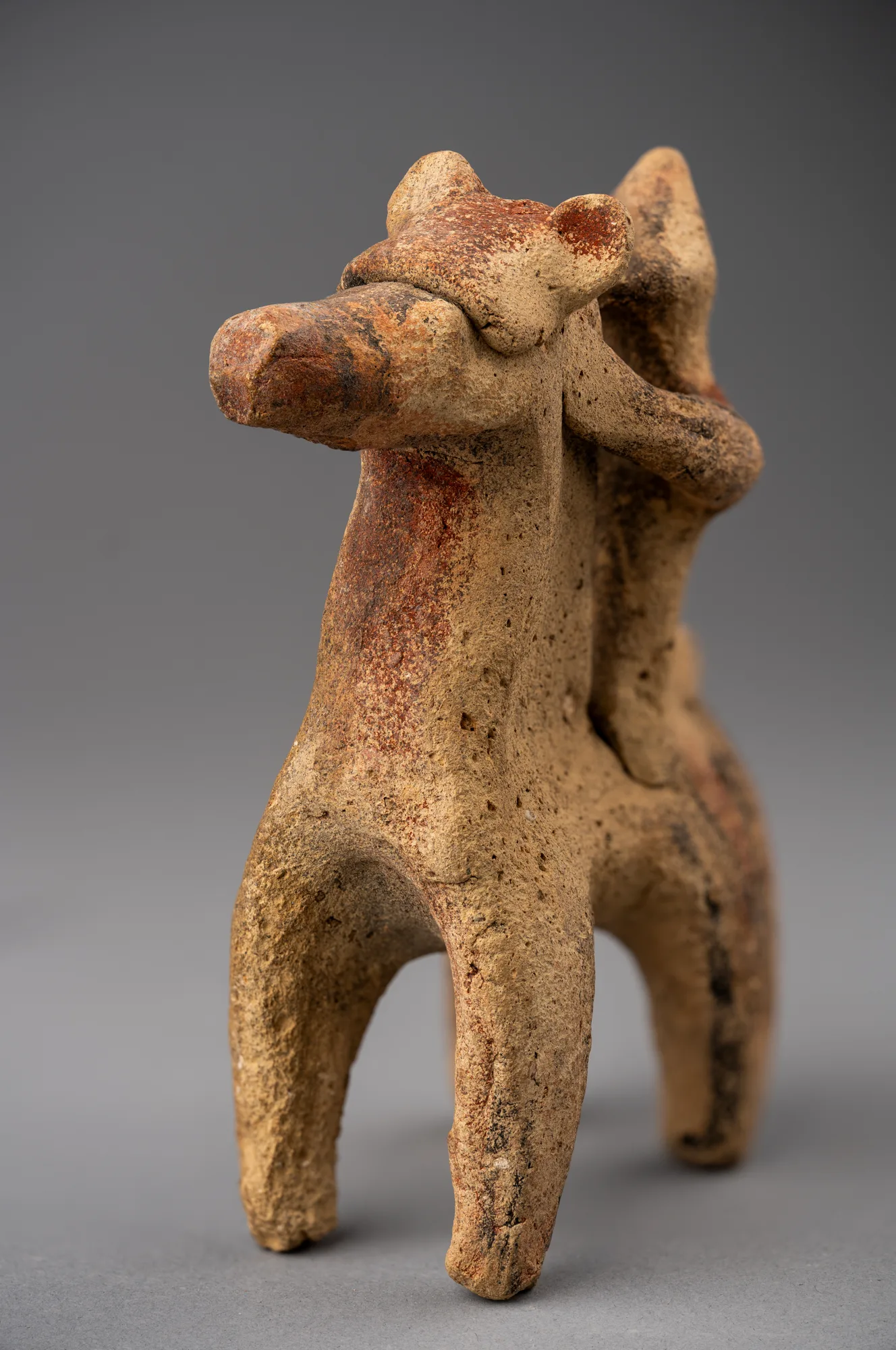 Horses and ChariotsThe horse and the two-wheeled chariot as images in Cypriot art, from imported Late Bronze Age kraters to Iron Age clay and limestone models.Late Bronze AgeCypro-GeometricCypro-ArchaicCypro-Classical
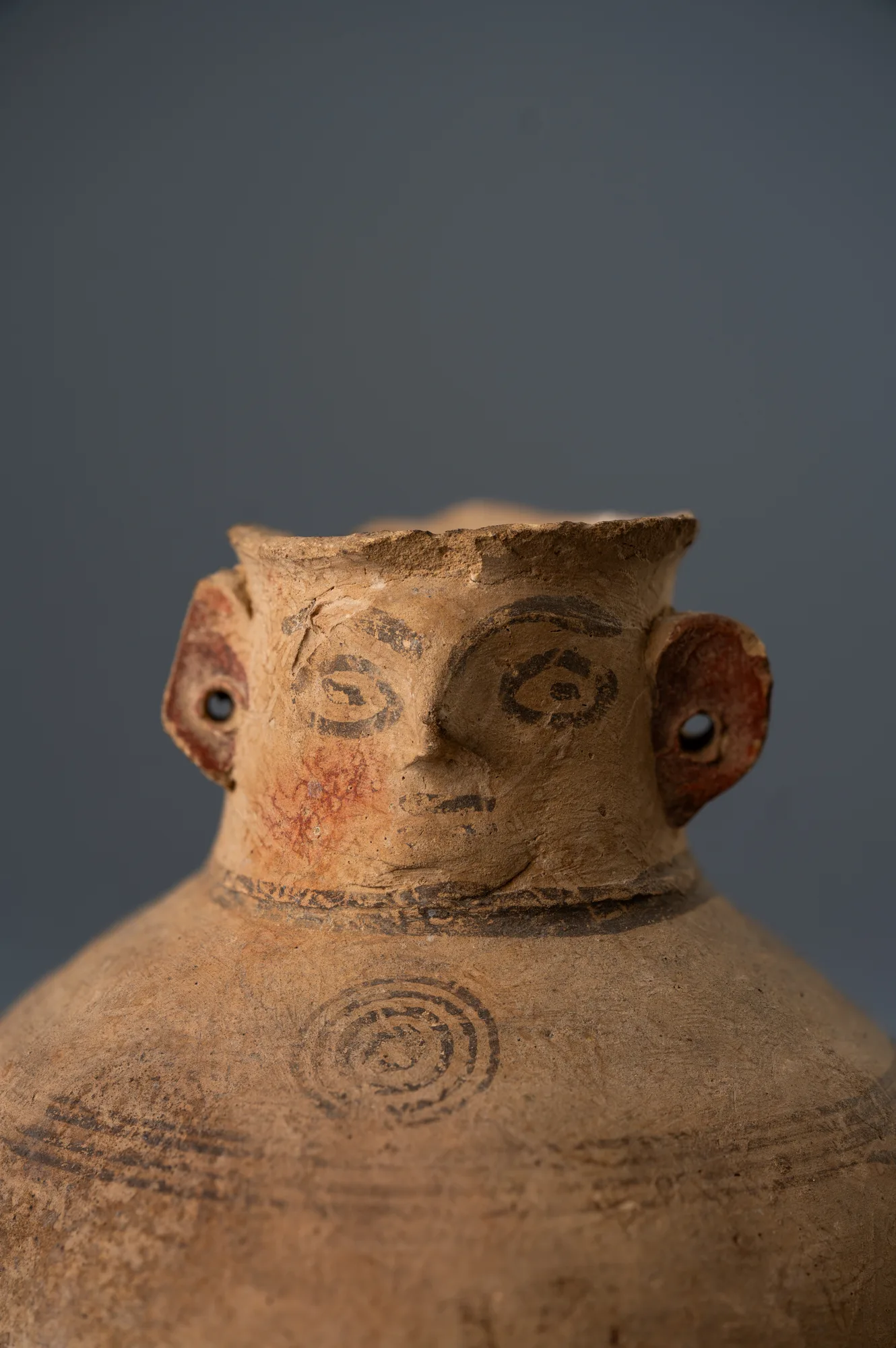 Human FiguresThe human figure on Cypriot pottery, modelled in Early Bronze Age Red Polished scenes and painted on Cypro-Geometric and Cypro-Archaic vases.Early Bronze AgeLate Bronze AgeCypro-GeometricCypro-Archaic
- Iron Age Painting StylesThe figured repertoire and the two regional pictorial styles, Salamis and Amathus, into which scholars sort Cypriot vase painting of c. 1050-480 BCE.Cypro-GeometricCypro-Archaic
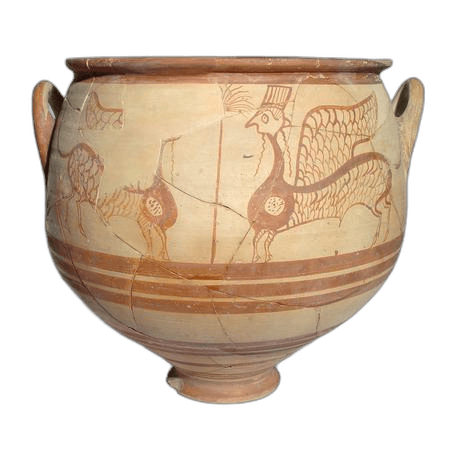 KratersA large open vessel for mixing and serving drink, imported from the Aegean and made locally in Cyprus from the Late Bronze Age onwards.Late Bronze AgeCypro-GeometricCypro-ArchaicHellenistic
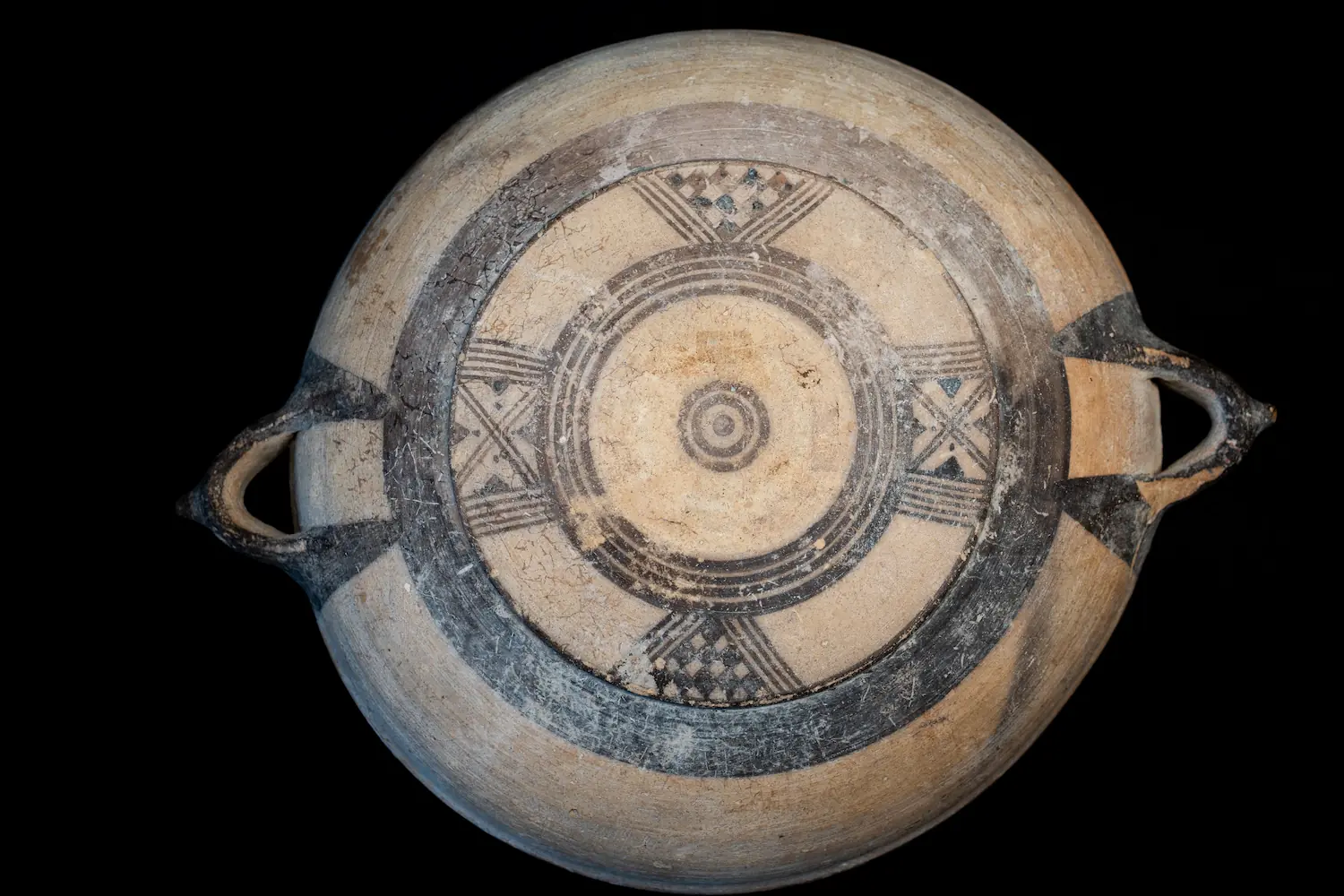 Lattice, Chequers and Checkerboards on Cypriot PotteryLattice (a net of crossed lines) and chequers (alternating dark and light squares) used to fill triangles, lozenges, bands and panels on Cypriot pottery.Middle Bronze AgeCypro-GeometricCypro-Archaic
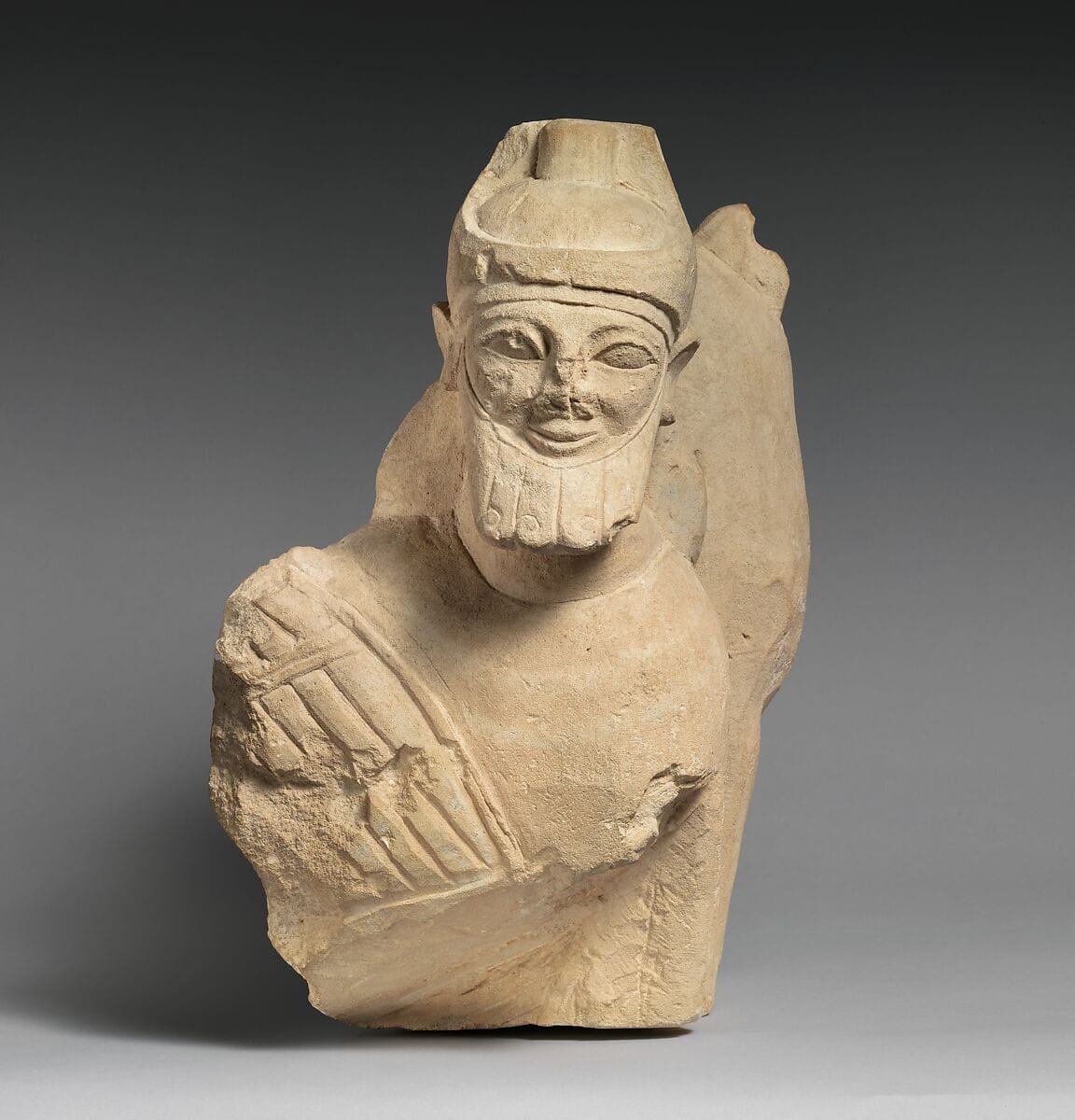 Lions, Sphinxes and GriffinsLions, sphinxes and griffins, a borrowed Near Eastern repertoire used in Cyprus on seals, gold, pottery, metal bowls and limestone sculpture.Late Bronze AgeCypro-ArchaicCypro-Classical
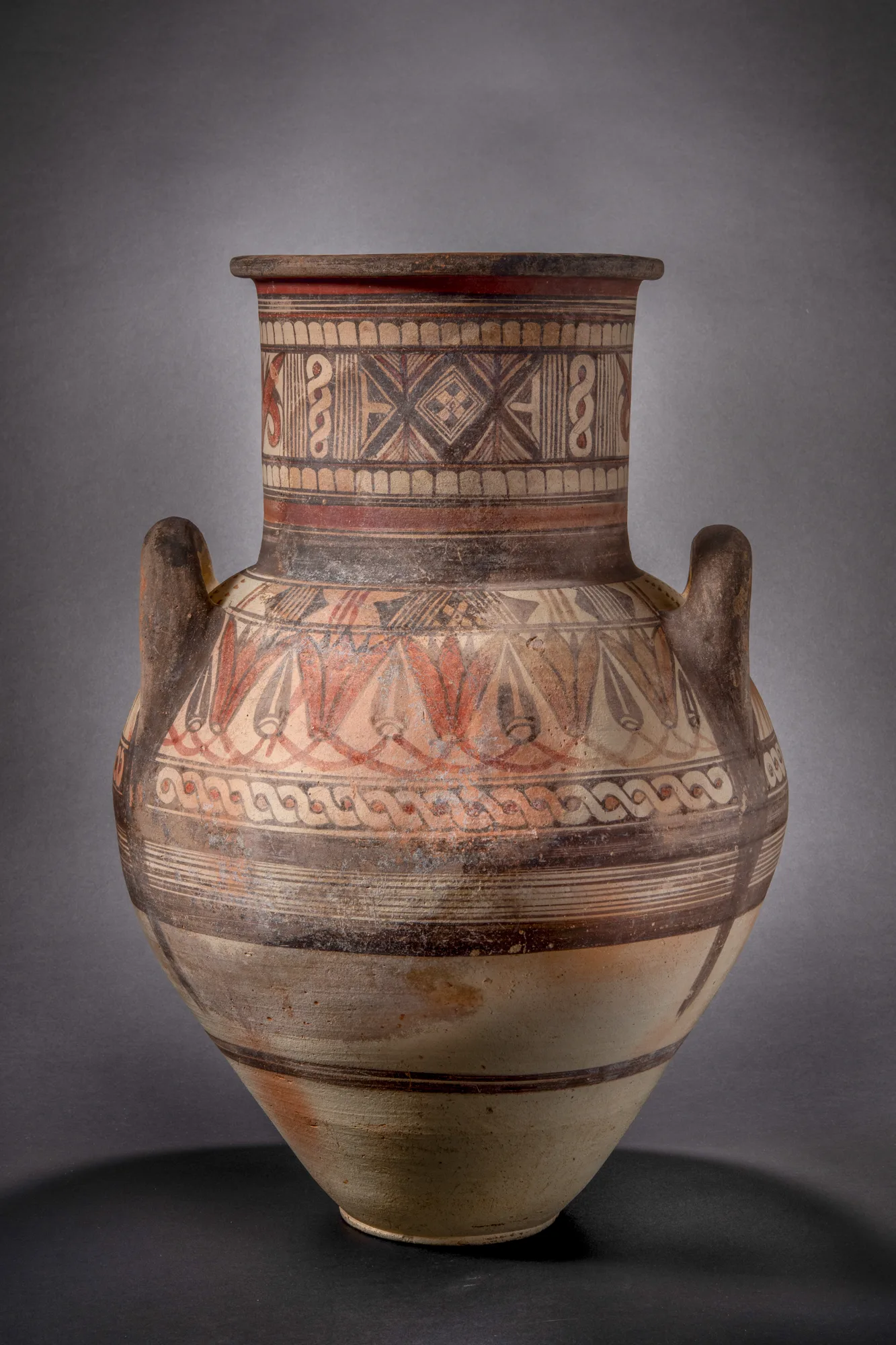 Lotus Flowers and Lotus Friezes on Cypriot Iron Age PotteryThe lotus flower and lotus-and-bud frieze, the chief plant motif of Cypriot Iron Age painted pottery, of Egyptian and Phoenician derivation.Cypro-GeometricCypro-ArchaicCypro-Classical
- Motifs of Cypriot PotterySectionThe recurring patterns and figures painted, incised or modelled on Cypriot pottery, from Neolithic combing to the Cypro-Archaic free-field style.NeolithicChalcolithicEarly Bronze AgeMiddle Bronze AgeLate Bronze AgeCypro-GeometricCypro-Archaic
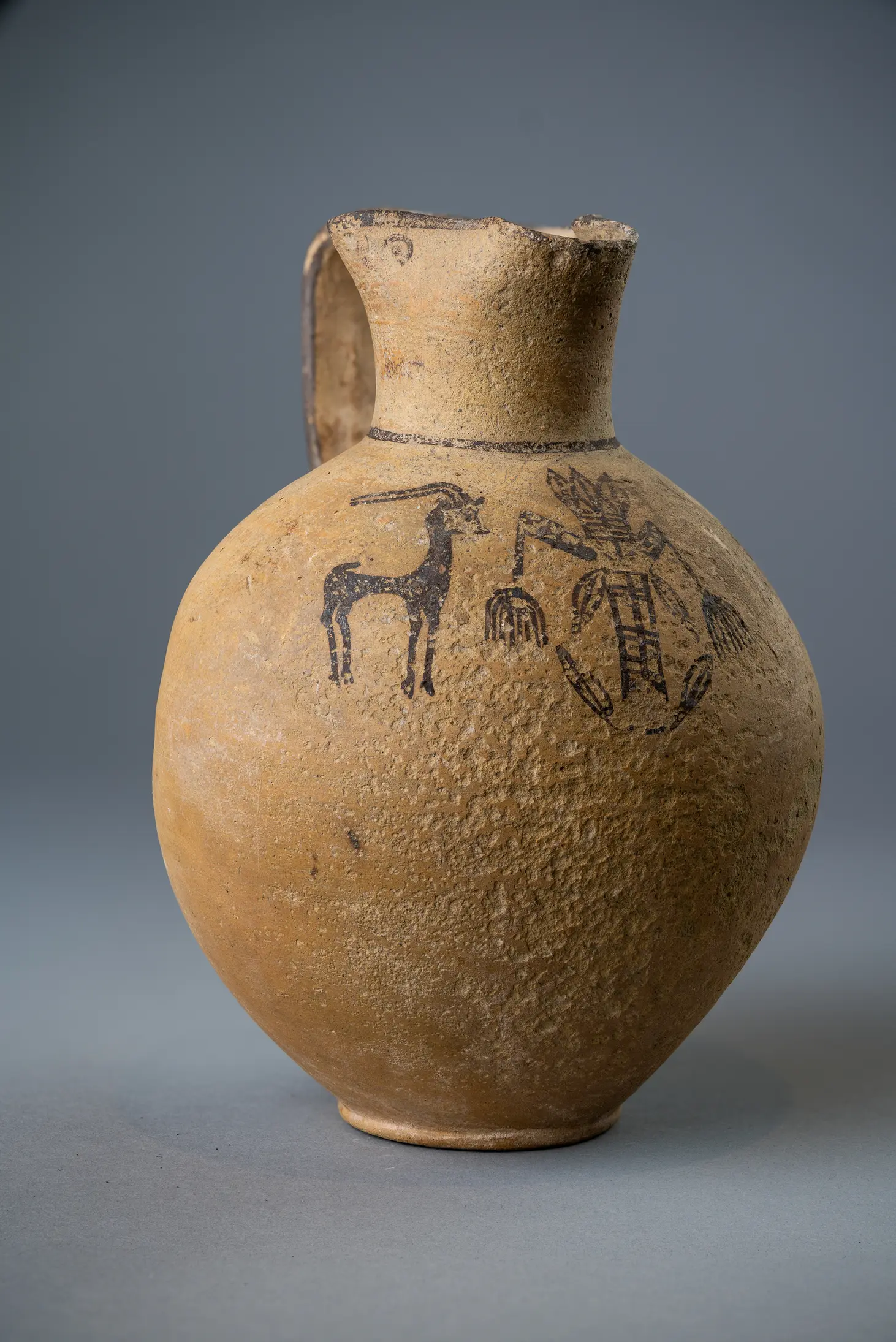 Plants, Trees and Palms on Cypriot PotteryTrees, date palms, branches and the goat-and-tree or sacred-tree composition on Cypriot pottery and related media, from the Late Bronze Age to the Cypro-Archaic period.Late Bronze AgeCypro-GeometricCypro-Archaic
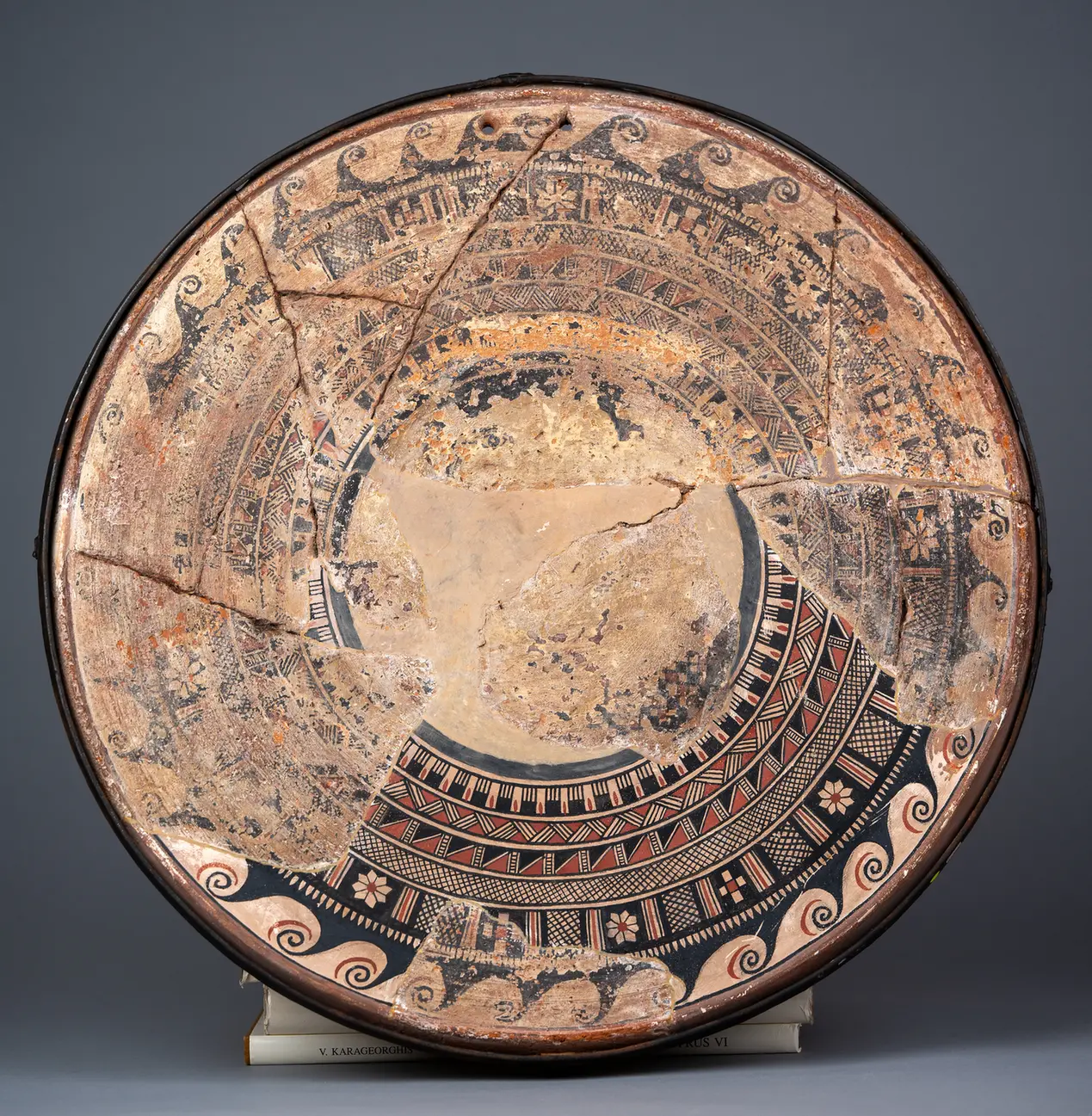 RosettesThe rosette, a radiating flower ornament that became a standard motif of Cypriot painted pottery in Cypro-Archaic I under renewed influence from Syria.Late Bronze AgeCypro-GeometricCypro-Archaic
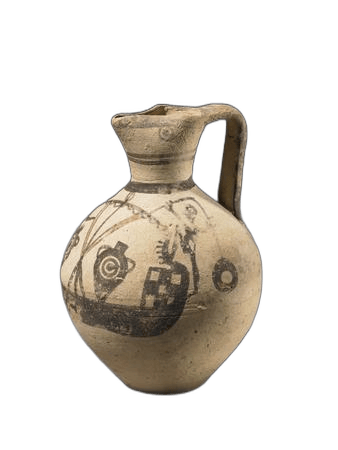 ShipsThe ship as a pottery subject in Cyprus, modelled in clay from the Late Bronze Age to the Cypro-Archaic period and painted on Iron Age jugs.Middle Bronze AgeLate Bronze AgeCypro-GeometricCypro-Archaic
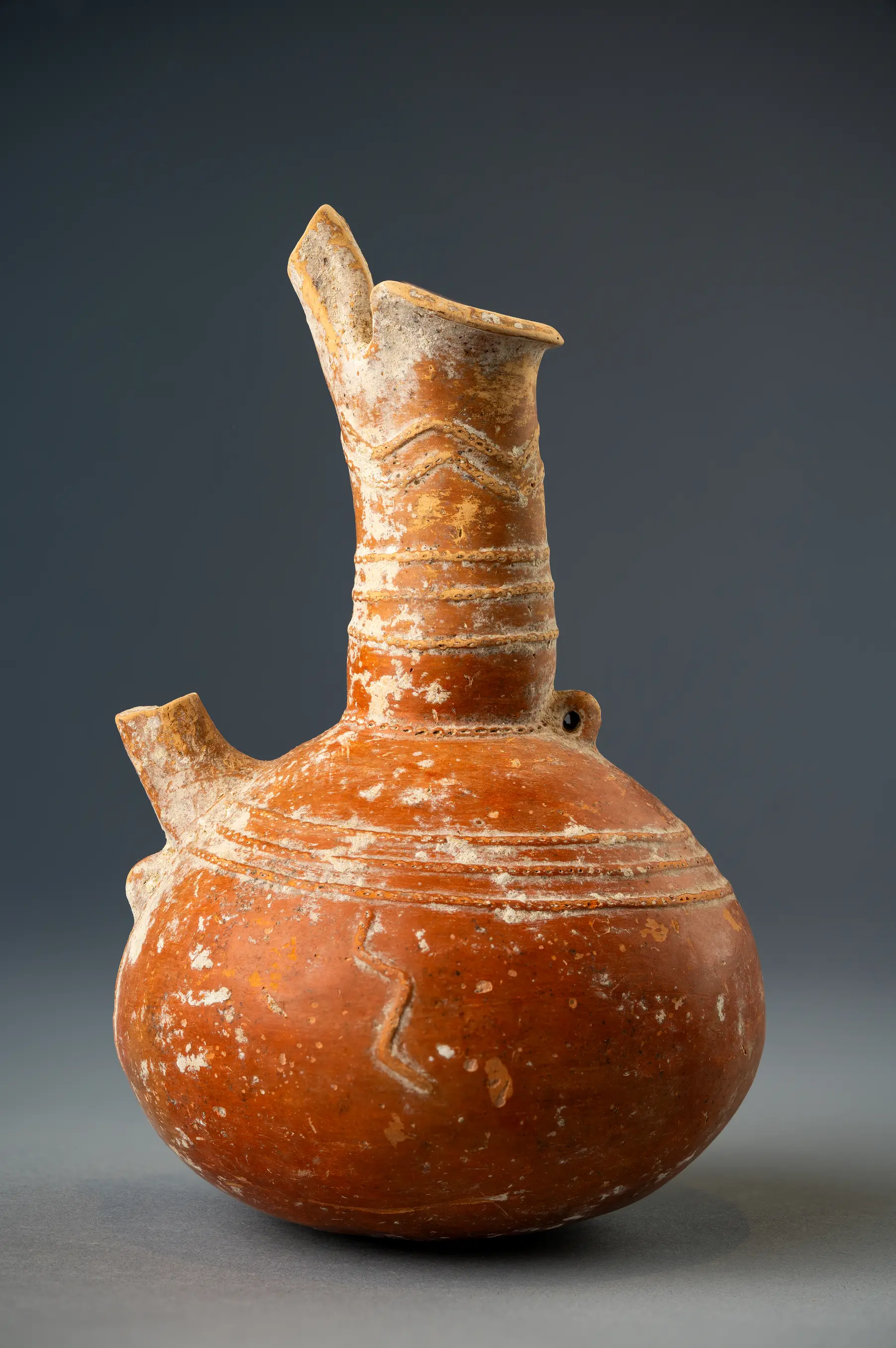 SnakesThe snake as a decorative and figural motif in Cyprus, from relief bands on Early Bronze Age Red Polished pottery to Archaic terracottas and Classical limestone.Early Bronze AgeMiddle Bronze AgeLate Bronze AgeCypro-GeometricCypro-ArchaicCypro-Classical
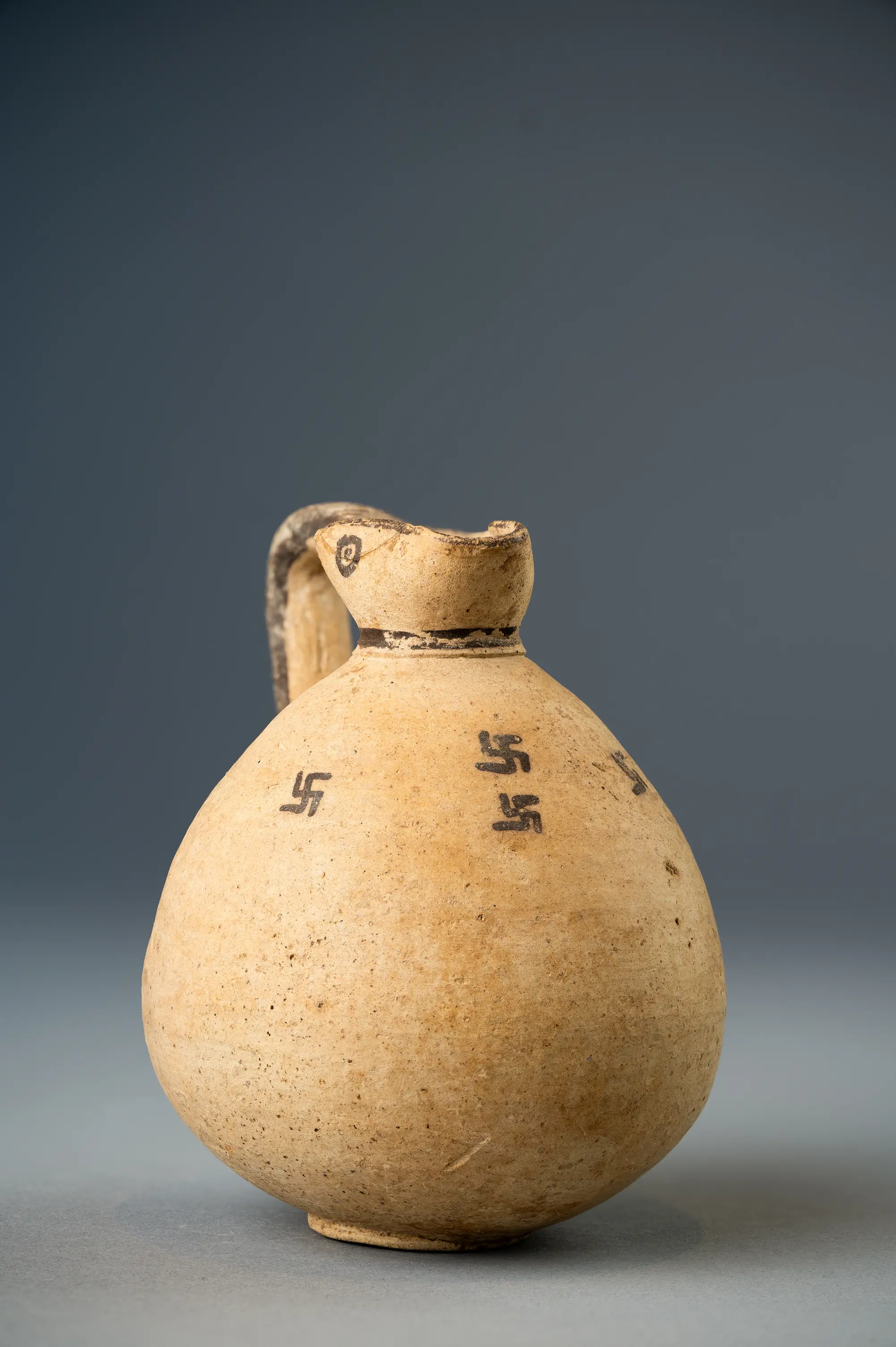 SwastikasA cross with arms bent at right angles, a frequent painted ornament on Cypriot Iron Age pottery whose meaning is still debated.Early Bronze AgeLate Bronze AgeCypro-GeometricCypro-Archaic
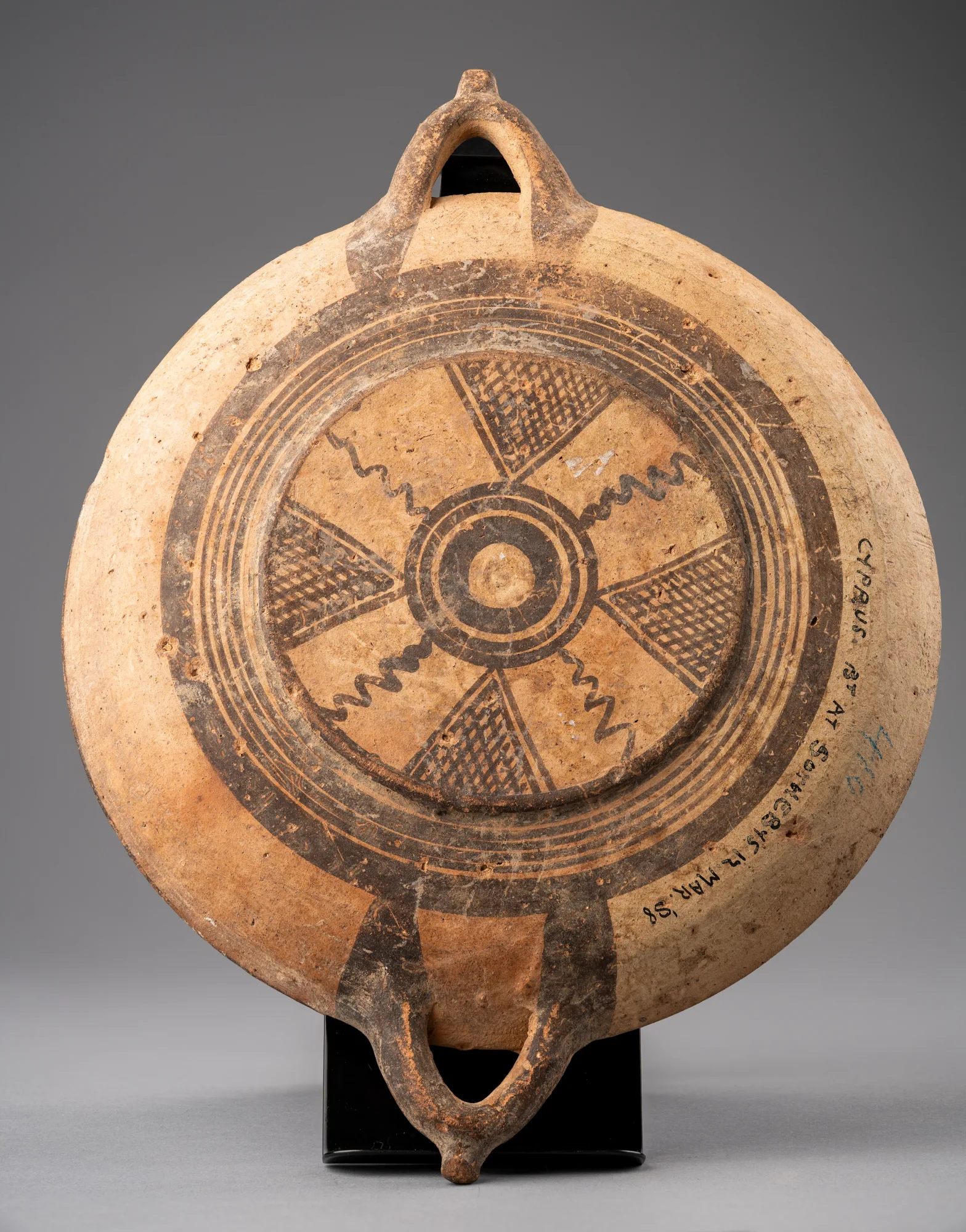 The Maltese Cross on Cypriot PotteryA cross of four triangles meeting at their points, painted on the bases of Cypriot bowls and dishes and inside concentric circles on jugs.Late Bronze AgeCypro-Geometric
- The Pictorial StyleFigured painting on Late Bronze Age kraters found in Cyprus, first on Mycenaean imports and then on the locally made Rude or Pastoral Style kraters.Late Bronze Age
- The Tree and the Sacred TreeThe tree motif in Cypriot art, alone or flanked by animals as a sacred tree, on seals, gold, silver bowls, stone and painted pottery from the Late Bronze Age to the Cypro-Classical period.Late Bronze AgeCypro-GeometricCypro-ArchaicCypro-Classical
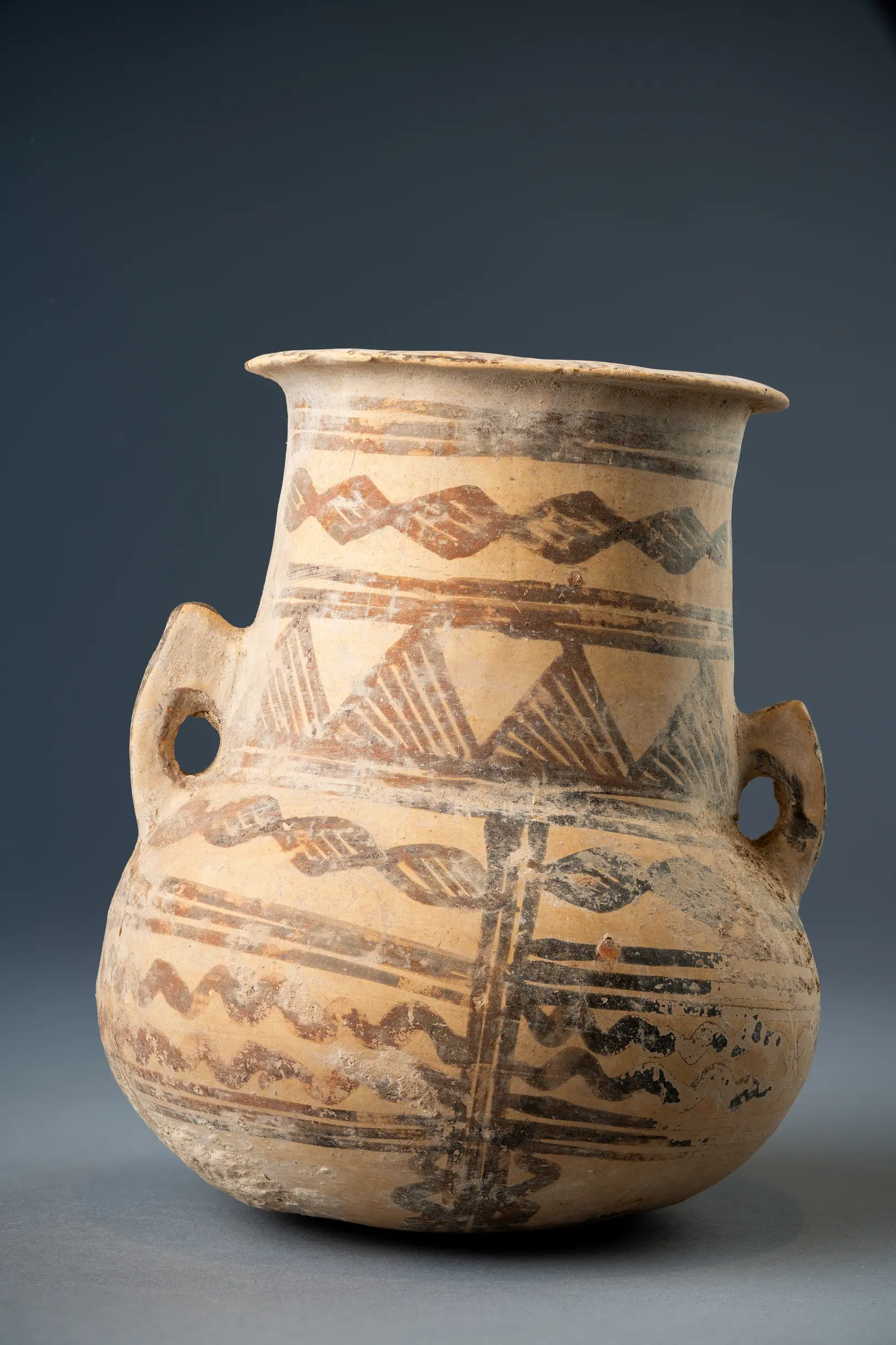 Triangles and LozengesHatched, latticed and solid triangles and lozenges, with incised herringbone, used on Cypriot pottery from the Chalcolithic to the Cypro-Archaic period.ChalcolithicEarly Bronze AgeMiddle Bronze AgeLate Bronze AgeCypro-GeometricCypro-Archaic
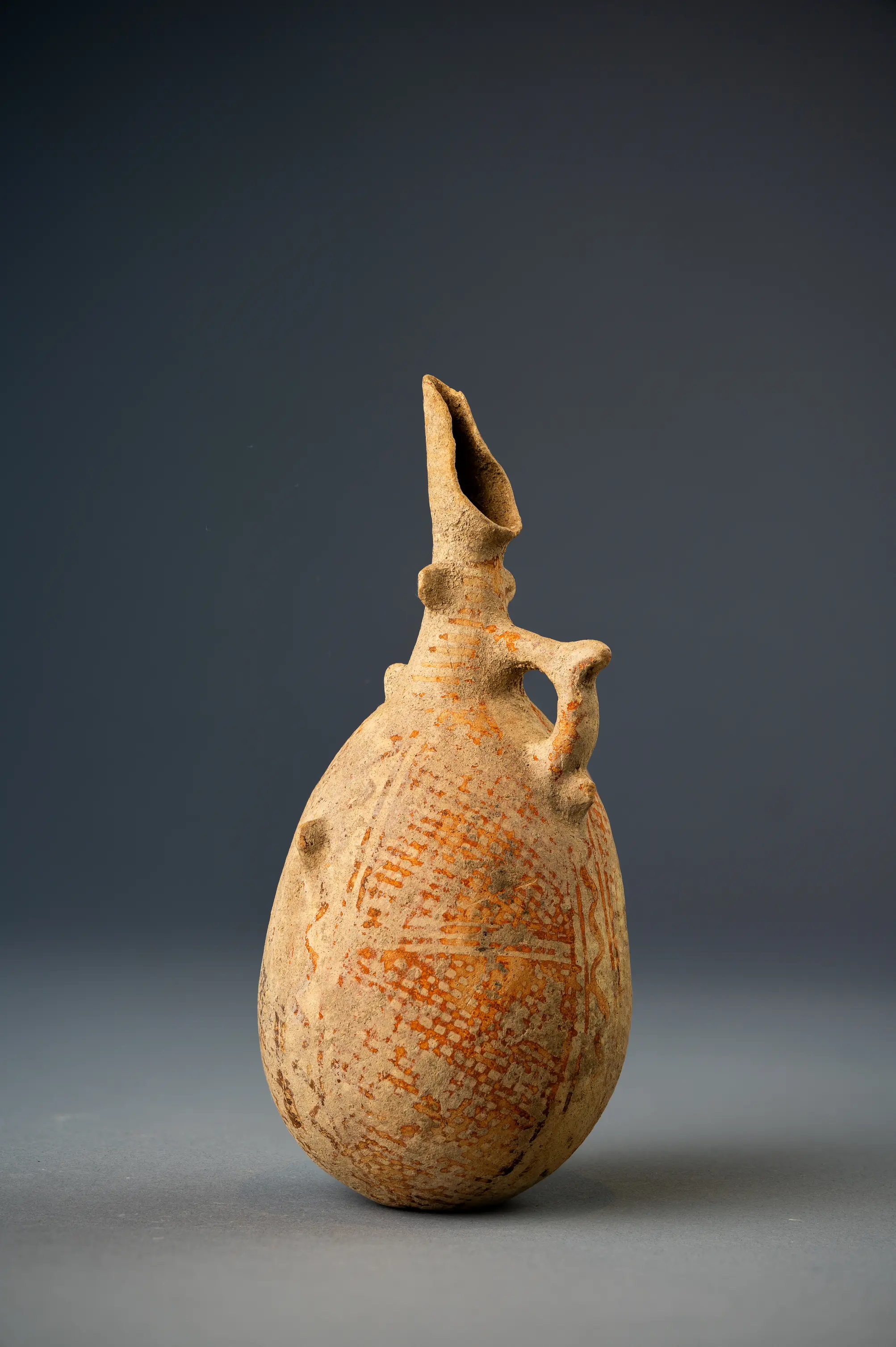 Triple Crossing LinesGroups of parallel painted lines laid obliquely so that they cross one another, the defining motif of the Middle Bronze Age White Painted Cross Line Style.Middle Bronze Age
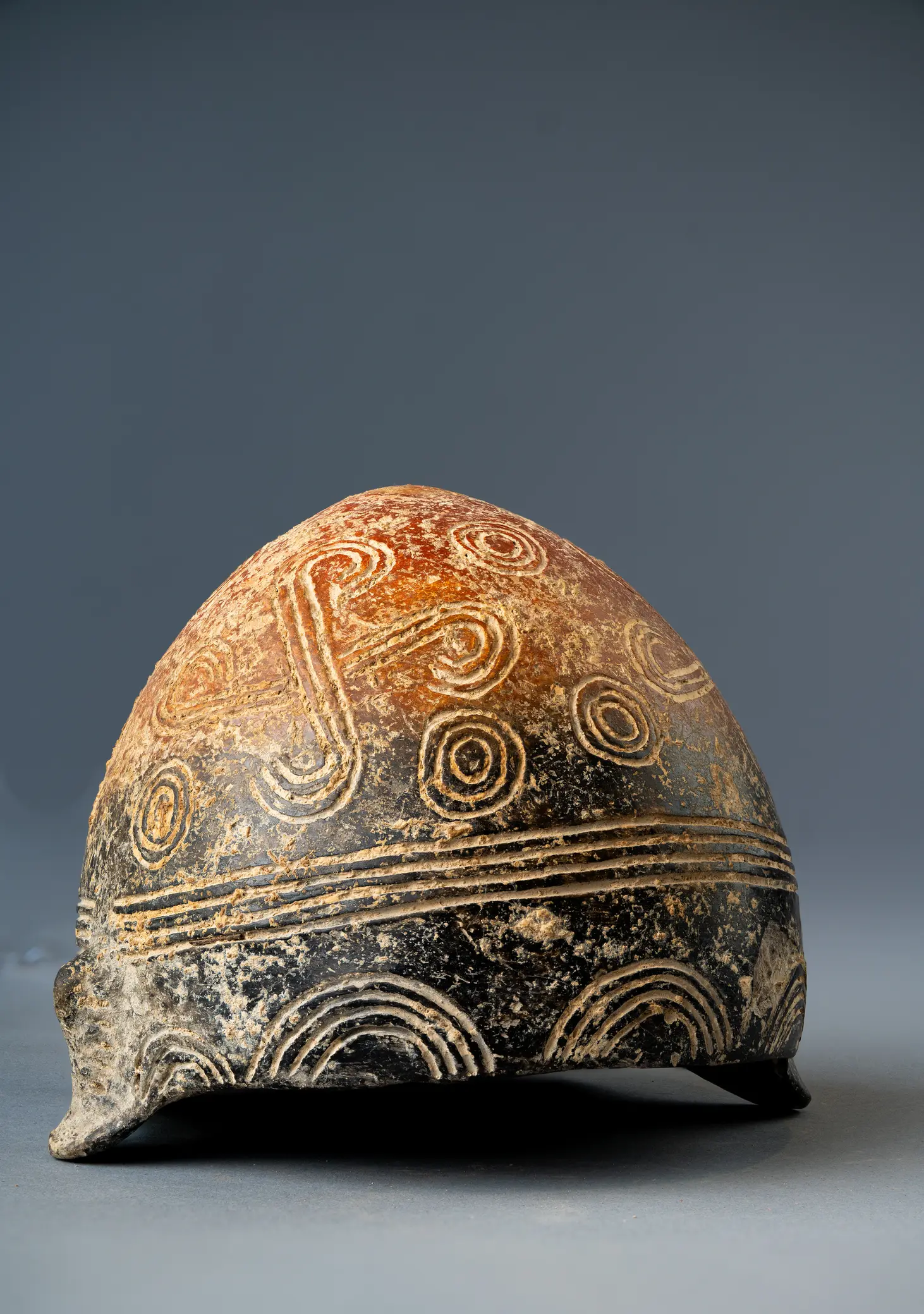 Tulip Bowls and Cult VesselsDeep, conical, black-topped Red Polished bowls of Early Cypriot I–II, and their elaborate protome-rimmed form, known mostly from the tombs of Vounous.Early Bronze Age
- Wavy HooksWavy lines ending in a hook or spiral, found on Mycenaean imports at Enkomi, Cypro-Archaic White Painted IV juglets and Bichrome plates.Late Bronze AgeCypro-Archaic
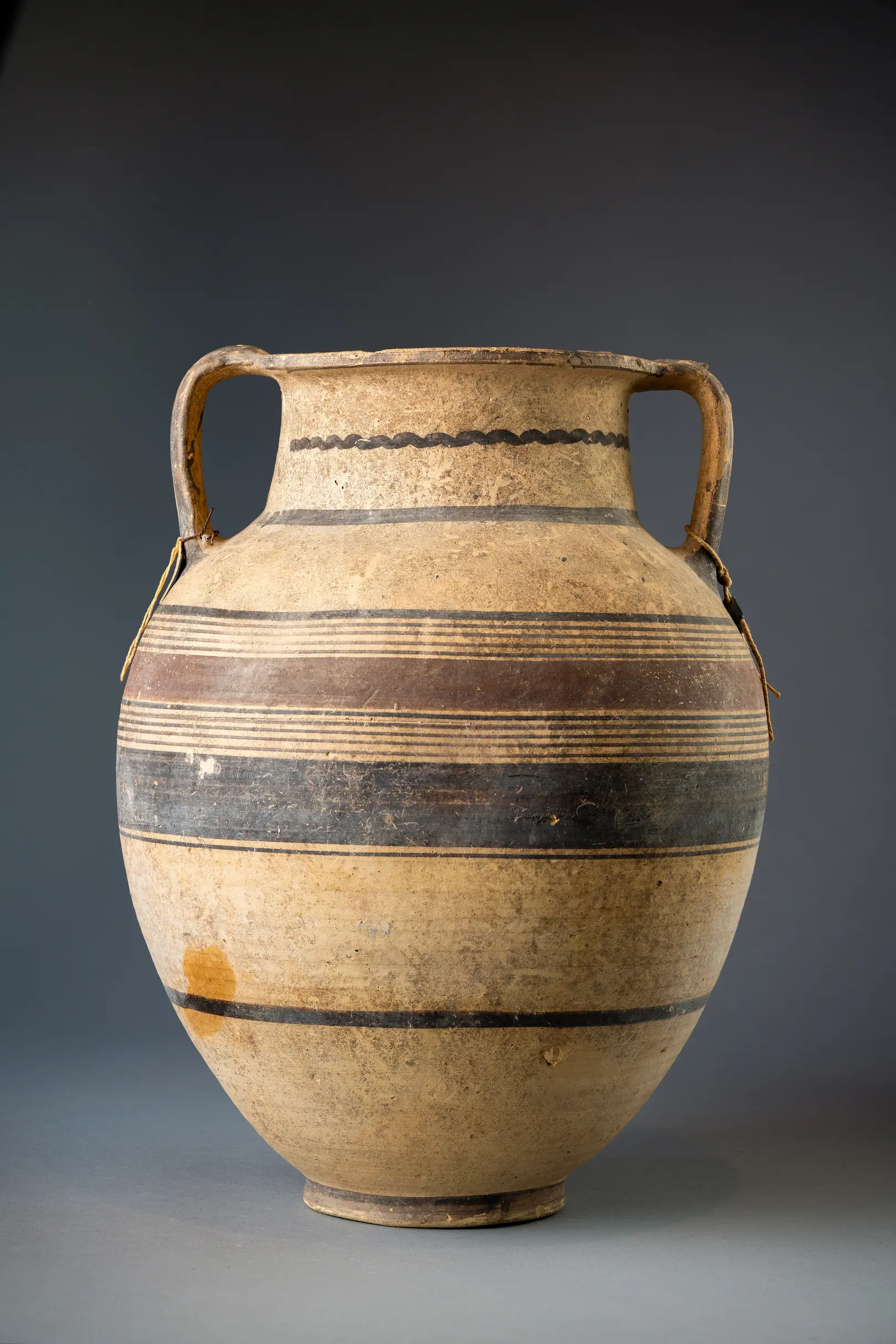 Wavy LinesA continuous line swinging in rounded curves, incised or painted on Cypriot pottery from Early Bronze Age Red Polished to Cypro-Archaic amphorae.Early Bronze AgeMiddle Bronze AgeLate Bronze AgeCypro-GeometricCypro-Archaic
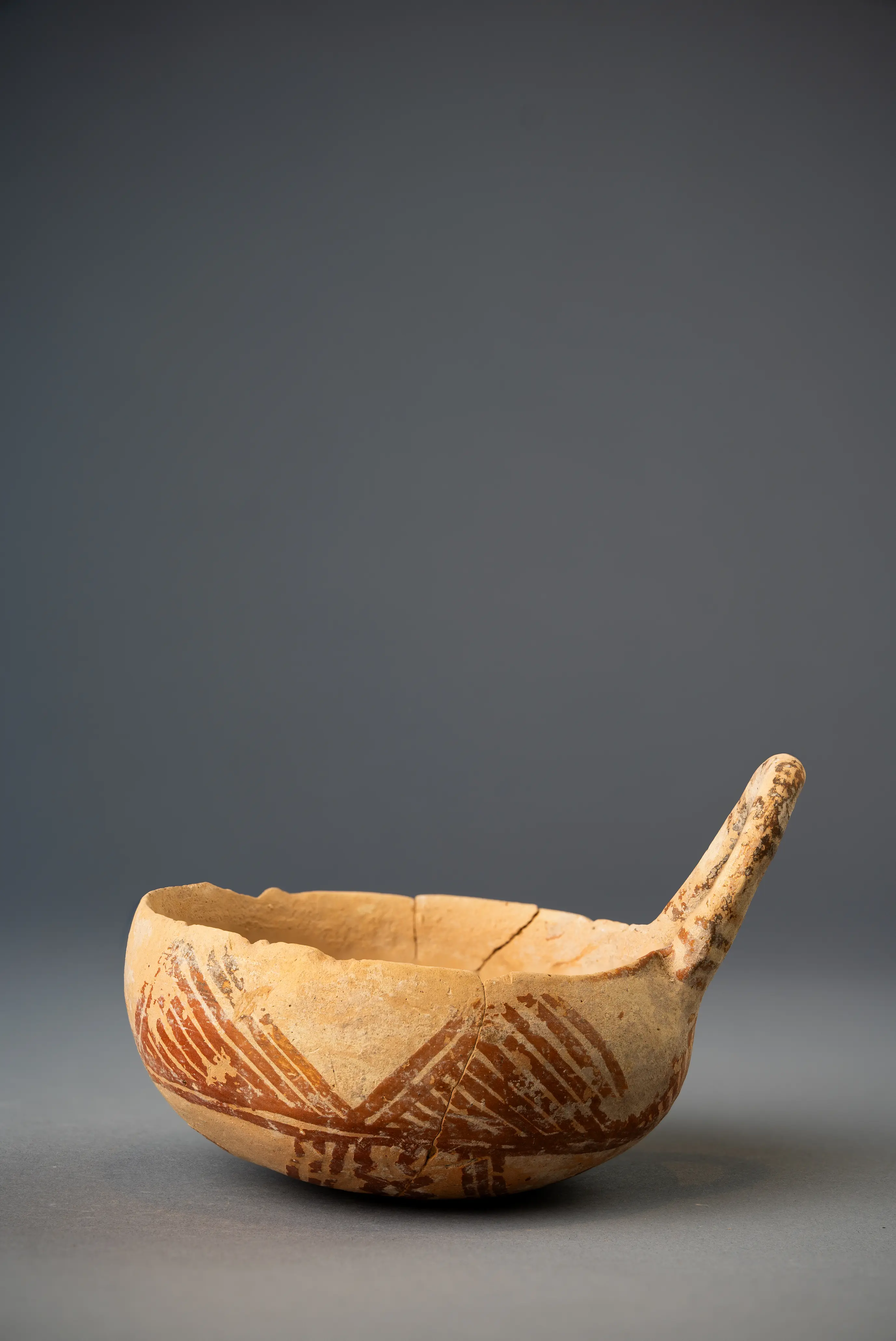 Zig-ZagsA continuous line changing direction at sharp angles, incised or painted on Cypriot pottery from Early Bronze Age Red Polished to Cypro-Archaic handles.Early Bronze AgeMiddle Bronze AgeLate Bronze AgeCypro-GeometricCypro-Archaic
Statues
10 entriesSection overview
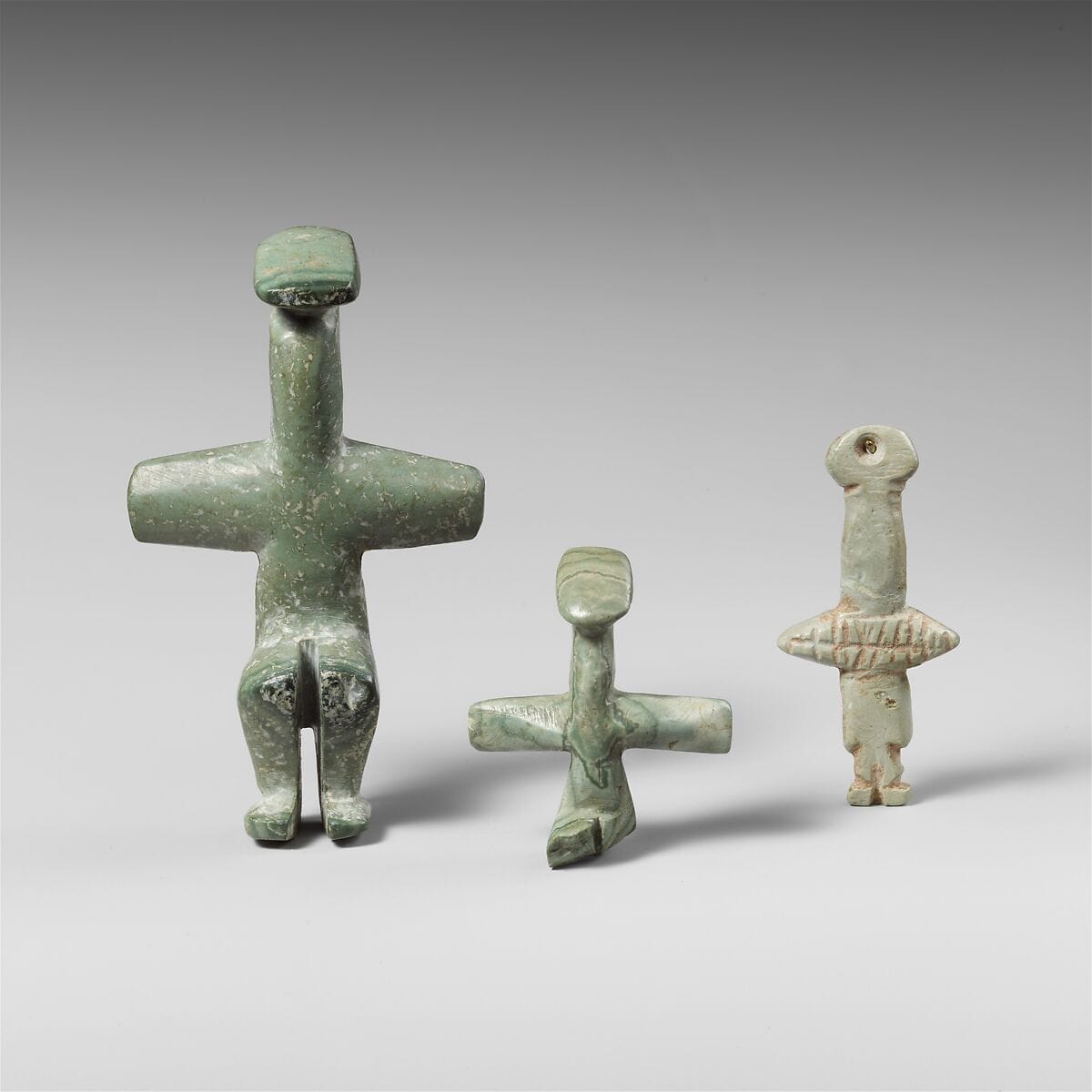 Cruciform FigurinesSmall stylised human figures with outstretched arms and bent legs, carved mostly in picrolite in Chalcolithic Cyprus and often worn as pendants.Chalcolithic
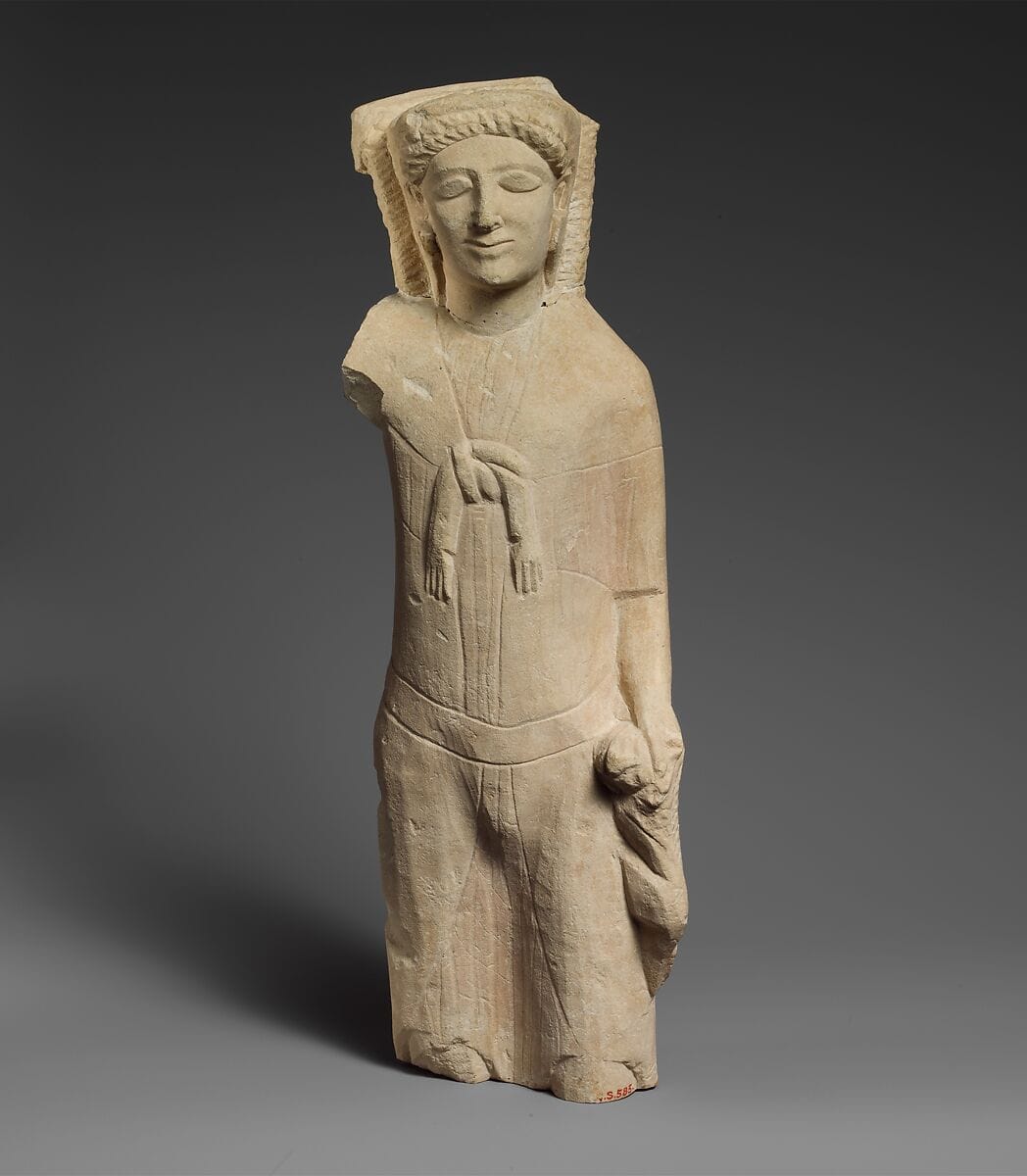 Herakles-MelqartA Cypriot limestone sculptural type of a god wearing a lion skin and often brandishing a club, fusing the Greek Herakles with the Phoenician Melqart.Cypro-ArchaicCypro-Classical
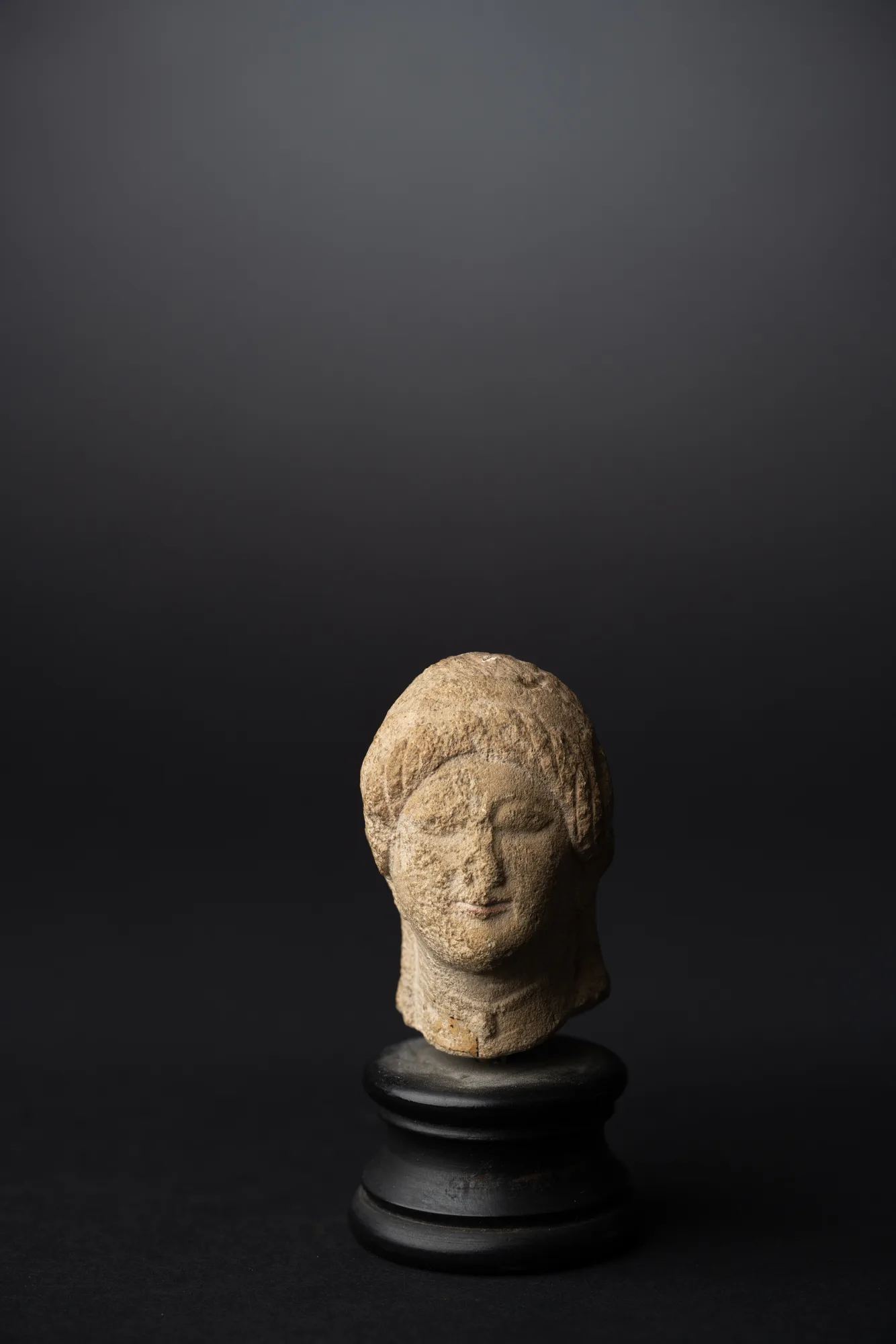 Painted Stone: Colour on Cypriot Limestone SculptureThe painting of Cypriot limestone sculpture with red, black, yellow, green and blue, of which usually only traces now survive.Cypro-ArchaicCypro-Classical
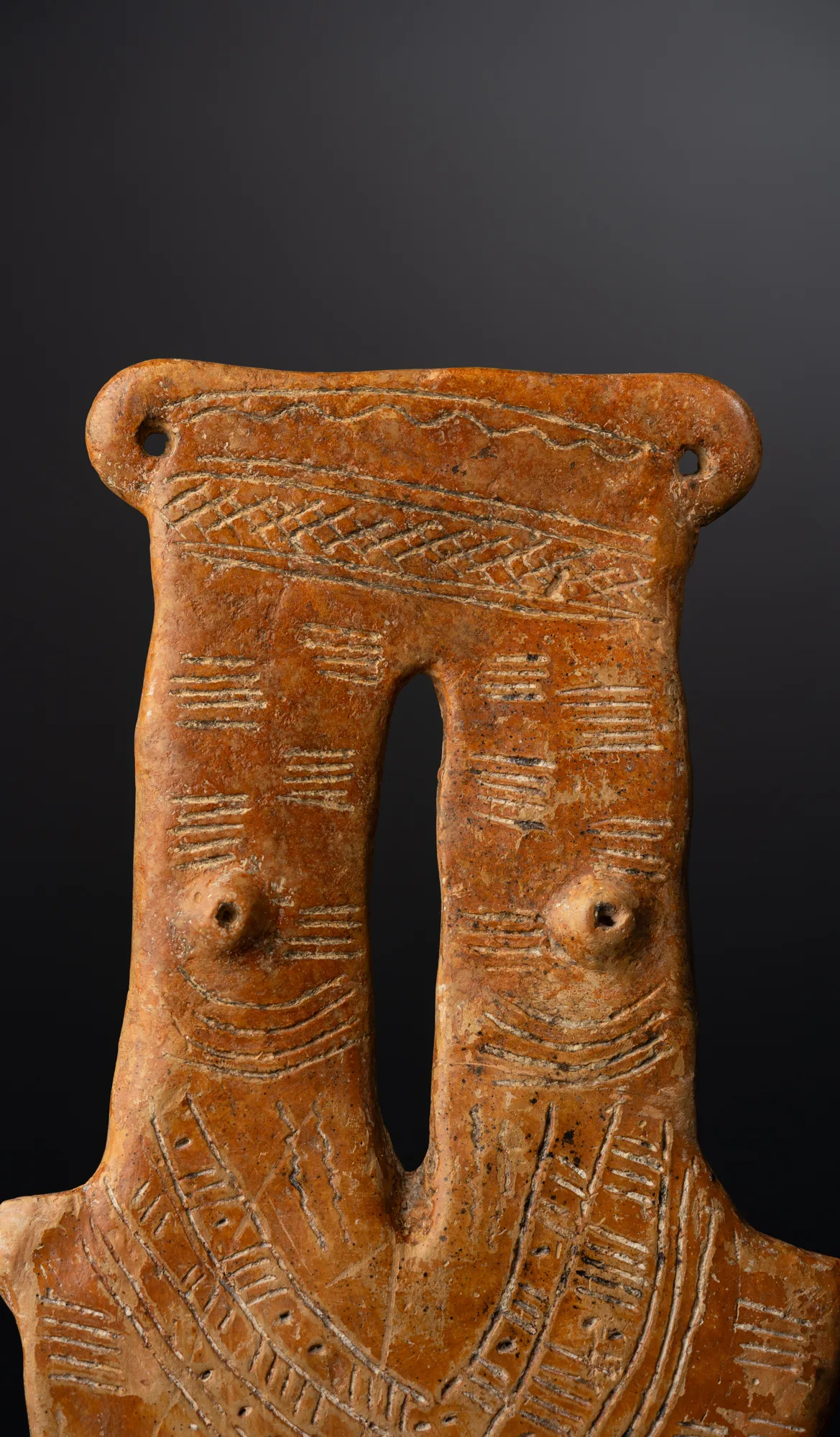 Plank FiguresFlat, rectangular, stylised human figures, mostly in incised Red Polished clay, made in Cyprus from Early Cypriot IIIA to Middle Cypriot II.Early Bronze AgeMiddle Bronze Age
- Red Polished Zoomorphic Vessels and Animal FigurinesRed Polished ware animal figurines, animal protomes applied to vessels, and animal-shaped askoi of Early and Middle Bronze Age Cyprus, mostly from tombs.Early Bronze AgeMiddle Bronze Age
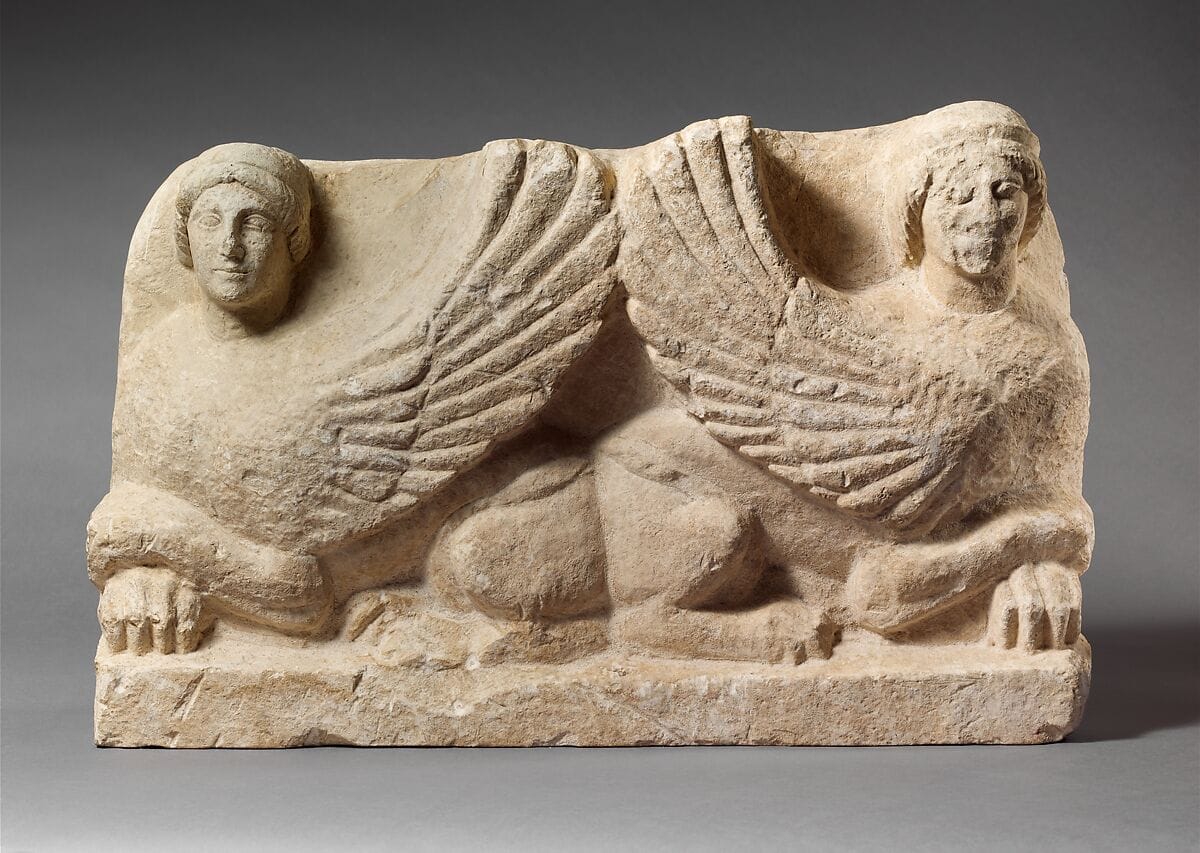 Reliefs and StelaeCarved limestone reliefs, funerary stelae and relief plaques from Cyprus, made from the 6th century BCE into the early Roman period.Cypro-ArchaicCypro-ClassicalHellenisticRoman
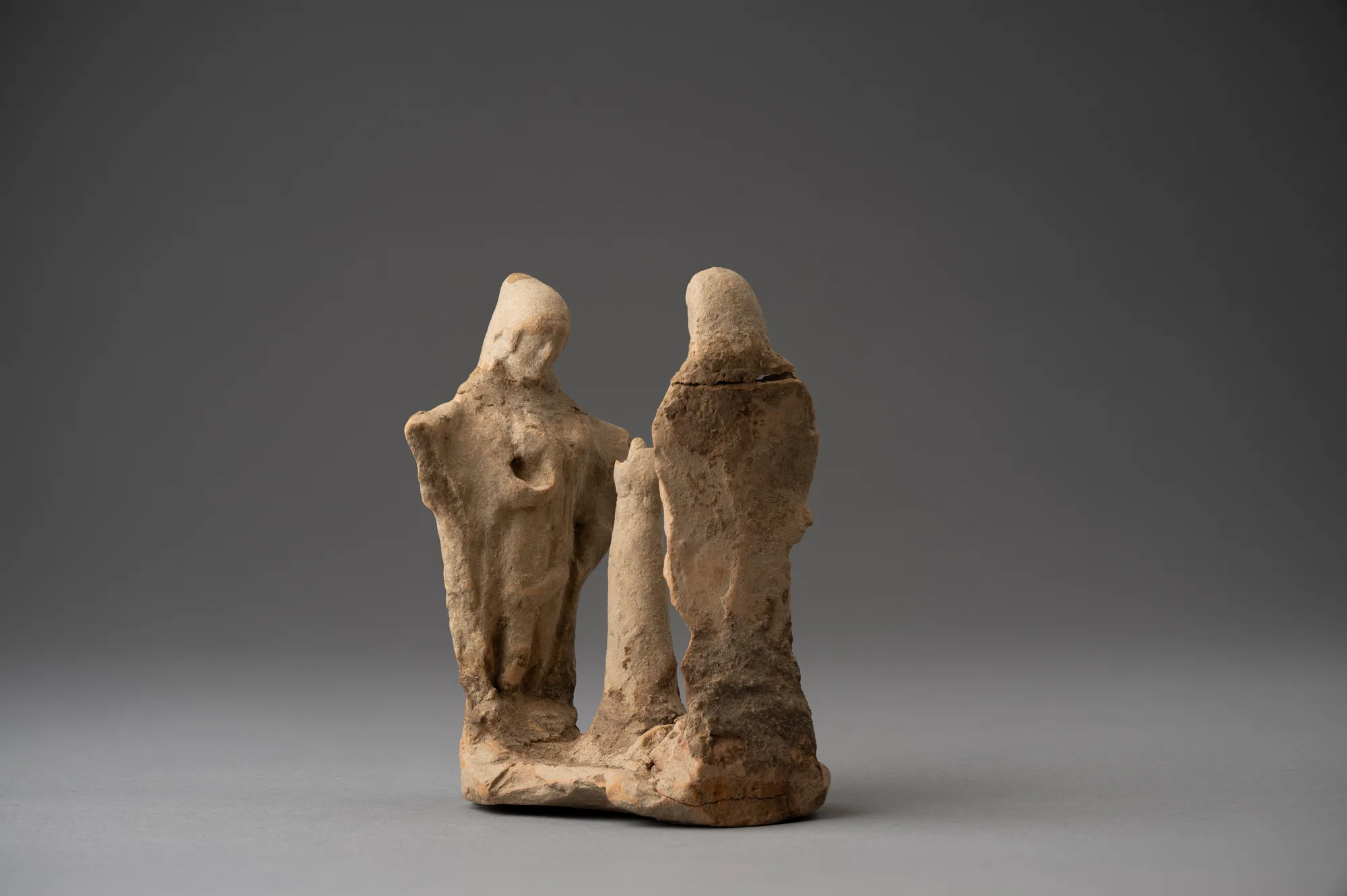 Ring-Dance GroupsSmall Cypriot votive models of dancers on a shared base circling a piper, lyre player or tree, made in clay and later in limestone.Cypro-GeometricCypro-ArchaicCypro-Classical
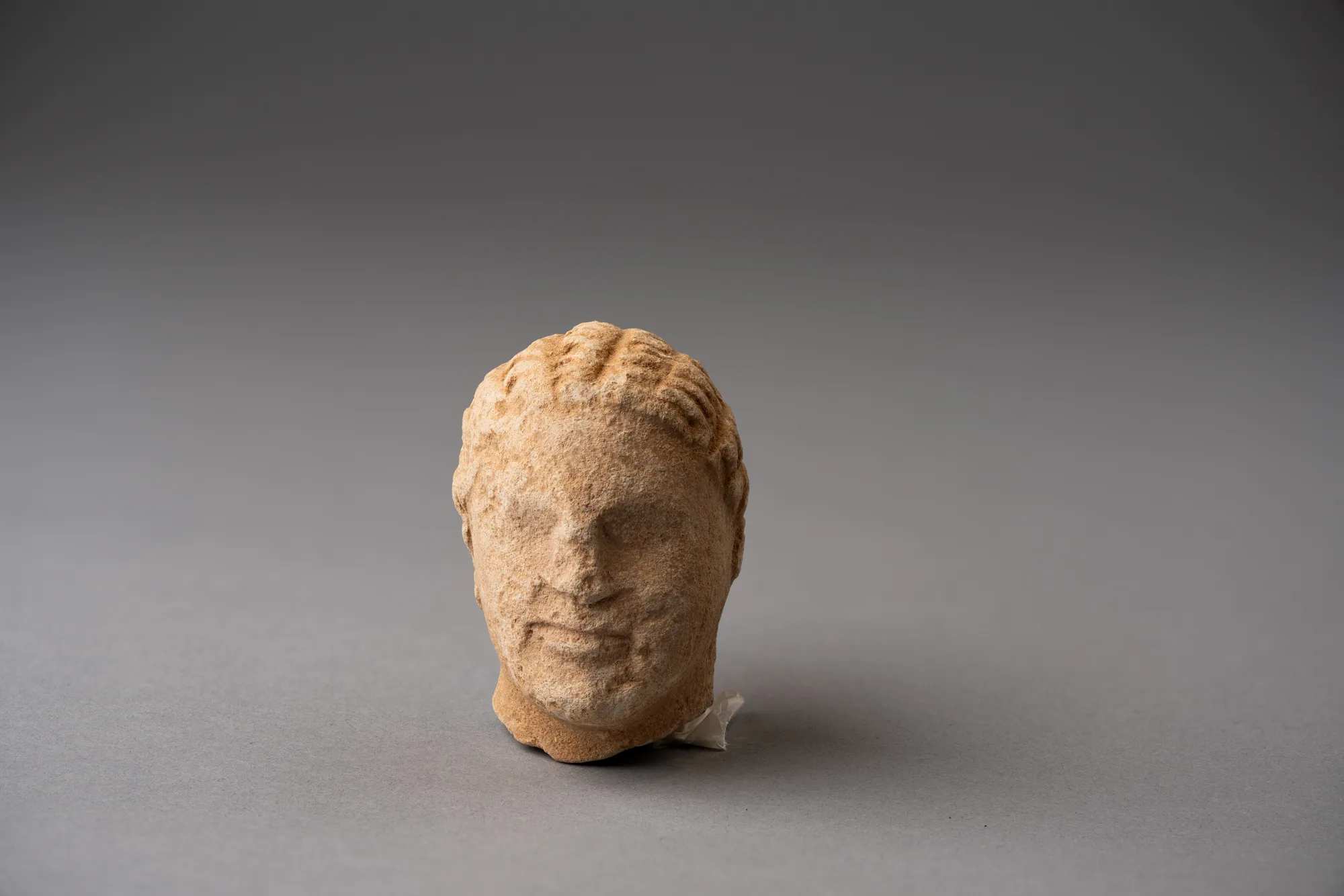 Temple BoysSmall limestone votive statues of crouching young children, dedicated in Cypriot sanctuaries from the mid-5th century BCE into the Hellenistic period.Cypro-ClassicalHellenistic
- Terracotta FigurinesSmall clay figures made in Cyprus by hand, on the wheel or in moulds, from Chalcolithic birthing figures to the Cypro-Archaic sanctuary votives.ChalcolithicEarly Bronze AgeMiddle Bronze AgeCypro-GeometricCypro-ArchaicCypro-ClassicalHellenistic
- The Statues of Ancient CyprusSectionThe statues and figurines of ancient Cyprus, in stone, clay and metal, from Neolithic pebble figures to Hellenistic and Roman limestone votives.NeolithicChalcolithicEarly Bronze AgeMiddle Bronze AgeLate Bronze AgeCypro-GeometricCypro-ArchaicCypro-ClassicalHellenisticRoman
Jewelry
1 entrySection overview
Tools and Technologies
1 entrySection overview
Mortuary Practices
1 entrySection overview
Daily Life
3 entriesSection overview
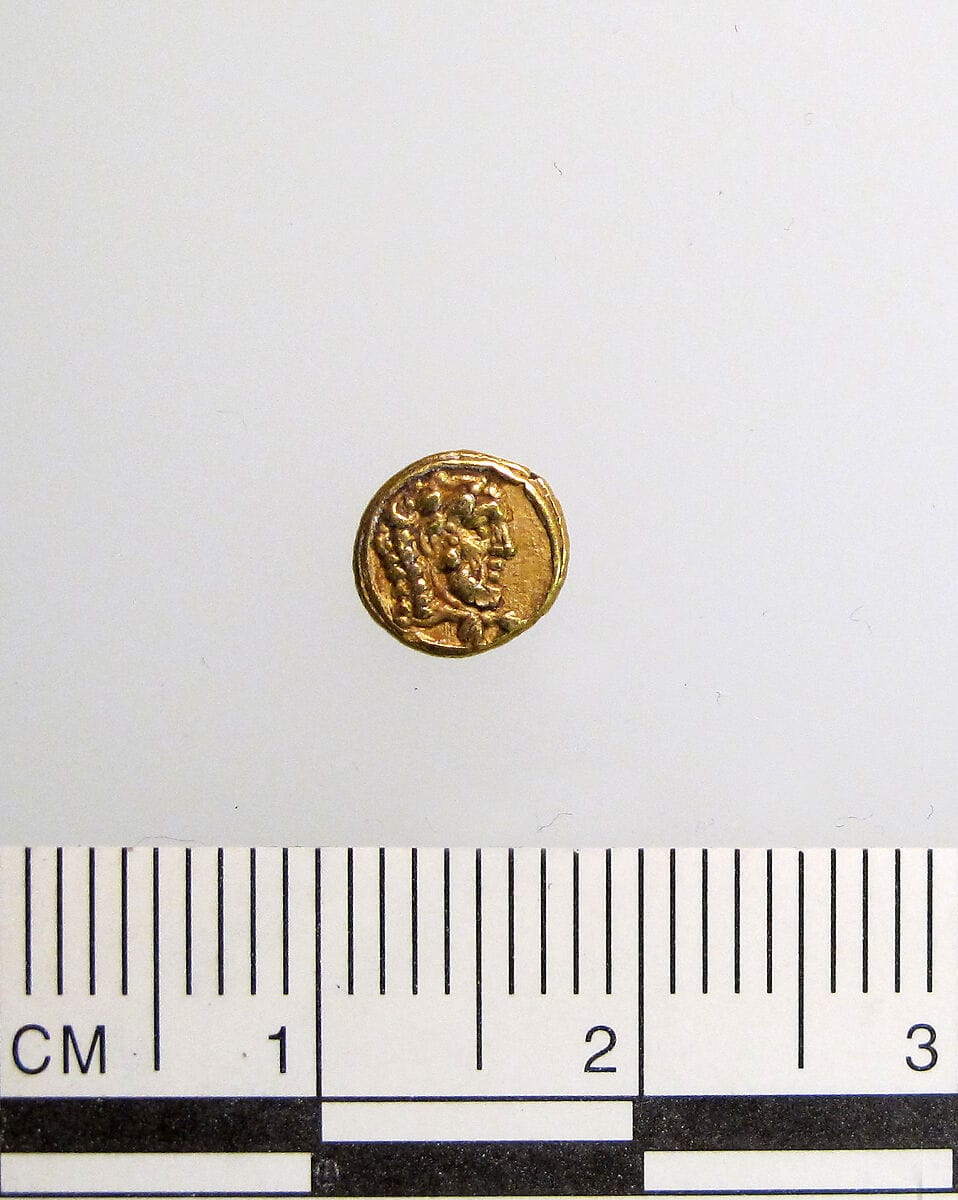 Coins of Ancient CyprusThe coins struck in Cyprus from the late sixth century BCE by the city-kingdoms, then by Alexander, the Ptolemies and Rome, and what they record.Cypro-ArchaicCypro-ClassicalHellenisticRoman
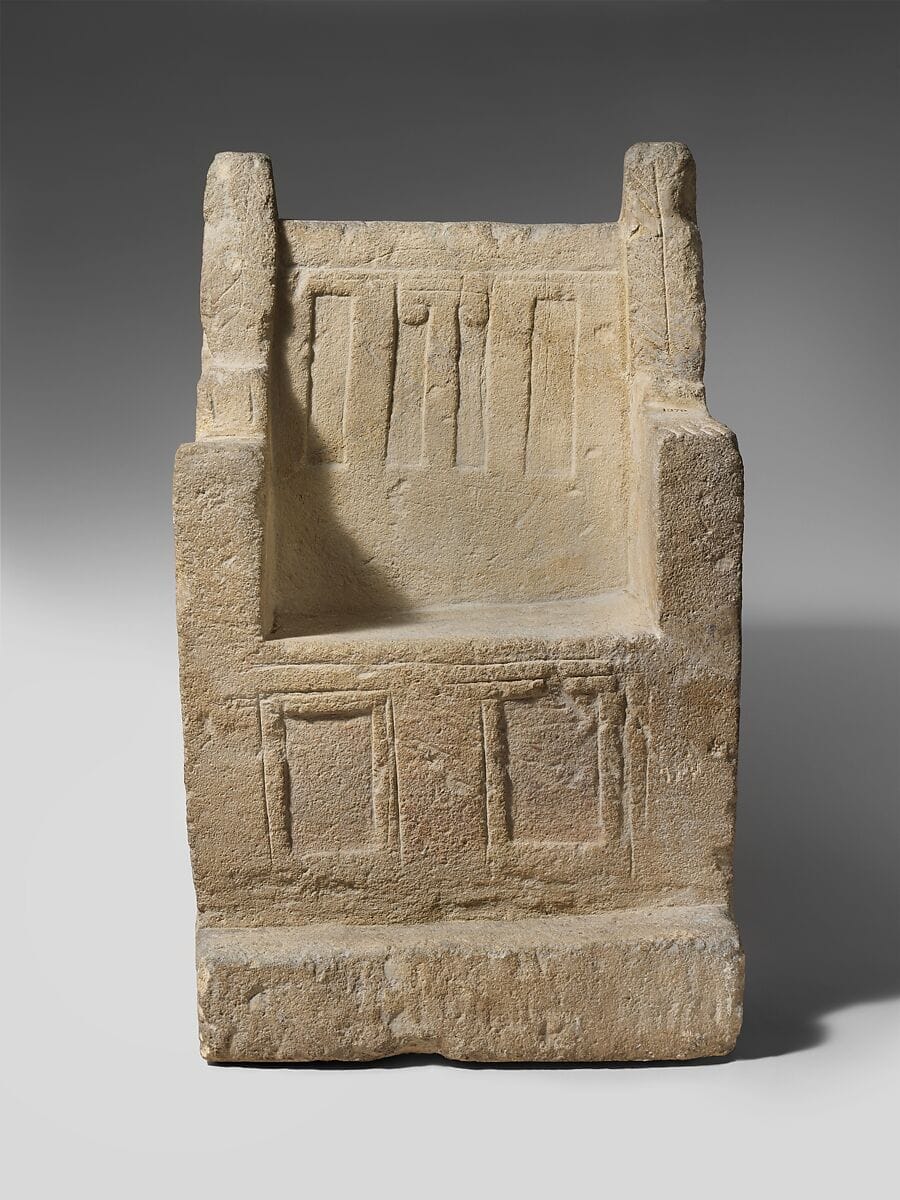 Furniture in Ancient CyprusHow Cypriots sat, slept and stored goods from the Neolithic to the Archaic kingdoms, known almost entirely from built benches, clay models, seals and royal tombs.NeolithicChalcolithicEarly Bronze AgeMiddle Bronze AgeLate Bronze AgeCypro-Archaic
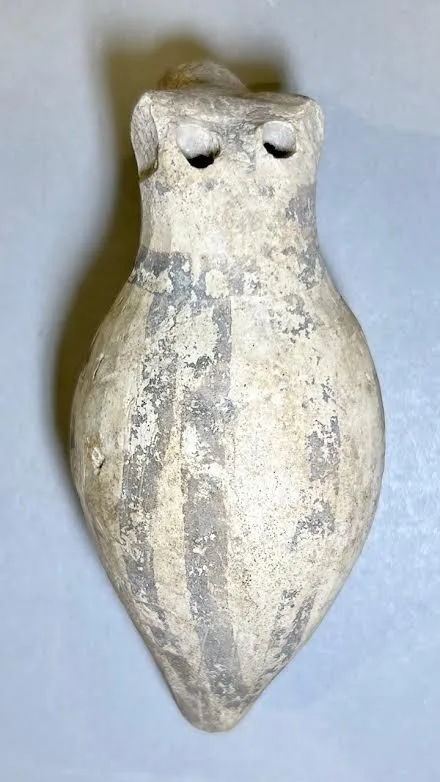 Music and Musical Instruments in Ancient CyprusLyres, double pipes, frame drums, cymbals and clay rattles in Cyprus from the Late Bronze Age to the Cypro-Classical period, known mostly from terracotta musicians.Late Bronze AgeCypro-GeometricCypro-ArchaicCypro-Classical
Environment
1 entrySection overview