
Contents
Horses arrived in Cypriot art as part of a package: the light two-wheeled chariot, the animals to pull it, and the people rich enough to keep both. In the Late Bronze Age the fast chariot spread through the Near East and Egypt and reached Cyprus and the Aegean, and "horses and chariots were associated with royalty, speed and warfare" [1, p. 1]. On Cyprus the pair first appears painted on imported Mycenaean wine kraters placed in tombs. In the Iron Age it comes back in clay and limestone: chariot models with their crews, single horses, horse-and-rider figurines, gold and ivory harness, and the real vehicles buried with their teams in the dromoi of the Salamis tombs.
This entry follows the motif through those stages. Riders have their own page, horse-and-rider figurines, and the burials of Salamis are treated in detail under Iron Age arms and armour; here they appear only where they explain the images. You can see all horses in the catalogue and all chariots in the catalogue.
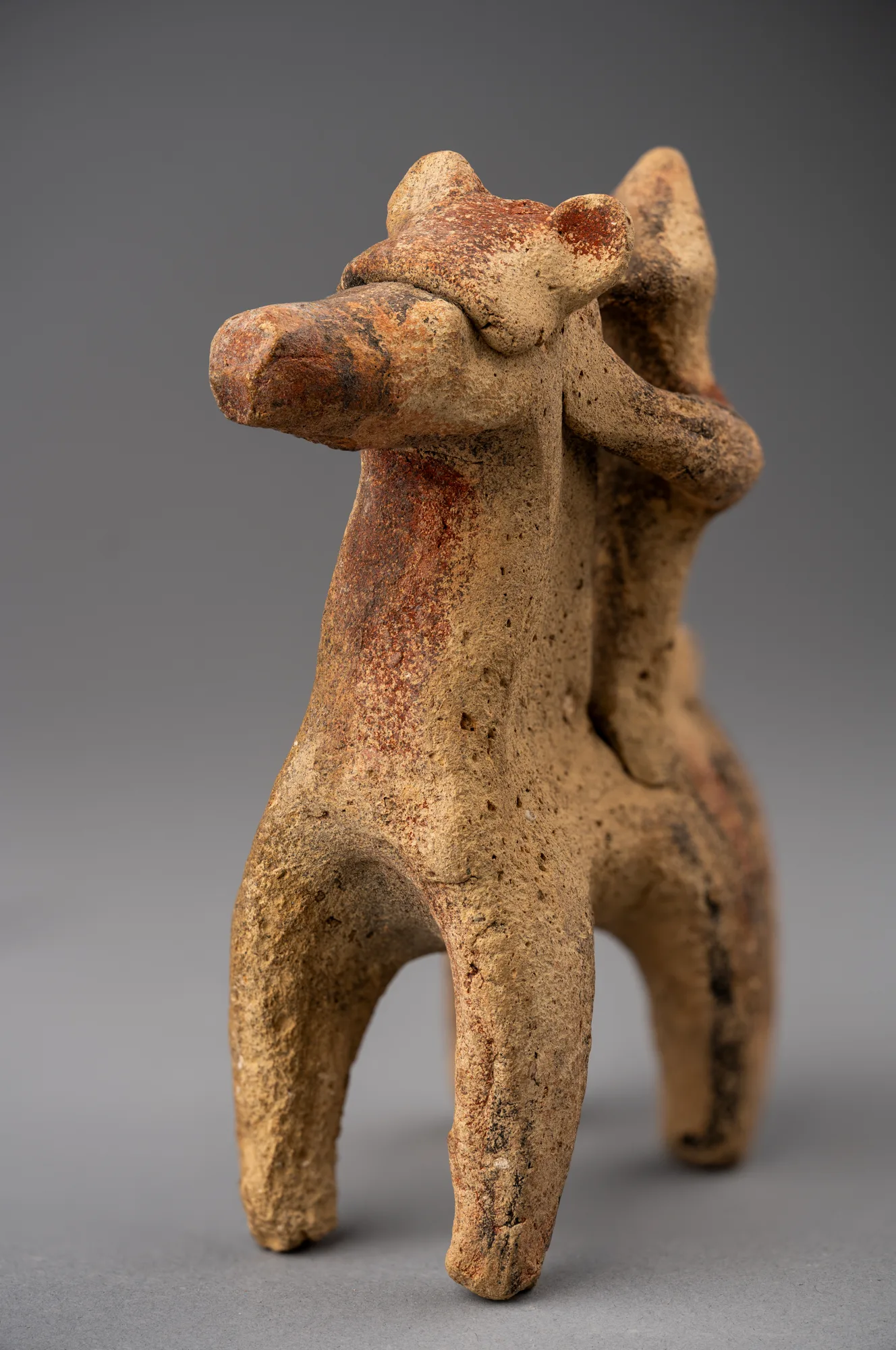
Horses in Late Bronze Age Cyprus
In the Late Bronze Age horses were scarce, expensive animals. Lisa Recht and Christine Morris describe them in both Greece and Cyprus as "a symbol associated with the elite, a sign of prestige", found in wealthy tombs, on luxury goods and in palace administration; a horse also needed daily handling, feeding and training, which tied it to particular people [1, p. 34]. The Swedish team at Hala Sultan Tekke make the same point from their own finds. Tomb 2 there held the remains of two donkeys and one horse, and the site has produced Mycenaean chariot kraters from that tomb and two nearly complete ones from Pit V in Area A. If Alashiya of the Amarna Letters is Cyprus, the island also took part in the royal exchange of horses and chariots recorded there [3].
Images of horses from this period are rare outside pottery. Small equid figurines of Late Helladic IIIA-B type from Enkomi and Hala Sultan Tekke seem to belong to abbreviated chariot groups and probably came in with Aegean pottery, and a single local terracotta in the Cyprus Museum is identified only tentatively as a horse. By far the most common Bronze Age picture of an equid on the island is the chariot krater [2].
Chariots
The chariot motif runs through Cypriot art for about a thousand years, but in three different forms. The first is painted on imported pots; the second is a modelled toy-sized vehicle with horses and crew; the third is the real chariot, known from burials.
The chariot kraters are large Mycenaean mixing bowls painted with a two-horse team and a chariot carrying two figures, usually on the shoulder. Nearly 400 are known. They were made in mainland Greece and exported to Cyprus and the Levant [1, p. 1]. Recht and Morris sort them into three shapes: an early stemmed krater with few chariot scenes; the amphoroid krater, "by far the most commonly used shape for chariot scenes", of Late Helladic IIIA2-B; and a later ring-based krater of LH IIIB-C [1, p. 4]. Clay analyses show that every example tested was made in Greece. John Myres in 1914 thought there had been a local Cypriot school of chariot-krater painters, and that view has been given up [1, p. 4].
The Cypriot numbers are large. Finds from the island almost rival those from mainland Greece, and the earliest examples, of early LH IIIA2, all come from outside Greece: 22 from Cyprus and two from the Levant [1, p. 4]. Most come from Enkomi, fewer from Maroni and Hala Sultan Tekke, and they are conspicuously rare or absent at Kition and Alassa. Most Cypriot examples with a known findspot come from tombs [2]. Local potters did make pictorial kraters in White Painted Wheelmade ware, but they did not copy the horse-and-chariot scene [1, p. 4]. The wider trade in these vessels is covered under Mycenaean imports and local imitations, and the Cyprus Museum's Mycenaean krater inv. 7856, 32 cm high, is a good example of the type on display in Nicosia.
What the kraters show is a procession. The scenes of LH IIIA2-B1 are slow and ceremonial. Armour and weapons creep in only in LH IIIB2-C, when the ring-based kraters had stopped going east, and actual fighting is never shown; Recht and Morris read the motif as symbolic and conclude that "it is a scene that is, above all, meant to be seen" [1, p. 34]. Recht found no violence on any of the Cypriot examples [2].
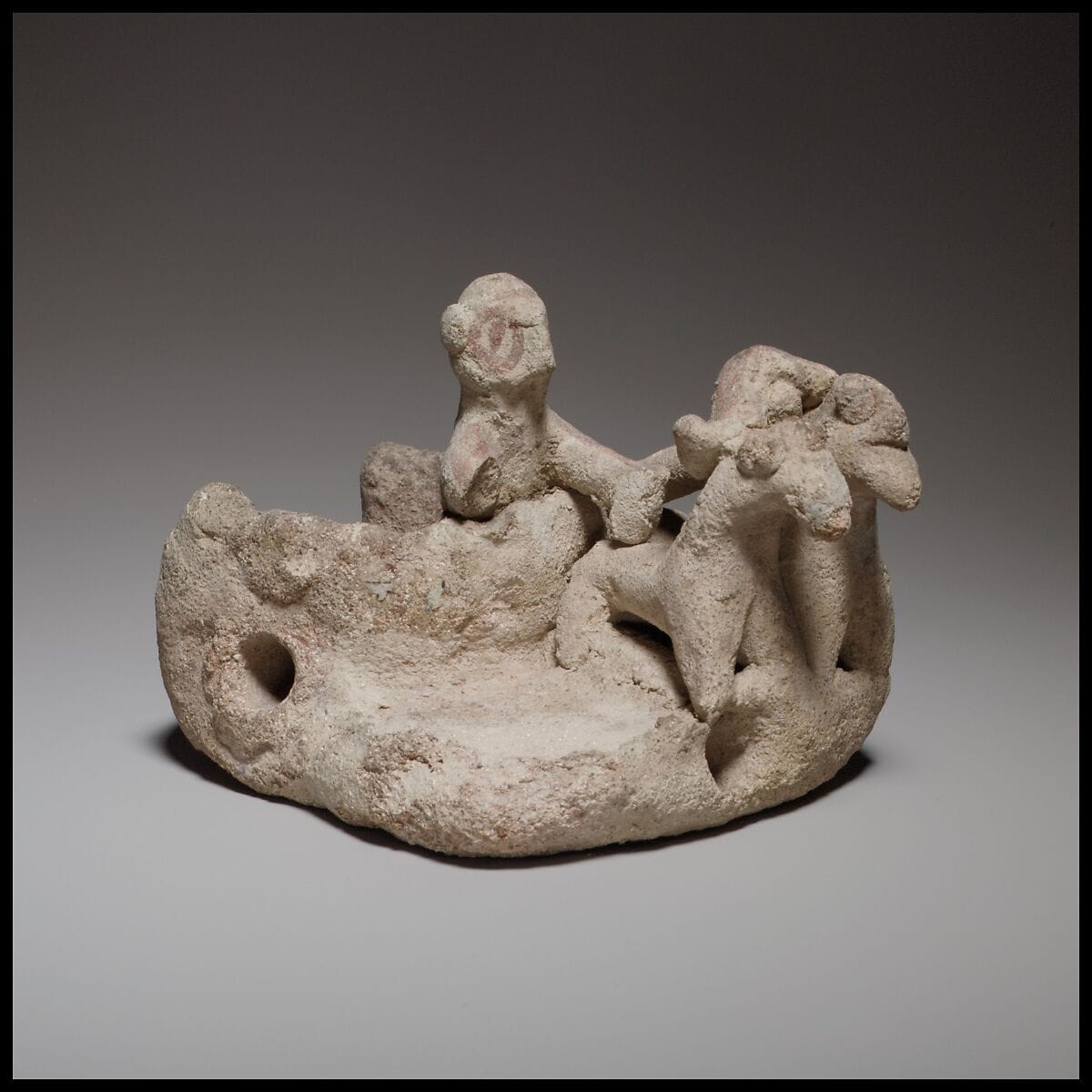
The second form is the chariot model. Terracotta chariot groups appeared in Cyprus by the end of the seventh century BCE and outnumber the limestone ones, which mostly date to the fifth century [6, cat. 353]. The Metropolitan Museum's terracotta model of a chariot box is dated to Cypro-Geometric III (c. 850-750 BCE), and Vassos Karageorghis dated the earliest painted models to Cypro-Geometric III or Cypro-Archaic I because their decoration matches contemporary pottery [6, cat. 239-240]. A model from Ovgoros in the Cyprus Museum (inv. 1955/IX-26/1, 16.5 cm high, c. 650-550 BCE) shows the usual arrangement: horses in full gear with blinkers, front bands and bridles, and three warriors in the box, a charioteer with the reins, an archer and a shield-bearer, while a fourth figure walks between the horses. That one is a two-horse biga, though the four-horse quadriga is the commonest type among Cypriot terracotta models. Its base is pierced to take moveable wheels [7, cat. 121].
Chariot models were "quite common throughout the Cypro-Archaic period" and went into both sanctuaries and tombs. They also turn up in Phoenicia, on Samos and Knidos, and at Naukratis [7, cat. 121]. Their warrior and charioteer faces were pressed from moulds that look Phoenician, and the Met catalogue suggests that Phoenician craftsmen may have introduced the moulds [6, p. 172; 7, cat. 121]. The Met's model of a chariot with driver (74.51.1798, 13.2 cm, Met record) and its separate charioteer figures belong to this series.
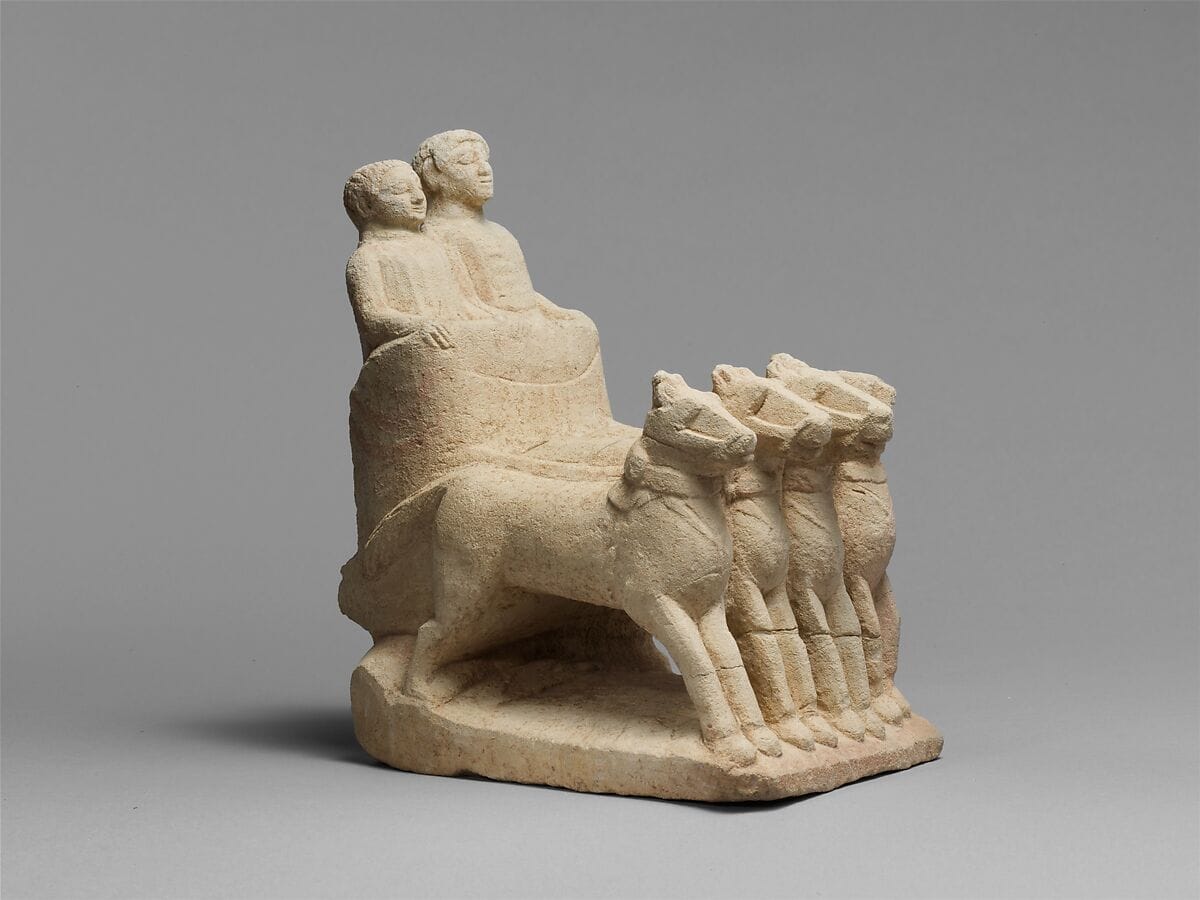
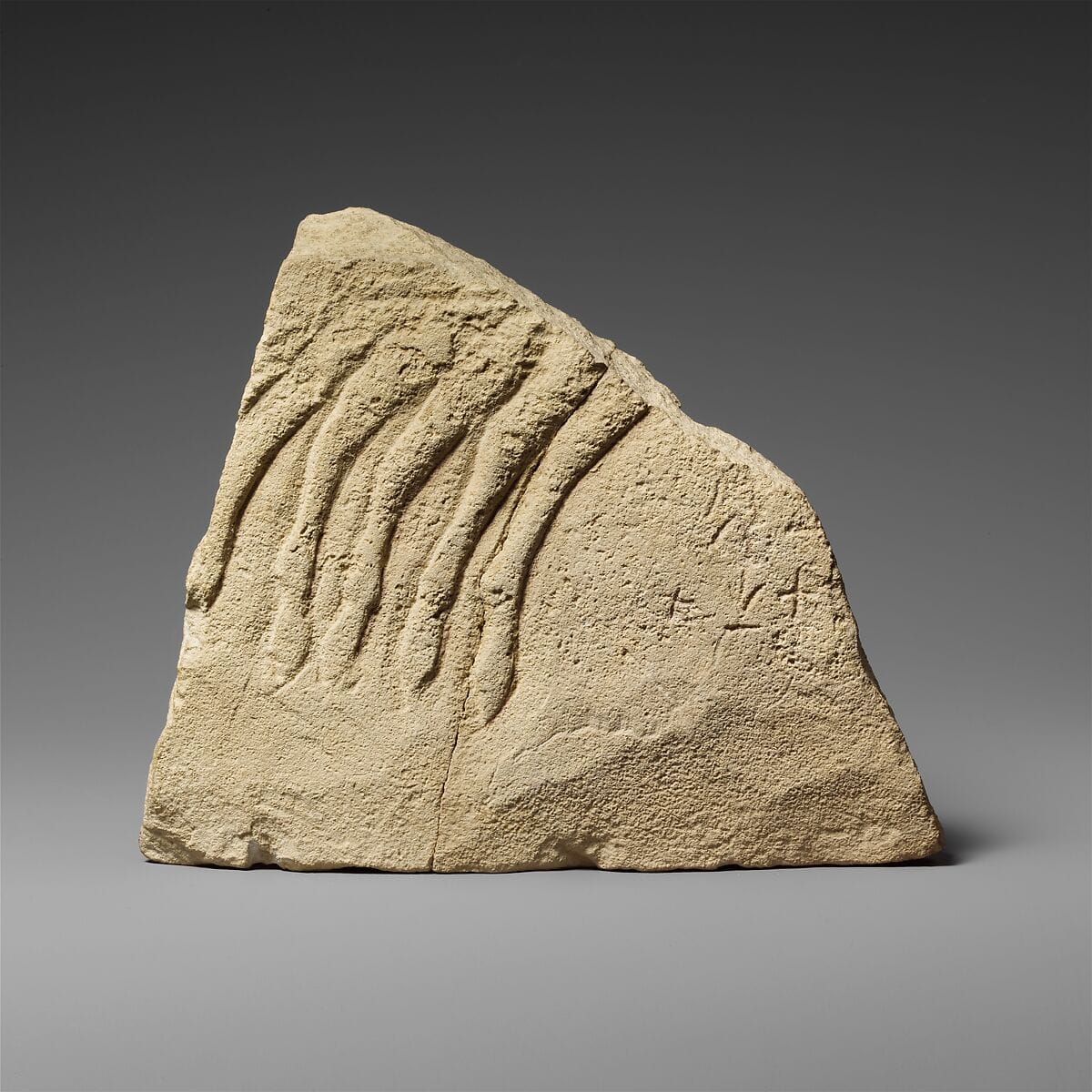
Limestone versions are rarer and later. The Met's limestone votive chariot with four horses and two figures (74.51.2845, Met record) is catalogued as Archaic, seventh to sixth century BCE. The limestone model of a chariot drawn by two horses (74.51.2687) is said to come from a temple at Kourion and dates to the first half of the fifth century BCE. Its Y-shaped pole and harness are cut as grooves, and unlike the earlier terracottas it shows a processional chariot, with no warriors [6, cat. 353]. Limestone models are also known from Amathus, and chariots in relief run along the sarcophagi from Amathus and Golgoi [6, cat. 353].
The third form is the vehicle itself. At Salamis, Tomb 79 was used for two burials, the first at the end of the eighth century BCE; chariots and horses were sacrificed in the dromos and a hearse carried the body, "the war chariots being a symbol of the high social rank of the deceased" [4]. Two hearses and two chariots were found there [5, cat. 239]. In Tomb 47 two horses were found still yoked to a chariot, with a second, four-horse chariot in the same dromos, and the Department of Antiquities catalogue notes that "war chariots could be drawn either by two or four horses" [5, cat. 240]. In Tomb 50 the yoke and pole of a buried pair left their outline in the soil [4, fig. 101]. The Ovgoros catalogue entry adds real chariot finds from Kition, Amathus and Palaepaphos [7, cat. 121].
Horse figurines and harness
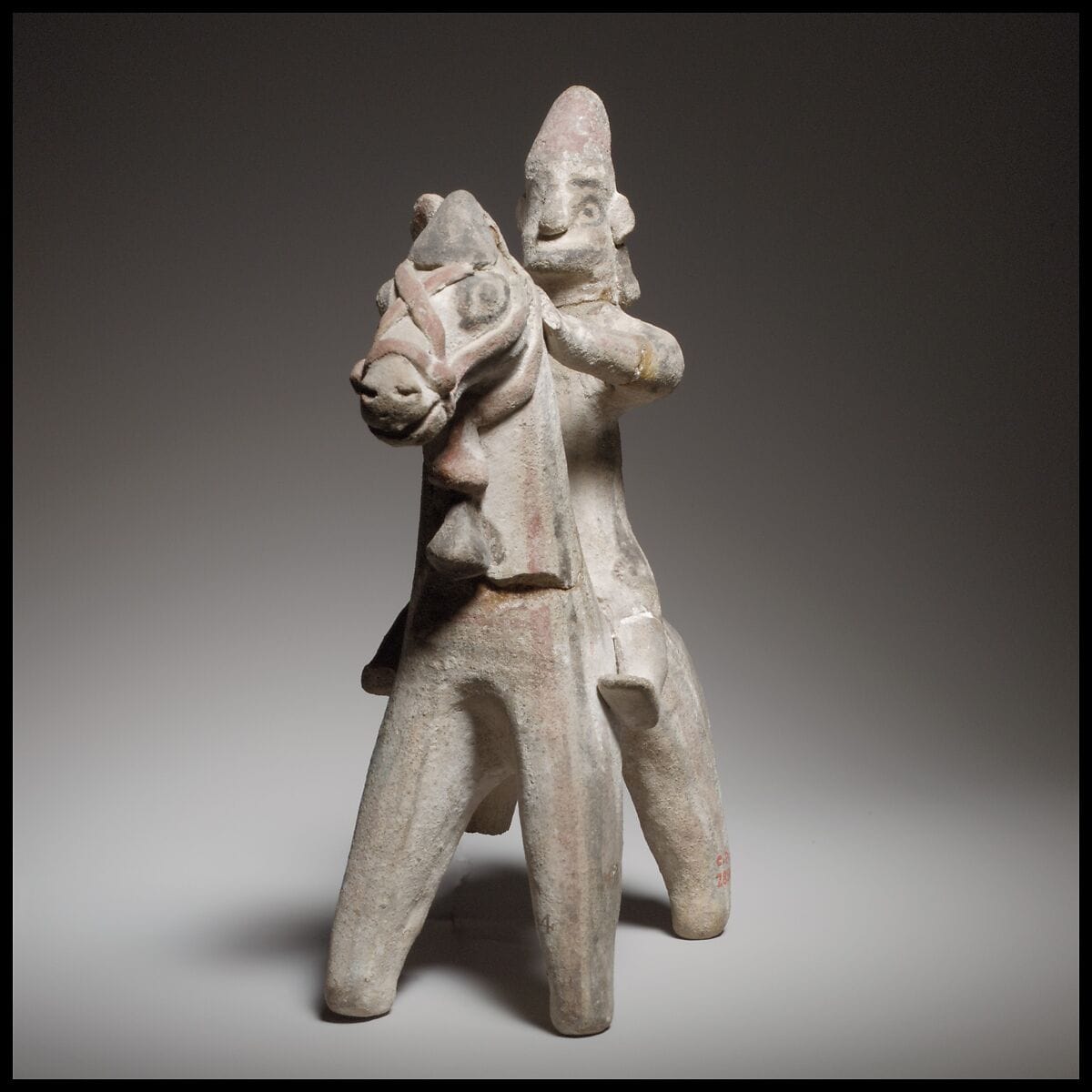
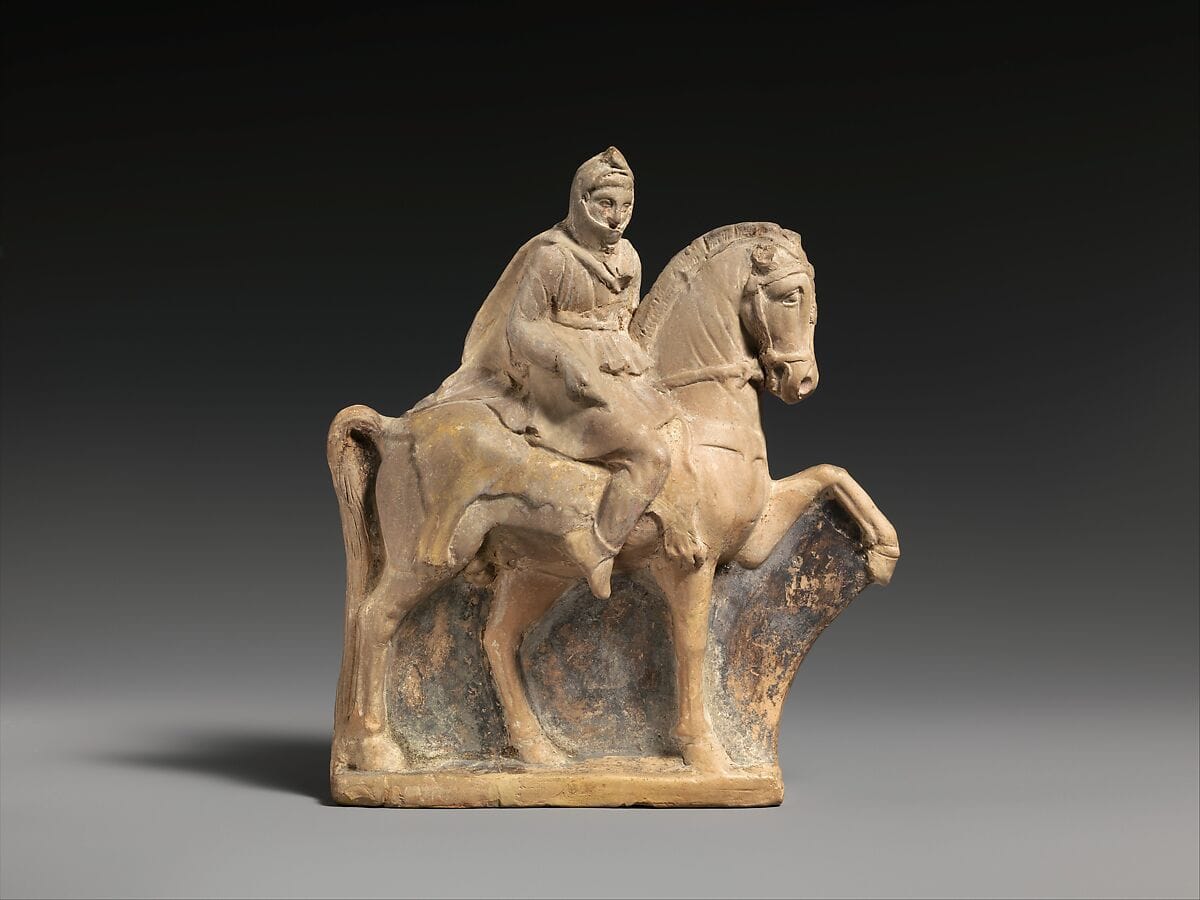
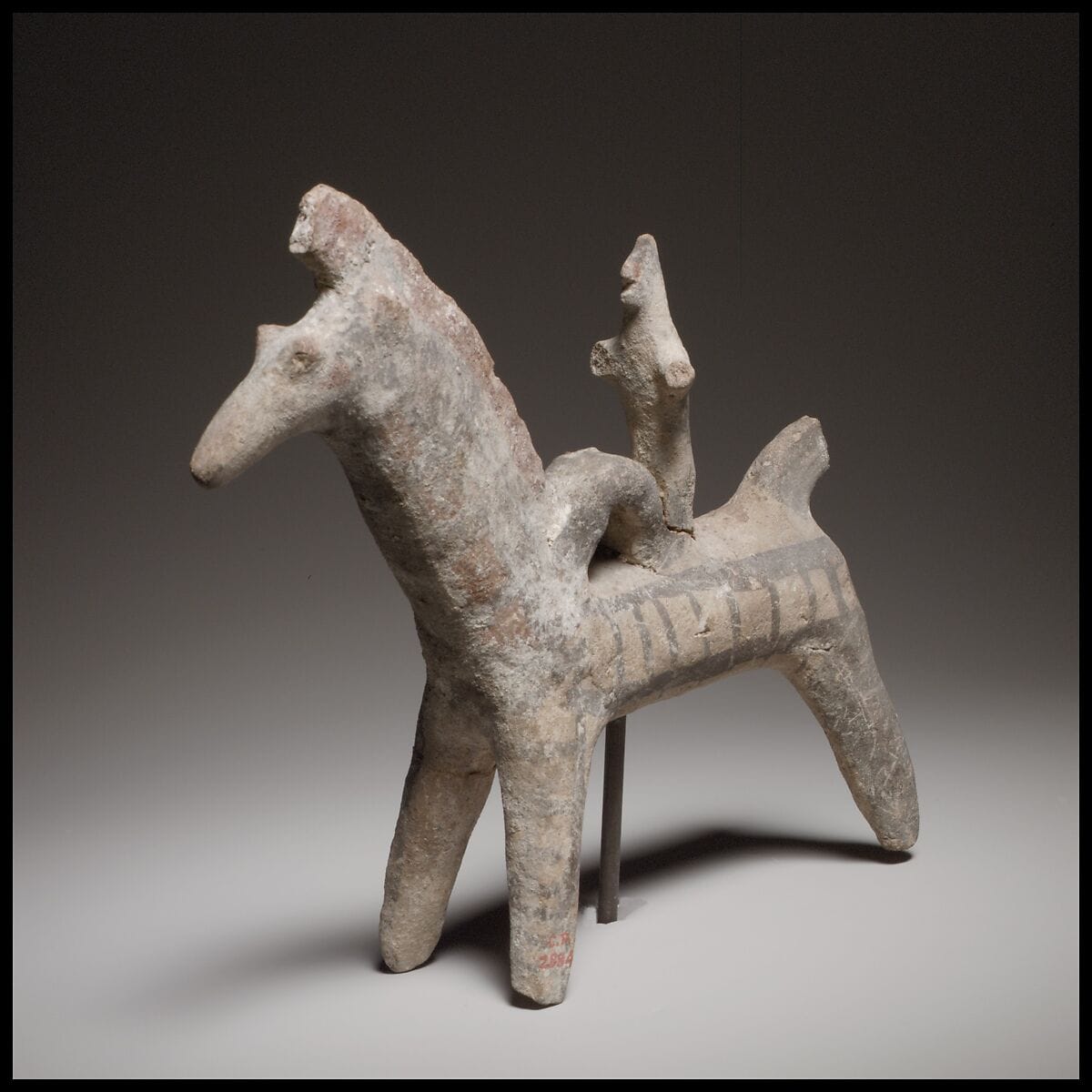
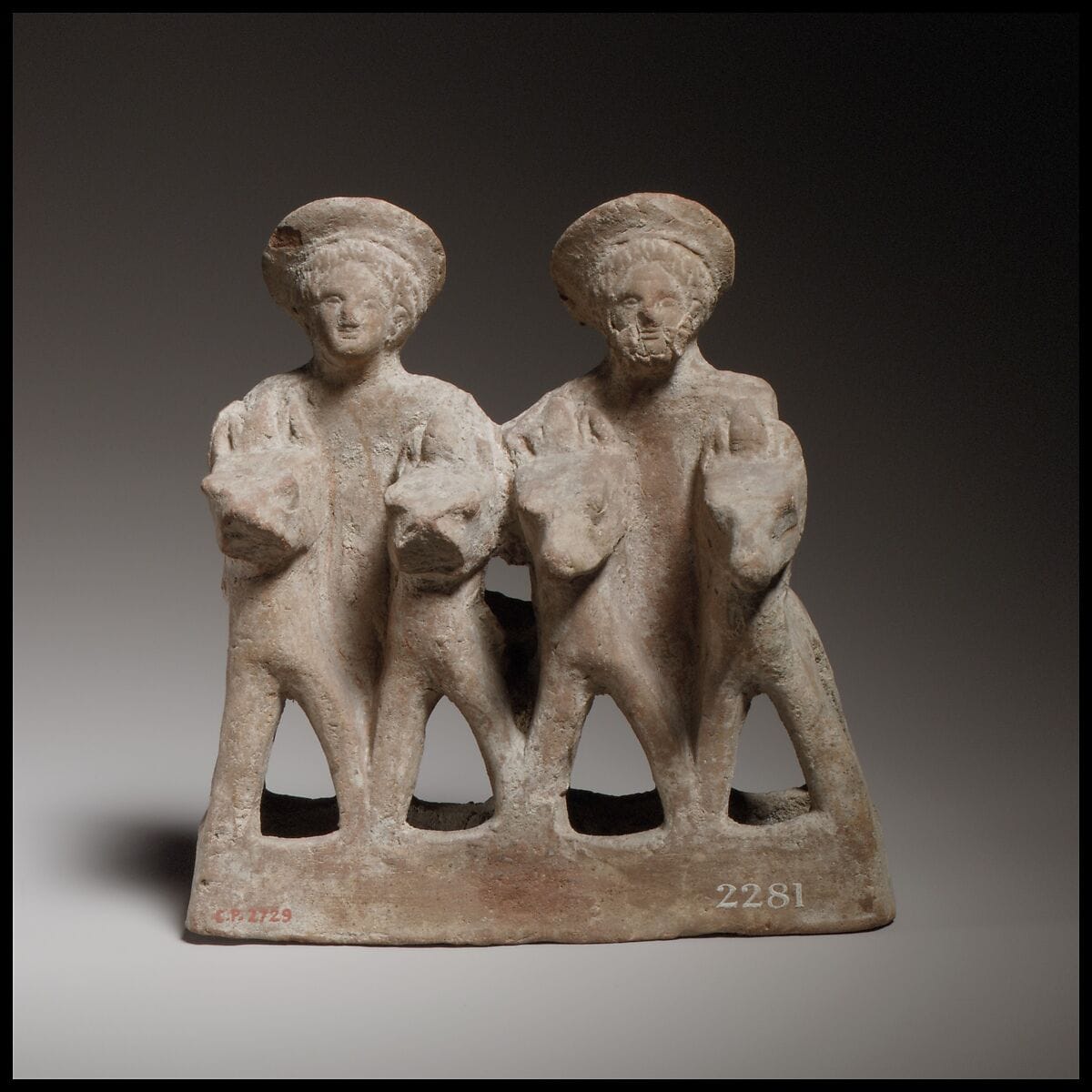
The Iron Age horse is most often a figurine. The Met has a terracotta pair of horses sharing one body (74.51.1766), Cypro-Archaic I, from Ormidhia, and many horse-and-rider figures from Ormidhia, a tomb at Idalion and the sanctuary of Apollo Hylates at Kourion [6, cat. 241-246]. Luigi Palma di Cesnola described the animal of one of them as "a camel with somewhat the aspect of a giraffe" [6, cat. 243]. By Cypro-Archaic II, donkeys were also being modelled with riders and loads [6, cat. 247]. Many single terracotta horses in collections are detached members of chariot teams; the Met's horse's head with harness shows the blinkers and front band that the models paint or apply.
The Drakopoulos collection has four horsemen of the Cypro-Archaic series, including the horse and rider with a painted star on the neck above and the handmade horse and rider with a high painted crest. They are discussed with their type on the horse-and-rider page. The collection has no chariot model.
The harness on these figures was real. The Salamis teams wore bronze front bands and blinkers, breastplates and side pendants decorated in repoussé with winged sphinxes and lions over fallen men, images taken from Egyptian and Near Eastern art [4]. An ivory blinker from Tomb 47 resembles examples from Nimrud and copies a metal prototype [5, cat. 240].
Horses on Iron Age pottery and metalwork
On Iron Age painted pottery, chariots, riders and warriors are new subjects, and the debate over whether they came from Assyrian art is set out under free-field art. In precious metal, a gold band from Salamis Tomb 31, early seventh century BCE and one of 33 such leaves, shows a chariot in relief with an eight-spoked wheel and a dog running under the horse [5, cat. 241]. The Met's Cypro-Archaic silver bowl (74.51.4555) has a horse in its inner frieze and, in the outer one, figures in carts leaving a citadel; the museum compares the carts to the terracotta models.
Reading the motif
| Form | Date | Made where | Main contexts |
|---|---|---|---|
| Chariot krater | LH IIIA2 to LH IIIB | Mainland Greece | Tombs at Enkomi, Maroni, Hala Sultan Tekke |
| Terracotta chariot model | Cypro-Geometric III to Cypro-Archaic | Cyprus | Sanctuaries and tombs |
| Limestone chariot model | Mostly 5th century BCE | Cyprus | Sanctuaries (Kourion, Amathus) |
| Buried chariot | Late 8th to 7th century BCE | Real vehicles | Royal tombs at Salamis |
Across all these forms the chariot marks rank more often than battle. The Bronze Age kraters show processions, and their findspots are tombs [1, p. 34; 2]. The Iron Age clay models carry armed crews, but they went into sanctuaries as offerings, and the fifth-century limestone ones drop the warriors altogether [6, cat. 353; 7, cat. 121]. The buried chariots of Salamis were war chariots, and they were buried as signs of the dead man's standing [4]. How far the models reproduce Cypriot vehicles, and how much they owe to Phoenician and Near Eastern workshops, is still argued; the Ovgoros entry itself notes that the warrior faces look Phoenician while the wheeled-model type is also known in Greece [7, cat. 121].
Objects on this page
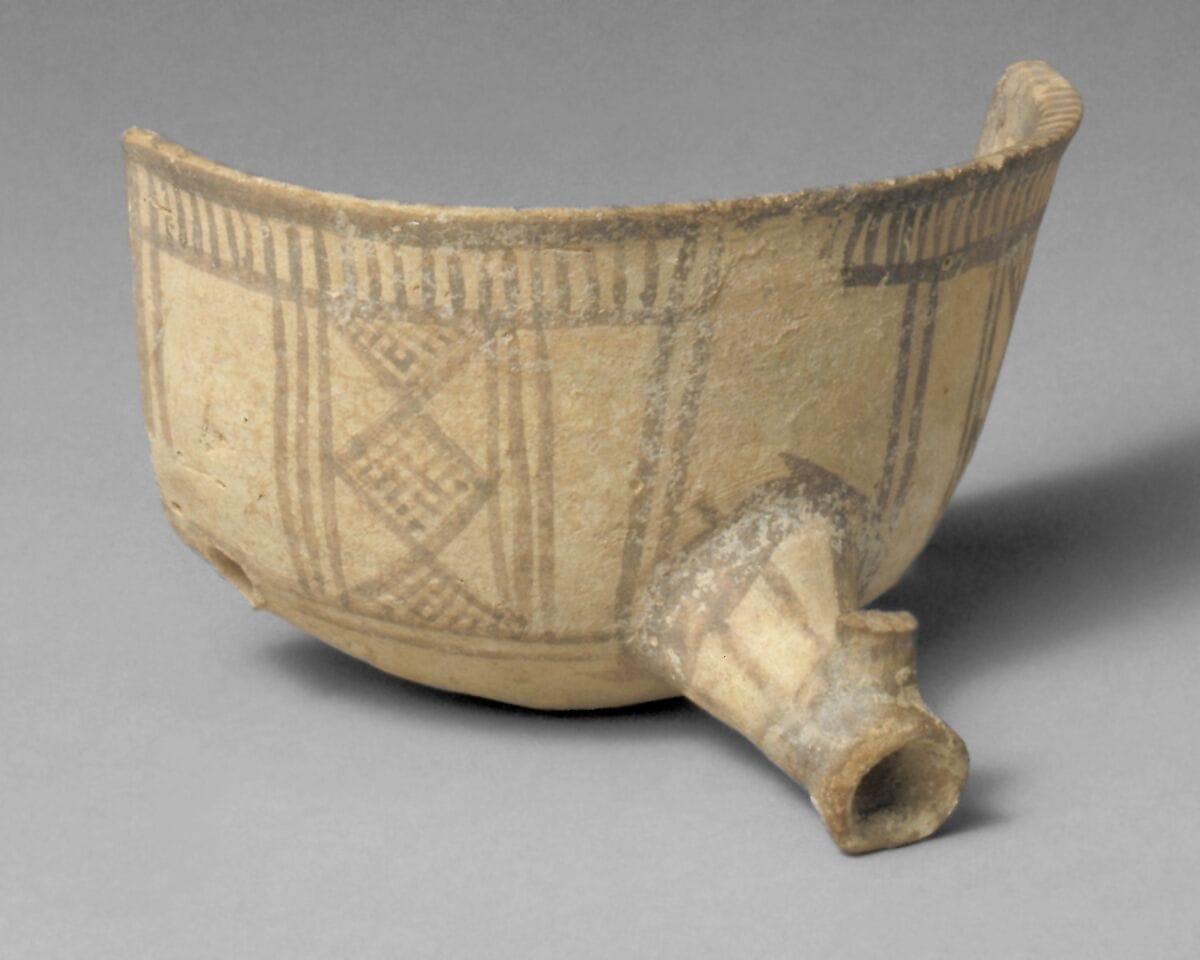 Terracotta model of a chariot boxGeometric III · 850–750 BC
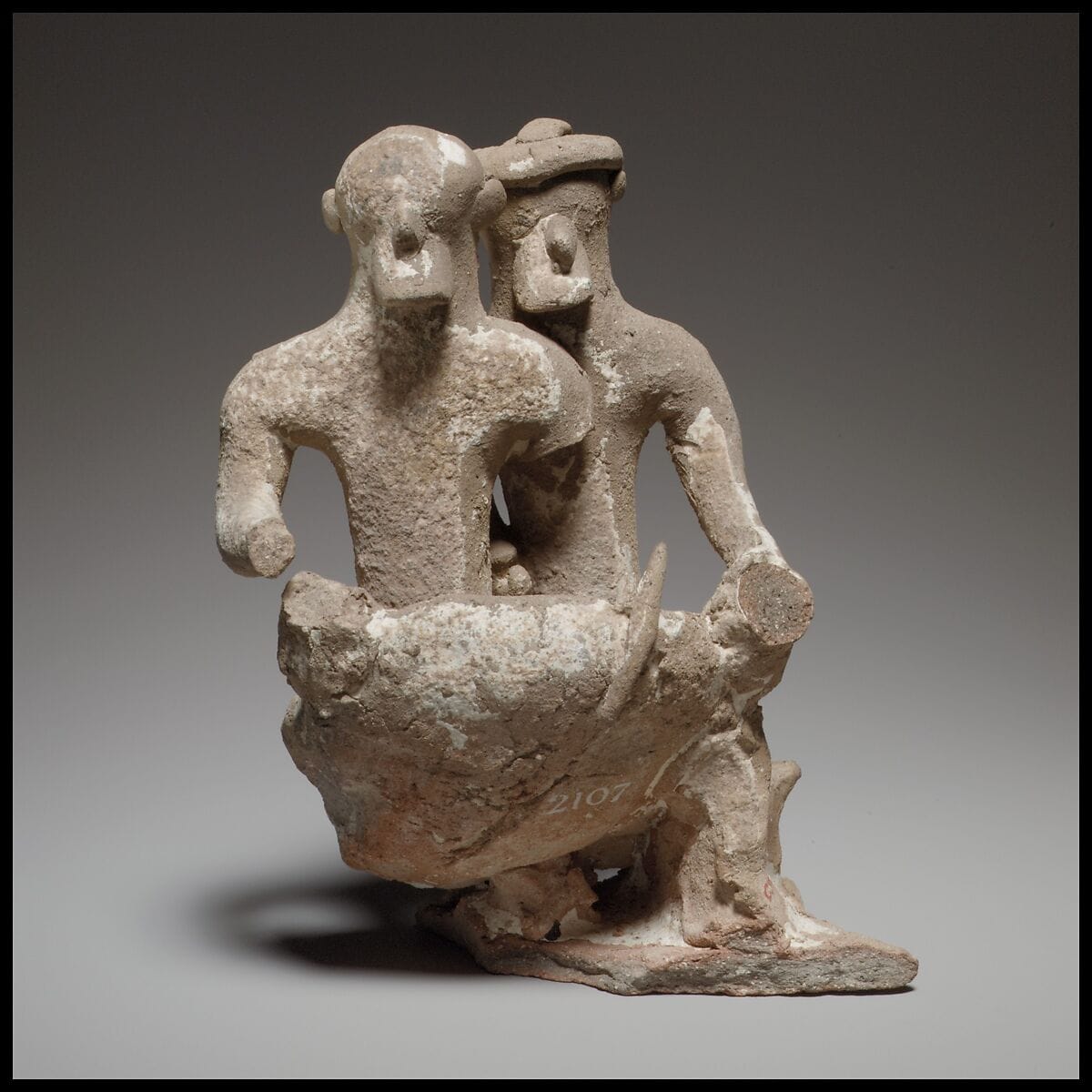 Model of a chariot with driverGeometric II · 999–600 BC
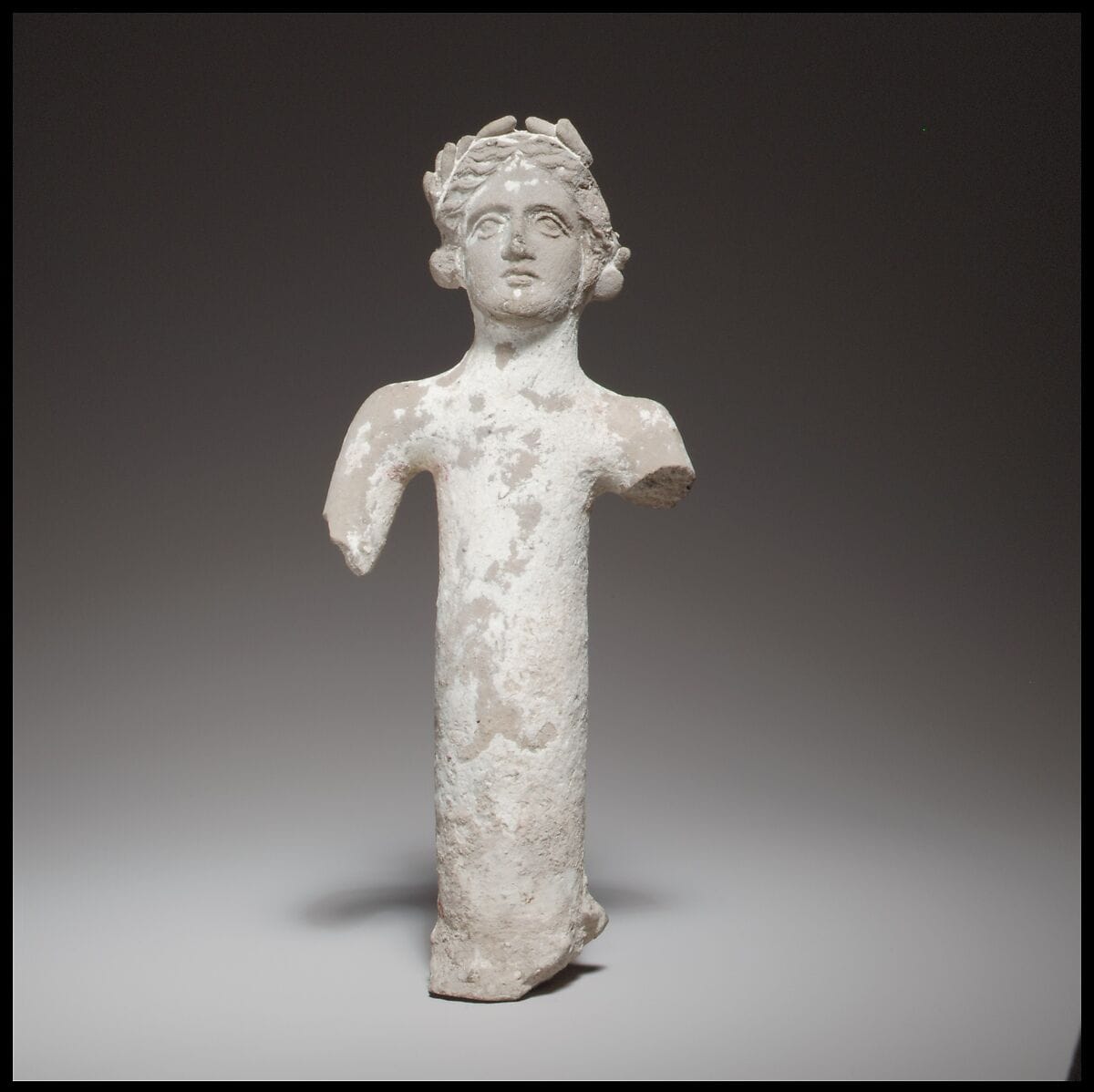 CharioteerClassical · 399–300 BC
- Limestone votive chariot with four horses and two figuresArchaic II · 699–500 BC
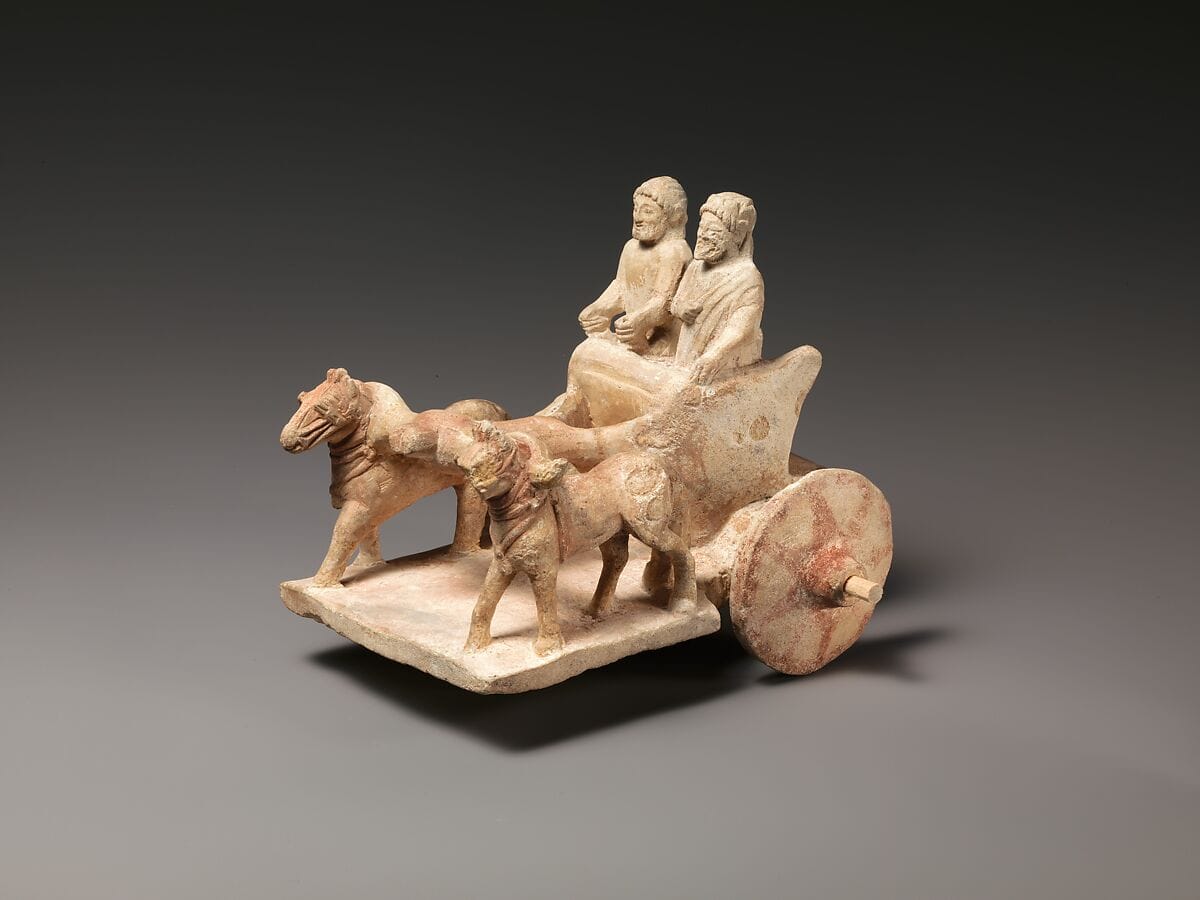 Limestone model of chariot drawn by two horsesArchaic II · 500–450 BC
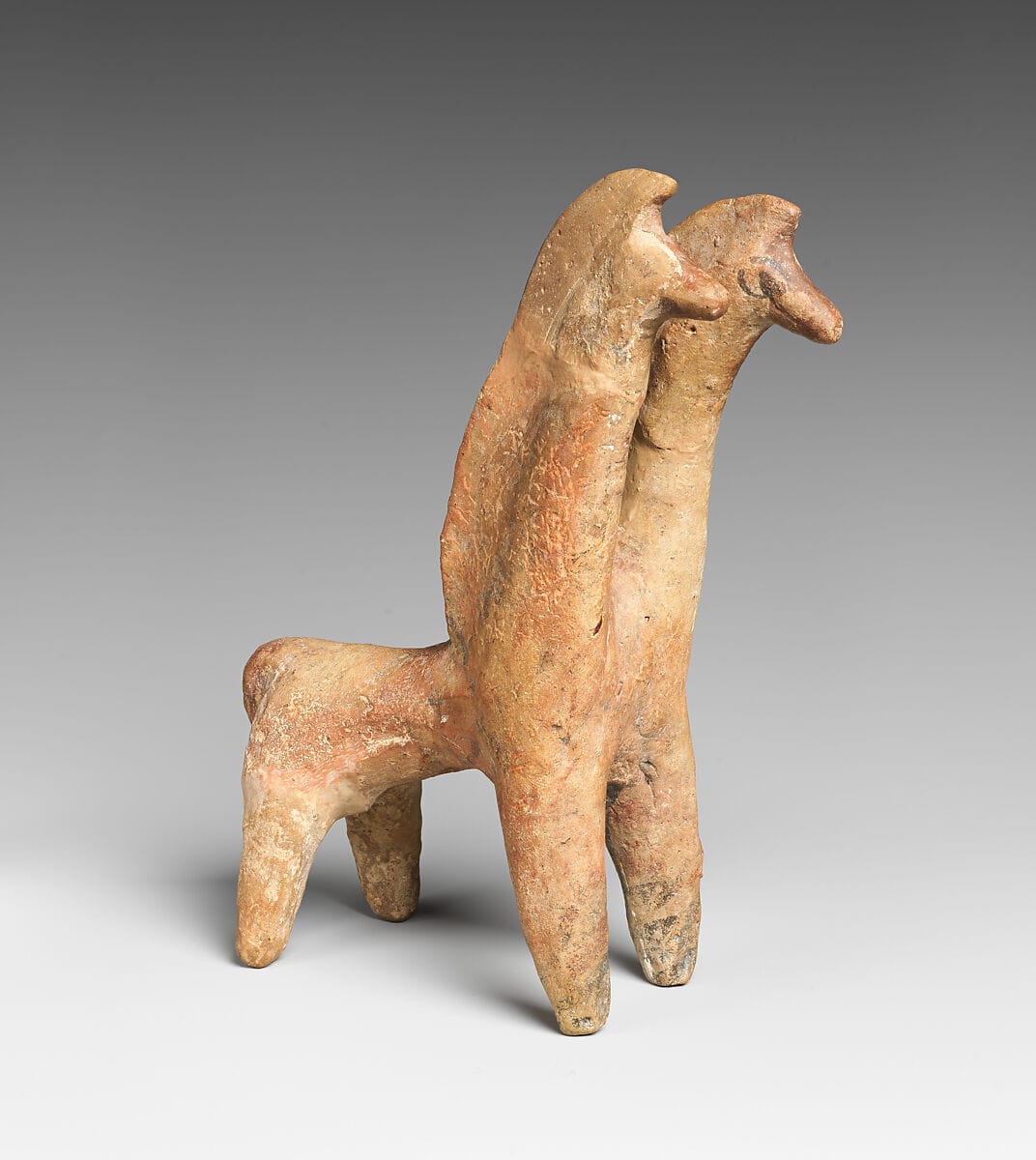 Terracotta pair of horsesArchaic I · 750–600 BC
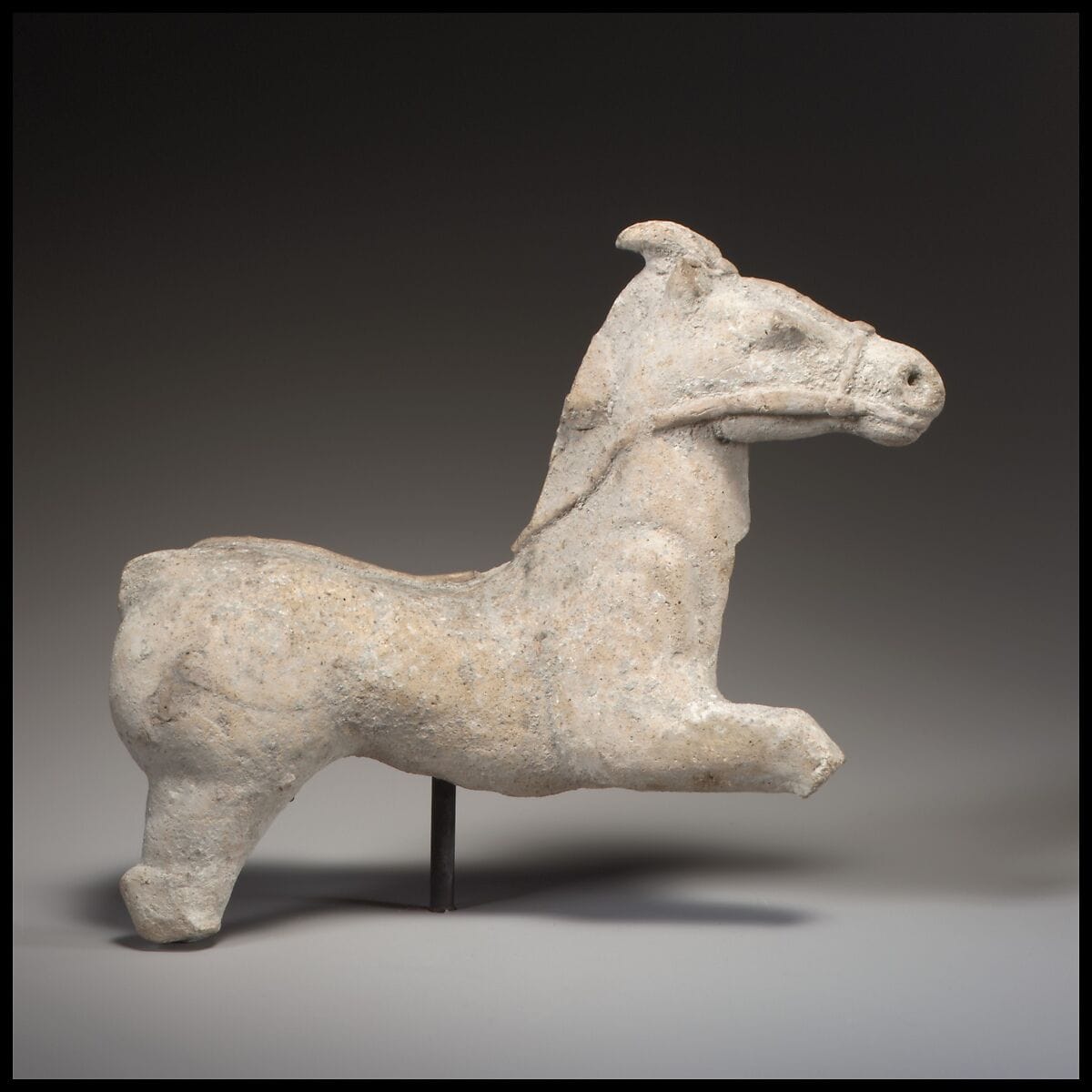 Terracotta statuette of a horseHellenistic · 325–300 BC
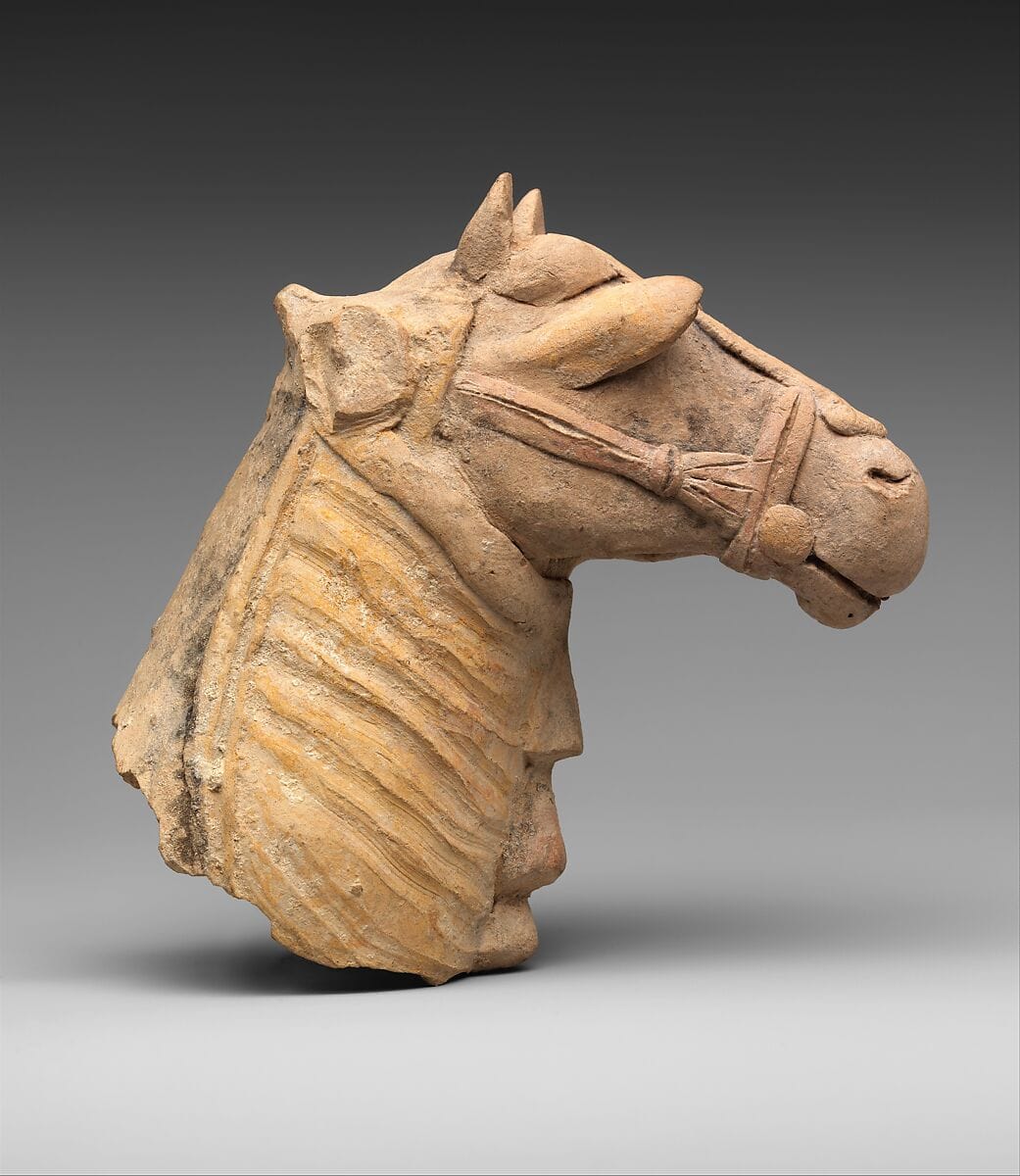 Horse's head with harnessArchaic II · 550–500 BC
- Horse and Rider Figurine with a Painted Star on the NeckArchaic II · 600–480 BC
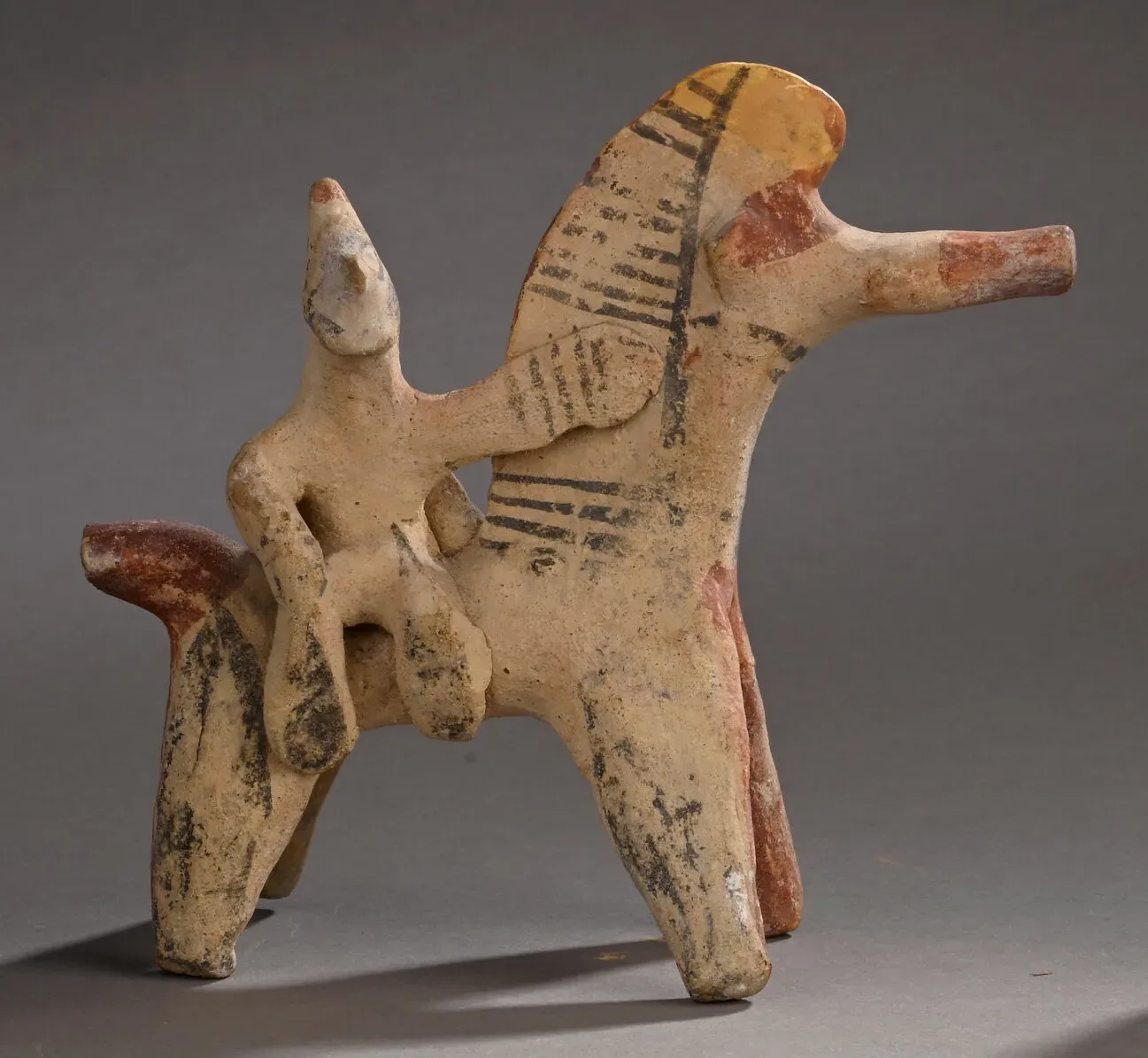 Handmade Horse and Rider with a High Painted CrestArchaic I · 750–600 BC
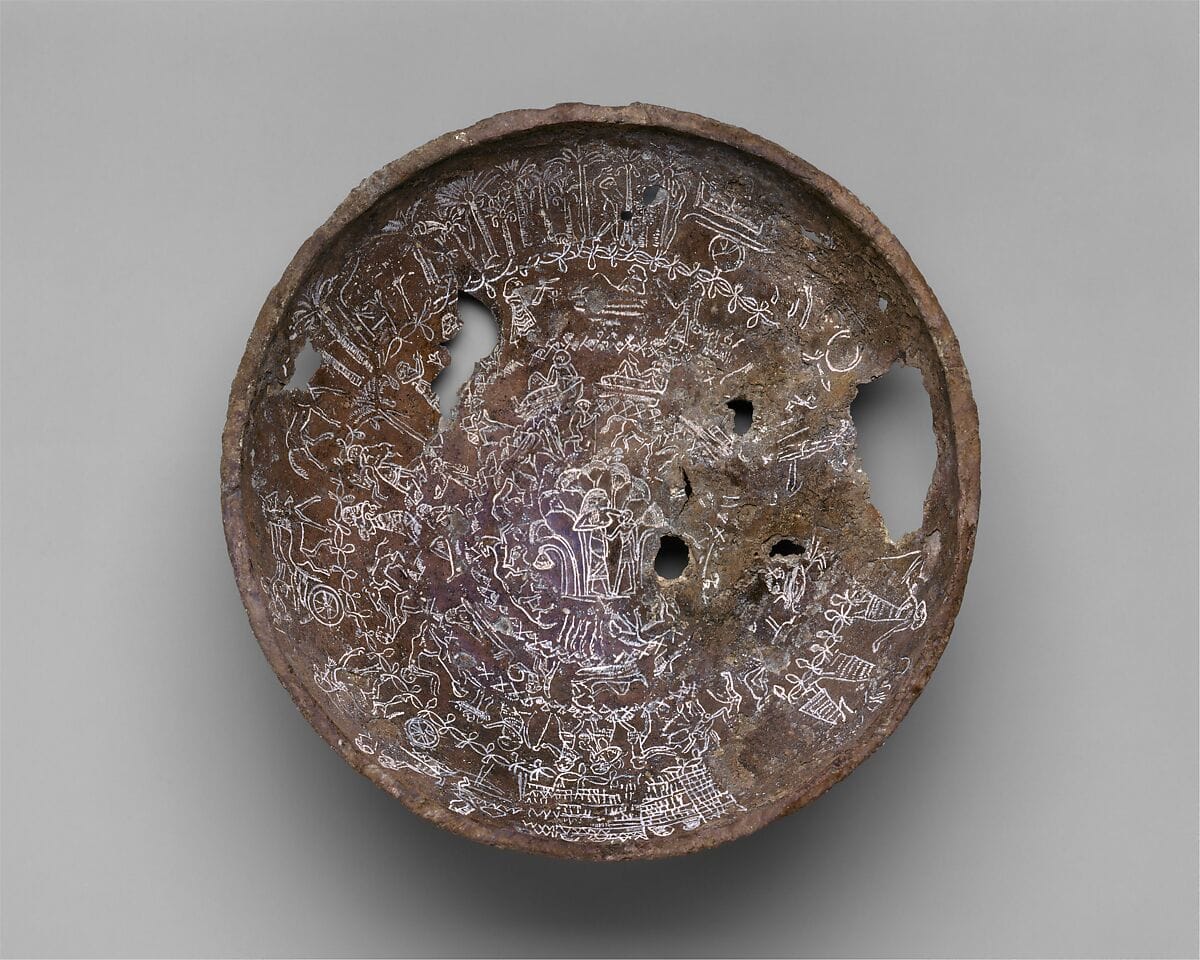 Silver bowlArchaic I · 675–625 BC
In the catalogue
References
- 1.Recht, L., & Morris, C. E. (2021). Chariot kraters and horse-human relations in Late Bronze Age Greece and Cyprus. The Annual of the British School at Athens, 1-38. https://doi.org/10.1017/S0068245421000022
- 2.Recht, L. (2023). Equids at the end of the Bronze Age on Cyprus. In T. Bürge & P. M. Fischer (Eds.), The Decline of Bronze Age Civilisations in the Mediterranean: Cyprus and Beyond (chapter 16). Nicosia: Astrom Editions.
- 3.Fischer, P. M., Bürge, T., et al. (2018). The New Swedish Cyprus Expedition 2017: Excavations at Hala Sultan Tekke (The Söderberg Expedition). Preliminary results. Opuscula: Annual of the Swedish Institutes at Athens and Rome, 11. https://doi.org/10.30549/opathrom-11-03
- 4.Karageorghis, V. (1982). Cyprus: From the Stone Age to the Romans. Ancient Peoples and Places. London: Thames & Hudson.
- 5.Pilides, D., & Papadimitriou, N. (Eds.). (2012). Ancient Cyprus: Cultures in Dialogue. Nicosia: Department of Antiquities, Cyprus. (Cited by catalogue number.)
- 6.Karageorghis, V., Mertens, J. R., & Rose, M. E. (2000). Ancient Art from Cyprus: The Cesnola Collection in The Metropolitan Museum of Art. New York: The Metropolitan Museum of Art. (Cited by catalogue number.)
- 7.Hadjisavvas, S. (Ed.). (2010). Cyprus: Crossroads of Civilizations. Washington, DC: Smithsonian Institution, National Museum of Natural History. (Cited by catalogue number.)