A reading guide
The Best Books on Ancient Cyprus

These are the books we recommend on the archaeology and history of ancient Cyprus, chosen for different readers: visitors and newcomers, students, collectors and museum-goers, and anyone following a single subject. Some were written in the last few years and some more than a century ago; we chose each one for what it still teaches. Every entry says what the book covers, why we recommend it and how much background it assumes, and several can be read free, some of them on this site.

43 books5 sectionsUpdated

  • A page from Cyprus: Its Ancient Cities, Tombs, and Temples, as scanned for our Archive
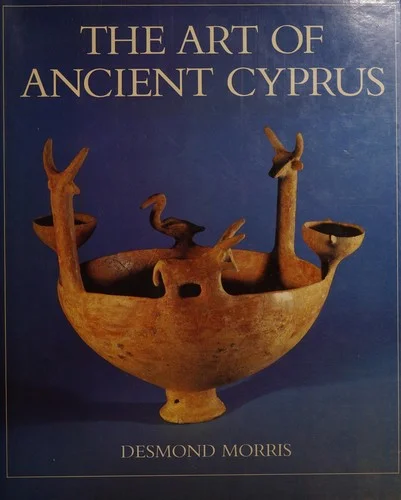
  • Cover of The Art of Ancient Cyprus
  • Cover of Cypria: A Journey to the Heart of the Mediterranean
  • Cover of Cyprus: From the Stone Age to the Romans

Start here

Three books to start with

If you read only one book, choose by what you want from it: the whole story of the island, a grounding for study, or an eye for the objects.

  1. For the whole story

    Cover of Cypria: A Journey to the Heart of the Mediterranean

    Cypria: A Journey to the Heart of the Mediterranean

    Alex Christofi, 2024

    A readable history of the island from its myths to the present day, woven together with the author's travels and his family's story. The best first book for anyone who wants the long view before choosing a period.

    About this book

  2. For study

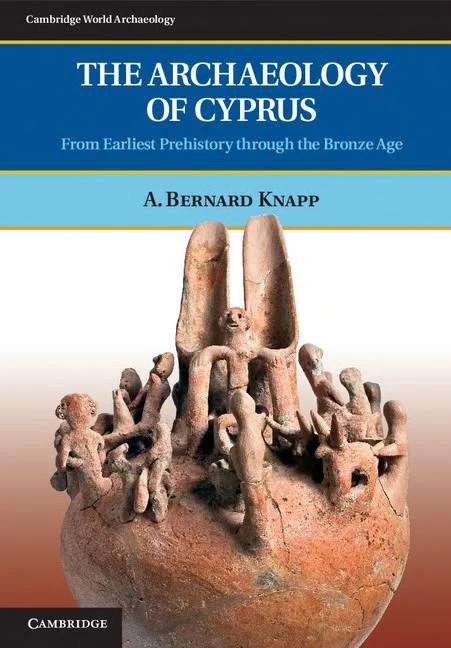
    Cover of The Archaeology of Cyprus: From Earliest Prehistory through the Bronze Age

    The Archaeology of Cyprus: From Earliest Prehistory through the Bronze Age

    A. Bernard Knapp, 2013

    The standard textbook on prehistoric and Bronze Age Cyprus, with full references. The book to start from for a course, an essay or any serious reading.

    About this book

  3. For the objects

    Cover of The Art of Ancient Cyprus

    The Art of Ancient Cyprus

    Desmond Morris, 1985

    Desmond Morris's large illustrated survey of Cypriot art, drawn largely from his own collection. It teaches you how to look at Cypriot pottery and figures, and it is still the book we return to most.

    About this book

For newcomers and visitors

Books for newcomers and visitors

Readable accounts that assume no background. Read one of these before a first visit to the island or its museums, or before choosing a period to follow further.

No background neededIn print

Cypria: A Journey to the Heart of the Mediterranean

Alex ChristofiBloomsbury Continuum, 2024

What it covers
A history of Cyprus from its myths and earliest past to the present day, woven together with Christofi's travels on the island and his family's story. Christofi is a British Cypriot writer, and the book is written for general readers.
Why we recommend it
It is the most readable account in print of the whole of Cypriot history, and it shows where the ancient island fits in the longer story.
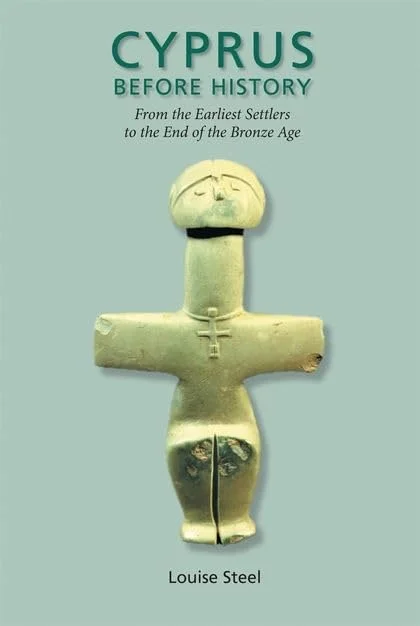
What it covers
A survey of prehistoric Cyprus from the earliest evidence for people on the island to the end of the Bronze Age: settlements, burials and crafts, chronology, social change and the island's links across the Mediterranean.
Why we recommend it
Shorter and easier to read than Knapp's textbook, it remains the clearest single introduction to prehistoric Cyprus.

No background neededOut of print

Cyprus: From the Stone Age to the Romans

Vassos KarageorghisThames & Hudson, 1982

What it covers
Vassos Karageorghis, Director of the Department of Antiquities from 1963 to 1989, tells the story of ancient Cyprus from the Neolithic to the Roman province, period by period, drawing on its settlements, cemeteries and sanctuaries, its inscriptions and the ancient texts.
Why we recommend it
Some of its interpretations have since changed, above all the idea of a Mycenaean colonisation of the island at the end of the Bronze Age, which is now treated with much more caution. It is still one of the clearest short narratives of the whole of ancient Cyprus, by the leading Cypriot archaeologist of his time.

No background needed

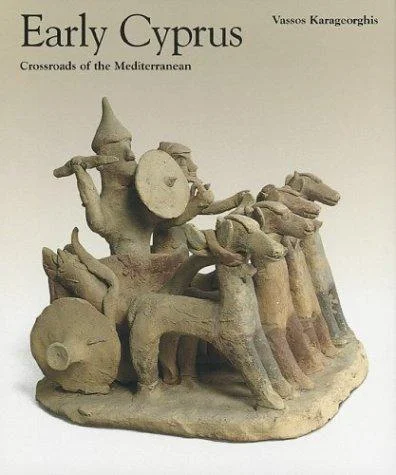
Early Cyprus: Crossroads of the Mediterranean

Vassos KarageorghisJ. Paul Getty Museum, 2002

What it covers
A richly illustrated account of Cyprus from the start of the Late Bronze Age, around 1600 BC, to the end of the Cypro-Archaic period in 480 BC, with more than four hundred illustrations of its sites and objects.
Why we recommend it
The best-illustrated introduction to Bronze Age and Iron Age Cyprus, and a good companion to a museum visit. For the earlier periods, read Steel or Karageorghis's 1982 book.

No background neededOut of print

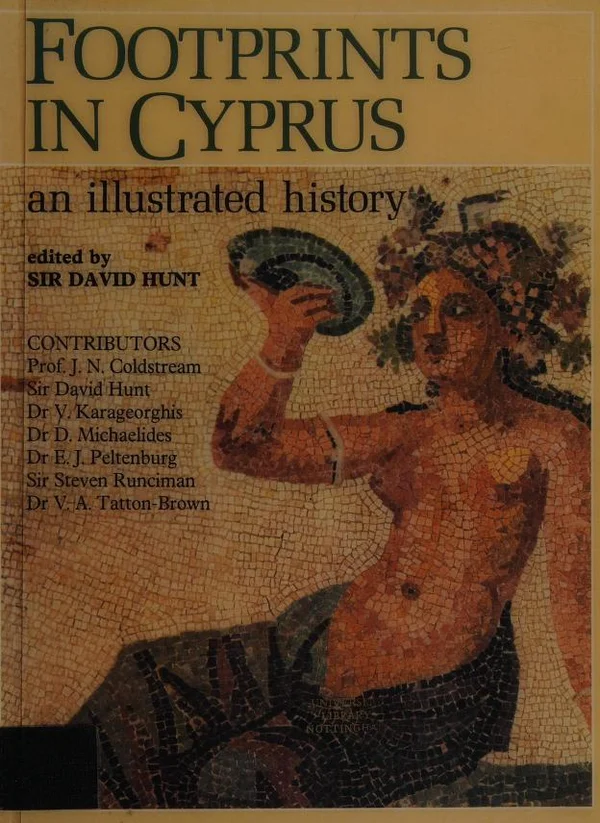
Footprints in Cyprus: An Illustrated History

David Hunt (ed.)Trigraph, 1982

What it covers
An illustrated history of Cyprus from its first settlers to the Republic, in chapters by specialists including Vassos Karageorghis, Edgar Peltenburg, Nicolas Coldstream and Steven Runciman, edited by Sir David Hunt, British High Commissioner in Cyprus from 1965 to 1967.
Why we recommend it
Long a favourite with visitors and residents. Its chapters on the ancient periods are short and authoritative, and the book sets them in the whole of the island's history.

No background neededIn print

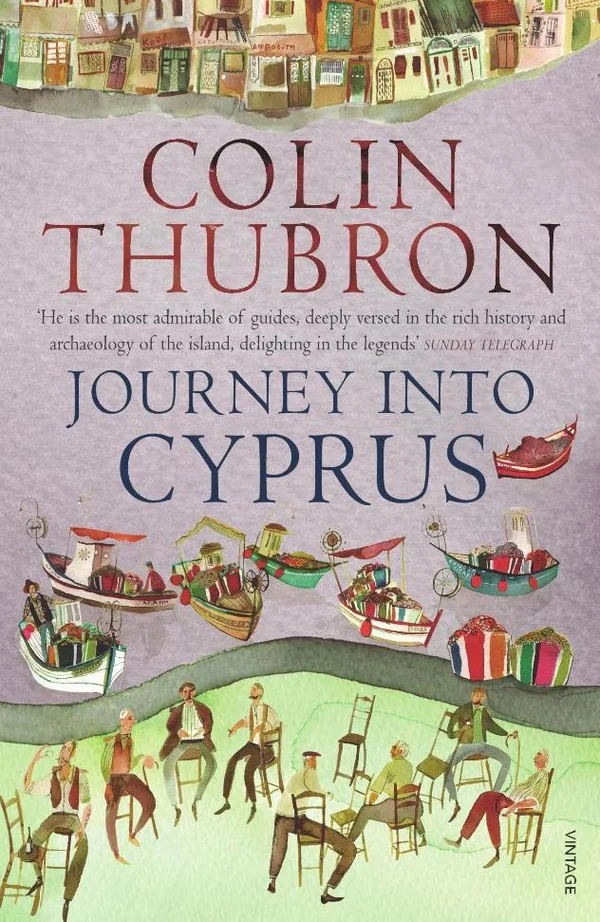
Journey into Cyprus

Colin ThubronHeinemann, 1975

What it covers
Colin Thubron's account of the six-hundred-mile walk he made through Cyprus in the spring of 1972, among its villages, monasteries and ancient sites, two years before the Turkish invasion of 1974 divided the island.
Why we recommend it
Thubron is one of the finest travel writers in English. He describes the ancient sites as he found them and the island as it was before 1974, which makes the book a good companion for anyone walking the same places.

For students and serious readers

Books for students and serious readers

The syntheses that university courses on Cyprus are built on, and the books that show how the field's questions have changed. Expect footnotes, technical terms and long bibliographies. Books in English on Classical, Hellenistic and Roman Cyprus are fewer, and much of the best work on those periods is in articles and in French; the books below are the best way in.

ScholarlyIn print

The Archaeology of Cyprus: From Earliest Prehistory through the Bronze Age

A. Bernard KnappCambridge University Press, 2013

What it covers
Cypriot archaeology from the first visitors, around 11,000 BC, to the end of the Bronze Age around 1000 BC, period by period: settlements, burials, crafts, trade and the evidence for social change, with an appendix on the radiocarbon dates by Sturt Manning.
Why we recommend it
The fullest synthesis of prehistoric Cyprus, and its bibliography will lead you to everything else.

Scholarly

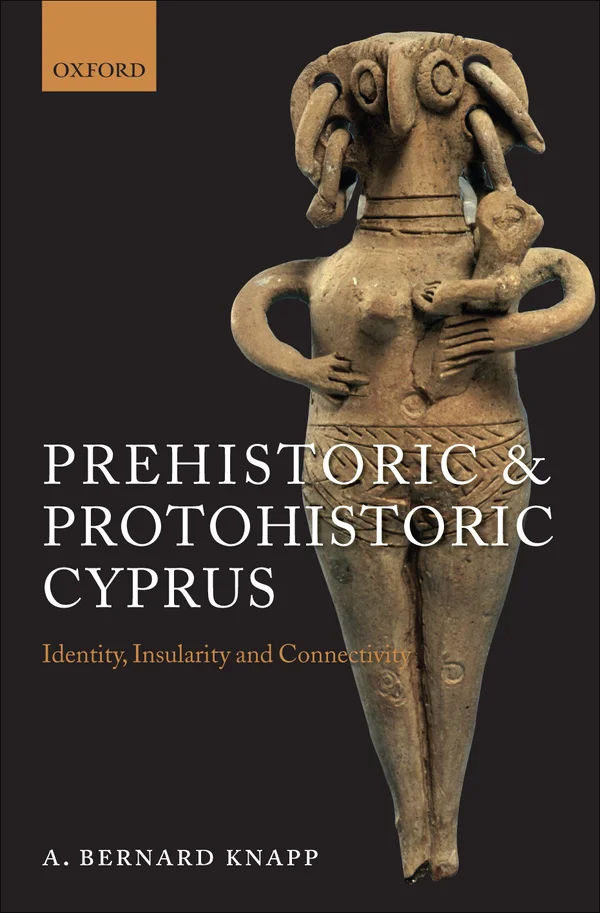
Prehistoric and Protohistoric Cyprus: Identity, Insularity, and Connectivity

A. Bernard KnappOxford University Press, 2008

What it covers
Knapp's earlier book asks how the people of prehistoric and protohistoric Cyprus saw themselves, reading the archaeology through three ideas: identity, insularity and connectivity.
Why we recommend it
It is an argument more than a survey. Read it after the 2013 textbook to see how an archaeologist builds an interpretation of the evidence.

Scholarly

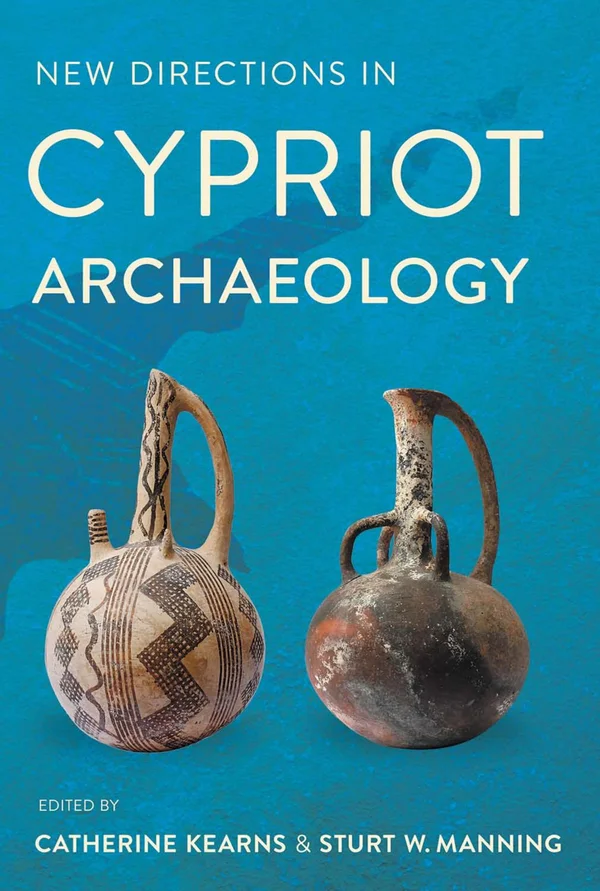
New Directions in Cypriot Archaeology

Catherine Kearns and Sturt W. Manning (eds)Cornell University Press, 2019

What it covers
Papers from a 2014 conference at Cornell, in three parts on prehistory, the Bronze Age and the Iron Age: chronology, environment and the growth of political complexity, Middle Bronze Age fortresses, the Late Bronze Age economy, the north coast at Lapithos and the survey archaeology of the Iron Age.
Why we recommend it
The quickest way to see how the field has changed since the older syntheses were written.

ScholarlyIn print

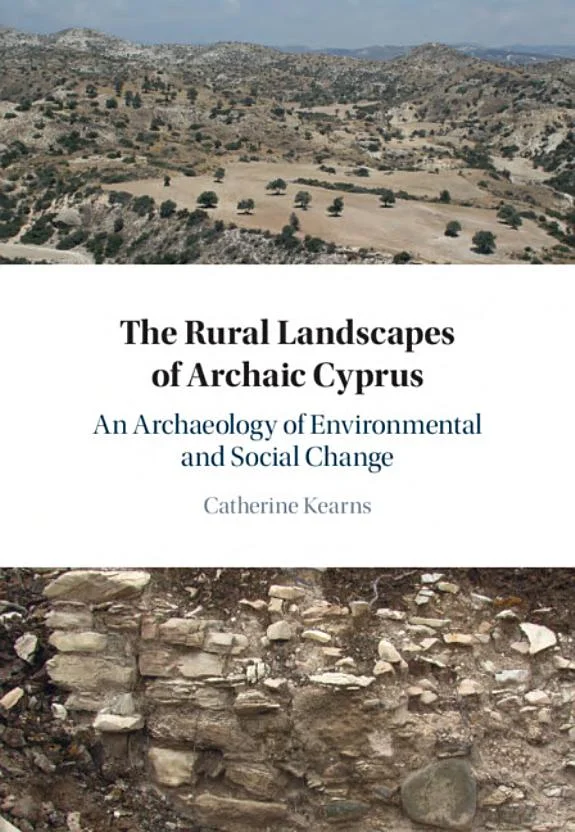
The Rural Landscapes of Archaic Cyprus: An Archaeology of Environmental and Social Change

Catherine KearnsCambridge University Press, 2022

What it covers
How the countryside of the Iron Age kingdoms worked from the ninth to the fifth century BC: settlement, farming, climate and the ties between towns and their land, drawn from survey archaeology, texts and environmental science.
Why we recommend it
Most books on the kingdoms look at their kings, sanctuaries and tombs; this one looks at the land that supported them, and it is one of the most original books on Iron Age Cyprus.

Some background helpsIn print

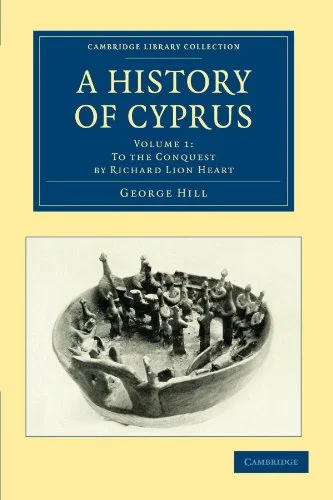
A History of Cyprus, Volume 1: To the Conquest by Richard Lion Heart

Sir George HillCambridge University Press, 1940

What it covers
The first volume of Sir George Hill's four-volume history tells the story of Cyprus from the earliest times to its conquest by Richard the Lionheart in 1191, drawing on the ancient authors, inscriptions and coins. Hill was a numismatist and later Director of the British Museum.
Why we recommend it
Archaeology has transformed Cypriot prehistory since 1940, but no later book in English tells the political history of the island's kings, conquerors and governors from the texts in such detail.
What it covers
Cyprus from about 600 to 800, when the island lay between the Byzantine Empire and the Umayyad Caliphate and was for a time shared between them: its towns and countryside, its coins and economy, and the case for a slow transformation of island life.
Why we recommend it
The best book on how ancient Cyprus ended and medieval Cyprus began.

ScholarlyIn print

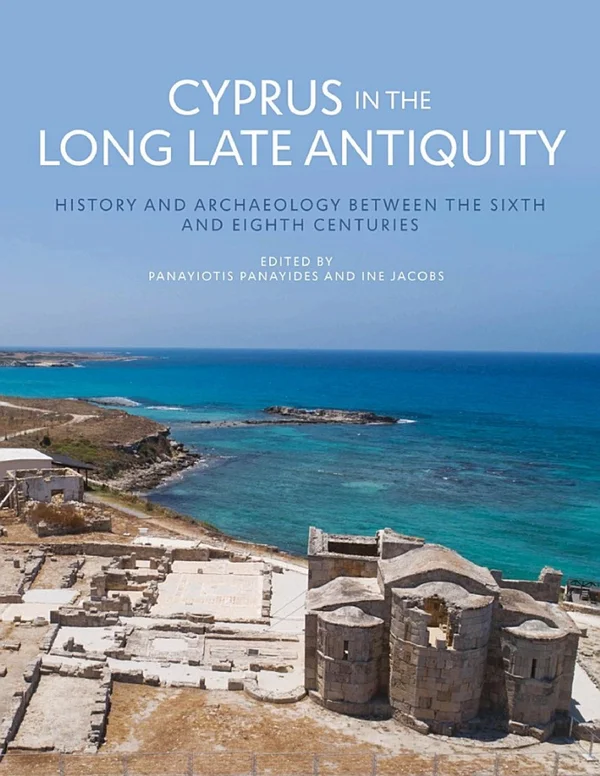
Cyprus in the Long Late Antiquity: History and Archaeology Between the Sixth and the Eighth Centuries

Panayiotis Panayides and Ine Jacobs (eds)Oxbow Books, 2023

What it covers
Seventeen chapters on Cyprus between the sixth and the eighth centuries: the prosperity of the countryside, the endurance of the towns, crafts, civic and private religion and the island's links by sea. Together they question the old view that the Arab raids of the mid-seventh century ended the island's prosperity.
Why we recommend it
Read it with Zavagno for the latest work on a period that most books on ancient Cyprus leave out.

For collectors and museum-goers

Books on Cypriot art and objects

Books that teach you to look at Cypriot pottery, figurines and sculpture: how to recognise a ware, a shape or a style, and what the objects meant to the people who made them. The catalogues further down are reference works, for looking things up rather than reading through.

No background neededOut of print

The Art of Ancient Cyprus

Desmond MorrisPhaidon, 1985

What it covers
A large illustrated survey of ancient Cypriot art, its pottery, terracotta and stone figures and bronzes, with 322 plates. Many of the pieces come from the author's own collection of more than 1,100 Cypriot antiquities, listed in a check-list at the end.
Why we recommend it
Morris writes as a zoologist and a collector who loved these objects. He looks at them for their shapes and their themes, and he makes complex forms and decoration easy to understand. The book has long been out of print; second-hand copies are worth seeking out.

No background neededOut of print

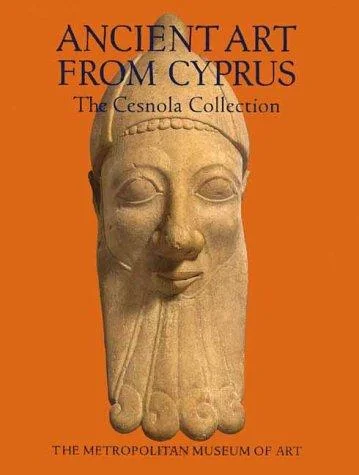
Ancient Art from Cyprus: The Cesnola Collection in The Metropolitan Museum of Art

Vassos Karageorghis, with Joan R. Mertens and Marice E. RoseThe Metropolitan Museum of Art, 2000

What it covers
Some 500 of the finest of the Metropolitan Museum's 6,000 Cypriot antiquities, photographed in colour for the reopening of its Cypriot galleries in 2000, with an account of Luigi Palma di Cesnola, who formed the collection.
Why we recommend it
The first full publication of the collection since Myres's handbook of 1914, and a well-illustrated tour of Cypriot art through one of the largest collections outside the island.

Scholarly

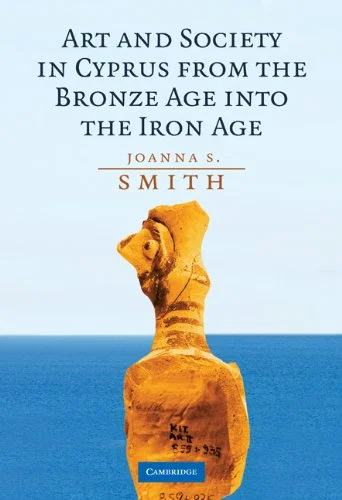
Art and Society in Cyprus from the Bronze Age into the Iron Age

Joanna S. SmithCambridge University Press, 2009

What it covers
How art and society changed in Cyprus between about 1300 and 700 BC, centred on the harbour town of Kition: its images, its deposits and pottery, and the people and workshops behind them.
Why we recommend it
A demanding book that explains why Cypriot objects of these centuries look the way they do, and argues for a new chronology of the early Iron Age.

Reference workFree to read

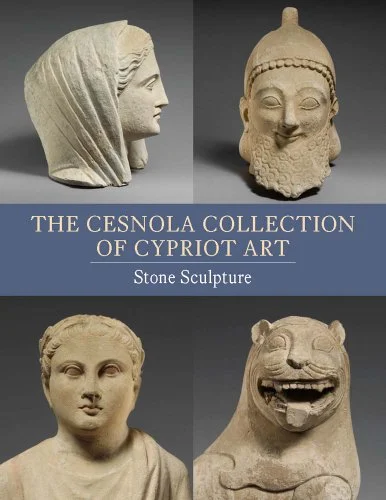
The Cesnola Collection of Cypriot Art: Stone Sculpture

Antoine Hermary and Joan R. MertensThe Metropolitan Museum of Art, 2014

What it covers
The complete catalogue of the Metropolitan Museum's 635 Cypriot stone sculptures, most of them of the sixth to the fourth century BC, arranged in thirteen chapters by subject, type and material, with photographs of every piece.
Why we recommend it
The standard reference for Cypriot limestone sculpture, and free to download from the Met.

Reference workOut of printFree to read

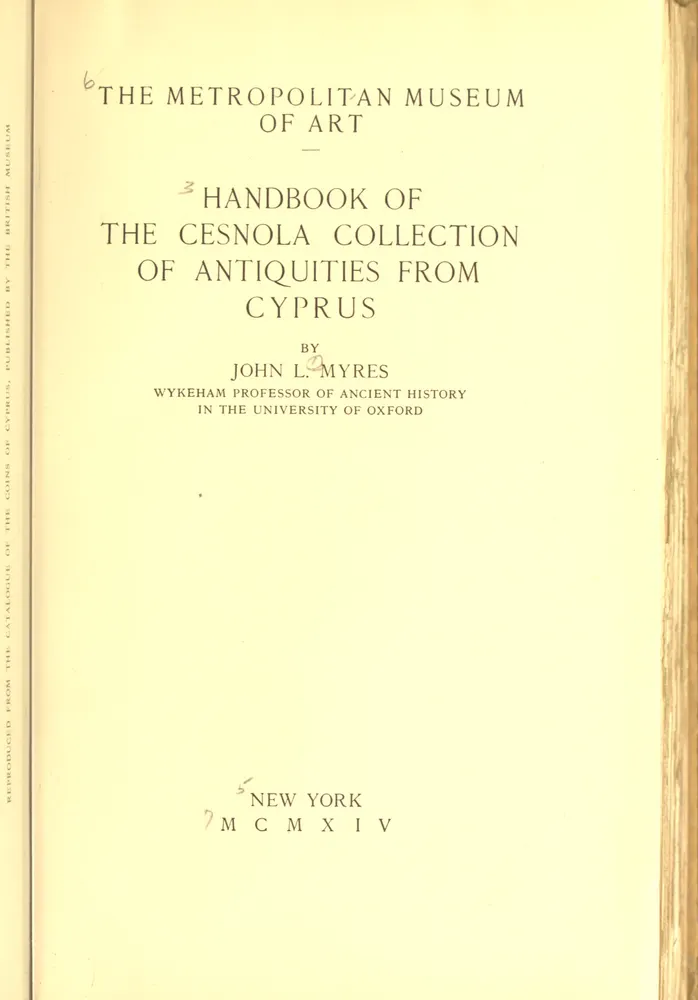
Handbook of the Cesnola Collection of Antiquities from Cyprus

John L. MyresThe Metropolitan Museum of Art, 1914

What it covers
John Myres's handbook to the Cesnola Collection: a history of ancient Cyprus period by period, the pottery arranged by fabric and period, and chapters on sculpture, objects of stone and glazed paste, and jewellery.
Why we recommend it
Myres's classifications shaped Cypriot archaeology for decades, and the handbook was the standard guide to the Met's collection until 2000. You can read it free on this site.
Reference workIn print

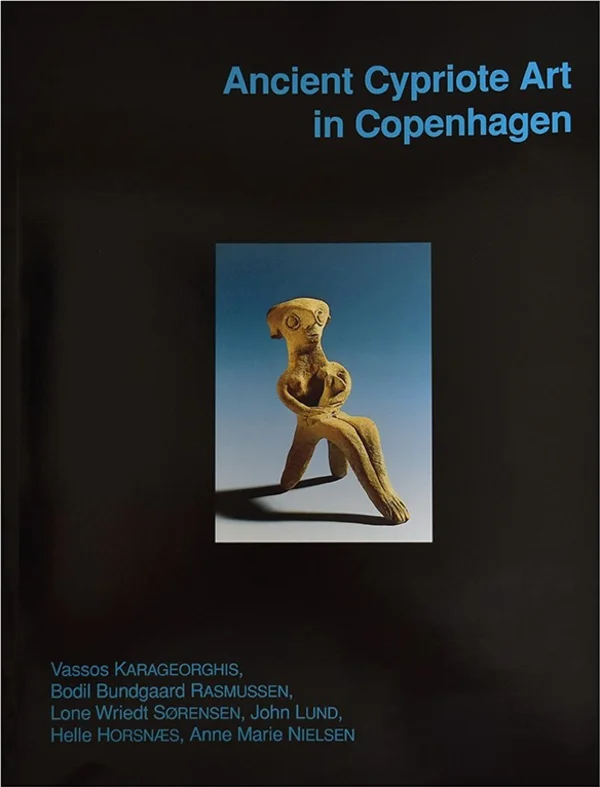
Ancient Cypriote Art in Copenhagen: The Collections of the National Museum of Denmark and the Ny Carlsberg Glyptotek

Vassos Karageorghis, Bodil Bundgaard Rasmussen, Lone Wriedt Sørensen, John Lund, Helle Horsnæs and Anne Marie NielsenA. G. Leventis Foundation, 2001

What it covers
The Cypriot collections of the National Museum of Denmark and the Ny Carlsberg Glyptotek, catalogued and illustrated by Karageorghis and five Danish museum scholars. It is one of the A. G. Leventis Foundation's catalogues of Cypriot antiquities in collections abroad, with volumes on Berlin, Athens, the Russian museums, Oxford's Pitt Rivers Museum and the Severis collection in Nicosia.
Why we recommend it
Well photographed and inexpensive, the Leventis catalogues are an easy way to train your eye on many examples of each type, and several are still sold by the A. G. Leventis Gallery in Nicosia.

Reference work

The Coroplastic Art of Ancient Cyprus

Vassos KarageorghisA. G. Leventis Foundation, 1991

What it covers
Karageorghis's corpus of Cypriot terracotta figures and figurines, published in six volumes between 1991 and 1999. The first two run from the Chalcolithic to the Cypro-Geometric period; the other four are given to the Cypro-Archaic figures, by size and type.
Why we recommend it
The standard reference for identifying a Cypriot terracotta, mainly for specialists and collectors of figurines.

Reference workOut of print

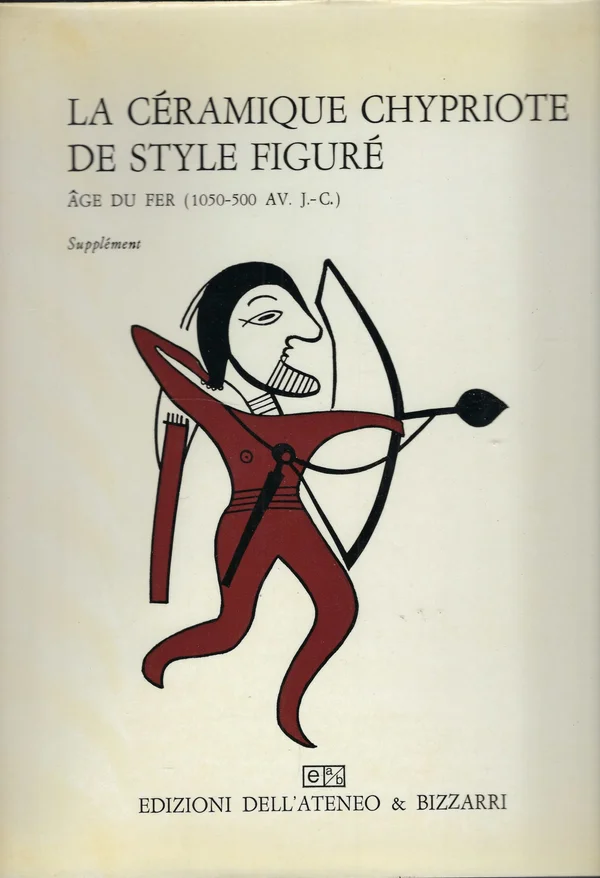
La céramique chypriote de style figuré: Âge du fer (1050–500 av. J.-C.). Texte

Vassos Karageorghis and Jean des GagniersEdizioni dell'Ateneo, 1974

What it covers
The corpus of Iron Age Cypriot pottery with figured decoration, from about 1050 to 500 BC: birds, bulls, chariots, people and the free-field style, in a volume of text, a volume of illustrations and a supplement. In French.
Why we recommend it
Still the place to look up a figured Cypriot vase, and the plates are a pleasure to browse even without French.

Reference workOut of printFree to read

The Swedish Cyprus Expedition, Vol. IV, Part 1D: The Late Cypriote Bronze Age

Lena Åström and Paul ÅströmThe Swedish Cyprus Expedition, 1972

What it covers
The volume of the Swedish Cyprus Expedition's final publication that completes its account of the Late Bronze Age: Lena Åström on the arts and crafts other than pottery, and Paul Åström on the chronology, Cyprus's foreign relations and his historical conclusions.
Why we recommend it
The Expedition's volumes set out the typologies and chronology that Cypriot archaeology still uses. This one can be read free on this site.

By topic

Books by topic

Books on a single subject, grouped by theme. Most are scholarly, and each is the best place to start on its subject.

The first islanders

Some background helpsIn print

Stone Age Sailors: Paleolithic Seafaring in the Mediterranean

Alan H. SimmonsLeft Coast Press, 2014

What it covers
The evidence for seafaring in the Mediterranean before farming, from early hominins to the hunter-gatherers who reached Cyprus, and what it would have taken to cross the sea.
Why we recommend it
A readable account of the first crossings, by the excavator of the oldest known site on the island.

ScholarlyIn print

Faunal Extinction in an Island Society: Pygmy Hippopotamus Hunters of Cyprus

Alan H. SimmonsKluwer Academic / Plenum, 1999

What it covers
The excavation of Akrotiri-Aetokremnos, a rock shelter where the bones of pygmy hippopotamuses lie with the tools of the first people known on Cyprus, about twelve thousand years ago, and the debate over whether those people hunted the animals to extinction.
Why we recommend it
The full report on the earliest known human site on Cyprus, written by its excavator.

Scholarly

Neolithic Revolution: New Perspectives on Southwest Asia in Light of Recent Discoveries on Cyprus

Edgar Peltenburg and Alexander Wasse (eds)Oxbow Books, 2004

What it covers
Papers from a 2001 conference in Cyprus on the discoveries that showed farming villages on the island as early as those on the mainland, and what they mean for how farming spread across Southwest Asia.
Why we recommend it
The book that brought Cyprus into the centre of the debate on the origins of farming in the Near East.

No background neededOut of printFree to read

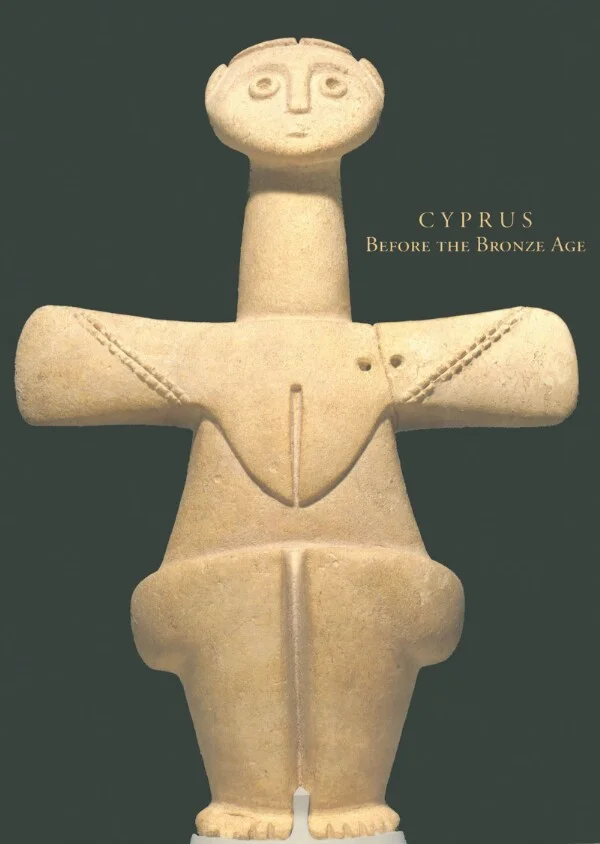
Cyprus Before the Bronze Age: Art of the Chalcolithic Period

Vassos Karageorghis, Edgar Peltenburg and Pavlos FlourentzosJ. Paul Getty Museum, 1990

What it covers
The catalogue of a 1990 exhibition at the J. Paul Getty Museum on the Chalcolithic period, about 4000 to 2500 BC: an introduction by Vassos Karageorghis, an essay on the period by Edgar Peltenburg, and Pavlos Flourentzos's catalogue of the objects, among them the cross-shaped picrolite figures.
Why we recommend it
A short, beautifully illustrated introduction to the Chalcolithic, free to download from the Getty.

Death and burial

Scholarly

Mortuary Ritual and Society in Bronze Age Cyprus

Priscilla KeswaniEquinox, 2004

What it covers
How Bronze Age Cypriots buried their dead, from the Early to the Late Bronze Age, drawn from the evidence of hundreds of excavated tombs, and what the changing rites show about family, wealth and power.
Why we recommend it
Tombs are the main evidence for Bronze Age Cyprus, and this is the fullest study of them.

Ships, trade and the end of the Bronze Age

ScholarlyIn printFree to read

Seafaring and Seafarers in the Bronze Age Eastern Mediterranean

A. Bernard KnappSidestone Press, 2018

What it covers
Seafaring and seaborne trade in the Bronze Age eastern Mediterranean, from Anatolia to Egypt, told above all through Cyprus from the Early to the Late Bronze Age: ships and harbours, the written and pictorial evidence, and the people who sailed, with their knowledge, risks and connections.
Why we recommend it
The best book on the sea that connected Cyprus to its neighbours, and free to read online.

ScholarlyIn printFree to read

Cyprus and Ugarit: Connecting Material and Mercantile Worlds

A. Bernard KnappSidestone Press, 2024

What it covers
The ties between Late Bronze Age Cyprus and Ugarit, the trading city on the Syrian coast: what the two shared, from ashlar masonry and composite anchors to the Cypro-Minoan script, the Cypriot goods found at Ugarit, and the merchants and officials named in Ugarit's archives.
Why we recommend it
Shows how much the texts and the archaeology tell together about Cypriot merchants and their partners, in a short book that is free to read online.

No background neededIn print

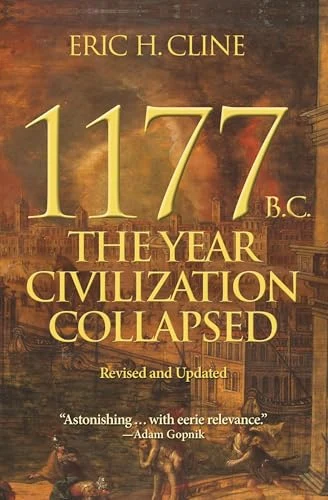
1177 B.C.: The Year Civilization Collapsed

Eric H. ClinePrinceton University Press, 2014

What it covers
Eric Cline's account of the Late Bronze Age world of Egypt, the Hittites, the Mycenaeans, Ugarit and Cyprus, and of the collapse that ended it in the decades around 1177 BC.
Why we recommend it
The most readable book on the world that Late Bronze Age Cyprus belonged to, and on why it fell.

Towns and monuments

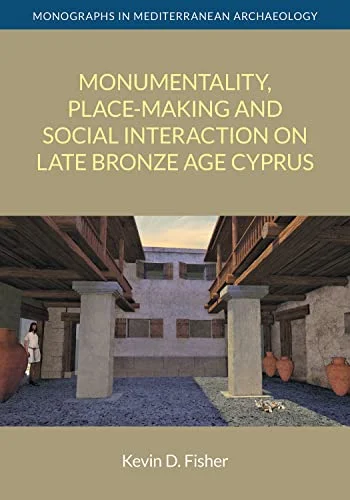
What it covers
How the monumental buildings of Late Bronze Age Cyprus, between about 1700 and 1050 BC, shaped social life and power, through close studies of the ashlar buildings and the 'Fortress' at Enkomi and the court-centred buildings at Kalavasos, Maroni and Alassa, as settings for feasts, cult and gatherings.
Why we recommend it
The book to read on the great ashlar buildings of Late Bronze Age Cyprus and what they did for the communities that built them.

Writing and language

ScholarlyIn print

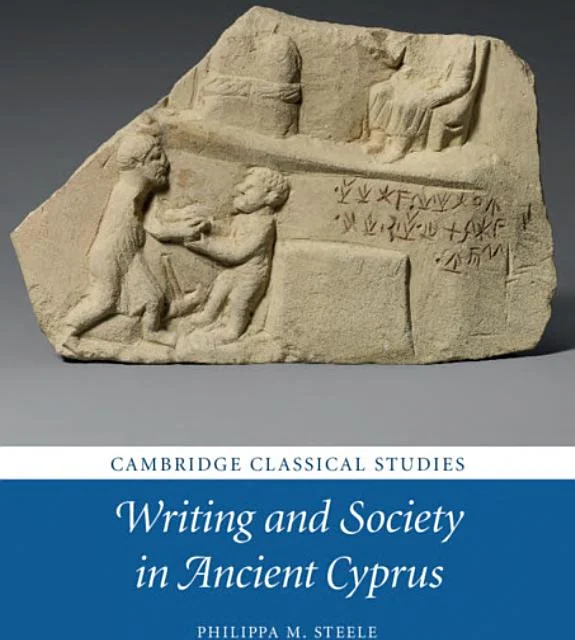
Writing and Society in Ancient Cyprus

Philippa M. SteeleCambridge University Press, 2019

What it covers
Writing on Cyprus over more than fifteen centuries: the coming of literacy, the undeciphered Cypro-Minoan script, the Cypriot syllabary used for Greek and for the Eteocypriot language, the alphabets, and what the choice of script said about identity.
Why we recommend it
The clearest book on why Cyprus kept its own scripts for so long. Scholarly, but open to anyone curious about ancient writing.

Religion, Aphrodite and gender

Some background helps

Kypris, the Aphrodite of Cyprus: Ancient Sources and Archaeological Evidence

Jacqueline KarageorghisA. G. Leventis Foundation, 2005

What it covers
Jacqueline Karageorghis gathers what the Greek and Latin authors and the inscriptions say about the Cypriot Aphrodite, and sets it beside the archaeology of her cult across the island, with more than three hundred illustrations.
Why we recommend it
The most complete collection of the evidence for Aphrodite on Cyprus in a single book.

Scholarly

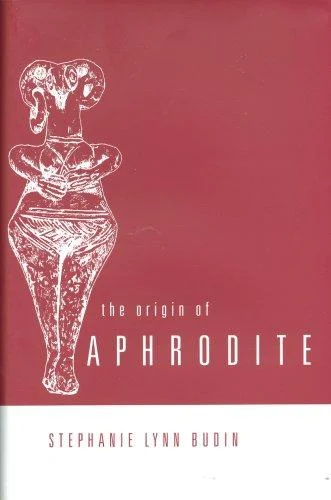
The Origin of Aphrodite

Stephanie Lynn BudinCDL Press, 2003

What it covers
Where the goddess Aphrodite came from: her cult traced from the Near East through Cyprus to Crete and Greece.
Why we recommend it
A scholarly study of the evidence for Aphrodite before Homer, and of the part Cyprus played in her making.
What it covers
How the lives of women, men and children changed in Cyprus from the first settlers to the end of the Bronze Age, read from houses and the use of space, crafts and labour, ritual and burial, and figurines.
Why we recommend it
The standard book on gender in Cypriot prehistory, and a careful guide to what the figurines can tell us.
The story of the archaeology

Books on the history of Cypriot archaeology

How Cyprus was dug, collected and studied, from the treasure-hunting of the 1870s to the scientific expeditions of the twentieth century. These books explain how so many Cypriot antiquities reached museums abroad, and why so many of them have no recorded findspot.

Some background helpsFree to read

Cyprus: Its Ancient Cities, Tombs, and Temples

Luigi Palma di CesnolaJohn Murray, 1877

What it covers
Luigi Palma di Cesnola's own account of his excavations during ten years as American consul on Cyprus, at Golgoi, Idalion, Salamis, Kourion and many other sites, which filled the Metropolitan Museum with Cypriot antiquities.
Why we recommend it
A primary source to read with care: Cesnola's accounts of where and how he found things were disputed in his lifetime. It shows better than any later book how Cypriot antiquities were taken in the 1870s, and you can read it free on this site.

Some background helpsOut of printFree to read

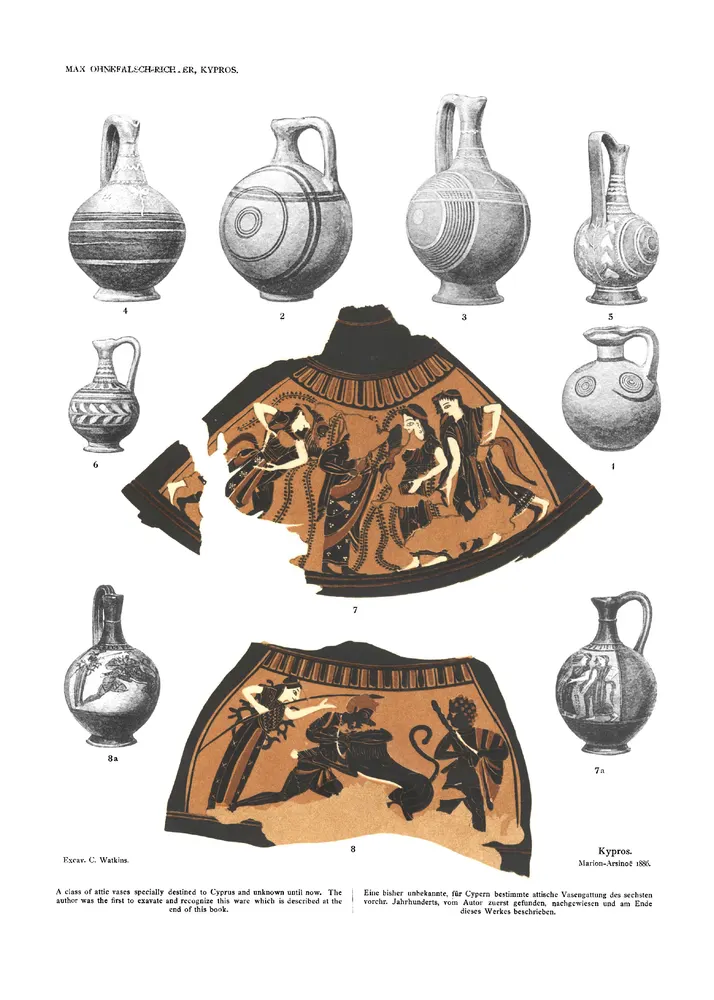
Kypros, the Bible and Homer: Oriental Civilization, Art and Religion in Ancient Times

Max Ohnefalsch-RichterAsher & Co., 1893

What it covers
Max Ohnefalsch-Richter's study of ancient Cypriot civilisation, art and religion, drawn from his own excavations of the 1880s at sanctuaries and cemeteries across the island and read against the Bible and Homer, in a volume of text and a volume of plates.
Why we recommend it
A primary source by the most active excavator of the 1880s, still cited for the sites and finds he recorded. Both volumes can be read free on this site.
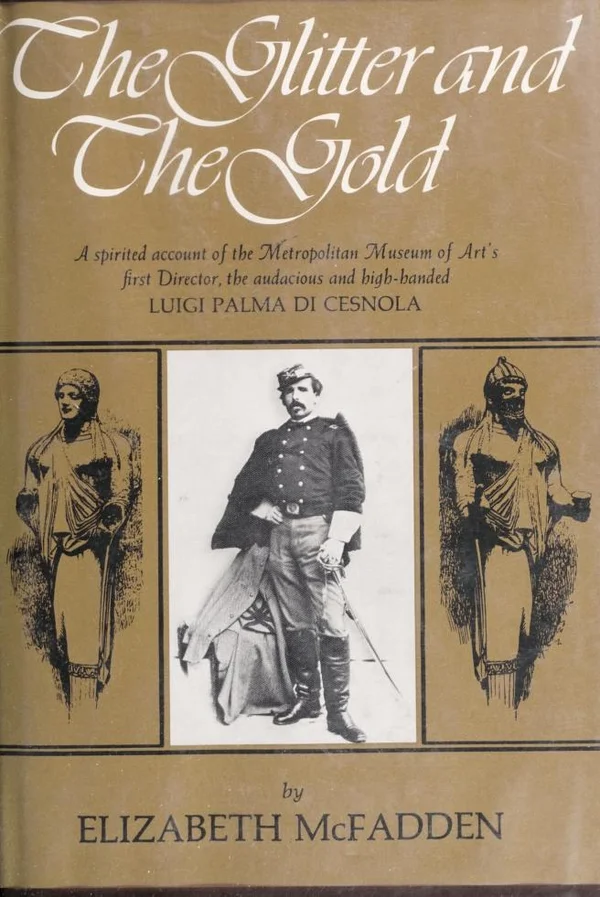
What it covers
A biography of Luigi Palma di Cesnola, the soldier and consul who sold his Cypriot collection to the new Metropolitan Museum and became its first director, and of the controversies that followed him.
Why we recommend it
A lively read that explains how the Met's Cypriot collection came to New York.

No background needed

Ages and Days in Cyprus

Einar GjerstadPaul Åströms Förlag, 1980

What it covers
Einar Gjerstad's account of the Swedish Cyprus Expedition's excavations of 1927 to 1931, from Stone Age settlements to Roman temples, with his later thoughts on the sites and his memories of expedition life.
Why we recommend it
A personal account of the most influential excavation in Cypriot archaeology, by the man who led it.

ScholarlyIn printFree to read

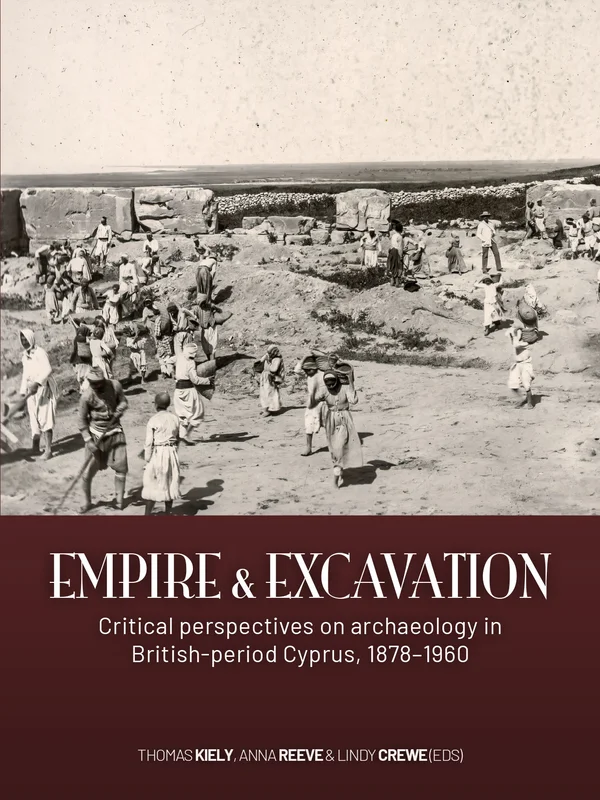
Empire & Excavation: Critical Perspectives on Archaeology in British-Period Cyprus, 1878–1960

Thomas Kiely, Anna Reeve and Lindy Crewe (eds)Sidestone Press, 2025

What it covers
Twenty-three papers on archaeology in Cyprus under British rule, from 1878 to 1960: the local agents and foreign rivals who dug, the laws against looting and the export of antiquities, the museum and the Department of Antiquities, mining, and how all of it has been remembered.
Why we recommend it
The fullest history of archaeology in British-period Cyprus, and free to read online.

No background neededIn print

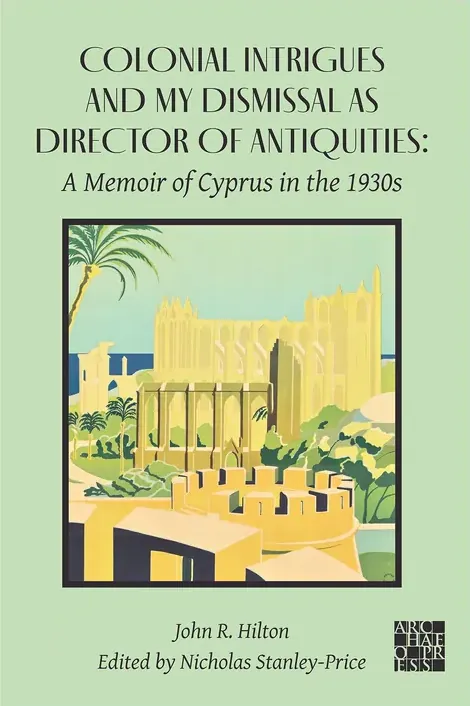
Colonial Intrigues and My Dismissal as Director of Antiquities: A Memoir of Cyprus in the 1930s

John R. Hilton, edited by Nicholas Stanley-PriceArchaeopress, 2025

What it covers
The memoir of John Hilton, the architect appointed in 1934 as the first Director of Antiquities of Cyprus, who was dismissed in 1935 and left the island in 1936. Edited and introduced by Nicholas Stanley-Price.
Why we recommend it
A short, first-hand account of how the Department of Antiquities began, and of colonial society in the 1930s.

Free to read

Books from this guide you can read free
Older books we have scanned for our Archive can be read here page by page, and some publishers and museums offer their books free online.

The register

Every book we list

All the books in our register, including those outside the guide. For articles, chapters, excavation reports and the rest of the literature, see the publications register.
59 books