
Conference paper·CAARI Cyprus·2020
Historiography and Archaeological Theory in Cypriot Prehistory
Chapters
About the video
Presented at the CAARI and British Museum conference on British-period archaeology in Cyprus, this paper by Bernard Knapp surveys the historiography of Cypriot prehistoric archaeology and the development of archaeological theory on the island over the past sixty years. Drawing on the historiographical frameworks of Tim Murray, Oscar Moro Abadía, and Bruce Trigger, Knapp sets the theoretical turns of recent decades against the first century of archaeological work on the island.
He begins with 19th-century diplomats, bankers, and soldiers such as the Cesnola brothers, Robert Lang at Dali, and Thomas Sandwith, whose study of funerary pottery moved a step beyond antiquarianism. In the 1880s and 1890s, Max Ohnefalsch-Richter dug at Salamis and Tamassos and, with John Myres, catalogued the growing collection of the Cyprus Museum. High Commissioner Bulwer's 1887 decision to restrict excavation permits to scientific bodies brought the Cyprus Exploration Fund and the British Museum into the field, though their campaigns at Enkomi, Kourion, and Maroni largely emptied tombs and dispersed objects abroad.
In the first half of the 20th century, the Swedish Cyprus Expedition established the culture-historical framework that long dominated the discipline. Between 1930 and 1960, international missions and Porphyrios Dikaios excavated major prehistoric sites including Khirokitia, Sotira, Erimi, Vounous, and Enkomi. From 1963 to 1989, Vassos Karageorghis directed the Department of Antiquities within this same culture-historical tradition, while foreign missions and regional surveys by Stanley Price and the Canadian Palaepaphos Survey Project introduced multidisciplinary and science-based methods, largely without explicit theory.
Knapp dates the turn toward theoretical engagement to a 1993 issue of the Bulletin of the American Schools of Oriental Research on Cypriot social complexity. By 2000, scholars were combining processual, post-processual, and social approaches. He notes the contributions of Diane Bolger, Priscilla Keswani, Louise Steel, and Jennifer Webb on gender, mortuary ritual, and materiality; Maria Iacovou's work at Palaepaphos and her Cyprocentric approach; landscape surveys by Sturt Manning and Kevin Fisher; and Edgar Peltenburg's research on gender, emergent elites, and household memory. Looking ahead, Knapp calls for work on material agency, postcolonial theory, mobility, and maritime connectivity, while noting that the political division of Cyprus restricts fieldwork and analysis to roughly two-thirds of the island.
From our collection
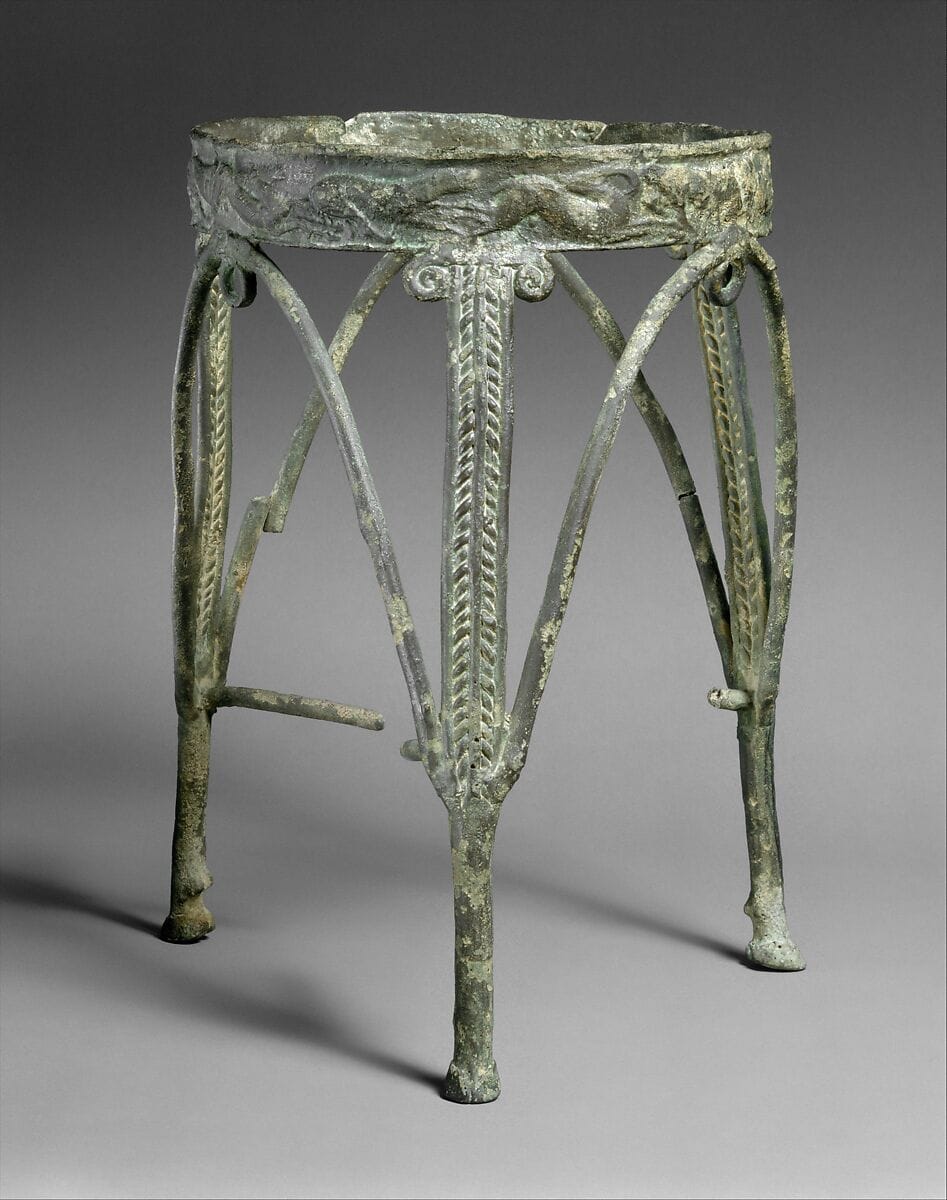
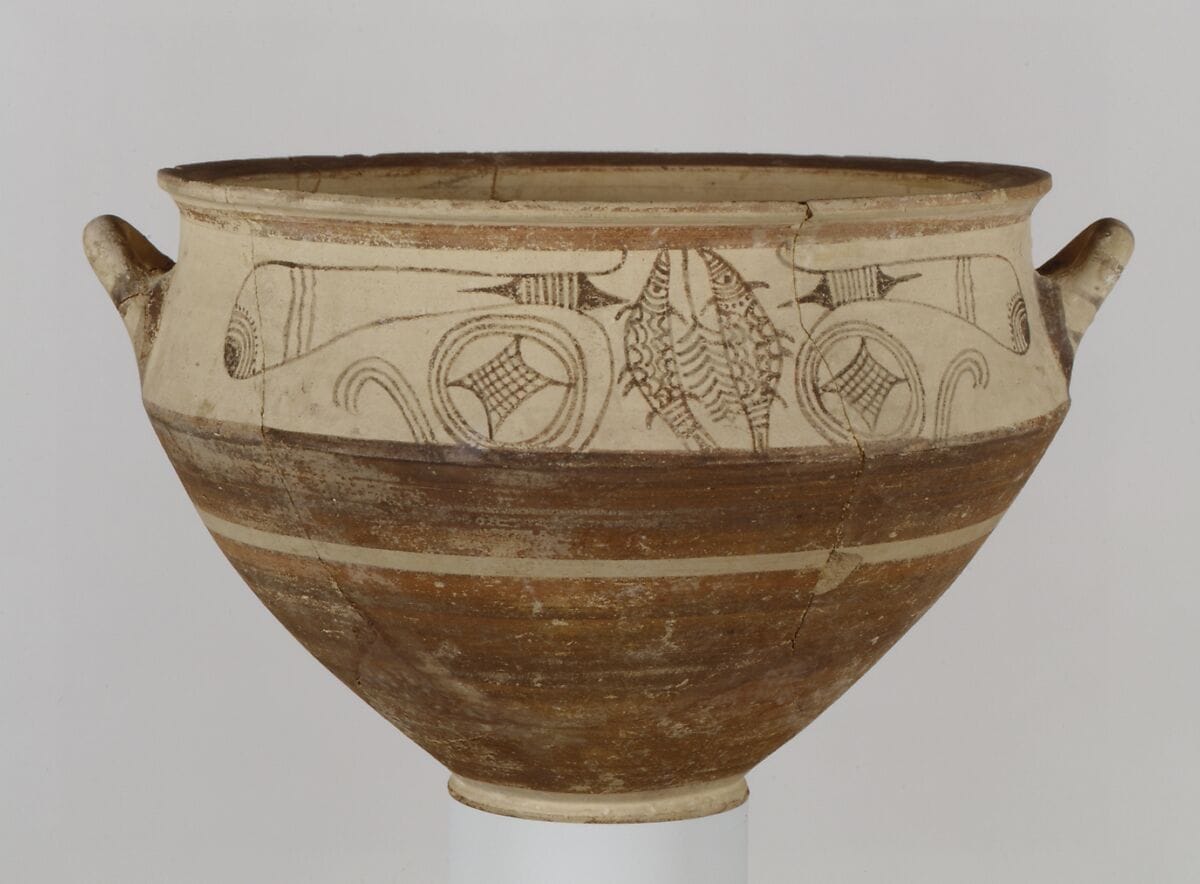
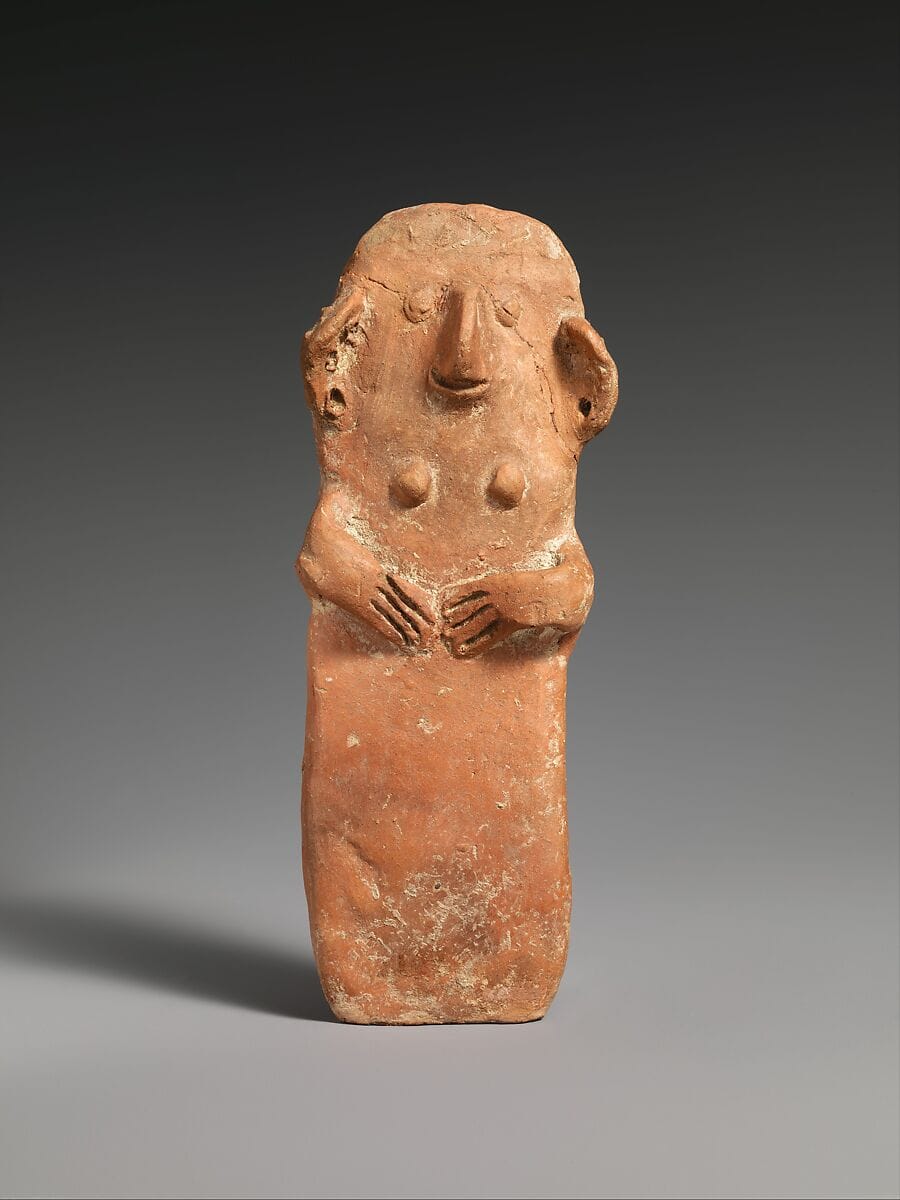
Pieces in the Drakopoulos collection of the kinds and periods this talk covers: Neolithic, Early Cypriot (Early Bronze Age).
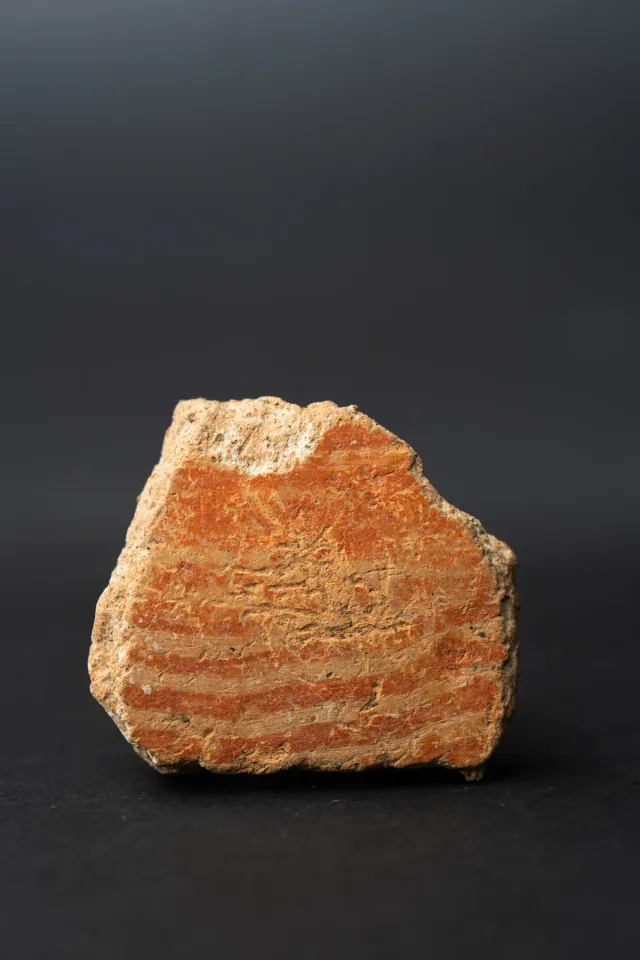
Combed Ware Bowl Fragment with Parallel Bands
Neolithic
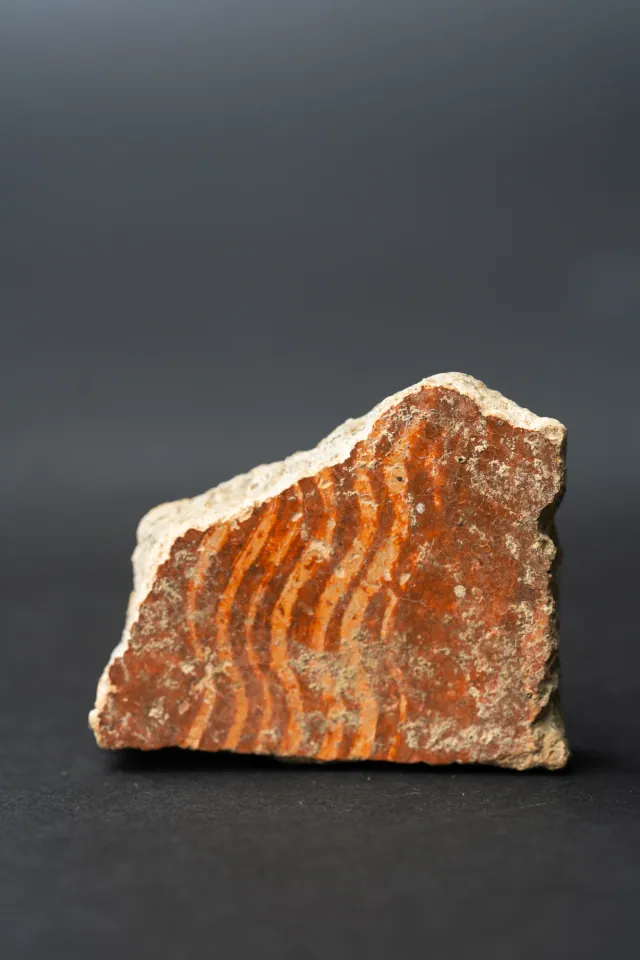
Combed Ware Bowl Fragment with Multiple Wavy Bands
Neolithic
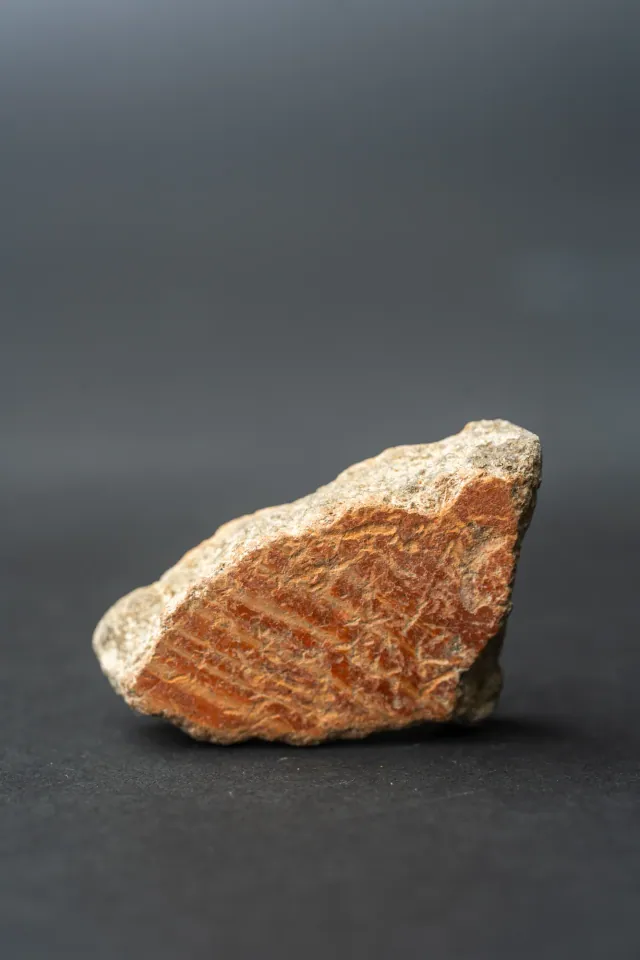
Combed Ware Bowl Fragment with Oblique Bands
Neolithic
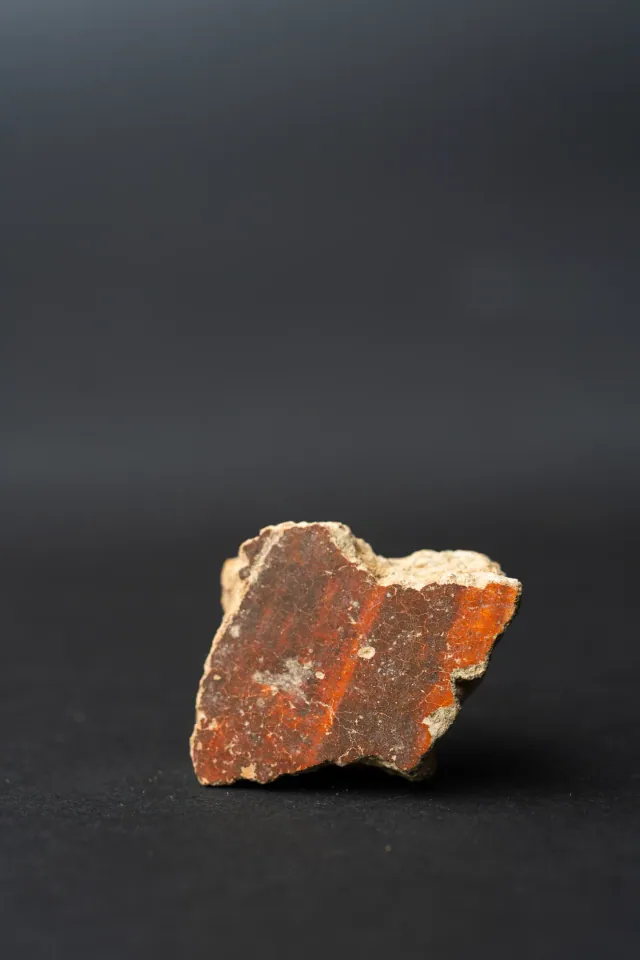
Red Lustrous Ware Body Sherd with Fire-Mottled Slip
Neolithic
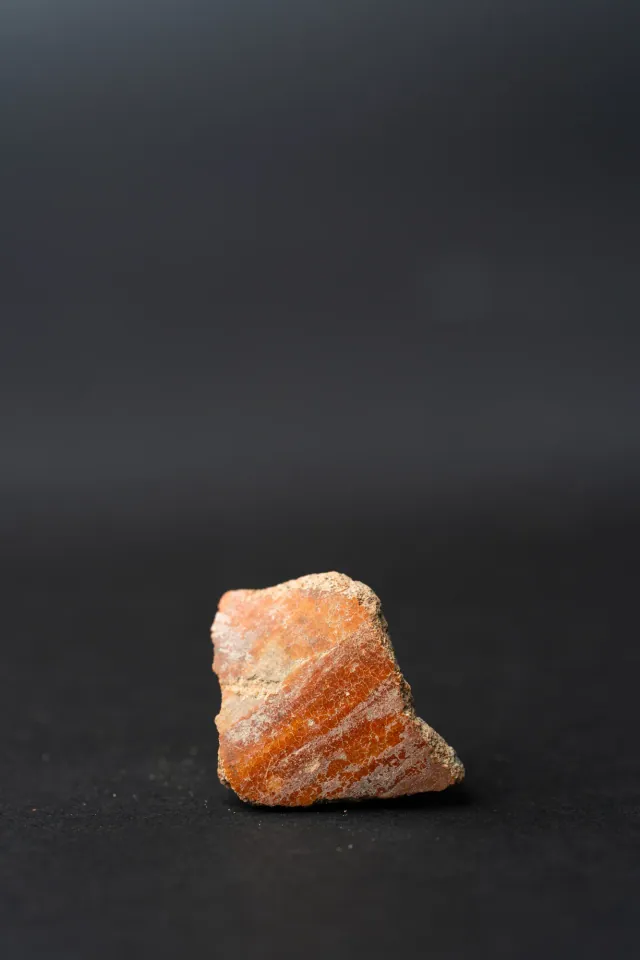
Red Slip Ware Body Sherd with Streaked Slip
Neolithic
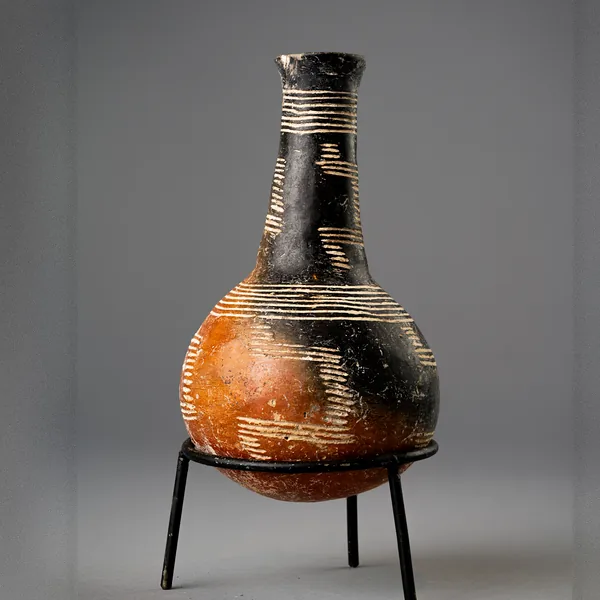
Red Polished Black-Topped Bottle with Stepped Incised Bands
Early Cypriot (Early Bronze Age)
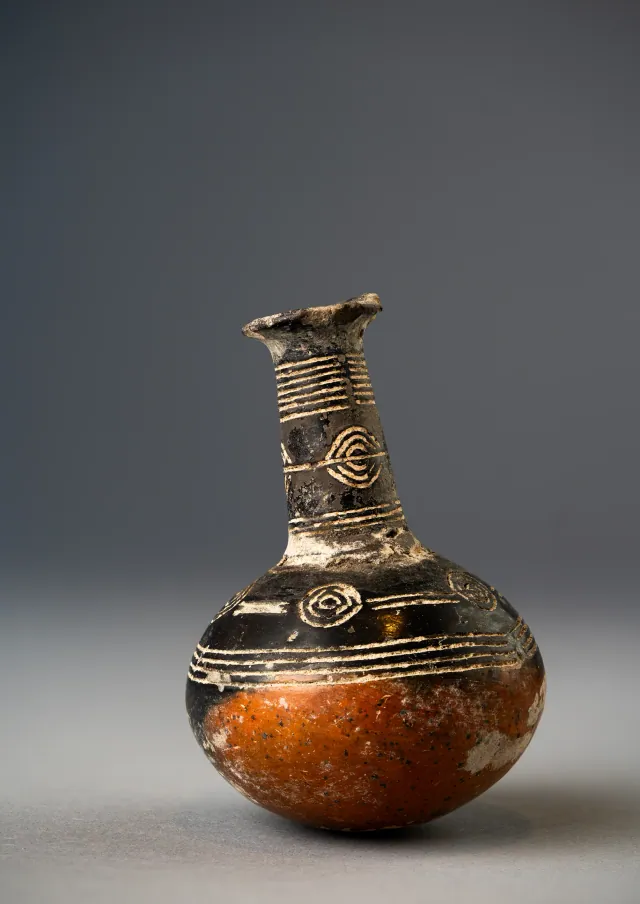
Red Polished Black-Topped Bottle with Incised Concentric Circles
Early Cypriot (Early Bronze Age)
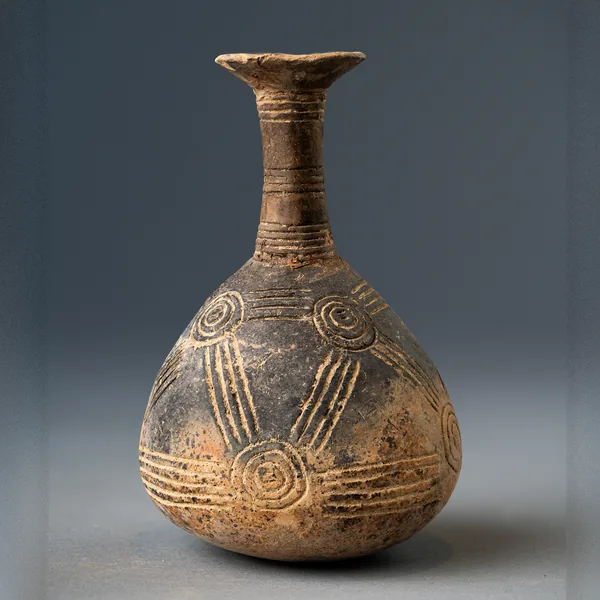
Red Polished Bottle with Linked Concentric Circles
Early Cypriot (Early Bronze Age)
Found at the places discussed
Objects in our catalogue, in museum collections, recorded as found at these sites.

Background
Where to read more on this site before or after watching.
The site
Idalion
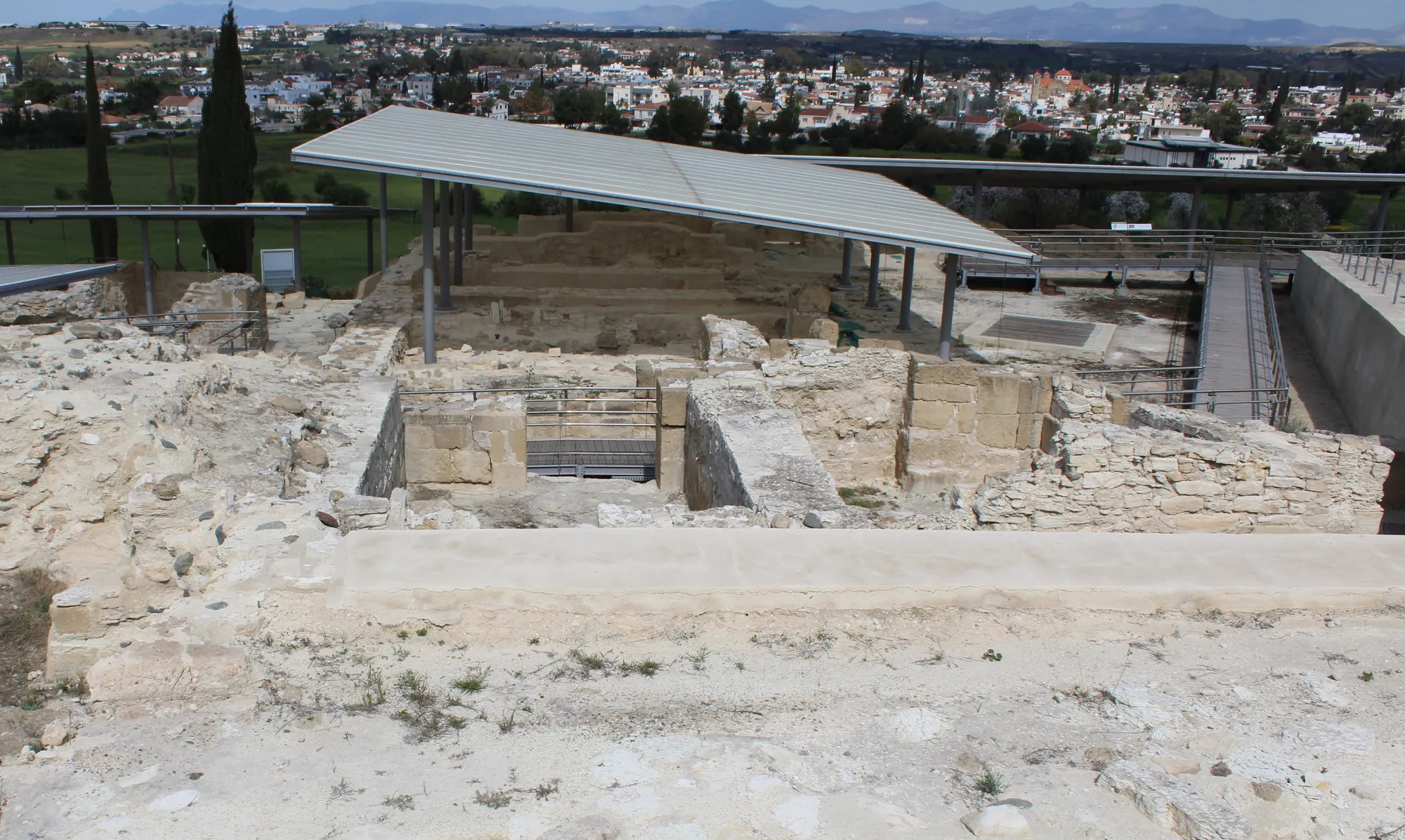
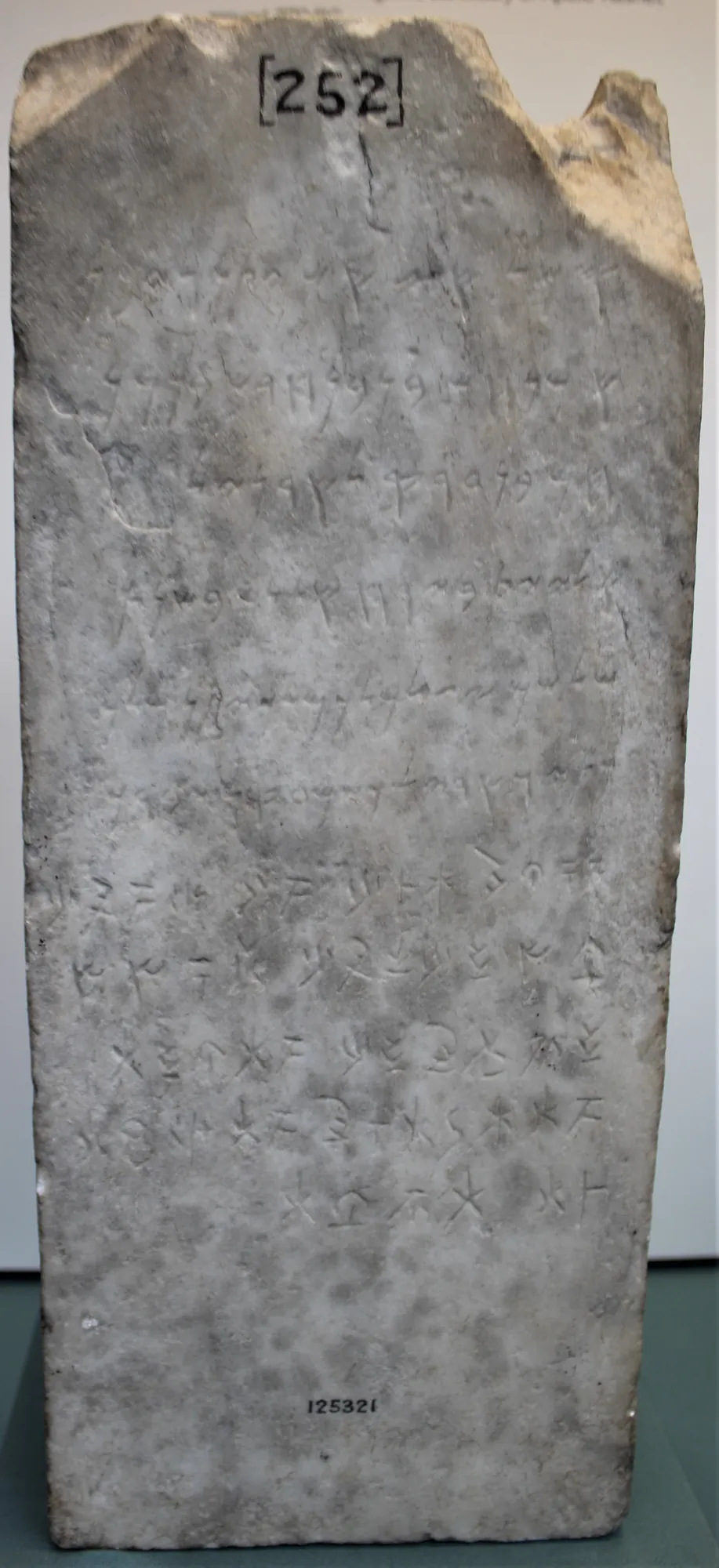
Idalion is an inland city-kingdom of Iron Age Cyprus at the modern village of Dali, built round two limestone acropoleis and a walled lower city on the Yialias river. Its bronze tablet, the longest known text in the Cypriot syllabary, records a siege of the city in the first half of the 5th century BC; soon afterwards Idalion passed to the Phoenician kings of Kition, whose administrative archive was found on the west terrace.
In the compendium
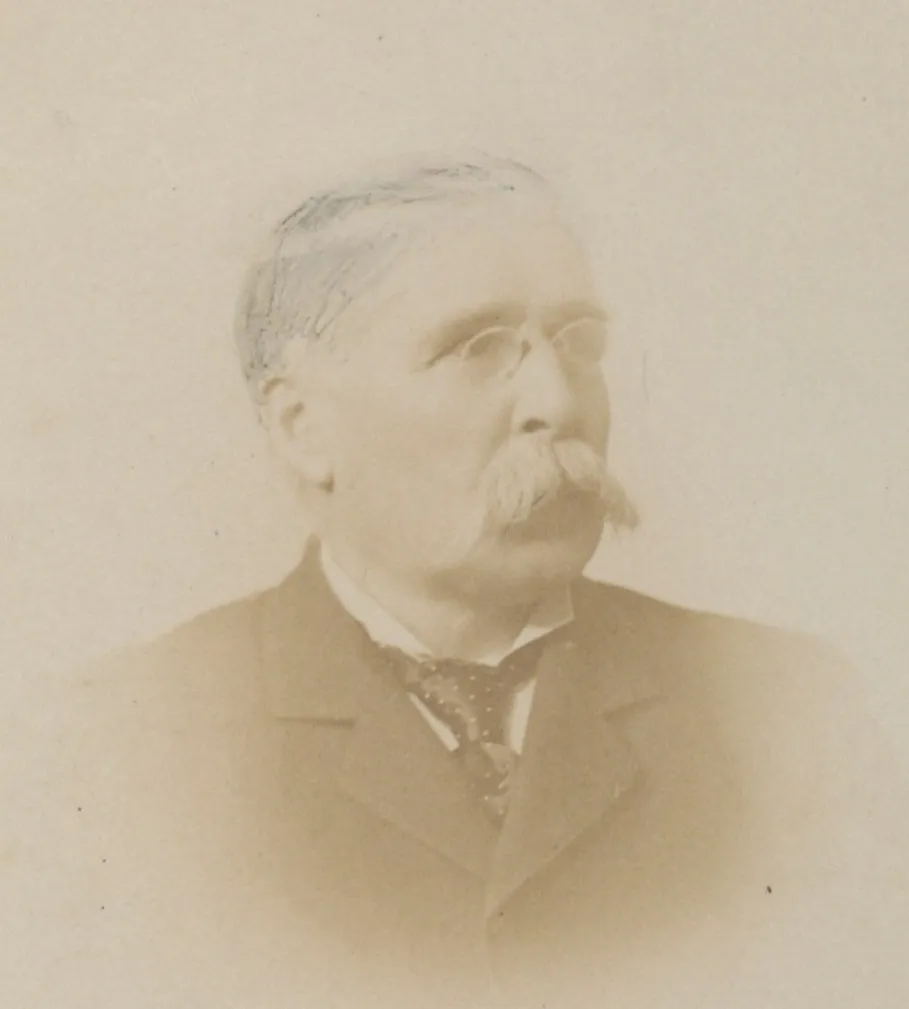
Luigi Palma di Cesnola: The Largest Export of Cypriot Antiquities
The American consul whose roughly 35,000 objects left Cyprus under Ottoman firmans for the Metropolitan Museum, and what his digging and sales mean for the trade.
In the compendium
Max Ohnefalsch-Richter: Excavator, Dealer and the Divided Finds of British Cyprus
The German excavator whose finds left British Cyprus lawfully through the division of finds of 1880 to 1895, the patrons he dug for, the sales of 1887 and 1896, and the record he left.
The period
Neolithic
The period c. 9000–3900 BCE in which farmers from the mainland settled Cyprus, built villages of circular houses, and later adopted pottery.
Map of Cyprus
Places discussed in the talk
- Has a page on this site
- Other places
- Ground above 200, 500, 1,000 m