
Early Bronze Age II
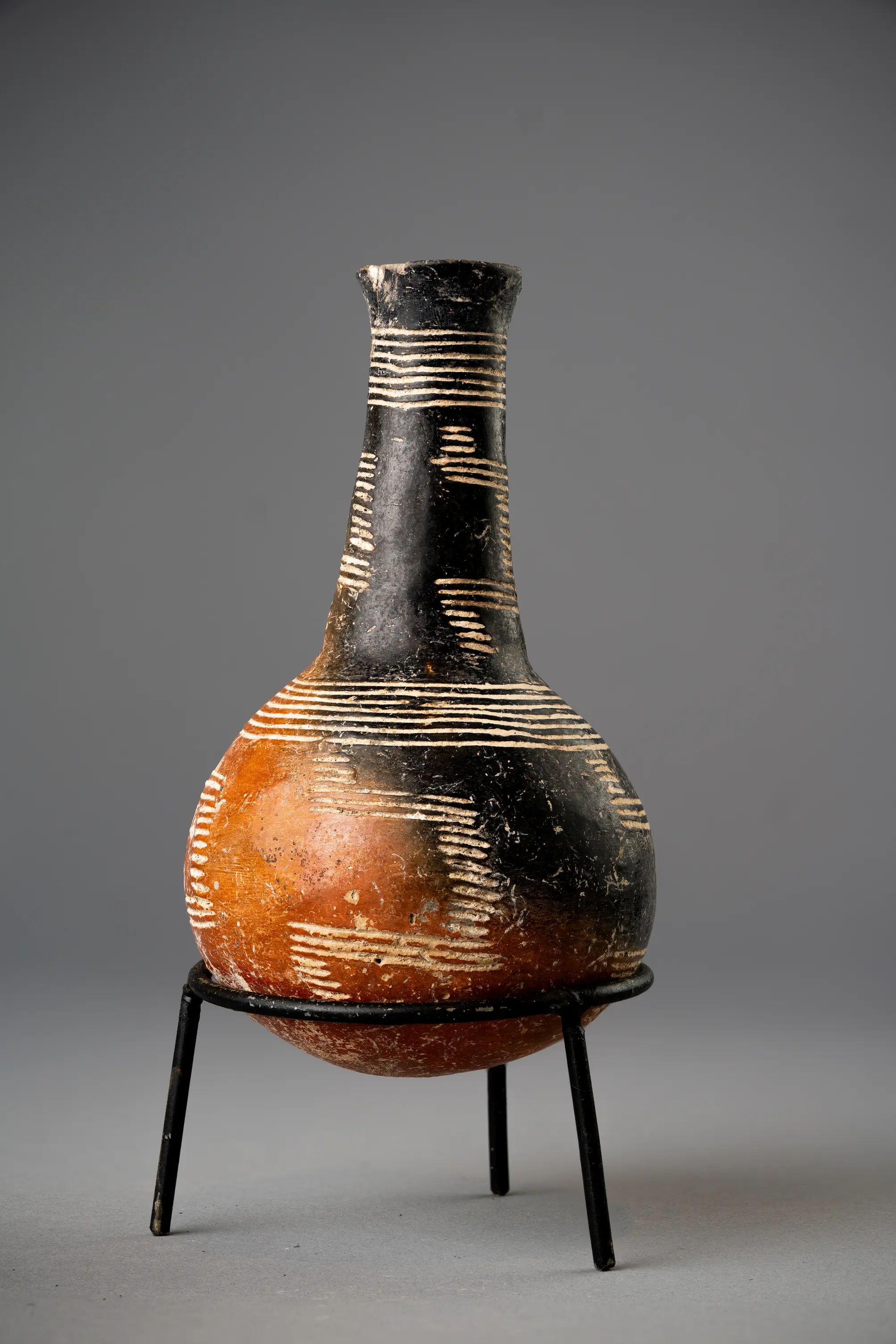
Red Polished Black-Topped Bottle with Stepped Incised Bands
Early Cypriot handmade Red Polished bottle, black above and red below, incised with lime-filled bands and stepped stroke-groups in the north-coast style.
Date
2300 - 2000 BC
Accession No.
BTL-BA-001
Collection
Alexis Drakopoulos
Provenance
- 1960s–2025, The Goodman Collection (acquired 1965–1969)
- 2025–present, Alexis Drakopoulos, London
Early Cypriot, c. 2300–2000 BCE · Red Polished ware, black-topped · Handmade, incised with white fill
A handleless bottle with a round-bottomed globular body, a tall neck that narrows as it rises, and a short everted rim. The firing has split the surface into two colours: a lustrous black over the neck and upper body, and a warm orange-red below. The line between them is uneven, running low on one side and lifting high on the other, where the red climbs almost to the shoulder.
The incised ornament is laid out in bands and blocks. A band of about six horizontal lines circles the neck under the rim, and a broader band rings the shoulder at the base of the neck. Between and below these, short groups of four to six parallel strokes are set in offset columns, so that the eye reads a stepped ladder running down neck and body. The white filling in the grooves is bright and largely complete. The rim is chipped at one point, and the slip on the lower body is worn, with pale encrustation in patches.
Commentary
The bottle belongs to the black-topped incised series of Red Polished ware made on the north coast of Cyprus in the Early Bronze Age, the family best known from the cemeteries at Bellapais-Vounous, Lapithos and Karmi. Stewart counted fifty bottles of this form from Vounous and Karmi alone: a globular body, a tall narrow neck, an everted rim and, as a rule, a pair of string-holes just below the rim [1][2]. Morris noted how common these small handleless bottles were in the period, with the two holes near the mouth serving a cord for hanging or for tying on a stopper [7].
The black upper zone and red lower zone came from differential firing, probably by reducing the upper part of the pot in smouldering fuel while the base stayed in oxidising conditions. The irregular boundary on this piece is normal for the class. Åström, describing a comparable bottle from Kalopsidha Tomb 5 (Cyprus Museum A 388), wrote that only the base and one side of the lower body were red and the rest black, "as is usual on this type" [2]. The incisions were cut into the leather-hard clay and filled with white lime after firing, which throws the pattern into relief against the dark ground. The fill on this bottle is unusually crisp, and some of it may have been renewed when the piece was cleaned in modern times.
The labels given to these bottles vary. The British Museum catalogues its Vounous examples as Red Polished I (black-topped), Early Cypriot I, 2300–2100 BCE, following Stewart's typology, while Herscher calls the closely related north-coast export bottles Red Polished III and, working from the settlement at Sotira-Kaminoudhia, places them in Early Cypriot III [3][4]. The numerals come from different classification schemes, and the absolute dates overlap. Radiocarbon from the settlement at Kaminoudhia, where one such bottle was in use, points to about 2200 BCE [4], and a range of about 2300–2000 BCE covers the series.
The decorative scheme of short horizontal stroke-groups sets this bottle apart from the circle-decorated examples in the same collection. Its closest museum parallel is British Museum 1939,0217.24 from Vounous (H. 15 cm), which is black above and red below and carries horizontal lines at the base of the neck with groups of oblique and horizontal strokes on the body; British Museum 1939,0217.33, also from Vounous, matches the form [5]. A bottle from Vounous Tomb 72 in the Louvre (AM 2563) combines the same two-tone firing with hatched horizontal bands [6].
Bottles like this travelled from the north coast to sites across southern and central Cyprus, perhaps for what they held, and most of the surviving examples come from tombs [3][4]. The find-spot of this piece is unknown. Its fabric and decoration are consistent with north-coast work, though without a recorded context that attribution rests on style alone. The side photographed shows no string-holes below the rim; whether the reverse has them, and the bottle's height, are still to be recorded.
References
- 1.Stewart, J.R. (1962) The Early Cypriote Bronze Age. The Swedish Cyprus Expedition IV.1A. Lund: Swedish Cyprus Expedition.
- 2.Åström, P. (1966) Excavations at Kalopsidha and Ayios Iakovos in Cyprus. Studies in Mediterranean Archaeology 2. Lund, p. 18.
- 3.Herscher, E. (1991) 'Beyond Regionalism: Toward an Islandwide Early and Middle Cypriot Sequence.' In J.A. Barlow, D.L. Bolger and B. Kling (eds), Cypriot Ceramics: Reading the Prehistoric Record. Philadelphia: University Museum, pp. 45–50, esp. 46–47.
- 4.Swiny, S., Rapp, G. and Herscher, E. (eds) (2003) Sotira Kaminoudhia: An Early Bronze Age Site in Cyprus. CAARI Monograph 4. Boston: American Schools of Oriental Research, cat. P74, fig. 4.11.
- 5.British Museum, London, 1939,0217.24 and 1939,0217.33, Red Polished black-topped bottles from Bellapais-Vounous (collection records).
- 6.Musée du Louvre, Paris, AM 2563, Red Polished bottle from Bellapais-Vounous Tomb 72 (collection record).
- 7.Morris, D. (1985) The Art of Ancient Cyprus. Oxford: Phaidon, p. 64.
More from the Catalogue
Browse related objects
Alabaster alabastron (perfume vase)
Archaic II
Terracotta bottle
Middle Bronze Age II
Alabaster alabastron (perfume vase)
Archaic II
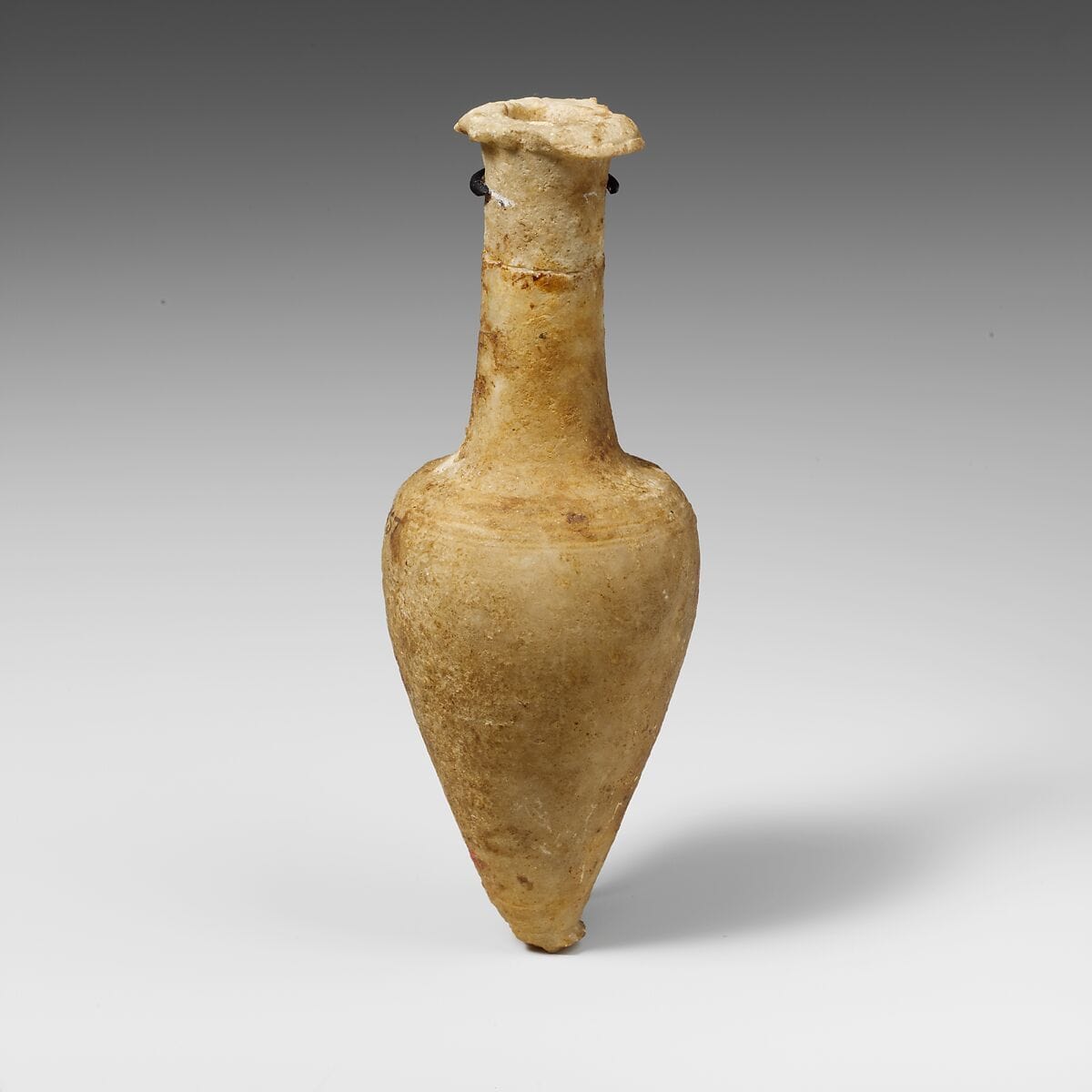
Alabaster unguentarium
Hellenistic
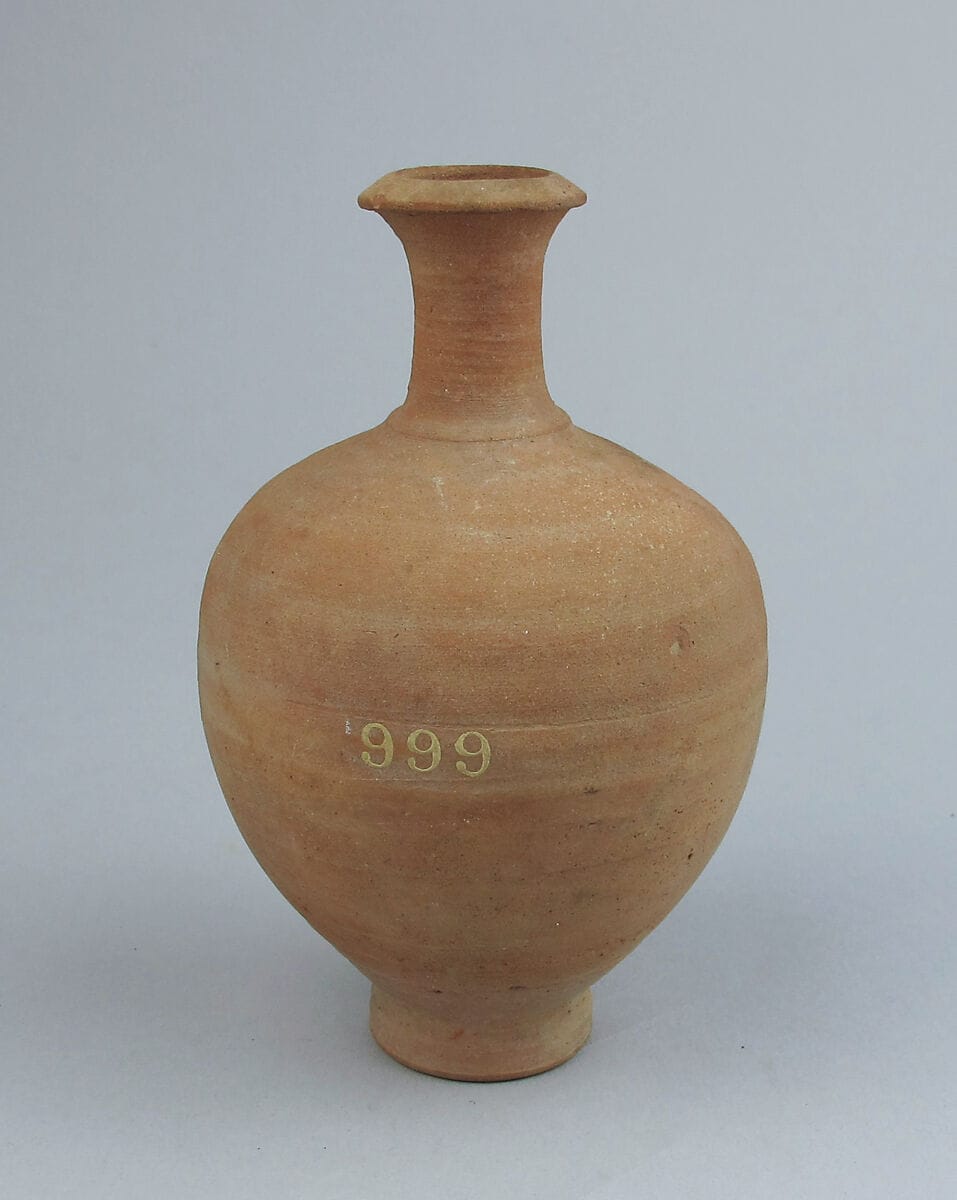
Bottle
Classical
Rock crystal bottle
Classical
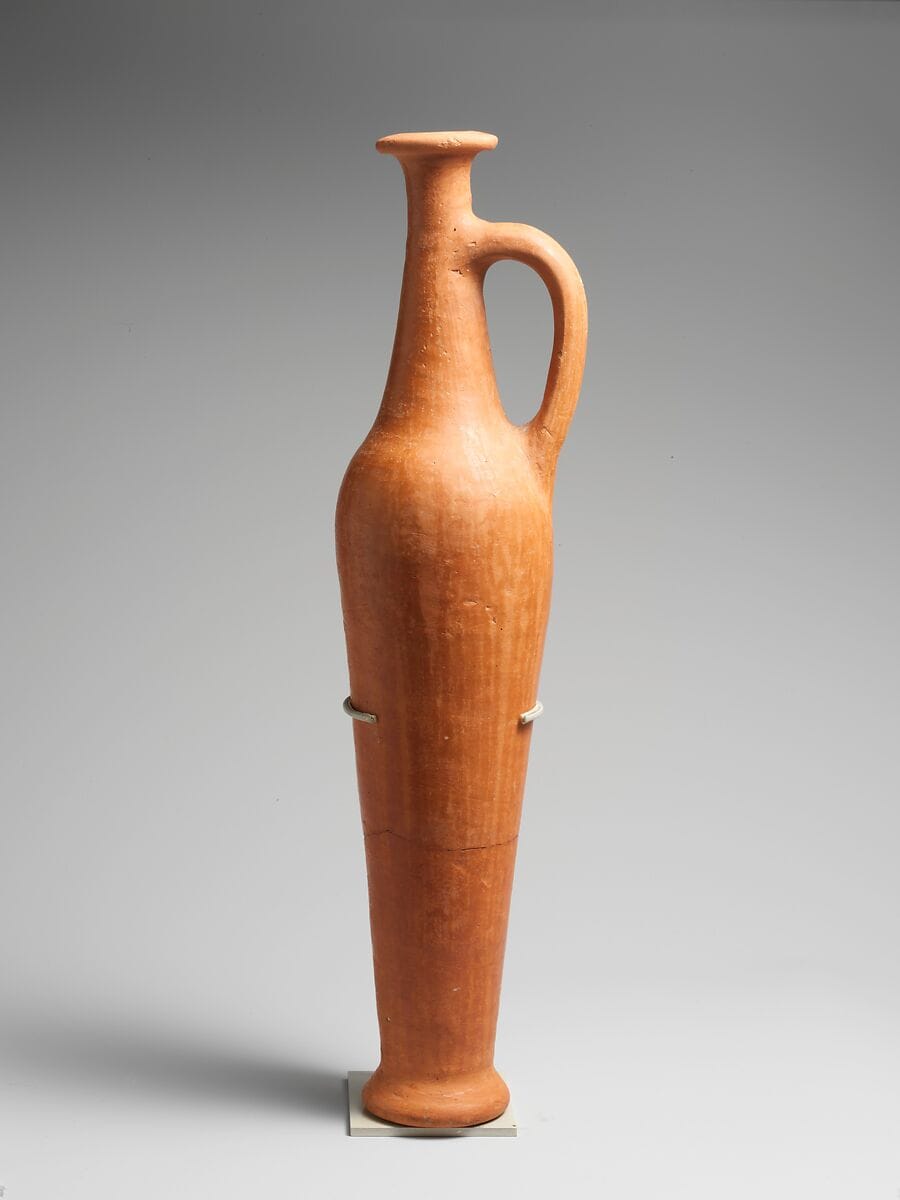
Terracotta spindle bottle
Late Bronze Age II
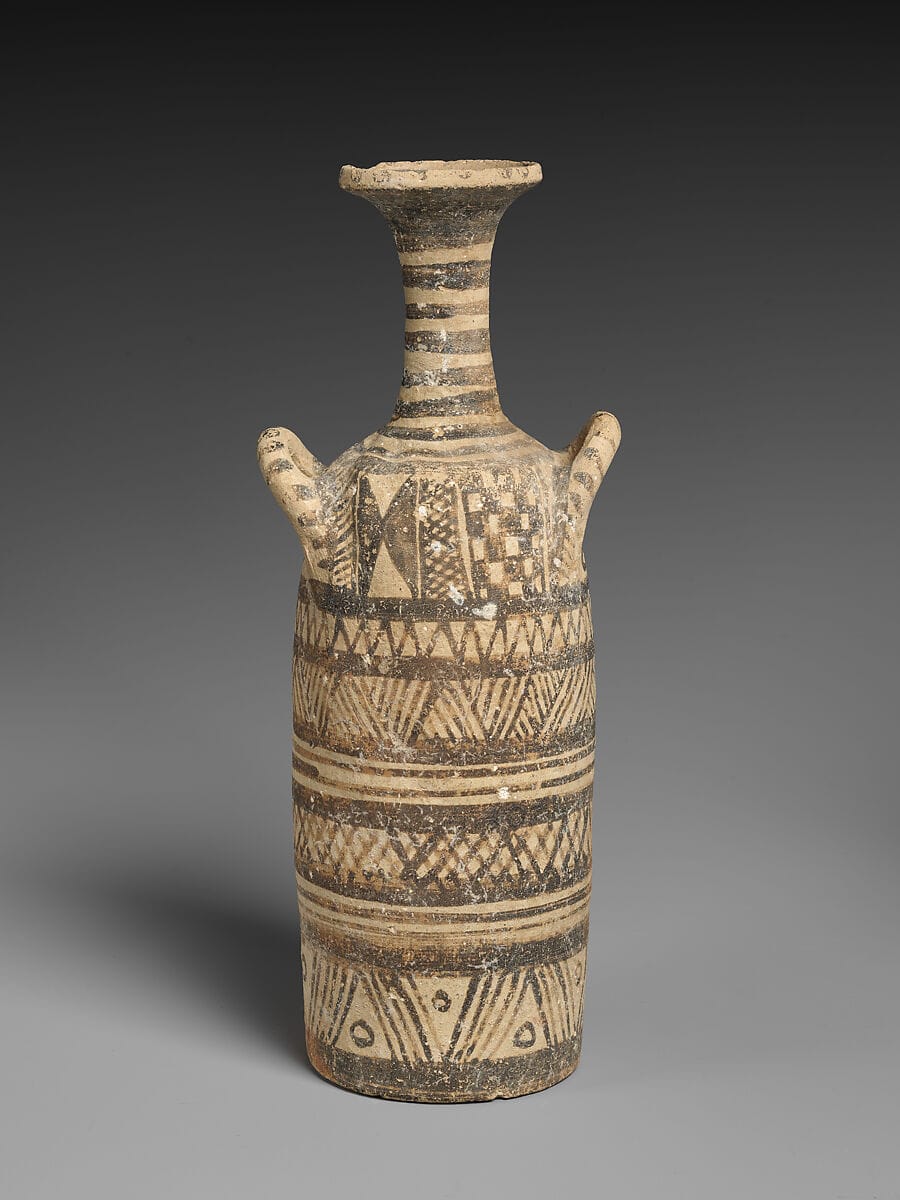
Terracotta bottle
Late Bronze Age III
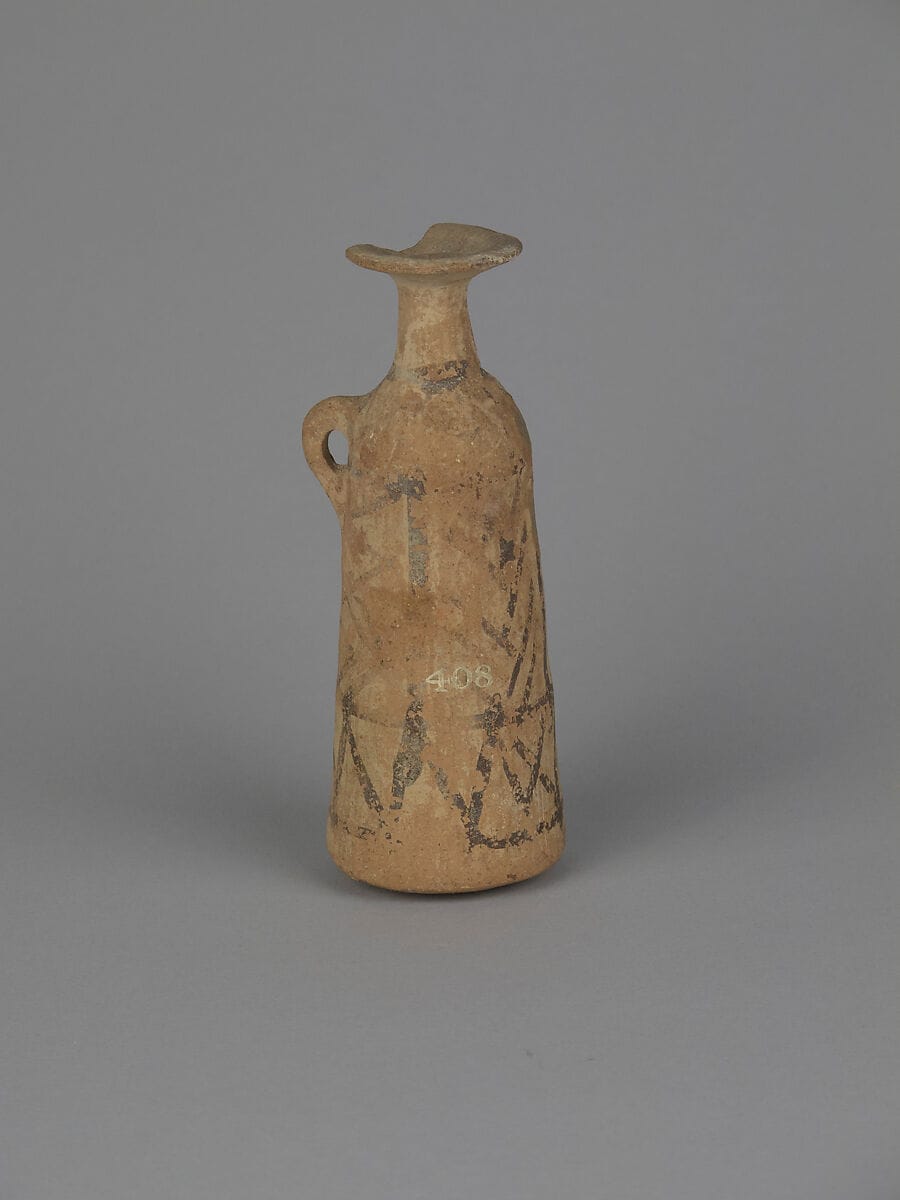
Bottle
Late Bronze Age III
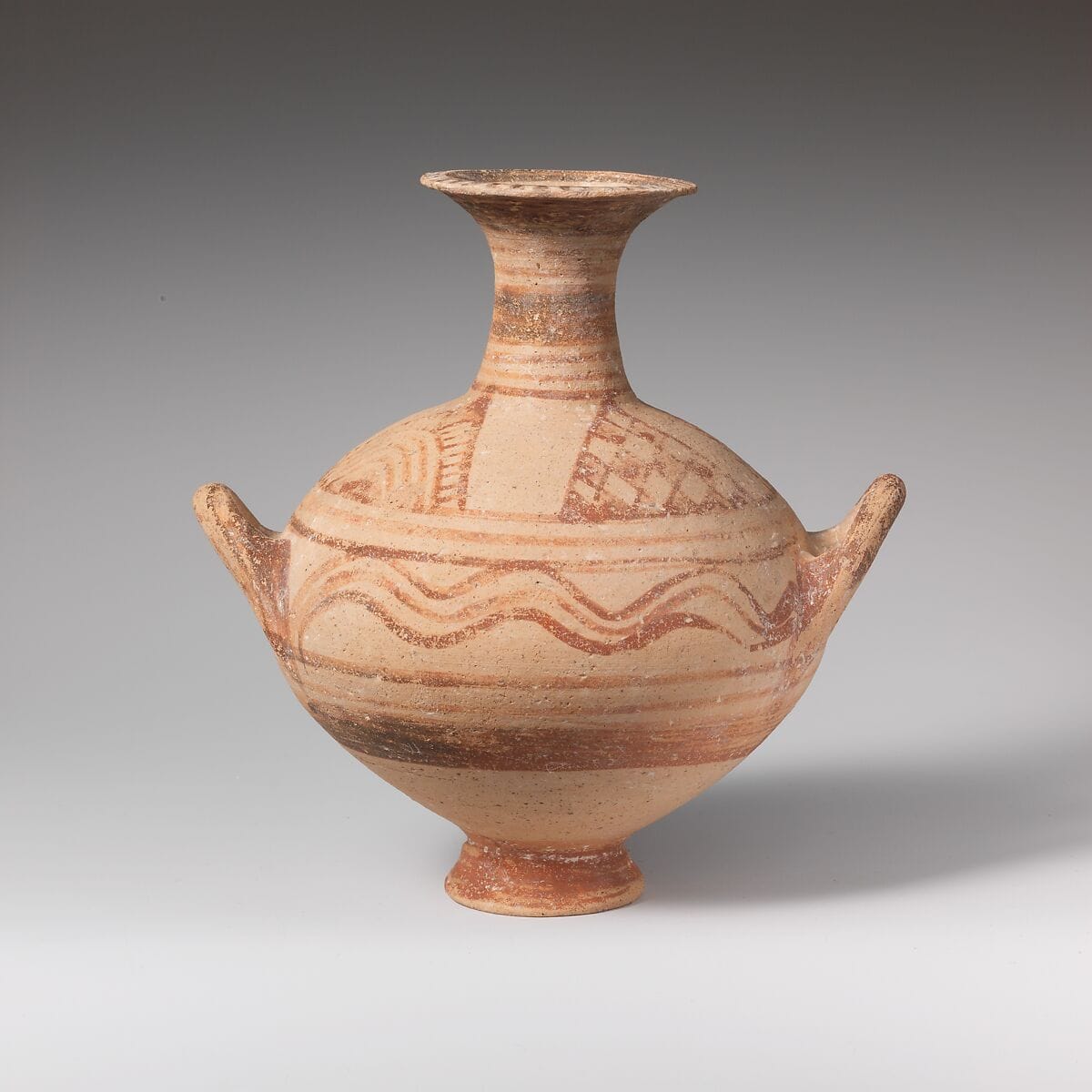
Terracotta globular bottle with two handles
Late Bronze Age III
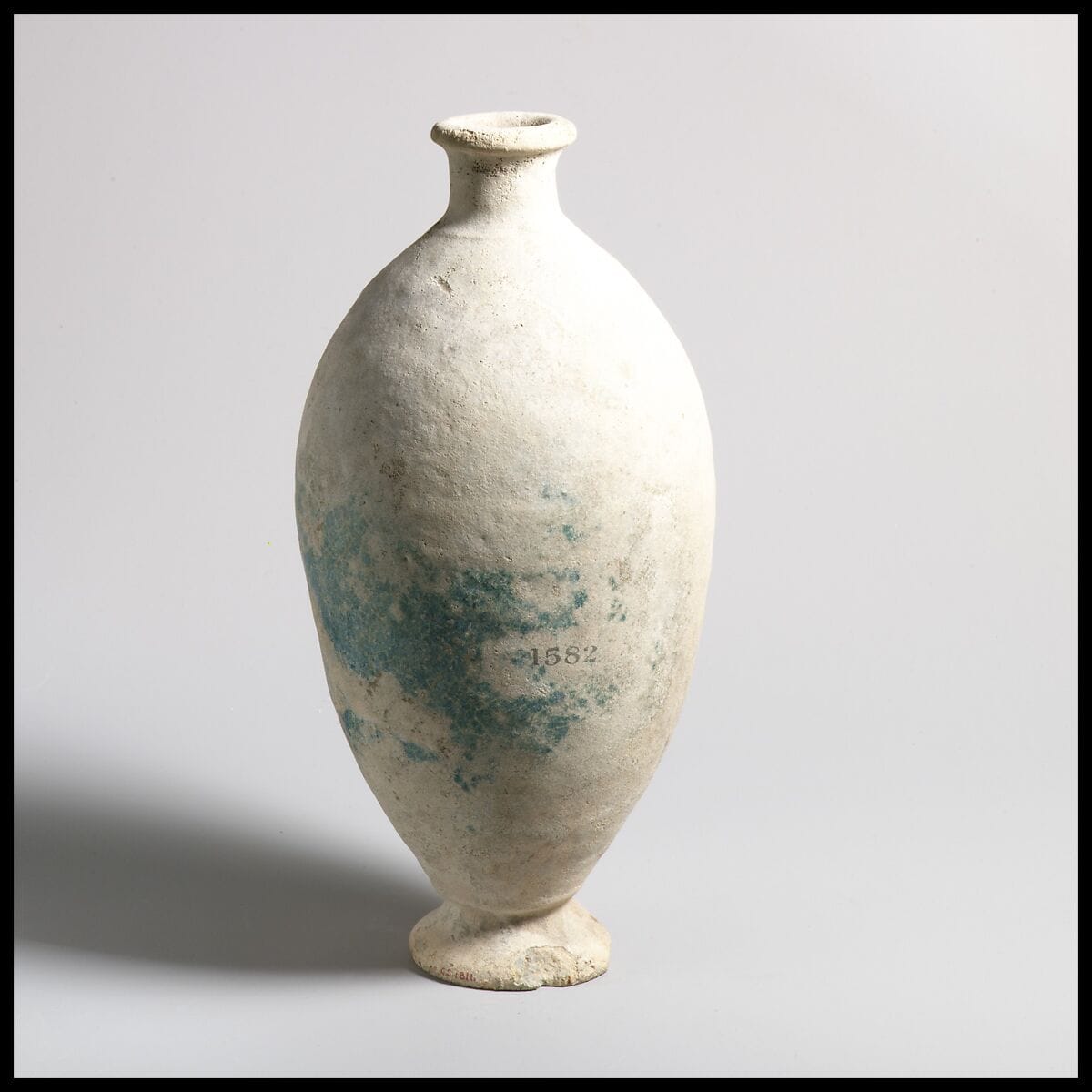
Bottle
Late Bronze Age II
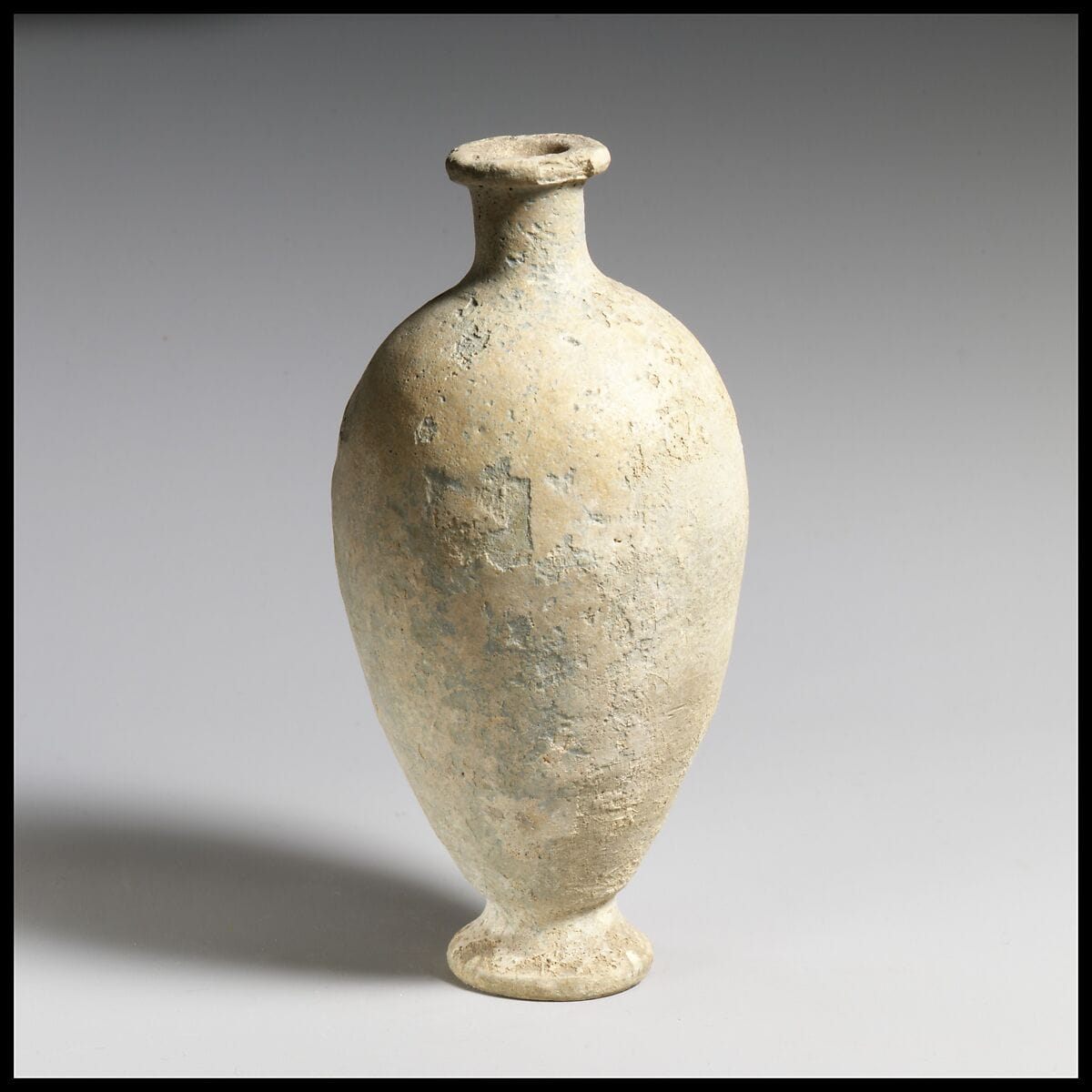
Bottle
Late Bronze Age II
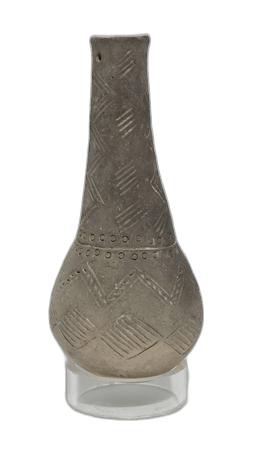
Black Polished Bottle
Early Bronze Age II
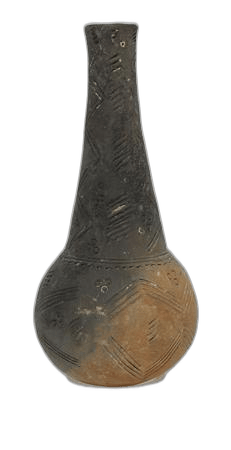
Red Polished Bottle
Early Bronze Age II
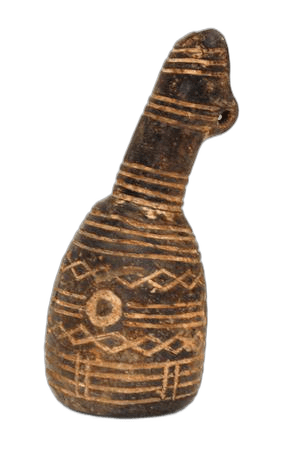
Black Polished Miniature Bottle
Middle Bronze Age I
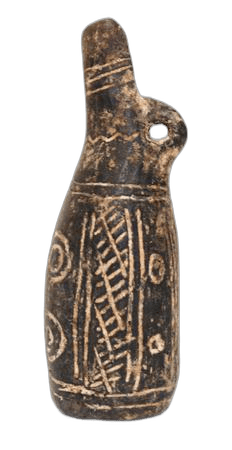
Black Polished Miniature Bottle
Middle Bronze Age I
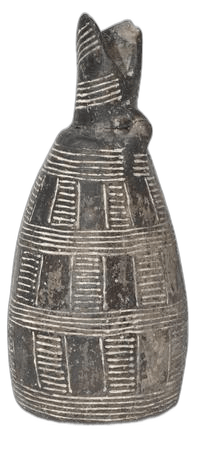
Black Polished Miniature Bottle
Middle Bronze Age I
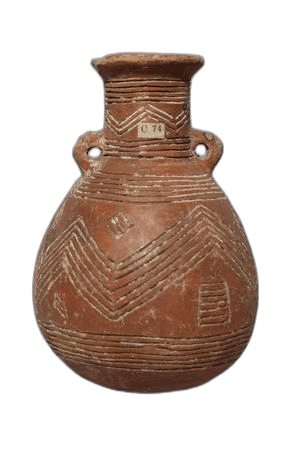
Red Polished Miniature Bottle
Middle Bronze Age II