
Lecture·Archaeological Research Unit - University of Cyprus·2025·In Greek
German and German-Speaking Archaeologists and Other Scholars in Cyprus (19th and Early 20th Centuries)
Chapters
About the lecture
In this lecture, given in Greek, Yiannis Violaris of the Department of Antiquities surveys the German and German-speaking archaeologists, orientalists, philologists, geographers and journalists who visited or wrote about Cyprus during the nineteenth and early twentieth centuries, until the First World War and British annexation in 1914 halted German archaeological activity on the island. Violaris sets their work within the geopolitical context of the Eastern Question and the removal of Cypriot antiquities to foreign museums.
Proceeding chronologically, the talk begins with the Austrian orientalist Joseph von Hammer-Purgstall, who visited in 1808, described the sanctuary of Aphrodite at Palaepaphos and the acropolis of Amathus, and donated an inscribed base from Palaepaphos to the imperial collections in Vienna. Next is the Baltic German scholar Otto Friedrich von Richter, who toured Famagusta, Larnaca, Kition, Nicosia and Kythrea in 1816 and met Archbishop Kyprianos. Violaris then discusses Wilhelm Heinrich Christian Engel, who never visited Cyprus but published a two-volume monograph on its geography, history and classical sources in 1841.
A substantial section follows the 1845 tour of the German archaeologist Ludwig Ross, financed by Frederick William IV of Prussia. Ross recorded sites and local traditions across the island, acquired sculptures from Idalion and inscriptions from Kition for the Berlin Museum, noted the mounds at Salamis and the site of Ayia Irini, and documented the discovery and breaking up by villagers at Tamassos of the Chatsworth bronze Apollo, whose head reached the British Museum. Violaris connects Ross's calls for German colonies in Cyprus with wider German colonial ambitions.
The lecture next covers Julius Heinrich Petermann, who bought coins and inscriptions in 1852, and Karl Friederichs of the Berlin Museums, who purchased over two hundred objects in 1869 from Luigi Palma di Cesnola and Demetrios Pierides. After reviewing the 1878 visits of the Bavarian historian Franz von Löher and the Cologne newspaper correspondent Karl Schneider, Violaris turns to Max Ohnefalsch-Richter. Living on Cyprus from 1878, Ohnefalsch-Richter excavated at some fifty sites, supplying Berlin with hundreds of objects from Idalion and Tamassos before being fined in 1910 for attempting to export antiquities disguised as boxes of Turkish delight.
Violaris then examines the historical geographer Eugen Oberhummer, who visited in 1887 and 1891 and compiled a detailed study of the Near Eastern sources and physical geography of Cyprus, and notes the influence of German scholarship on early Cypriot historians such as Hieronymos Myriantheus. The lecture closes with the epigraphist Justus Siegismund, a pioneer in studying the Cypriot syllabary, who was killed in March 1876 by a falling stone in a built tomb at Amathus; Violaris recounts his funeral in Limassol and recites excerpts from a contemporary Cypriot folk poem lamenting his death.
Found at the places discussed
Objects in our catalogue, in museum collections, recorded as found at these sites.

Background
Where to read more on this site before or after watching.
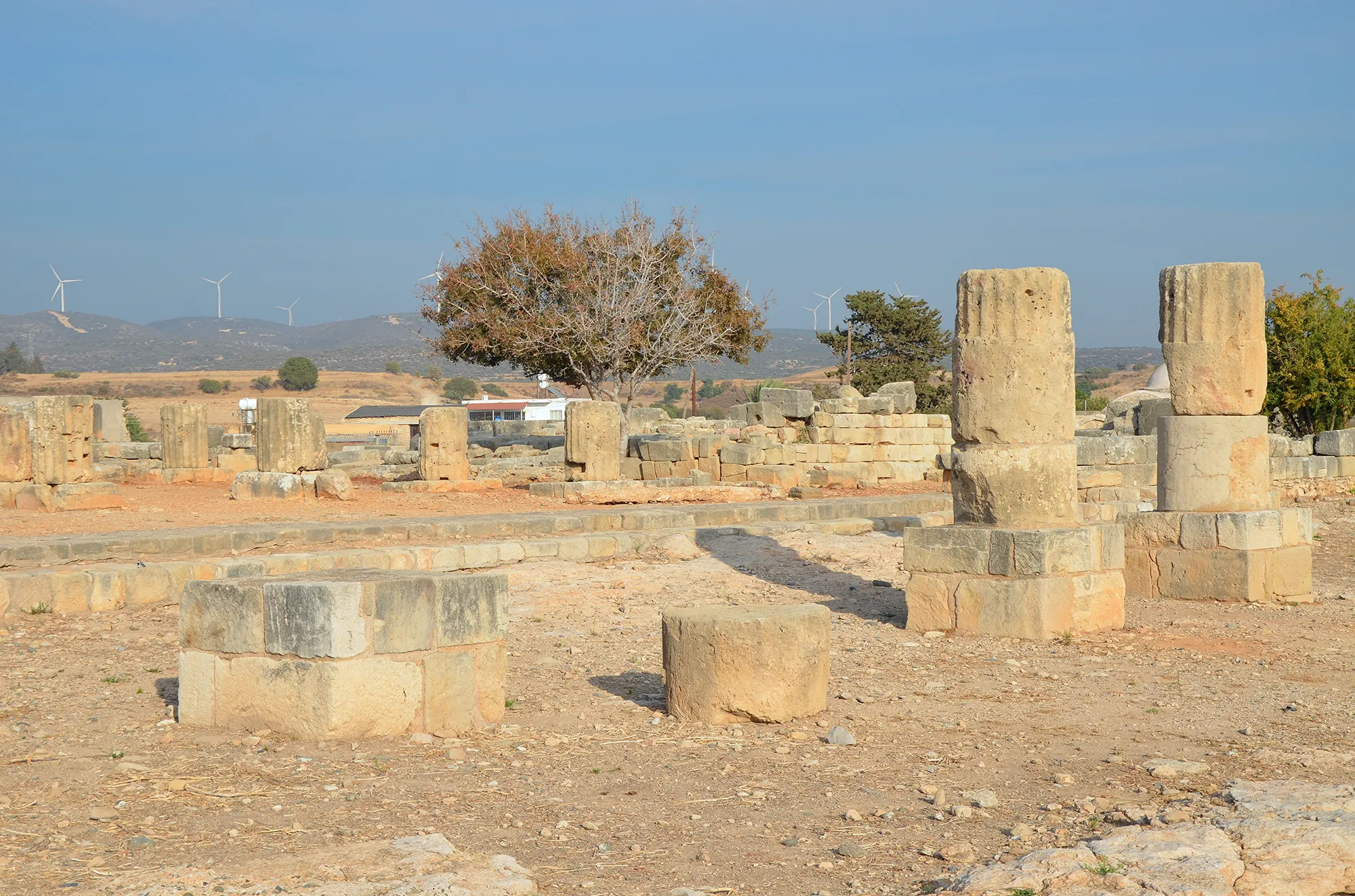
The site
Palaepaphos (Kouklia)
Palaepaphos, Old Paphos, lies under and around the village of Kouklia in western Cyprus. Founded in the Middle Bronze Age, it was the only large town of the south-west until the early Hellenistic period, the seat of the kings of Paphos and the site of the sanctuary of the Paphian goddess, Aphrodite, worshipped here from about 1200 BC to the end of the 4th century AD.

In the compendium
Tomb-Digging in Ottoman Cyprus, 1860s to 1878
Village tomb-digging before 1878, from the Dali rush of 1868 to the consuls' gangs and the Larnaca buyers, and why it was a wage trade rather than organised crime.
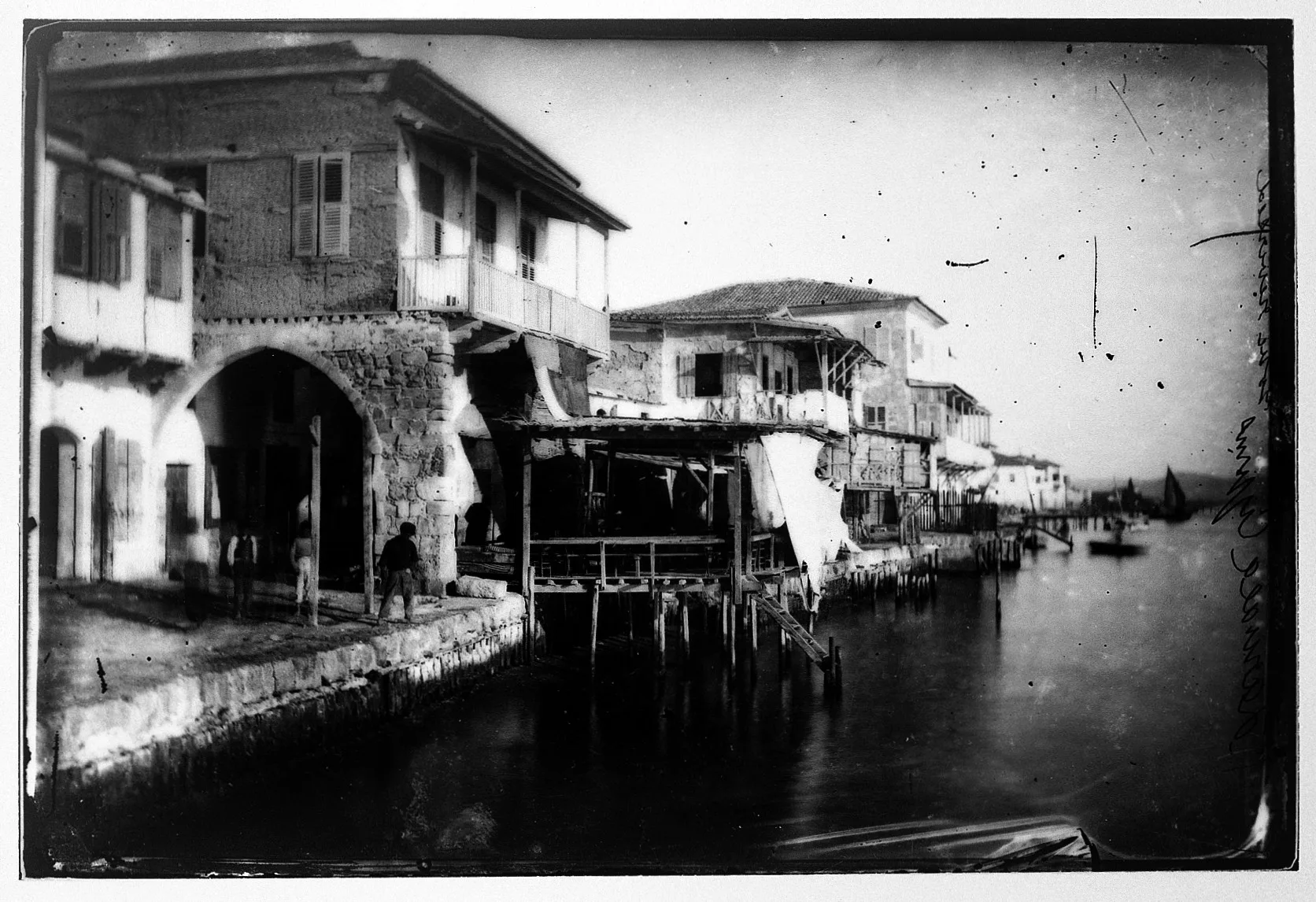
In the compendium
Firmans and Partage: The Lawful Export of Antiquities from Ottoman Cyprus, 1860s to 1905
The firmans, landowners' rights and the division of finds in thirds under which consuls, excavators and museums lawfully exported Cypriot antiquities from the 1860s until the law of 1905.
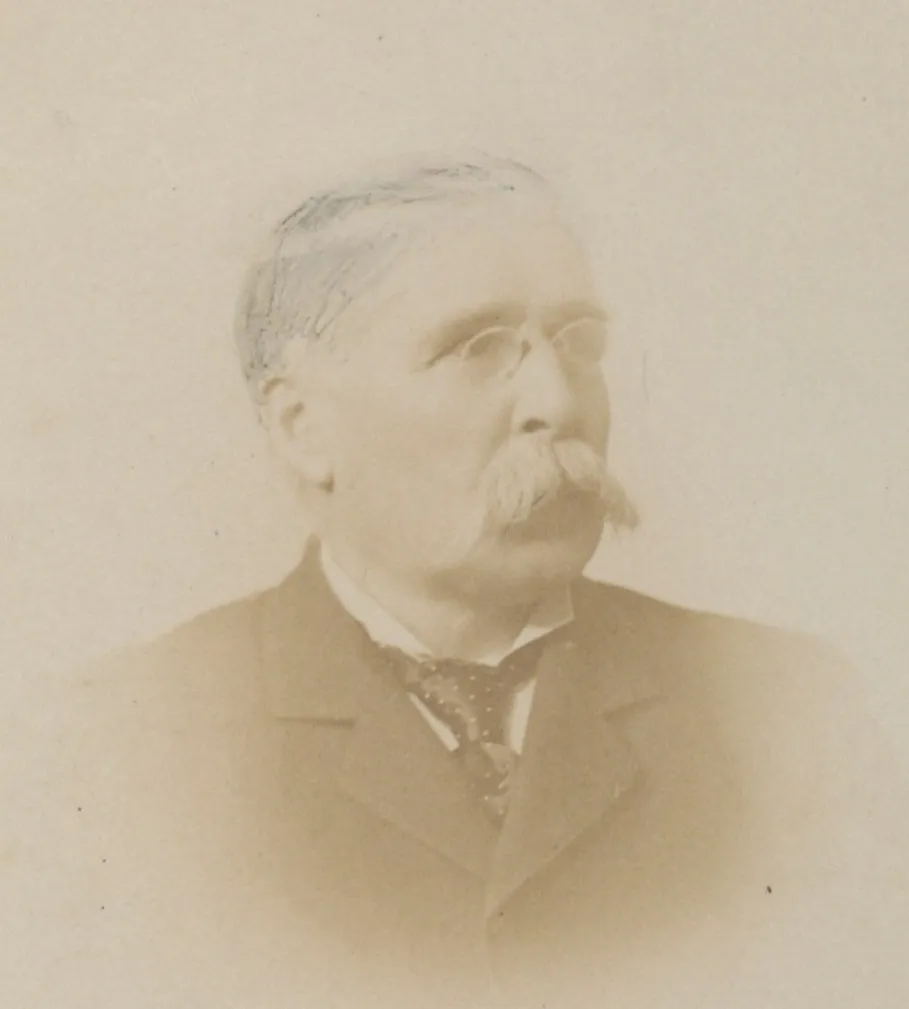
In the compendium
Luigi Palma di Cesnola: The Largest Export of Cypriot Antiquities
The American consul whose roughly 35,000 objects left Cyprus under Ottoman firmans for the Metropolitan Museum, and what his digging and sales mean for the trade.
Map of Cyprus
Places discussed in the talk
- Has a page on this site
- Other places
- Ground above 200, 500, 1,000 m
Places