
Neolithic
Combed Ware Bowl Fragment with Multiple Wavy Bands
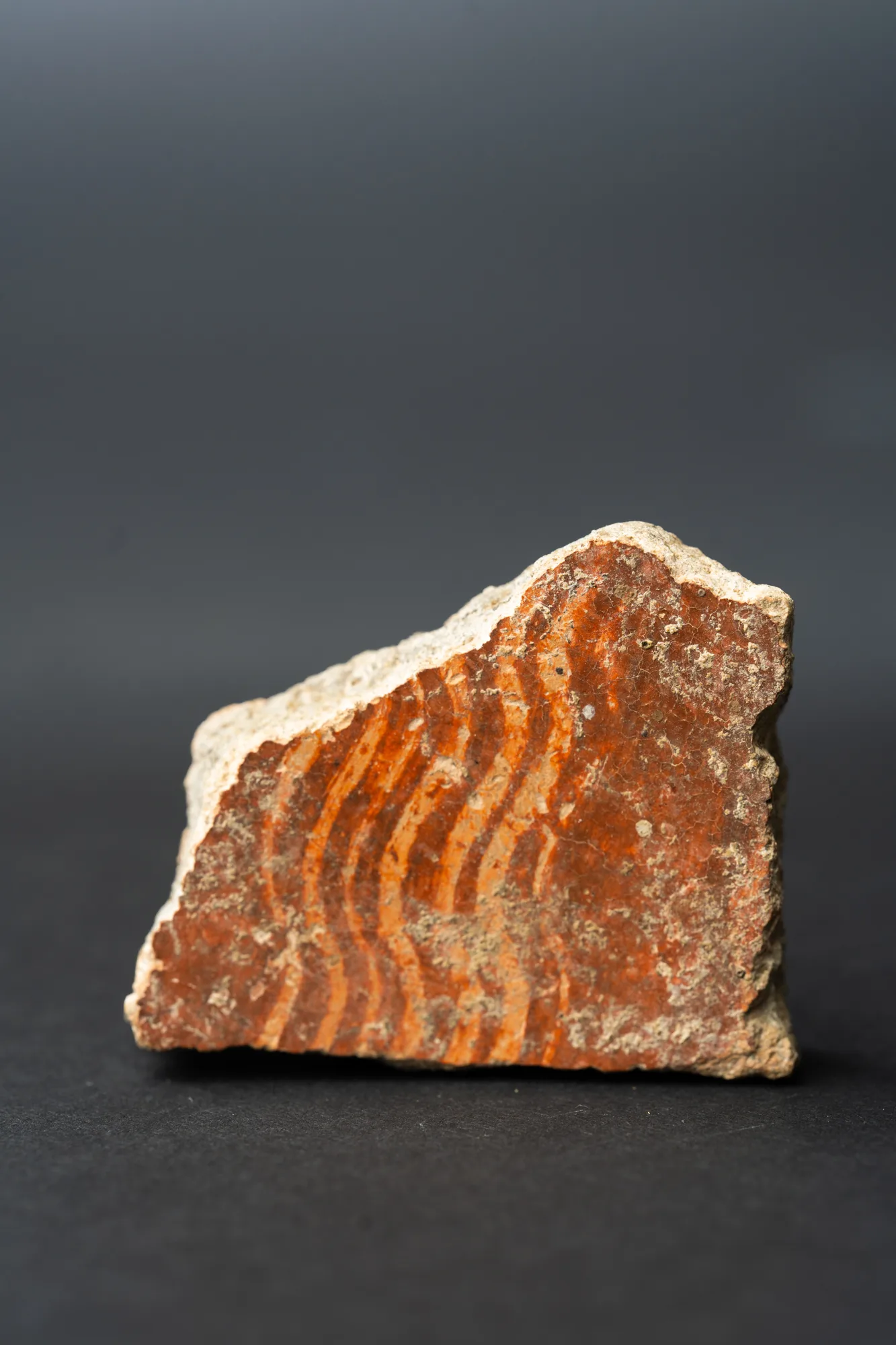
Late Neolithic Combed Ware sherd from Cyprus with a group of about seven fine wavy bands combed through deep red slip. Ex Judge G. C. Griffith-Williams.
Date
4500 - 3900 BC
Accession No.
BWL-NE-002
Collection
Alexis Drakopoulos
Provenance
- By 1963, George Cyril Griffith-Williams (b. 1893), Puisne Judge of the Supreme Court of Cyprus from 1938, Nicosia; mounted with four other sherds in a wooden Droste chocolate box with a handwritten label, "Neolithic. Painted and combed ware. c. 3500 BC."
- By 2026, Alexis Drakopoulos, London
Late Neolithic (Sotira culture), c. 4500–3900 BCE · Combed Ware · Handmade
A trapezoidal body sherd with a sloping upper break, its decorated face covered in a deep, slightly glossy red slip. Across the centre runs a single group of six or seven pale orange-buff lines, each rippling in close waves and all moving in step, as if pulled together by one pass of a many-toothed comb. The lines run across the sherd from the upper break to the lower edge. To the right the red slip is left plain, an uncombed interval between groups, and a fainter line at the left edge may belong to a neighbouring group.
The slip is worn and pitted, with white lime specks over its surface. The other face is heavily abraded and lime-flecked, the red surviving in patches, with only faint traces of banding at one side.
Commentary
This is the finest of the combed sherds in the collection and shows Combed Ware at its most characteristic. The ware was made in the Late Neolithic Sotira culture of southern Cyprus: the potter coated the vessel in a thick red slip and, while it was wet, drew a comb-like tool of shell, bone or reed through it, so that the teeth exposed the light body in reserved bands; the surface was then polished [1]. The pale lines here are the clay body showing through, and the red is the ground, which distinguishes the piece from the painted "ripple" Red-on-White of northern sites, where multiple wavy lines were brushed on positively over a white slip [3].
Dikaios sorted the combed patterns from single broad bands through groups of straight bands to multiple wavy bands, which he regarded as the technical culmination of the style [1]. The evenness of these waves, each line keeping its distance from its neighbours through every crest, suggests a single multi-toothed tool drawn through the slip in one steady movement. At Sotira such fine wavy combing is most frequent in the latest phase, Phase III, but the settlement seems to have been short-lived and a single sherd cannot be placed within it [1]. The groups of wavy bands on complete vessels usually hang from the rim, as on the spouted hemispherical bowl 96a from Sotira, combed with multiple wavy bands inside and out [1].
The shape is less secure than on the other combed sherds in the collection. Combed Ware jugs were decorated on the outside only, while bowls were combed on both faces [1]. The worn reverse of this fragment keeps faint traces that are consistent with combing, which would place it in a bowl, but the decoration there is too abraded to confirm.
The nearest museum parallel is a Sotira sherd in the Medelhavsmuseet, Stockholm, with close vertical wavy bands on a red ground, which the museum received from Dikaios in the 1950s [5]. Two further Sotira sherds with wavy combing are in the Ashmolean [6], and the Khirokitia report illustrates sherds with fine vertical wavy bands from the ceramic re-occupation of that site [2].
Combed Ware develops in the south after c. 4350 BCE on radiocarbon evidence, later than the first Dark Faced Burnished and Red-on-White pottery of the island [3], and it disappears with the start of the Chalcolithic apart from a vestigial presence in the earliest Erimi and Kalavasos levels [4]. The collector's label with the group reads "c. 3500 BC", the uncalibrated date of its time; the calibrated range is about a thousand years earlier. The find-spot is unrecorded, and a south-coast settlement is only the likeliest source.
References
- 1.Dikaios, P. (1961) Sotira. University Museum Monographs. Philadelphia: University of Pennsylvania, pp. 188–195, pl. 58 (bowl 96a), pls. 58–70 (Combed Ware).
- 2.Dikaios, P. (1953) Khirokitia: Final Report on the Excavation of a Neolithic Settlement in Cyprus on Behalf of the Department of Antiquities, 1936–1946. Oxford: Oxford University Press, pp. 295–301, pl. LXXII.
- 3.Clarke, J. (2007) On the Margins of Southwest Asia: Cyprus during the 6th to 4th Millennia BC. Oxford: Oxbow, pp. 42–46, 118–120.
- 4.Catling, H. W. (1966) Cyprus in the Neolithic and Bronze Age Periods. Cambridge Ancient History, revised ed., vol. I, fascicle. Cambridge: Cambridge University Press, p. 21.
- 5.Medelhavsmuseet, Stockholm, MM Acc 1133: Combed Ware sherd, Sotira; H. 6.1 cm, W. 6.3 cm; from P. Dikaios, 1951–1956.
- 6.Ashmolean Museum, Oxford, AN1953.1240.k and AN1953.1240.q: Combed Ware sherds, Sotira-Teppes; presented by H. W. Catling, 1953.
More from the Catalogue
Browse related objects
Two Fragments of a White Painted Deep Bowl with Panel Decoration
Geometric III
Combed Ware Bowl Fragment with Parallel Bands
Neolithic
Combed Ware Bowl Fragment with Oblique Bands
Neolithic
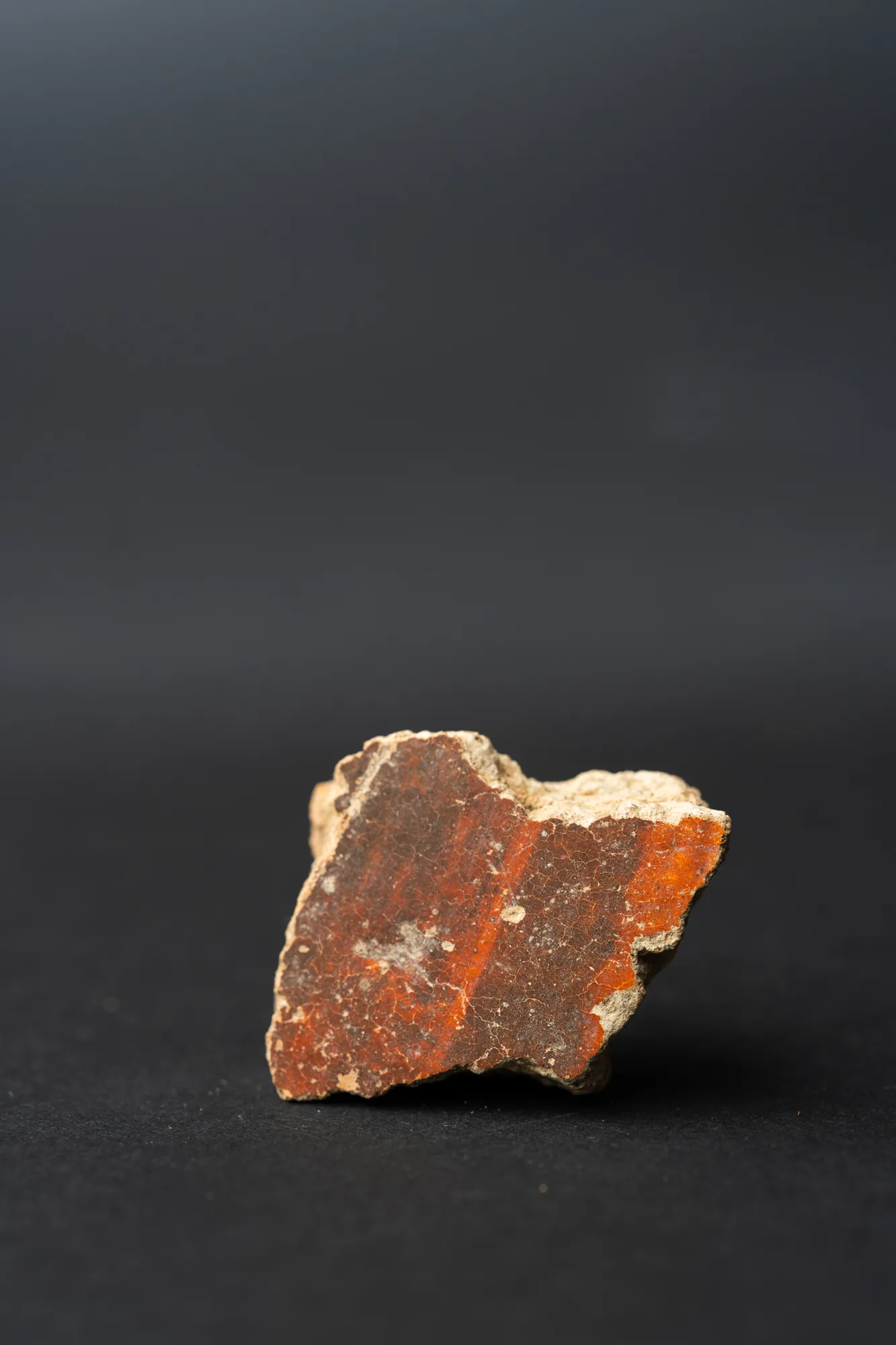
Red Lustrous Ware Body Sherd with Fire-Mottled Slip
Neolithic
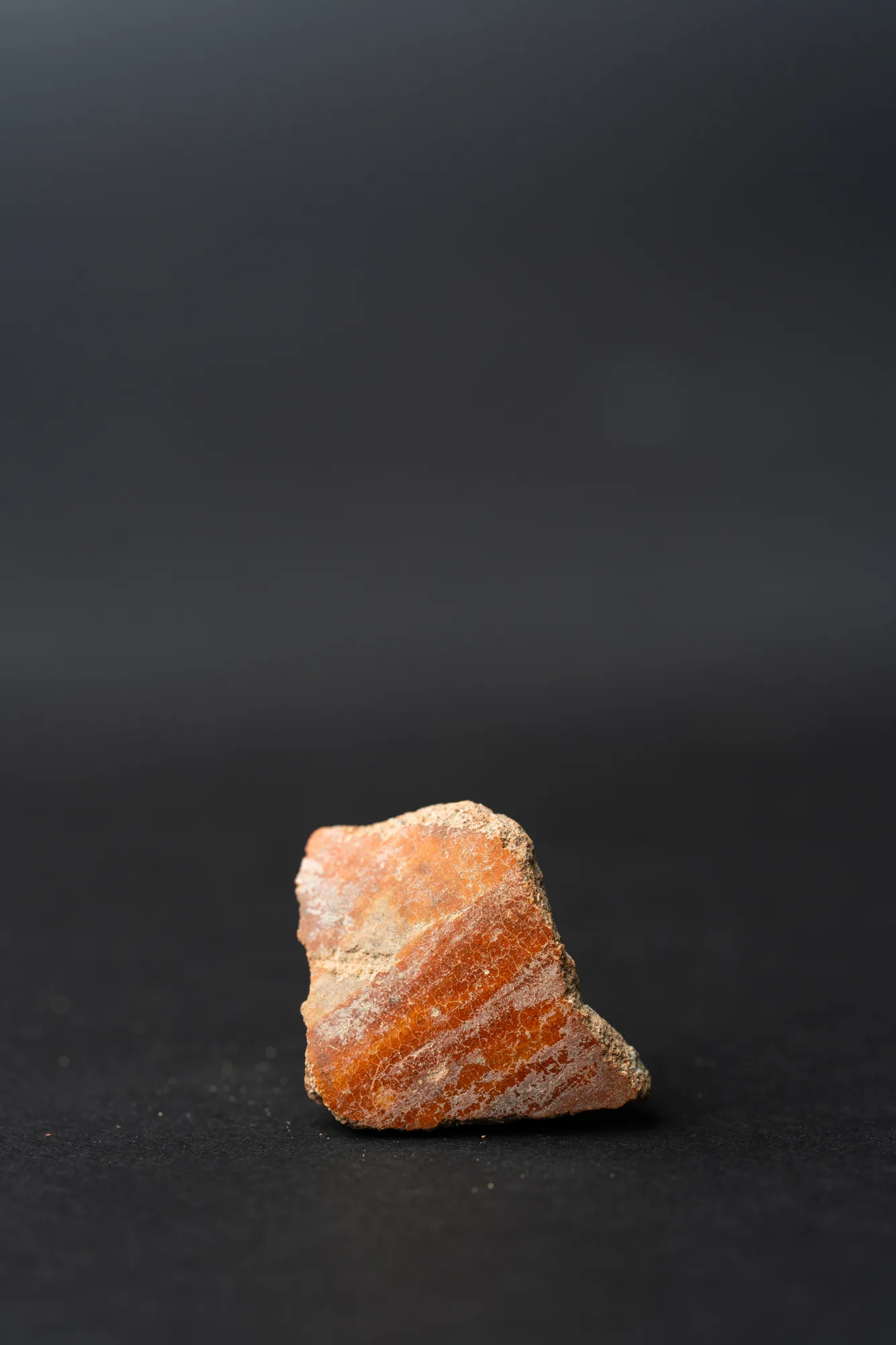
Red Slip Ware Body Sherd with Streaked Slip
Chalcolithic
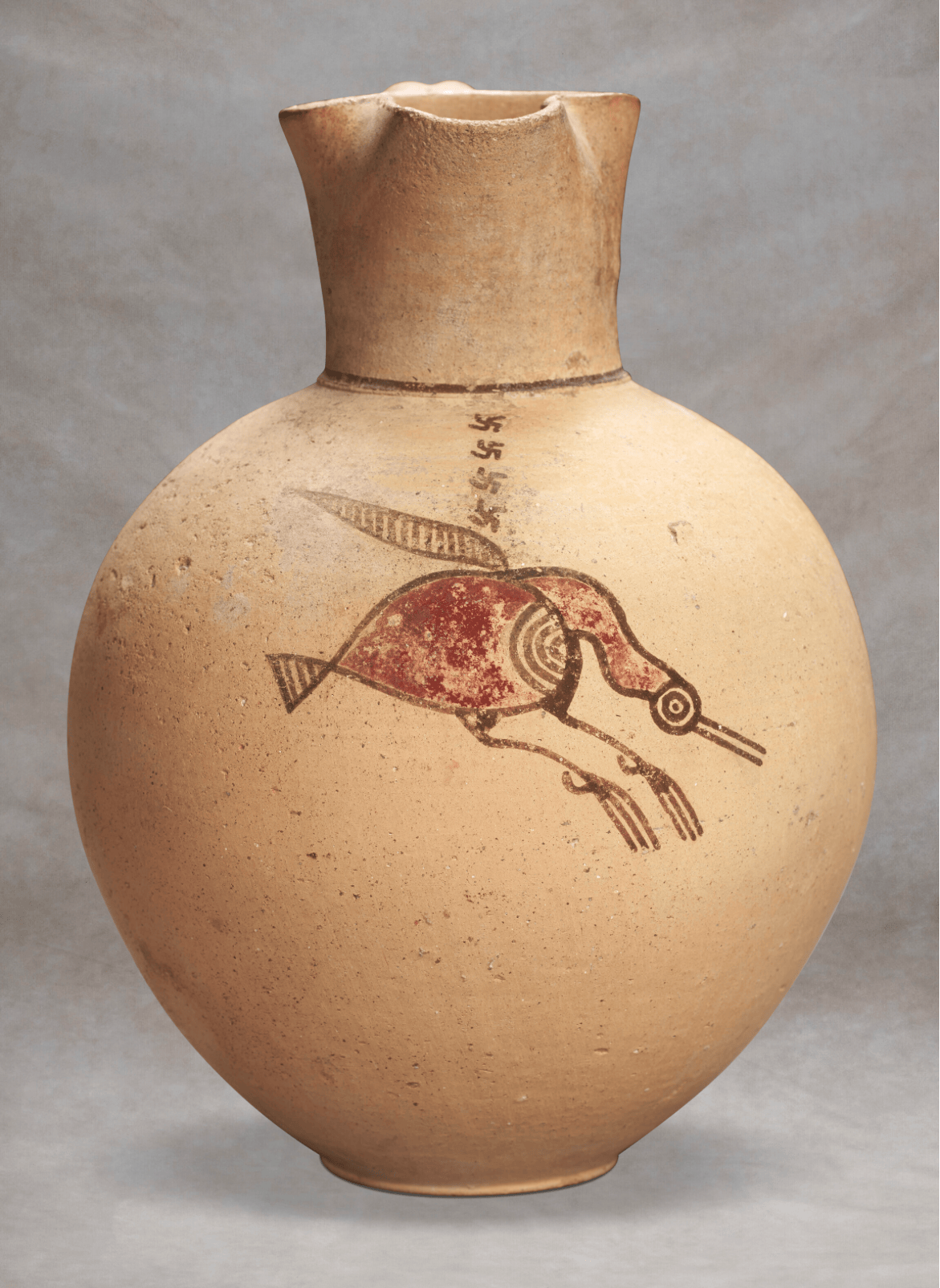
Bichrome Oinochoe
Archaic I
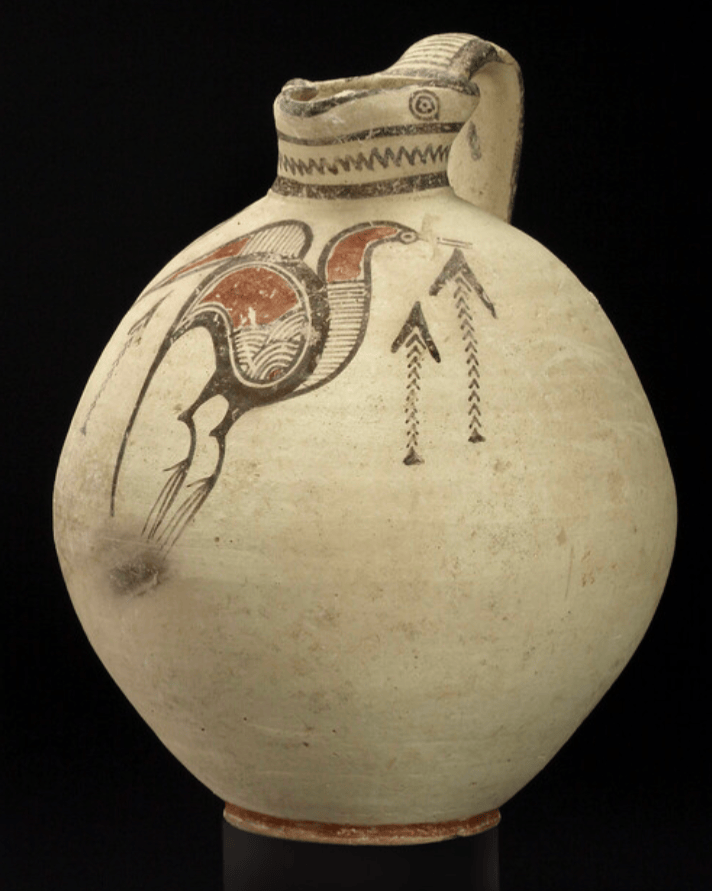
Free-field bichrome jug with image of an Ibis bird and reeds
Archaic
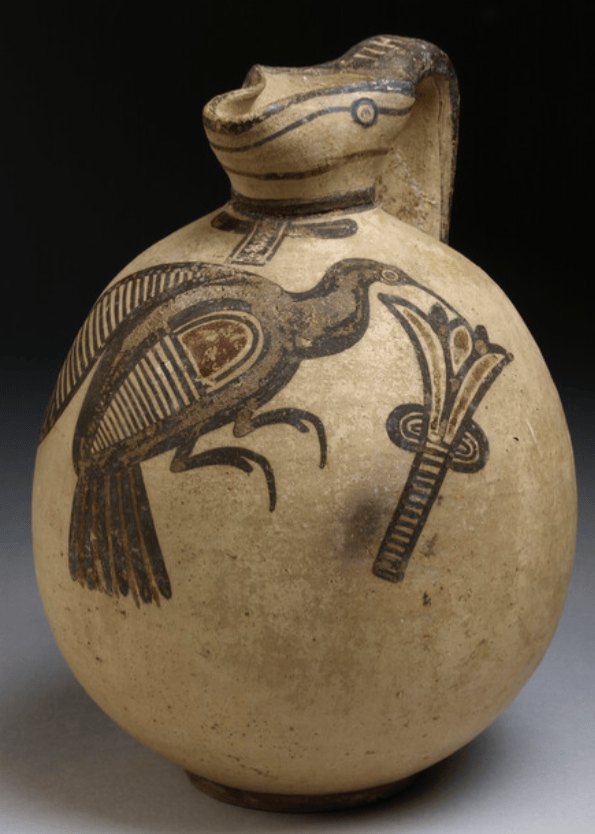
Squat bichrome jug in free-field style with image of bird picking a lotus flower
Archaic
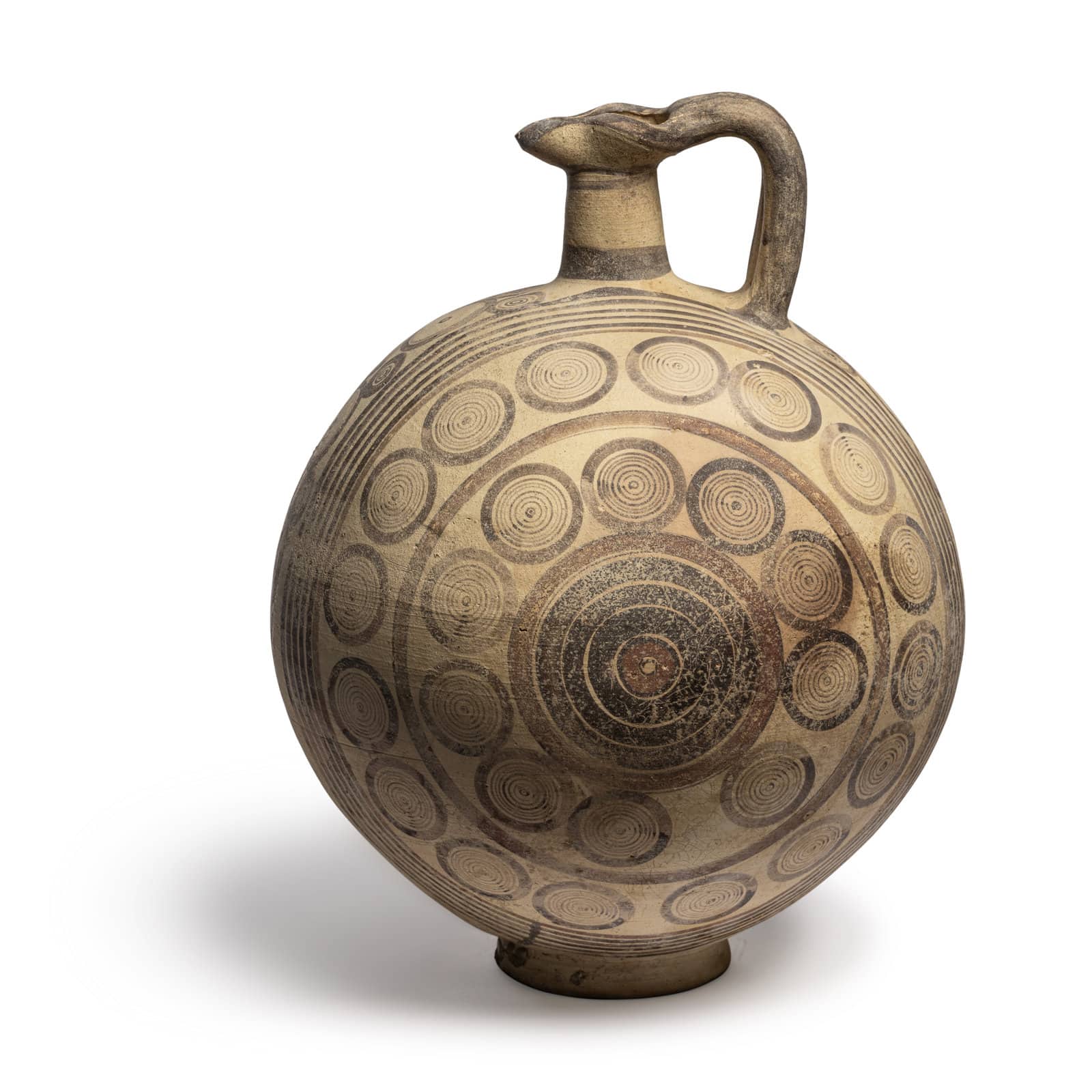
A Cypriot Bichrome-Ware Oinochoe Jug
Archaic I
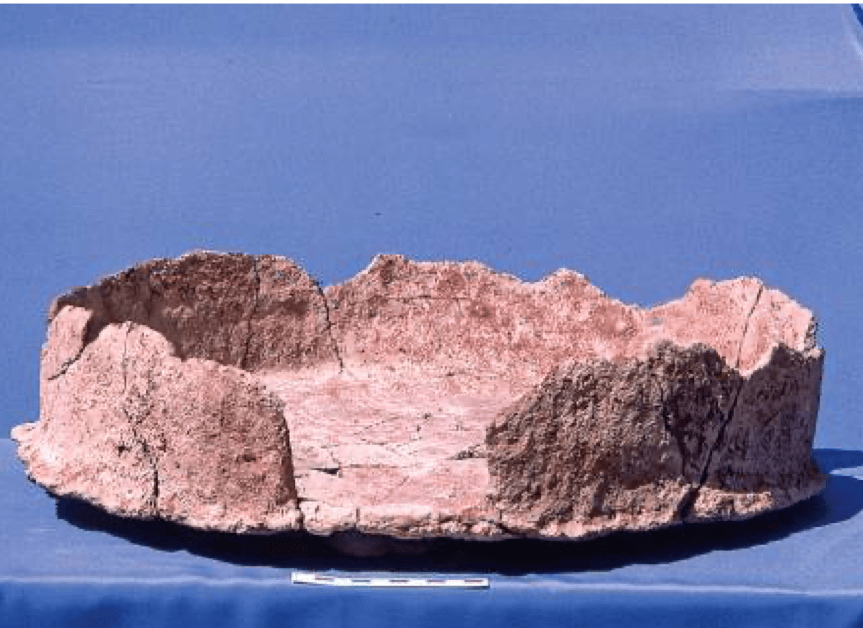
Flanged-base Tray
Chalcolithic
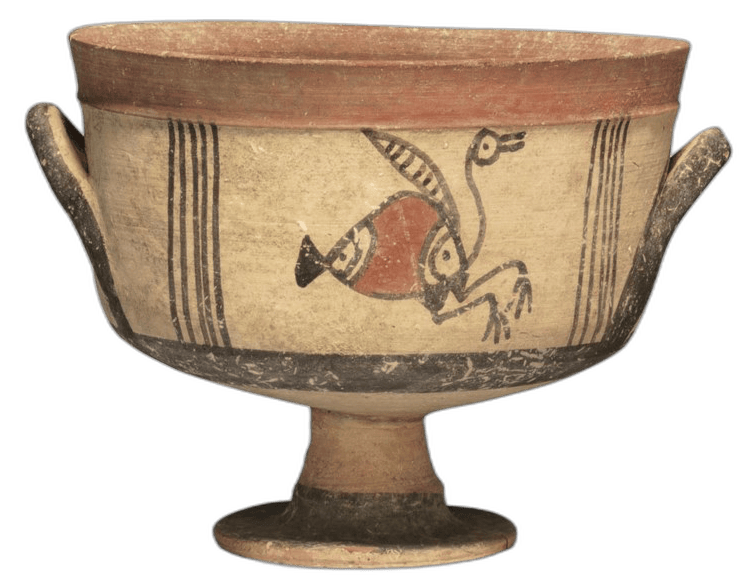
Bichrome Kylix with Bird Free Field Art
Geometric III
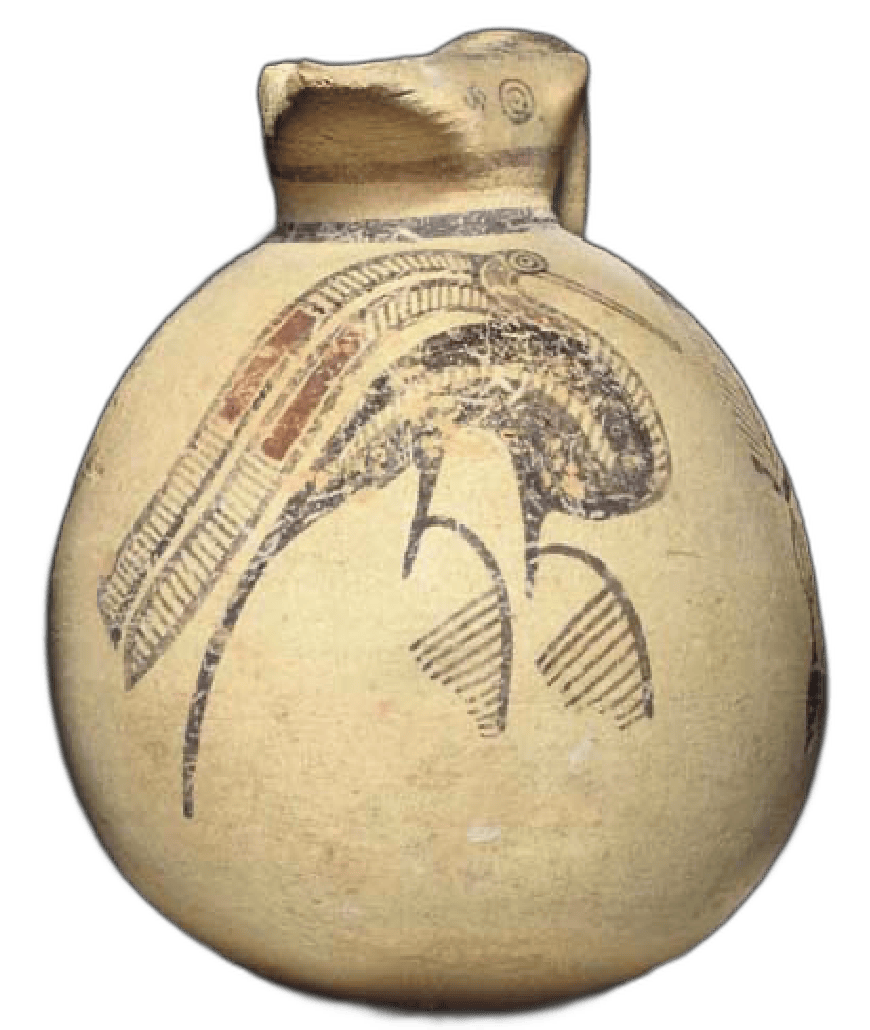
Oinochoe with Free Field Bird
Archaic I
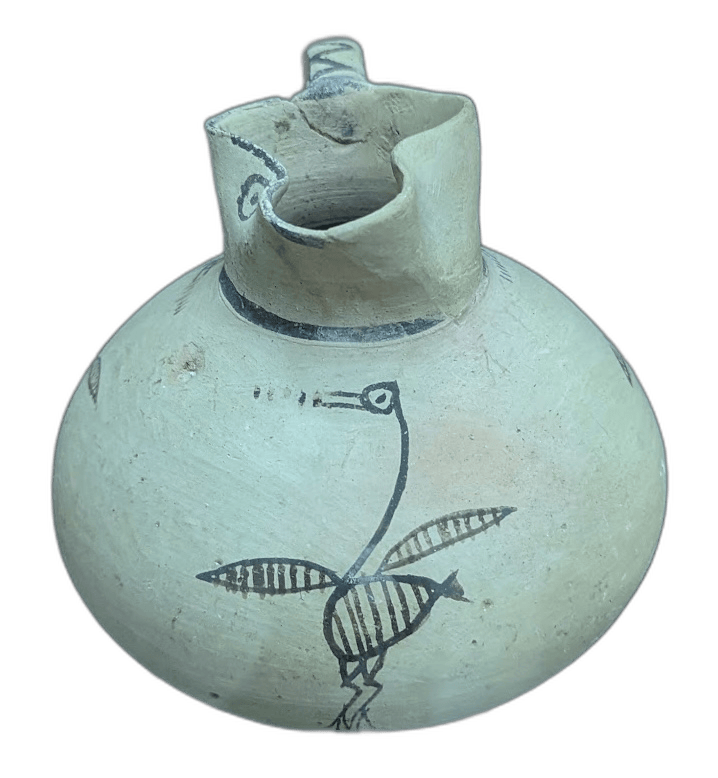
Small Oinochoe with Free Field Bird
Archaic I
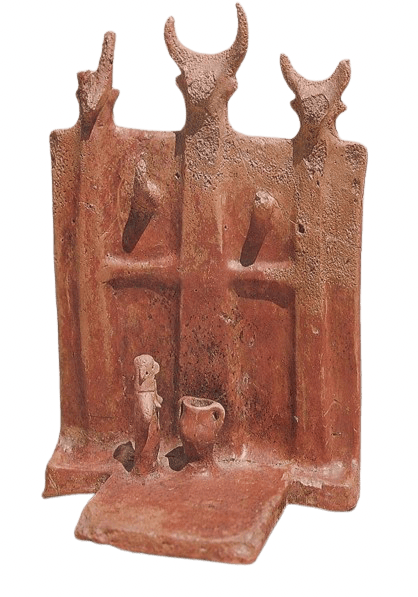
Red Polished Shrine
Middle Bronze Age I
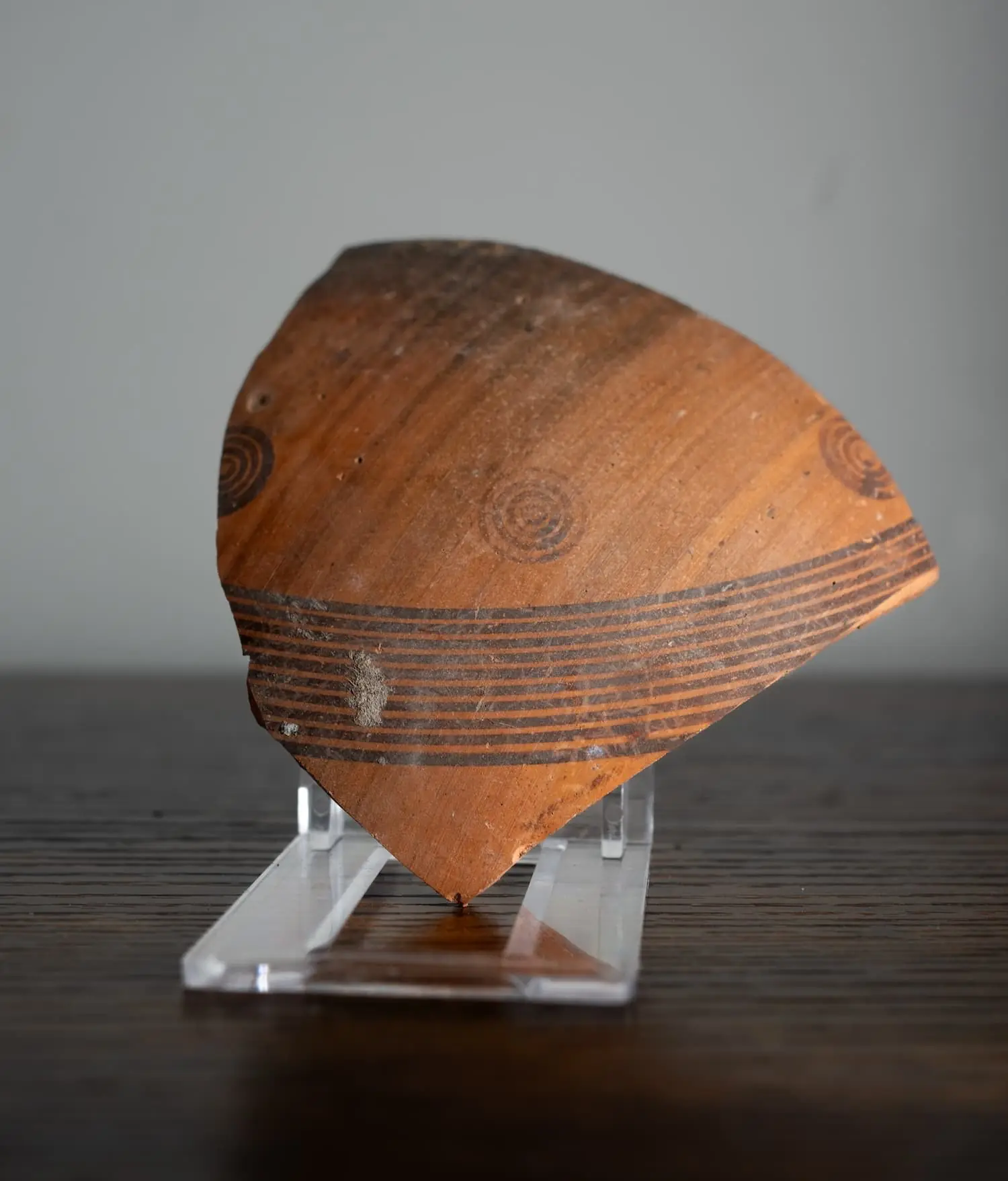
Black-On-Red Geometric Jug Sherd
Geometric II
Bichrome Jug
Geometric
Bichrome Juglet
Geometric
Bichrome Oinochoe
Geometric