
Conference paper·Archaeological Research Unit - University of Cyprus·2017
Honor Frost Foundation Conference: Neolithic to Late Bronze Age Maritime Networks and Piracy
Crystal El Safadi, Duncan Howitt-Marshall, Ezra Marcus, Michele Massa and A. Bernard Knapp
Chapters
About the video
This session from the third day of the 2017 Honor Frost Foundation Conference on Mediterranean Maritime Archaeology, chaired by Timmy Gambin under the theme Connected by the Sea, brings together five papers on prehistoric and Bronze Age seafaring, exchange networks and piracy in the eastern Mediterranean.
Crystal El Safadi presents her doctoral research on the maritime world of the Early Bronze Age Levant. Using GIS modelling that incorporates wind and current speeds and directions alongside the performance of square-sailed vessels, she maps the Levantine Basin as a space deformed by sailing time rather than physical distance. Combining these time-space models with data from 168 coastal sites located within six hours' walk of the sea, she calculates least-cost maritime pathways between Egypt, the Levantine coast, Anatolia and Cyprus, arguing that favourable sailing times help explain why Egypt shifted its maritime trade from the southern Levant to Byblos.
Duncan Howitt-Marshall examines mariners, maritime connectivity and the social practice of sea travel in Early Neolithic Cyprus. Tracing seafaring back to the Late Epipalaeolithic site of Akrotiri-Aetokremnos and coastal foraging sites at Akamas-Aspros and Nissi Beach, he follows the introduction of mainland animals, crops and Cappadocian obsidian at Ayios Tychonas-Klimonas, Parekklisha-Shillourokambos and Akanthou-Arkosykos. He argues that transporting live cattle and procuring obsidian and deep-water fish required skilled wayfinders, large vessels perhaps using early sails, and specialist coastal communities.
Ezra Marcus, presenting joint work with Paula Waiman-Barak, discusses maritime connections in the Levant at the dawn of the Middle Bronze Age. Focusing on the 20th to 19th century BCE phases at Tel Ifshar on the central coastal plain of Israel, he presents petrographic analysis of imported Egyptian vessels, jars from the Akkar plain in northern Lebanon, large northern Levantine pithoi, and handleless cylindrical jars from the Syrian coast. He suggests that these bulky vessels point to direct intra-Levantine cabotage alongside Egyptian trunk routes.
Michele Massa reassesses third-millennium BC maritime exchange between the Aegean, coastal Anatolia, Cyprus and the Levant. Mapping the coastal spread of Near Eastern metrology, sealing practices, faience, ivory and stone vessels, he connects a mid-third-millennium surge in eastern goods, contemporary with the Cypriot Philia phase, to the adoption of the sail and the trade in Aegean, Anatolian and Cypriot metals.
A. Bernard Knapp closes the session by questioning recent scholarship on piracy in the Late Bronze Age eastern Mediterranean. Reviewing ship scenes on pottery from Bademgediği Tepe, Enkomi and Kynos, the Sea Peoples reliefs at Medinet Habu, proposed coastal strongholds such as Maa-Palaeokastro and Pyla-Kokkinokremos, and twenty-five cuneiform and Egyptian texts mentioning the Lukki, the Miši, the men of Arwad and the Šikila, he concludes that no Bronze Age term equates to pirate and that archaeological claims for a distinct culture of piracy remain unproven.
From our collection
Pieces in the Drakopoulos collection of the kinds and periods this talk covers: Faience, Jar, Neolithic.
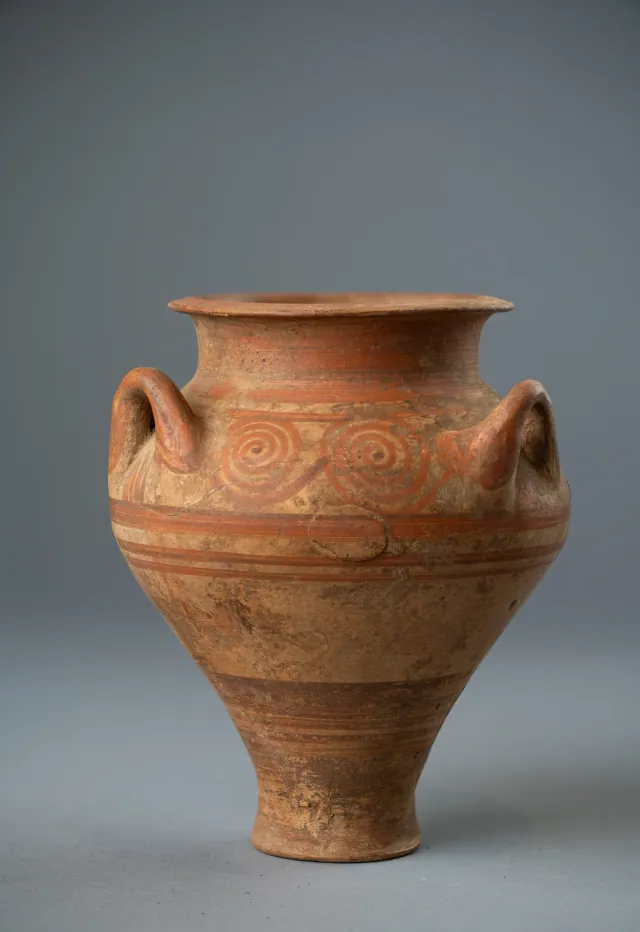
Cypriot Three-Handled Jar in the Mycenaean Style with Running Spirals
Jar
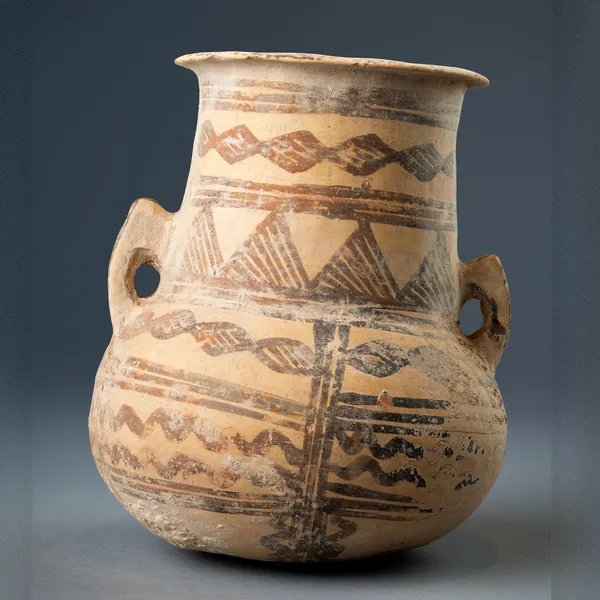
White Painted III-IV Amphora with Lozenge Chains and Hatched Triangles
Jar
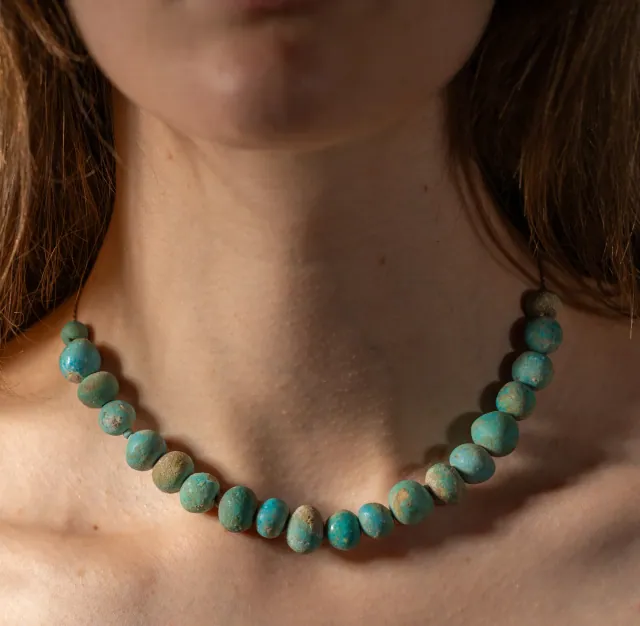
Necklace of Globular Faience Beads
Faience
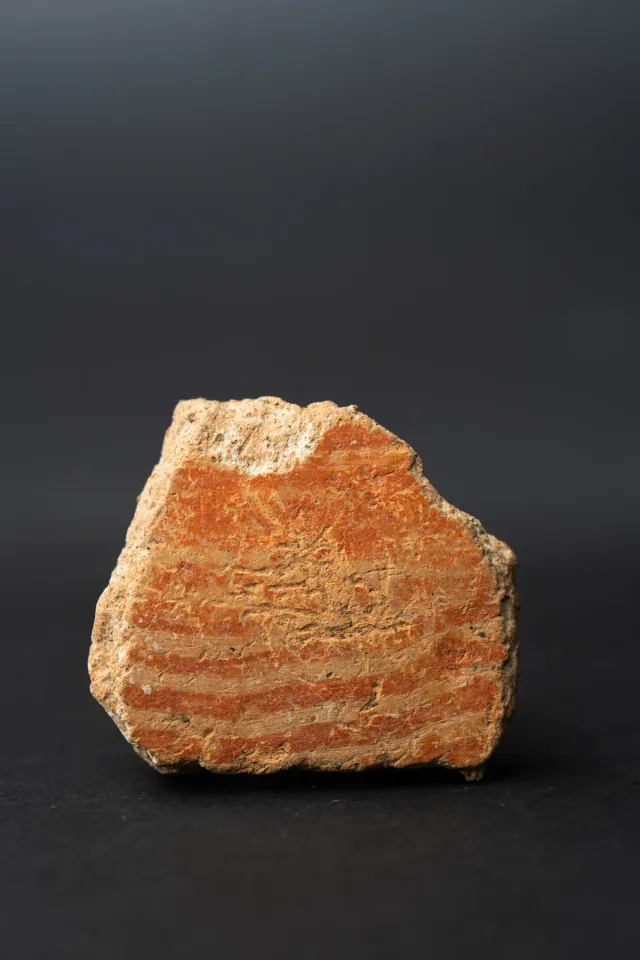
Combed Ware Bowl Fragment with Parallel Bands
Neolithic
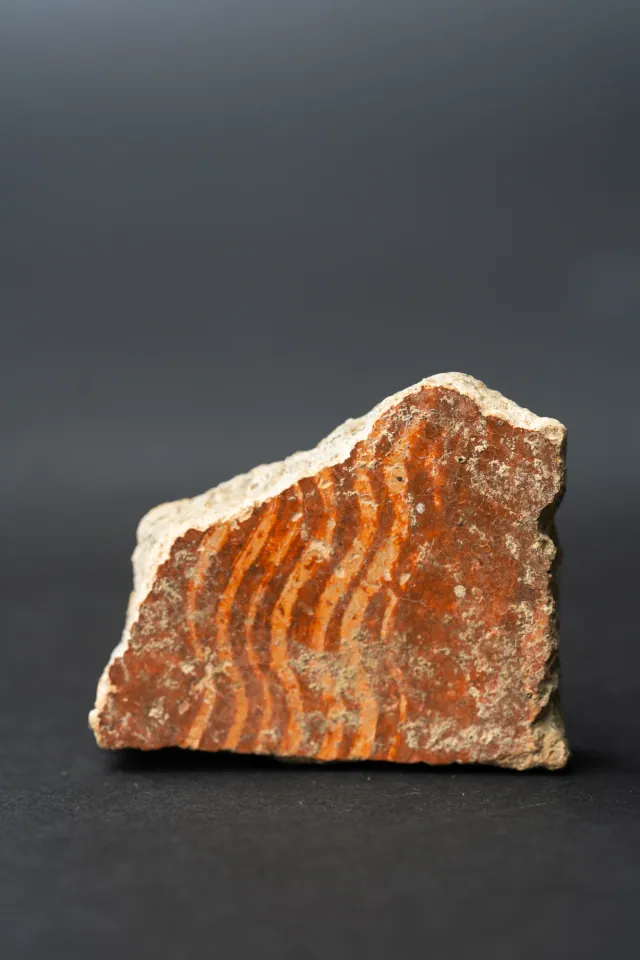
Combed Ware Bowl Fragment with Multiple Wavy Bands
Neolithic
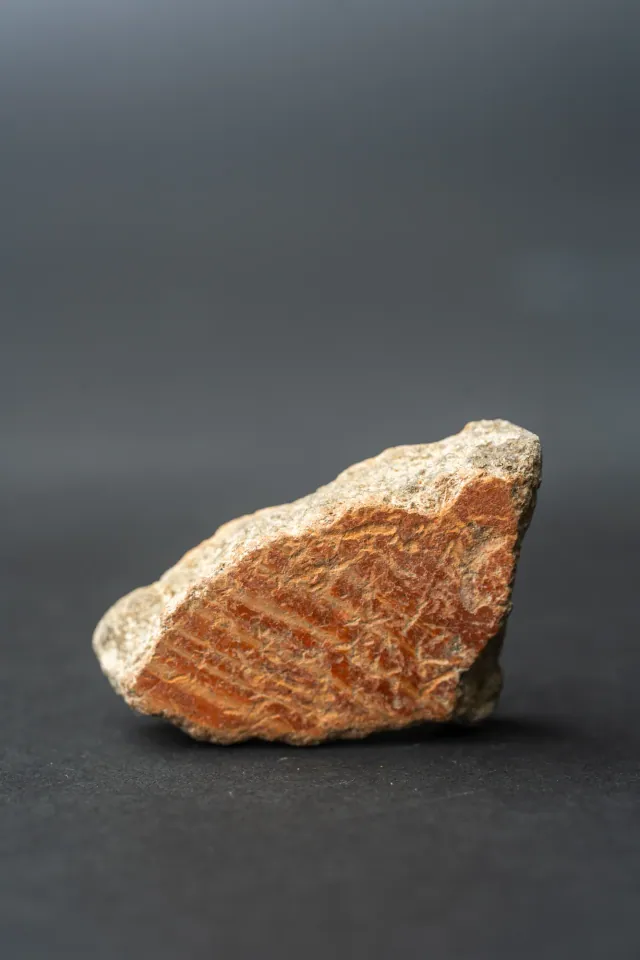
Combed Ware Bowl Fragment with Oblique Bands
Neolithic
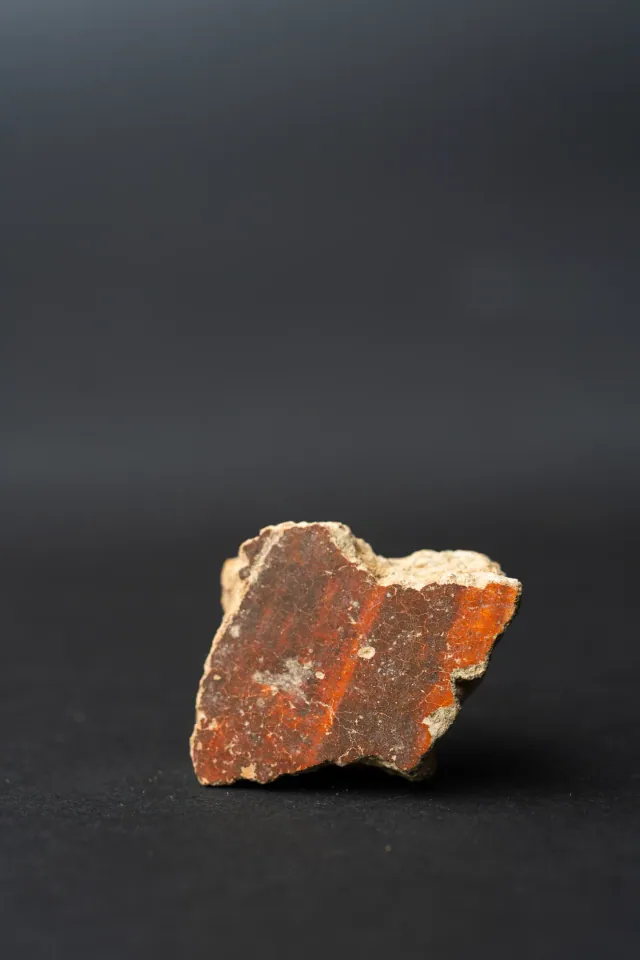
Red Lustrous Ware Body Sherd with Fire-Mottled Slip
Neolithic
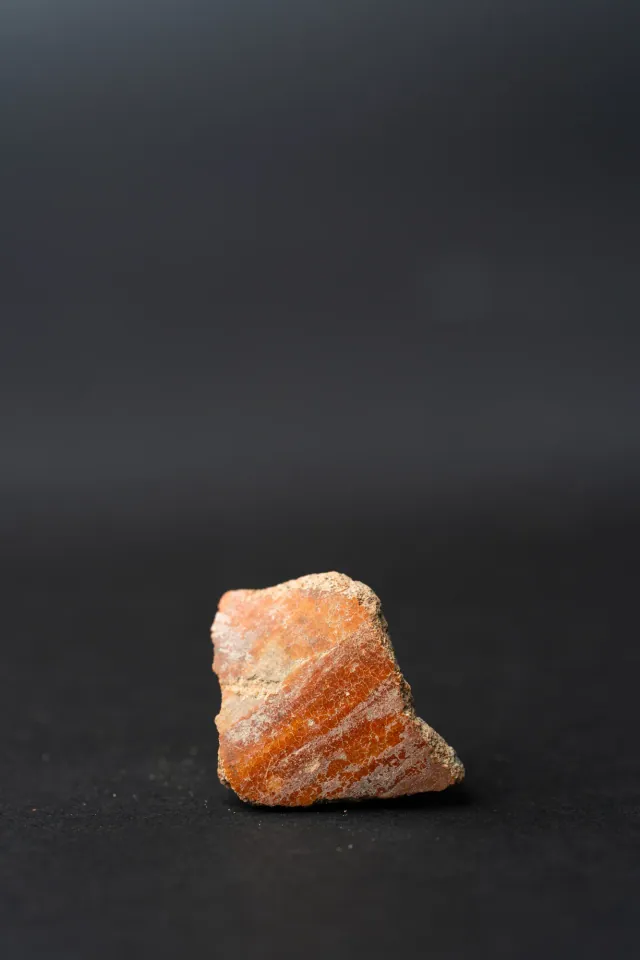
Red Slip Ware Body Sherd with Streaked Slip
Neolithic
Background
Where to read more on this site before or after watching.
In the compendium
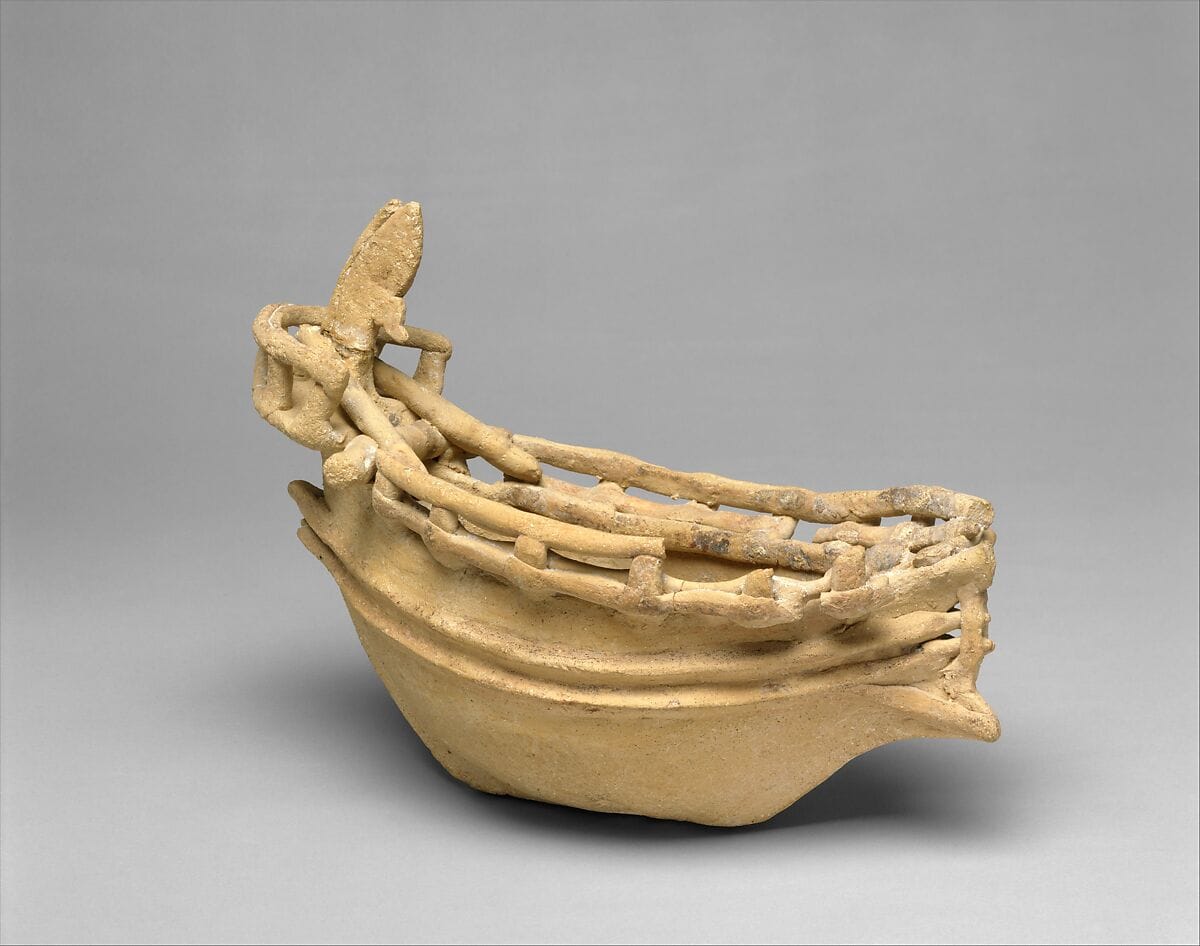
Seafaring and Ships in Ancient Cyprus
The evidence for boats and seafaring around Cyprus from the first crossings to the Classical period, from anchors, models and graffiti to wrecks and shipsheds.
In the compendium
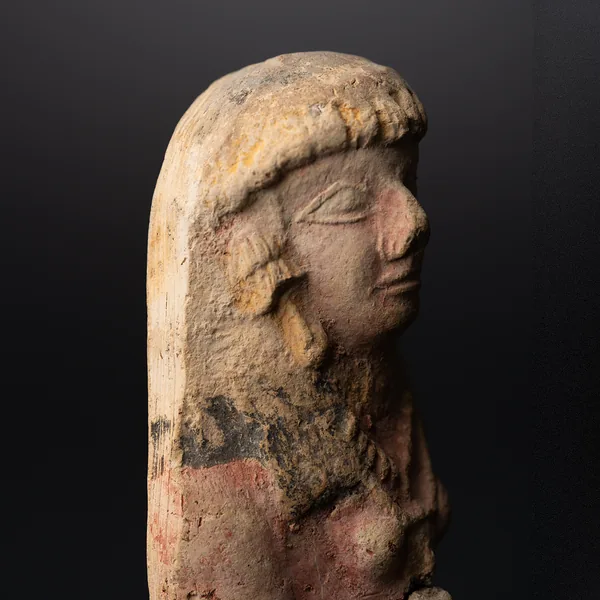
Egypt
Ancient Egypt, Cyprus's partner in copper, pottery and prestige goods from the Middle Kingdom to the Ptolemies, who annexed the island.

In the compendium
Ugarit and the Levant
The Syrian port kingdom of Ugarit and the wider Levantine coast, Cyprus's closest Bronze Age trading partners across the water.
The period
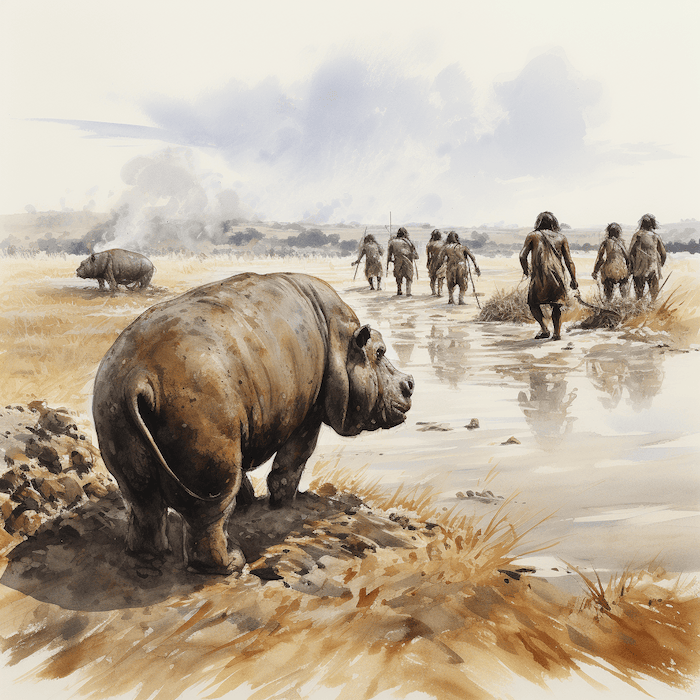
Cyprus Before Humans
Pleistocene Cyprus, an oceanic island of dwarf hippos, dwarf elephants, a genet and an endemic mouse, and its first human visitors at Akrotiri-Aetokremnos.
Map of Cyprus
Places discussed in the talk
- Ground above 200, 500, 1,000 m
Places
- 1Akrotiri-Aetokremnos
- 2Akamas-Aspros (approx.)
- 3Nissi Beach (approx.)
- 4Ayios Tychonas-Klimonas (approx.)
- 5Parekklisha-Shillourokambos (approx.)
- 6Akanthou-Arkosykos (approx.)