
Keynote·Archaeological Research Unit - University of Cyprus·2022
1st Graduate Forum for Mediterranean Archaeology: Merchants and mercantile elites in Late Bronze Age Cyprus
Chapters
About the lecture
This opening session of the 1st Graduate Forum for Mediterranean Archaeology at the University of Cyprus begins with welcome addresses from Stella Demesticha and Athanasios Vionis, followed by A. Bernard Knapp's keynote lecture on the emergence and role of merchants in the Late Bronze Age, based on a paper co-authored with Nathan Meyer and dedicated to the memory of Edgar Peltenburg and Vassos Karageorghis.
Knapp challenges the view that Cyprus lacked a mercantile class comparable to that of Ugarit simply because the island has not yielded comparable merchant archives. After reviewing scholarly models of the Late Cypriot political economy by Susan Sherratt, Sturt Manning, and Peltenburg, he outlines the cuneiform evidence from Ugarit and Tell el-Amarna. Letters from the Late Bronze Age king Kushmeshusha to Ugarit and the earlier Amarna correspondence from Alashiya to Egypt, particularly letters EA 35, 39, and 40, show a Cypriot king dispatching copper and timber and claiming authority over merchants and ships.
Turning to the material record, Knapp argues that the contextual association of balance weights, scale pans, cylinder seals, writing styli, and imported goods identifies individuals engaged in trade. He surveys Late Cypriot I burials containing such assemblages at Enkomi, Morphou Toumba tou Skourou, and Ayia Irini, drawing on work by Jennifer Webb and Enrico De Benedictis to show that north-western Cyprus was integrated into Eastern Mediterranean weighing and record-keeping systems early in the period. He then examines settlement structures and harbour facilities with similar finds or storage capacities across the island: Building III and the monumental complexes at Kalavasos-Ayios Dhimitrios, the anchorages and storage buildings at Tochni-Lakkia and Maroni-Tsaroukkas, Buildings II and III at Maa-Palaeokastro, City Quarter 4 and Building C at Hala Sultan Tekke, Temple 1 with its engraved ship graffiti at Kition, Pit 220 at Enkomi, and wells at Kouklia-Evreti.
In the final part of the lecture, Knapp proposes an interpretative framework in which growing overseas demand for copper, alongside the commercialised export of White Slip and Base Ring pottery, textiles, and bronze stands, gave rise to new economic actors alongside existing ruling elites. Comparing the fragmentation of power among competing factions at 13th-century BC Enkomi with the consolidation of elite authority at Maroni, he concludes that private merchants operating out of institutionalised households formed a distinct class on Cyprus and laid the groundwork for the regionalism of the Early Iron Age.
From our collection
Pieces in the Drakopoulos collection of the kinds and periods this talk covers: Base Ring ware, White Slip ware, Late Cypriot (Late Bronze Age).
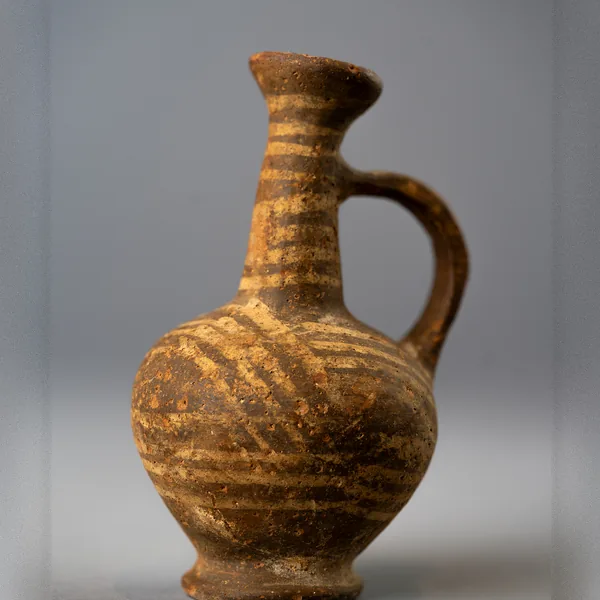
Base Ring II Bilbil Juglet with White-Painted Bands
Base Ring ware
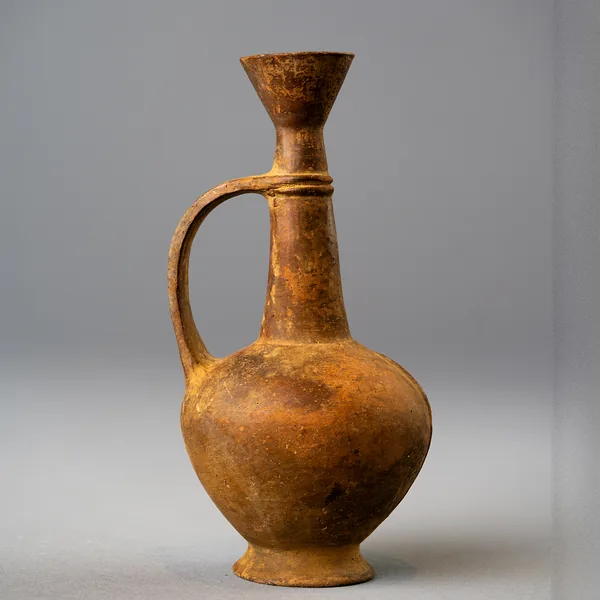
Base Ring Bilbil Juglet with Funnel Mouth and Neck Ridge
Base Ring ware
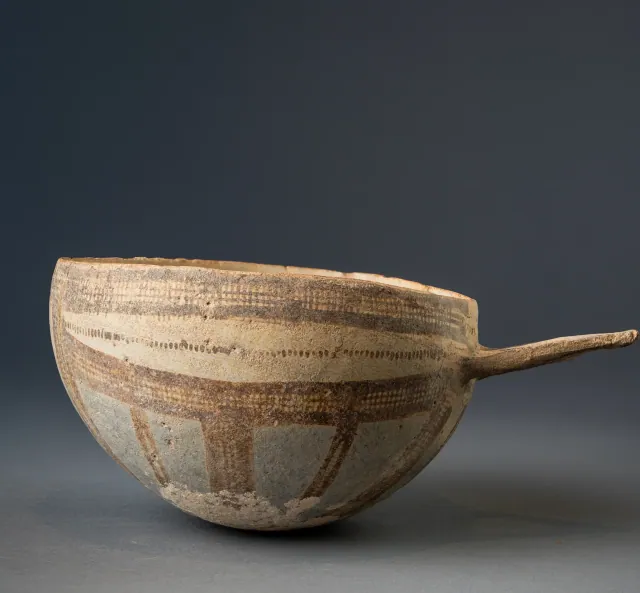
White Slip II Hemispherical Bowl with Wishbone Handle
White Slip ware
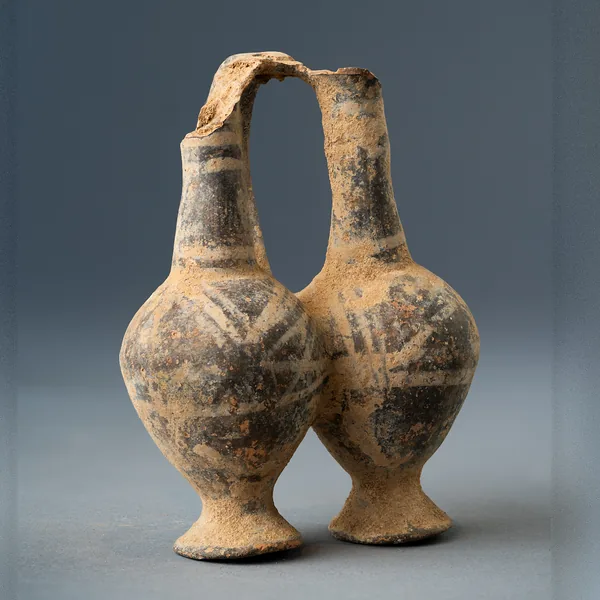
Base Ring II Double Juglet with White-Painted Decoration
Base Ring ware
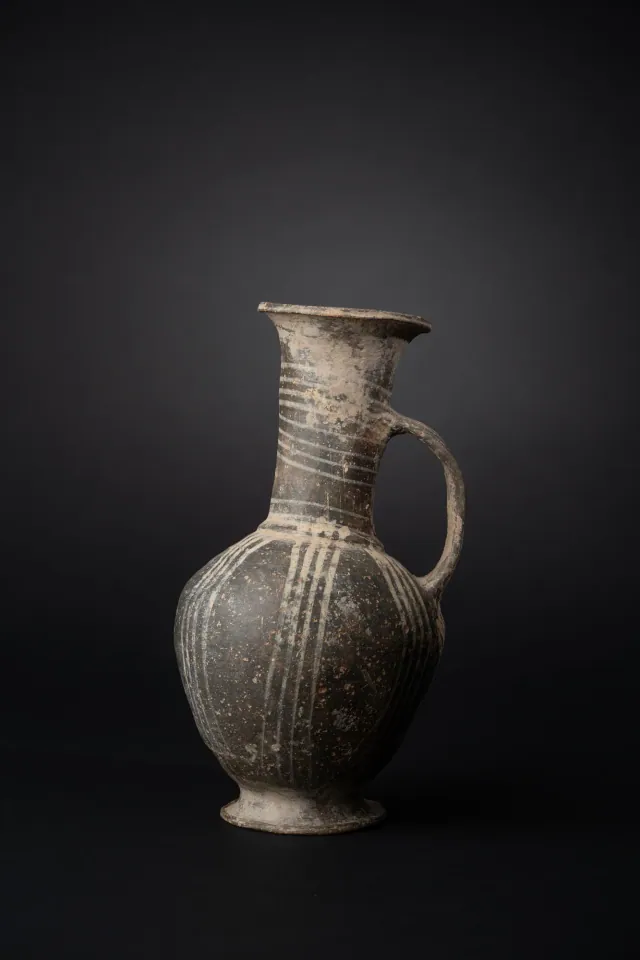
Base Ring II Jug with White-Painted Lattice Bands
Base Ring ware
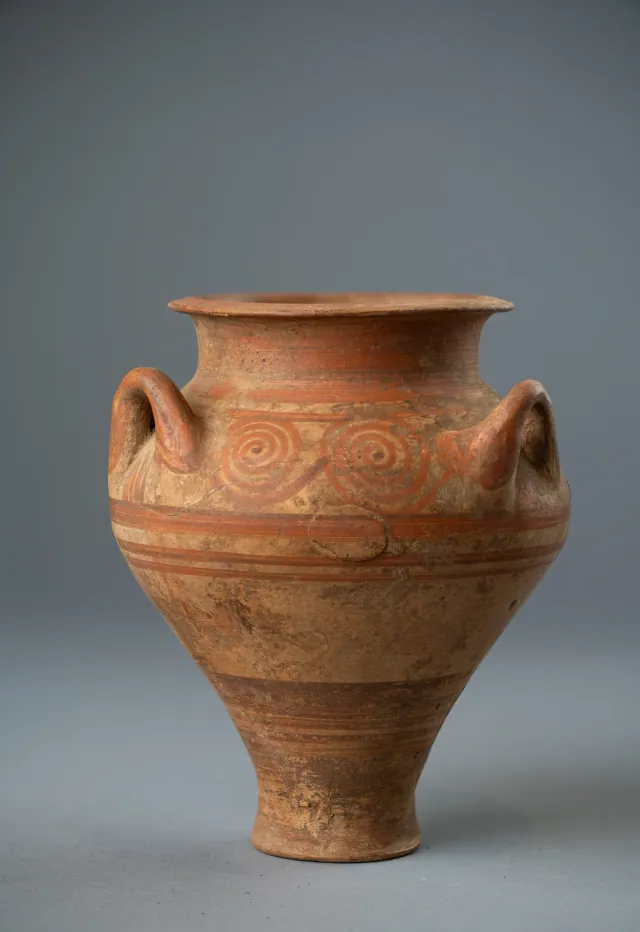
Cypriot Three-Handled Jar in the Mycenaean Style with Running Spirals
Late Cypriot (Late Bronze Age)
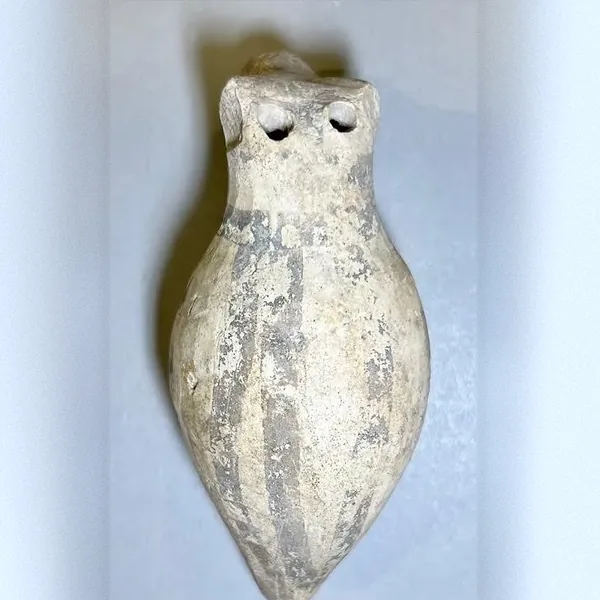
White Painted VI Owl-Headed Rattle
Late Cypriot (Late Bronze Age)
Found at the places discussed
Objects in our catalogue, in museum collections, recorded as found at these sites.


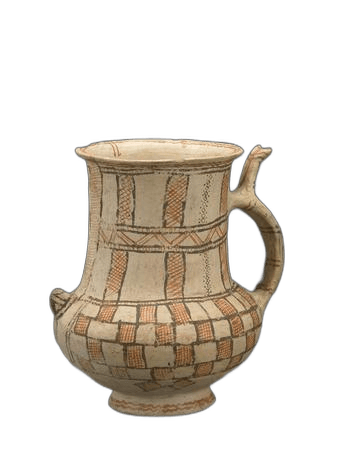
Background
Where to read more on this site before or after watching.
The site
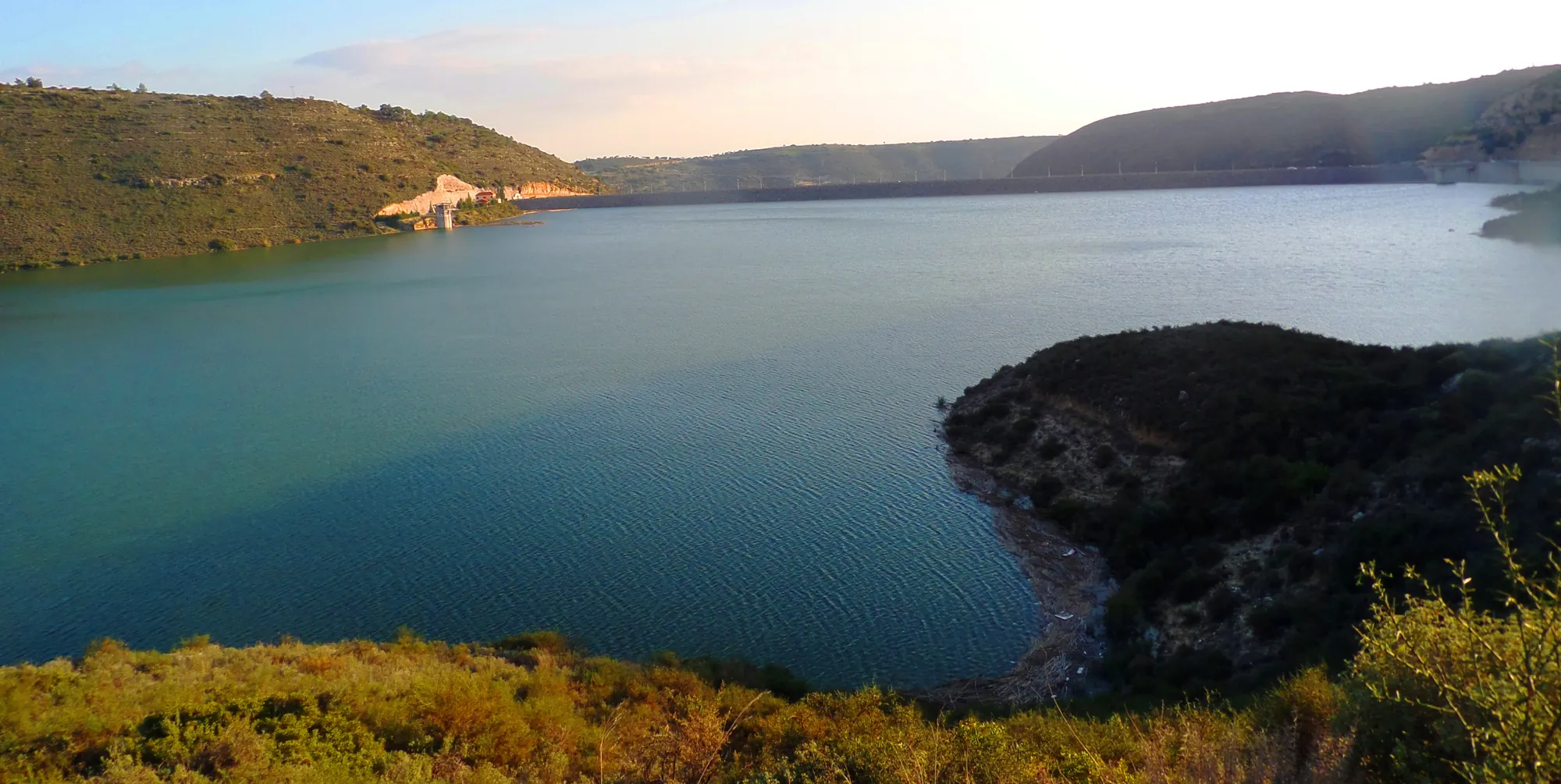
Alassa
A Late Bronze Age town in the Kouris valley, found in 1983 during survey ahead of the Kouris dam and excavated by Sophocles Hadjisavvas for the Department of Antiquities from 1984 to 2000. Its upper quarter at Paliotaverna has the largest ashlar building of the period on Cyprus; houses and tombs lie downslope at Pano Mandilaris.
In the compendium
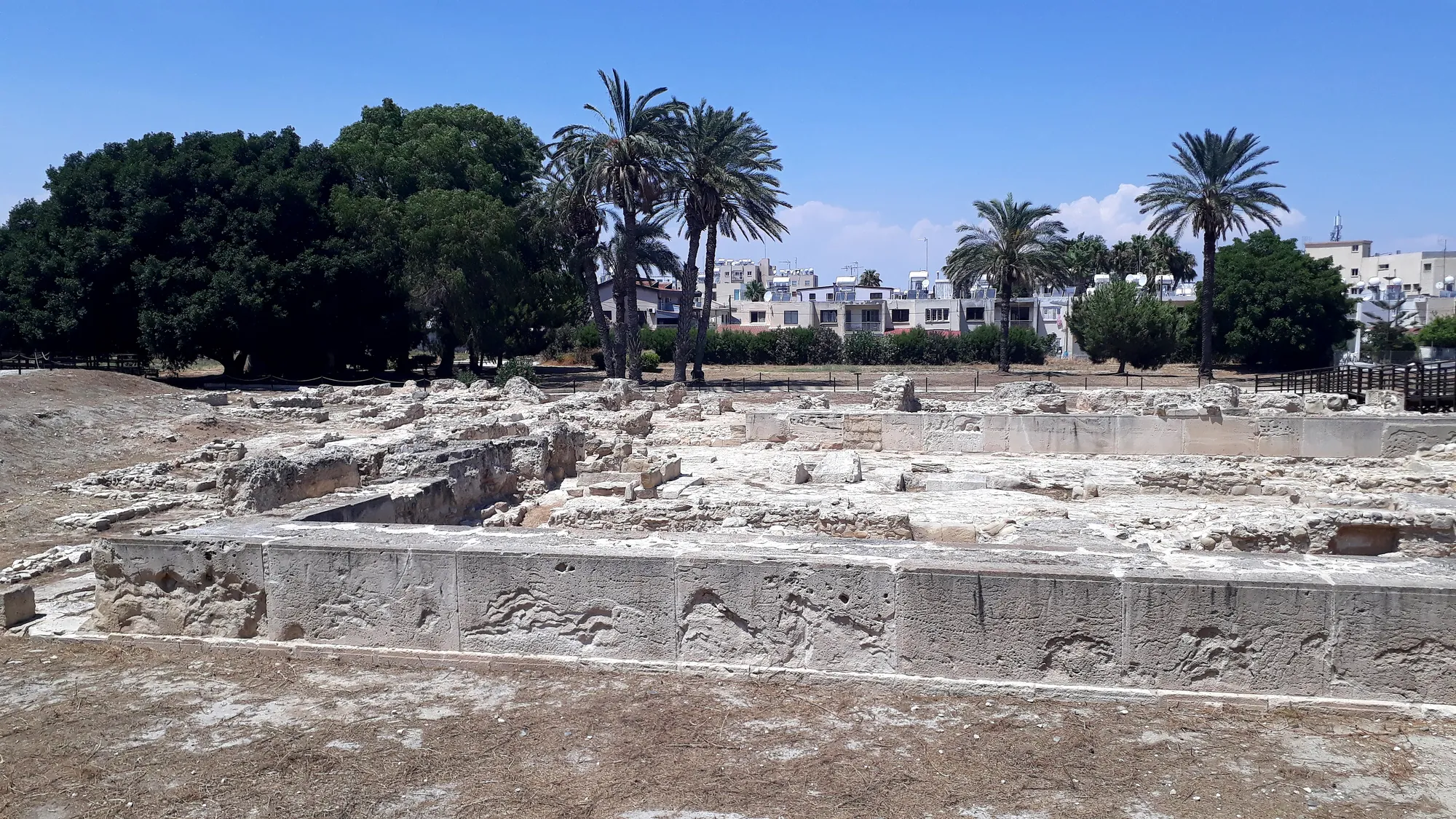
Ashlar Masonry
Squared, dressed stone used on Cyprus from about 1500 BC for gateways, tombs and the largest buildings of the Late Bronze Age towns, set below walls of mudbrick.
In the compendium
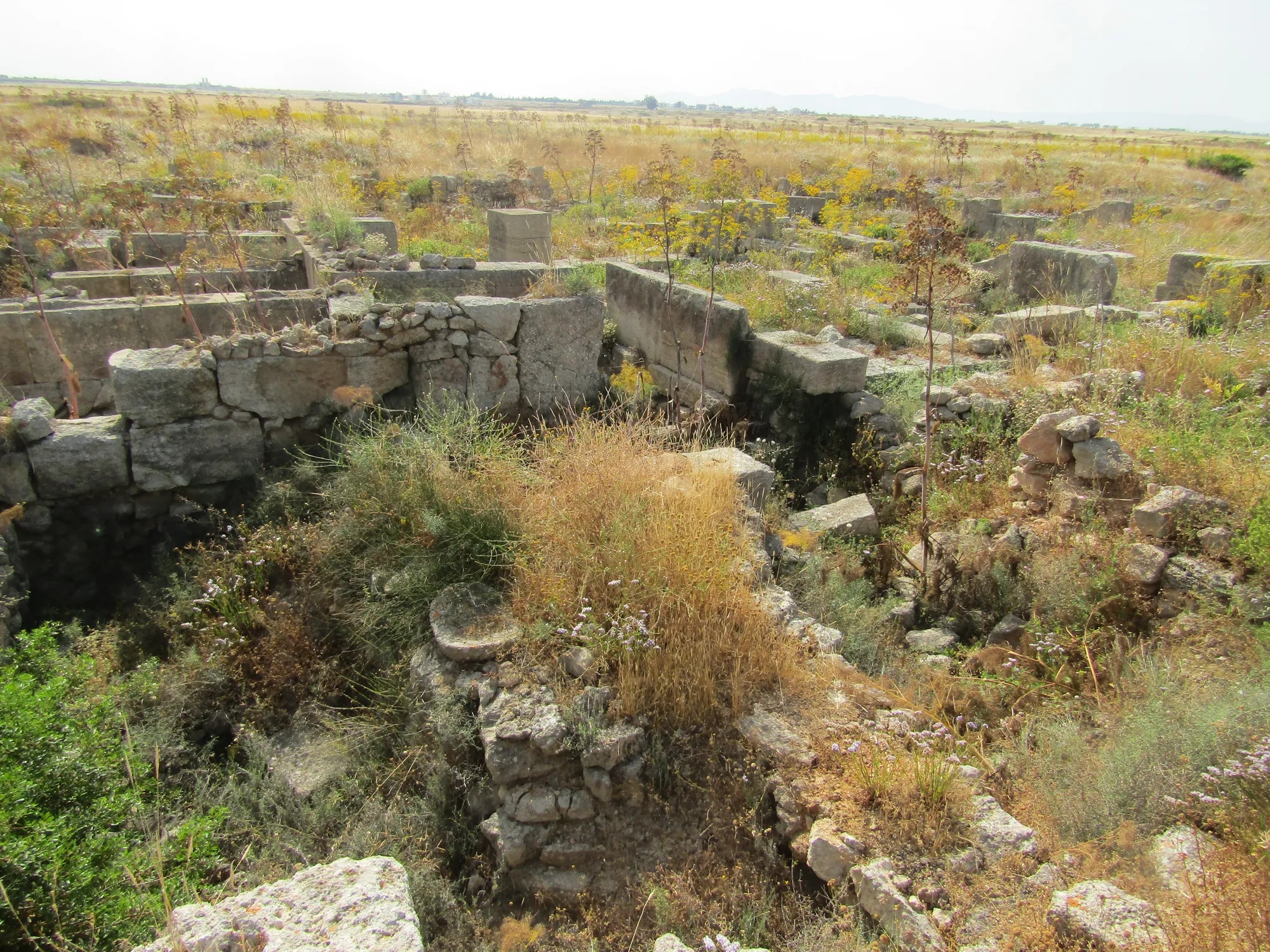
Late Bronze Age Towns and Buildings
How Late Bronze Age Cyprus built its first towns: street grids, large ashlar buildings with storage halls, courtyard houses, and the short-lived settlements of the twelfth century.
In the compendium
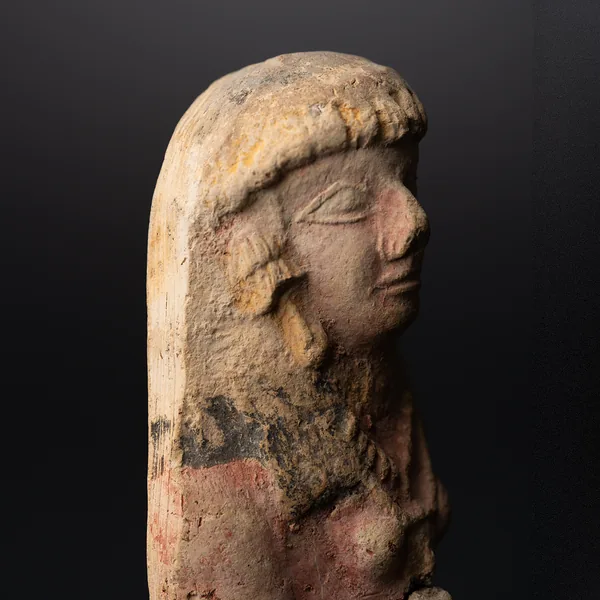
Egypt
Ancient Egypt, Cyprus's partner in copper, pottery and prestige goods from the Middle Kingdom to the Ptolemies, who annexed the island.
Map of Cyprus
Places discussed in the talk
- Has a page on this site
- Other places
- Ground above 200, 500, 1,000 m
Places
- 1Alassa
- 2Apliki (approx.)
- 3Enkomi
- 4Hala Sultan Tekke
- 5Kalavasos-Ayios Dhimitrios
- 6Kition
- 7Maa-Palaeokastro
- 8Maroni
- 9Palaepaphos
- 10Tochni-Lakkia (approx.)
- 11Toumba tou Skourou