
Conference paper·CAARI Cyprus·2020
Official German excavations in Cyprus, 1870–1914
Chapters
About the video
Stephan Schmid examines whether there was an official German policy toward the archaeology of Cyprus between 1878 and the outbreak of the First World War, looking back also to 1870. Defining an official mission as fieldwork backed by a German state institution and a government excavation permit, he sets aside the earlier travels of Ludwig Ross in 1845 and Carl Friederichs in 1869, as well as the many excavations that Max Ohnefalsch-Richter conducted for private sponsors such as Charles Watkins.
Ohnefalsch-Richter arrived in Cyprus in 1878 with a recommendation from Chancellor Count Bismarck. In an 1881 letter to the Chief Secretary, Falkland Warren, he claimed that Alexander Conze and Ernst Curtius in Berlin had backed his proposal to excavate Salamis for the German Empire, before the Larnaca commissioner Claude Cobham ruled it out. The first official German permit came in 1889, granted to Richard Schöne for the Royal Berlin Museums. Although the permit initially targeted Idalion, provoking protests in London at the Society for the Promotion of Hellenic Studies and disputes over the eastern acropolis, the 1889 campaign was redirected to Tamassos, where Ohnefalsch-Richter discovered the royal tombs.
A second official campaign followed in 1894, after Emperor William II granted Ohnefalsch-Richter 25,000 marks in 1893 for his planned monograph on Tamassos and Idalion and for fieldwork on behalf of the Prussian government. Negotiations now passed through the British Foreign and Colonial Offices and the German Embassy. Supervised on site by Adolf Furtwängler, Ohnefalsch-Richter excavated on the eastern acropolis, in the necropolises, and at the sanctuary of Aphrodite at Idalion, with work also at Tamassos.
The third and last official enterprise before 1914 took place in 1910 under the new Cyprus Commission of the Royal Academy of Sciences in Berlin. Directed by Robert Zahn of the Berlin Museums, with Jerome Peristianis as government overseer and without Ohnefalsch-Richter, whose photography permit was revoked, the mission excavated the sanctuary at Rantidi.
Looking back to 1870, Schmid presents a letter from the orientalist Paul Schröder to Justus Olshausen in the Prussian ministry, noting how Luigi Palma di Cesnola and Robert Hamilton Lang bought up peasant finds and urging Berlin to appoint an archaeologist-consul in Cyprus. Schmid concludes that although Germany mounted more official fieldwork than any foreign power other than Britain before the Swedish Cyprus Expedition of 1927, its commitment remained limited because of Ohnefalsch-Richter's difficult personality and competition for funds from major German excavations such as Pergamon and Zincirli (Sinjirli), which scholars such as Theodor Mommsen favoured.
Background
Where to read more on this site before or after watching.
The site
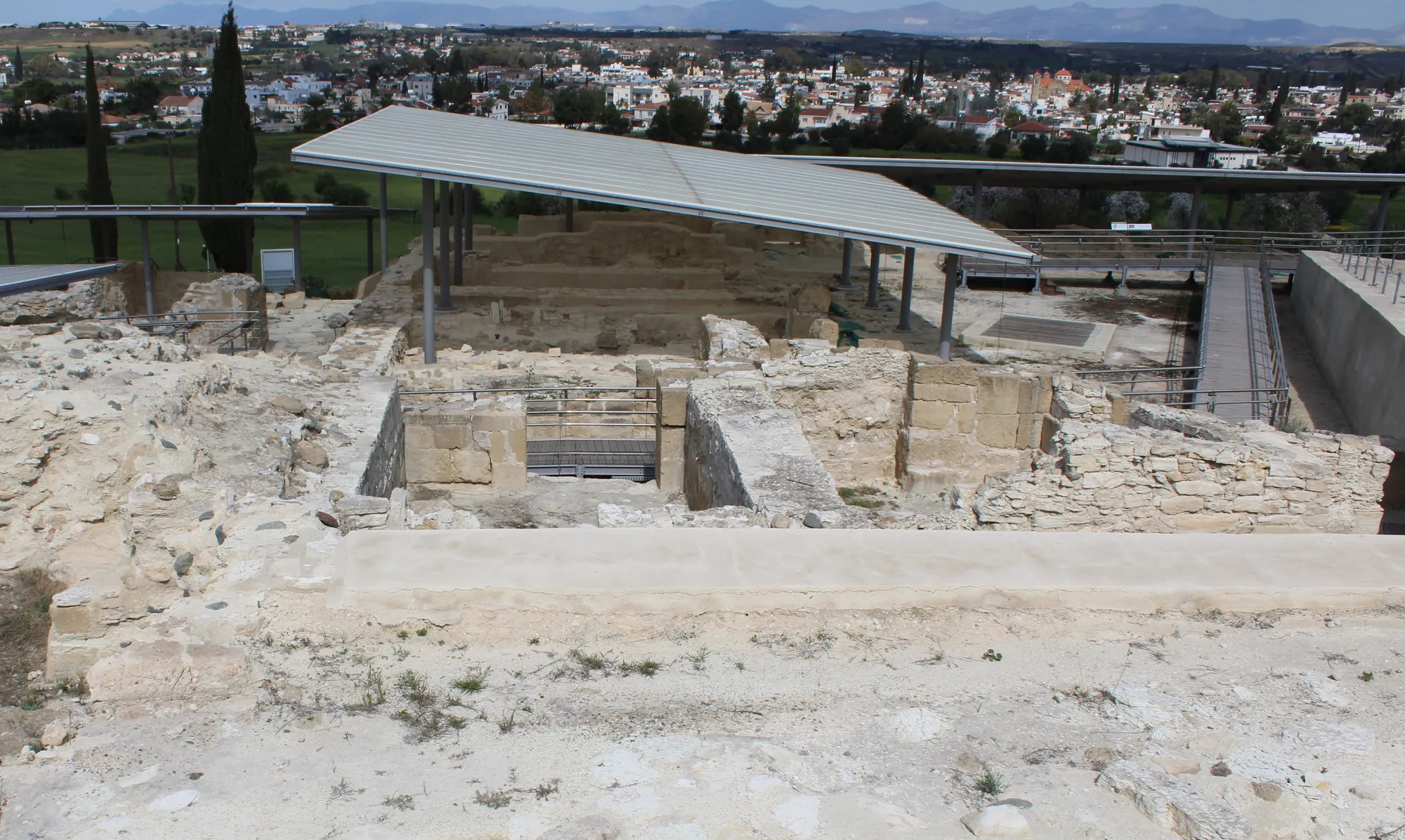
Idalion
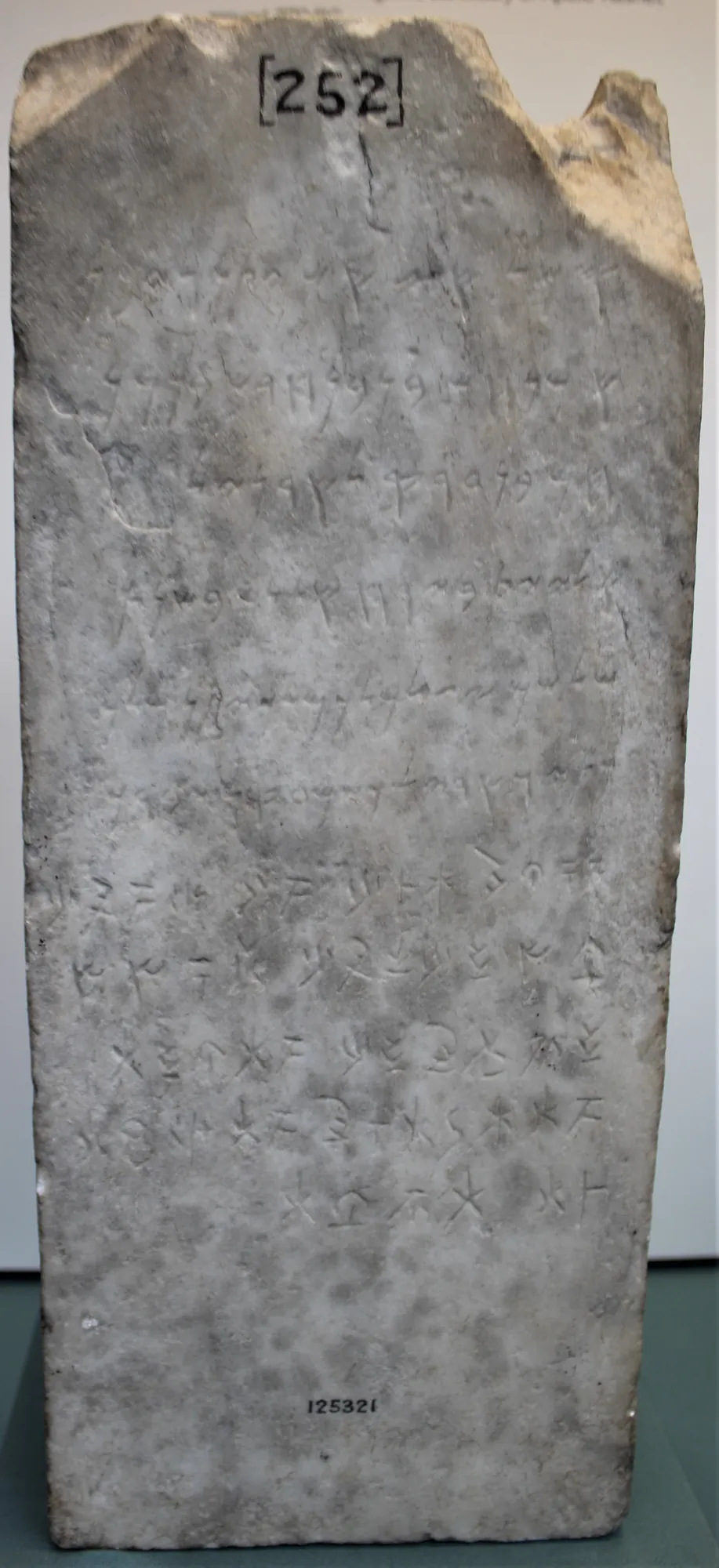
Idalion is an inland city-kingdom of Iron Age Cyprus at the modern village of Dali, built round two limestone acropoleis and a walled lower city on the Yialias river. Its bronze tablet, the longest known text in the Cypriot syllabary, records a siege of the city in the first half of the 5th century BC; soon afterwards Idalion passed to the Phoenician kings of Kition, whose administrative archive was found on the west terrace.
In the compendium
Max Ohnefalsch-Richter: Excavator, Dealer and the Divided Finds of British Cyprus
The German excavator whose finds left British Cyprus lawfully through the division of finds of 1880 to 1895, the patrons he dug for, the sales of 1887 and 1896, and the record he left.
In the compendium
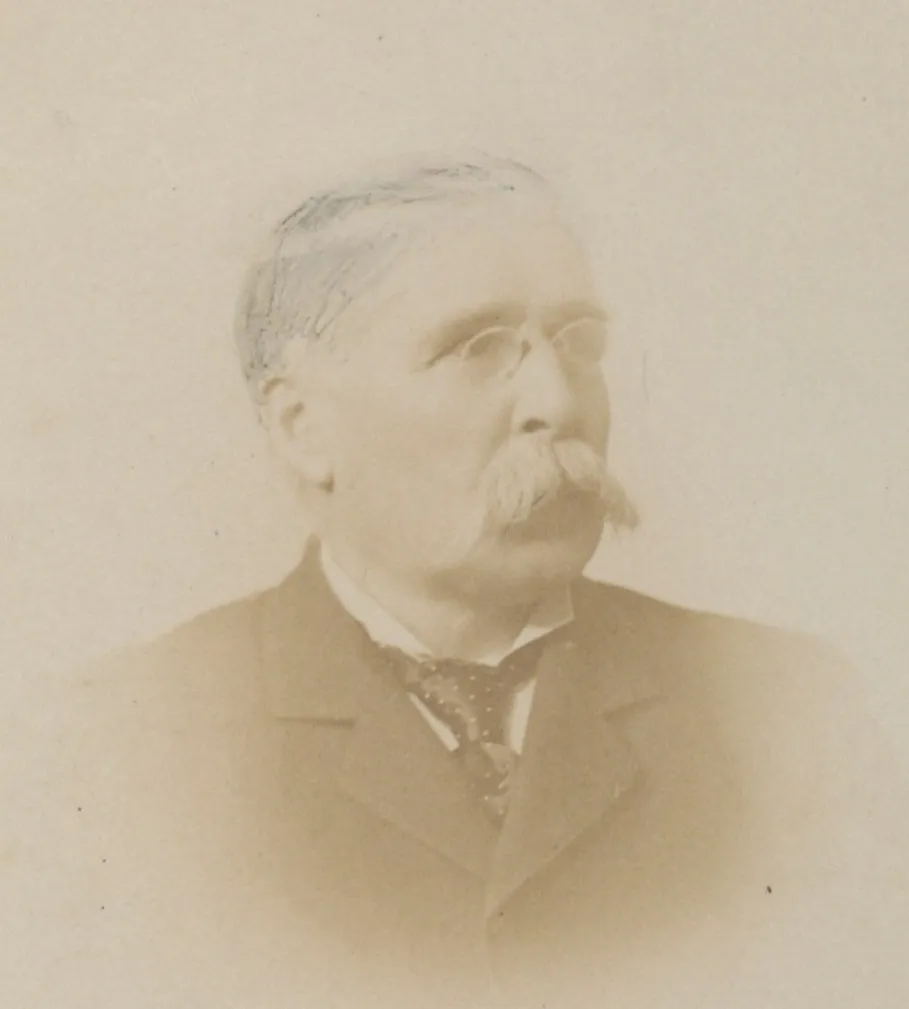
Luigi Palma di Cesnola: The Largest Export of Cypriot Antiquities
The American consul whose roughly 35,000 objects left Cyprus under Ottoman firmans for the Metropolitan Museum, and what his digging and sales mean for the trade.
In the compendium
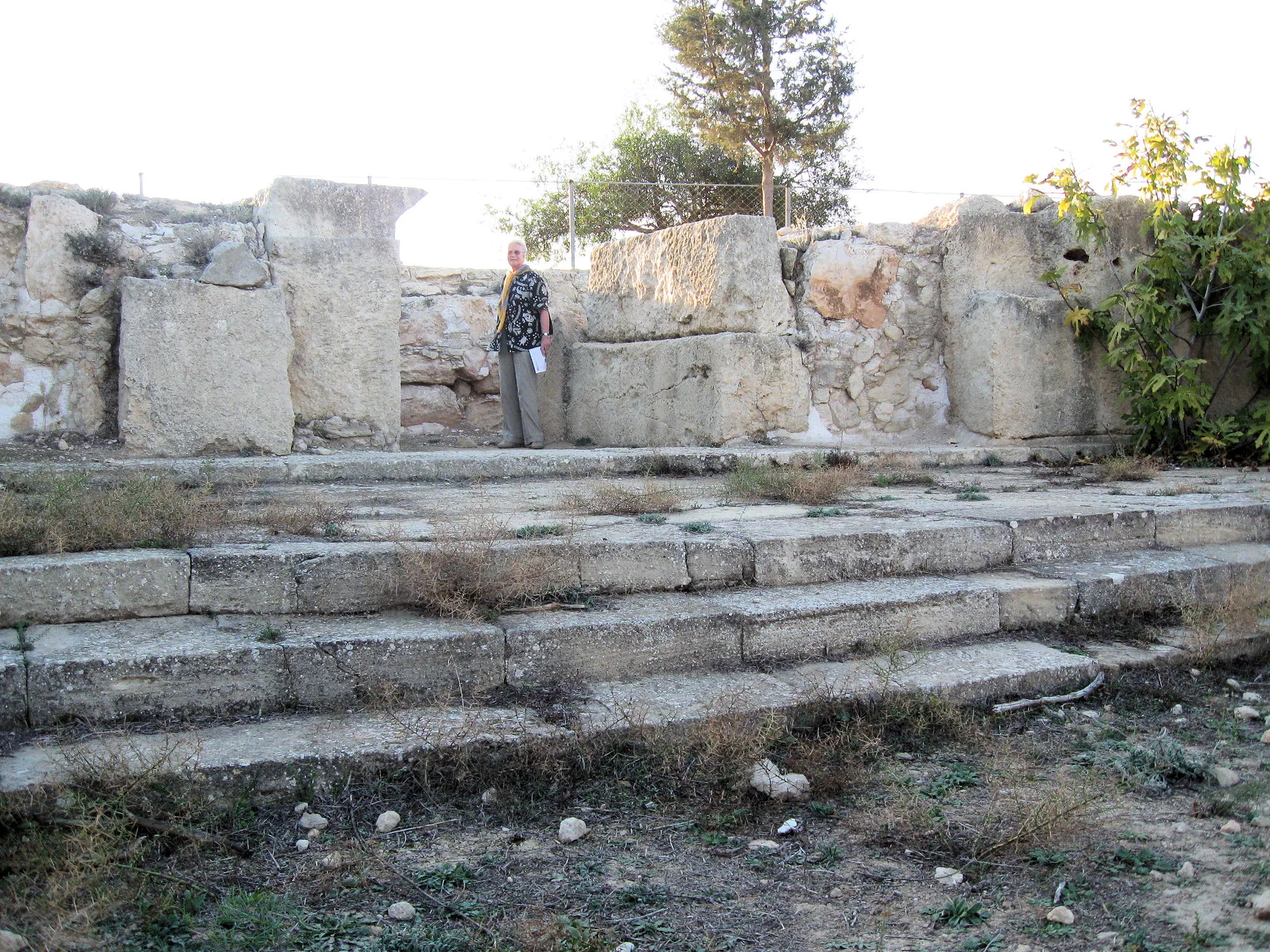
Royal and Built Tombs
Tombs built of cut stone in Cyprus, from the ashlar tombs under Late Bronze Age houses at Enkomi to the royal tombs of Salamis and Tamassos and the rock-cut courts of Nea Paphos.
Map of Cyprus
Places discussed in the talk
- Has a page on this site
- Other places
- Ground above 200, 500, 1,000 m