
Neolithic
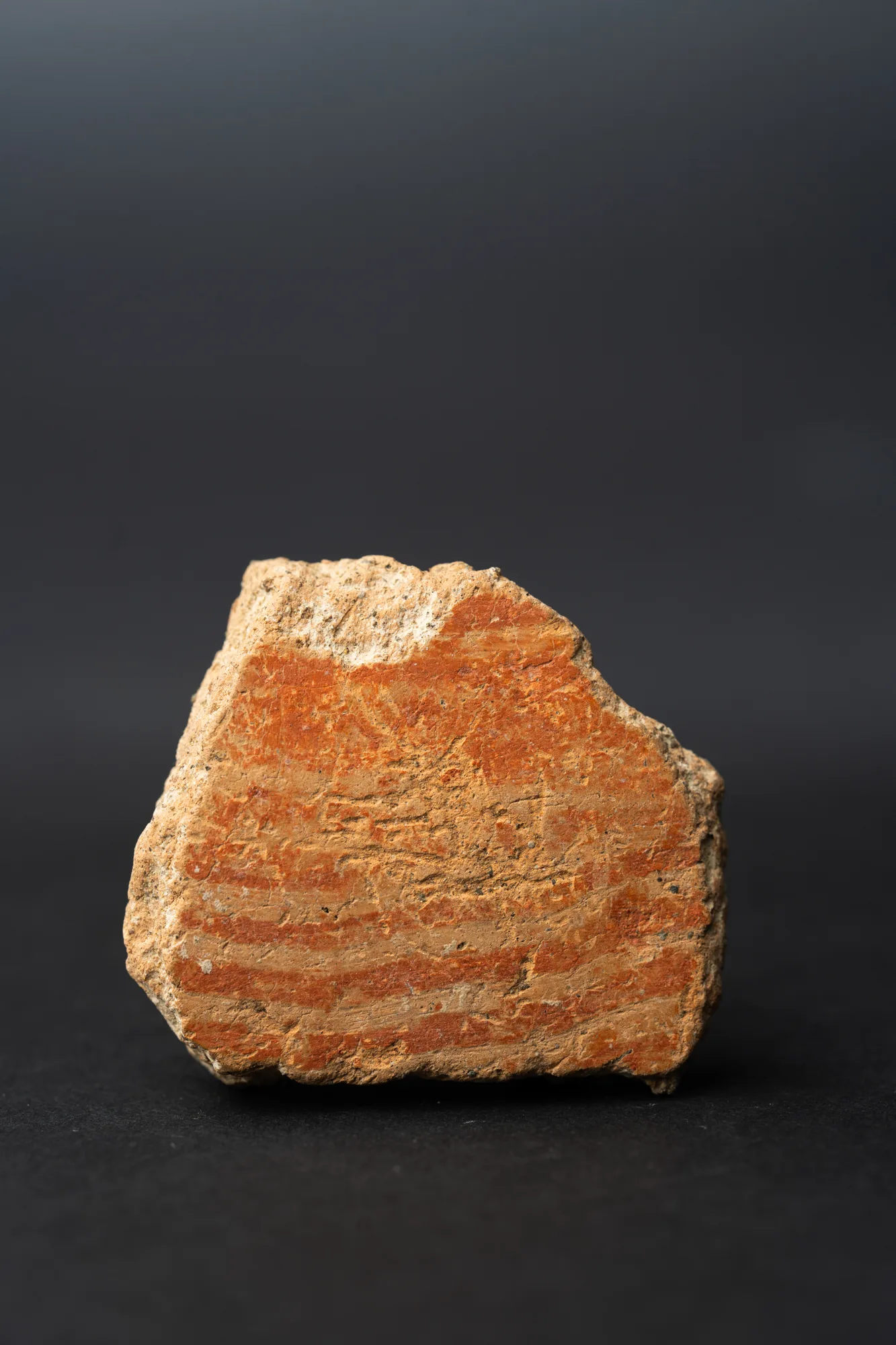
Combed Ware Bowl Fragment with Parallel Bands
Late Neolithic Combed Ware bowl sherd from Cyprus, red slip combed on both faces in parallel horizontal and oblique bands. Ex Judge G. C. Griffith-Williams.
Date
4500 - 3900 BC
Accession No.
BWL-NE-001
Collection
Alexis Drakopoulos
Provenance
- By 1963, George Cyril Griffith-Williams (b. 1893), Puisne Judge of the Supreme Court of Cyprus from 1938, Nicosia; mounted with four other sherds in a wooden Droste chocolate box with a handwritten label, "Neolithic. Painted and combed ware. c. 3500 BC."
- By 2026, Alexis Drakopoulos, London
Late Neolithic (Sotira culture), c. 4500–3900 BCE · Combed Ware · Handmade
A thick body sherd, roughly square, from the wall of an open bowl. Both faces carry a dense orange-red slip that was scored through, while still wet, to the pale buff body beneath. On one face the combing runs in horizontal bands: broad red strips alternating with softer buff channels, some of them lifting into a slight undulation towards the lower edge. The upper part of this face is crazed and scuffed, with a loss of slip exposing buff clay at the top centre.
The other face is the more legible. Here the bands run obliquely, the red now wider and the pale channels narrow and crisp, with fine streaks inside some of them. The slip is crazed and pitted throughout, and pale lime deposits sit in the rough, gritty breaks.
Commentary
The fragment belongs to Combed Ware, the reserve-decorated red pottery of the Late Neolithic Sotira culture of southern Cyprus. Dikaios, who named the ware at Sotira-Teppes, described its making exactly: a thick red slip was laid over the vessel, and a comb-like tool of shell, bone or reed was dragged across it so that the teeth exposed the underlying surface in alternating red and light bands; the surface was then polished, and the soft slip can often be scratched with a fingernail [1]. Clarke's modern classification keeps the ware as Cb, defined by this negative contrast between thick red paint and the lighter body [3]. The low relief of the pale channels on this sherd, with the red standing as the ground, separates it from the painted "ripple" Red-on-White of the north, where the lines are applied positively over a white slip [3].
Combing on both faces is the key to the shape. At Sotira the ware occurs in only two forms, the bowl and the jug, and the jugs were combed on the outside alone [1]. A fragment combed inside and out therefore comes from a bowl, probably a deep hemispherical one of the kind Dikaios illustrates whole, sometimes fitted with a tubular spout at the rim [1]. The two faces were combed in different directions, horizontal on one side and oblique on the other, a common arrangement on Sotira bowls. The wall is thick, in keeping with the 10–14 mm Dikaios gives as the average for Combed Ware bowls [1].
The decorative scheme is the simpler of Dikaios's categories: groups of parallel straight or barely wavy bands, as opposed to the fluid multiple wavy bands of the ware's most accomplished pieces [1]. Close parallels are a Sotira body sherd in the Ashmolean with parallel, gently wavering bands and a wall about 1 cm thick [5], and a pair of "red and combed ware" sherds from Erimi that the Cyprus Museum itself presented to the Ashmolean in 1935 [6]. The Khirokitia report illustrates many sherds with the same close horizontal banding from the ceramic occupation that followed the aceramic village [2].
Combing is one of the firmest chronological signals in Cypriot prehistory. The ware develops south of the Troodos after c. 4350 BCE on current radiocarbon evidence [3], and it was abandoned at the start of the Chalcolithic, surviving only in vestigial amounts in the earliest levels at Erimi and Kalavasos [4]. The collector's label that travelled with the sherd gives "c. 3500 BC", which was Dikaios's own figure from the uncalibrated Sotira dates [1]; calibration places the culture about a thousand years earlier. The pottery of this culture comes from settlements, and Sotira's burials had no grave goods, so the fragment is most likely from a domestic vessel. Its find-spot was not recorded. The dominance of combed pottery in the south, at Sotira, Khirokitia and Kalavasos, makes a south-coast settlement the likeliest source, though no site can be named [3].
References
- 1.Dikaios, P. (1961) Sotira. University Museum Monographs. Philadelphia: University of Pennsylvania, pp. 188–195, pls. 58–70 (Combed Ware); pp. 228–231 (chronology).
- 2.Dikaios, P. (1953) Khirokitia: Final Report on the Excavation of a Neolithic Settlement in Cyprus on Behalf of the Department of Antiquities, 1936–1946. Oxford: Oxford University Press, pp. 295–301, pls. LXXI–LXXV.
- 3.Clarke, J. (2007) On the Margins of Southwest Asia: Cyprus during the 6th to 4th Millennia BC. Oxford: Oxbow, pp. 42–46, 118–120.
- 4.Catling, H. W. (1966) Cyprus in the Neolithic and Bronze Age Periods. Cambridge Ancient History, revised ed., vol. I, fascicle. Cambridge: Cambridge University Press, p. 21.
- 5.Ashmolean Museum, Oxford, AN1953.1240.f: Combed Ware body sherd, Sotira-Teppes; presented by H. W. Catling, 1953.
- 6.Ashmolean Museum, Oxford, AN1935.26.a: two sherds of Neolithic red and combed ware, Erimi; presented by the Cyprus Museum, 1935.
More from the Catalogue
Browse related objects
Two Fragments of a White Painted Deep Bowl with Panel Decoration
Geometric III
Combed Ware Bowl Fragment with Multiple Wavy Bands
Neolithic
Combed Ware Bowl Fragment with Oblique Bands
Neolithic
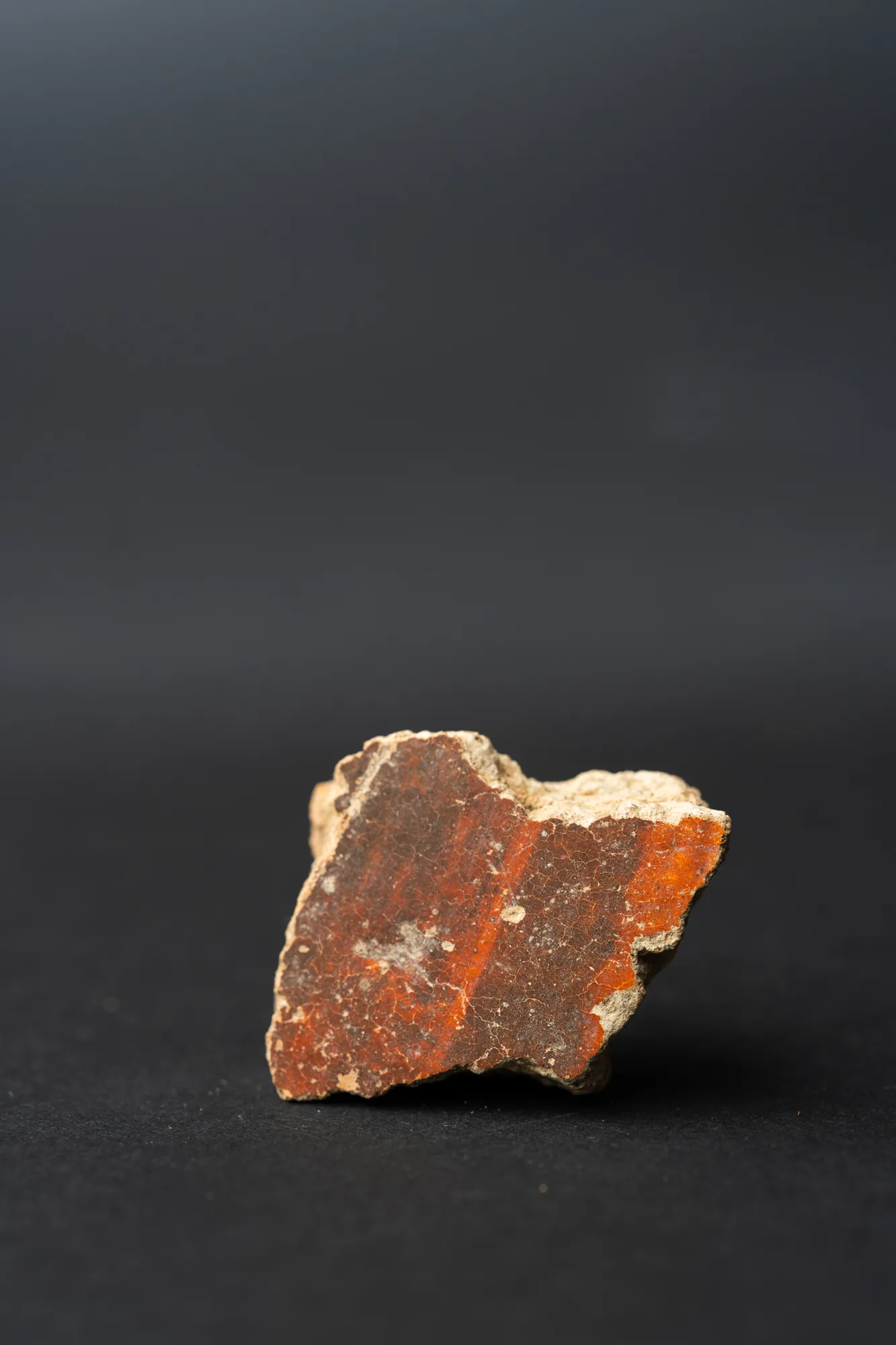
Red Lustrous Ware Body Sherd with Fire-Mottled Slip
Neolithic
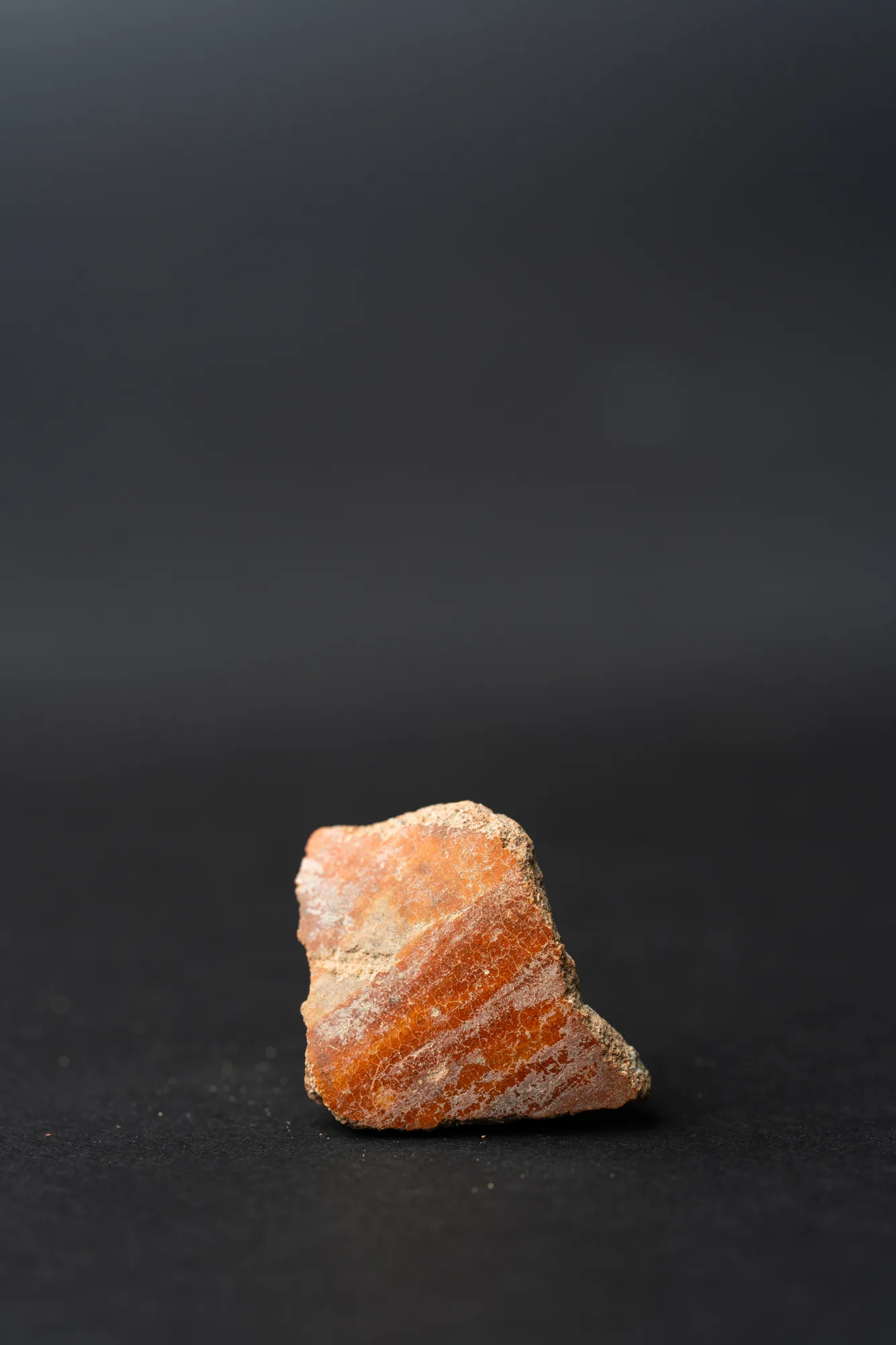
Red Slip Ware Body Sherd with Streaked Slip
Chalcolithic
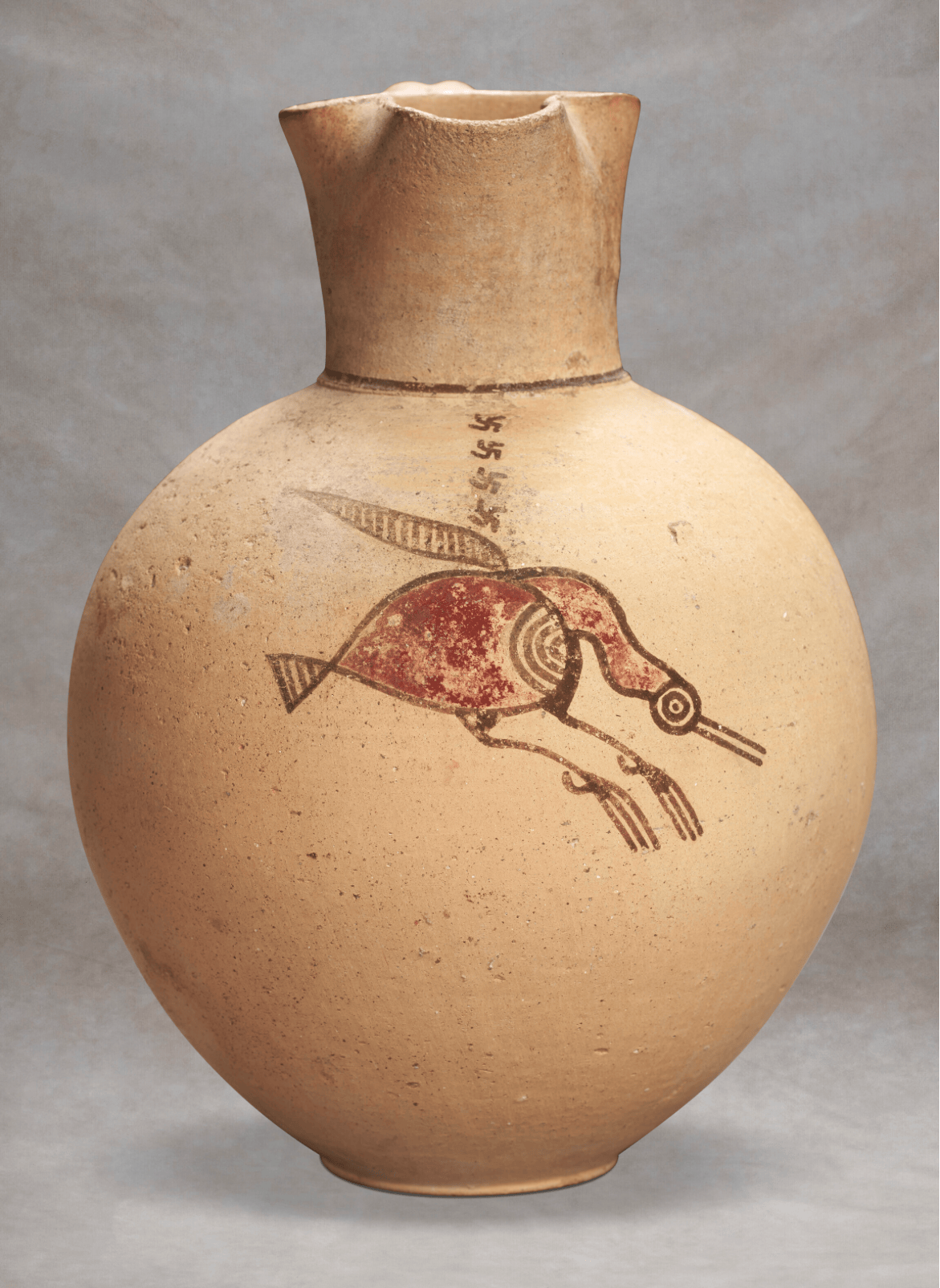
Bichrome Oinochoe
Archaic I
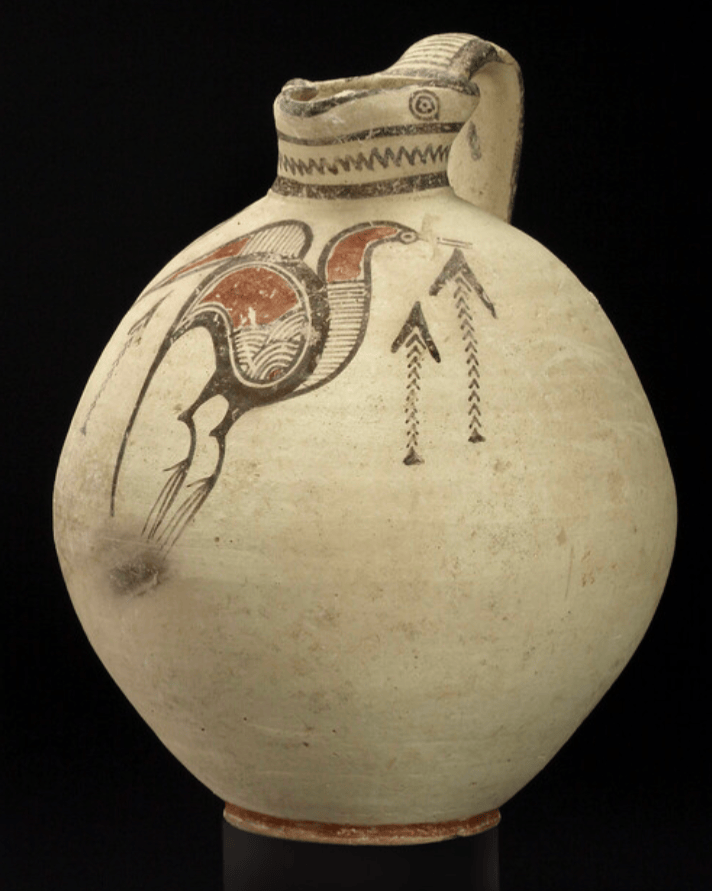
Free-field bichrome jug with image of an Ibis bird and reeds
Archaic
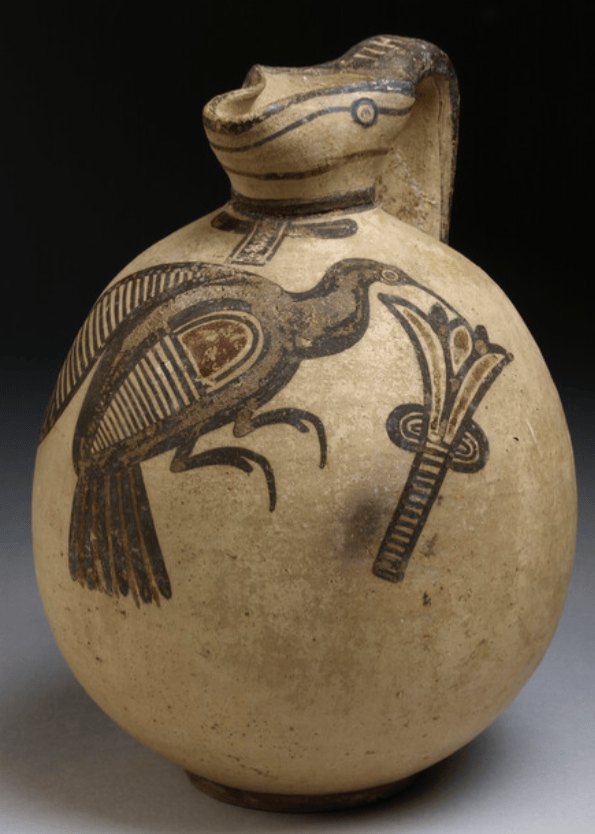
Squat bichrome jug in free-field style with image of bird picking a lotus flower
Archaic
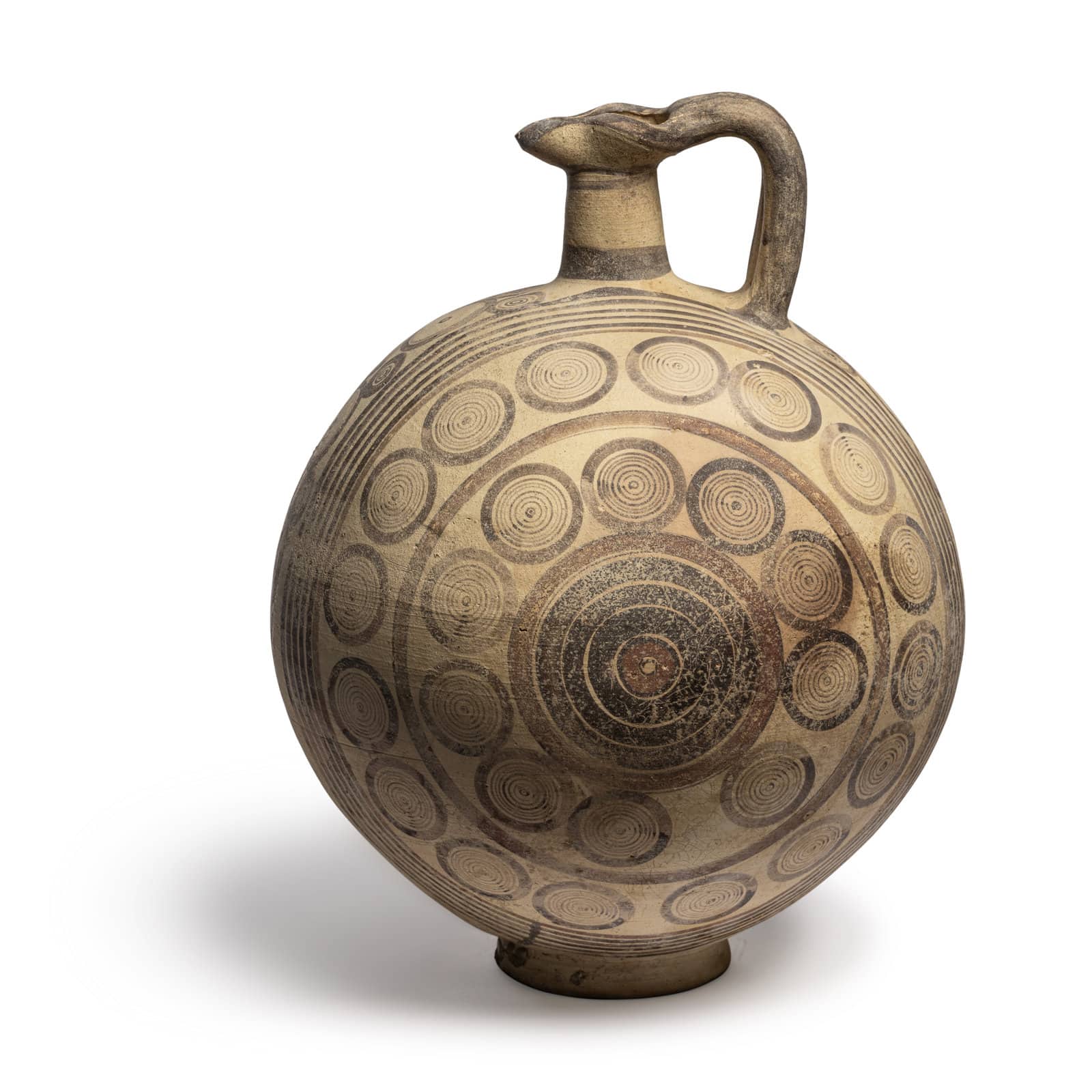
A Cypriot Bichrome-Ware Oinochoe Jug
Archaic I
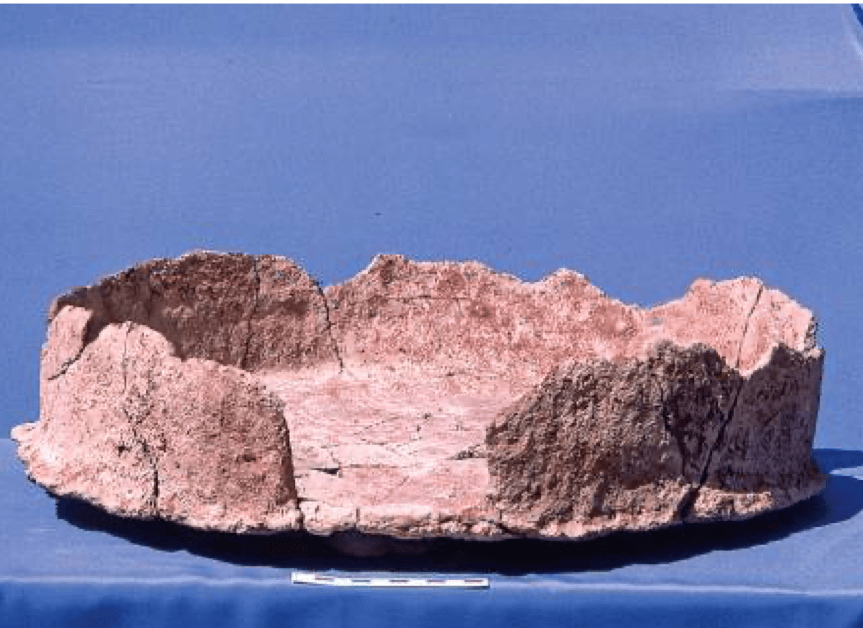
Flanged-base Tray
Chalcolithic
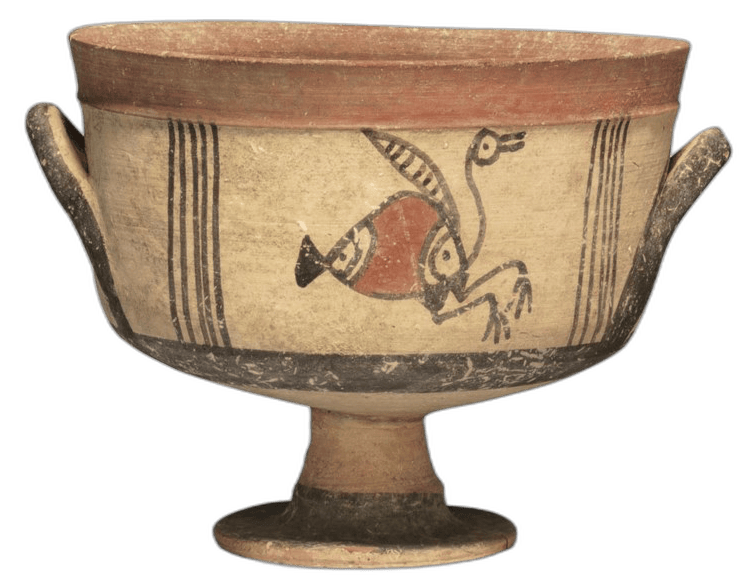
Bichrome Kylix with Bird Free Field Art
Geometric III
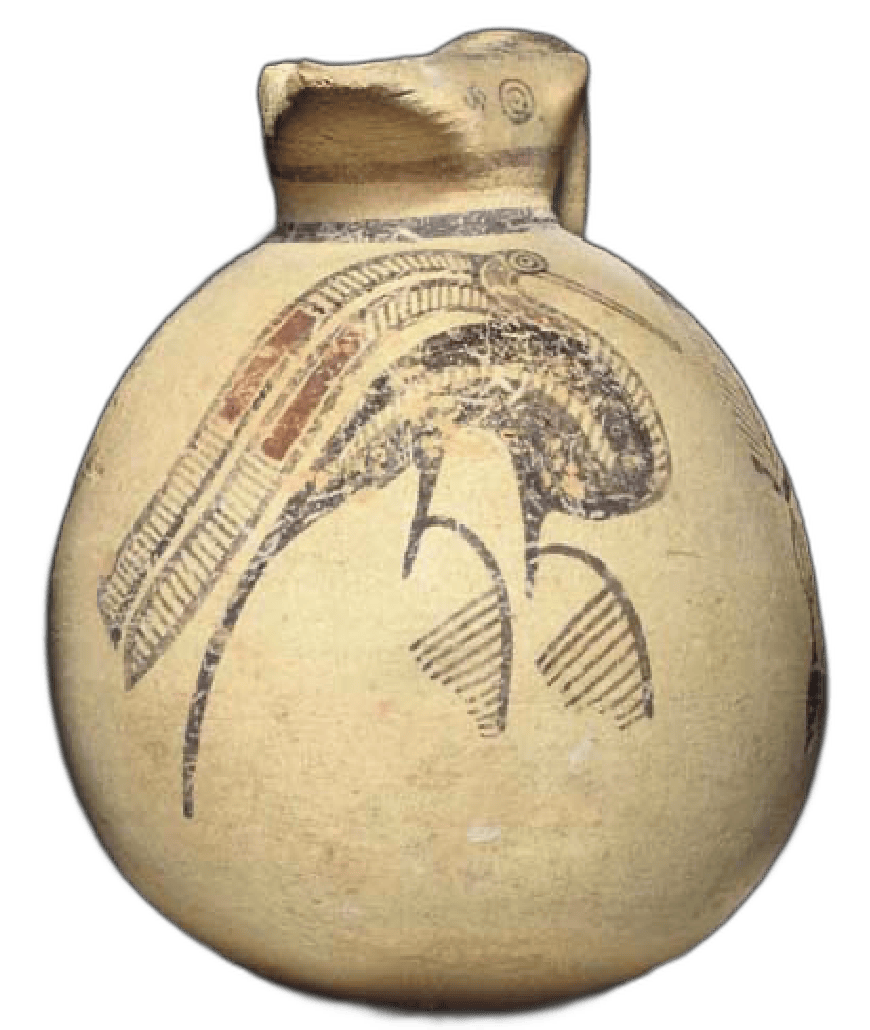
Oinochoe with Free Field Bird
Archaic I
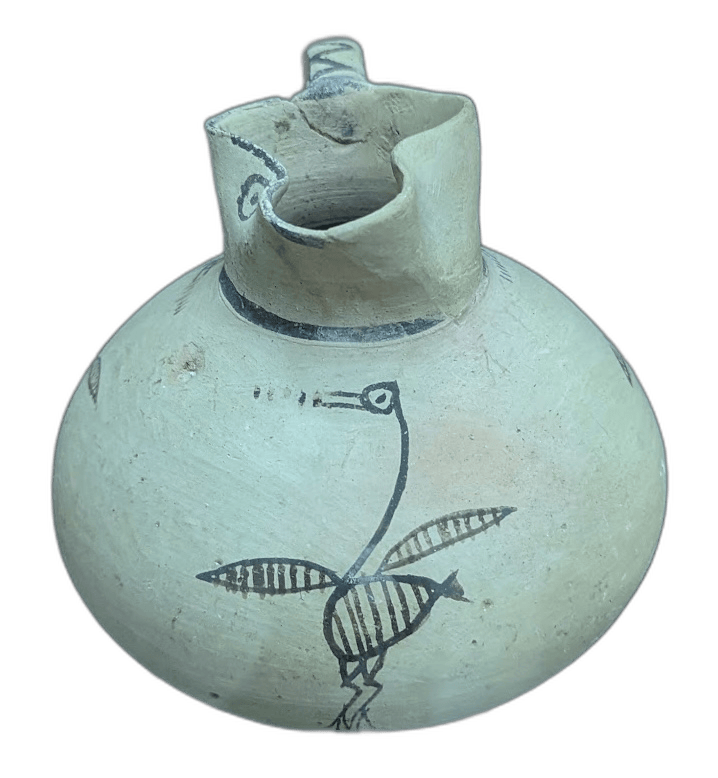
Small Oinochoe with Free Field Bird
Archaic I
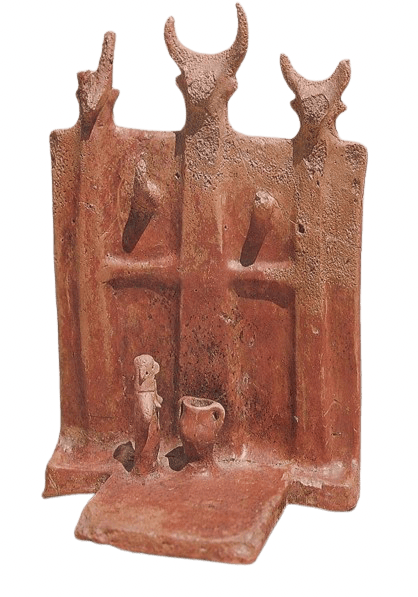
Red Polished Shrine
Middle Bronze Age I
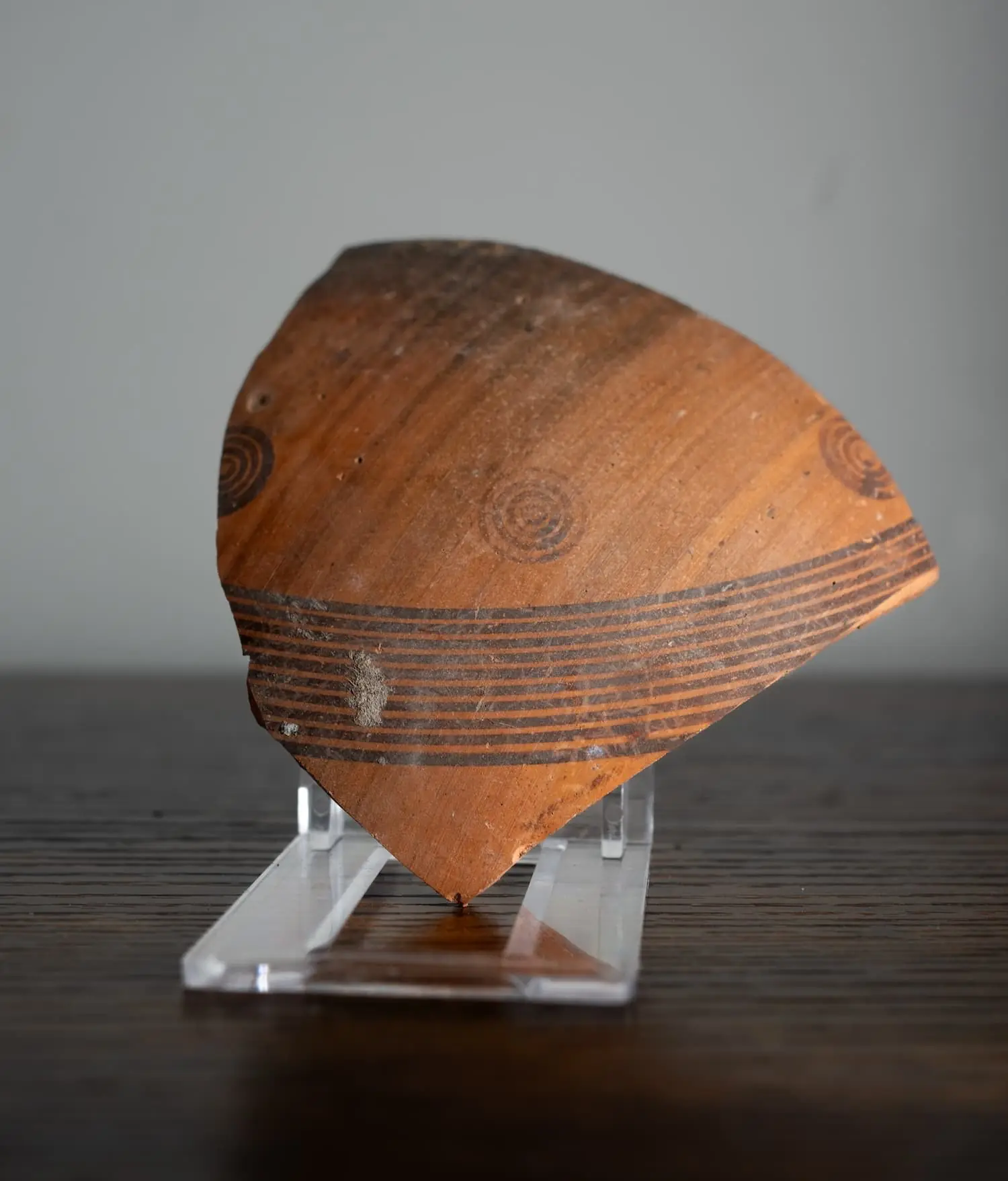
Black-On-Red Geometric Jug Sherd
Geometric II
Bichrome Jug
Geometric
Bichrome Juglet
Geometric
Bichrome Oinochoe
Geometric