
Topic
Religion and Cult
Sanctuaries, votive offerings, ritual objects and the deities worshipped on Cyprus, and what the archaeological record can and cannot show about belief.
38 entries in 8 sections
Pottery
7 entriesSection overview
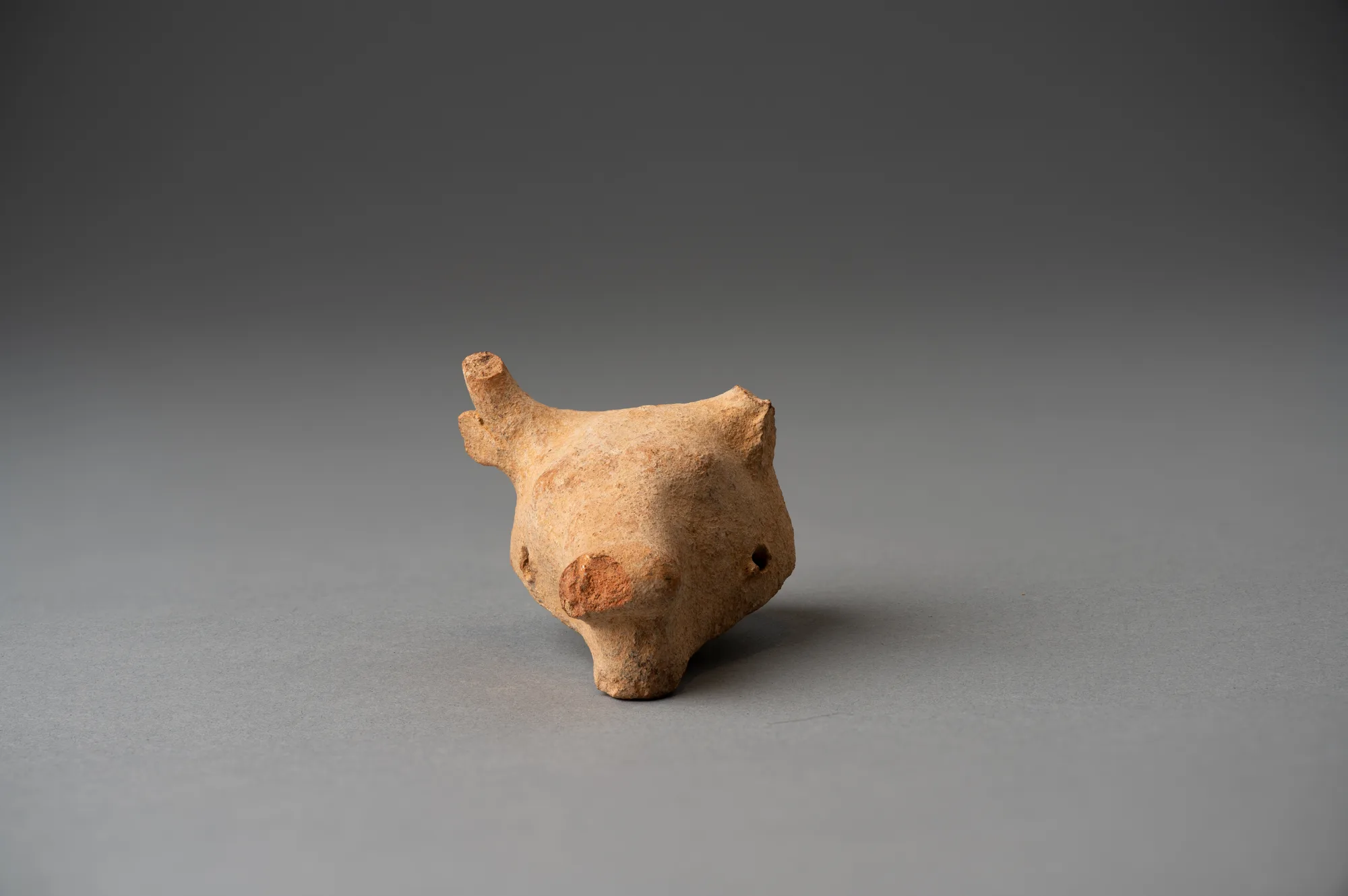 Bulls and CattleBulls and cattle in Cypriot art, modelled on Red Polished cult vessels, made as Base Ring rhyta and dedicated as Archaic votives in clay and stone.Early Bronze AgeMiddle Bronze AgeLate Bronze AgeCypro-ArchaicCypro-Classical
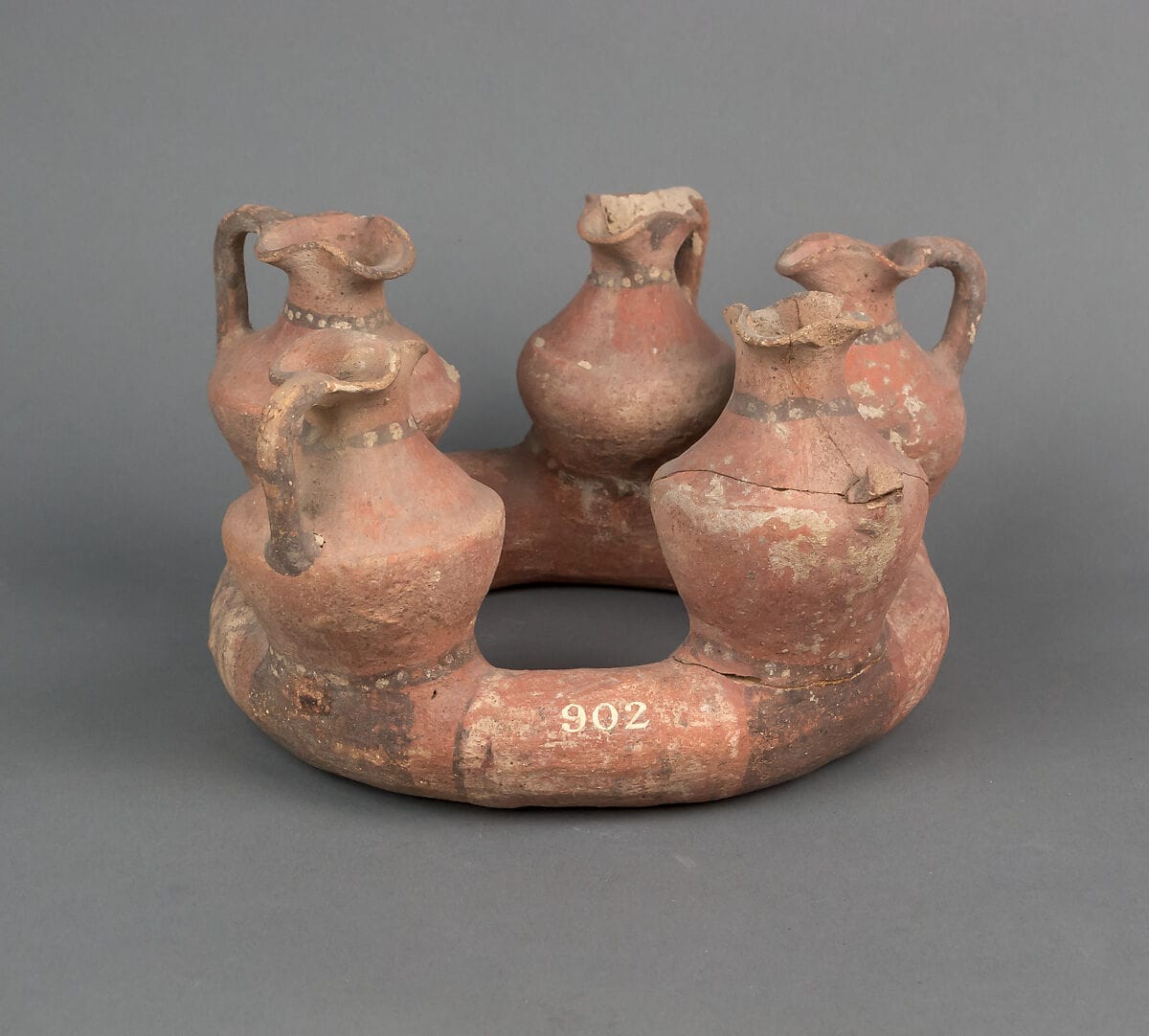 Complex VesselsComposite, multiple and ring vessels built by multiplying or joining ordinary shapes, mostly Bronze Age tomb pieces, plus figure vases, arm-vessels, incense burners, stands and miniatures.ChalcolithicEarly Bronze AgeMiddle Bronze AgeLate Bronze AgeCypro-GeometricCypro-ArchaicCypro-ClassicalHellenistic
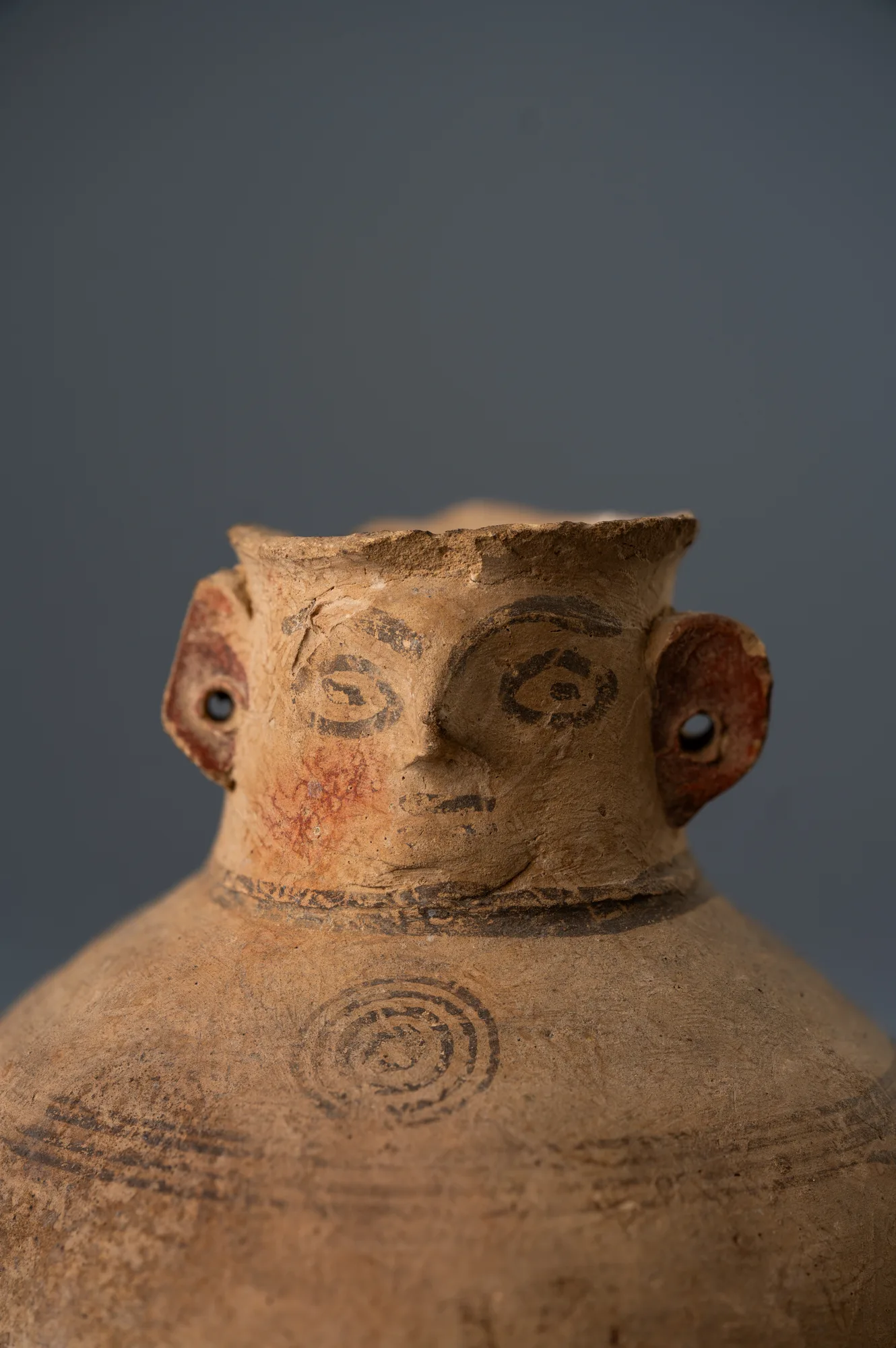 Human FiguresThe human figure on Cypriot pottery, modelled in Early Bronze Age Red Polished scenes and painted on Cypro-Geometric and Cypro-Archaic vases.Early Bronze AgeLate Bronze AgeCypro-GeometricCypro-Archaic
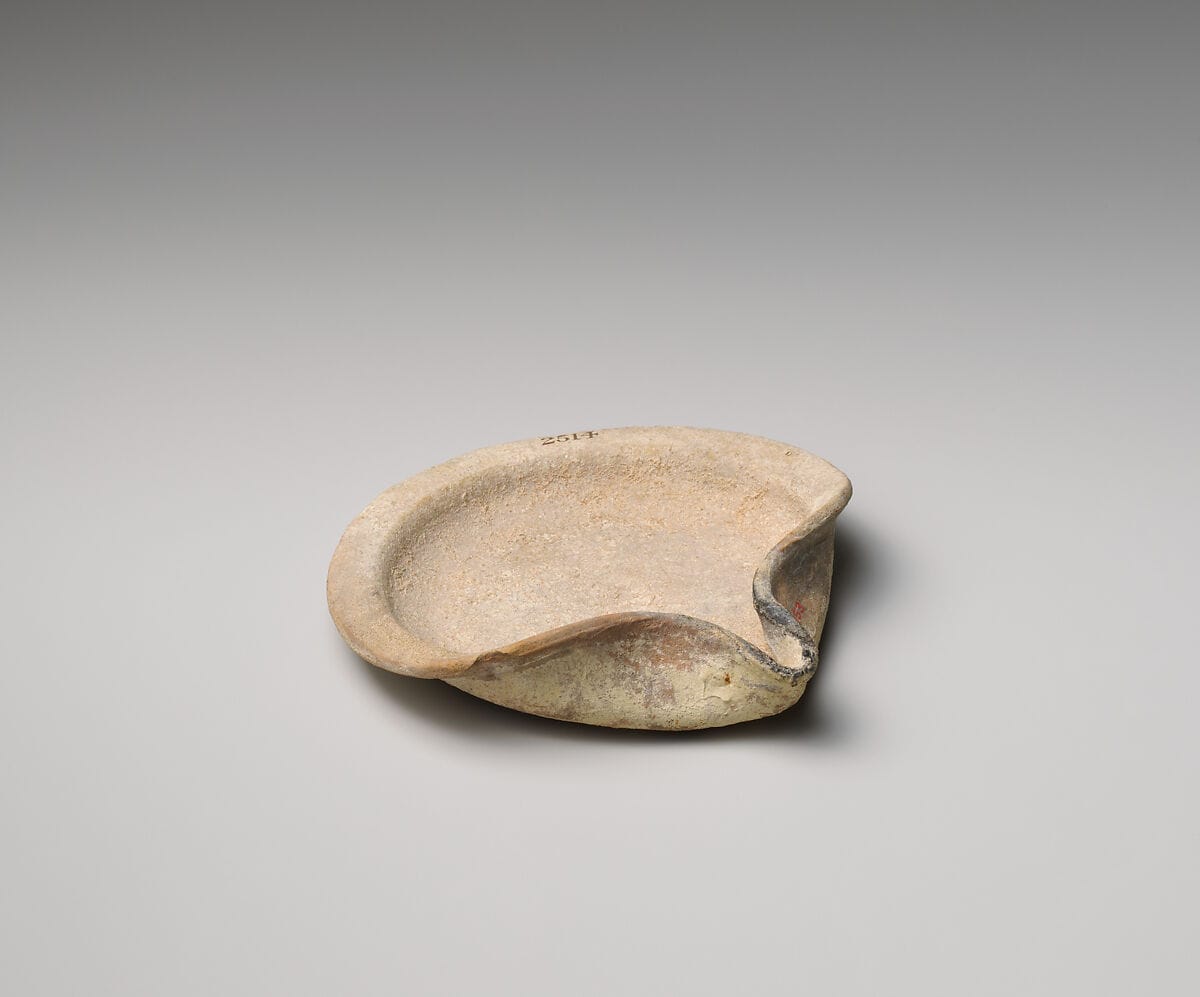 LampsA small hand-held vessel that burned oil or fat on a wick, made in Cyprus as an open saucer from the Late Bronze Age and as a closed lamp from the Hellenistic period.Late Bronze AgeCypro-GeometricCypro-ArchaicCypro-ClassicalHellenisticRoman
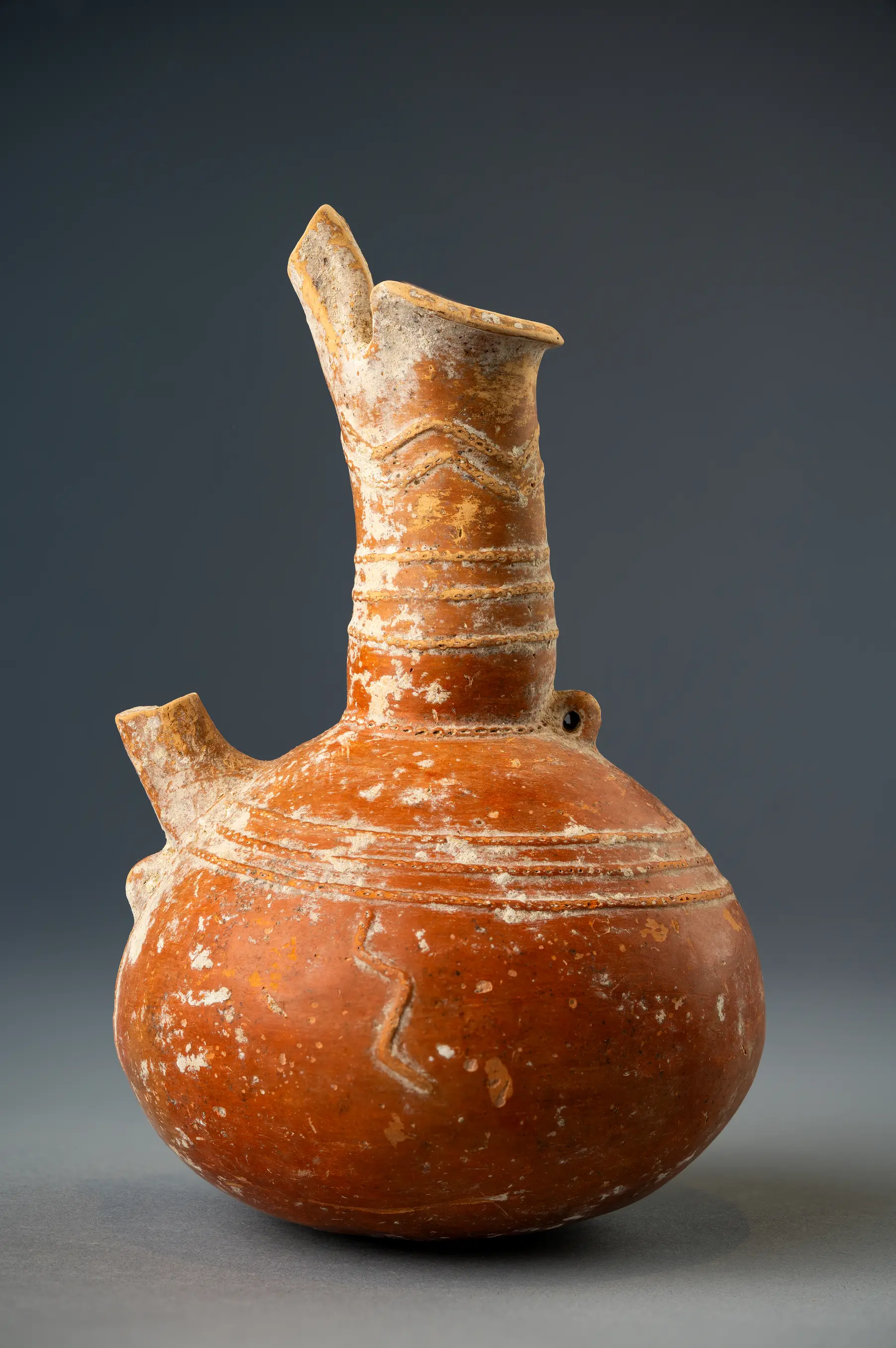 SnakesThe snake as a decorative and figural motif in Cyprus, from relief bands on Early Bronze Age Red Polished pottery to Archaic terracottas and Classical limestone.Early Bronze AgeMiddle Bronze AgeLate Bronze AgeCypro-GeometricCypro-ArchaicCypro-Classical
 The Tree and the Sacred TreeThe tree motif in Cypriot art, alone or flanked by animals as a sacred tree, on seals, gold, silver bowls, stone and painted pottery from the Late Bronze Age to the Cypro-Classical period.Late Bronze AgeCypro-GeometricCypro-ArchaicCypro-Classical
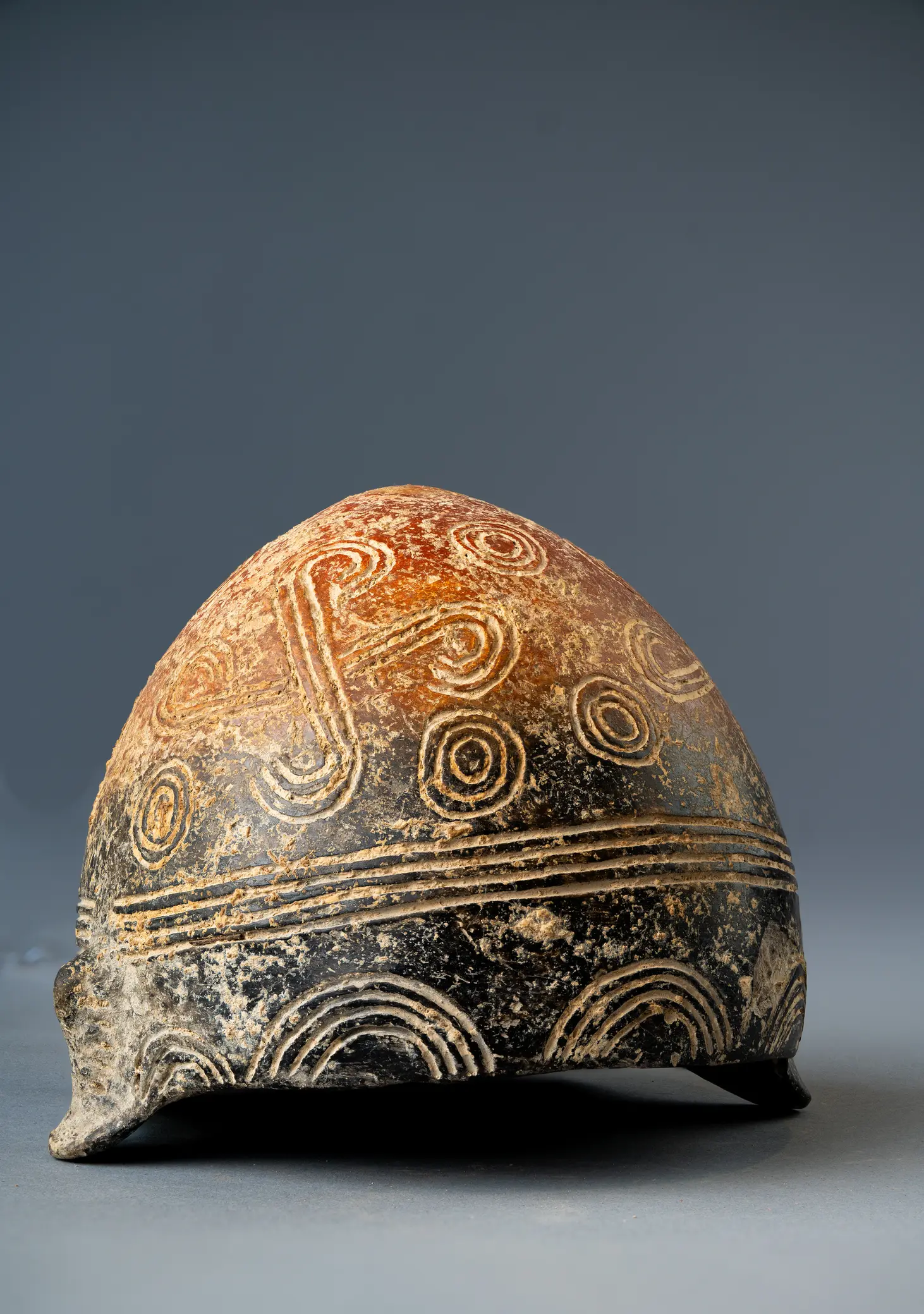 Tulip Bowls and Cult VesselsDeep, conical, black-topped Red Polished bowls of Early Cypriot I–II, and their elaborate protome-rimmed form, known mostly from the tombs of Vounous.Early Bronze Age
Statues
15 entriesSection overview
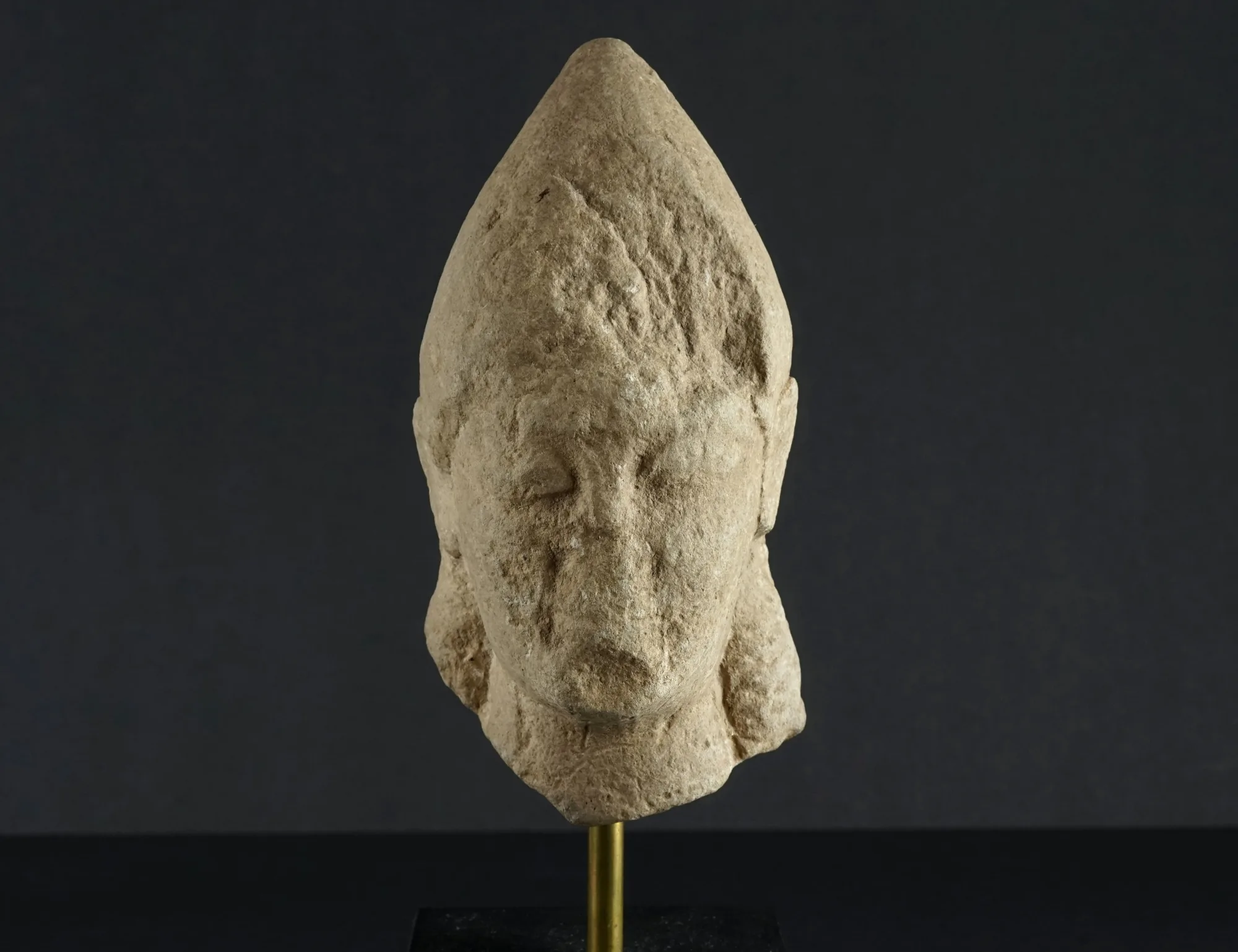 Archaic Limestone StatuesThe limestone votive statues and statuettes dedicated in Cypriot sanctuaries of the Cypro-Archaic period, many in Egyptianizing dress.Cypro-Archaic
 Base Ring Bull VesselsHand-built Base Ring ware pouring vessels in the form of a bull, made in Late Bronze Age Cyprus and found in tombs, settlements and sanctuaries.Late Bronze Age
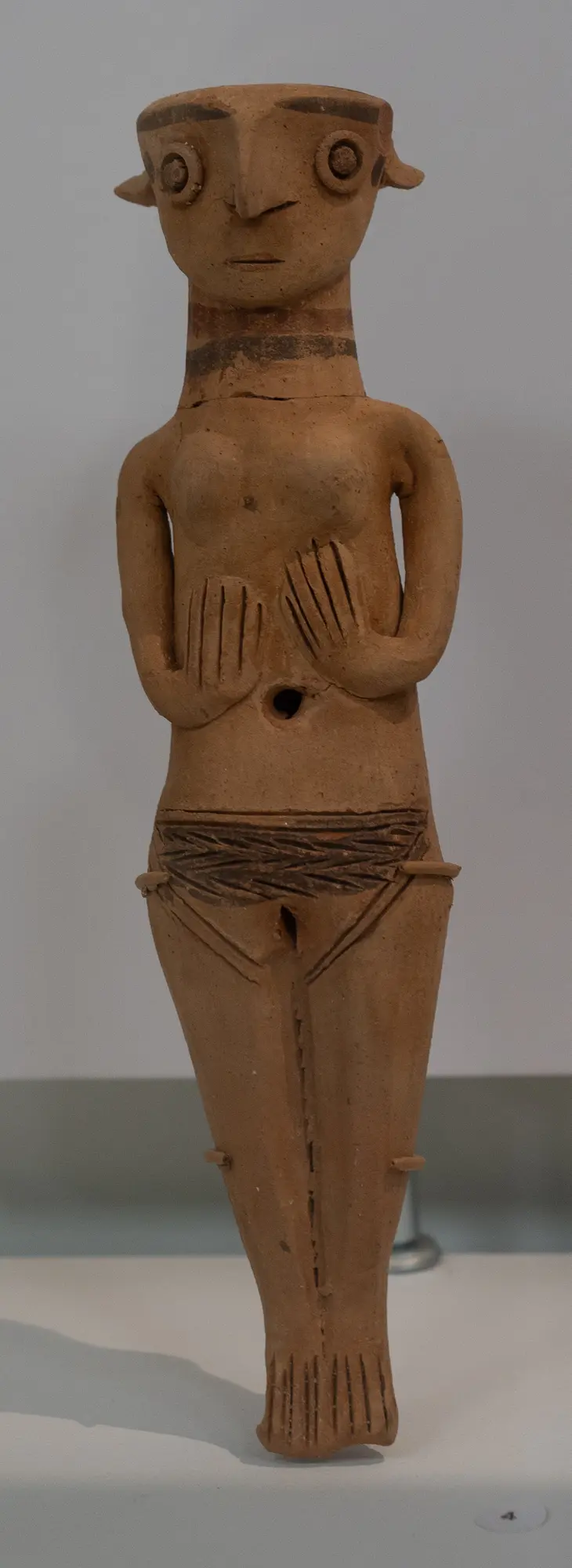 Base Ring Figurines (Astarte Type)Handmade Base Ring ware terracotta figurines of nude women from Late Bronze Age Cyprus, found in tombs and houses and often linked to Astarte.Late Bronze Age
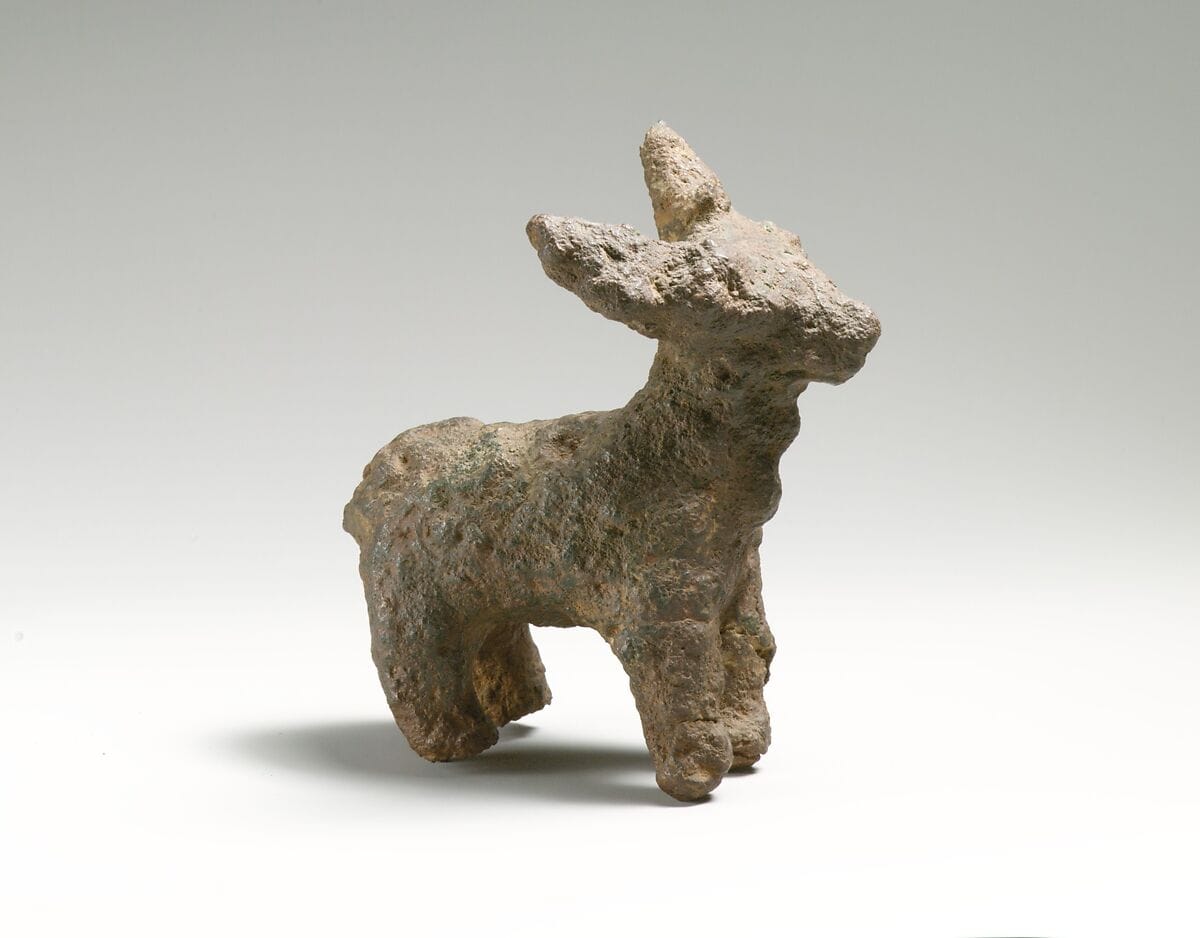 Bronze FigurinesSmall solid-cast bronze figures of gods, worshippers and animals, made in Cyprus from the Late Bronze Age and dedicated in sanctuaries or placed in tombs.Late Bronze AgeCypro-GeometricCypro-ArchaicCypro-Classical
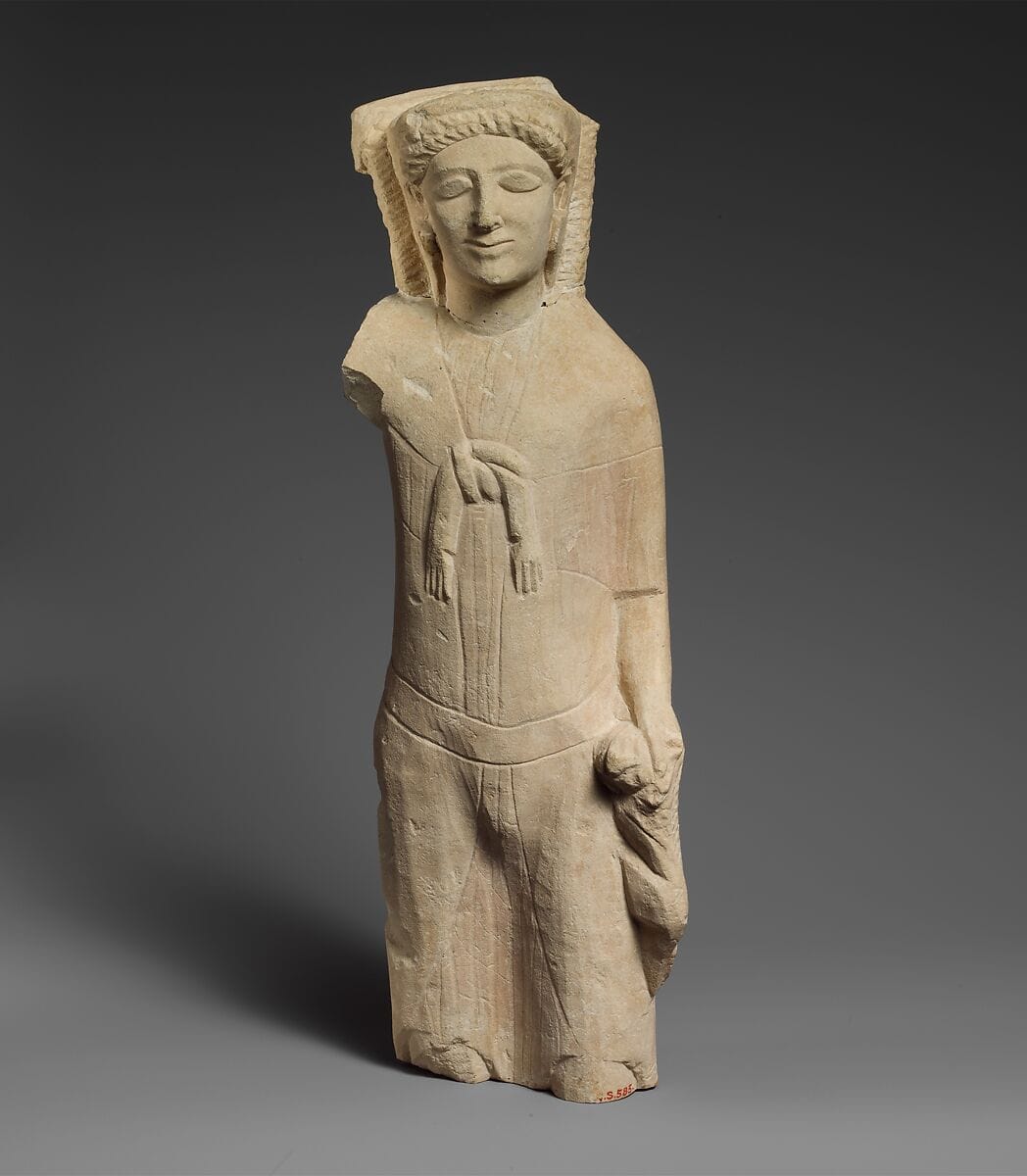 Herakles-MelqartA Cypriot limestone sculptural type of a god wearing a lion skin and often brandishing a club, fusing the Greek Herakles with the Phoenician Melqart.Cypro-ArchaicCypro-Classical
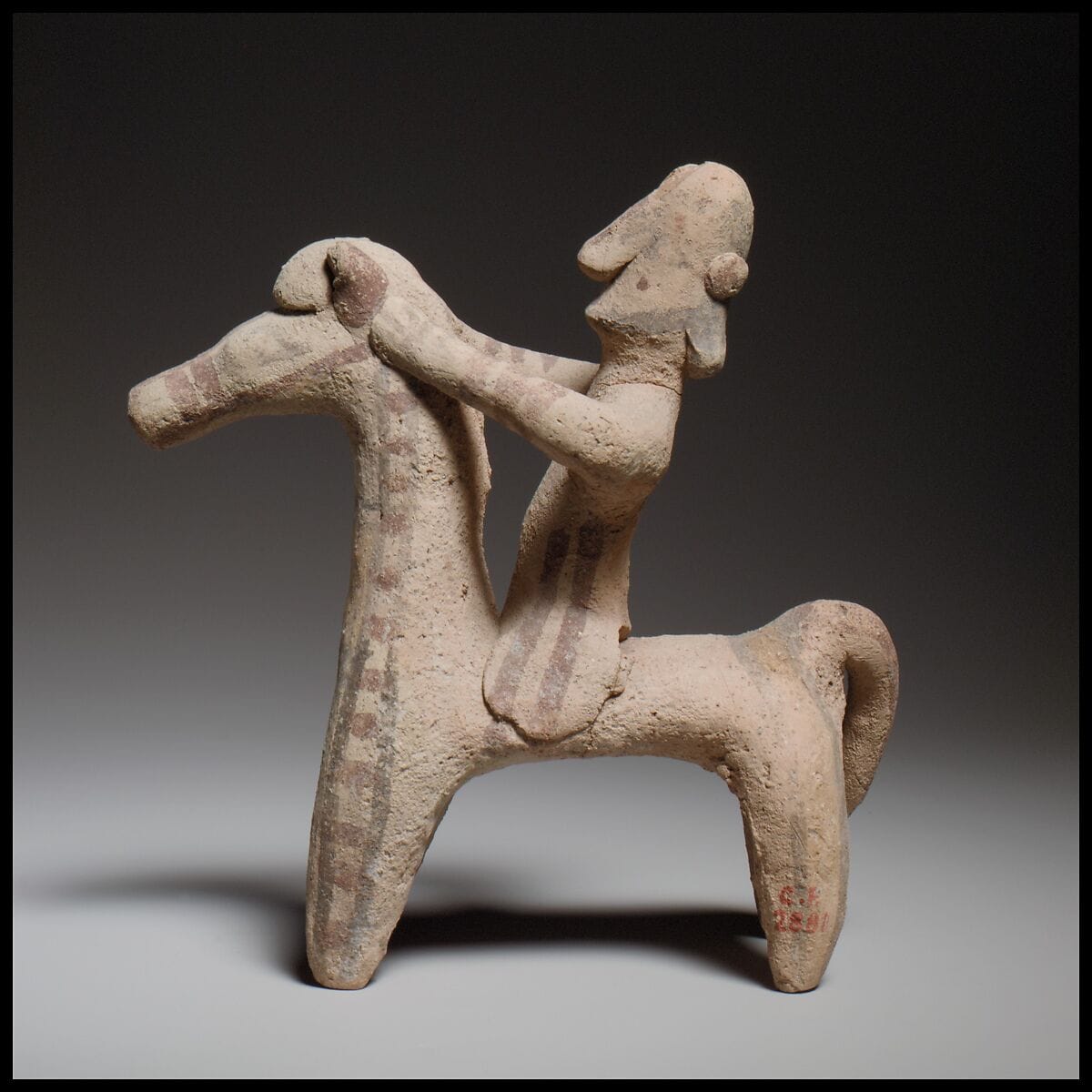 Horse and Rider FigurinesTerracotta figurines of a mounted rider, dedicated in sanctuaries and placed in tombs across Iron Age Cyprus, most abundantly in the Cypro-Archaic period.Cypro-GeometricCypro-Archaic
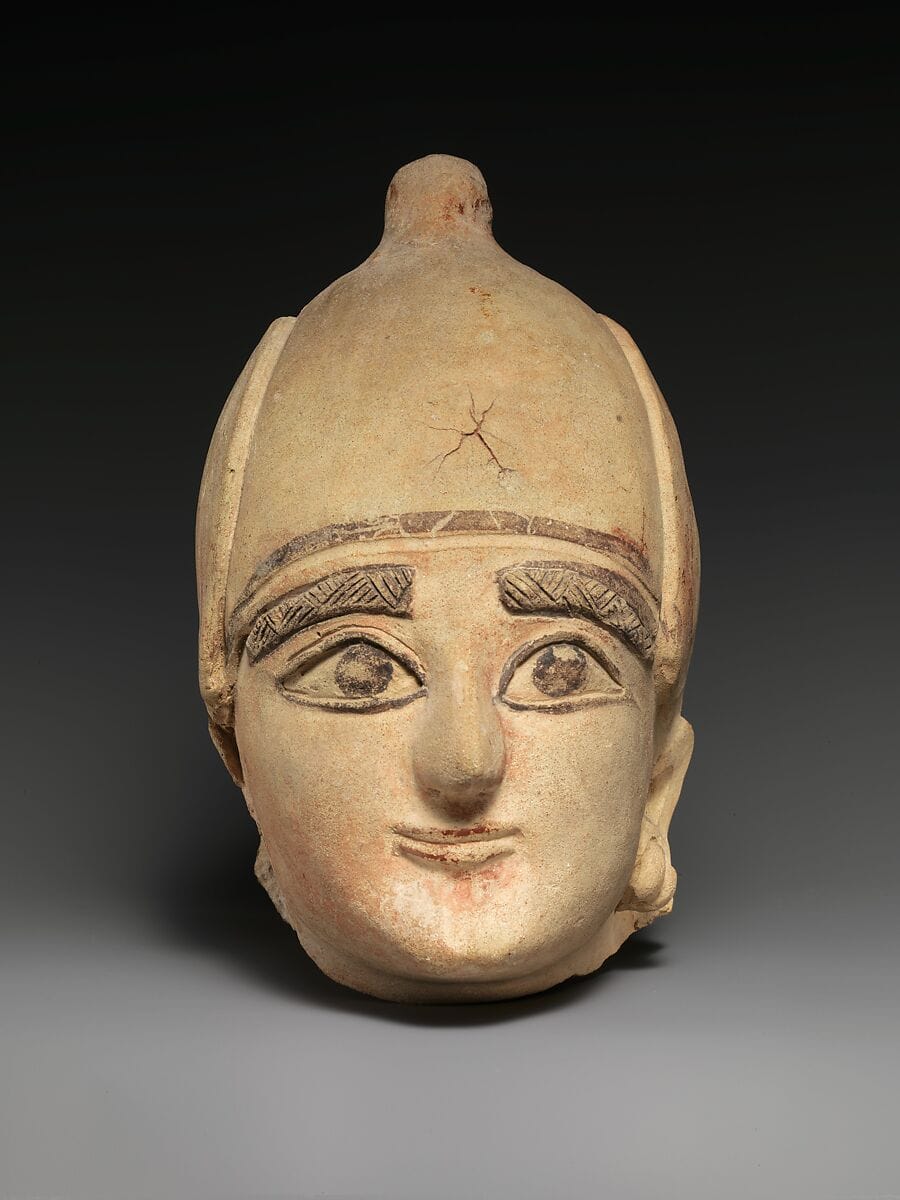 Large Terracotta SculptureLarge hollow clay statues and heads, from about half life-size to over life-size, made in Cyprus from the mid-7th century BCE for sanctuaries.Cypro-ArchaicCypro-ClassicalHellenistic
 Neolithic and Picrolite FigurinesThe small, mostly stone and rarely sexed human figures of Neolithic Cyprus, and the early use of picrolite that precedes the Chalcolithic cruciforms.NeolithicChalcolithic
 Plank FiguresFlat, rectangular, stylised human figures, mostly in incised Red Polished clay, made in Cyprus from Early Cypriot IIIA to Middle Cypriot II.Early Bronze AgeMiddle Bronze Age
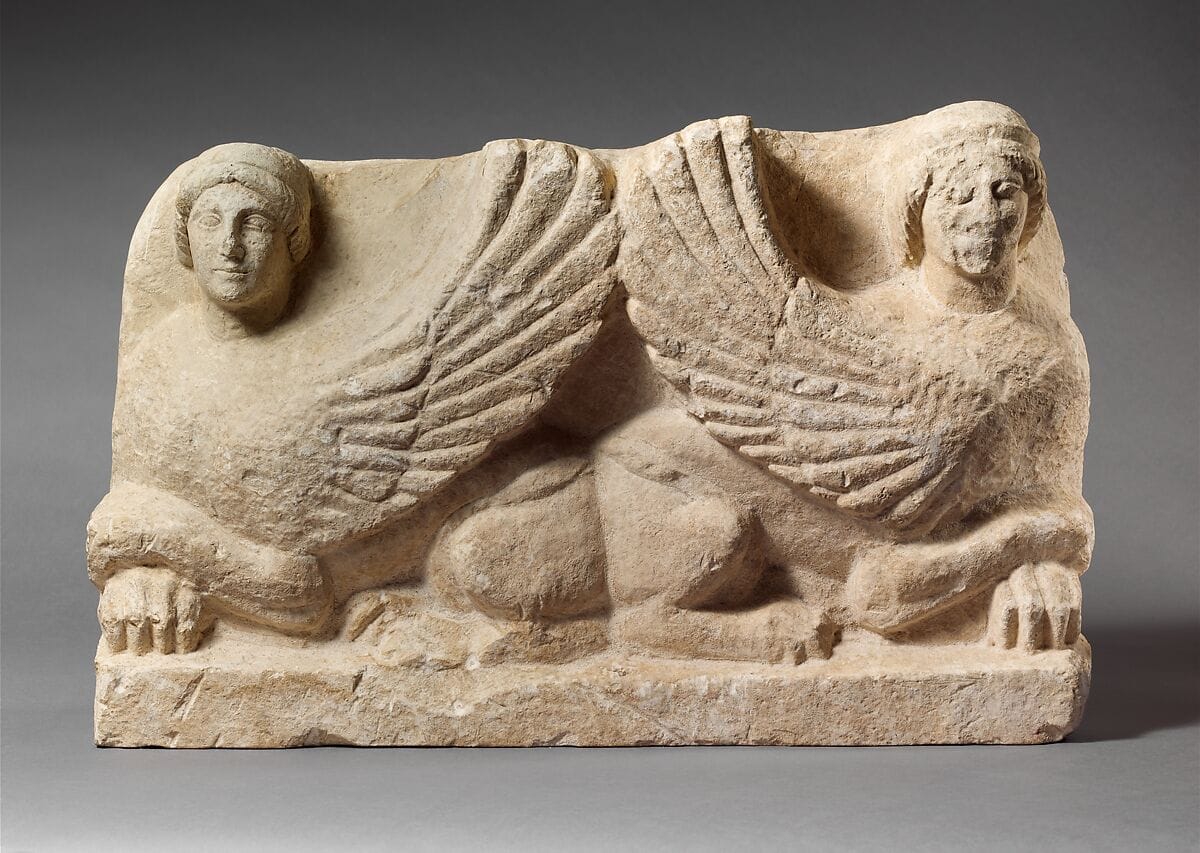 Reliefs and StelaeCarved limestone reliefs, funerary stelae and relief plaques from Cyprus, made from the 6th century BCE into the early Roman period.Cypro-ArchaicCypro-ClassicalHellenisticRoman
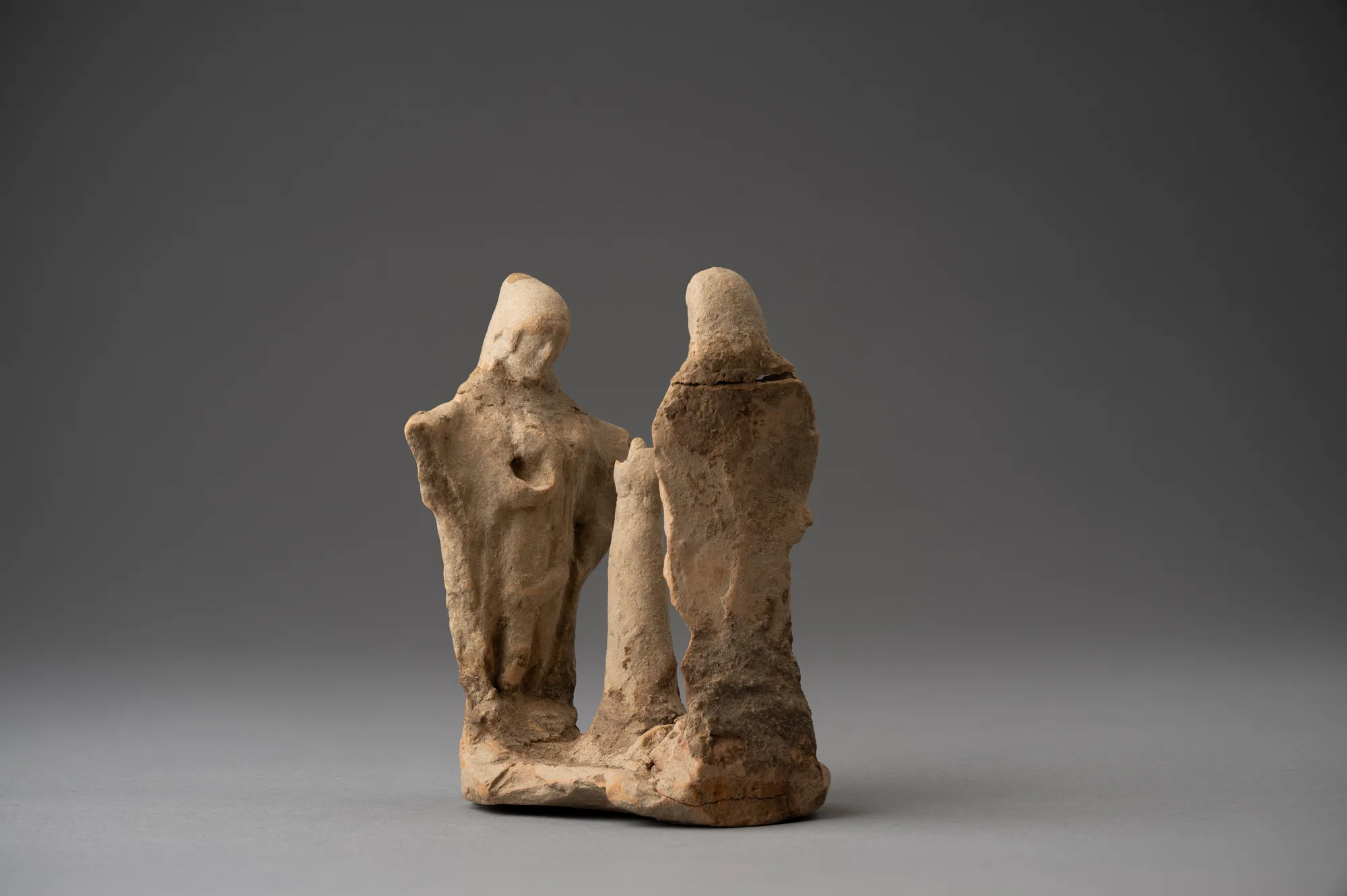 Ring-Dance GroupsSmall Cypriot votive models of dancers on a shared base circling a piper, lyre player or tree, made in clay and later in limestone.Cypro-GeometricCypro-ArchaicCypro-Classical
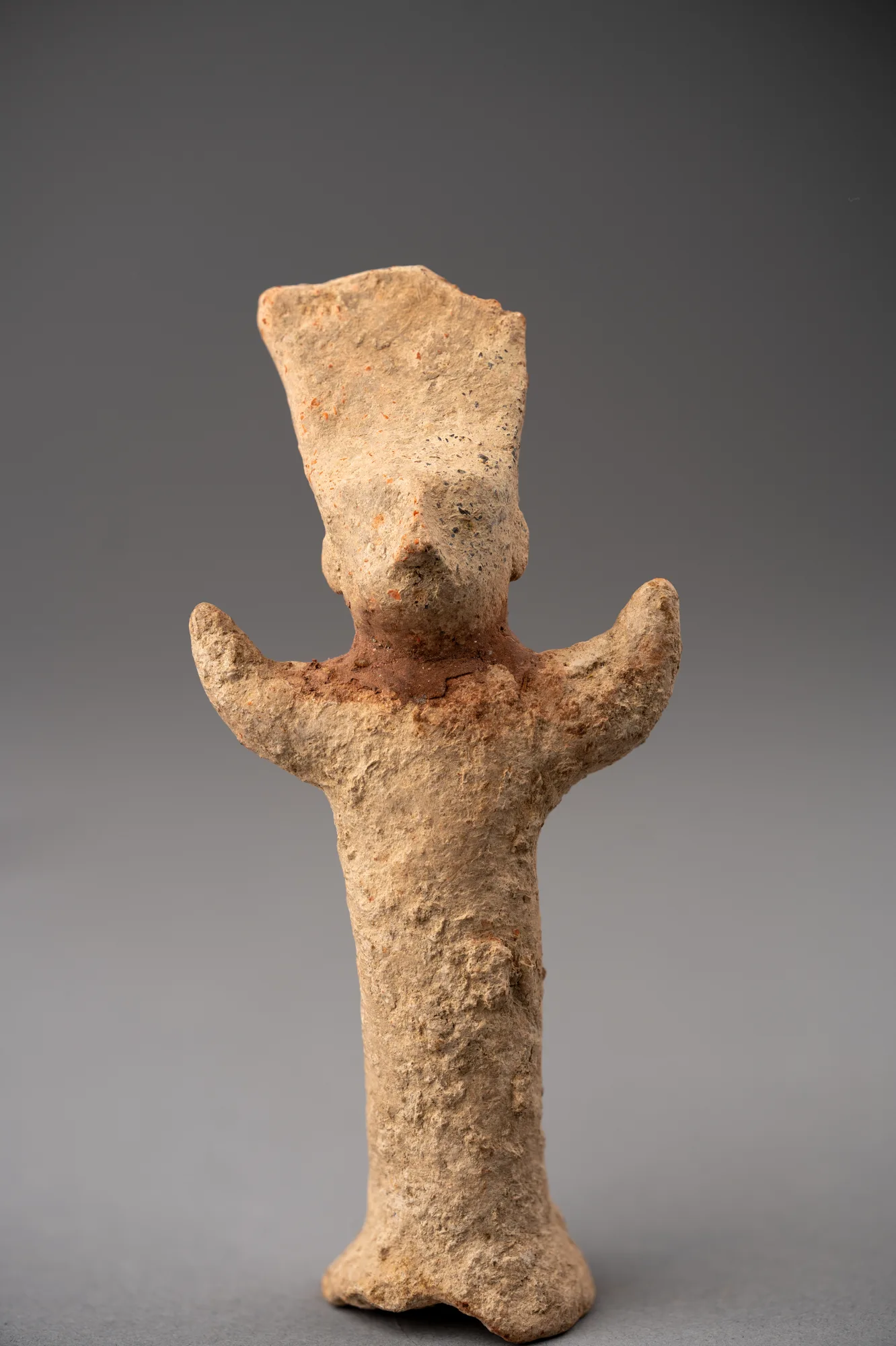 Snowman FigurinesHand-modelled terracotta votaries and musicians of Iron Age Cyprus, built up from a columnar lump of clay with a pinched beak nose and pellet features.Cypro-GeometricCypro-ArchaicCypro-Classical
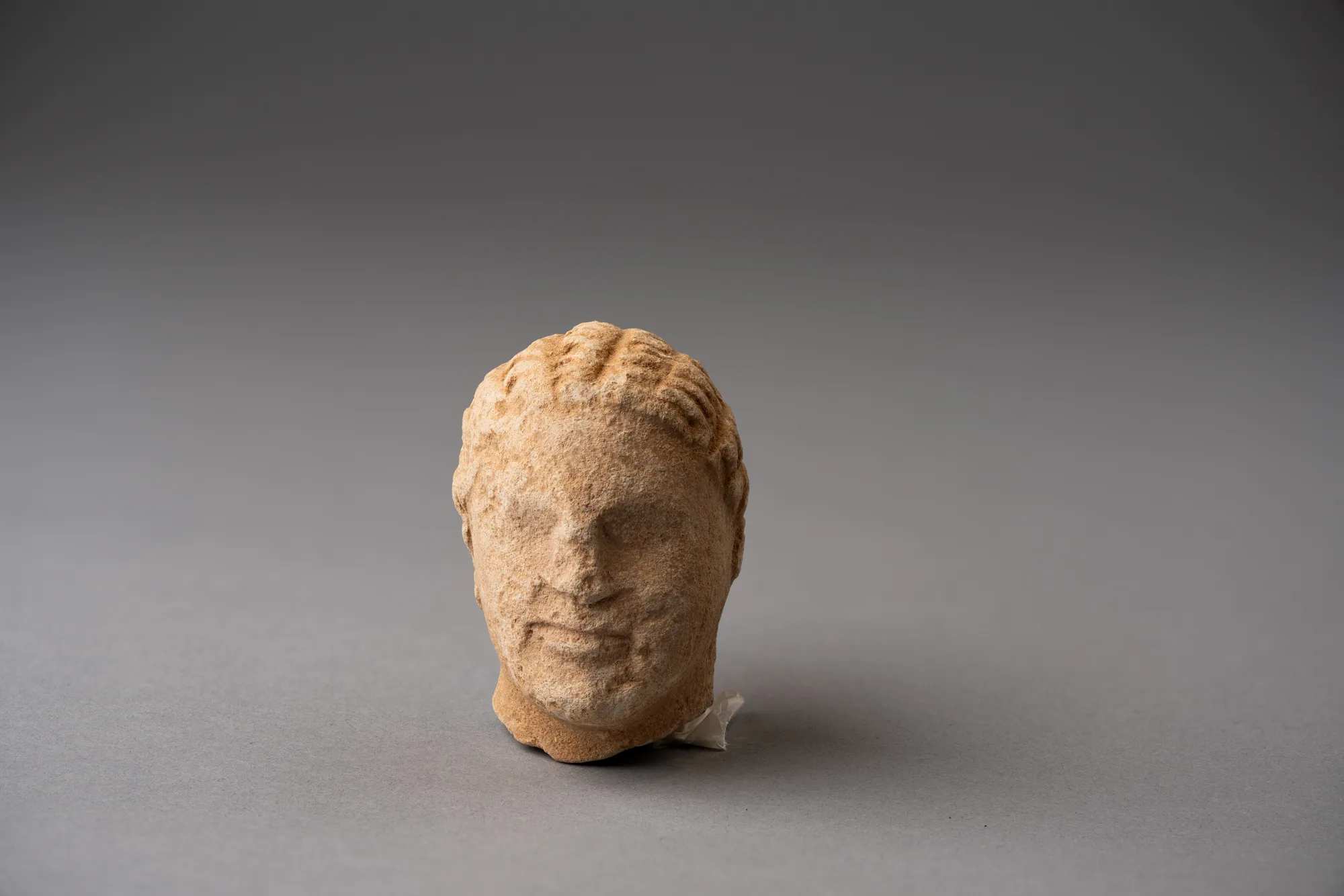 Temple BoysSmall limestone votive statues of crouching young children, dedicated in Cypriot sanctuaries from the mid-5th century BCE into the Hellenistic period.Cypro-ClassicalHellenistic
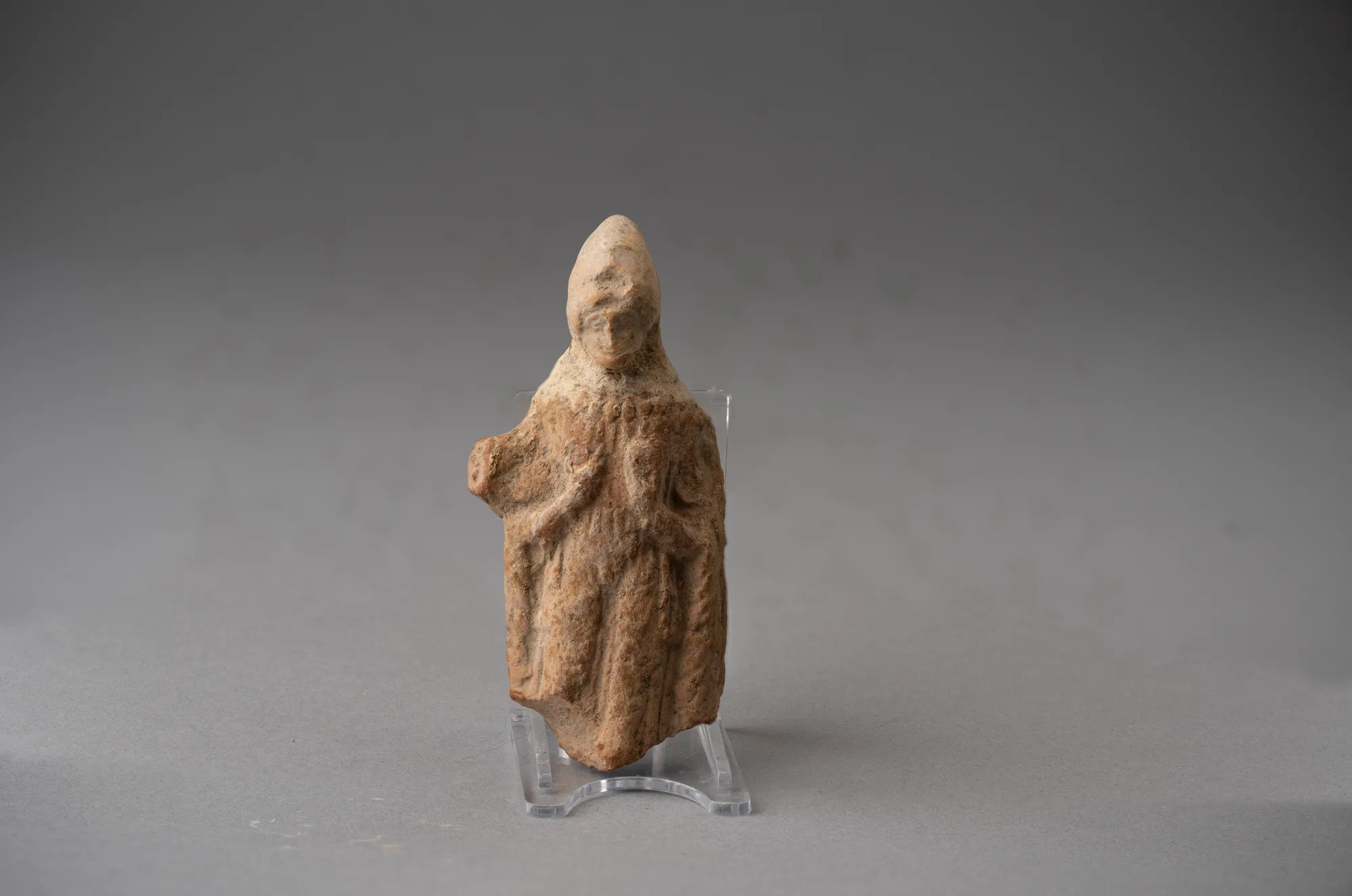 Terracotta FigurinesSmall clay figures made in Cyprus by hand, on the wheel or in moulds, from Chalcolithic birthing figures to the Cypro-Archaic sanctuary votives.ChalcolithicEarly Bronze AgeMiddle Bronze AgeCypro-GeometricCypro-ArchaicCypro-ClassicalHellenistic
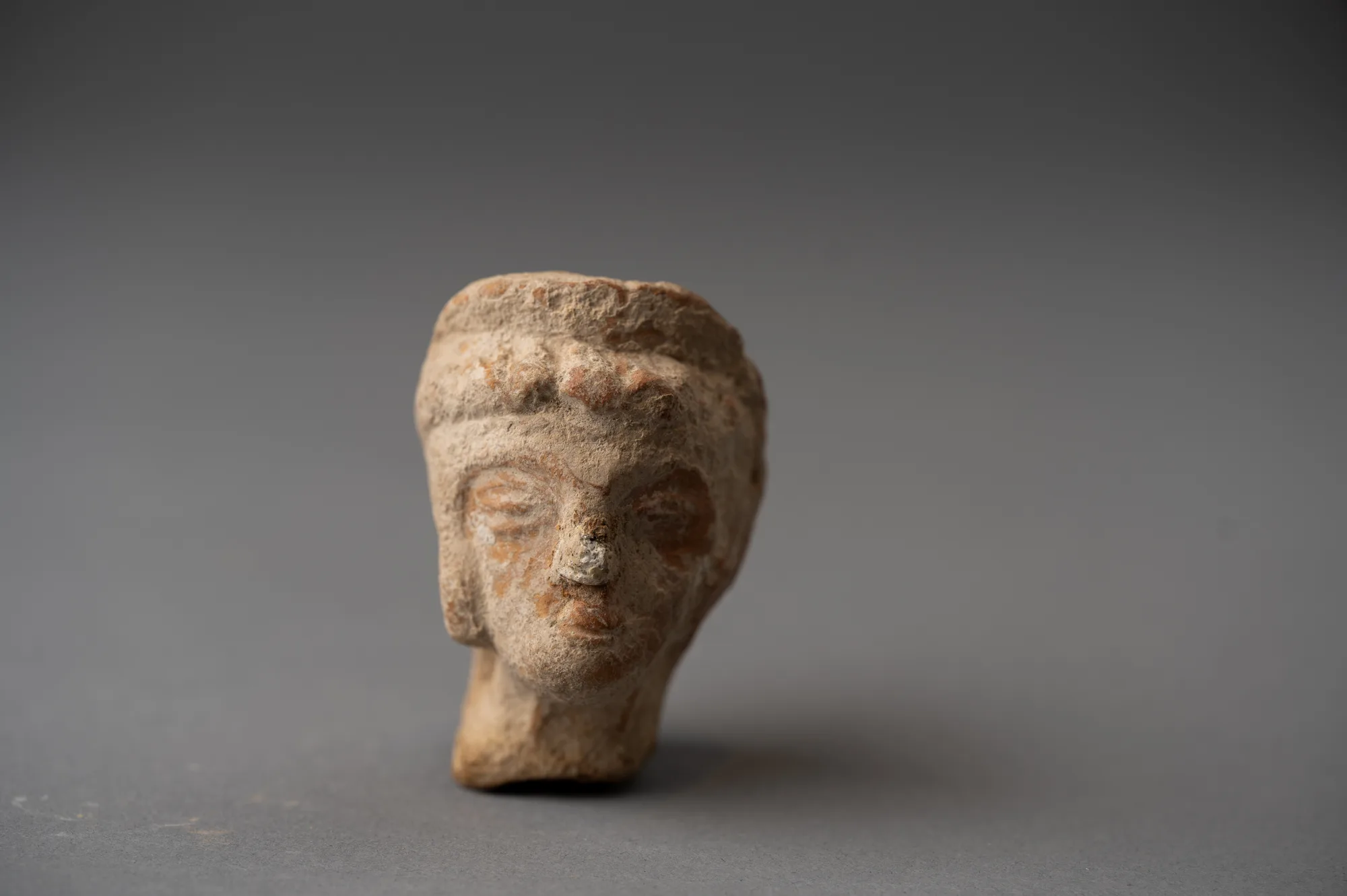 The Statues of Ancient CyprusSectionThe statues and figurines of ancient Cyprus, in stone, clay and metal, from Neolithic pebble figures to Hellenistic and Roman limestone votives.NeolithicChalcolithicEarly Bronze AgeMiddle Bronze AgeLate Bronze AgeCypro-GeometricCypro-ArchaicCypro-ClassicalHellenisticRoman
Tools and Technologies
1 entrySection overview
Cultures
1 entrySection overview
Architecture
3 entriesSection overview
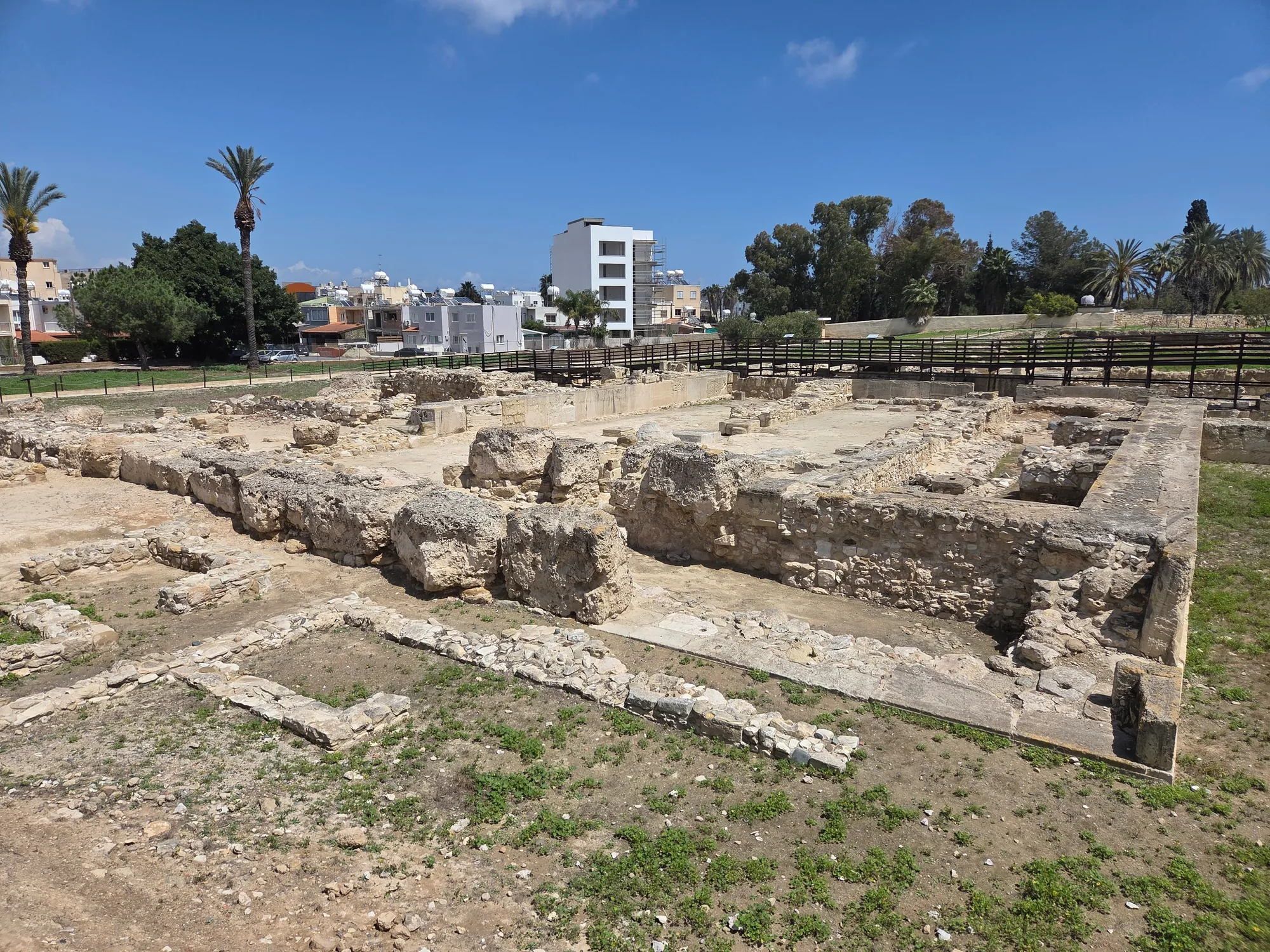 Bronze Age Sanctuaries and TemplesCypriot cult buildings of the Bronze Age, from the clay sanctuary model of Vounous to the walled courts, altars and inner rooms of the Late Cypriot temples.Early Bronze AgeMiddle Bronze AgeLate Bronze Age
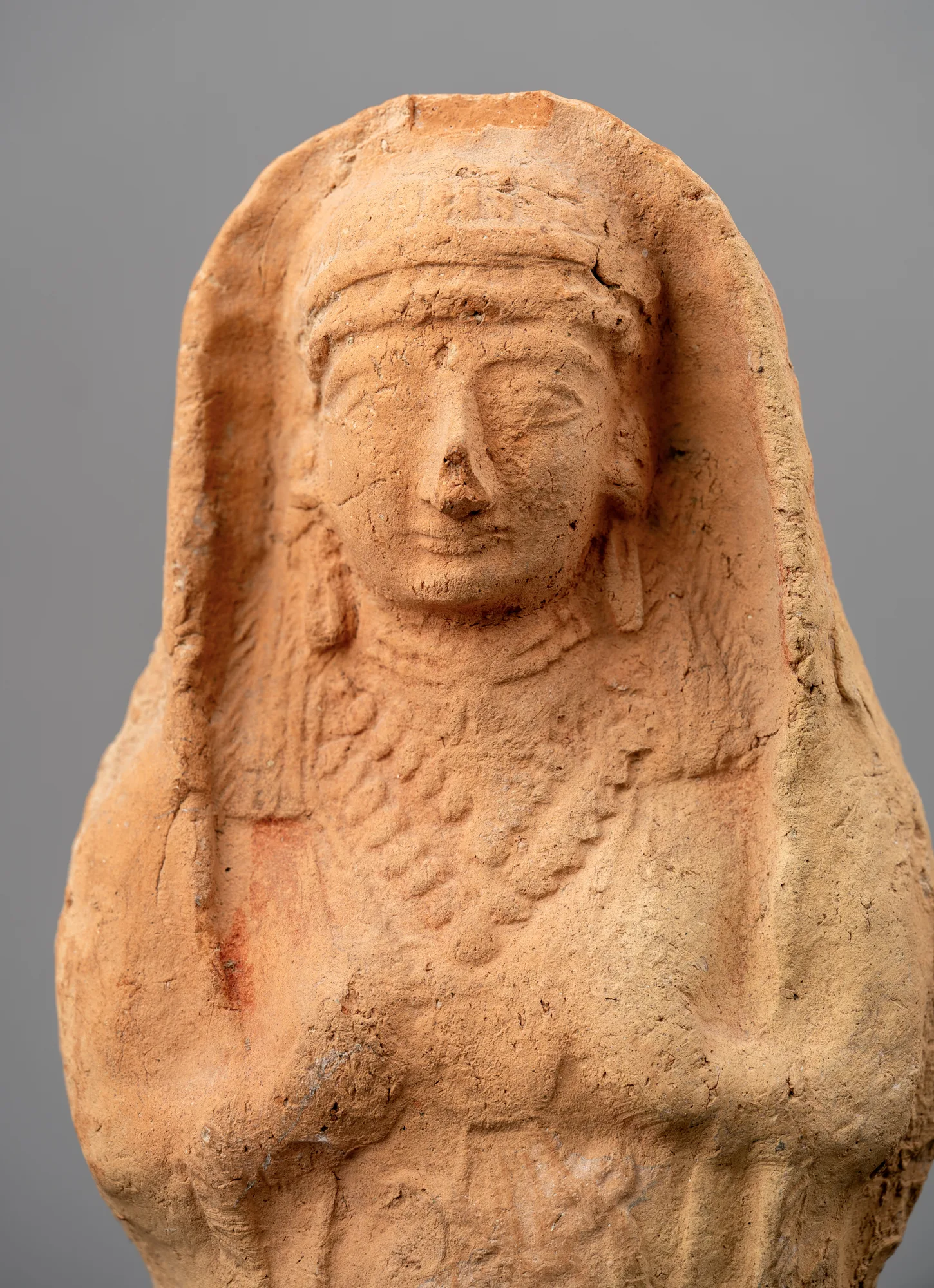 Iron Age SanctuariesThe Cypriot Iron Age sanctuary was a walled open-air court with an altar, sacred trees and small roofed rooms; Greek-style temples arrived only under Rome.Cypro-GeometricCypro-ArchaicCypro-ClassicalHellenisticRoman
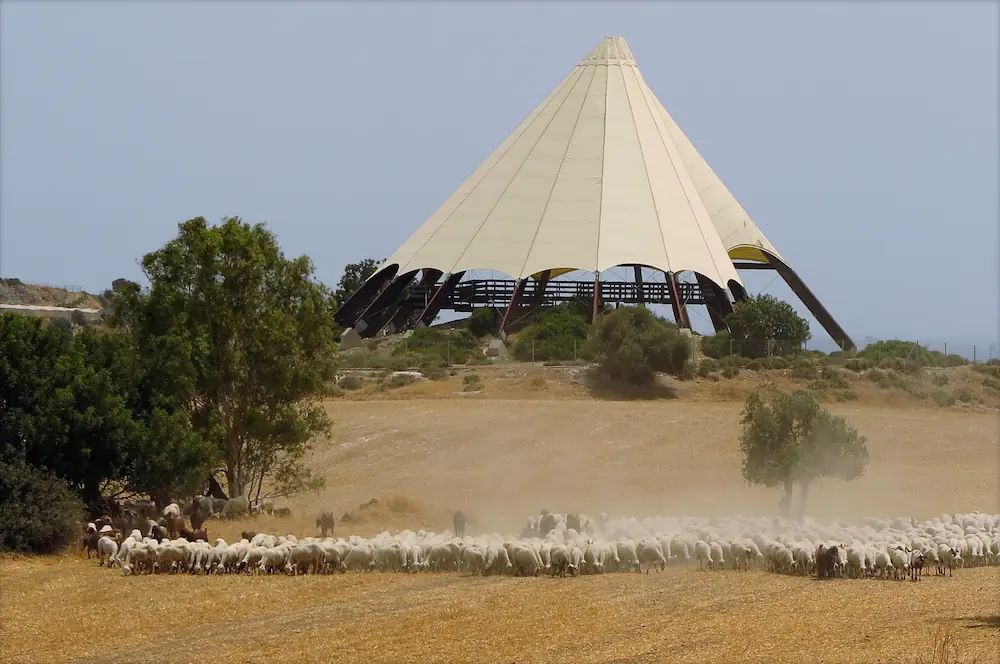 Architectural Transformations in Ancient CyprusSectionThe built environment of ancient Cyprus, from Neolithic round houses to Bronze Age rectilinear villages, ashlar buildings and Iron Age sanctuaries.NeolithicChalcolithicEarly Bronze AgeMiddle Bronze AgeLate Bronze AgeCypro-GeometricCypro-ArchaicHellenisticRoman
Mortuary Practices
4 entriesSection overview
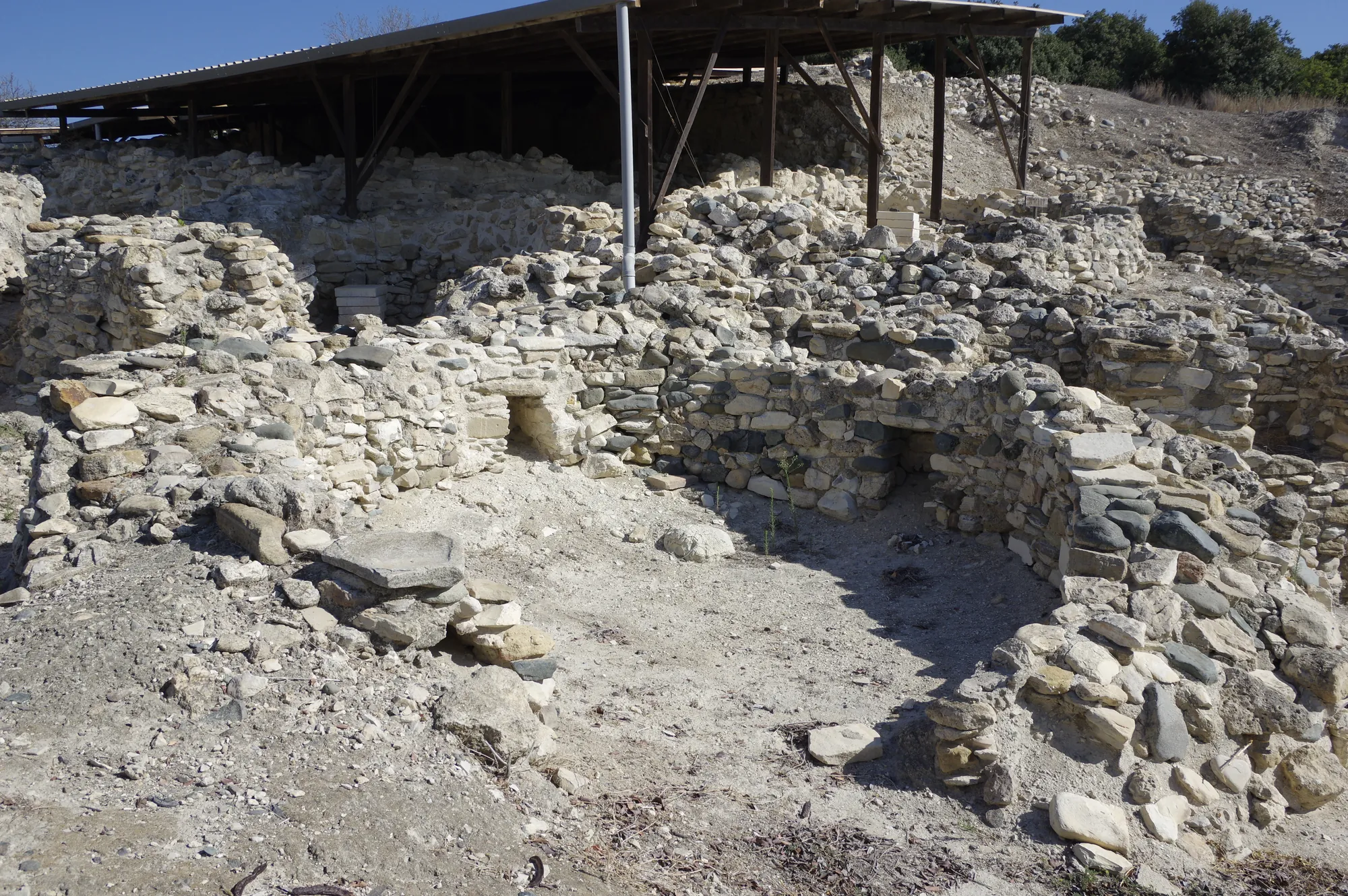 Neolithic and Chalcolithic Burial in CyprusBurial on Cyprus from the first farming villages to the eve of the Bronze Age, mostly contracted bodies in pits beneath or beside houses.NeolithicChalcolithic
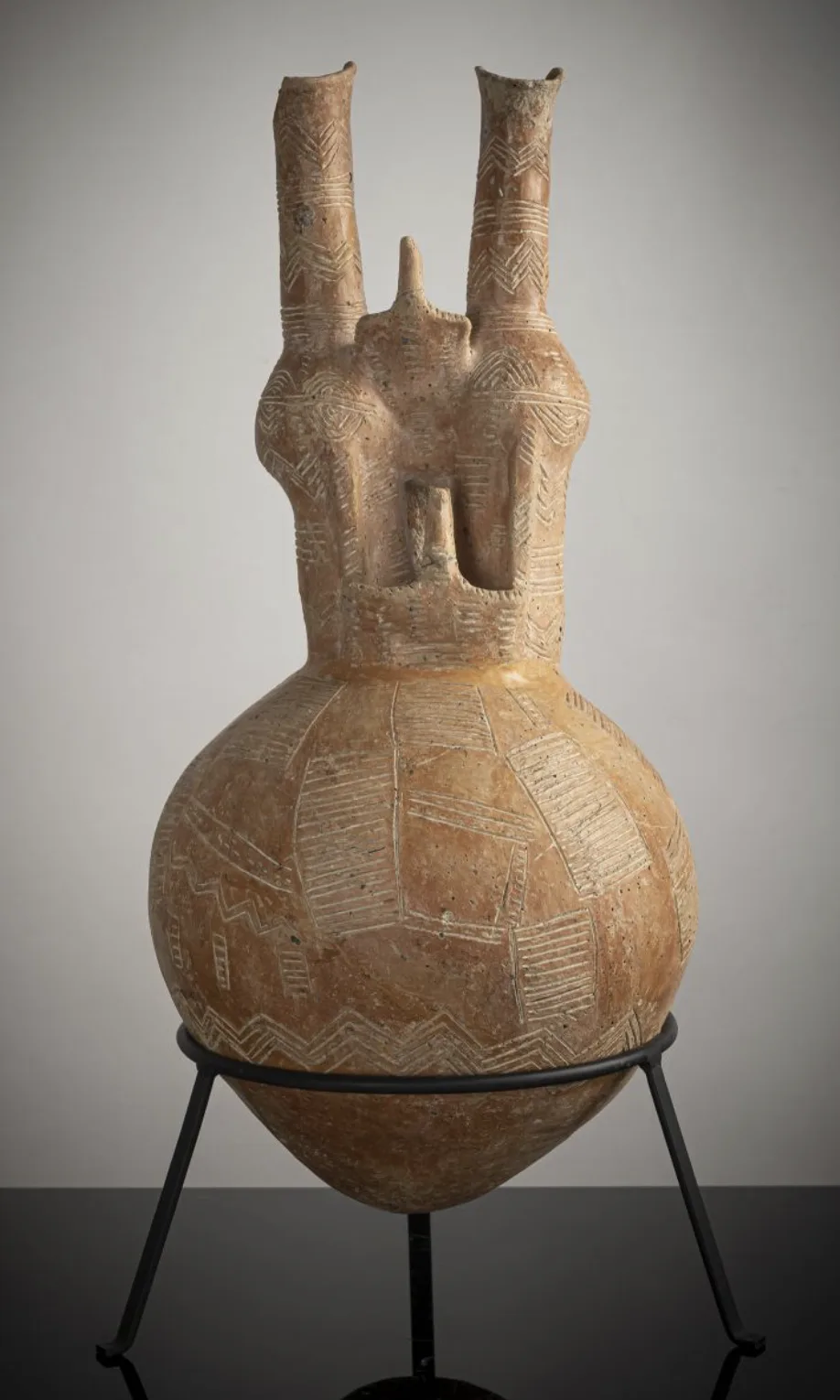 Vounous and Early Bronze Age BurialBellapais-Vounous is a north-coast cemetery of rock-cut chamber tombs whose figured Red Polished grave goods define Early Bronze Age burial in Cyprus.Early Bronze AgeMiddle Bronze Age
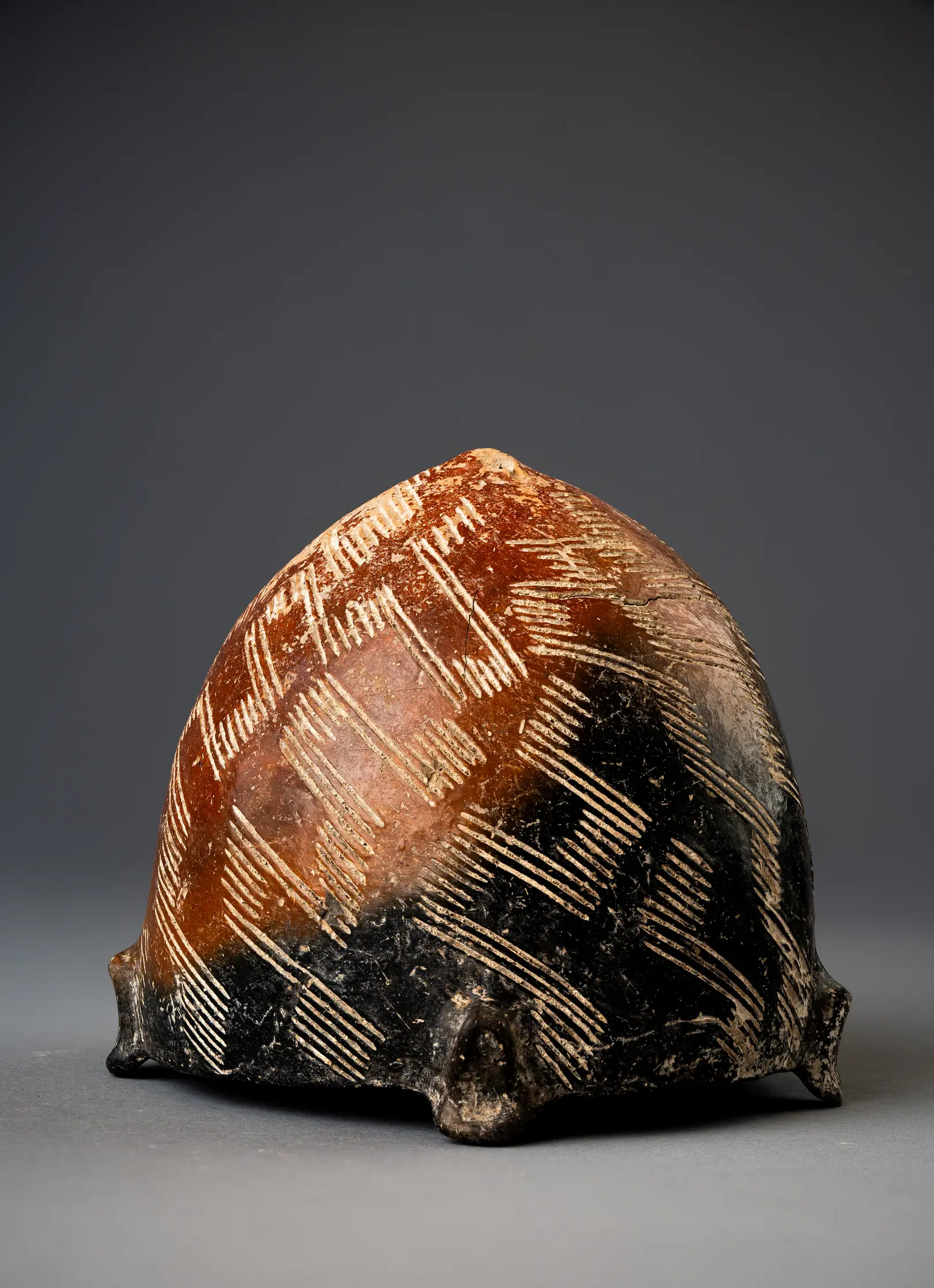 Bronze Age Chamber TombsRock-cut chambers entered by a dromos and reopened for successive burials were the standard Cypriot grave from the Philia phase to the end of the Bronze Age.Early Bronze AgeMiddle Bronze AgeLate Bronze Age
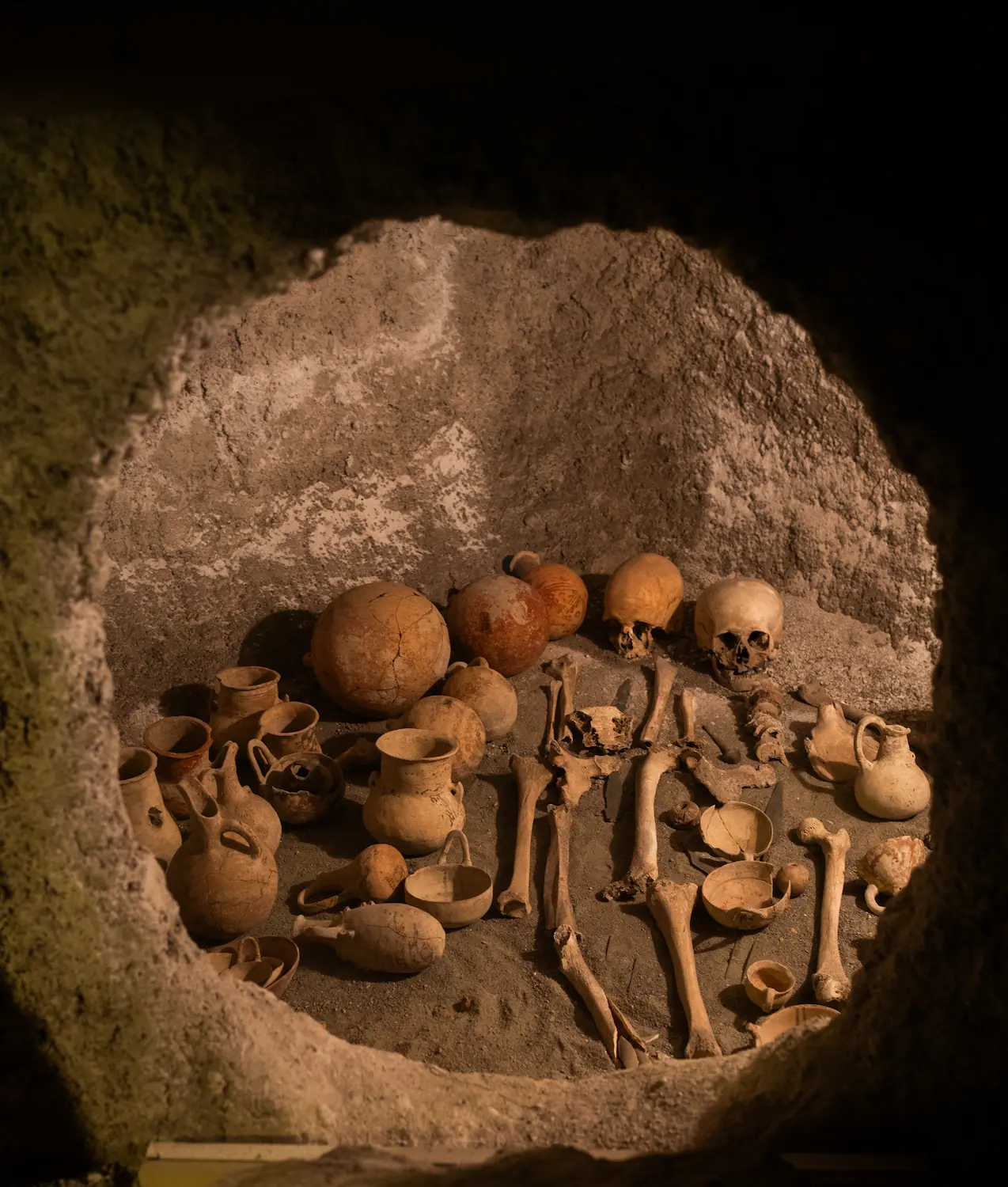 Society, Ritual, and Identity in Ancient Cypriot Mortuary PracticeSectionHow the people of ancient Cyprus buried and remembered their dead, from graves beneath Neolithic houses to rock-cut chamber tombs and Iron Age royal tombs.NeolithicChalcolithicEarly Bronze AgeMiddle Bronze AgeLate Bronze AgeCypro-Geometric
Daily Life
3 entriesSection overview
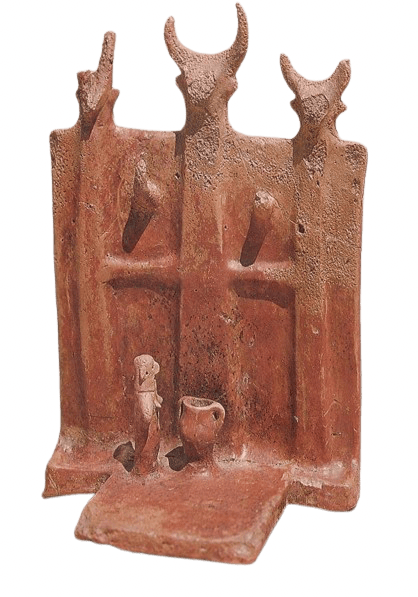 Clay ModelsFreestanding miniature models of buildings, cult places, work scenes, boats, vehicles and furniture made in Cyprus from the Chalcolithic to the Cypro-Archaic period.ChalcolithicEarly Bronze AgeMiddle Bronze AgeLate Bronze AgeCypro-GeometricCypro-Archaic
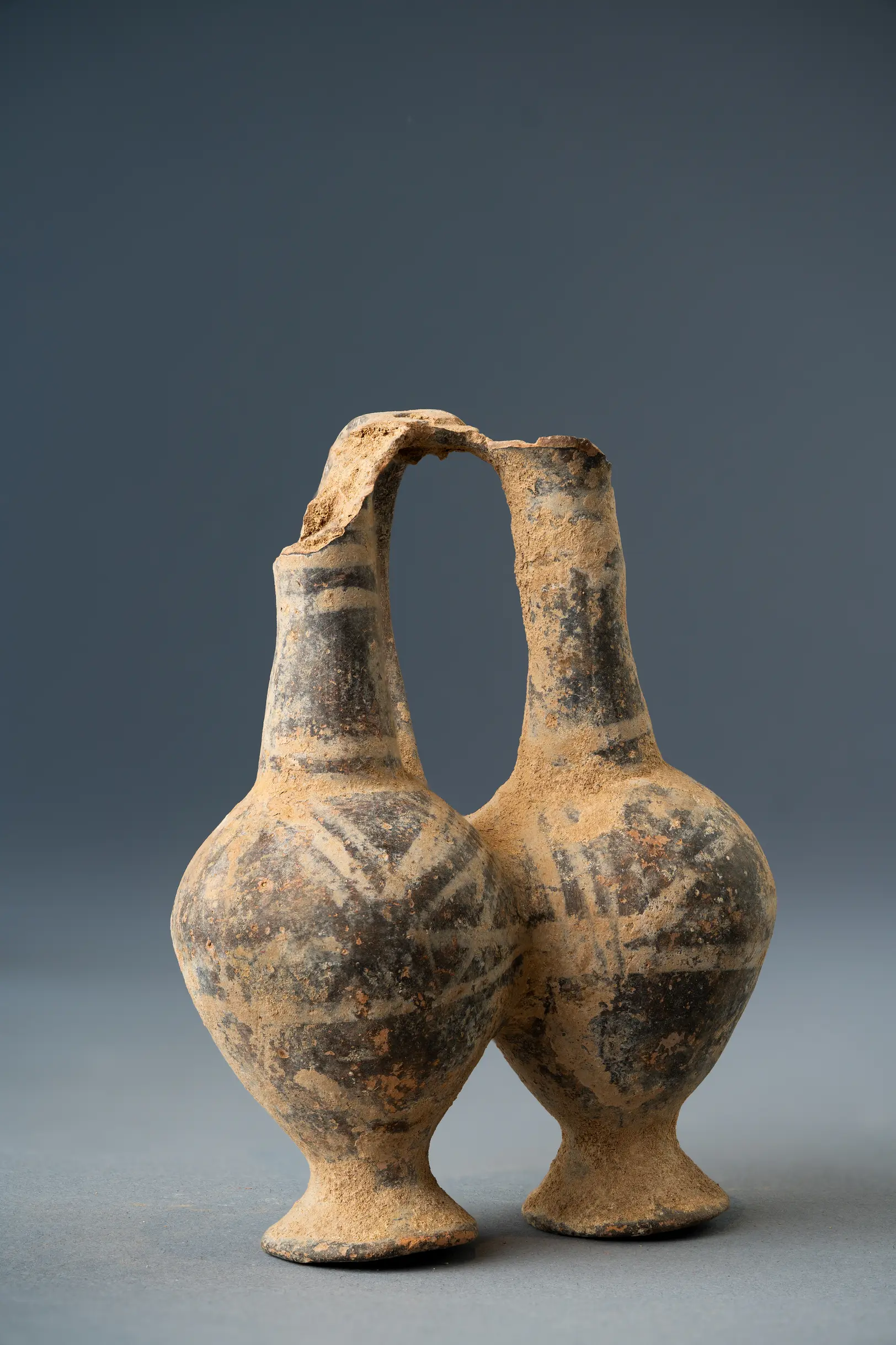 Medicine and Healing in Ancient CyprusDisease, drugs, doctors and healing cults in ancient Cyprus, from Neolithic skeletons to the physician Onasilos of Idalion in the early fifth century BCE.NeolithicLate Bronze AgeCypro-GeometricCypro-ArchaicCypro-Classical
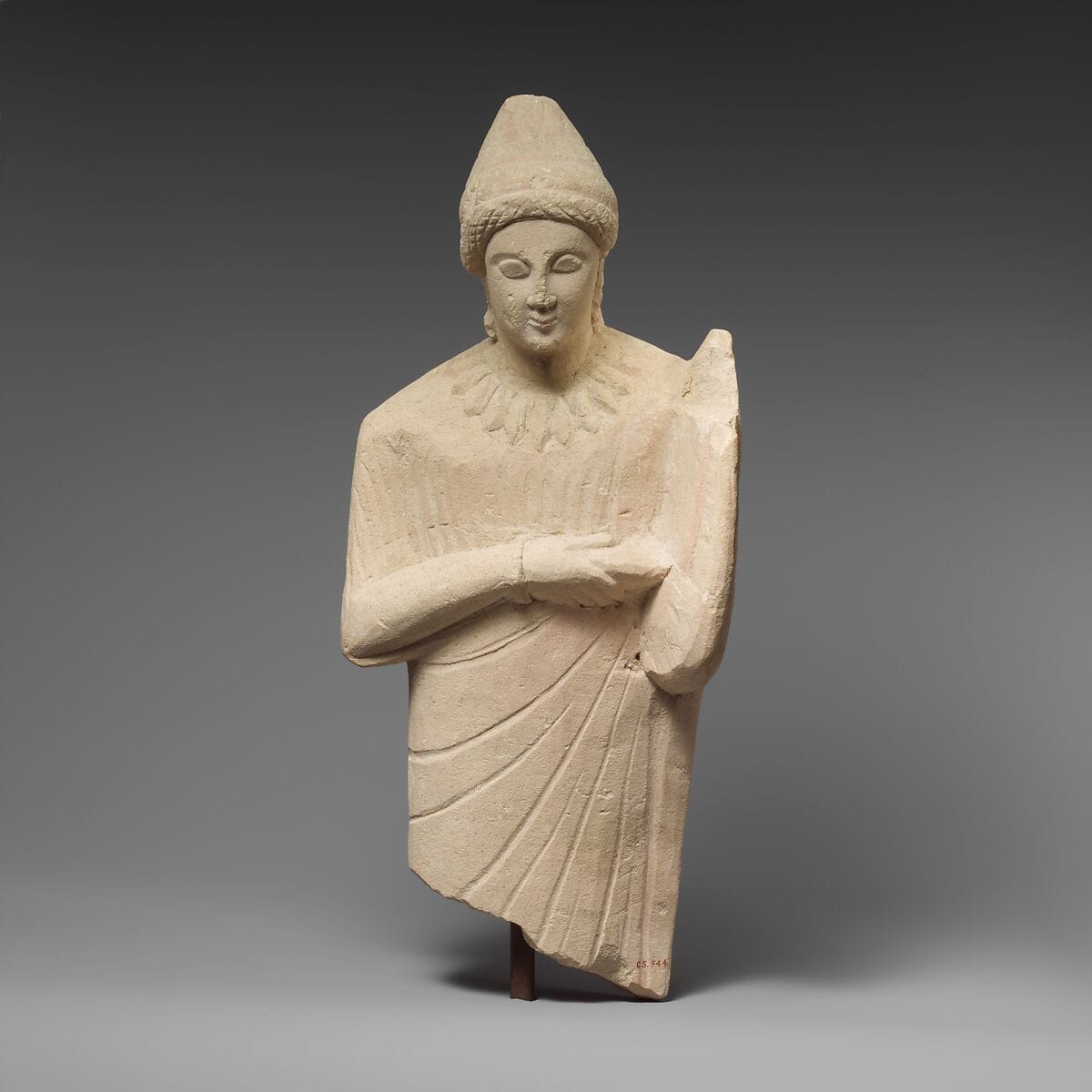 Music and Musical Instruments in Ancient CyprusLyres, double pipes, frame drums, cymbals and clay rattles in Cyprus from the Late Bronze Age to the Cypro-Classical period, known mostly from terracotta musicians.Late Bronze AgeCypro-GeometricCypro-ArchaicCypro-Classical
Chronology
4 entriesSection overview
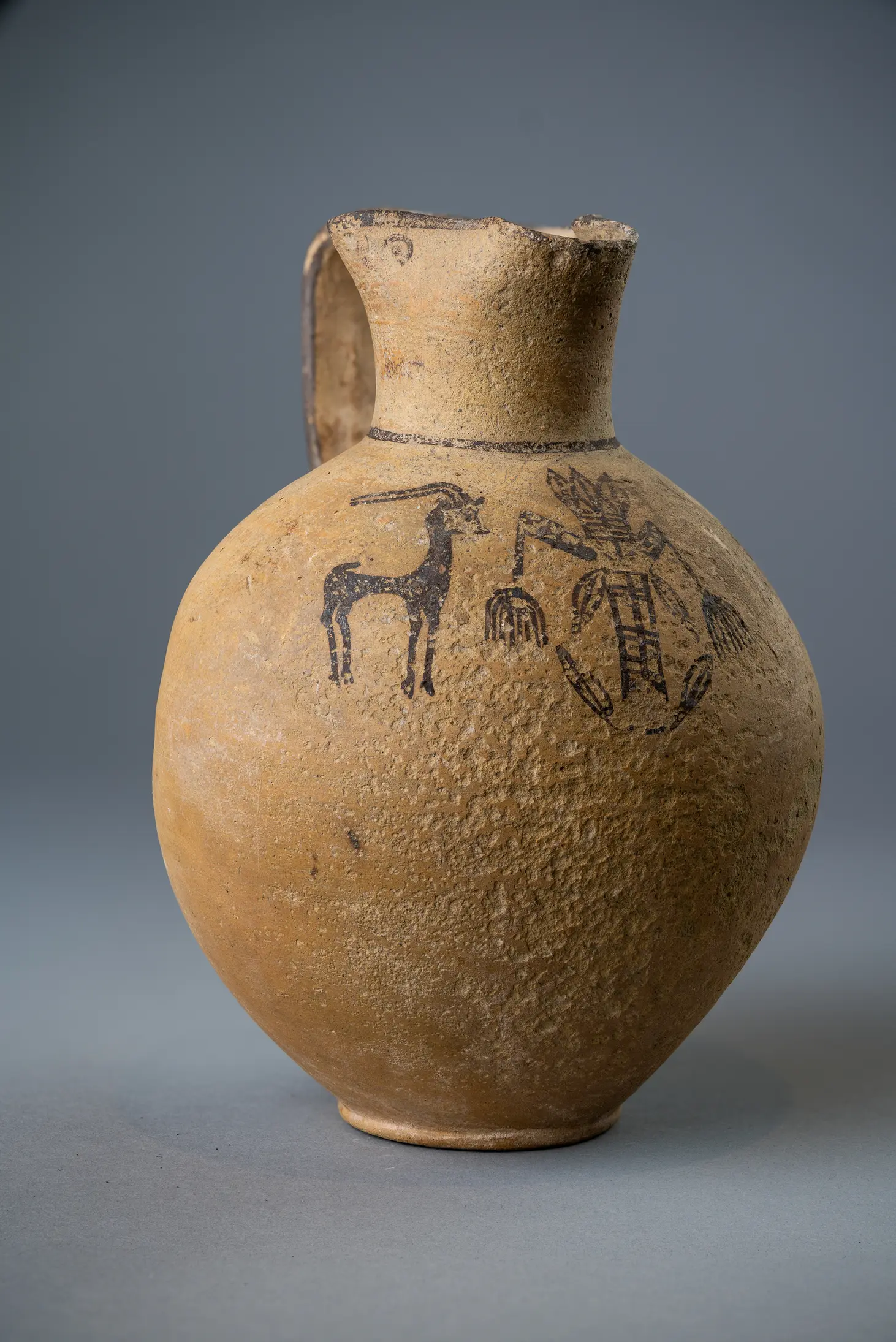 Cypro-Archaic CyprusThe age of the Cypriot city-kingdoms, c. 750–475 BCE, under Assyrian, Egyptian and Persian overlordship, with rural sanctuaries and regional pottery styles.Cypro-Archaic
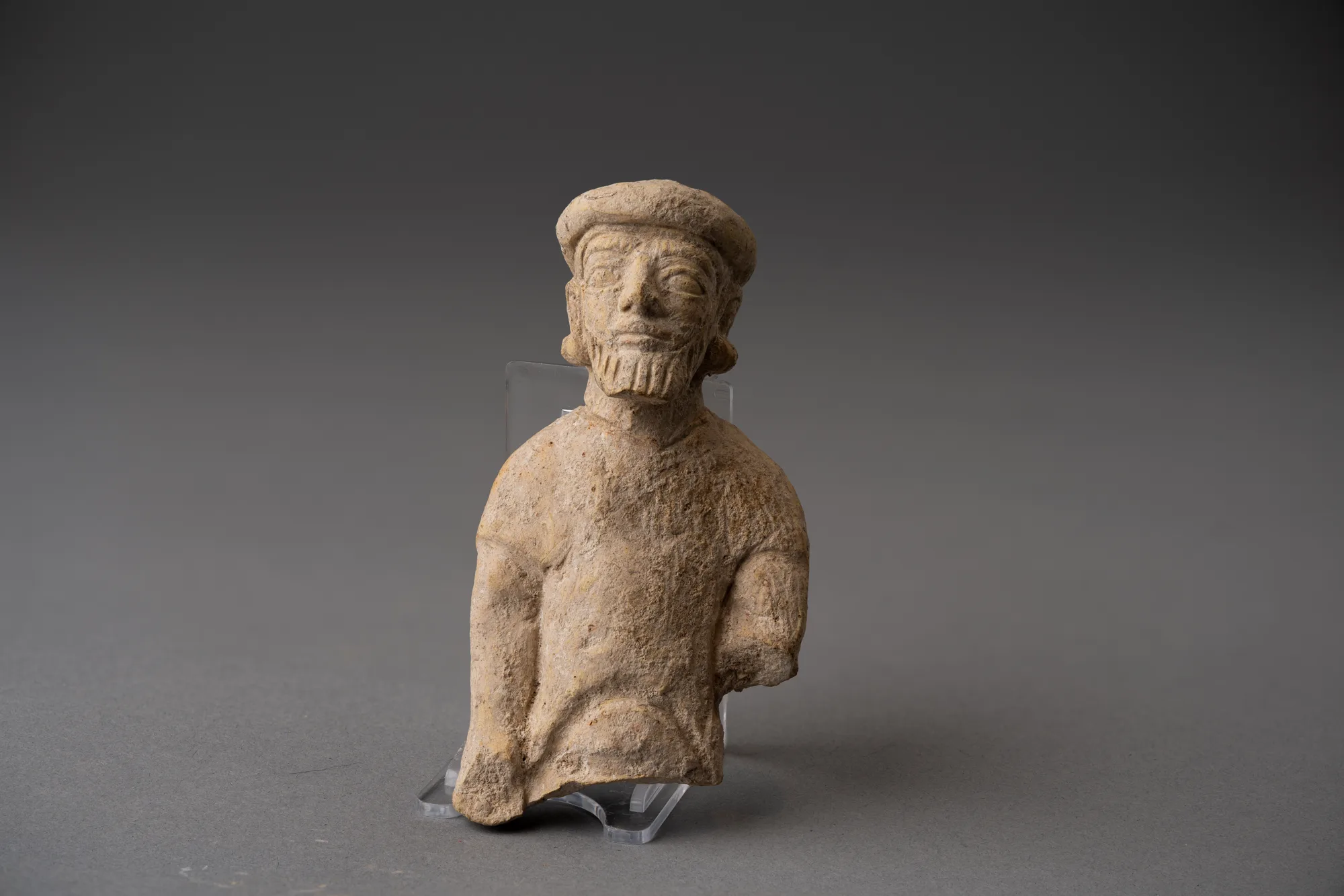 Hellenistic CyprusThe Ptolemaic period in Cyprus, c. 310–31 BCE, when the city-kingdoms were abolished and the island was governed as one province from Nea Paphos.Hellenistic
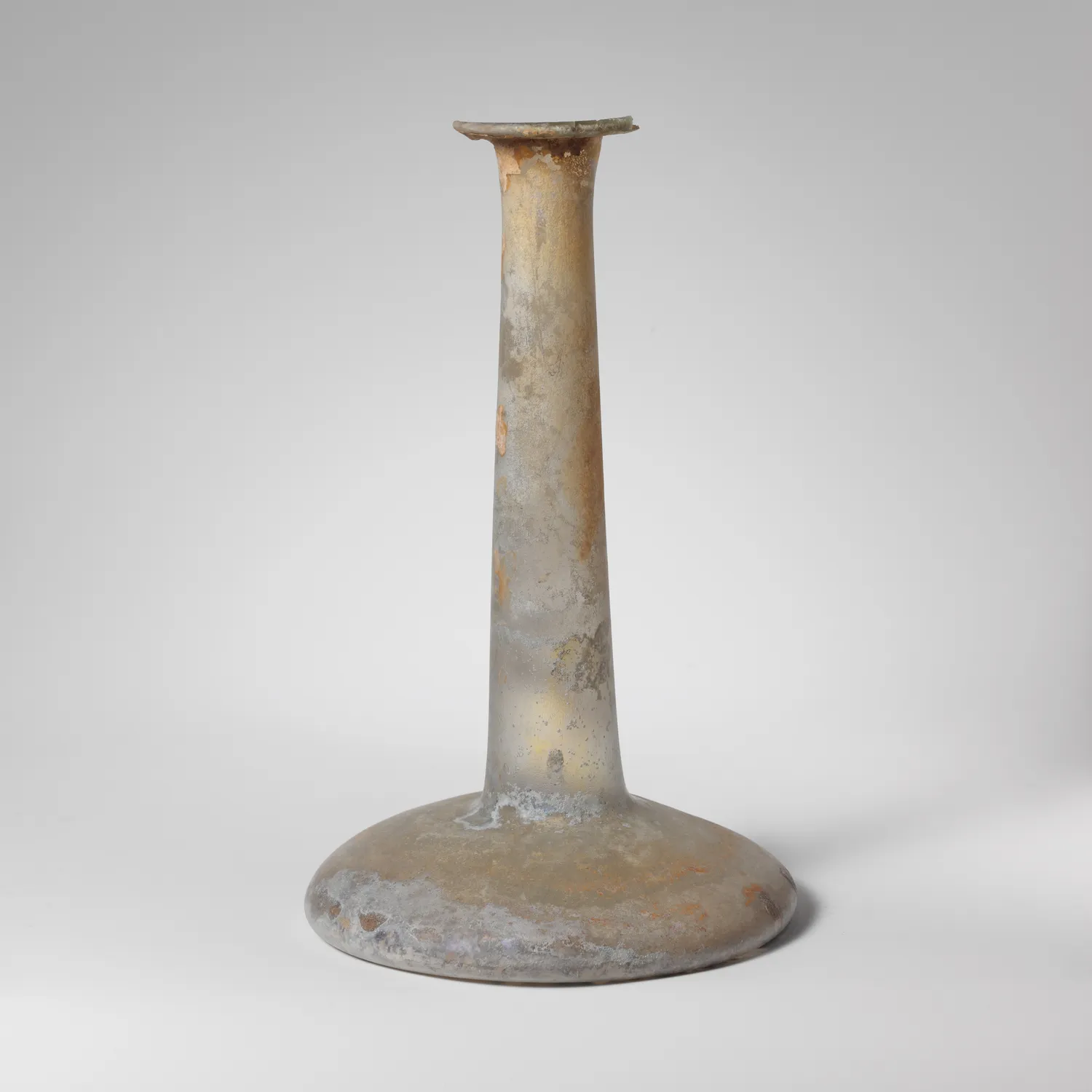 Roman CyprusCyprus as a Roman province from 58 BCE to the fourth century CE, governed from Nea Paphos, mined for copper, and finally wrecked by earthquakes.Roman
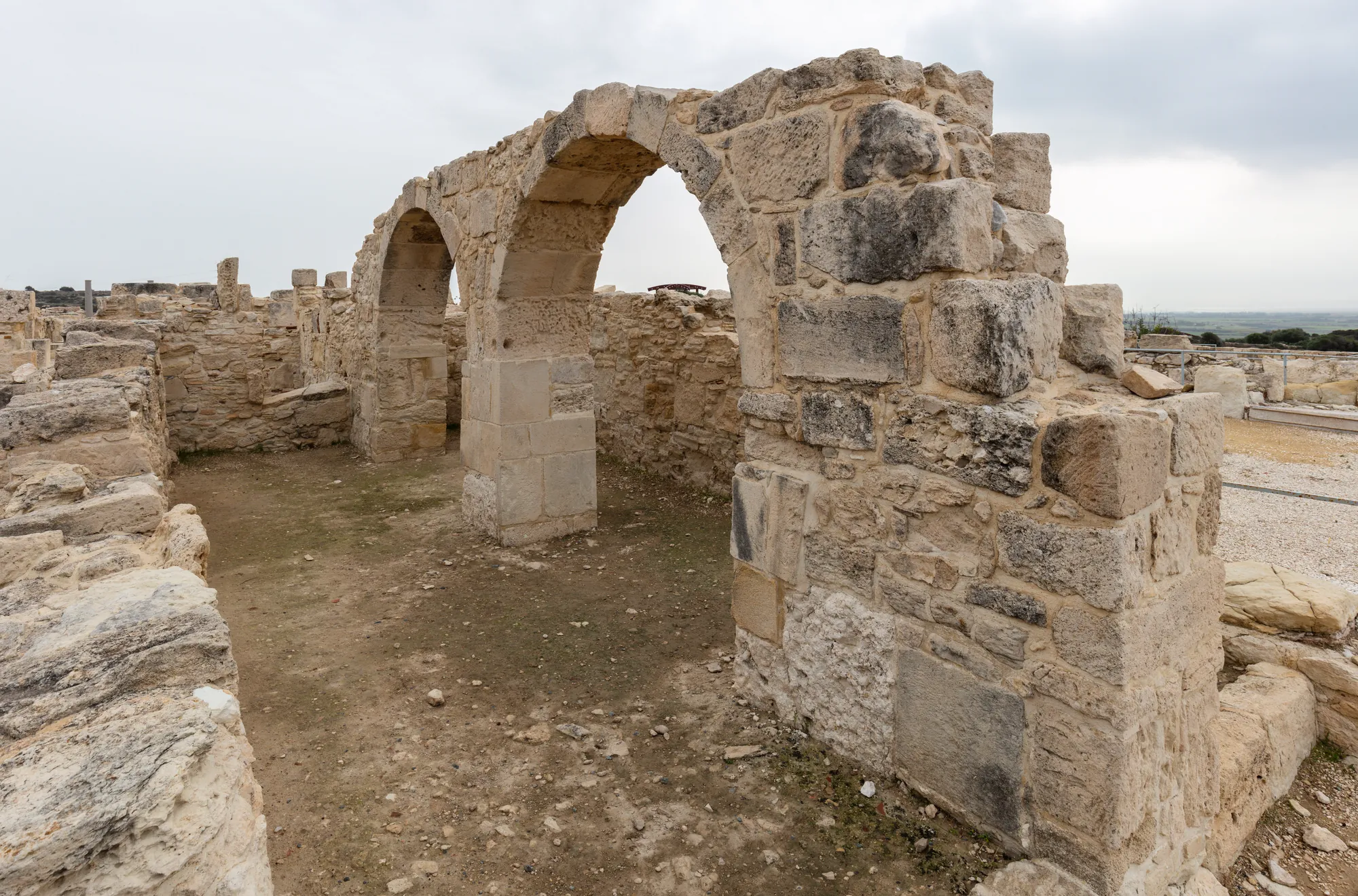 Late Antique and Early Byzantine CyprusCyprus from the founding of Constantinople to the Arab raids of the mid-seventh century, ruled from Constantia and reshaped by earthquakes and the Church.Roman