
The Environment of Ancient Cyprus
Every object in this compendium was made on an island with its own rainfall, coasts, forests, faults and wildlife. This section describes that island: what its climate was like, how its landscape changed, which earthquakes struck its towns, and which birds its people hunted, watched and painted.
In 1879 Kitchener called Cyprus "an island of sudden changes", where "both climate and landscape are subject to rapid variations", and Catherine Kearns opens her study of Iron Age environments with that line [1, p. 266]. The island's past environments have been studied far less than its tombs and sanctuaries. Kearns notes how little is known about past vegetation or about abrupt changes in climate, and how often archaeologists have borrowed records from elsewhere in the Mediterranean to fill the gap [1, pp. 266, 268]. The entries in this section set out what the Cypriot evidence itself shows, and how firmly it is dated.
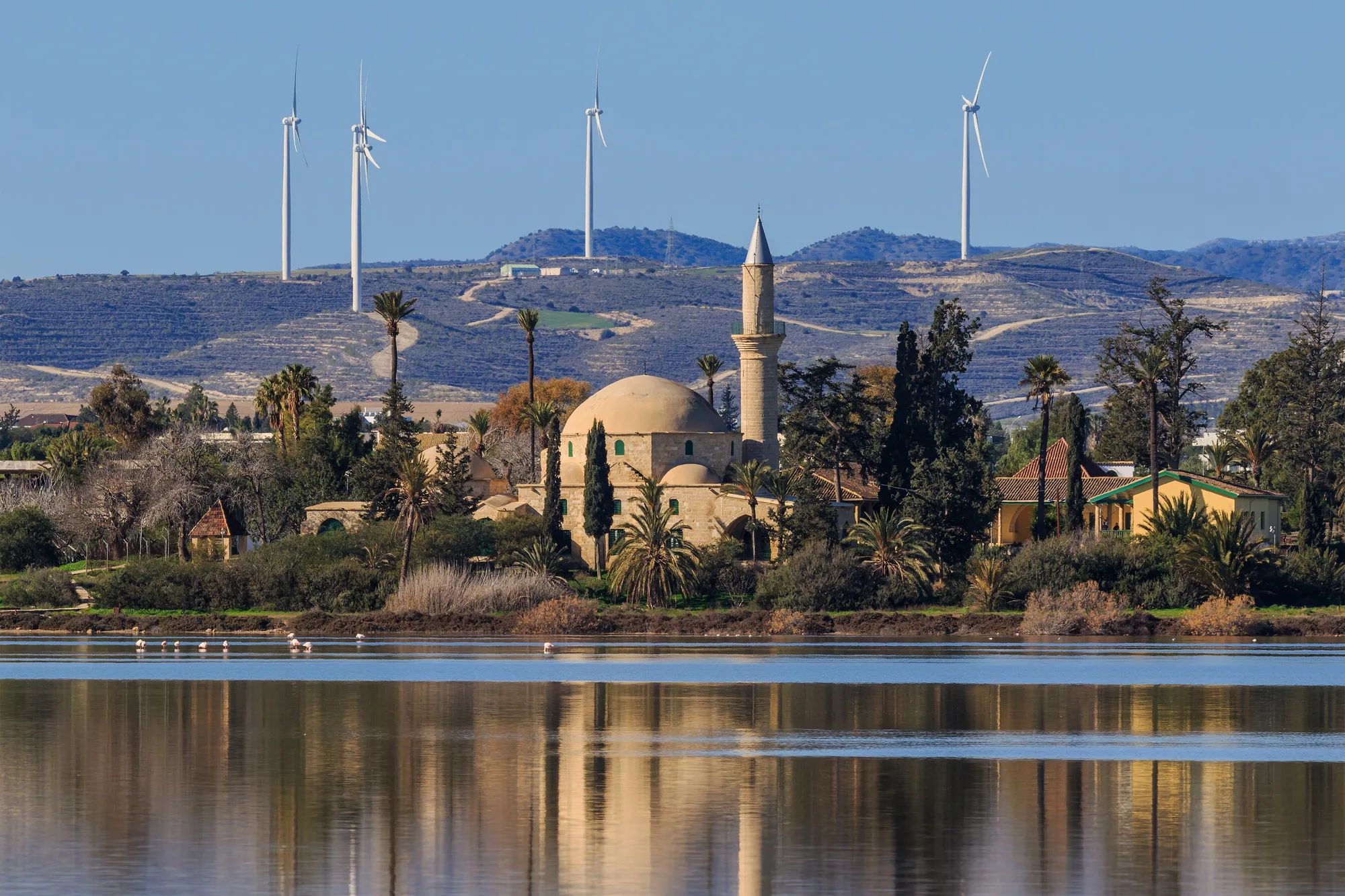
The most-cited record comes from the Larnaca Salt Lake, beside the Late Bronze Age town at Hala Sultan Tekke, in what is today "one of the driest parts of the island", with 351.5 mm of rain a year [2, p. 3]. That core has been read as evidence of drought at the end of the Late Bronze Age, and the argument over how much weight it can bear runs through the entry on climate and landscape, together with sea level, harbours that silted into lagoons, and the old claim that copper smelting stripped the island of its forests.
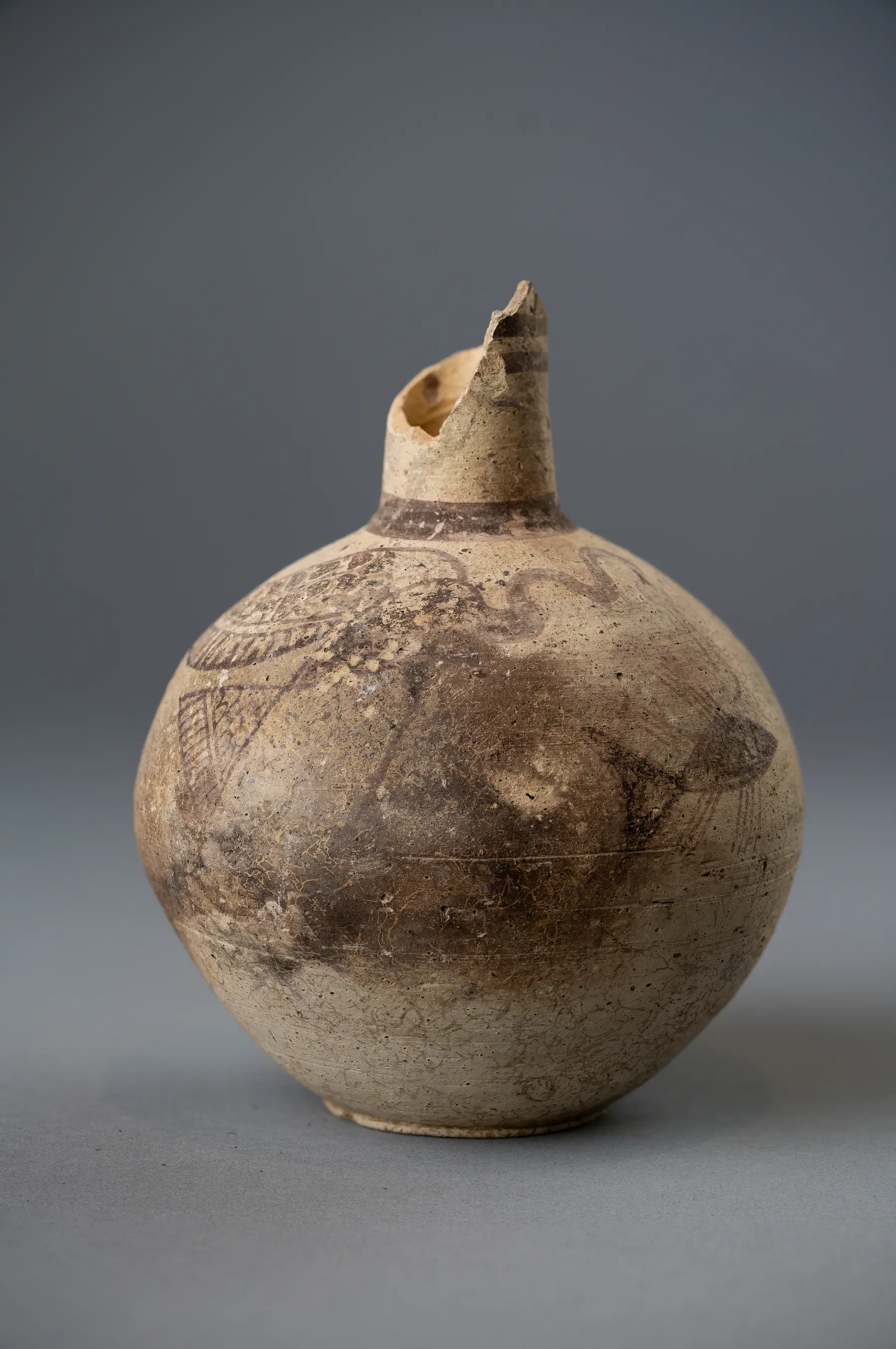
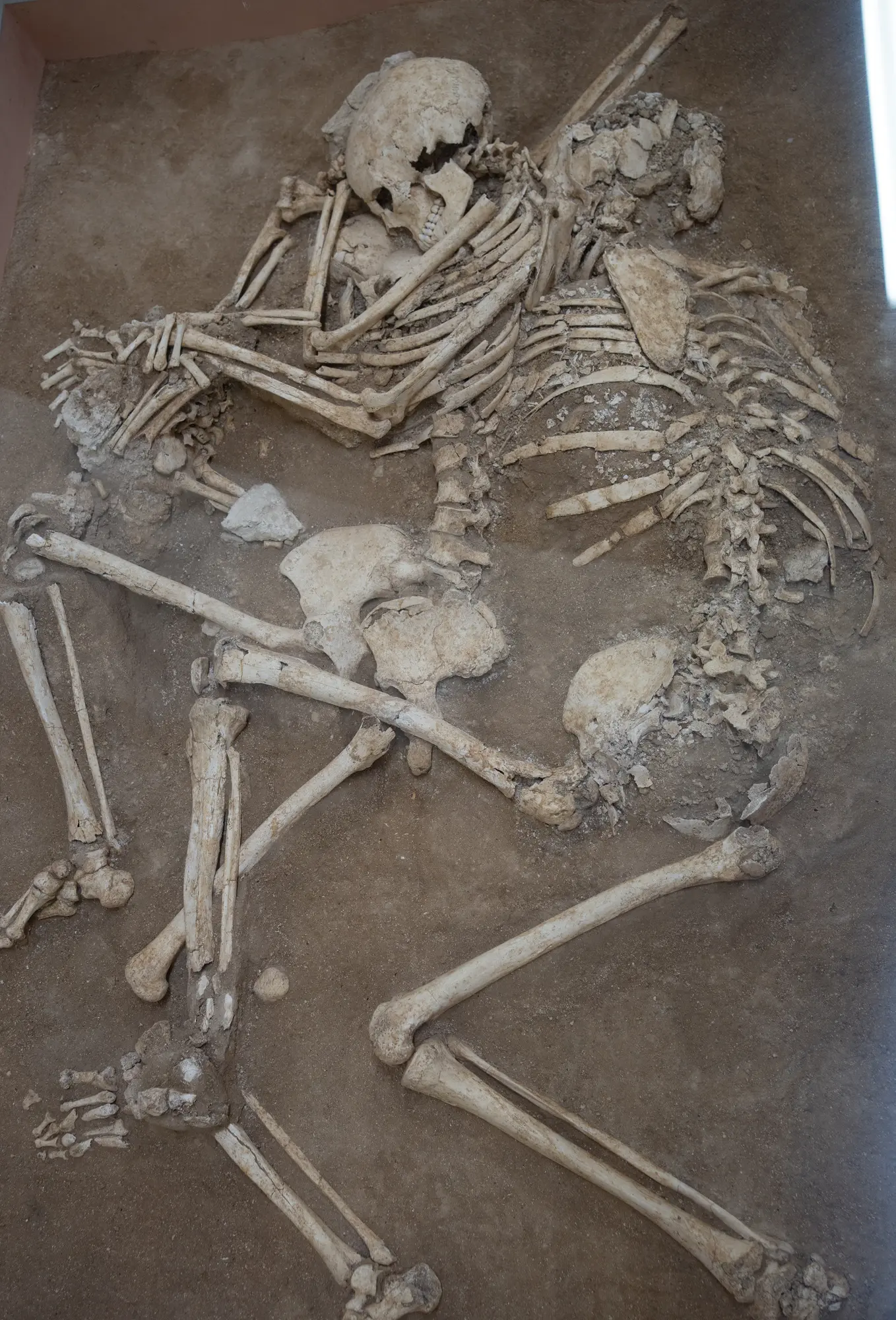
The entry on earthquakes looks at the destructions that have been blamed on earthquakes, from Late Bronze Age Kition and Enkomi to the fall of Roman Kourion in the fourth century AD, and at how often the evidence supports the attribution. The entry on birds follows the island's birds from the bones at the earliest hunting sites to the birds modelled on Red Polished vessels at Vounous and the birds painted on Cypro-Archaic jugs in the free-field style.
For the people who lived with these conditions, see population and demography, food and diet and food storage; for the island before anyone arrived, see Cyprus before humans.
Environment
Birds in Ancient Cyprus
Birds in ancient Cyprus: bustard bones at Aetokremnos, modelled birds on Red Polished pots, painted...
Climate and Landscape in Ancient Cyprus
How Cyprus's climate, coasts and forests changed from the Neolithic to the Classical period: the...
Earthquakes in Ancient Cyprus
Earthquakes in ancient Cyprus: the Cyprus Arc, disputed Bronze Age destructions at Enkomi, Kition...
From the collection
- Bichrome IV Jug with a Waterfowl Catching a FishArchaic I · 750–600 BC
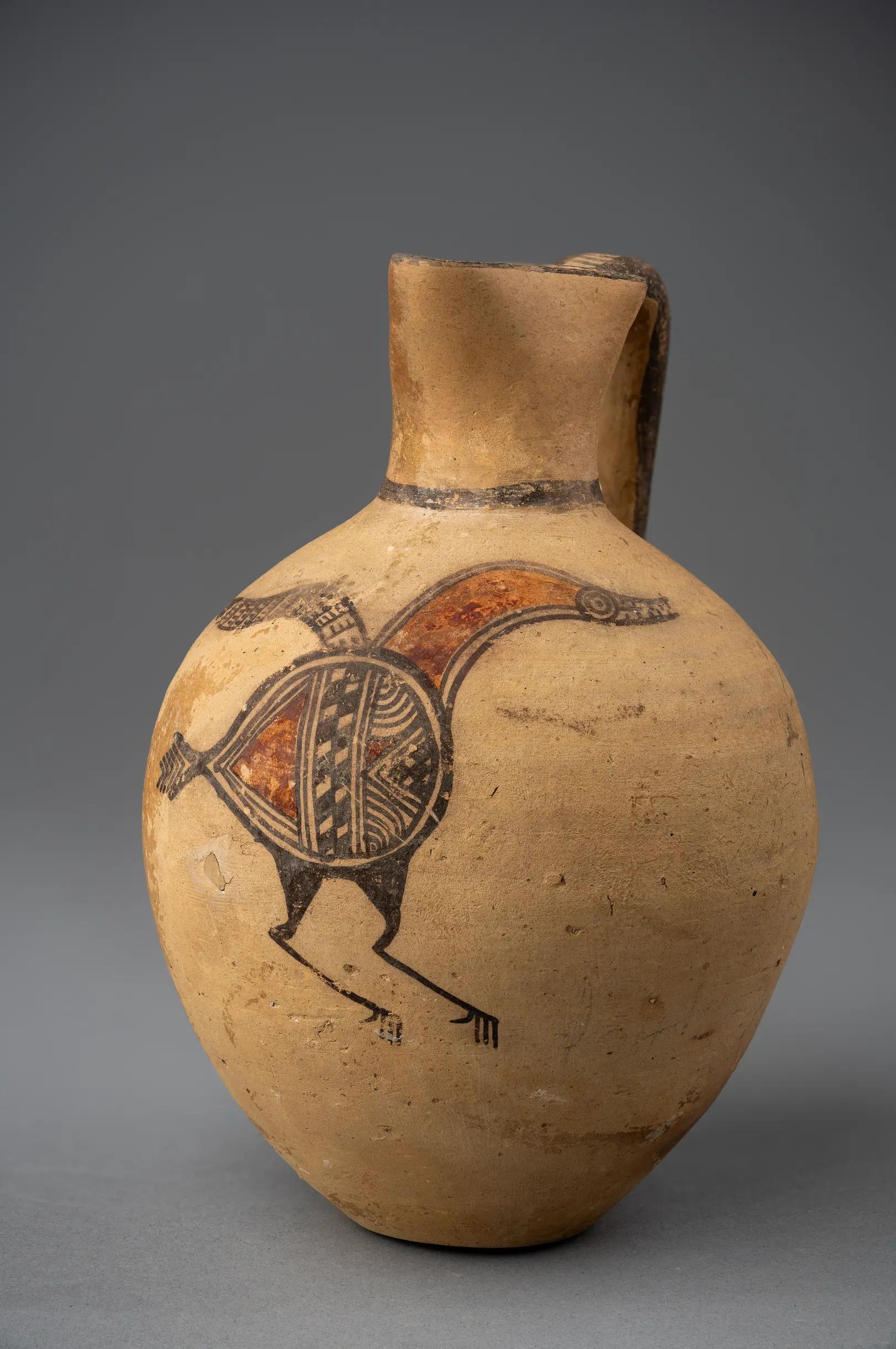 Bichrome IV Trefoil Jug with a Striding BirdArchaic I · 750–600 BC
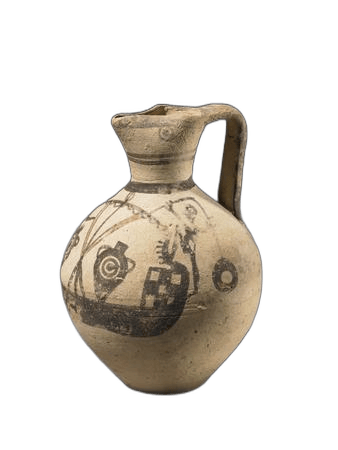 Bichrome Ware Merchant Ship JugArchaic I · 750–600 BC
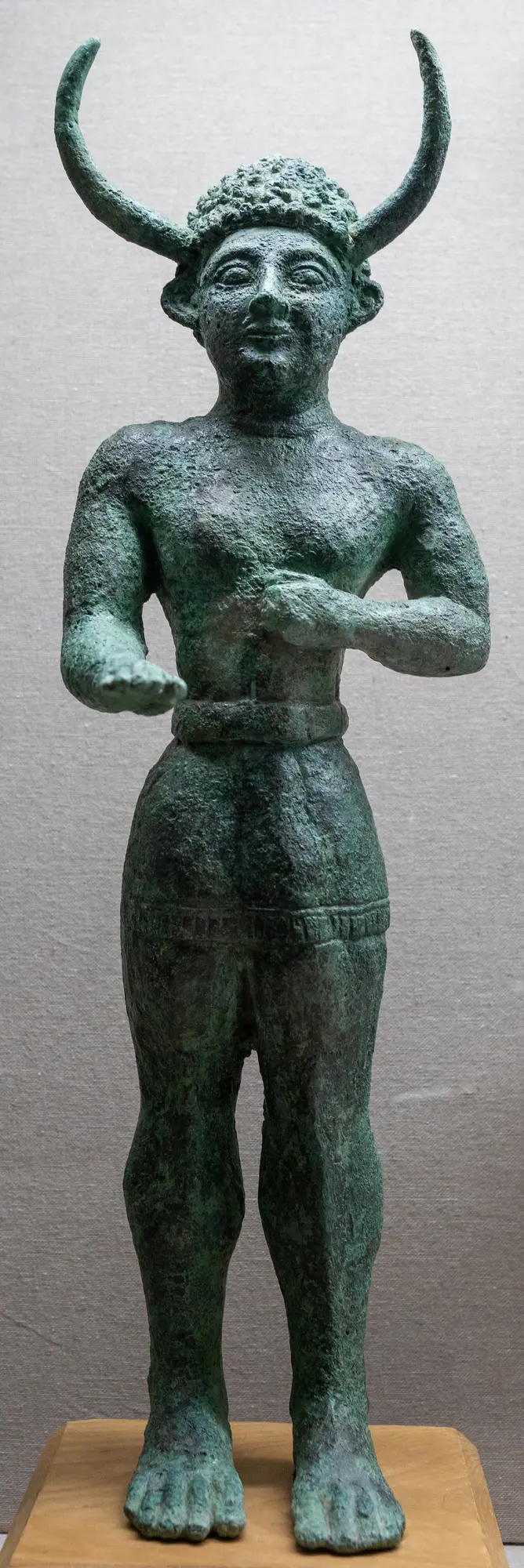 Bronze Ingot GodLate Bronze Age III · 1200–1100 BC
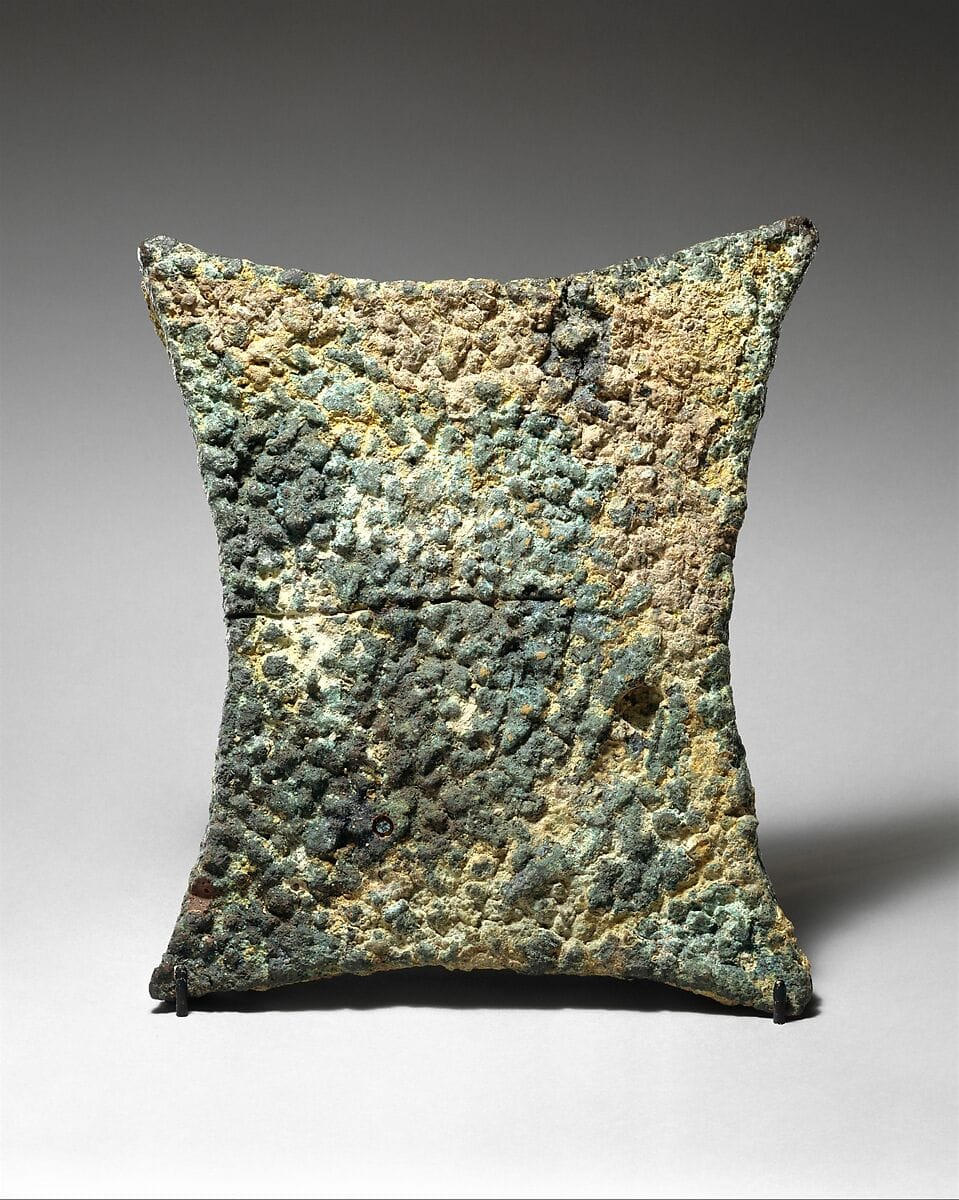 Copper ingotLate Bronze Age II · 1450–1050 BC
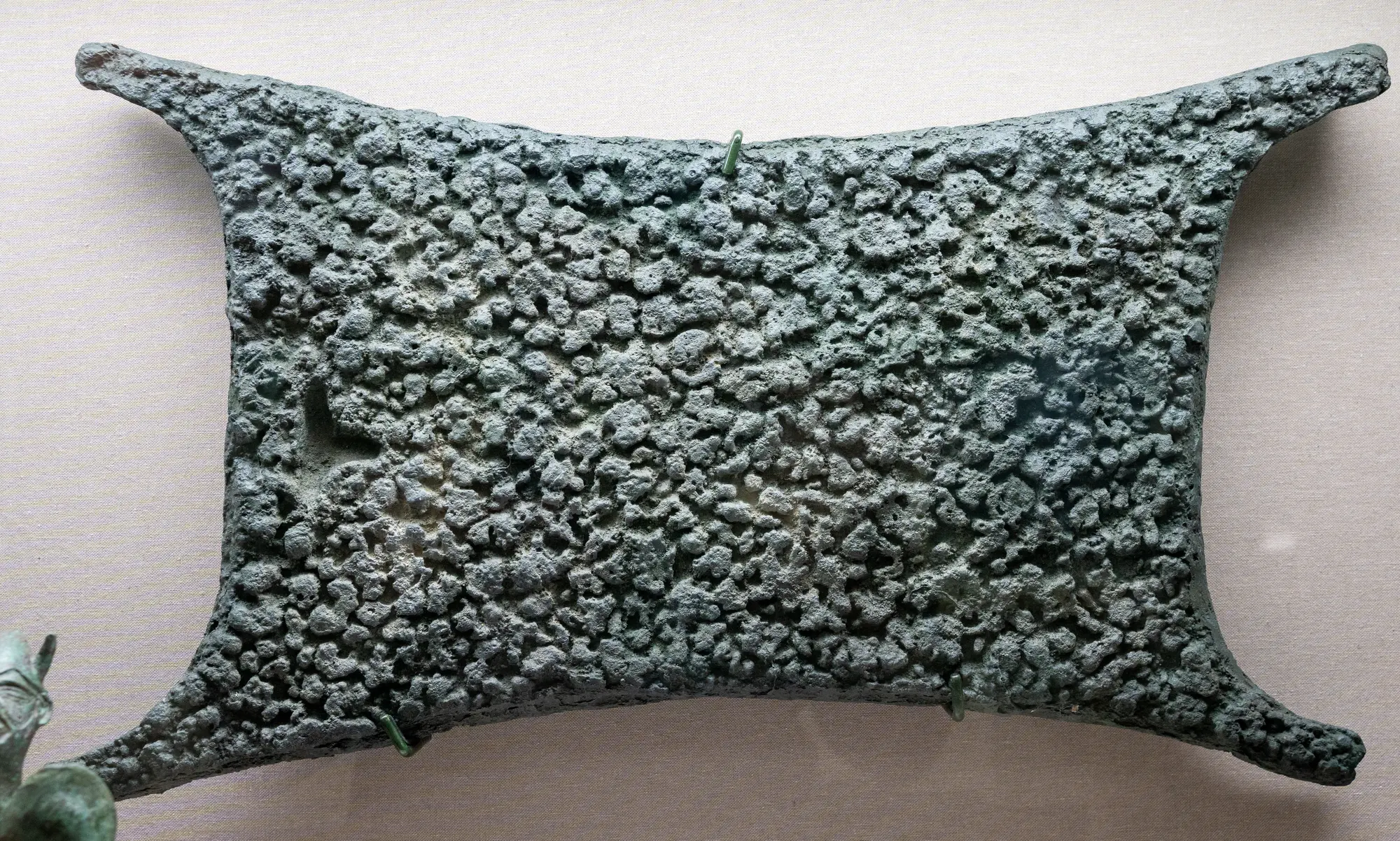 Copper IngotLate Bronze Age III · 1200–1100 BC
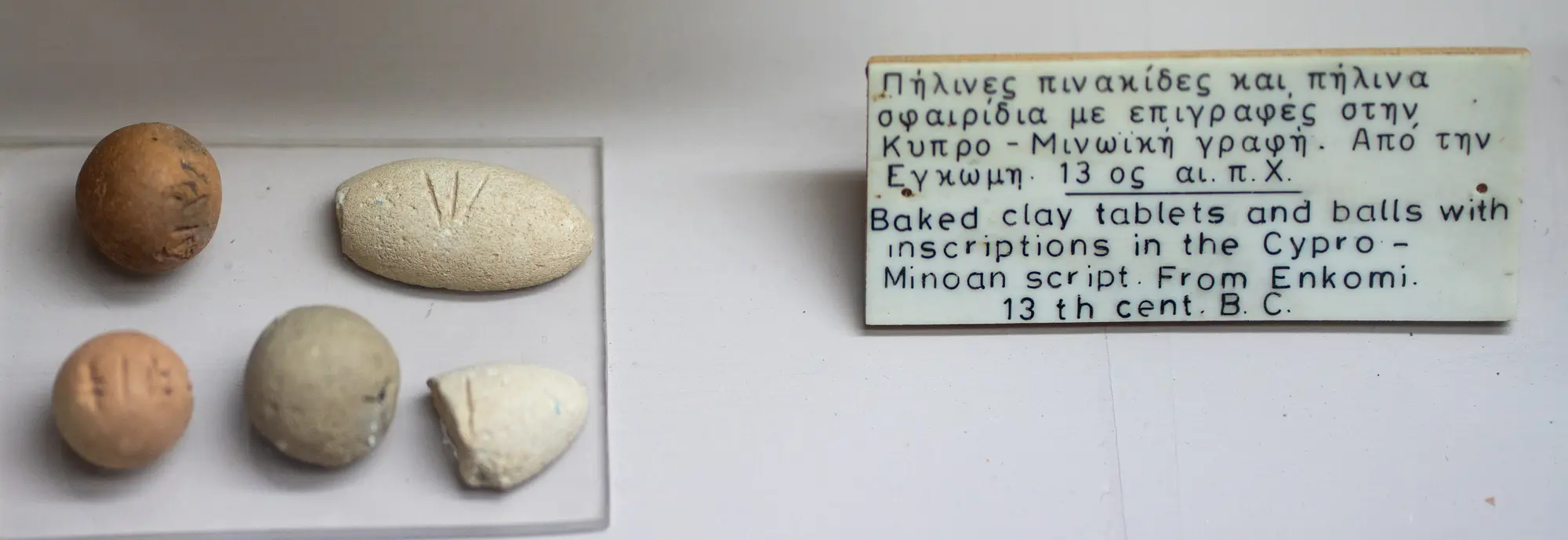 Cypro-Minoan Inscriptions on Clay BallsLate Bronze Age II · 1300–1200 BC
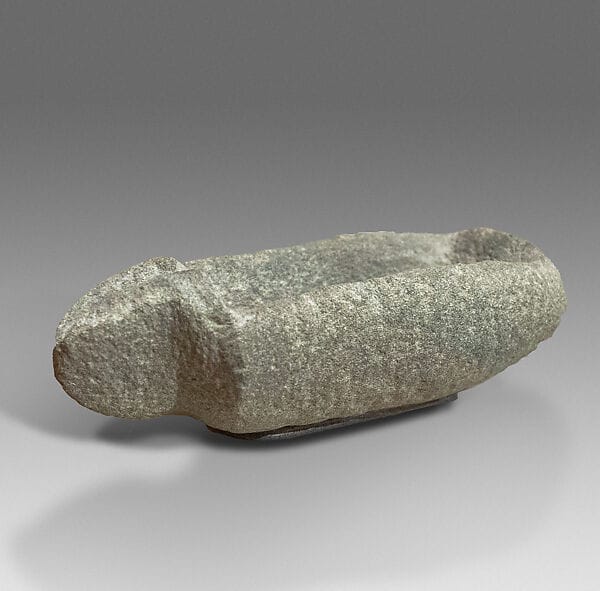 Diabase bowl with spoutNeolithic · 6500–5500 BC
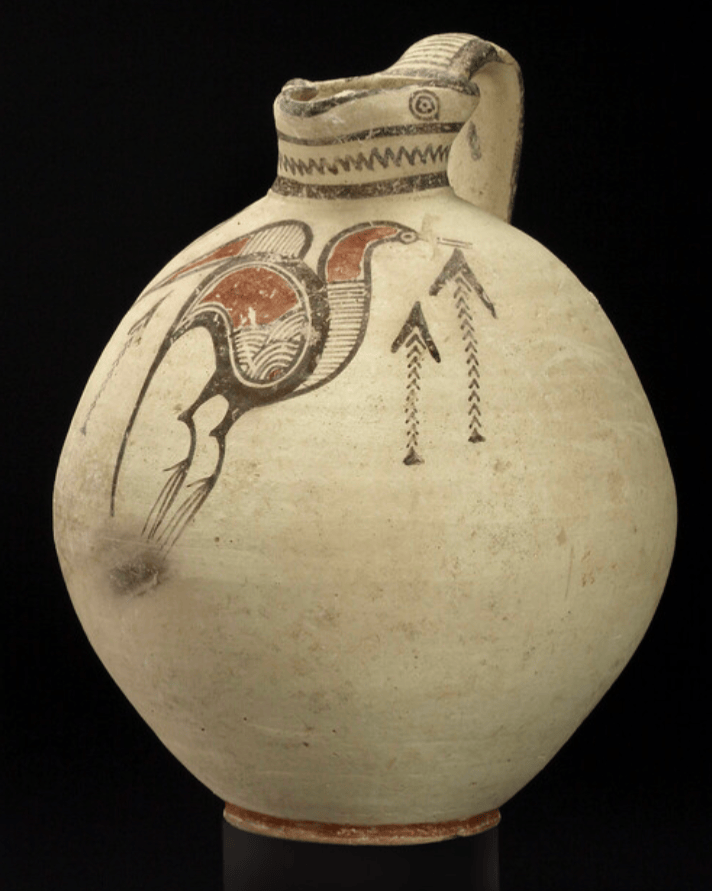 Free-field bichrome jug with image of an Ibis bird and reedsArchaic · 750–475 BC
- Human RemainsGeometric · 1050–30 BC
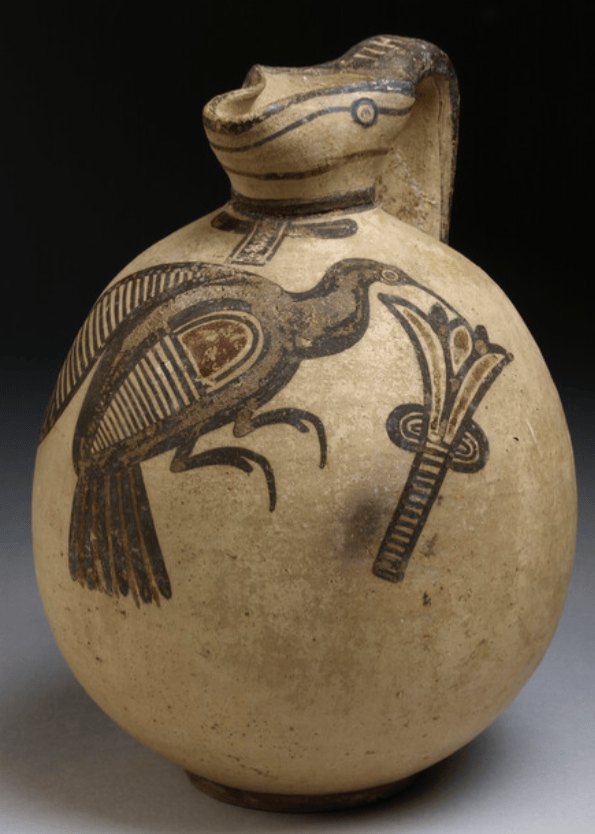 Squat bichrome jug in free-field style with image of bird picking a lotus flowerArchaic · 750–475 BC
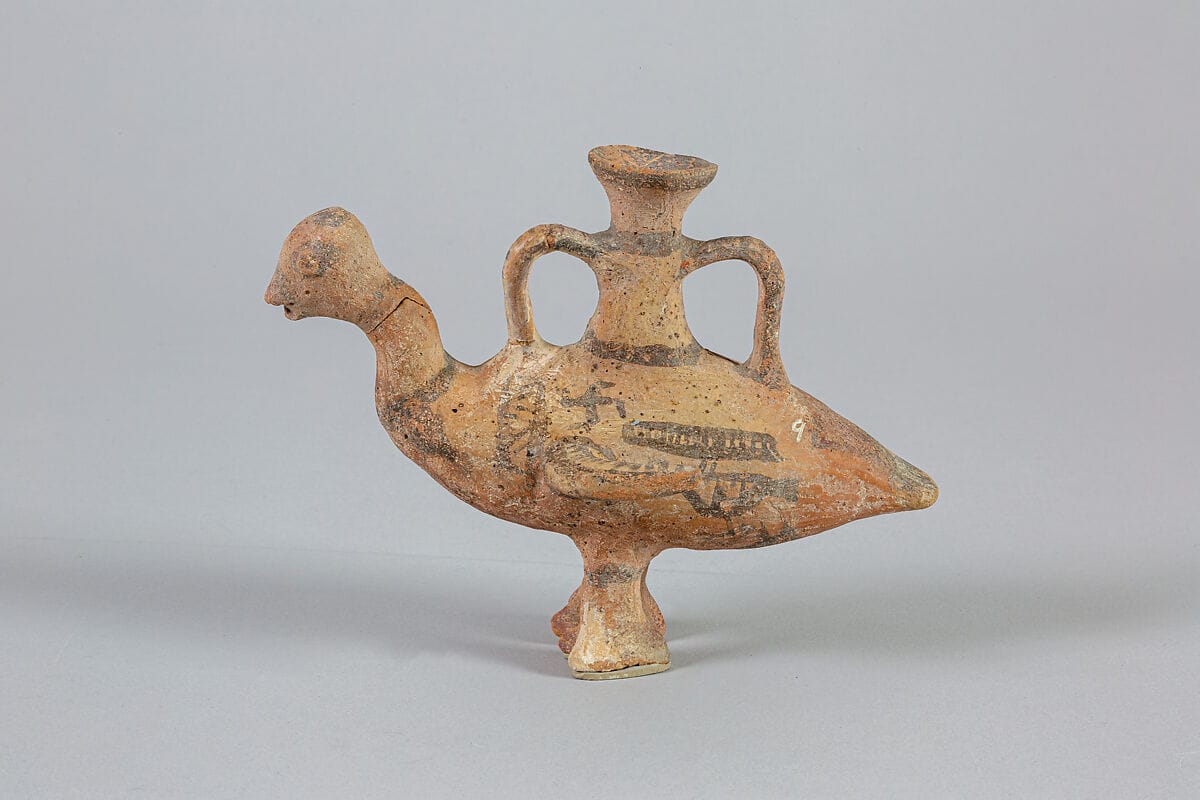 Terracotta askos in the shape of a water birdLate Bronze Age III · 1100–1001 BC
and 1 more object linked from these pages
References
- 1.Kearns, C. (2019). Discerning “favorable” environments: Science, survey archaeology, and the Cypriot Iron Age. In C. Kearns & S. W. Manning (Eds.), New directions in Cypriot archaeology. Cornell University Press. https://doi.org/10.7591/9781501732706-012
- 2.Kaniewski, D., et al. (2013). Environmental roots of the Late Bronze Age crisis. PLoS ONE, 8(8), e71004. https://doi.org/10.1371/journal.pone.0071004