
Lecture·Archaeological Research Unit - University of Cyprus·2021
Cypriot copper production, consumption and trade in the 12th century BC
Cypriot copper production, consumption and trade before and during the 12th century BC
Chapters
About the lecture
Vasiliki Kassianidou of the University of Cyprus re-evaluates the production, consumption, and trade of Cypriot copper before and during the 12th century BC, corresponding to the Late Bronze Age (specifically Late Cypriot IIIA). Starting from Catling's 1964 argument that Aegean settlers launched the island's bronze industry in the 12th century BC, she shows how five decades of excavations, shipwrecks, and lead isotope analysis demonstrate instead that the 12th century was the culmination of an industry already active for centuries.
Kassianidou traces earlier production from the 16th century BC at Enkomi, excavated by Porphyrios Dikaios and Claude Schaeffer, and the primary smelting site of Politiko-Phorades, through the intensification of Late Cypriot IIC around 1300 BC at the mining settlement of Apliki-Karamallos and in Enkomi's Area III workshops. In the 12th century, while sites such as Alassa, Kalavasos, Maroni, and Apliki were abandoned, metallurgy and metalworking continued at coastal and fortified centres. She surveys the evidence from Palaepaphos, Maa-Palaeokastro, Pyla-Kokkinokremos, and the northern workshops beside Temple 1 at Kition, which a study of the metallurgical ceramics by Dimitrios Ioannides shows were melting bronze for votives rather than smelting ore. Walking quartier by quartier through Enkomi, she argues against the view that dispersed workshops in Late Cypriot IIIA reflect a collapse of central control, distinguishing primary ore extraction from urban metalworking.
Turning to local consumption, Kassianidou contrasts Late Cypriot I and II tombs (such as Tomb 11 at Kalavasos-Ayios Dhimitrios, which held almost half a kilo of gold but only a single bronze dagger, and Enkomi Tomb 93, with no bronzes at all) with the 12th century, when bronze became a local prestige medium for the Ingot God and Horned God, rod tripods and four-sided stands, and heavy agricultural and smithing tools. She interprets the numerous 12th-century founders' hoards, including the Mathiatis hoard with its bronze ear from an oversized composite sculpture, as signs of expanding circulation rather than metal scarcity.
Finally, she tracks the overseas trade in oxhide ingots through the Amarna letters from Alashiya and the cargoes of the Uluburun, Cape Gelidonya, Hahotrim, and Kfar Samir North shipwrecks, alongside 12th- and 11th-century finds in Greece, Crete, Lipari, and Sardinia whose lead isotope signatures match the Soloi district mines, before concluding with the survival of the bronze industry into the Early Iron Age at Palaepaphos.
From our collection
Pieces in the Drakopoulos collection of the kinds and periods this talk covers: Late Cypriot (Late Bronze Age), Cypro-Geometric.
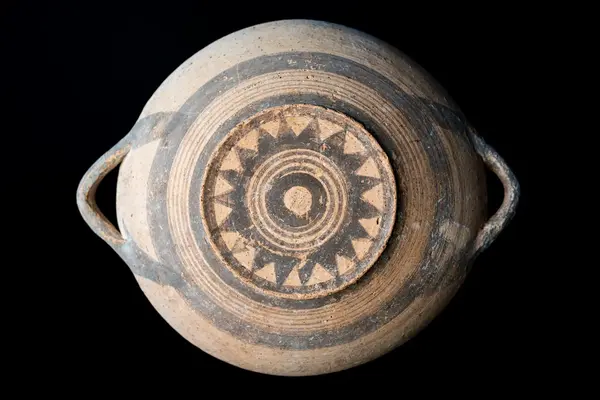
White Painted Plate with a Sawtooth Star on the Underside
Cypro-Geometric
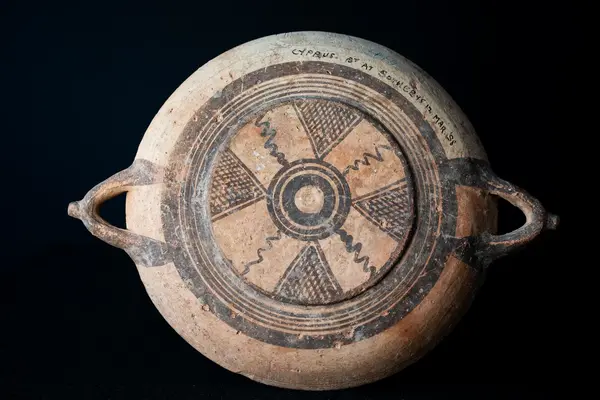
White Painted Plate with Latticed Triangles and Wavy Lines on the Underside
Cypro-Geometric
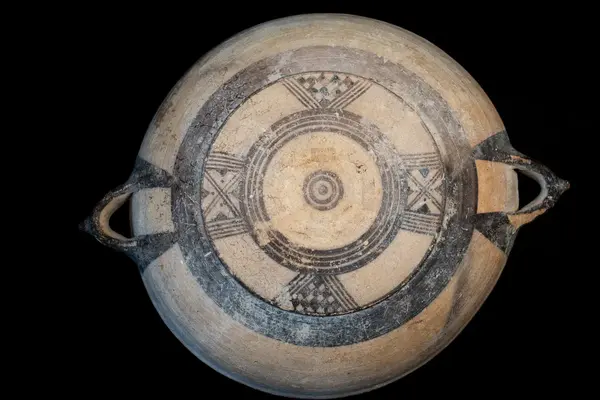
Large White Painted Plate with Knobbed Handles and a Four-Armed Cross on the Underside
Cypro-Geometric
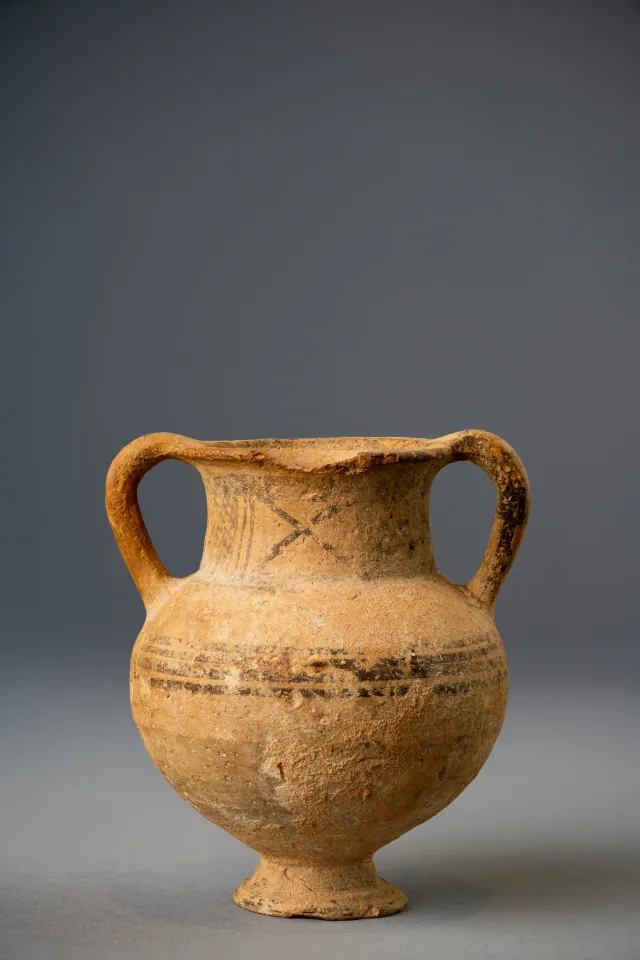
White Painted Amphoriskos on a Conical Foot
Cypro-Geometric
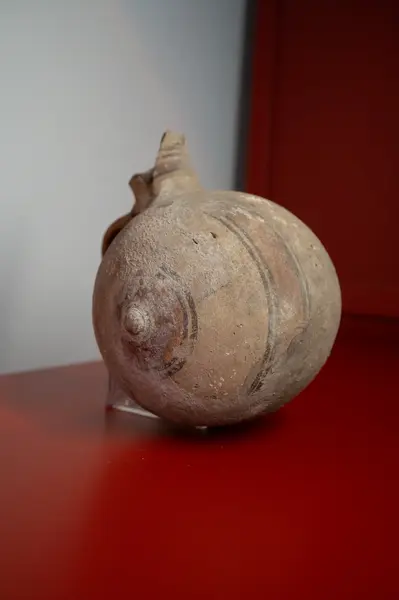
Bichrome Barrel Jug with Circled End-Knobs
Cypro-Geometric
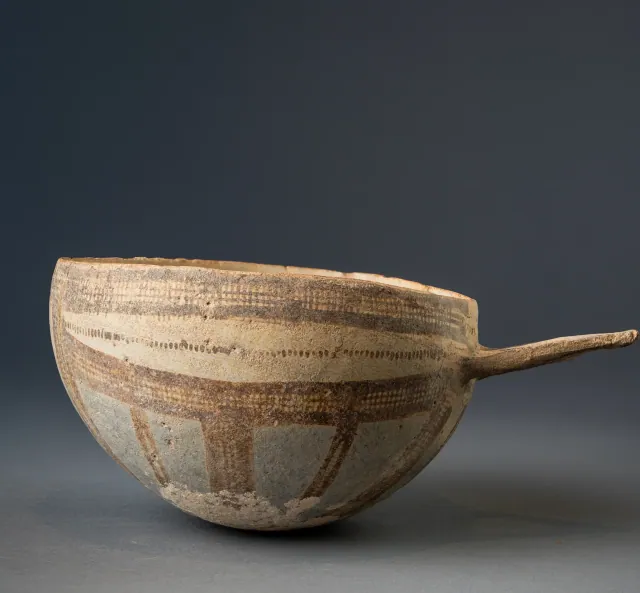
White Slip II Hemispherical Bowl with Wishbone Handle
Late Cypriot (Late Bronze Age)
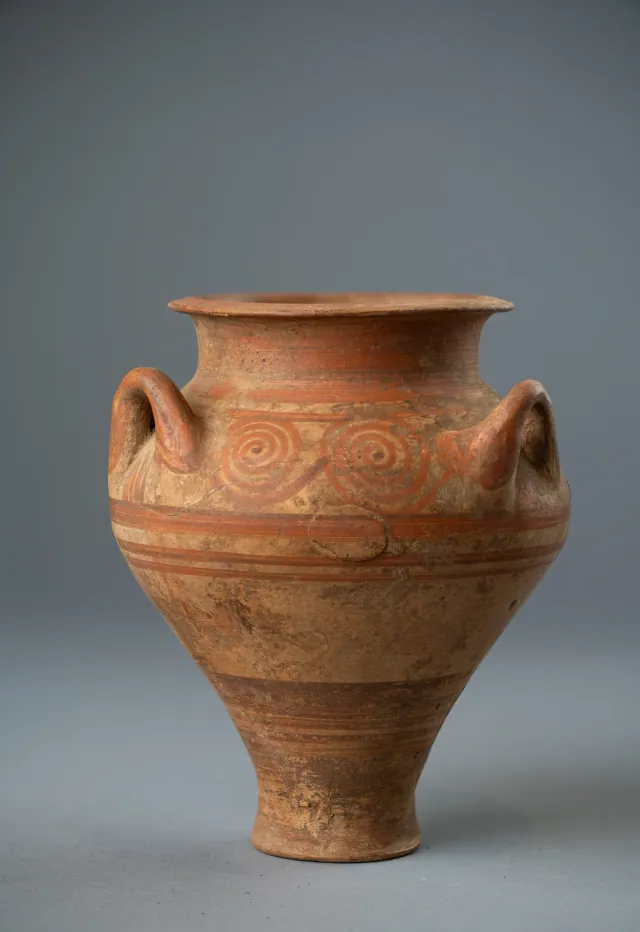
Cypriot Three-Handled Jar in the Mycenaean Style with Running Spirals
Late Cypriot (Late Bronze Age)
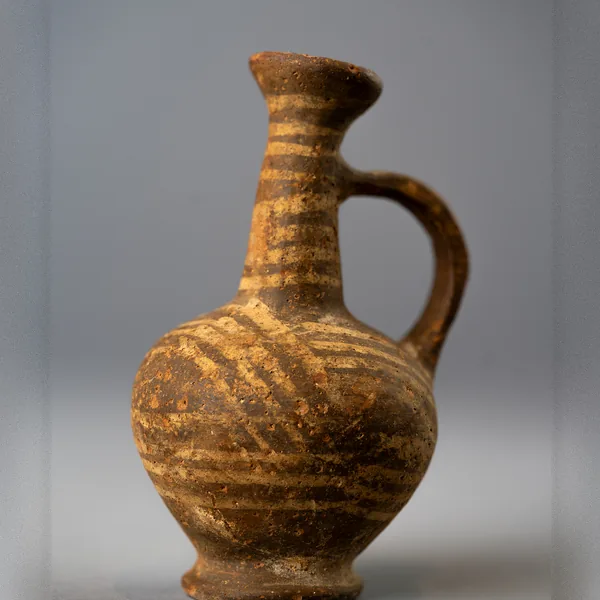
Base Ring II Bilbil Juglet with White-Painted Bands
Late Cypriot (Late Bronze Age)
Found at the places discussed
Objects in our catalogue, in museum collections, recorded as found at these sites.


Background
Where to read more on this site before or after watching.
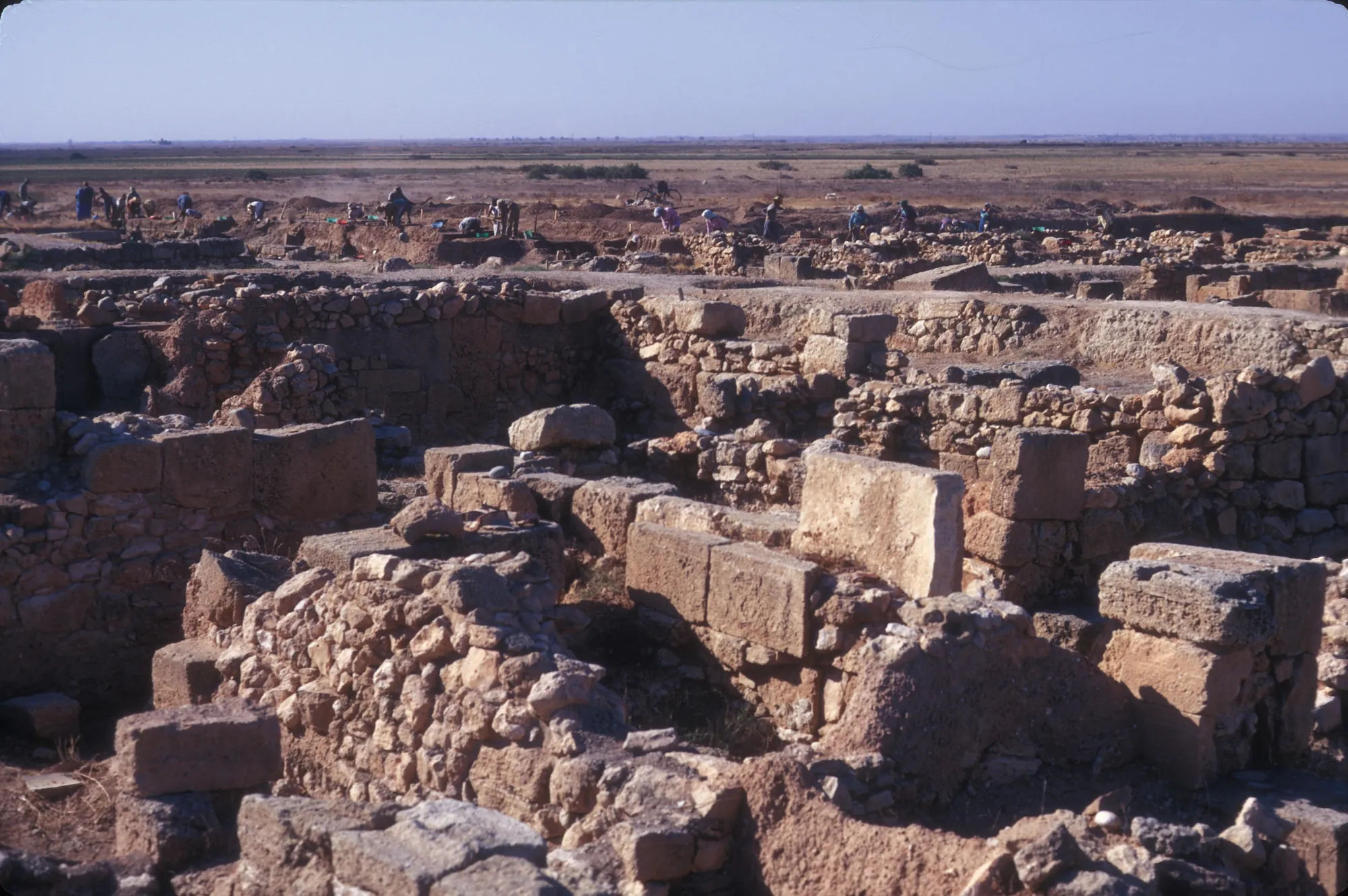
The site
Enkomi
Enkomi is a walled Late Bronze Age town near the mouth of the Pedieos river on the bay of Famagusta, lived in from about 1650 BC until it was gradually abandoned for nearby Salamis. It was a port for Cypriot copper, and its excavations produced metal workshops, sanctuaries with bronze cult statues, rich tombs and the largest group of Cypro-Minoan inscriptions on the island.
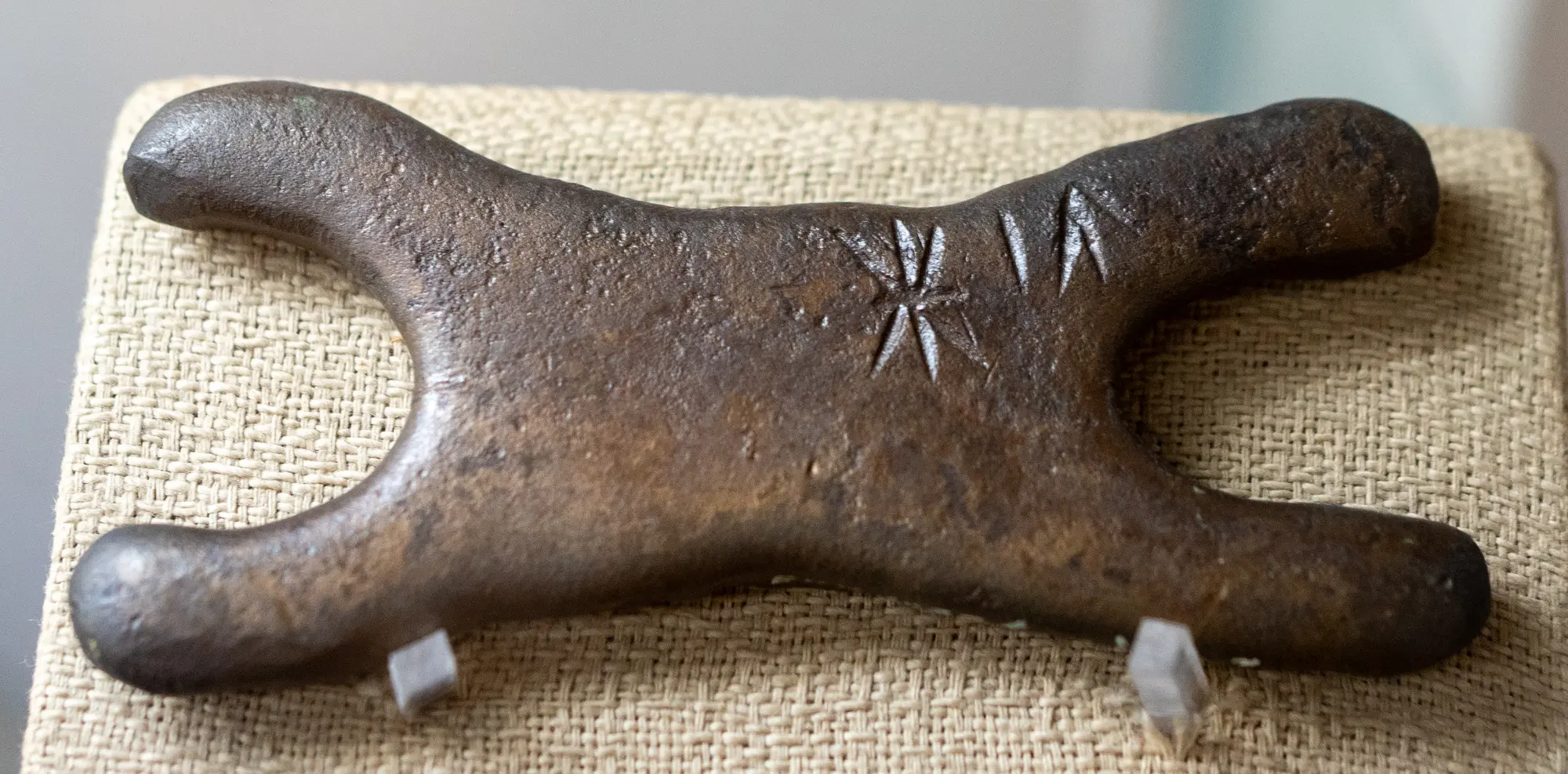
In the compendium
Copper Metallurgy in Ancient Cyprus
The mining, smelting and casting of the Troodos sulphide ores, from hammered Chalcolithic native copper to Late Bronze Age oxhide ingots and Archaic slag heaps.
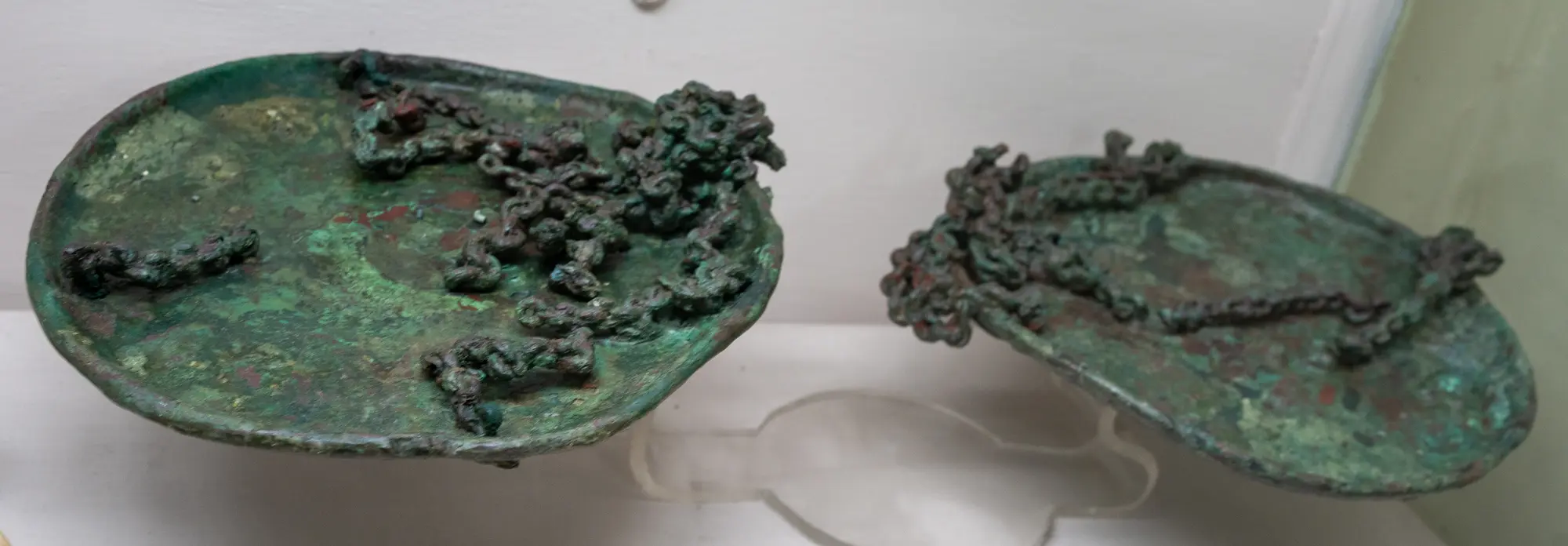
In the compendium
Weights and Ingots
Copper ingots, miniature votive ingots, balance weights and scale pans in Cyprus, from the Late Bronze Age into the Cypro-Geometric and Cypro-Archaic periods.
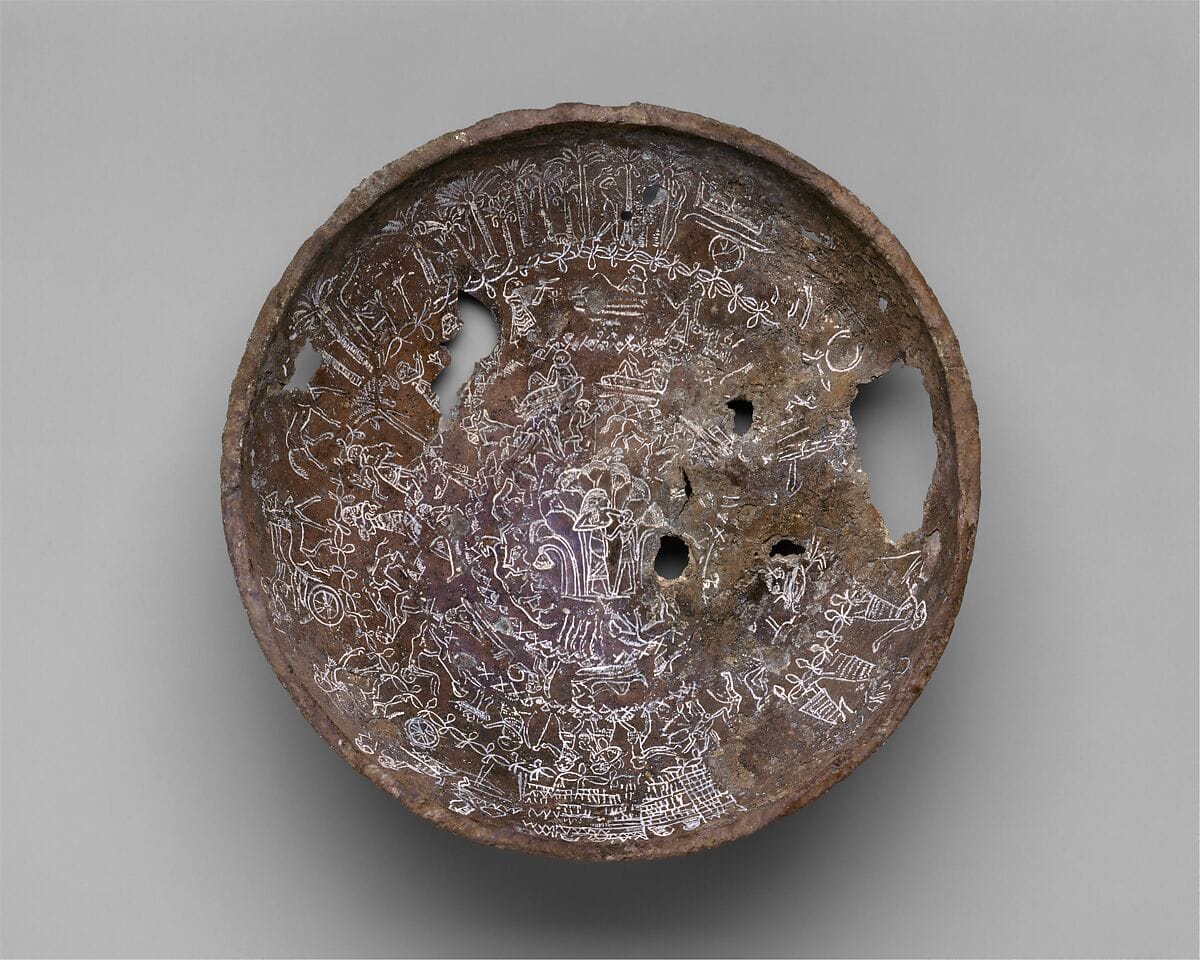
In the compendium
Metal Vessels
Bowls, cauldrons, jugs, cups, strainers and the bronze stands that carried them, made in Cyprus from the Late Bronze Age to the Cypro-Archaic period.
Map of Cyprus
Places discussed in the talk
- Has a page on this site
- Other places
- Ground above 200, 500, 1,000 m
Places
- 1Enkomi
- 2Politiko-Phorades (approx.)
- 3Apliki-Karamallos (approx.)
- 4Alassa
- 5Maroni
- 6Kalavasos-Ayios Dhimitrios
- 7Hala Sultan Tekke
- 8Pyla-Kokkinokremos
- 9Maa-Palaeokastro
- 10Kition
- 11Palaepaphos
- 12Mathiatis (approx.)
- 13Soloi