
Lecture·Archaeological Research Unit - University of Cyprus·2023
Everything in Nature Invites Us Constantly to Be What We Are: Exploring the Evolution of Humans and Natural Communities in Ancient Cyprus via Multi-Proxy Analysis
Chapters
About the lecture
Francesca Chelazzi of Durham University examines the interaction between human societies and natural communities in Cyprus across the Holocene through multi-proxy analysis. Framing her study with concepts of coevolution and conviviality, she explains how large archaeological legacy datasets can be combined to model long-term trajectories of population, subsistence, and climate and landscape.
Chelazzi first outlines the three categories of proxy data and their statistical tools: archaeodemographic proxies from survey catalogues and summed probability distributions (SPD) of radiocarbon dates; bioarchaeological proxies from archaeobotanical and zooarchaeological assemblages; and palaeoclimatic proxies from stable isotopes and pollen cores. Applying these methods to Cyprus, she draws on a dataset of over 8,000 site phases from 1,500 surveyed sites alongside 493 radiocarbon dates from 54 Cypriot sites. She traces demographic curves from the Neolithic and Chalcolithic through the Early Bronze Age, Late Bronze Age, Iron Age, and Roman periods, noting how heavy reliance on radiocarbon dating in prehistory and typochronology in later periods skews the curves, and how regional patterns differ across the southwest, the southeast, the Troodos, the Mesaoria, and the north coast.
Turning to bioarchaeological data synthesized by Lucas and Fuller, the lecture tracks subsistence shifts from the hunting of fallow deer (Dama mesopotamica) at Aceramic Neolithic sites such as Khirokitia and Kalavasos-Tenta to crop diversification in the Ceramic Neolithic and integrated farming and caprine herding in the Chalcolithic. In the Bronze Age, cattle facilitated agricultural expansion, while Late Bronze Age settlements shifted toward fertile coastal plains and replaced drought-resistant glume wheat with free-threshing wheat suited to centralized storage at sites like Hala Sultan Tekke.
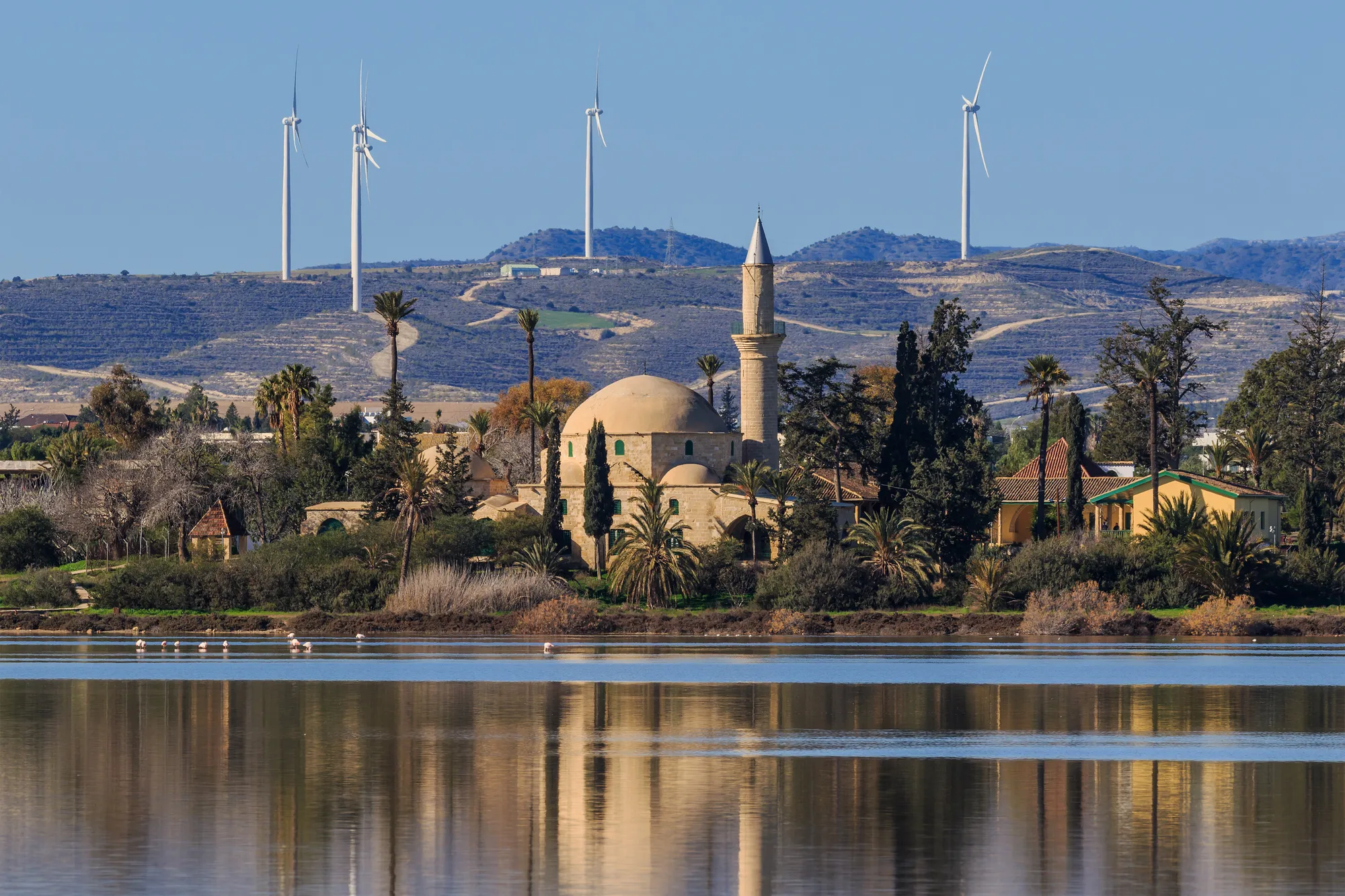
Finally, Chelazzi compares these demographic and agrarian trends with palaeoclimatic records, moving from regional Levantine and Anatolian speleothems to Cypriot pollen cores from the Troodos (Almyrolivado and Pasha Livadi, studied by Areti Christodoulou), the Akrotiri peninsula, and the Larnaca Salt Lake. She examines how the 8.2, 4.2, and 3.2 ka BP climate events registered locally. In the Troodos, woodland pollen dropped during the Bronze Age boom in copper metallurgy before pine forests regenerated in the Early Iron Age, while the coastal cores from Akrotiri and Larnaca show a rise in dry steppe taxa and a drop in cereal pollen around the 4.2 and 3.2 ka BP arid intervals.
From our collection
Pieces in the Drakopoulos collection of the kinds and periods this talk covers: Neolithic, Cypro-Archaic, Hellenistic.
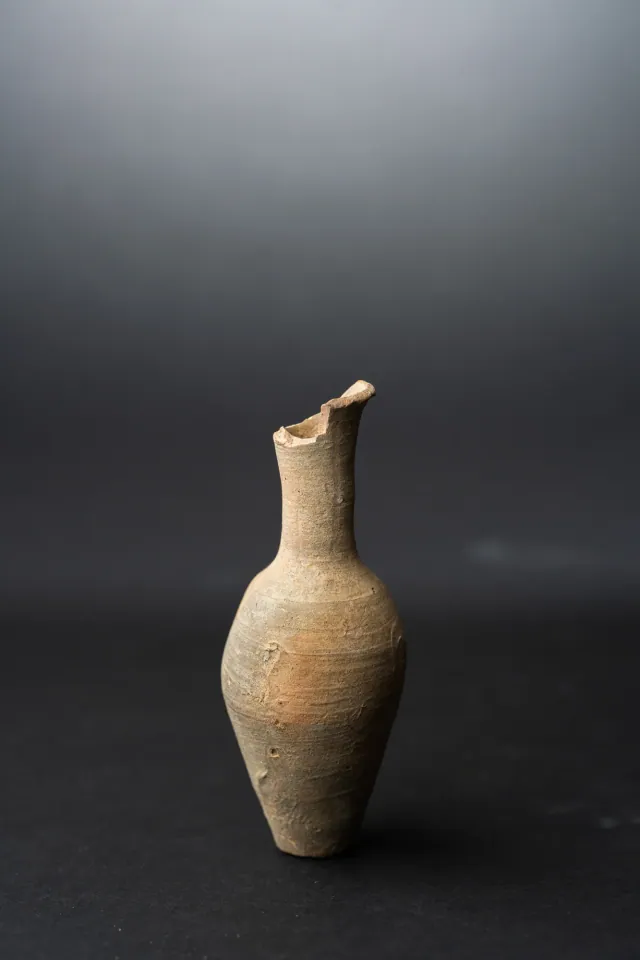
Fusiform Unguentarium
Hellenistic
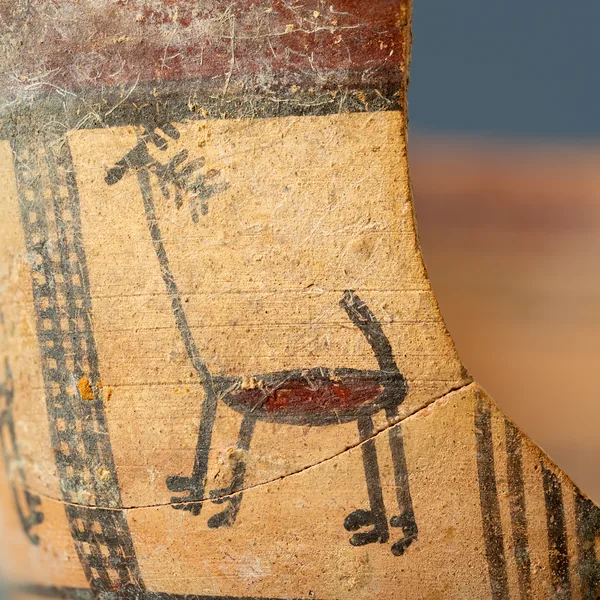
Bichrome Skyphos with Stags in Metopes
Cypro-Archaic
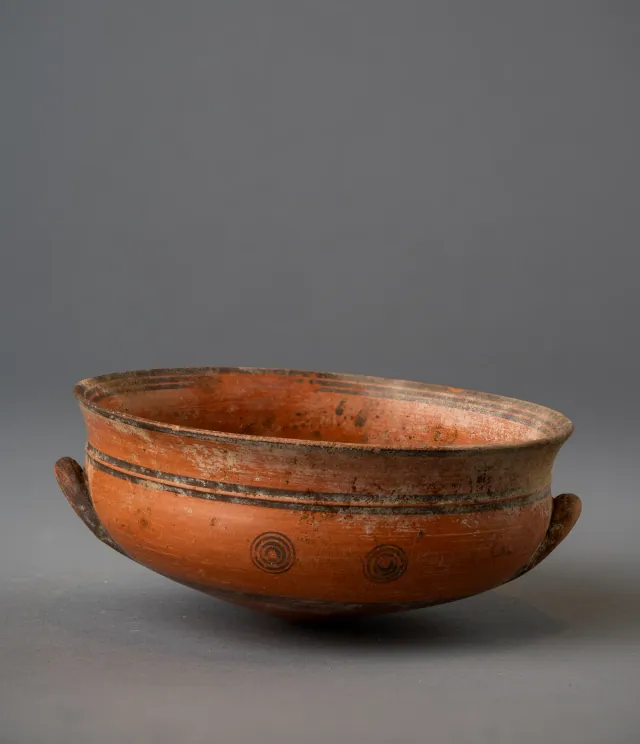
Black-on-Red Two-Handled Bowl with Raised Flaring Rim
Cypro-Archaic
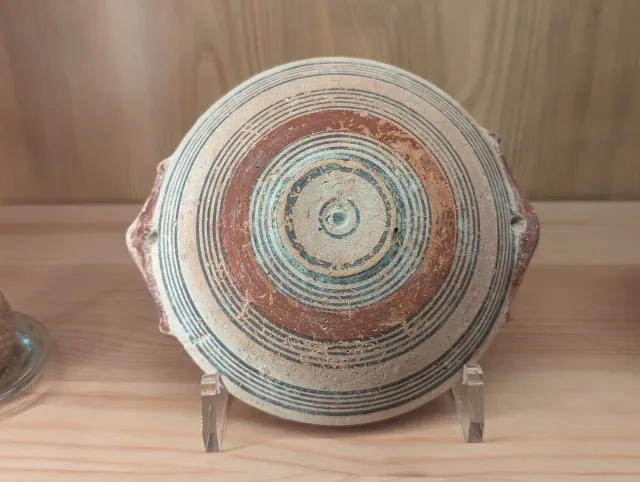
Bichrome IV Bowl with Red-Painted Pierced Lug Handles
Cypro-Archaic
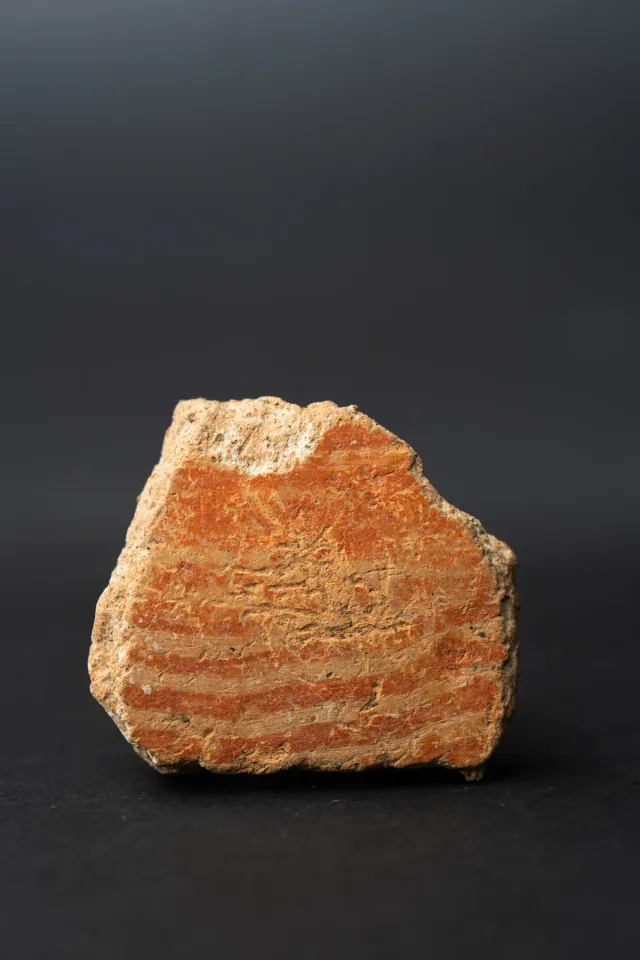
Combed Ware Bowl Fragment with Parallel Bands
Neolithic
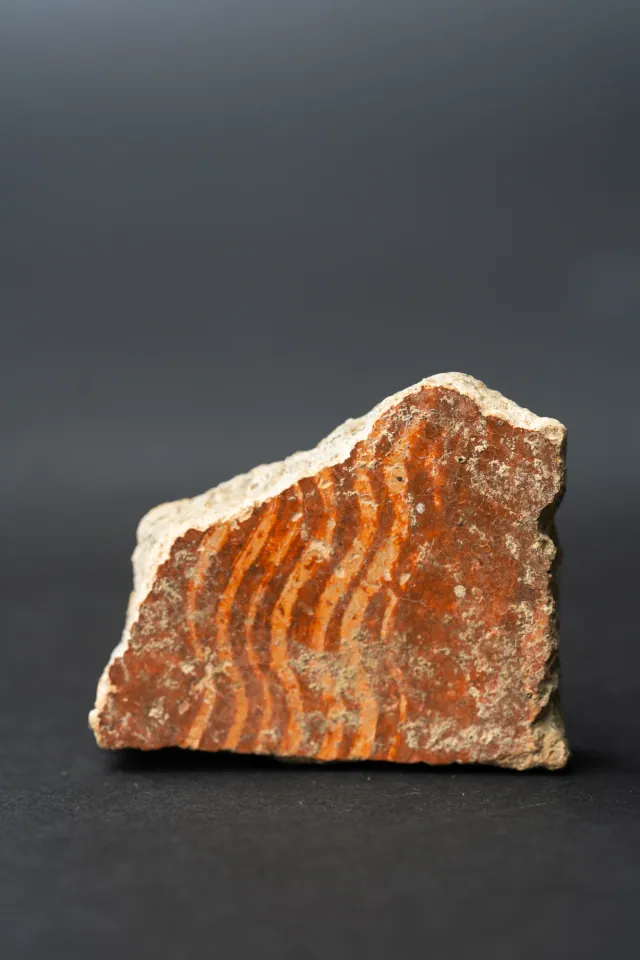
Combed Ware Bowl Fragment with Multiple Wavy Bands
Neolithic
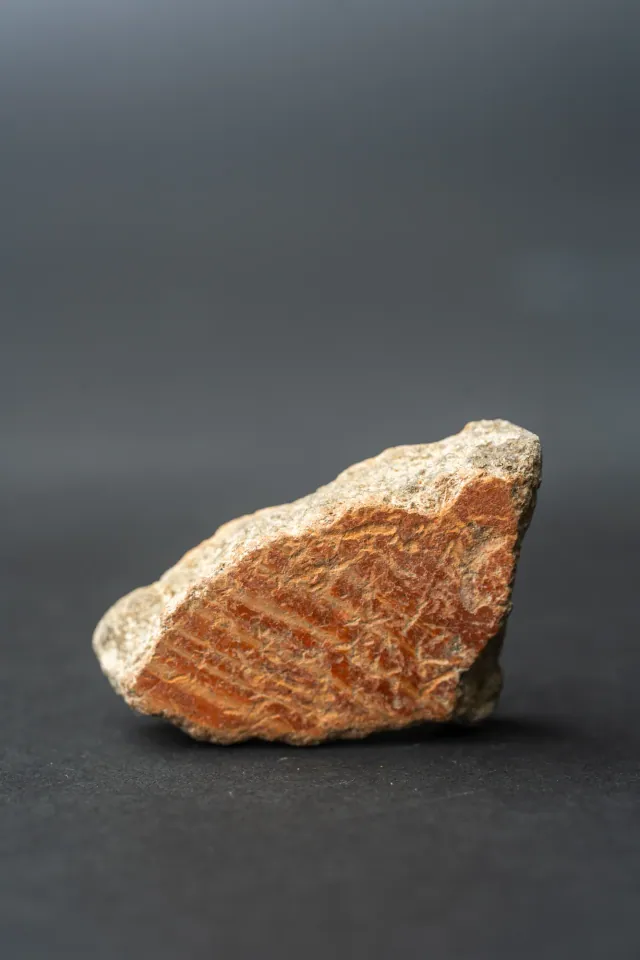
Combed Ware Bowl Fragment with Oblique Bands
Neolithic
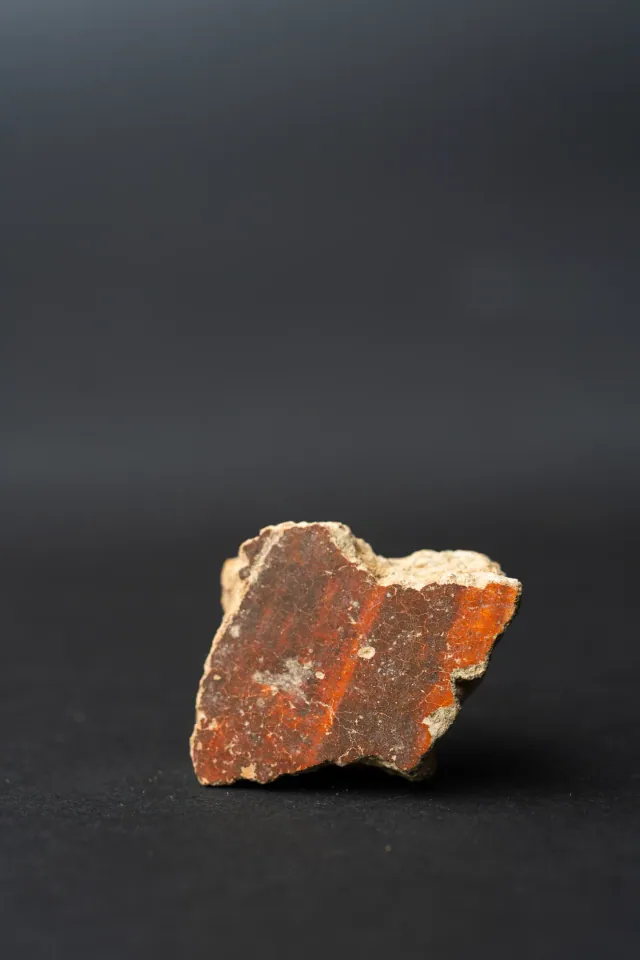
Red Lustrous Ware Body Sherd with Fire-Mottled Slip
Neolithic
Found at the places discussed
Objects in our catalogue, in museum collections, recorded as found at these sites.


Background
Where to read more on this site before or after watching.
The site
Kissonerga
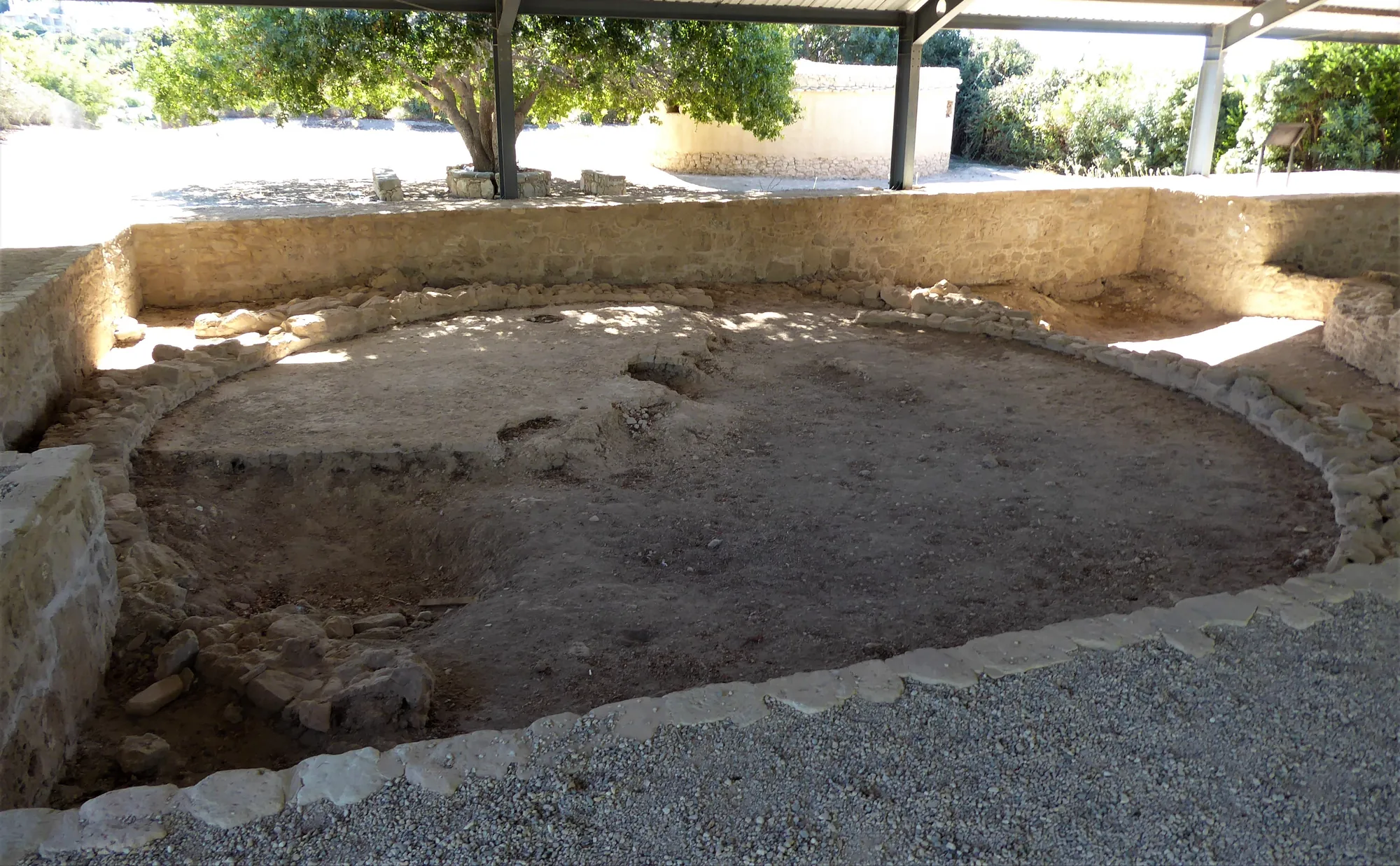
A group of four prehistoric sites round the village of Kissonerga on the west coast north of Paphos. Mylouthkia has wells of the first farmers of the 9th and 8th millennia BC; Mosphilia, the largest of the prehistoric villages on this coast, runs from the Late Neolithic to the Philia phase of the Early Bronze Age; Skalia is a Bronze Age village abandoned about 1600 BC; Ammoudhia is its cemetery of rock-cut tombs.
In the compendium
Climate and Landscape in Ancient Cyprus
What the island's own records show about sea level, coasts, rainfall and forests in Cyprus from the first farmers to the Hellenistic period.
In the compendium
Population and Demography in Ancient Cyprus
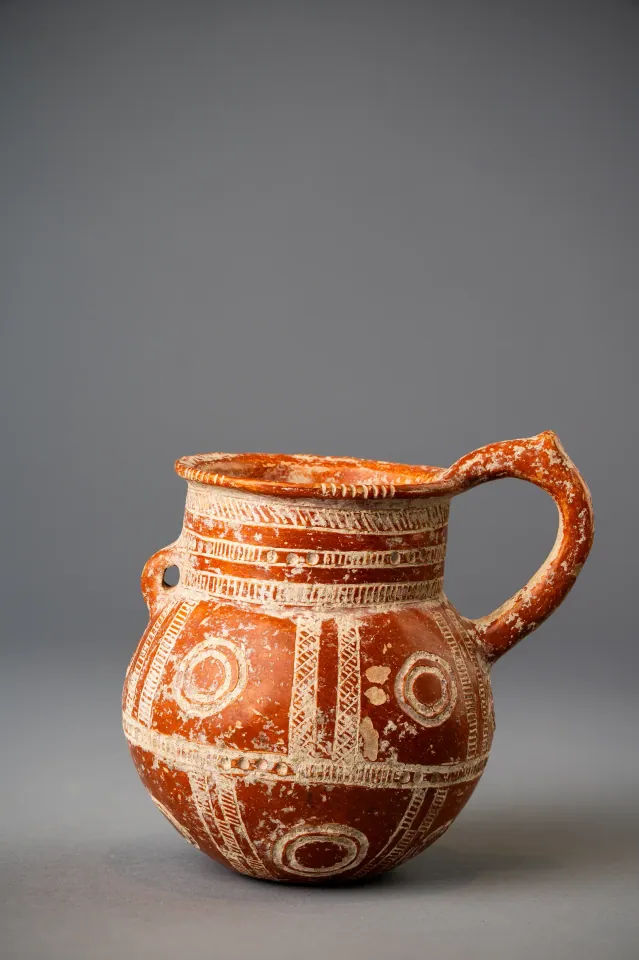
The methods and published estimates for how many people lived in ancient Cyprus, from Neolithic Khirokitia to the Classical kingdoms, where every figure is a model.
In the compendium
Food and Diet in Ancient Cyprus
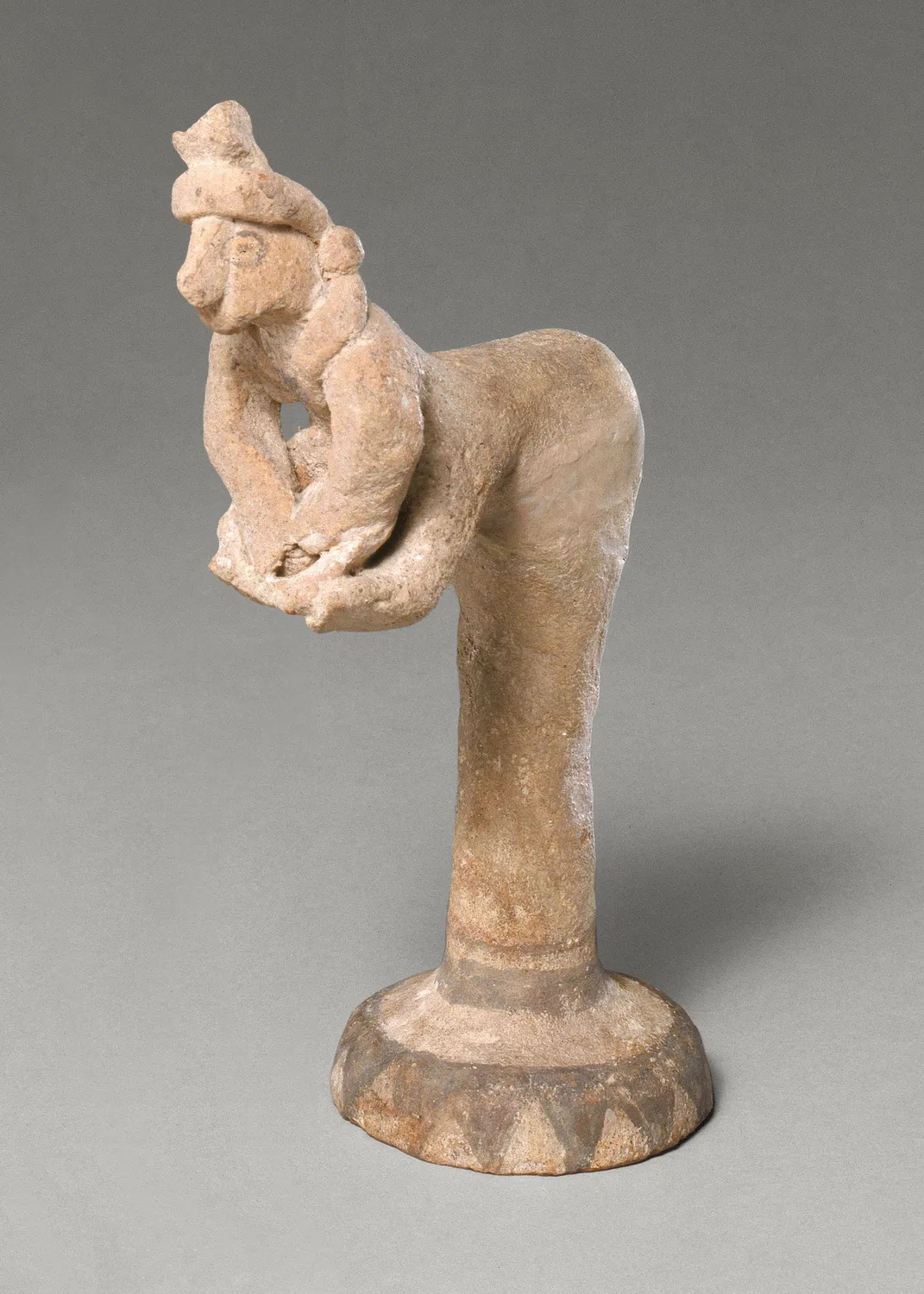
What Cypriots grew, herded, hunted, cooked and drank from the first Neolithic villages to the end of the Cypro-Archaic period.
Map of Cyprus
Places discussed in the talk
- Has a page on this site
- Other places
- Ground above 200, 500, 1,000 m
Places
- 1Kissonerga
- 2Lemba (approx.)
- 3Ayios Tychonas
- 4Khirokitia
- 5Kalavasos-Ayios Dhimitrios
- 6Kalavasos-Tenta
- 7Parekklisha-Shillourokambos (approx.)
- 8Politiko-Kokkinorotsos (approx.)
- 9Episkopi-Bamboula
- 10Phlamoudhi-Vounari (approx.)
- 11Phlamoudhi-Melissa (approx.)
- 12Maa-Palaeokastro
- 13Hala Sultan Tekke
- 14Kalopsidha (approx.)
- 15Apliki-Karamallos (approx.)
- 16Larnaca Salt Lake (approx.)