
Interview·Study of Antiquity and the Middle Ages·2020
The Kingdom of Alashiya and the Bronze Age Collapse
Louise Hitchcock
Chapters
About the video
In this interview with Nick Barksdale for the Study of Antiquity and the Middle Ages channel, Louise Hitchcock discusses Alashiya and Cyprus during the Late Bronze Age and the 12th-century collapse. She begins with whether Alashiya designated the 15th-century city of Enkomi or the whole island, where monumental administrative buildings appeared at several centres by the 13th century.
After outlining early Levantine settlement and Anatolian arrivals around 2500 BCE, Hitchcock turns to Aegean connections. Arguing against a 13th-century Mycenaean colonization because Mycenaean kraters on Cyprus were imported from the Argolid, she proposes that after the fall of Minoan Crete and Knossos, Cypriots adopted Aegean prestige features such as the Cypro-Minoan script, pithos halls, ashlar masonry and horns of consecration to promote their copper and pottery trade.
On religion, she discusses Aphrodite's black stone at Palaepaphos (Kouklia), the five temples linked to metallurgy at Kition, the horned altar at Myrtou-Pigadhes, and the Horned God and Ingot God at Enkomi, citing George Papasavvas on the later addition of the Ingot God's beard and ingot base. She then examines Akkadian diplomatic letters from Tell el-Amarna and Ugarit, noting Yuval Goren's petrographic match of three Amarna tablets from Alashiya to clay near Alassa.
The final part covers the 12th-century collapse and the Sea Peoples: destructions at Maroni, Kalavasos and Alassa, continuity at Kition, Kouklia and Hala Sultan Tekke, new settlements at Pyla-Kokkinokremos and Maa-Palaeokastro (which Hitchcock and Aren Maeir interpret as a pirate settlement rather than the colony argued by Vassos Karageorghis), and 11th-century Cypriot ingots and tripod stands in Sardinia, possibly tied to Cornish tin.
From our collection
Pieces in the Drakopoulos collection of the kinds and periods this talk covers: Mycenaean pottery, Neolithic, Cypro-Geometric.
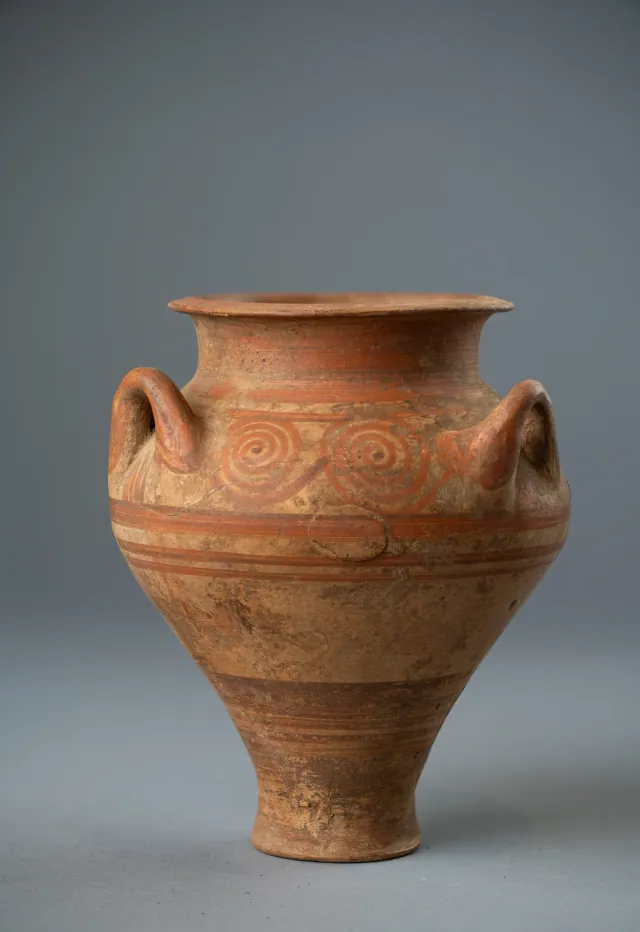
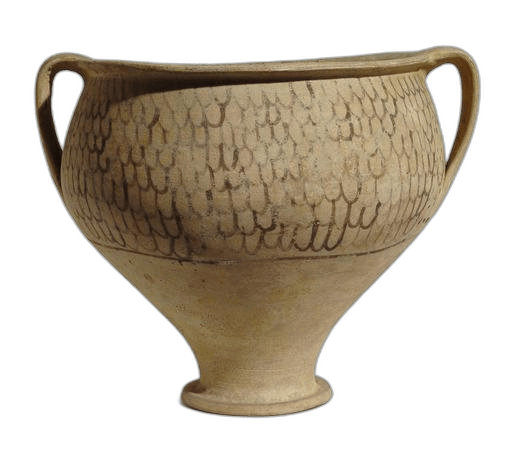
Cypriot Three-Handled Jar in the Mycenaean Style with Running Spirals
Mycenaean pottery
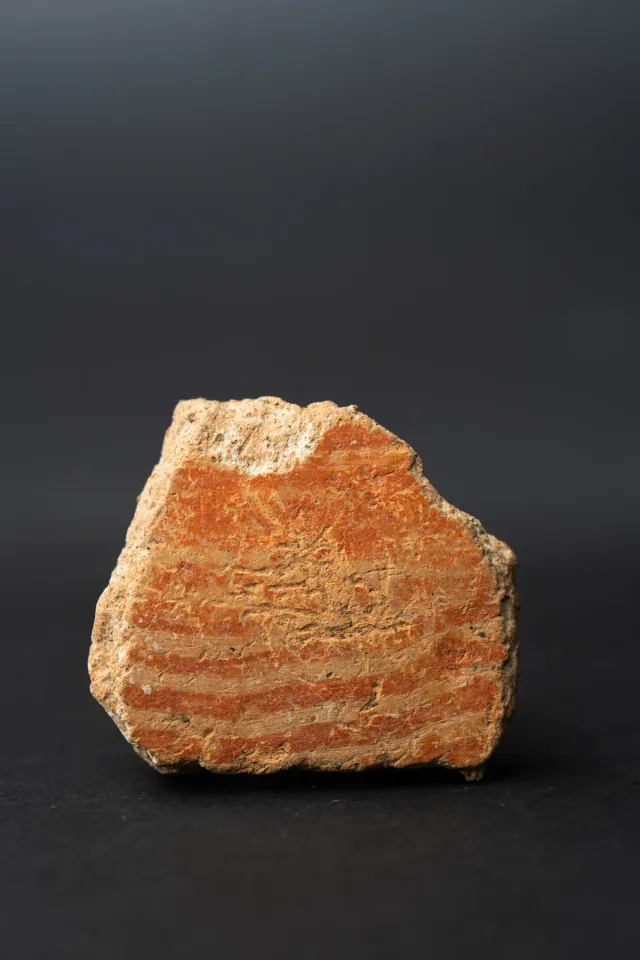
Combed Ware Bowl Fragment with Parallel Bands
Neolithic
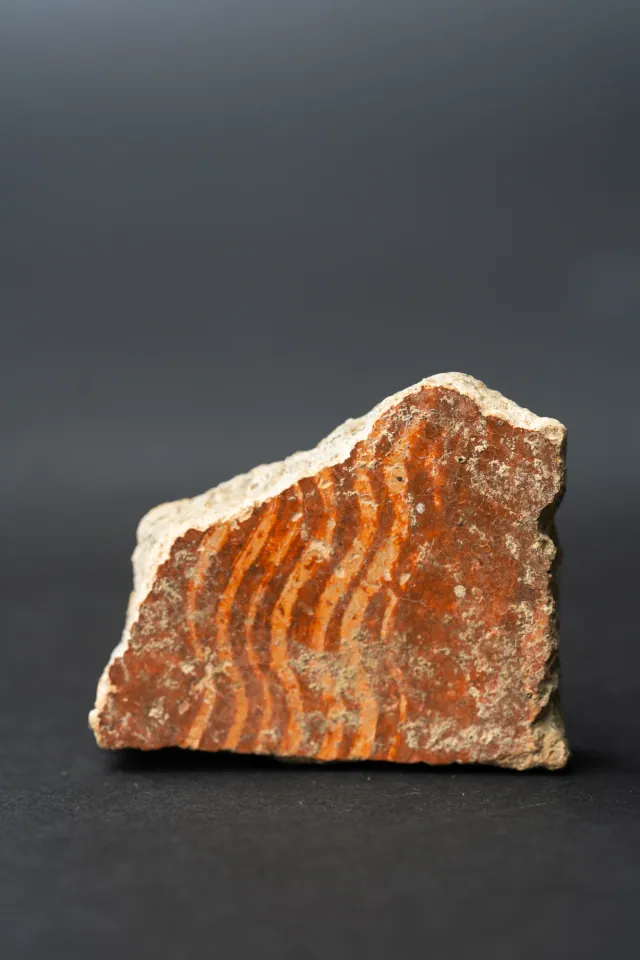
Combed Ware Bowl Fragment with Multiple Wavy Bands
Neolithic
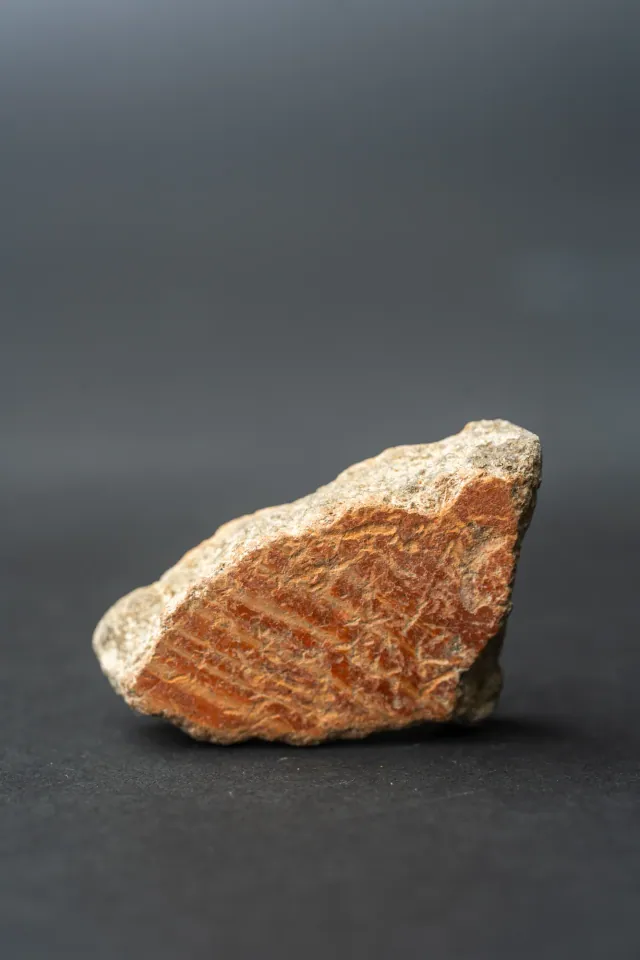
Combed Ware Bowl Fragment with Oblique Bands
Neolithic
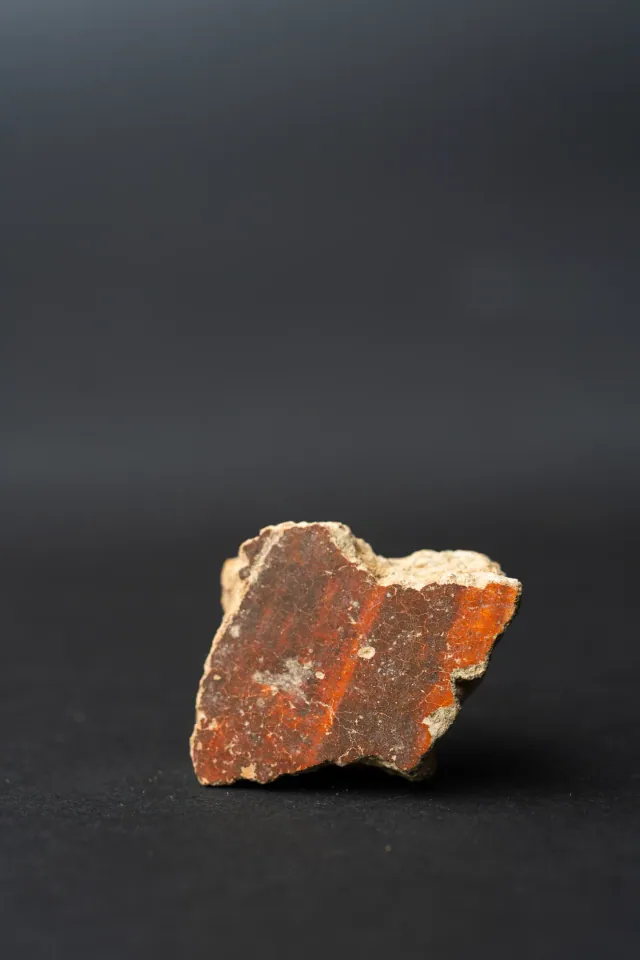
Red Lustrous Ware Body Sherd with Fire-Mottled Slip
Neolithic
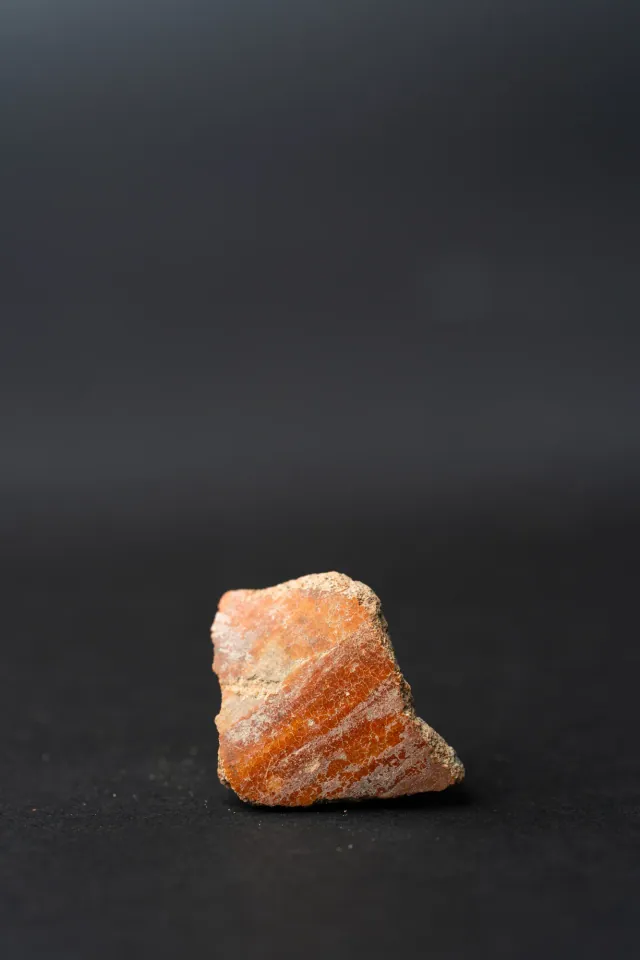
Red Slip Ware Body Sherd with Streaked Slip
Neolithic
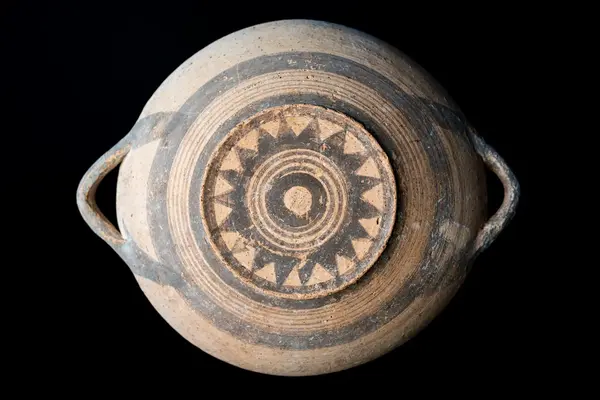
White Painted Plate with a Sawtooth Star on the Underside
Cypro-Geometric
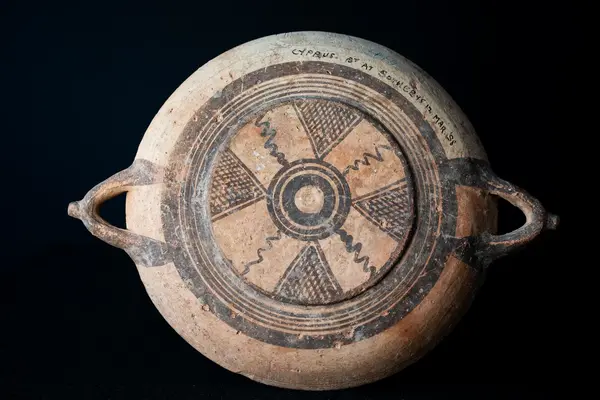
White Painted Plate with Latticed Triangles and Wavy Lines on the Underside
Cypro-Geometric
Found at the places discussed
Objects in our catalogue, in museum collections, recorded as found at these sites.



Background
Where to read more on this site before or after watching.
The site
Enkomi
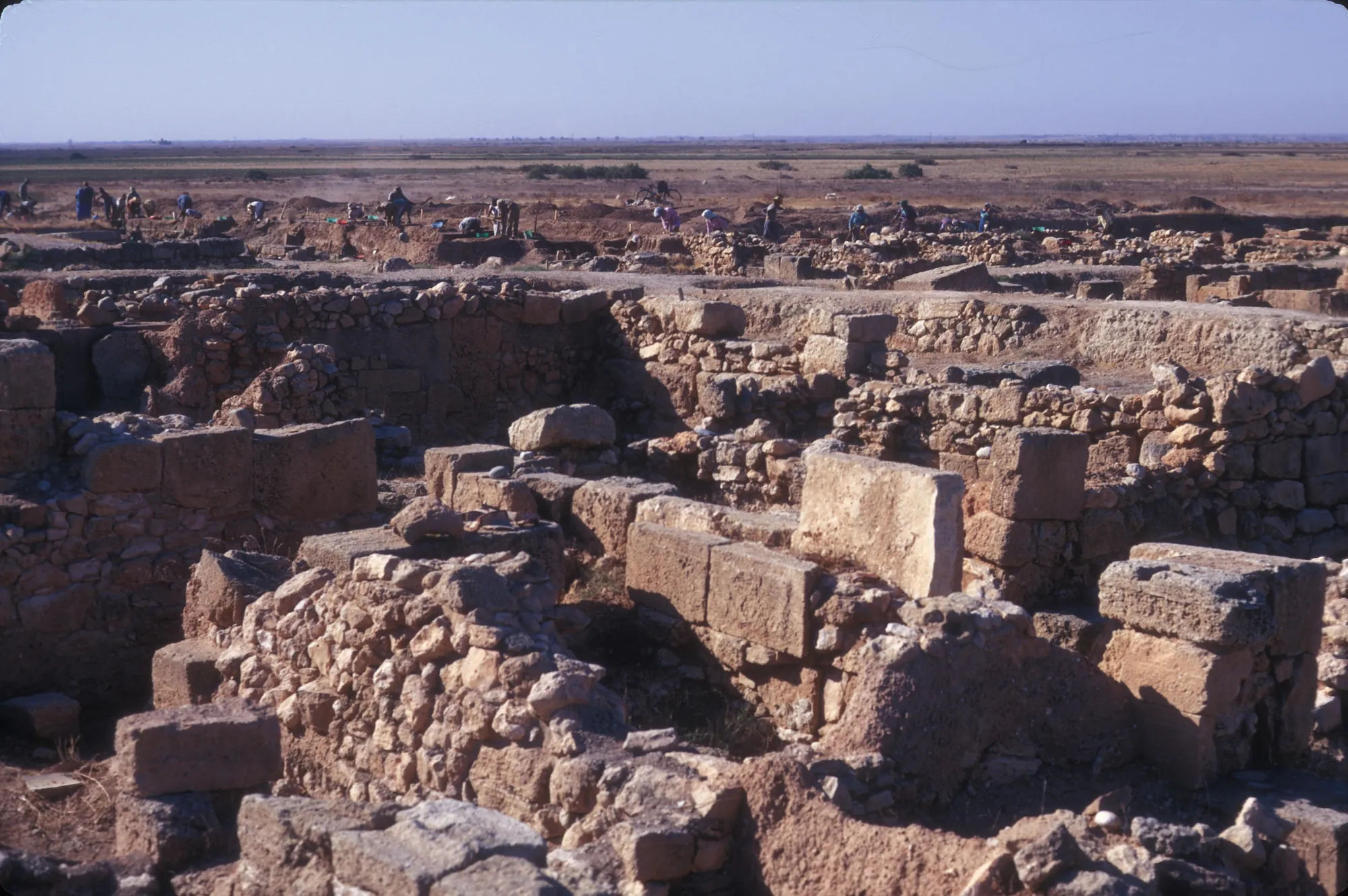
Enkomi is a walled Late Bronze Age town near the mouth of the Pedieos river on the bay of Famagusta, lived in from about 1650 BC until it was gradually abandoned for nearby Salamis. It was a port for Cypriot copper, and its excavations produced metal workshops, sanctuaries with bronze cult statues, rich tombs and the largest group of Cypro-Minoan inscriptions on the island.
In the compendium
Ashlar Masonry
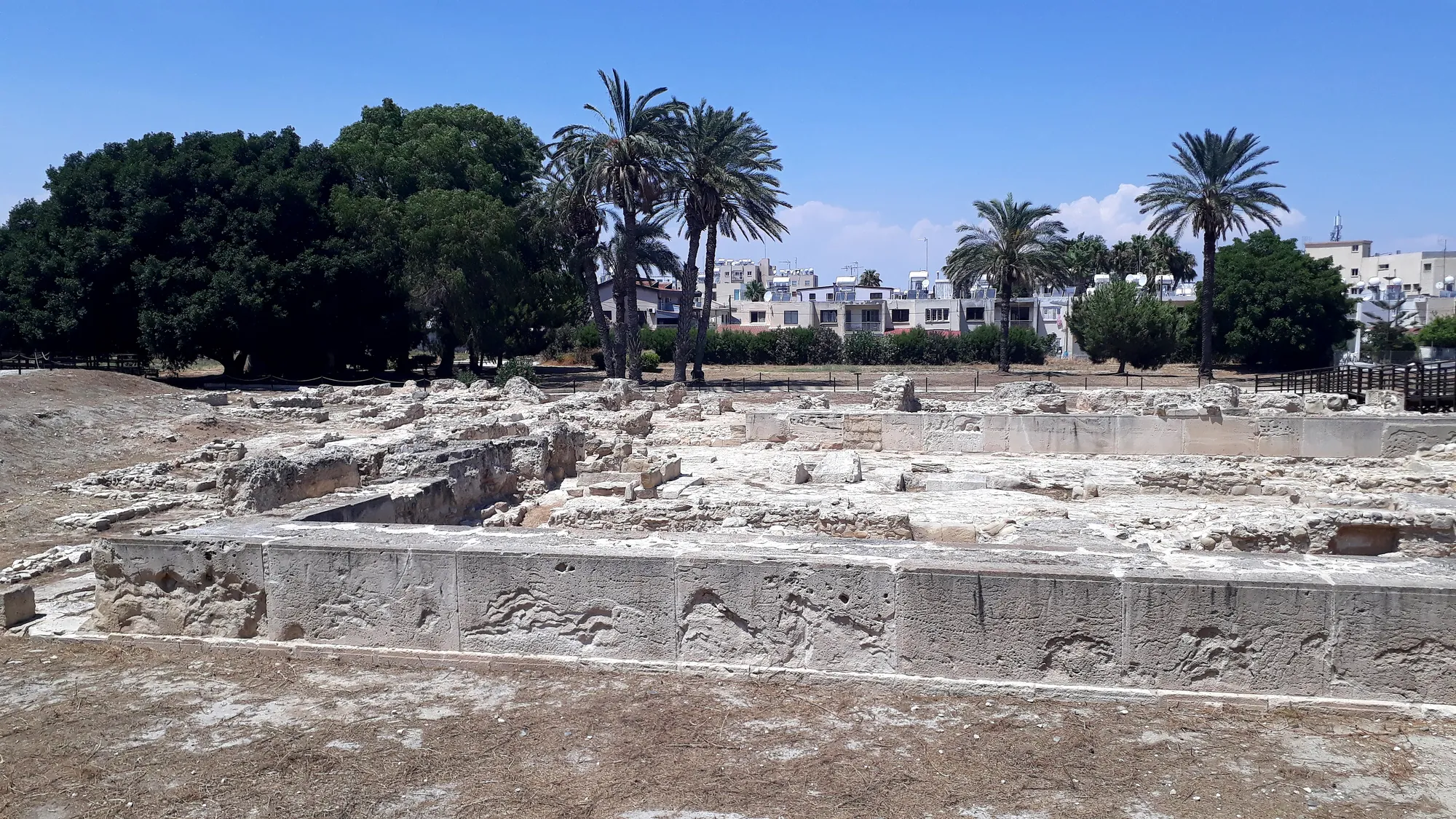
Squared, dressed stone used on Cyprus from about 1500 BC for gateways, tombs and the largest buildings of the Late Bronze Age towns, set below walls of mudbrick.
In the compendium
Bronze Age Sanctuaries and Temples
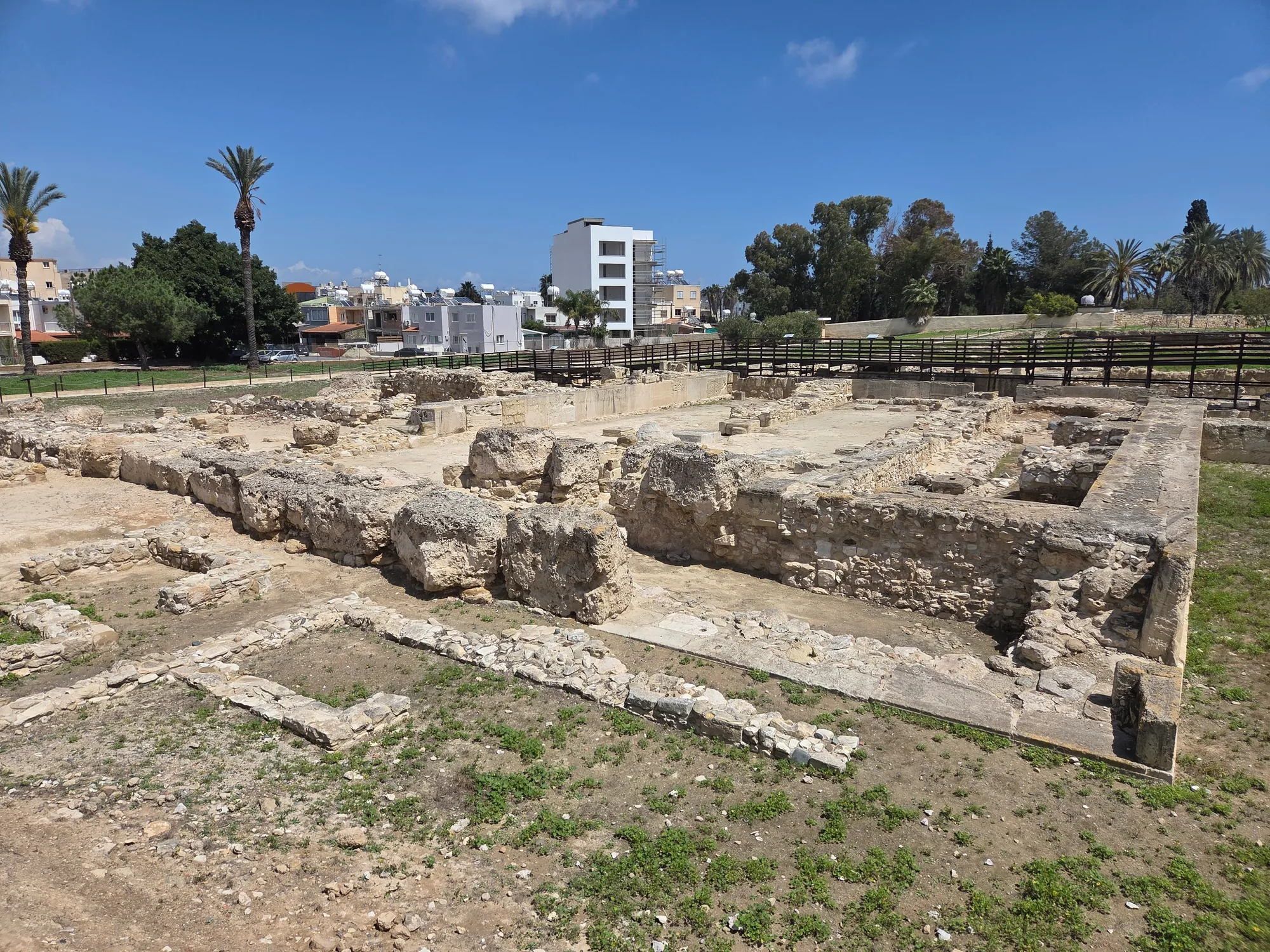
Cypriot cult buildings of the Bronze Age, from the clay sanctuary model of Vounous to the walled courts, altars and inner rooms of the Late Cypriot temples.
In the compendium
Late Bronze Age Towns and Buildings
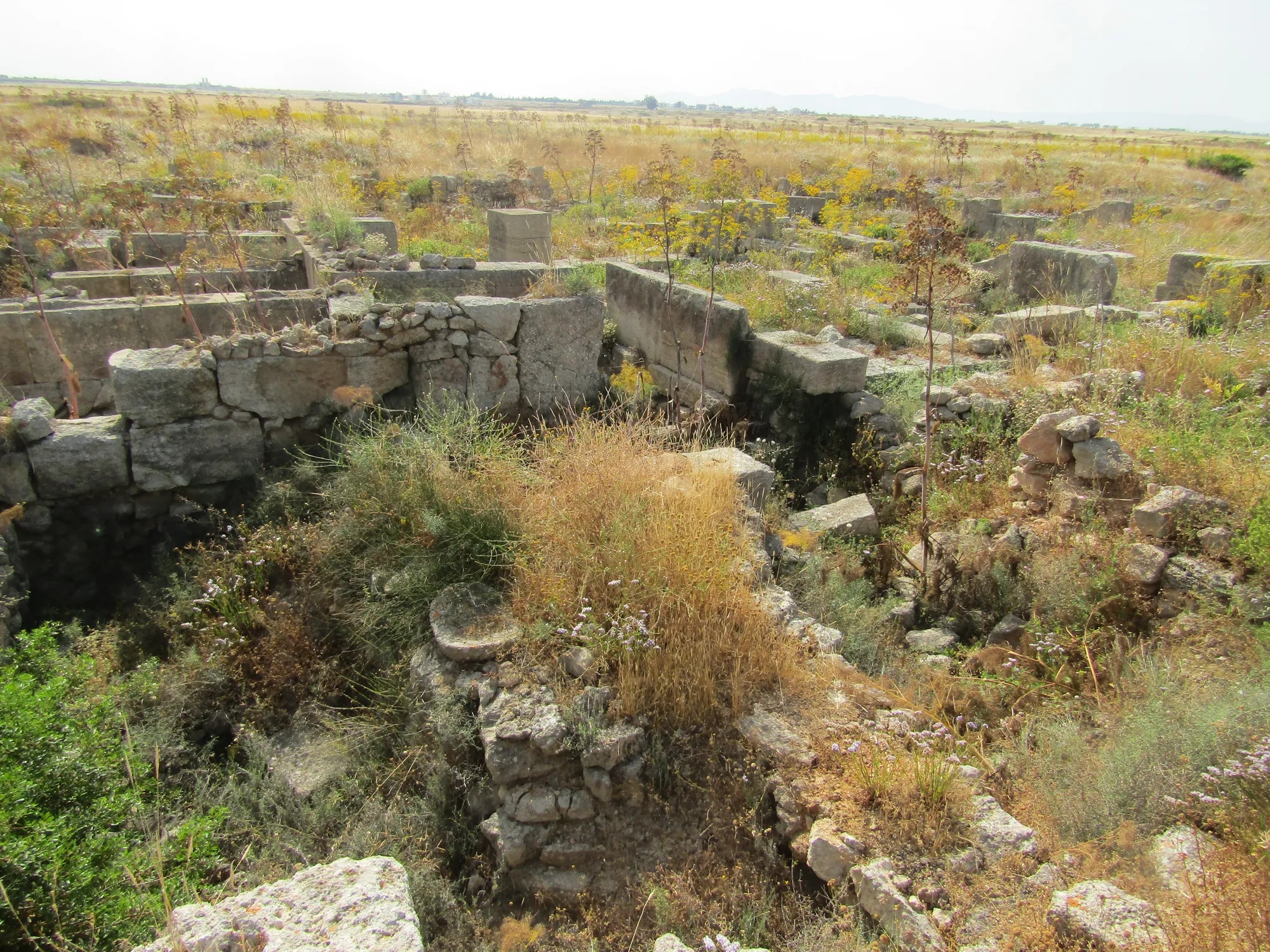
How Late Bronze Age Cyprus built its first towns: street grids, large ashlar buildings with storage halls, courtyard houses, and the short-lived settlements of the twelfth century.
Map of Cyprus
Places discussed in the talk
- Has a page on this site
- Other places
- Ground above 200, 500, 1,000 m
Places
- 1Enkomi
- 2Palaepaphos
- 3Kition
- 4Myrtou-Pigadhes
- 5Alassa
- 6Maroni
- 7Hala Sultan Tekke
- 8Pyla-Kokkinokremos
- 9Maa-Palaeokastro