
Lecture·Archaeological Research Unit - University of Cyprus·2022·In Greek
Issues of Continuity in Cypriot Prehistory: The Case of the Roudias Terrace in Upland Cyprus
Ζητήματα συνέχειας στην κυπριακή προϊστορία: Η περίπτωση της αναβαθμίδας του Ρουδιά στην ορεινή Κύπρο
Chapters
About the lecture
Nikos Efstratiou, Emeritus Professor at the Aristotle University of Thessaloniki, and archaeologist Dimitris Kyriakou present their excavations on the upland terrace of Ayios Ioannis-Vretsia-Roudias near the Xeros River valley in the Paphos district. Given in Greek, the lecture examines what the two prehistoric sites on this mountain terrace contribute to questions of settlement, insularity, and continuity between the Late Epipalaeolithic and the Aceramic Neolithic in Cyprus.
Efstratiou begins by questioning the long-standing focus of Cypriot prehistoric research on coastal settings and sea-going foragers, arguing that the earliest hunter-gatherers on the island also moved into the mountainous interior in search of game, plant foods, and raw materials. At the lower site of Roudias, excavated since 2009, a stratigraphy of around twenty layers exceeding five metres in depth has yielded an idiosyncratic chipped-stone industry studied by the late Carole McCartney. In the absence of collagen-bearing bone and charcoal, optically stimulated luminescence (OSL) dating has provided a sequence of dates spanning from 12,800 ± 1500 to 6,900 ± 1200 BC.
In 2019, excavation on the northern, upper part of the terrace uncovered a second site, Upper Roudias, dating to the mid-seventh millennium BC (around 6400 BC). By November 2021 the team had exposed astone building over five metres in diameter, comparable to the circular houses of the Khirokitia phase, along with traces of further stone structures and a possible southern enclosure wall. Many ground-stone tools, querns, and stone vessels were built into the walls in secondary use, suggesting earlier structures nearby. Finds include picrolite ornaments and a well-preserved faunal assemblage studied by Angelos Hadjikoumis, in which deer remains occur in unusually low proportions.
Efstratiou considers whether the two sites on the Roudias terrace, separated by some three thousand years, represent a palimpsest of long-term upland occupation from seasonal hunters to semi-permanent farmers. He discusses problematic claims of earlier Palaeolithic finds on Cyprus, including surface material reported from the Morphou area in the occupied north and coastal sites at Akrotiri-Aetokremnos, Nissi Beach, and Aspros, and contrasts the local, inward-looking Epipalaeolithic lithics of Cyprus with the Levantine-style industries of Aegean sites such as Ouriakos on Lemnos. The talk concludes by comparing the transition from hunting to farming at upland Roudias with sequences at Shillourokambos, Klimonas, and Ayia Varvara-Asprokremnos.
From our collection
Pieces in the Drakopoulos collection of the kinds and periods this talk covers: Neolithic.
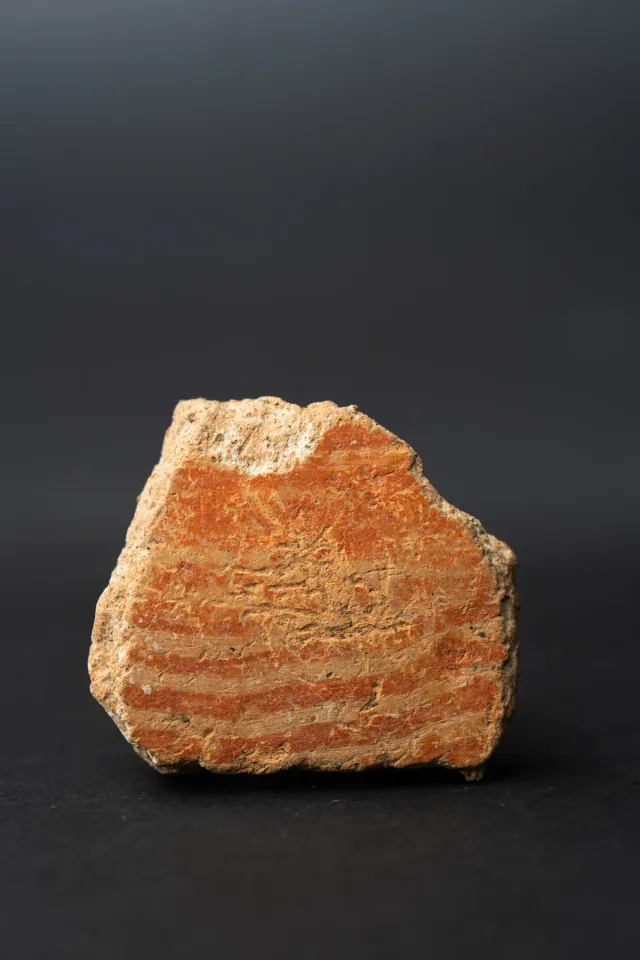
Combed Ware Bowl Fragment with Parallel Bands
Neolithic
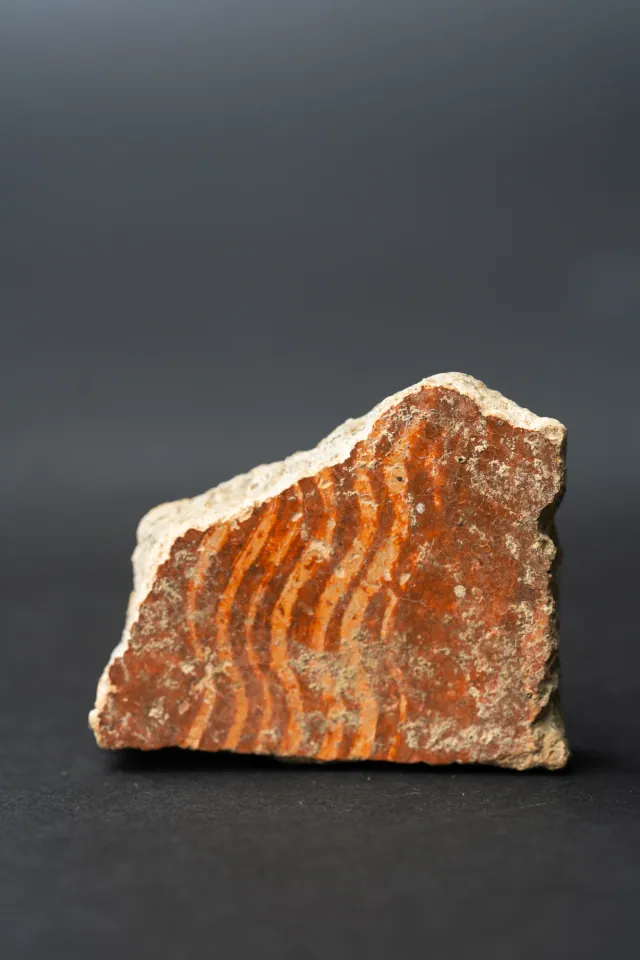
Combed Ware Bowl Fragment with Multiple Wavy Bands
Neolithic
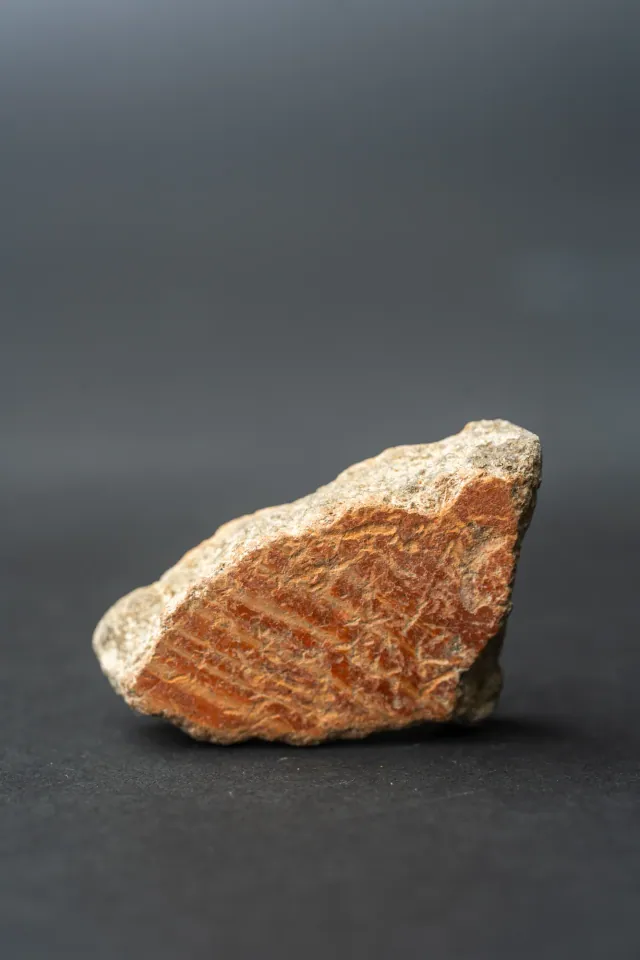
Combed Ware Bowl Fragment with Oblique Bands
Neolithic
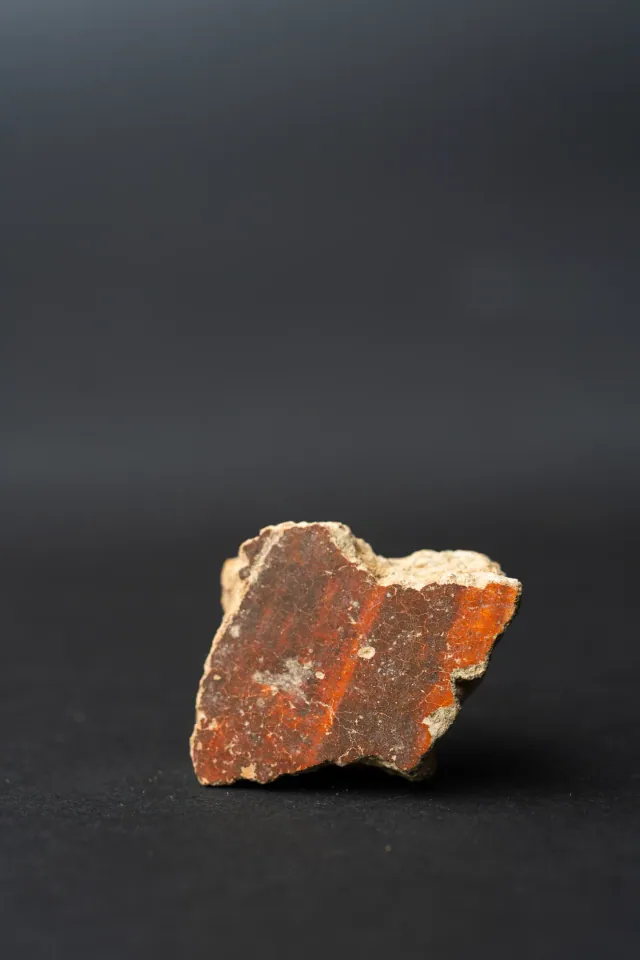
Red Lustrous Ware Body Sherd with Fire-Mottled Slip
Neolithic
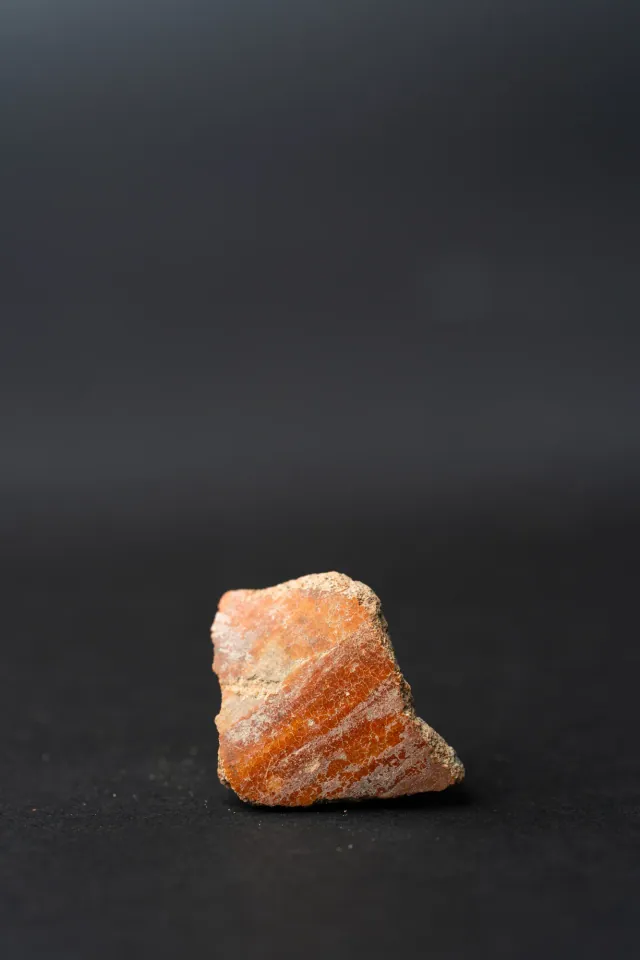
Red Slip Ware Body Sherd with Streaked Slip
Neolithic
Found at the places discussed
Objects in our catalogue, in museum collections, recorded as found at these sites.
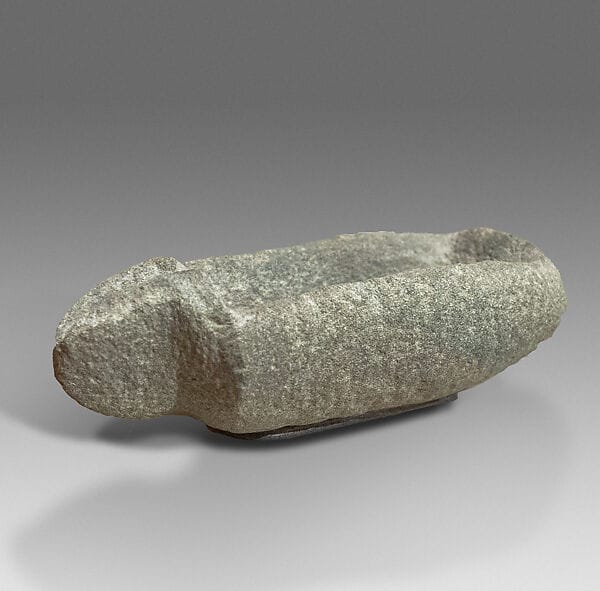
Background
Where to read more on this site before or after watching.
The site
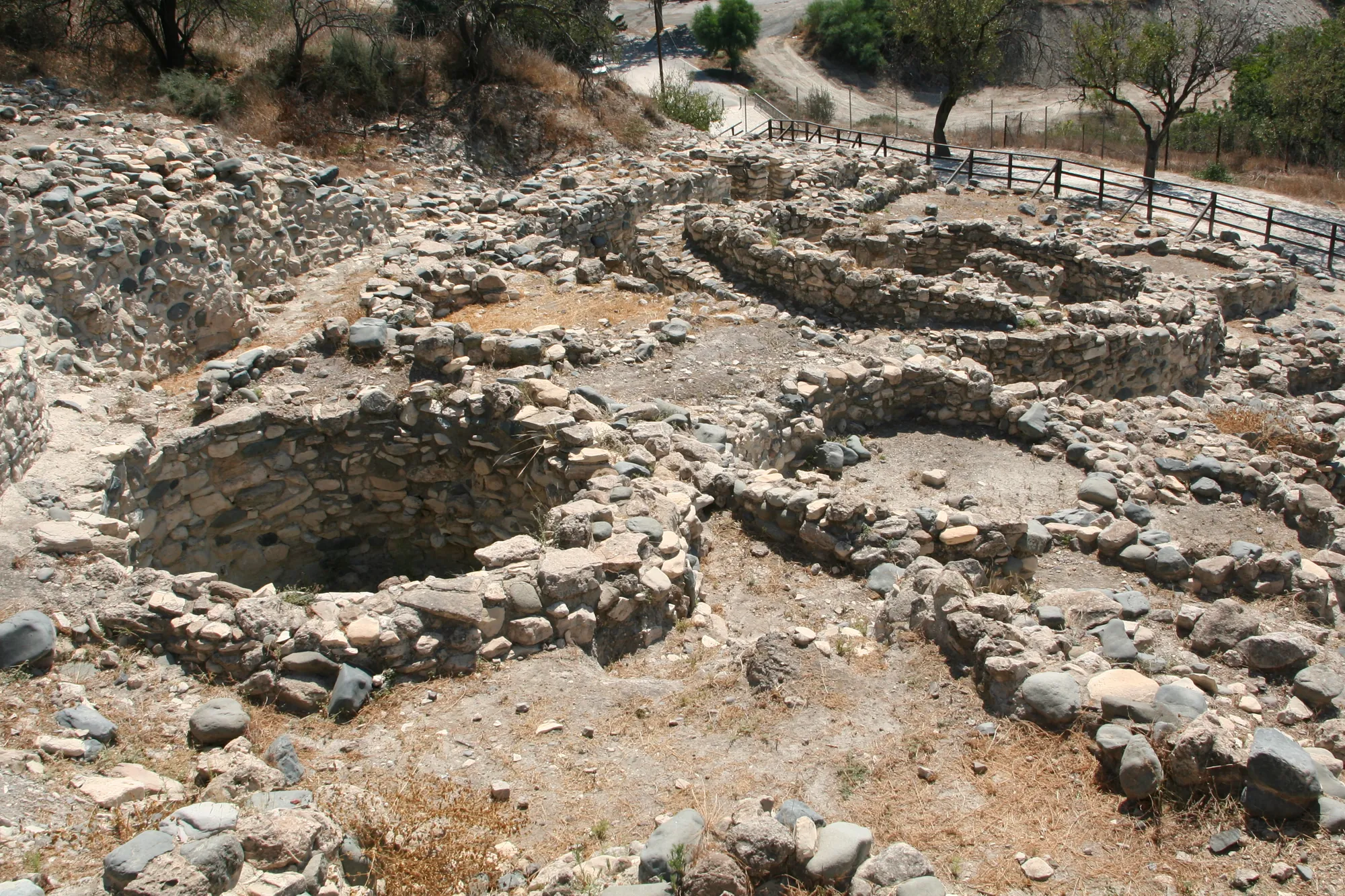
Khirokitia
Khirokitia is a walled village of round stone and earth houses on a hill above the Maroni river, lived in from about 7000 BC to the later 6th millennium BC by farmers who made no pottery. It gave its name to the Khirokitia culture, the last stage of the Aceramic Neolithic in Cyprus, and has been a UNESCO World Heritage Site since 1998.
In the compendium
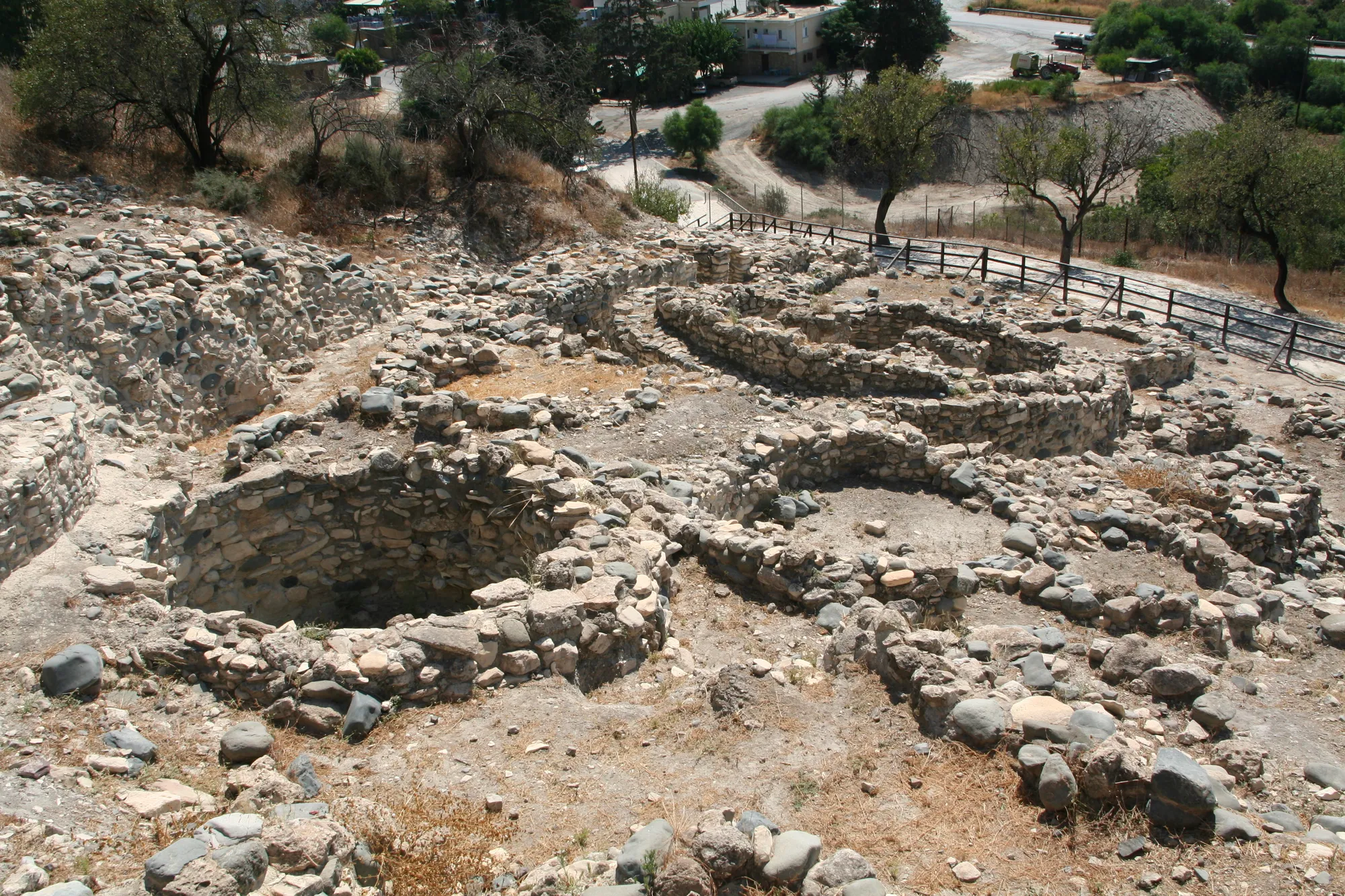
Neolithic Round Houses
The circular buildings of Cyprus's first farming villages, from Klimonas and Tenta to Khirokitia, and the rounded houses of the Ceramic Neolithic.
In the compendium
Stone in Ancient Cyprus
Cypriots worked local chert, igneous rocks, picrolite and limestone from the Neolithic onwards, and imported marble, alabaster and gemstones.
In the compendium
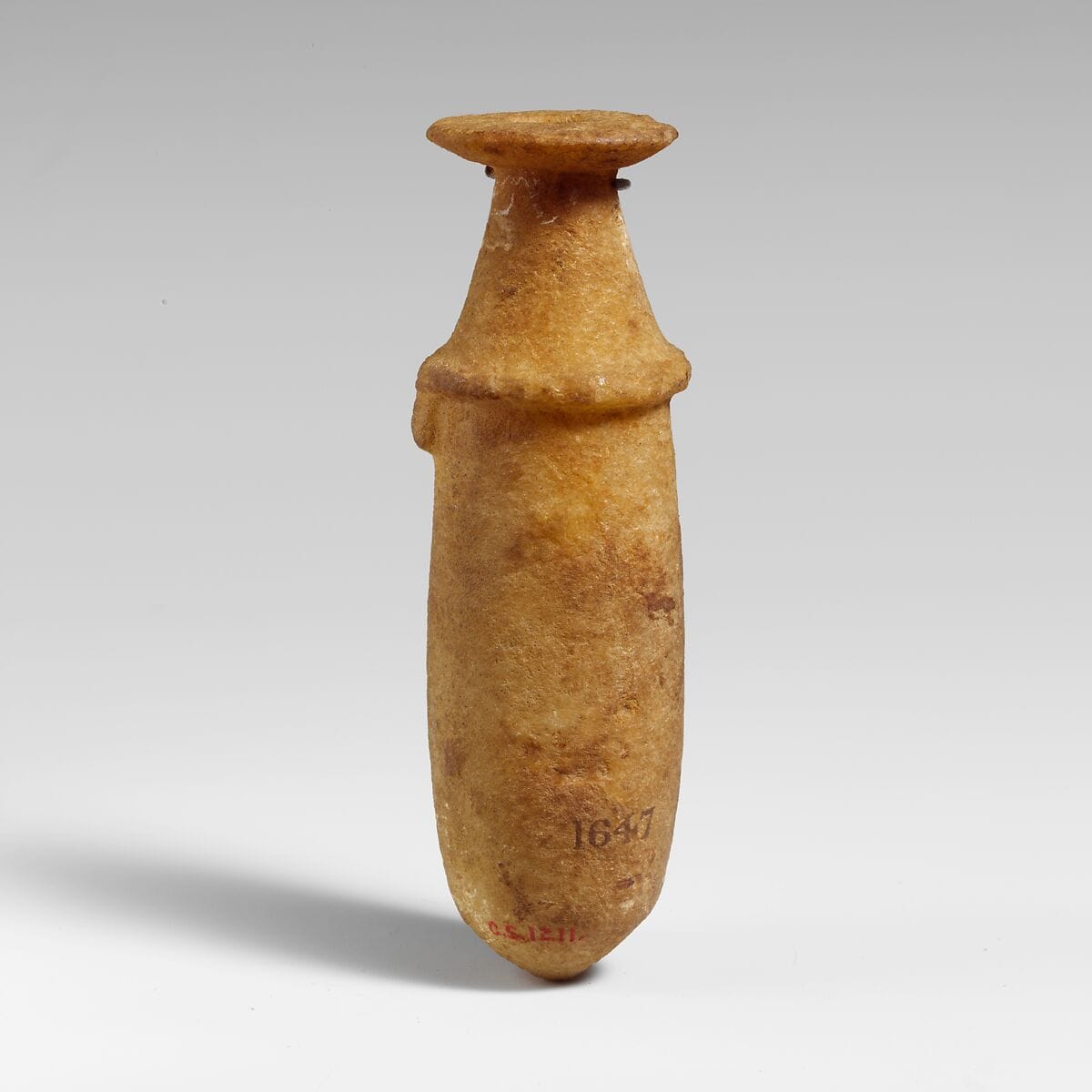
Stone Vessels
Containers ground or carved from stone, the main vessel type of Neolithic Khirokitia and a prestige and cosmetic class again in Late Bronze Age Cyprus.
Map of Cyprus
Places discussed in the talk
- Has a page on this site
- Other places
- Ground above 200, 500, 1,000 m
Places
- 1Akrotiri-Aetokremnos
- 2Khirokitia
- 3Shillourokambos (approx.)
- 4Klimonas (approx.)
- 5Ayia Varvara-Asprokremnos