
Conference paper·Archaeological Research Unit - University of Cyprus·2019
PORPHYRA Workshop: The Host Institutions and Purple Dye in the Western Mediterranean
The Production of Purple Dye in the Western Mediterranean During the Historical Period
Vasiliki Kassianidou, Thomas Brogan, Carmen Alfaro Giner and Dimitra Mylona
Chapters
About the video
This recording opens the first session of the PORPHYRA Workshop on the materiality of purple dye production and use in Cyprus and the Aegean, jointly organized by the Archaeological Research Unit of the University of Cyprus and the INSTAP Study Center for East Crete.
In the absence of scheduled speaker David Reese, Vasiliki Kassianidou introduces the University of Cyprus and its Archaeological Research Unit. Founded under Vassos Karageorghis and expanded under Demetris Michaelides, the unit is housed in a building donated by the Leventis Foundation. Kassianidou outlines its ten faculty members, its library and laboratories, its antiquities collections donated by Glafcos Clerides and an American university from the Cyprus Mines Corporation, and its field projects at Palaepaphos, the Mazotos shipwreck, Kofinou, the Cypriot mining regions, Samos and Crete.
Thomas Brogan presents the INSTAP Study Center for East Crete, established in 1997 to serve projects of the American School of Classical Studies and the Institute for Aegean Prehistory. He describes its partnership with the Wiener Laboratory for Archaeological Science and the INSTAP Academic Press, its support for excavations and surveys at sites such as Mochlos, Gournia and Chrysokamino, and its technical services in faunal analysis, illustration, ceramic petrography, conservation and photography, as well as the challenge of curating legacy and born-digital records.
Dimitra Mylona then reads a paper by Carmen Alfaro Giner on purple dye production in the western Mediterranean during the Roman and pre-Roman periods. Alfaro Giner traces the introduction of shell-purple manufacture to Phoenician colonization from the 8th and 7th centuries BC, with sites from Gadir and southeastern Spain to Meninx and the Pitiusas Islands. Along the coast from Gadir to Carthago Nova and at Águilas, crushed Hexaplex trunculus, Stramonita haemastoma and Bolinus brandaris shells occur at Roman imperial fish-salting factories (cetariae), suggesting seasonal complementarity between spring fish processing and autumn dye making. Survey and excavation between 2001 and 2014 on Ibiza and Formentera identified over forty coastal sites, including workshops at Canal d'en Martí and Cala Olivera active into the 4th and 5th centuries AD, which she identifies with the imperial baphia of the Balearic Islands recorded in the Notitia Dignitatum.
Background
Where to read more on this site before or after watching.
In the compendium
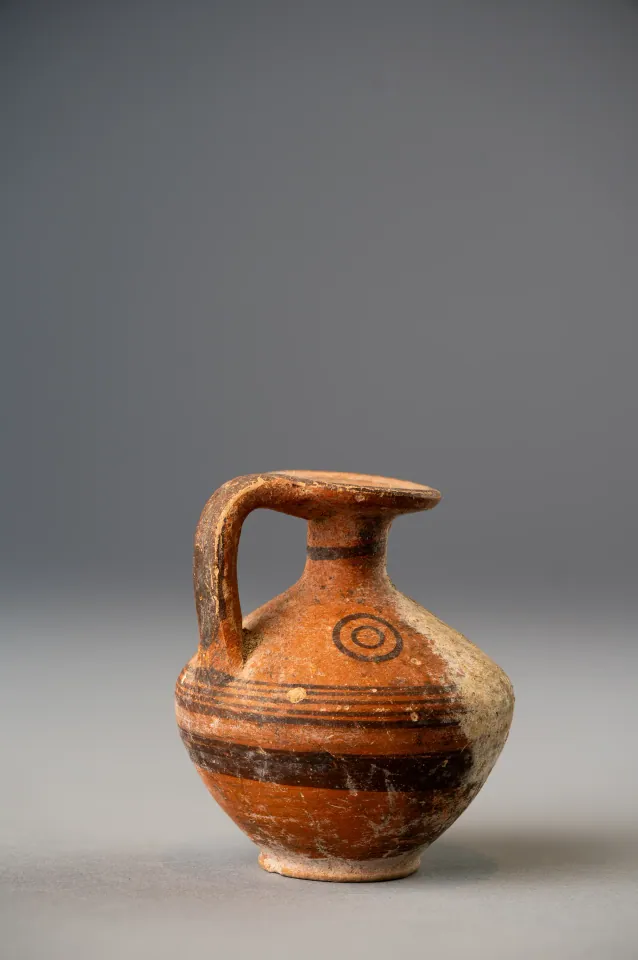
The Phoenicians
The Iron Age city-states of the Levantine coast, whose traders and settlers made Kition a Phoenician kingdom and shared a hybrid culture with Cyprus.
The period
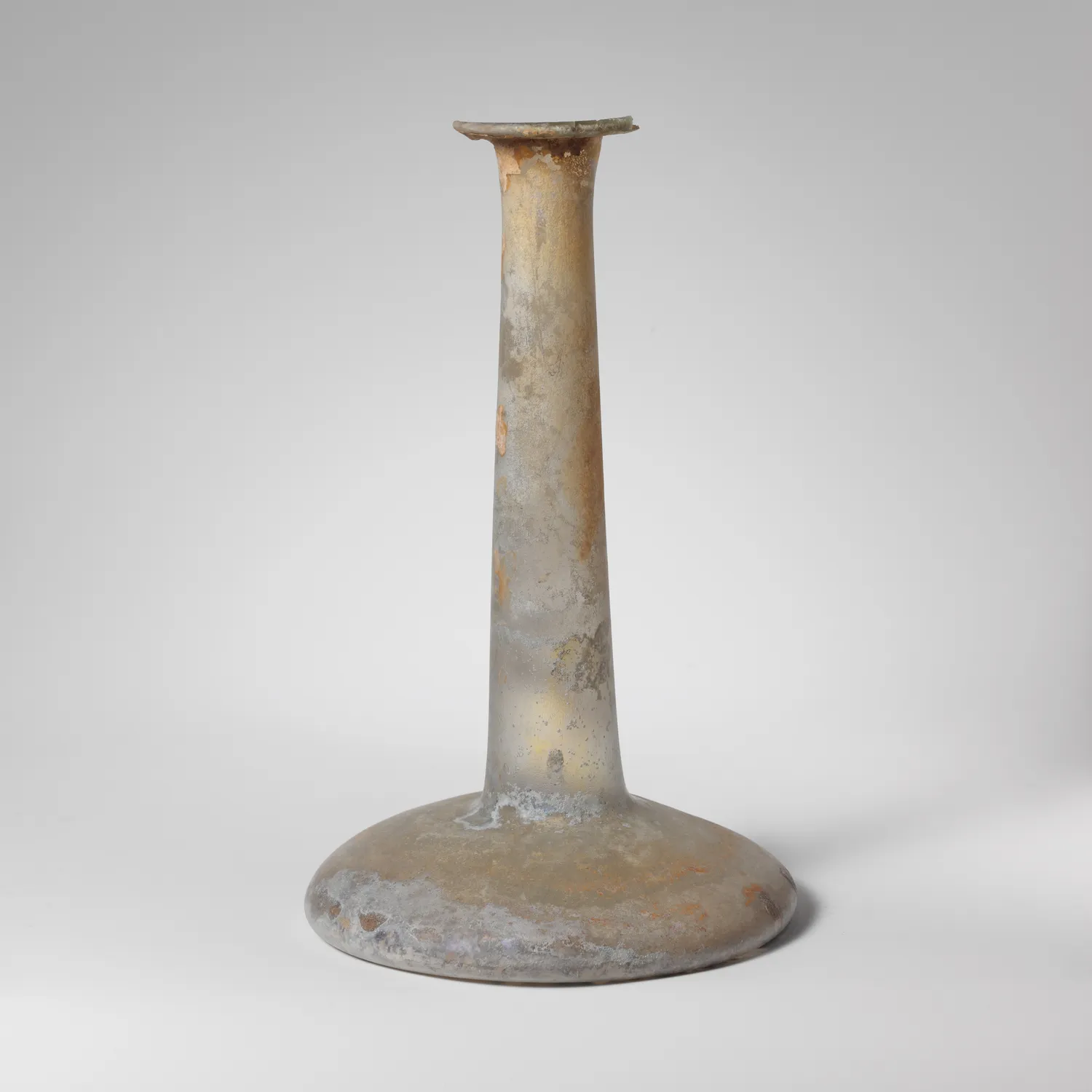
Roman
Cyprus as a Roman province from 58 BCE to the fourth century CE, governed from Nea Paphos, mined for copper, and finally wrecked by earthquakes.