
Conference paper·Archaeological Research Unit - University of Cyprus·2018·In Greek
The Archaeological Work of the University of Cyprus, 2017: Neolithic stone, Bronze Age metals, field databases and medieval glazed wares
ΤΟ ΑΡΧΑΙΟΛΟΓΙΚΟ ΕΡΓΟ ΤΟΥ ΠΑΝΕΠΙΣΤΗΜΙΟΥ ΚΥΠΡΟΥ, 2017
Theodora, Andreas Charalambous, Charis Paraskeva and Carmen Ting
Chapters
About the video
This recording presents the third session of the annual review day on the archaeological work of the University of Cyprus in 2017, with four postdoctoral researchers. The first three papers are in Greek and the fourth in English.
The first speaker, introduced as Theodora, reports on the completion of the PRINET project, coordinated by Vasiliki Kassianidou, which studied social networks between Cyprus and the eastern Mediterranean during the Aceramic Neolithic through portable XRF analysis of about 1,000 artefacts of obsidian, carnelian, and picrolite in Cypriot museums. Local Troodos picrolite and imported carnelian (33 objects) each divide chemically into at least two sub-sources. Principal component analysis of obsidian from sites including Shillourokambos, Mylouthkia, and Tenta indicates that while most came from Göllü Dağ in central Anatolia, two to three other sources were also used. In the discussion, Maria Iacovou asks about unpublished finds from Arkosykos, and the speaker notes that two obsidian pieces from Ayios Tychonas-Klimonas place its earliest appearance in the Initial Aceramic Neolithic. Given the quality of local chert, she argues that obsidian was brought by sea for its aesthetic and symbolic value.
Andreas Charalambous compares copper-base metalwork from Early and Middle Bronze Age tombs at Lapithos (Vrysi tou Barba) with Late Bronze Age finds from Pyla-Kokkinokremos. Analysing 180 of the 450 to 460 objects excavated at Lapithos in 1913 and 1917 by Myres, Markides, and others, now studied under Jennifer Webb, he shows that arsenical copper predominates, with high arsenic levels in pins over 10 cm giving a silvery finish. Tin bronze also appears in Middle Bronze Age pins at Lapithos. At Pyla-Kokkinokremos, 86 percent of the 133 analysed objects from the 2014–2016 seasons are tin bronzes. Metal scrap, lead fragments, and slag in Sectors 3 and 4 confirm local metalworking and recycling, and high-lead bronze fragments match rod tripods from Palaepaphos.
Charis Paraskeva demonstrates Simplex Reloaded, a database built in Microsoft Access, Visual Basic, and SQL for recording survey pottery in the SeSaLaC project directed by Athanasios Vionis. He explains the separation of the encrypted backend, user interface, and external media files, and shows how chronological filters, closed dropdown lists of 500 pottery types, built-in visual glossaries, Munsell colour previews, pXRF templates, and field-level timestamping prevent data-entry errors offline in the field.
Carmen Ting outlines her Marie Curie project on Cypriot glazed wares from the 13th to the 16th centuries. Using SEM, thin-section petrography, XRD, and lead isotope analysis, she examines whether potters under Lusignan, Venetian, and Ottoman rule adopted Aegean high-lead glazes, Islamic alkaline traditions, or local innovations, sampling kiln evidence from the Paphos theatre, survey finds from Kofinou, and material from Potamia-Ayios Sozomenos.
From our collection
Pieces in the Drakopoulos collection of the kinds and periods this talk covers: Neolithic, Early Cypriot (Early Bronze Age).
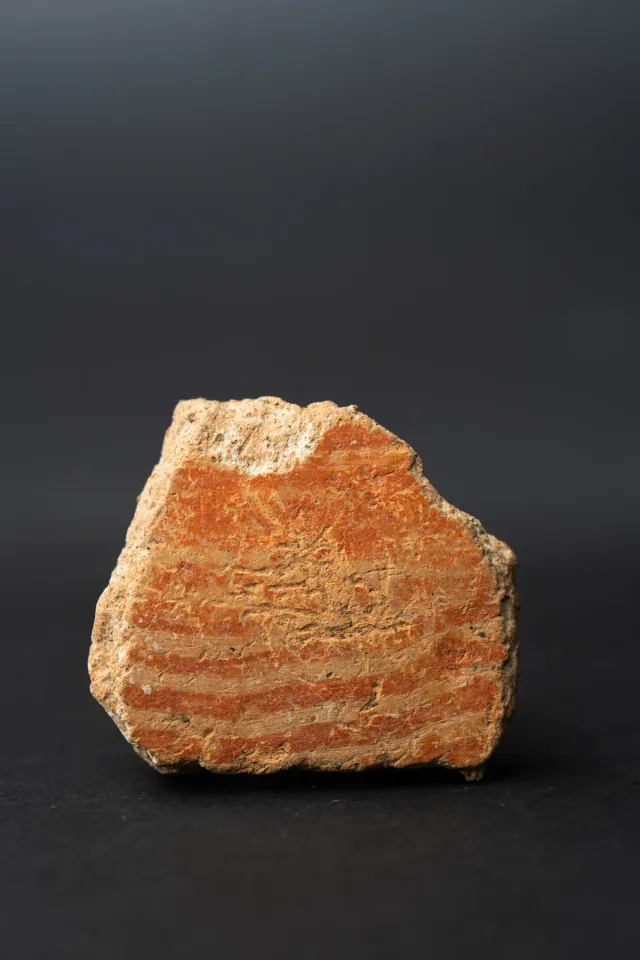
Combed Ware Bowl Fragment with Parallel Bands
Neolithic
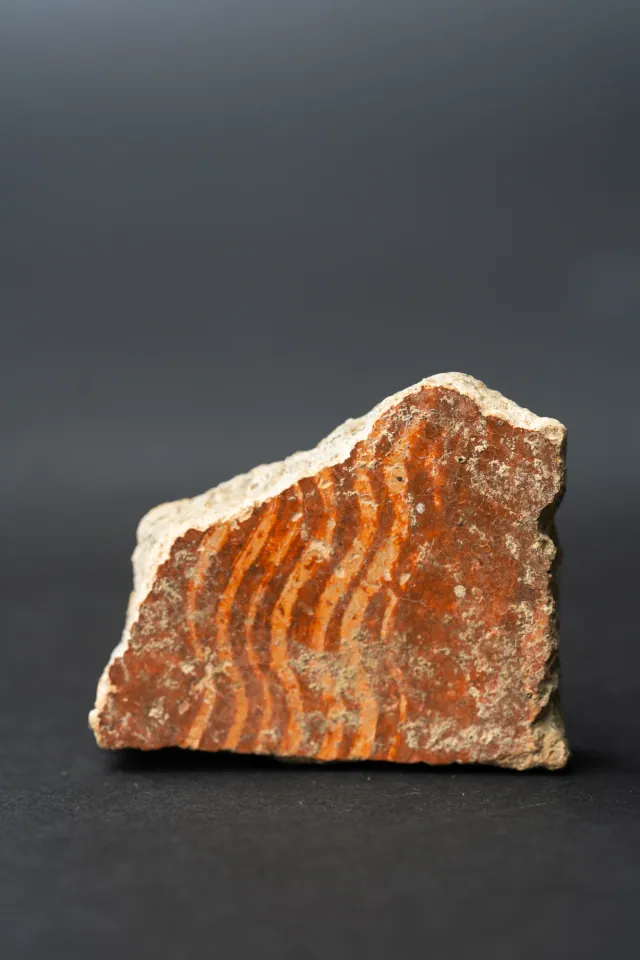
Combed Ware Bowl Fragment with Multiple Wavy Bands
Neolithic
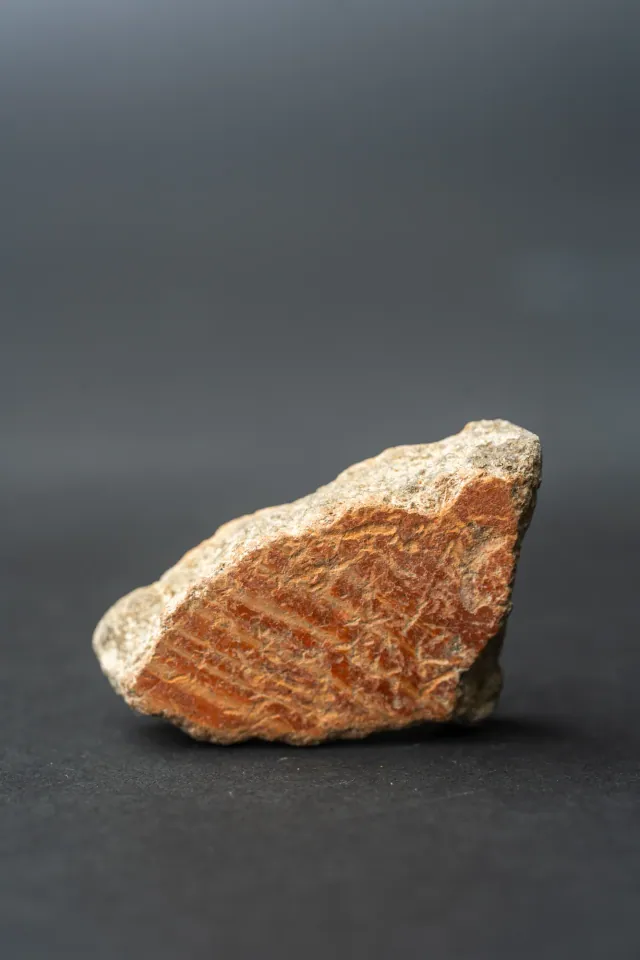
Combed Ware Bowl Fragment with Oblique Bands
Neolithic
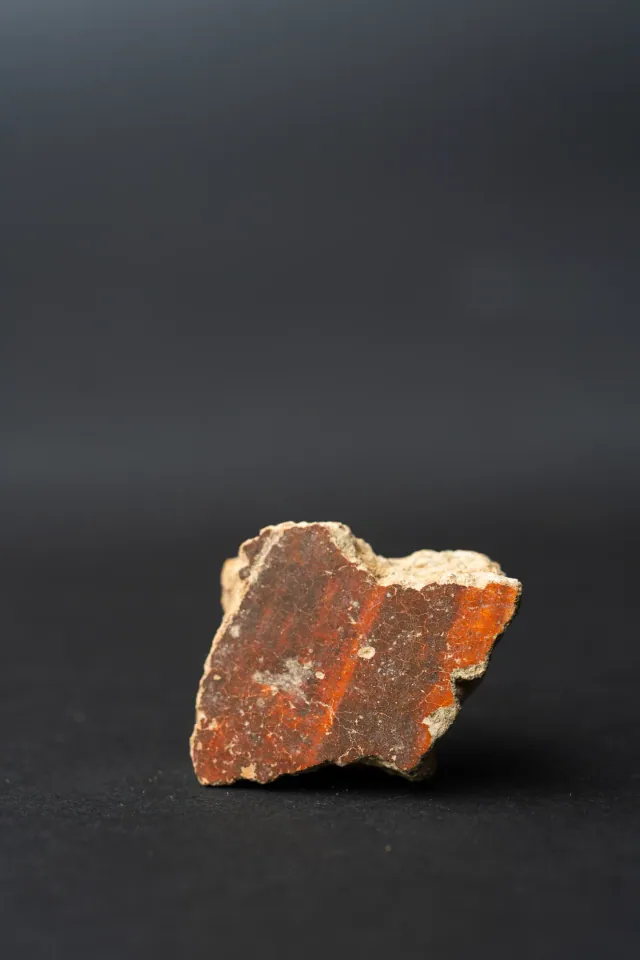
Red Lustrous Ware Body Sherd with Fire-Mottled Slip
Neolithic
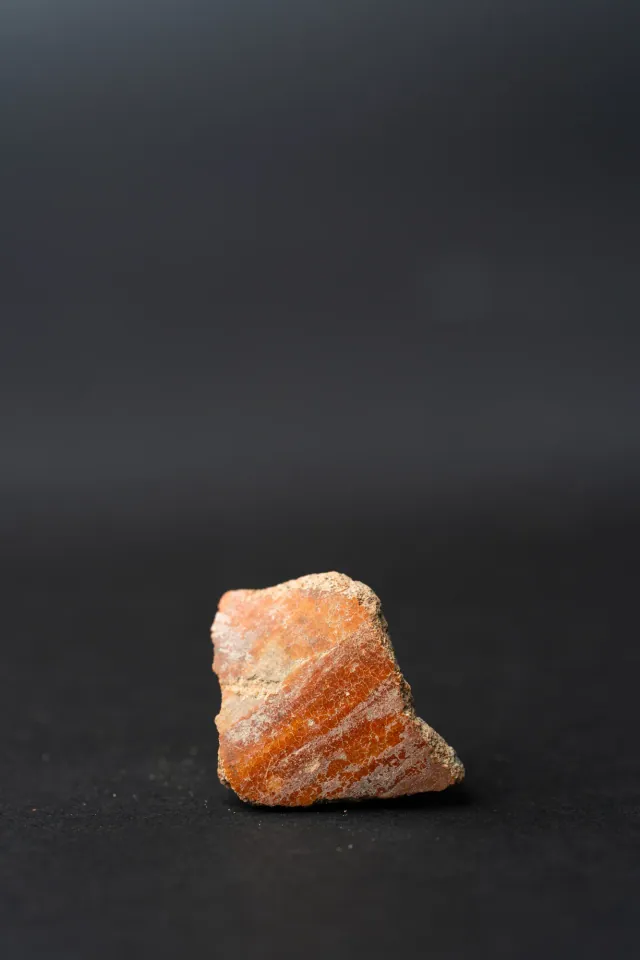
Red Slip Ware Body Sherd with Streaked Slip
Neolithic
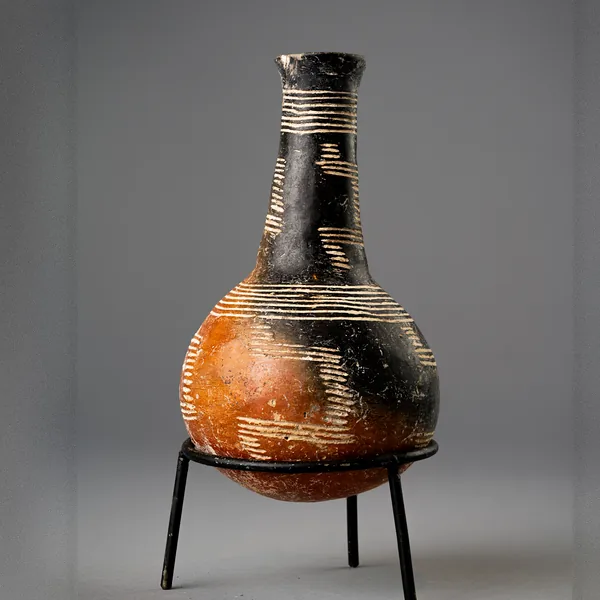
Red Polished Black-Topped Bottle with Stepped Incised Bands
Early Cypriot (Early Bronze Age)
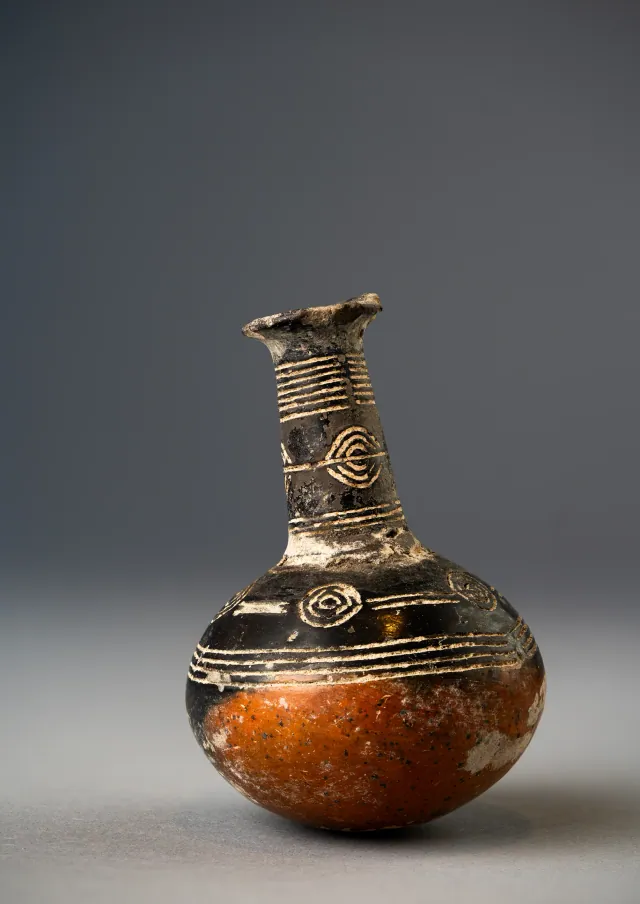
Red Polished Black-Topped Bottle with Incised Concentric Circles
Early Cypriot (Early Bronze Age)
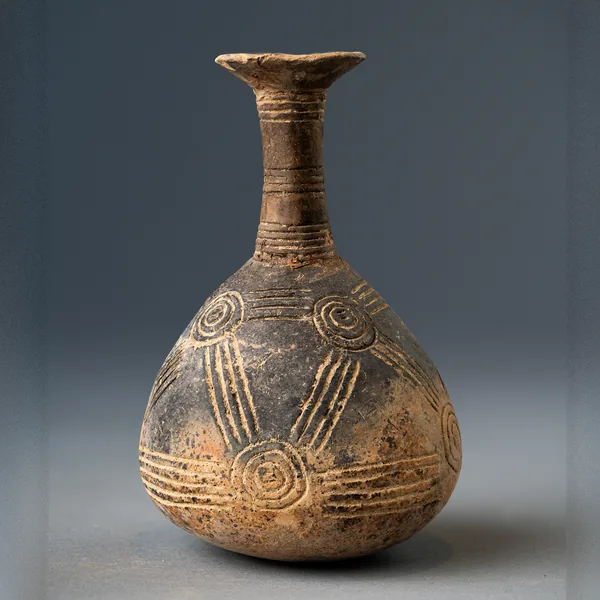
Red Polished Bottle with Linked Concentric Circles
Early Cypriot (Early Bronze Age)
Found at the places discussed
Objects in our catalogue, in museum collections, recorded as found at these sites.

).webp)

Background
Where to read more on this site before or after watching.
The site
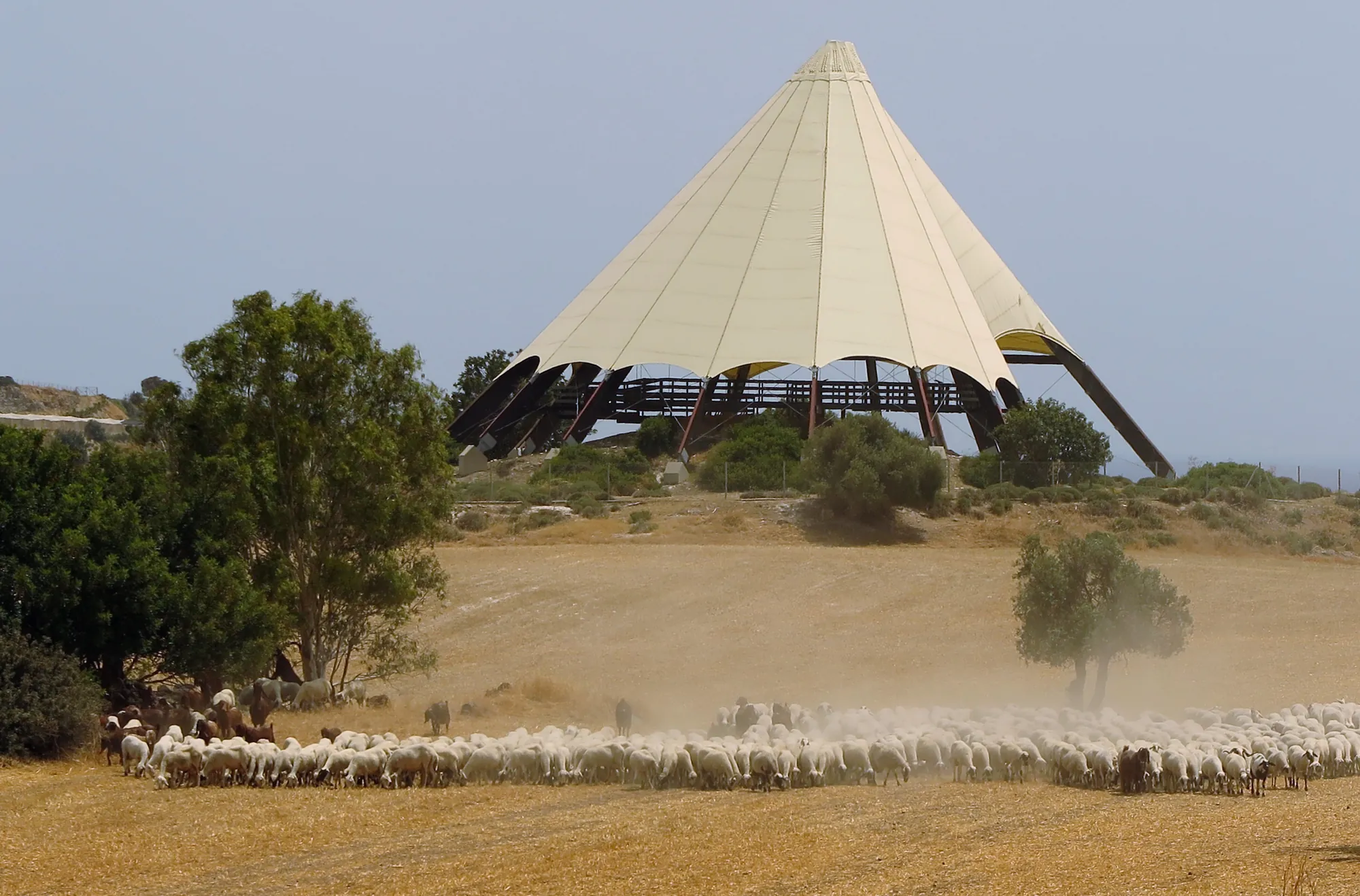
Kalavasos-Tenta
An Aceramic Neolithic village on a small hill in the lower Vasilikos valley, lived in from the 9th millennium BC into the 7th and excavated by the Vasilikos Valley Project from 1976. Its round houses stood inside an enclosure wall and ditch, and the pier of one of them carries the only Neolithic wall painting known on Cyprus.
In the compendium
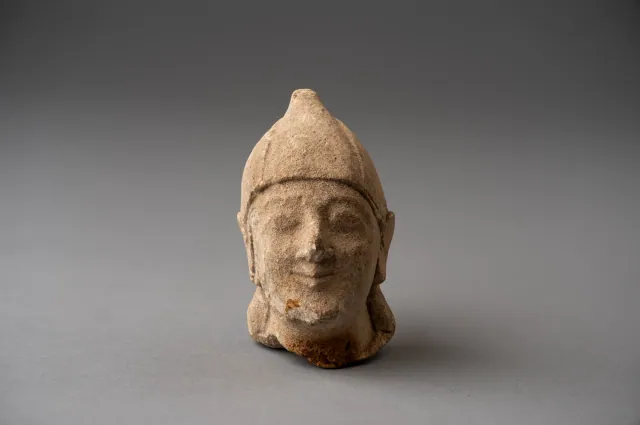
Stone in Ancient Cyprus
Cypriots worked local chert, igneous rocks, picrolite and limestone from the Neolithic onwards, and imported marble, alabaster and gemstones.
In the compendium
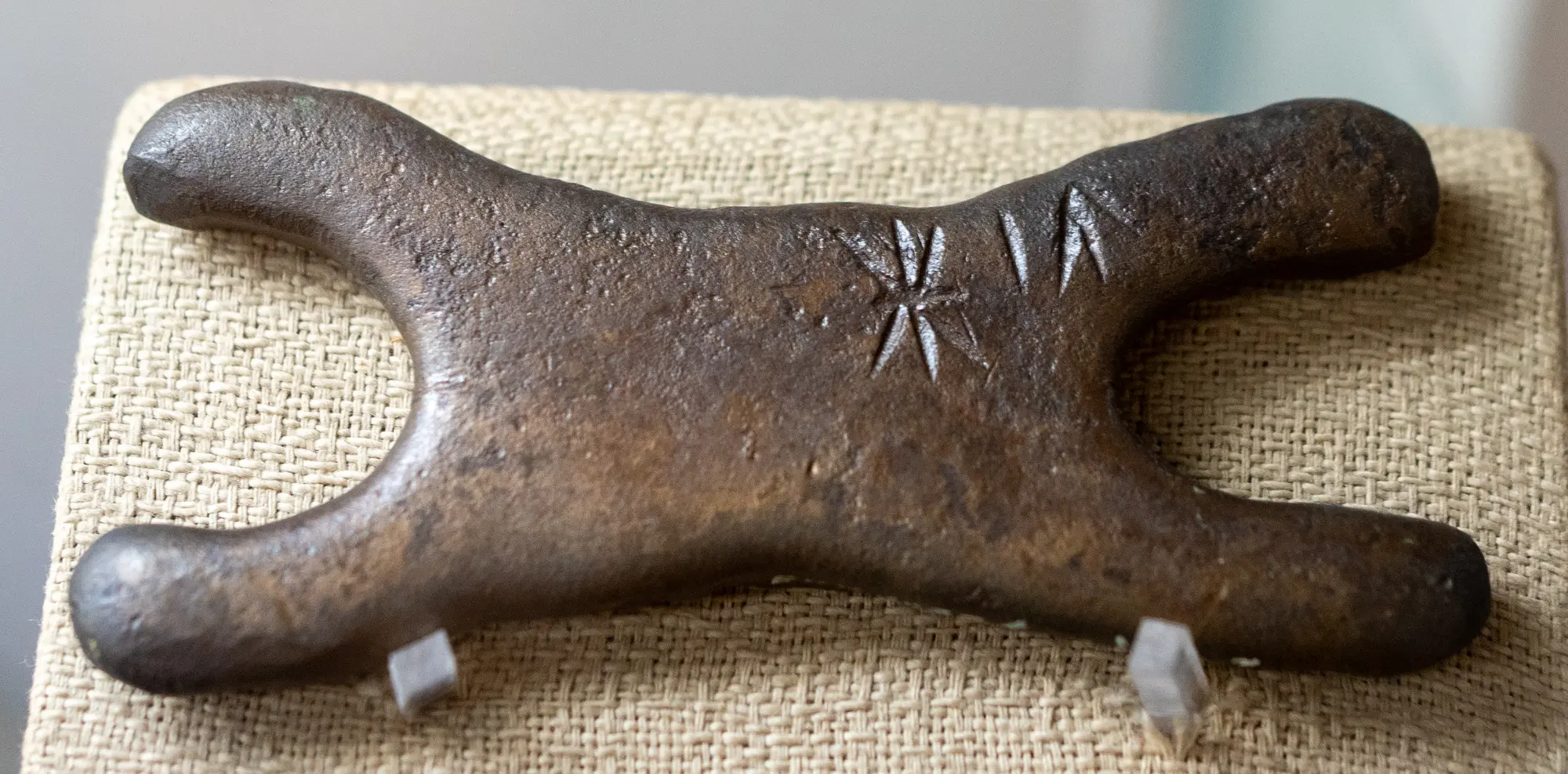
Copper Metallurgy in Ancient Cyprus
The mining, smelting and casting of the Troodos sulphide ores, from hammered Chalcolithic native copper to Late Bronze Age oxhide ingots and Archaic slag heaps.
In the compendium
Gold, Silver, Tin, Arsenic and Iron in Ancient Cyprus
The metals other than copper used by Cypriot smiths from the Philia facies to the Hellenistic period, including arsenic, tin, gold, electrum, silver, lead and iron.
Map of Cyprus
Places discussed in the talk
- Has a page on this site
- Other places
- Ground above 200, 500, 1,000 m
Places
- 1Parekklisha-Shillourokambos (approx.)
- 2Kissonerga-Mylouthkia (approx.)
- 3Kalavasos-Tenta
- 4Akanthou-Arkosykos (approx.)
- 5Ayios Tychonas-Klimonas (approx.)
- 6Lapithos
- 7Pyla-Kokkinokremos
- 8Palaepaphos
- 9Nea Paphos
- 10Kofinou (approx.)
- 11Potamia (approx.)