
Lecture·Archaeological Research Unit - University of Cyprus·2018
The Dawn of Bronze Age in Cyprus: Reorientations and Tales of Sociogenesis
Chapters
About the lecture
Charalambos Paraskeva of the Archaeological Research Unit presents the findings of his doctoral dissertation at the University of Edinburgh, supervised by the late Edgar Peltenburg, on the transition from the Chalcolithic to the Early Bronze Age in Cyprus.
Paraskeva outlines the changes that mark the beginning of the Bronze Age and the Philia phase, including the shift from round houses to rectilinear compounds, extramural cemeteries, the ox-plough complex, Red Polished Philia ware, extractive copper metallurgy, and the replacement of picrolite cruciform figurines. To address the debate over whether these changes came from foreign migration, indigenous evolution, or hybridization, he compiled a database of 428 prehistoric sites from over 2,000 publications, including early travellers' accounts and village monographs.
Turning to chronology, Paraskeva tested 117 published radiocarbon dates from 16 sites in OxCal models. Because overlapping dates left the Late Chalcolithic to Philia boundary unresolved, he mapped the stratigraphy of Red Polished Philia sherds against radiocarbon dates at Kissonerga-Mosphilia. He places the start of the Philia phase between 2600 and 2550 BCE in the north, while Chalcolithic traditions at Kissonerga-Mosphilia and Lemba-Lakkous continued down to 2350 to 2300 BC.
To classify handmade Chalcolithic ceramics across the island, Paraskeva developed a statistical typology of fabrics and surface treatments using collections from Kissonerga-Mosphilia, Lemba-Lakkous, Ambelikou-Aghios Georghios, and 141 Cyprus Survey sites. He traces a technological sequence from calcareous clays fired at low temperatures in the Middle Chalcolithic to more standardized igneous and bentonitic fabrics in the Late Chalcolithic, followed by the uniform calcareous Red Polished Philia ware.
Mapping these dated assemblages in GIS, Paraskeva identifies 134 Middle Chalcolithic sites, 109 Late Chalcolithic sites, and 32 Philia sites. He argues that egalitarian Middle Chalcolithic communities developed social hierarchies and surplus storage at the transition to the Late Chalcolithic, seen in the Pithos House at Kissonerga-Mosphilia and extramural cemeteries at Souskiou, followed by a reaction that burned the Pithos House. In the Late Chalcolithic, populations concentrated into fewer, larger settlements, moved inland toward Troodos copper, began smelting and foreign trade, and split into three regional pottery traditions.
Paraskeva argues that Anatolian groups arrived on the northern coast around 2600 BC in what he terms a failed colonization attempt, displacing northern Late Chalcolithic settlements but remaining confined to 21 sites in the north and centre, within the limits identified by James Stewart. Southern and western Chalcolithic communities persisted, trading selectively with Philia groups and gradually adopting technologies, which produced the regional cultures of the Early Bronze Age. A twenty-minute discussion follows, with questions from Bernard Knapp and others on Marxian models, the definition of Philia sites, modern Y-chromosome studies, and the concept of failed colonization.
From our collection
Pieces in the Drakopoulos collection of the kinds and periods this talk covers: Red Polished ware.
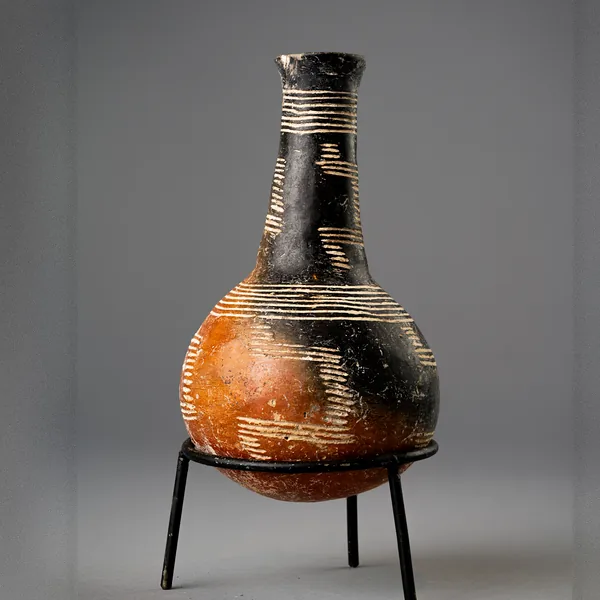
Red Polished Black-Topped Bottle with Stepped Incised Bands
Red Polished ware
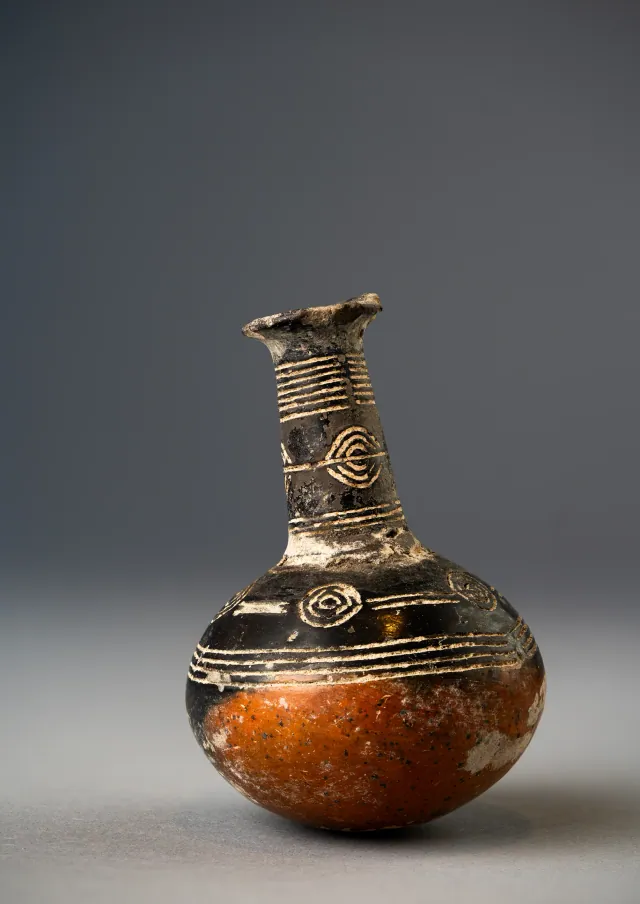
Red Polished Black-Topped Bottle with Incised Concentric Circles
Red Polished ware
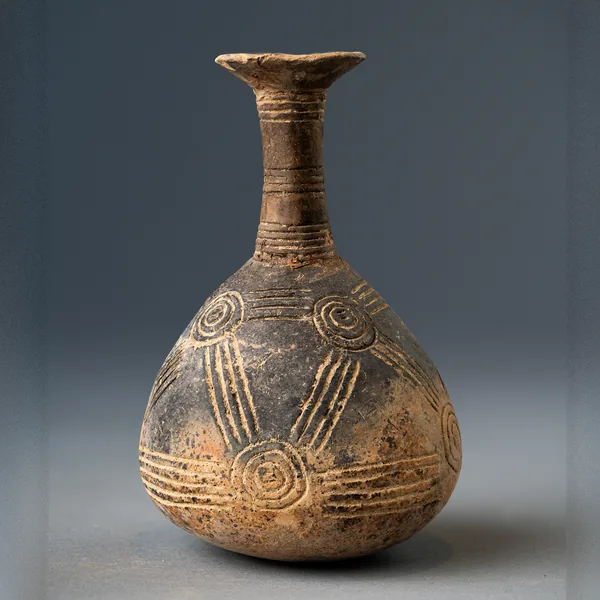
Red Polished Bottle with Linked Concentric Circles
Red Polished ware
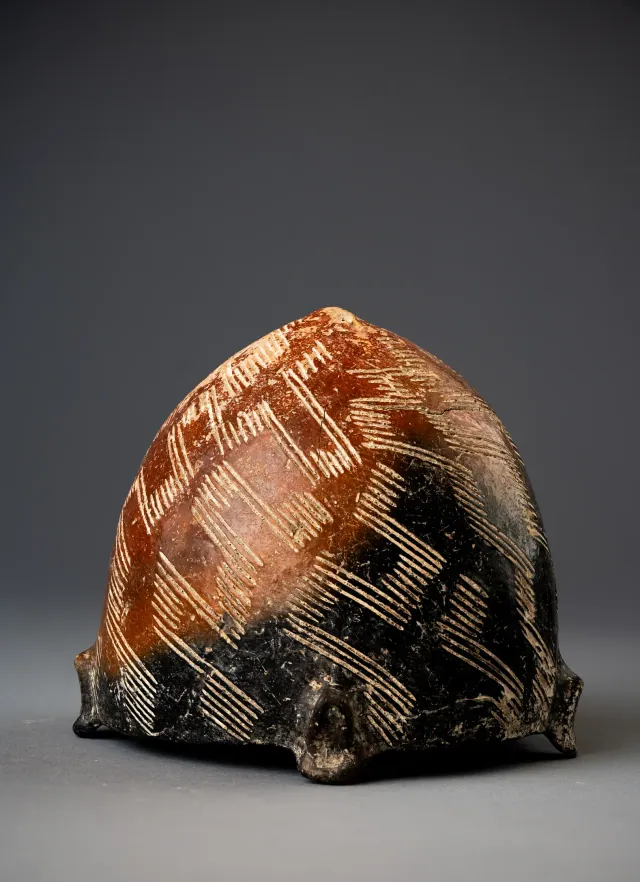
Black-topped Red Polished Tulip Bowl with Incised Hatched Lattice
Red Polished ware
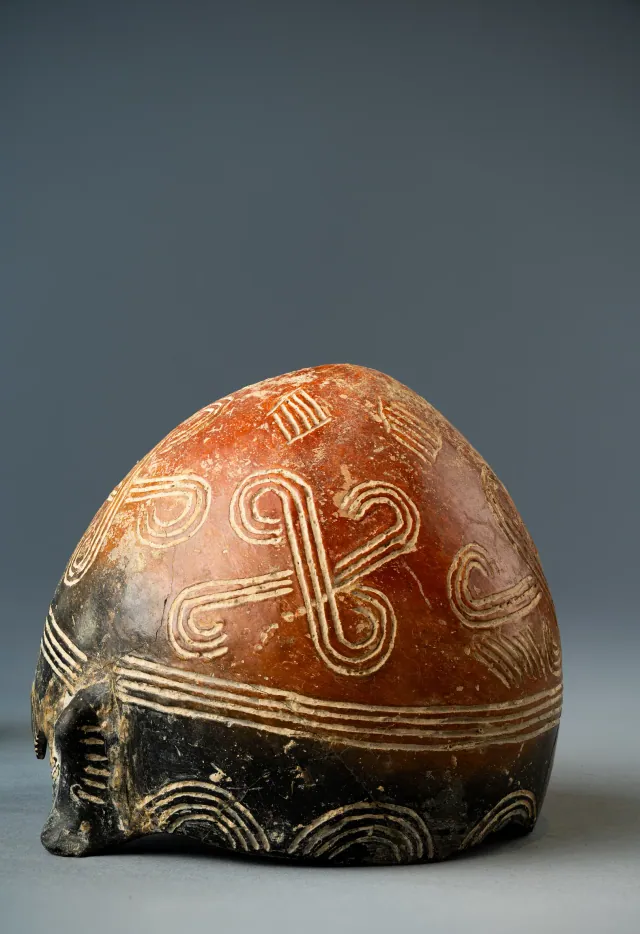
Black-topped Red Polished Tulip Bowl with Incised Spiral-armed Cross, Circles and Arcades
Red Polished ware
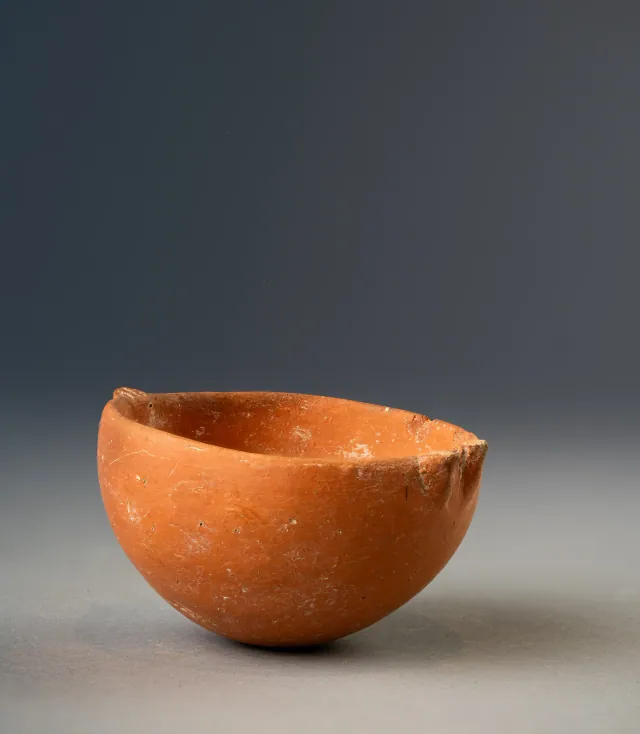
Red Polished Hemispherical Bowl with Two Rim Lugs
Red Polished ware
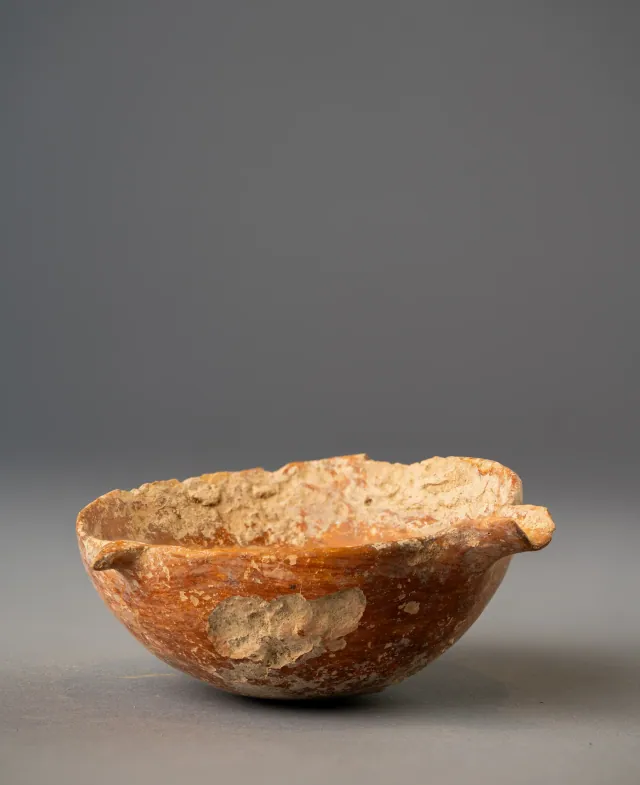
Red Polished Bowl with Two Opposed Tab Lugs
Red Polished ware
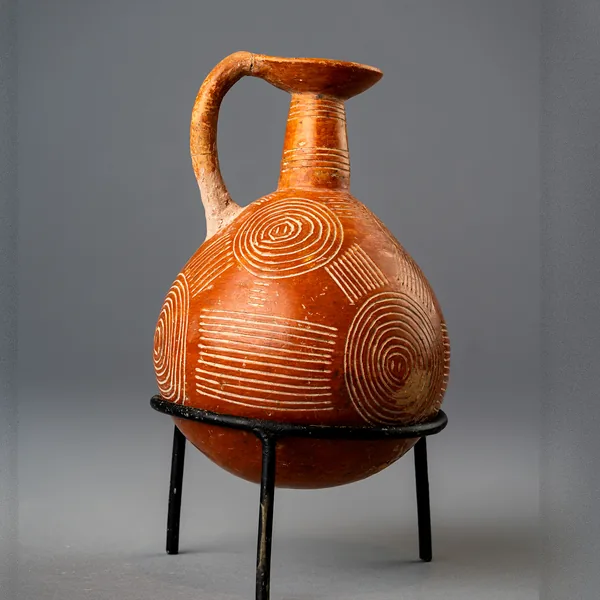
Red Polished Jug with Concentric Circles and Line Panels
Red Polished ware
Found at the places discussed
Objects in our catalogue, in museum collections, recorded as found at these sites.
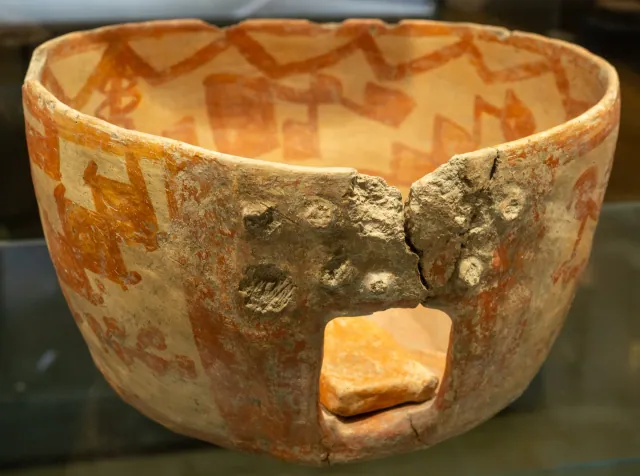
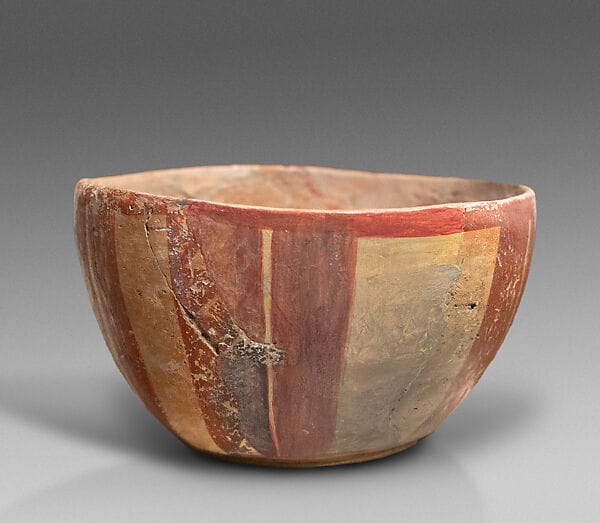
Background
Where to read more on this site before or after watching.
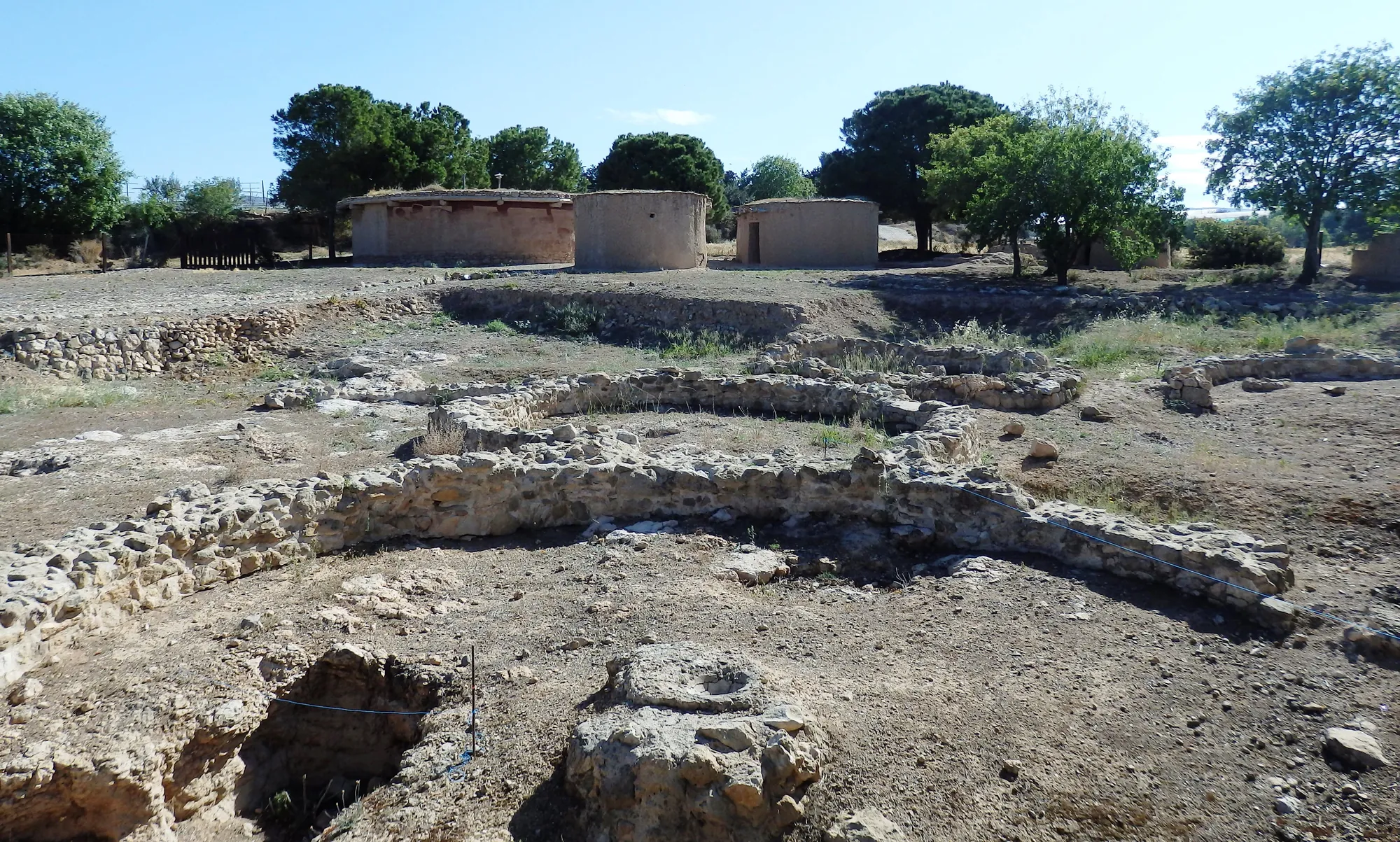
The site
Lemba-Lakkous
A Chalcolithic village on a coastal terrace north of Paphos, lived in at intervals from about 3500 to 2400 BC and excavated by Edgar Peltenburg for the Lemba Archaeological Project from 1976 to 1983. It produced the limestone figure known as the Lemba Lady, a large group of graves and, beside the excavation, the Lemba Experimental Village of rebuilt round houses.
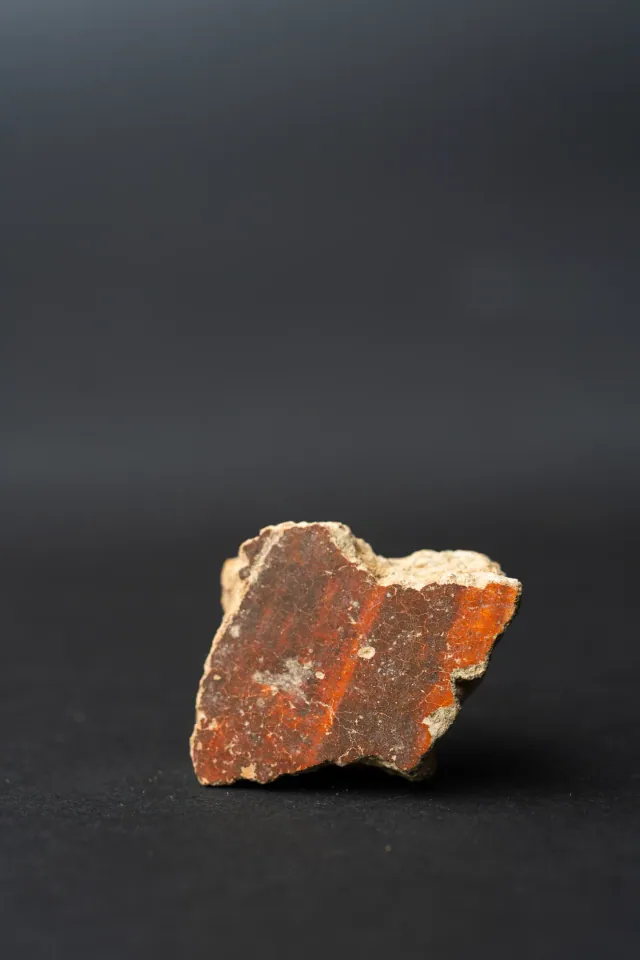
In the compendium
Neolithic and Chalcolithic Wares
The monochrome and painted wares of Ceramic Neolithic and Chalcolithic Cyprus, c. 5200 to 2400 BCE, before Red Polished pottery of the Bronze Age.

In the compendium
Red-on-White Ware
Red-on-White is the hand-built painted pottery of Chalcolithic Cyprus, with red geometric patterns on a pale marl or slipped ground.
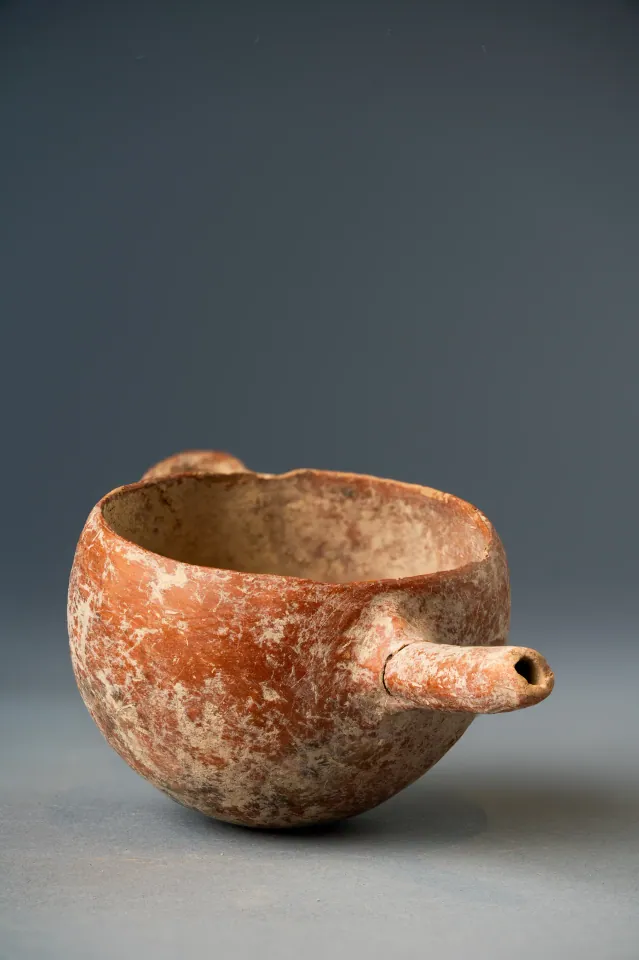
In the compendium
Red Polished Philia Ware
The hand-made, red-slipped and polished pottery of the Philia facies, strikingly uniform across Cyprus at the opening of the Bronze Age.
Map of Cyprus
Places discussed in the talk
- Has a page on this site
- Other places
- Ground above 200, 500, 1,000 m
Places
- 1Kissonerga-Mosphilia
- 2Lemba-Lakkous
- 3Ambelikou-Aghios Georghios (approx.)
- 4Kyra-Alonia (approx.)
- 5Chlorakas-Palloures
- 6Souskiou-Laona (approx.)
- 7Souskiou-Vathyrkakas
- 8Vasilia (approx.)
- 9Kissonerga-Skalia (approx.)
- 10Marki-Alonia