
Conference paper·Archaeological Research Unit - University of Cyprus·2018·In Greek
The Archaeological Work of the University of Cyprus 2017: Enkomi, Palaepaphos and the Heraion of Samos
ΤΟ ΑΡΧΑΙΟΛΟΓΙΚΟ ΕΡΓΟ ΤΟΥ ΠΑΝΕΠΙΣΤΗΜΙΟΥ ΚΥΠΡΟΥ, 2017
Vasiliki Kassianidou, Giorgos Papasavvas, Artemis Georgiou, Maria Iacovou and Ourania Kouka
Chapters
About the video
This first session of the third annual study day on the archaeological work of the University of Cyprus in 2017, given in Greek and dedicated to the memory of Ino Nicolaou, opens with addresses by Vasiliki Kassianidou, Vice-Rector Constantinos Constantinou, Charalambos Bakirtzis of the A. G. Leventis Foundation, and Giorgos Philotheou of the Department of Antiquities.
In the first paper, Giorgos Papasavvas re-examines the abandonment of the Sanctuary of the Horned God and the gradual desertion of Enkomi at the end of the Late Bronze Age. Reviewing Porphyrios Dikaios's published stratigraphy and plans of the Ashlar Building, Papasavvas argues that Floors II and I were not occupation surfaces following an earthquake, and that the bronze statuette was not reburied in a pit dug through debris. Instead, he interprets the three stacks of 276 inverted wheelmade Base Ring bowls in Room 10 as the remains of a final ritual feast marking the planned closure of the cult before the community moved to Salamis around 1100 BC. The sand layer and overlying mudbrick and roof earth represent the slow natural collapse of the abandoned building around the standing statue.
Artemis Georgiou presents results from the ARIEL project on the overseas contacts of Palaepaphos and its region during the Late Bronze Age. Drawing on material from the Evreti wells, the tombs at Teratsoudhia, Eliomylia and Asproyi, and excavations at Hadjiabdullah and Laona, alongside Maa-Palaeokastro and Yeroskipou, she traces imports from the 16th to the 12th century BC. These include Late Minoan IA cups, coarse Minoan oatmeal-fabric stirrup jars, a stone vessel with the cartouche of Ahmose I, Egyptian alabaster vases, glass and faience, and raw elephant and hippopotamus ivory worked locally at Evreti. Georgiou shows that Canaanite jars, some marked in Cypro-Minoan, make up 9 to 11 percent of the Bronze Age pottery at Hadjiabdullah and Laona versus 3 percent for Mycenaean wares, and notes the near absence of Mycenaean pictorial kraters in Paphian elite tombs.
Maria Iacovou reports on the 2017 season of the Palaepaphos Urban Landscape Project and the Leventis-funded MINING programme, conducted with the Wiener Laboratory of the American School of Classical Studies at Athens. Alongside sampling slag heaps in the Paphos Forest, work at the Laona tumulus exposed the underlying early 5th-century BC Cypro-Classical fort to a preserved height of six metres, built with standardised mould-made mudbricks, while stepped trenching reached the natural bedrock and a marl-filled cutting under the 3rd-century BC mound. On the Hadjiabdullah plateau, excavation of the citadel workshops uncovered an eastern entrance, 4th-century BC transport amphorae, crushed purple-dye shells in Unit 2 studied by Dimitra Mylona, olive-oil pressing and separating installations in Units 3 and 4, and phytolith and starch evidence for date palms.
In the final paper, Ourania Kouka presents the 2014 to 2017 study of finds from the University of Cyprus excavations north of the Sacred Way at the Heraion of Samos, covering the Chalcolithic to Middle Bronze Age settlement phases, fortifications, pottery technology, radiocarbon chronology, 3D reconstructions, and Archaic Cypriot statuary from the sanctuary.
From our collection
Pieces in the Drakopoulos collection of the kinds and periods this talk covers: Amphora, Base Ring ware, Mycenaean pottery.
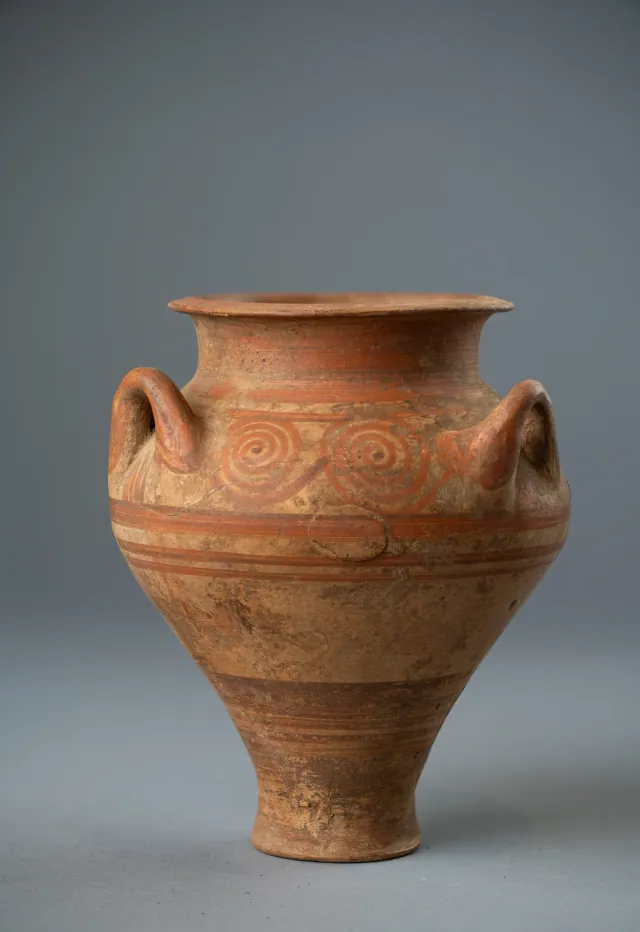
Cypriot Three-Handled Jar in the Mycenaean Style with Running Spirals
Mycenaean pottery
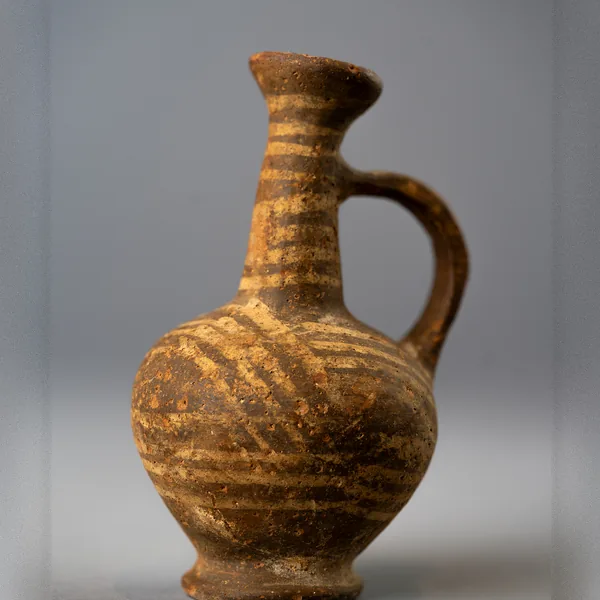
Base Ring II Bilbil Juglet with White-Painted Bands
Base Ring ware
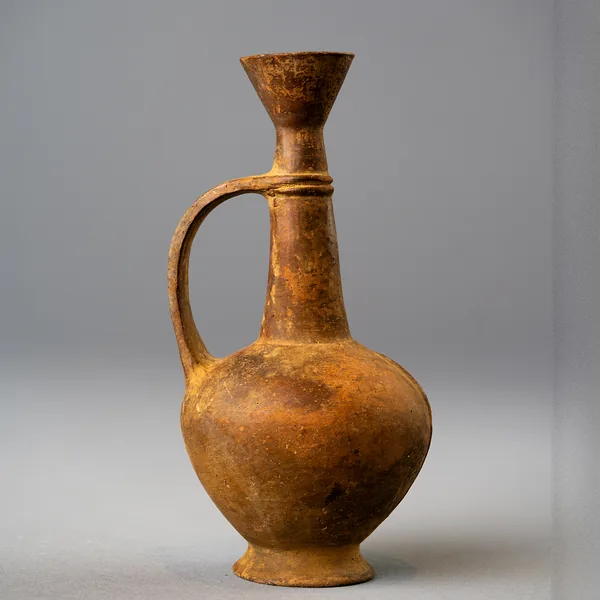
Base Ring Bilbil Juglet with Funnel Mouth and Neck Ridge
Base Ring ware
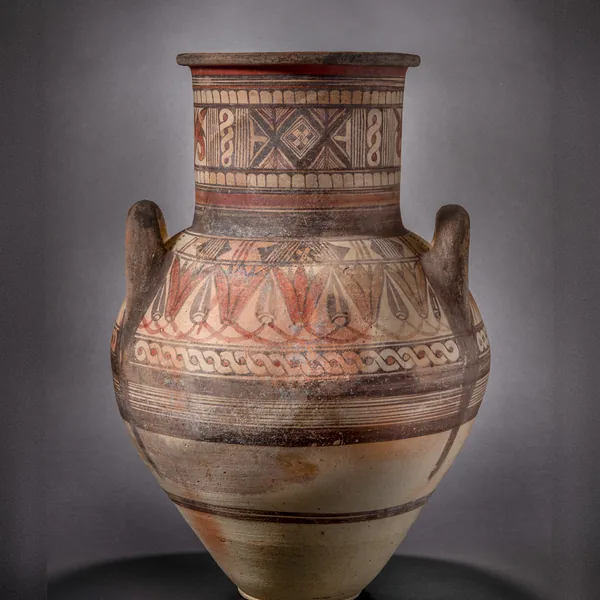
Bichrome IV Amphora with a Lotus-and-Bud Shoulder Frieze
Amphora
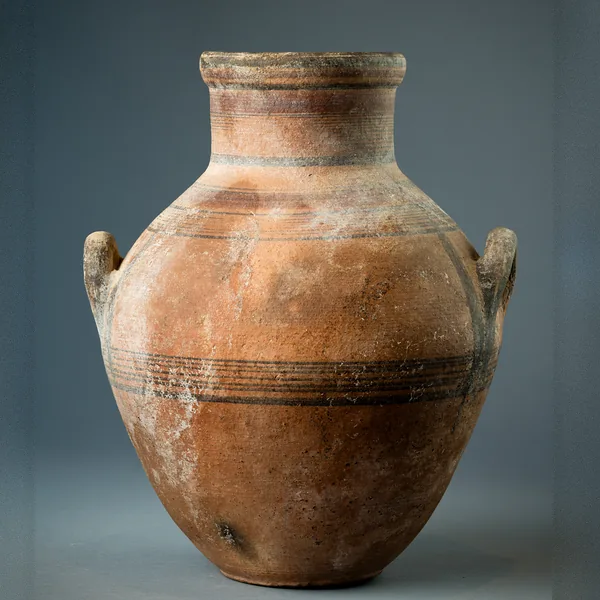
Bichrome IV Amphora with Shoulder Handles and Banded Decoration
Amphora
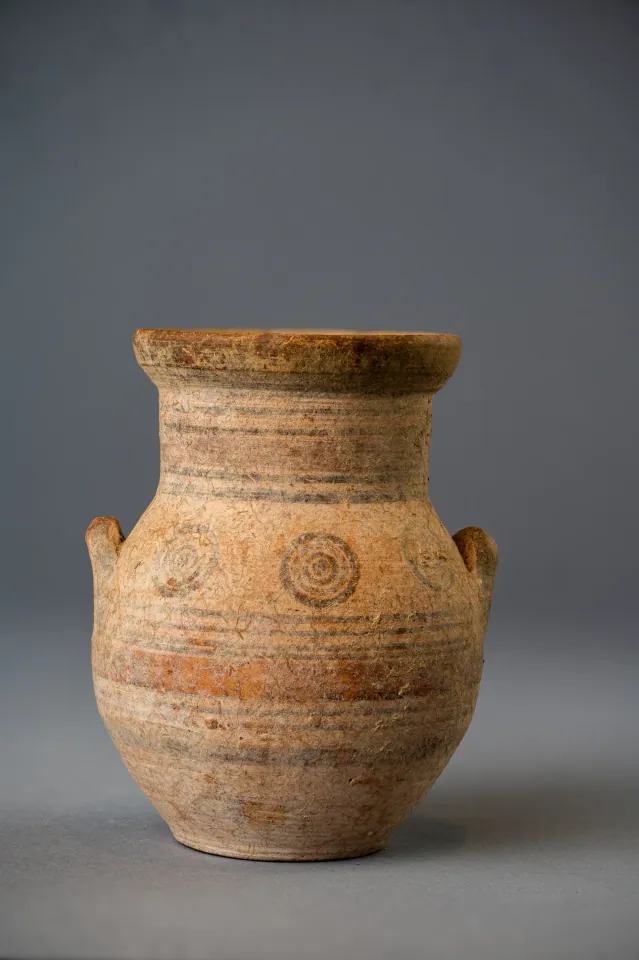
Bichrome IV Amphoriskos with Concentric Circles
Amphora
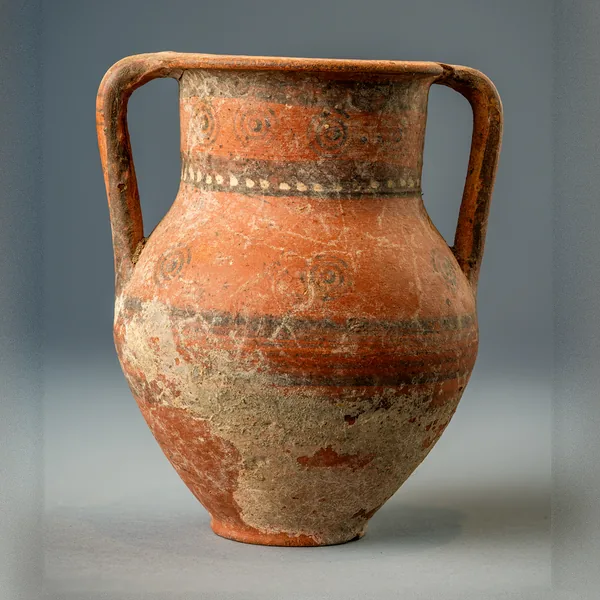
Bichrome Red Amphora with Concentric Circles and a Row of White Dots
Amphora
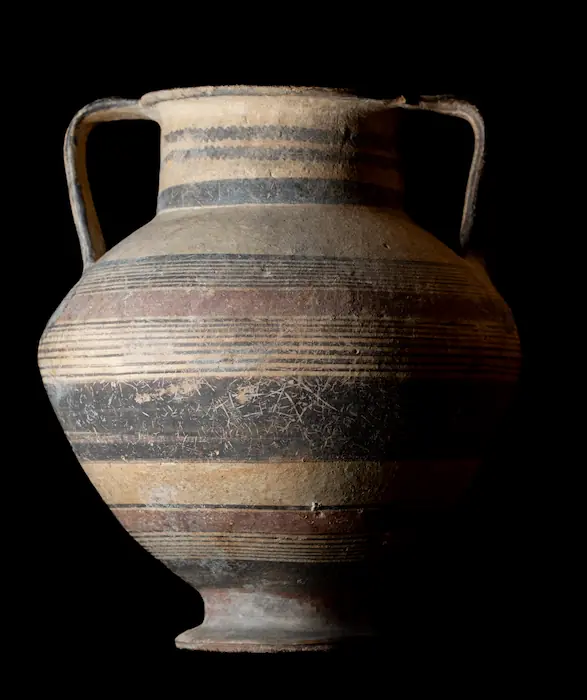
Bichrome Amphora on a Pedestal Foot with Wavy Lines on the Neck
Amphora
Found at the places discussed
Objects in our catalogue, in museum collections, recorded as found at these sites.


Background
Where to read more on this site before or after watching.
The site
Enkomi
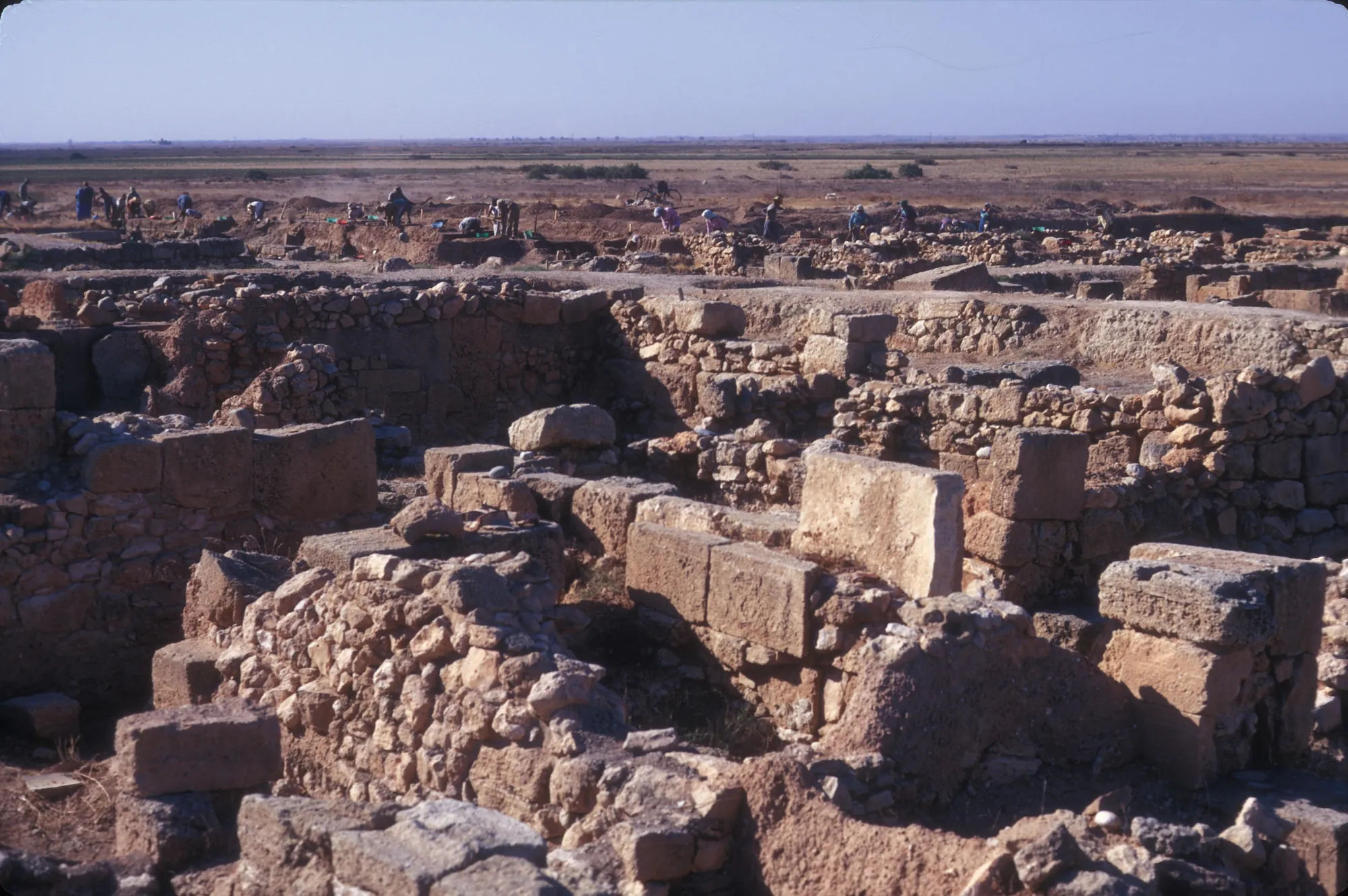
Enkomi is a walled Late Bronze Age town near the mouth of the Pedieos river on the bay of Famagusta, lived in from about 1650 BC until it was gradually abandoned for nearby Salamis. It was a port for Cypriot copper, and its excavations produced metal workshops, sanctuaries with bronze cult statues, rich tombs and the largest group of Cypro-Minoan inscriptions on the island.
In the compendium
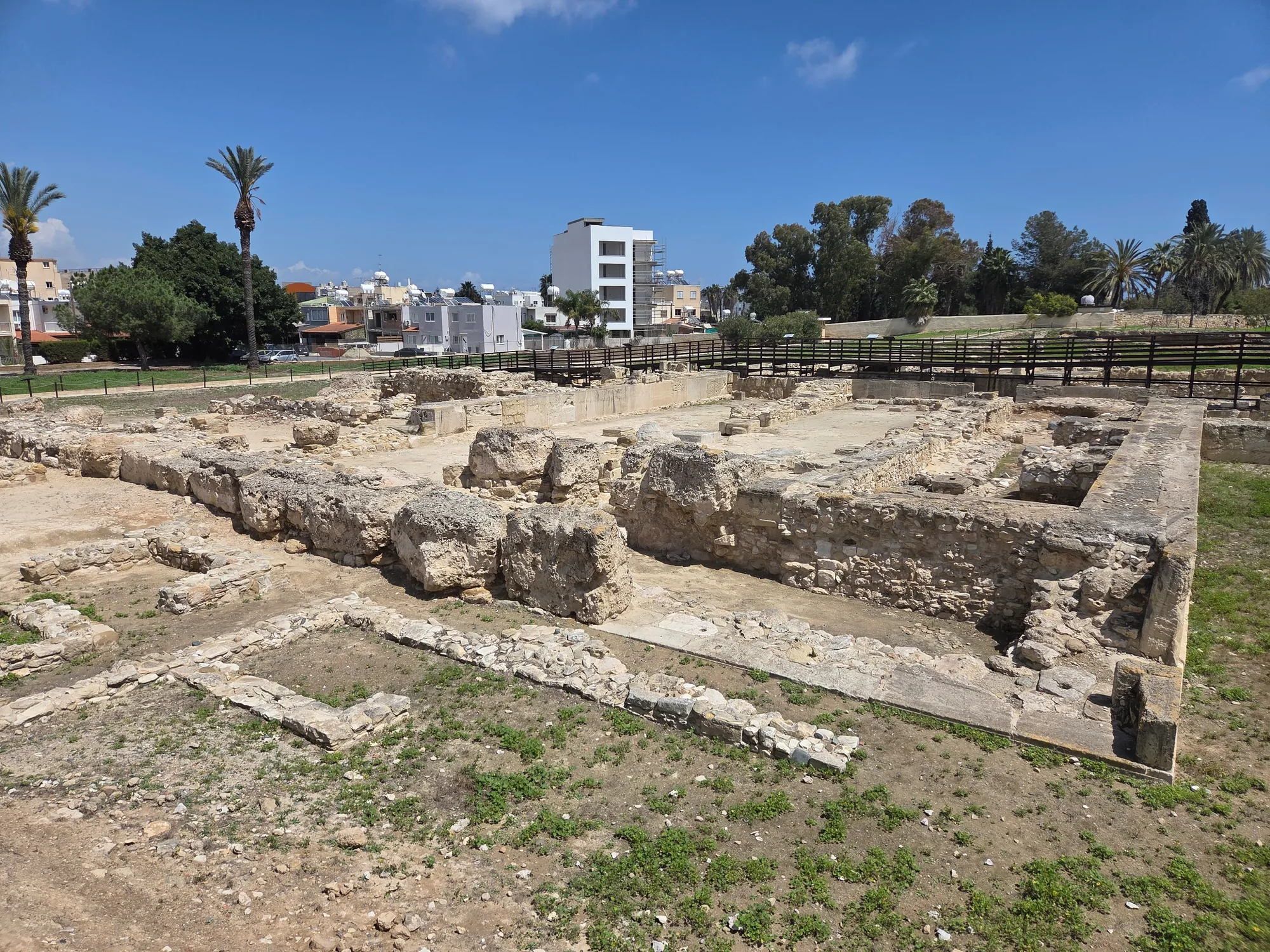
Ashlar Masonry
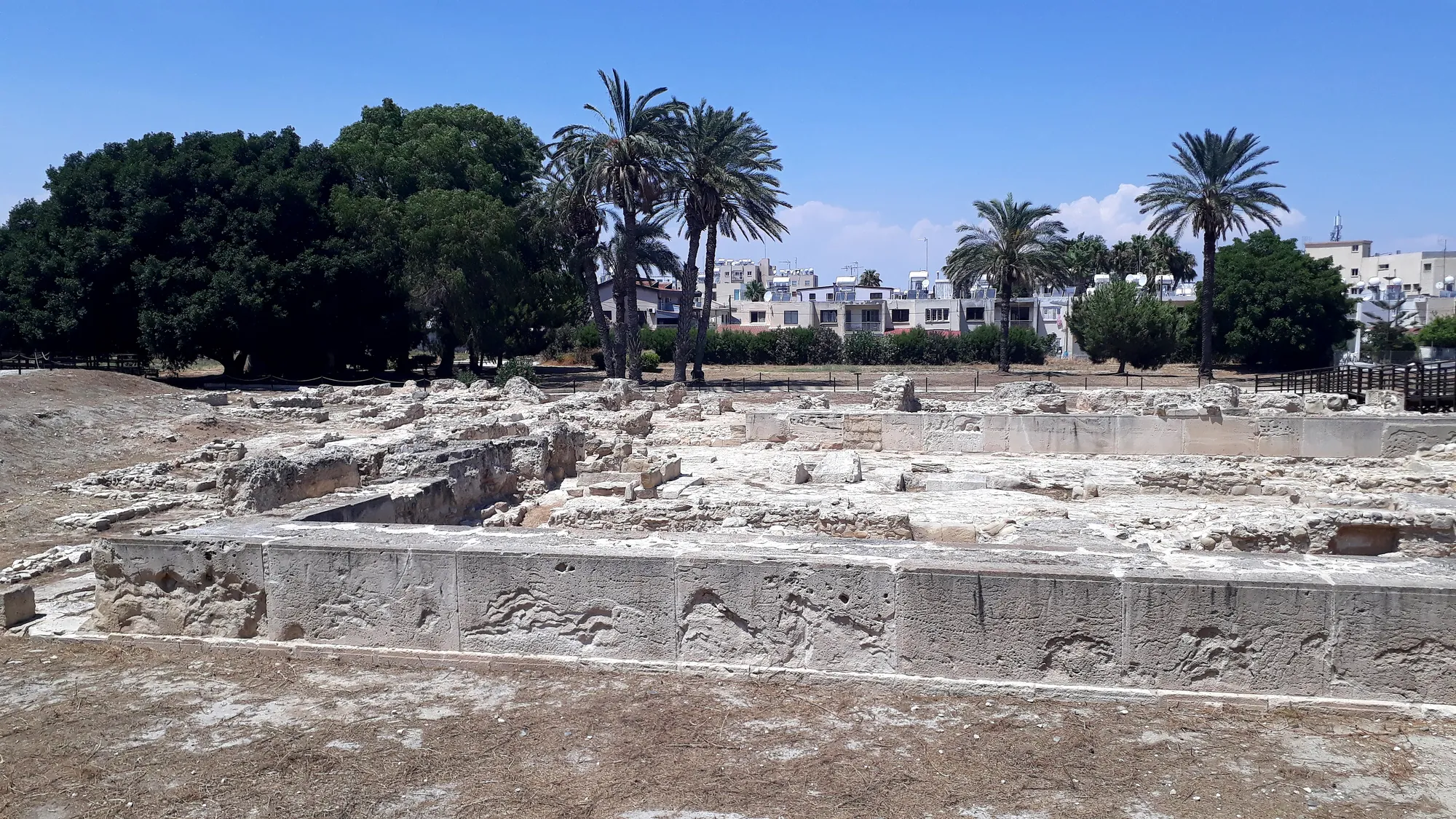
Squared, dressed stone used on Cyprus from about 1500 BC for gateways, tombs and the largest buildings of the Late Bronze Age towns, set below walls of mudbrick.
In the compendium
Bronze Age Sanctuaries and Temples
Cypriot cult buildings of the Bronze Age, from the clay sanctuary model of Vounous to the walled courts, altars and inner rooms of the Late Cypriot temples.
In the compendium
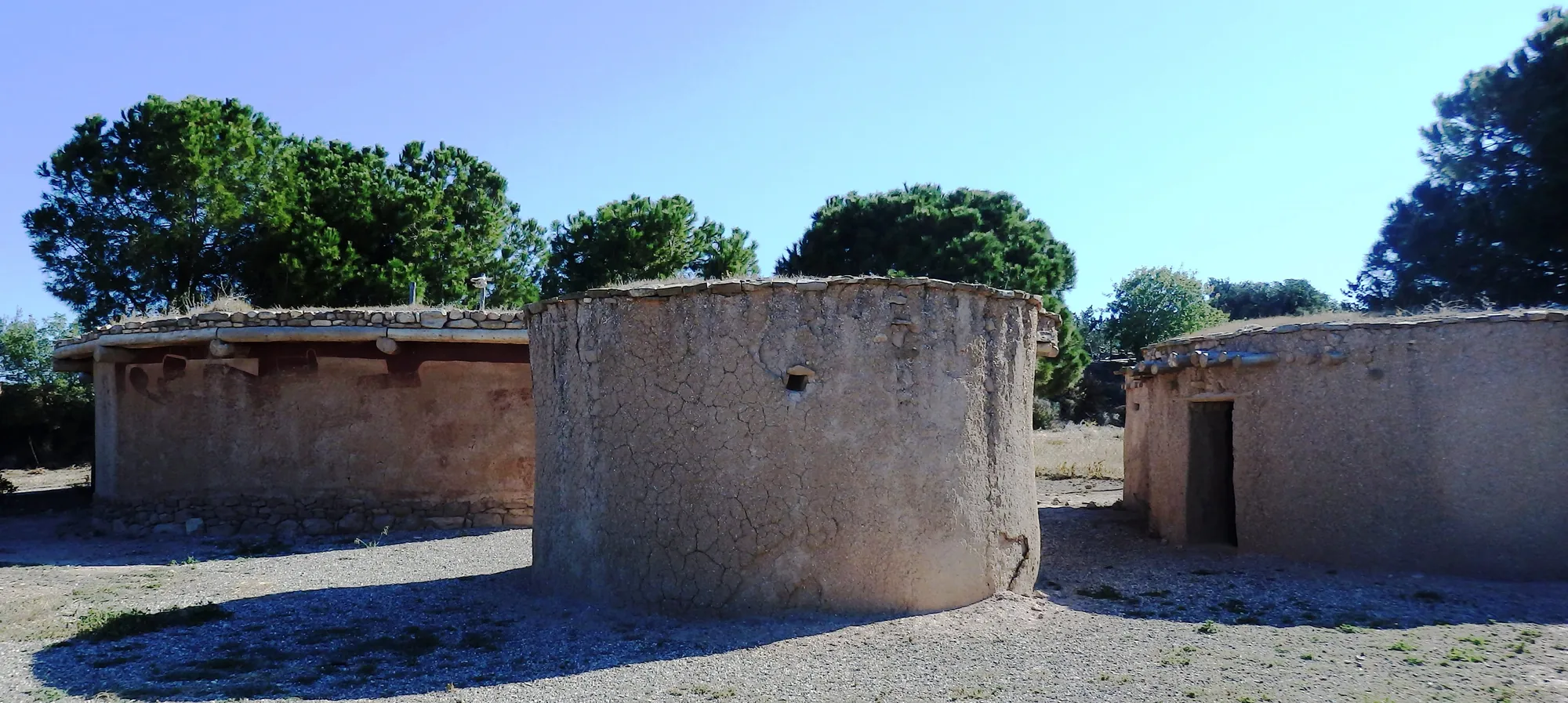
Building Materials and Techniques
Cypriot houses were built of local stone, earth and timber: walls of rubble or mudbrick on stone socles, under flat roofs of beams, brush and packed earth.
Map of Cyprus
Places discussed in the talk
- Has a page on this site
- Other places
- Ground above 200, 500, 1,000 m
Places
- 1Enkomi
- 2Salamis
- 3Palaepaphos
- 4Maa-Palaeokastro
- 5Yeroskipou (approx.)
- 6Hala Sultan Tekke