
Lecture·Archaeological Research Unit - University of Cyprus·2025
Çeşme-Bağlararası: A Western Anatolian Harbour Site Destroyed by the Tsunamis and Volcanic Ashes of the Bronze Age Thera Eruption
A guest lecture in the University of Cyprus series on a subject outside Cyprus.
Chapters
About the lecture
After an announcement by Ourania Kouka on the upcoming relocation of the Archaeological Research Unit, Vasıf Şahoğlu of Ankara University presents the results of interdisciplinary excavations at Çeşme-Bağlararası on the western Anatolian coast, part of the İzmir Region Excavations and Research Project founded by Hayat Erkanal.
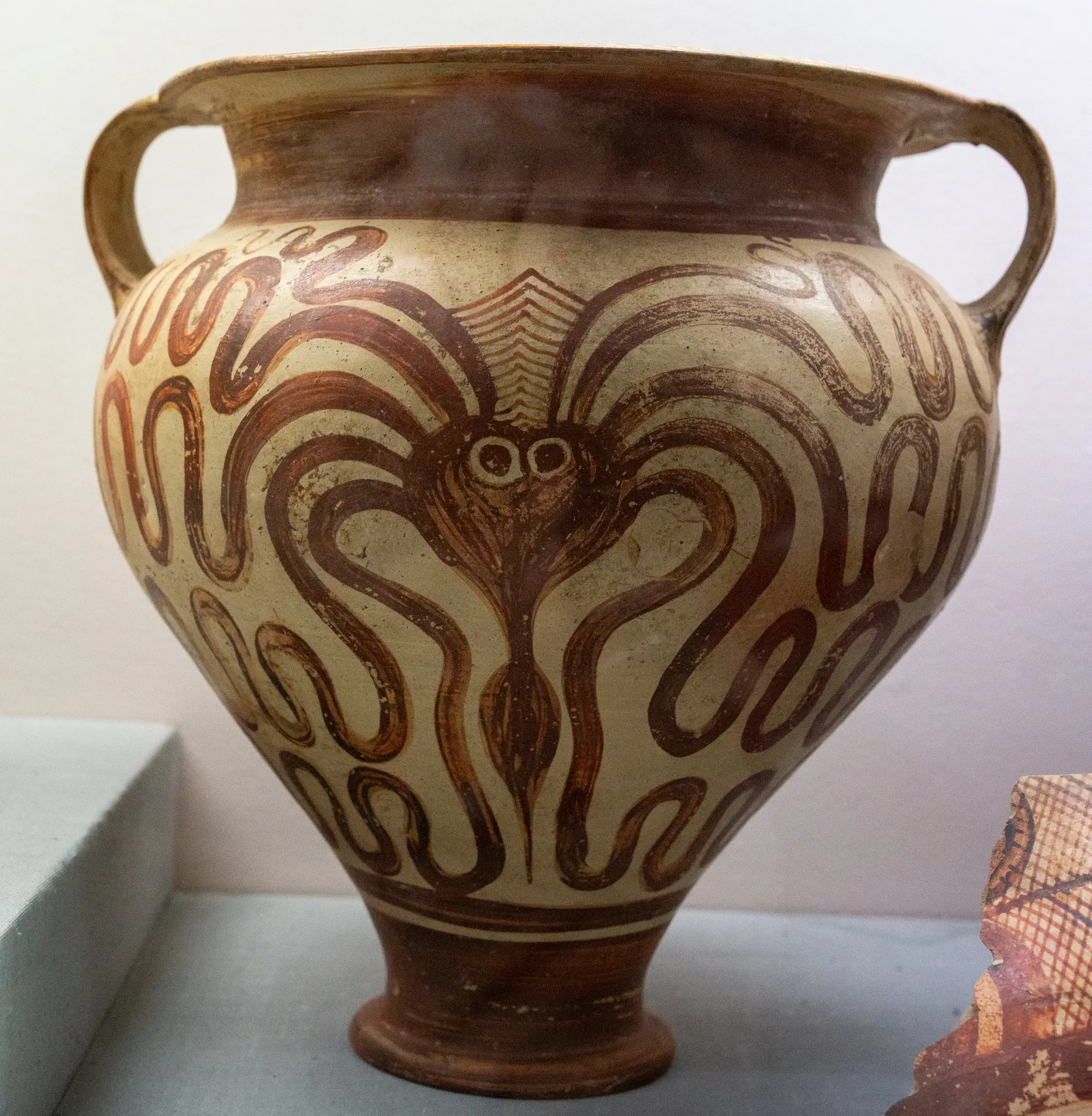
Çeşme-Bağlararası is a horizontally shifting harbour settlement on the Urla Peninsula occupied from the third millennium BC. Şahoğlu outlines the second-millennium sequence, beginning with Phase IIB, a fortified town with insulae of houses, a pottery kiln and a wine-making workshop destroyed by a severe earthquake. A reorganised settlement in Phase IIA ended in a burnt destruction, after which the excavated sector was deserted. Level 1, contemporary with Late Minoan IA at the start of the Late Bronze Age, appears in this area only as chaotic fills and pits. Its material culture shows strong links with Minoan Crete, including wheel-coiled painted tablewares, incense burners, fireboxes, a steatite stone vessel and discoid loom weights, alongside a shift in farming towards barley and free-threshing wheat.
Working with geoarchaeologist Beverly Goodman, the project identified the Level 1 fills as four successive tsunami horizons interleaved with airborne volcanic ash from the Thera eruption. Marine microfauna, shells and unidirectional wall collapses mark the surge, which Şahoğlu argues swept an unexcavated Level 1 settlement beneath modern Çeşme into the abandoned ruins. Within a tsunami channel the excavators found the articulated skeleton of a young man beneath irregular pits interpreted as ancient rescue digging. Şahoğlu concludes with nine radiocarbon dates from the deposit, proposing that the eruption occurred no earlier than 1612 BC.
From our collection
Pieces in the Drakopoulos collection of the kinds and periods this talk covers: Textile tool, Middle Cypriot (Middle Bronze Age), Late Cypriot (Late Bronze Age).
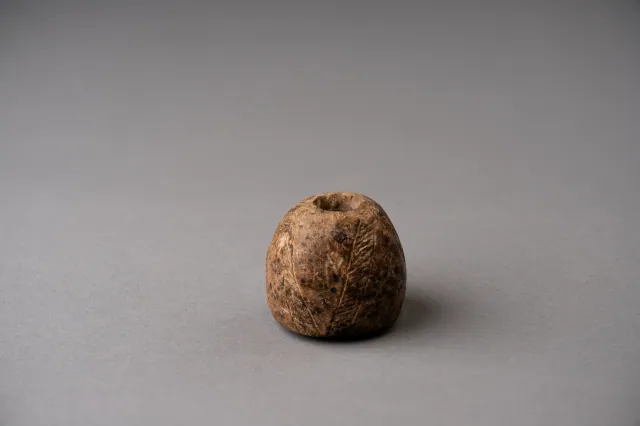
Spindle Whorl with Incised Herringbone Bands
Textile tool
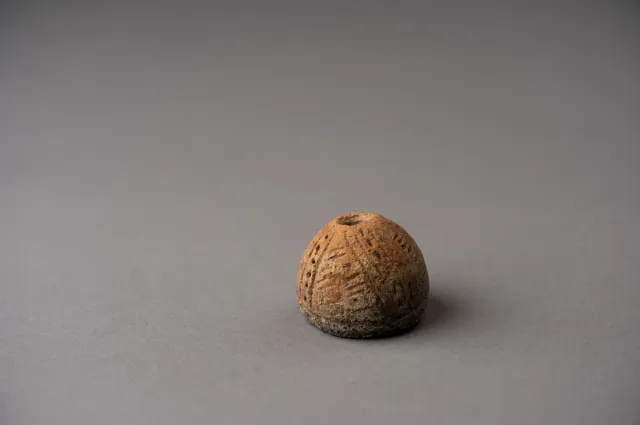
Red Polished Spindle Whorl with Incised Lattice and Dotted Bands
Textile tool
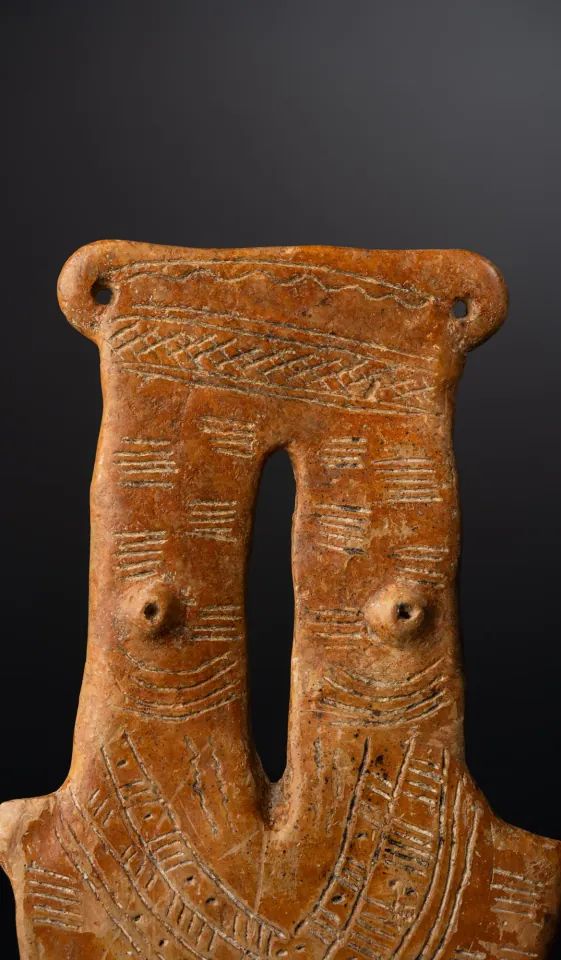
Red Polished Two-Necked Plank Figure
Middle Cypriot (Middle Bronze Age)
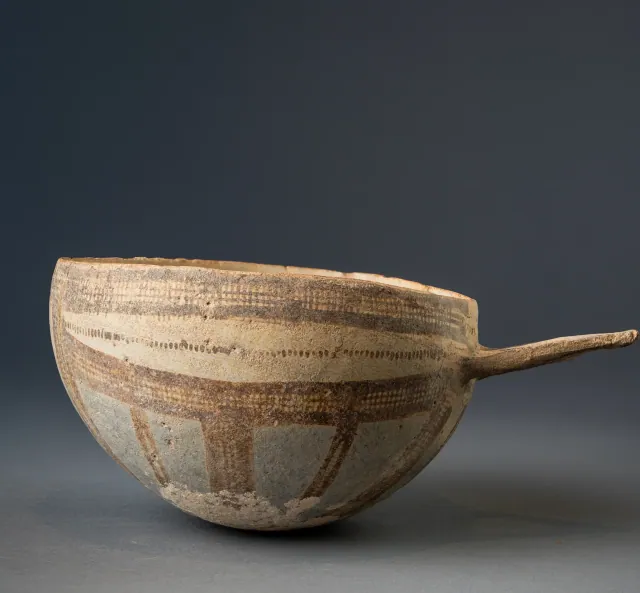
White Slip II Hemispherical Bowl with Wishbone Handle
Late Cypriot (Late Bronze Age)
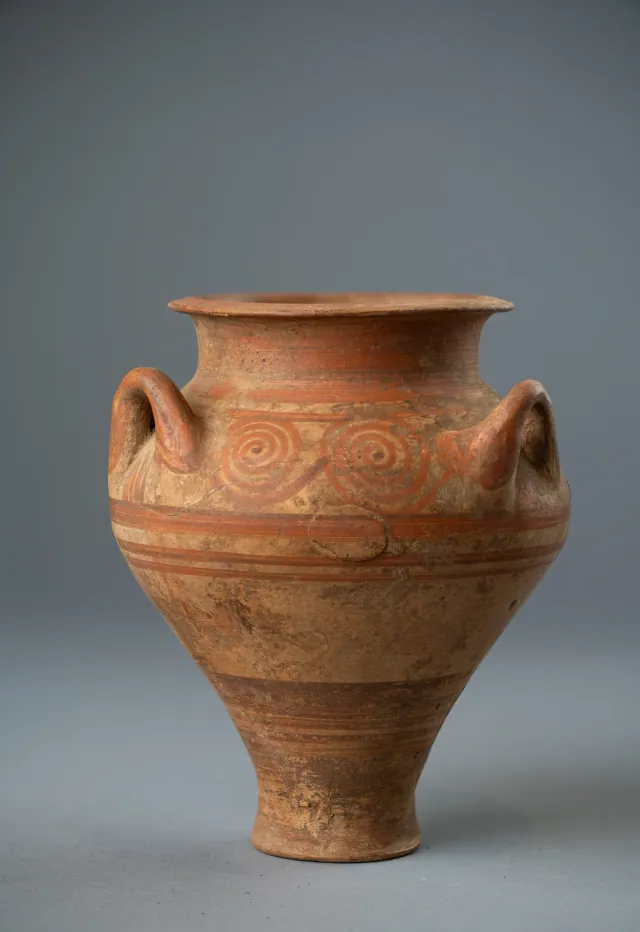
Cypriot Three-Handled Jar in the Mycenaean Style with Running Spirals
Late Cypriot (Late Bronze Age)
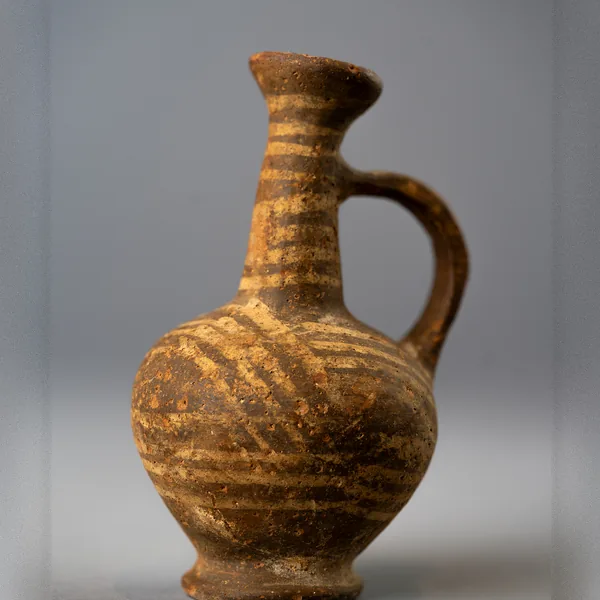
Base Ring II Bilbil Juglet with White-Painted Bands
Late Cypriot (Late Bronze Age)
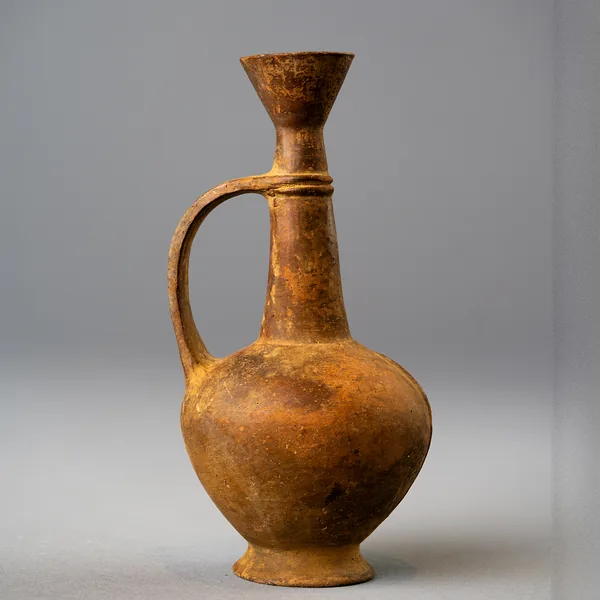
Base Ring Bilbil Juglet with Funnel Mouth and Neck Ridge
Late Cypriot (Late Bronze Age)
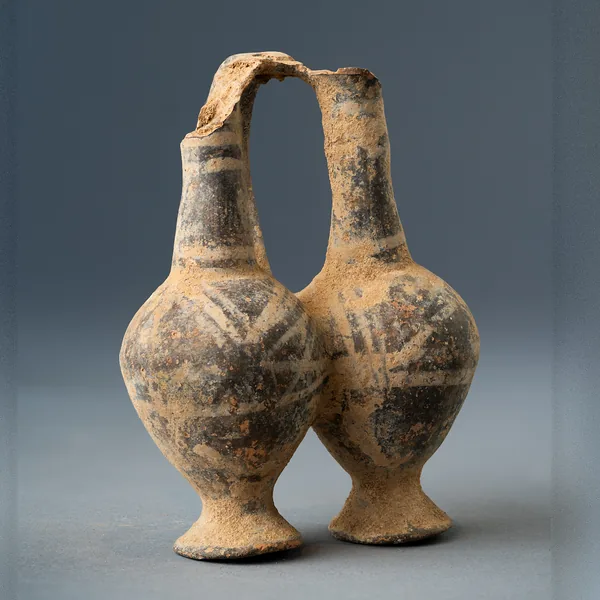
Base Ring II Double Juglet with White-Painted Decoration
Late Cypriot (Late Bronze Age)
Background
Where to read more on this site before or after watching.
In the compendium
The Minoans
The palatial Bronze Age civilization of Crete, which took Cypriot copper and passed writing to Cyprus in the early Late Bronze Age.
In the compendium
Spindle Whorls and Textile Tools in Ancient Cyprus
The tools of spinning, weaving and dyeing in ancient Cyprus, from Neolithic bone needles to the terracotta whorls and loom weights of the Bronze Age.
The period
Middle Bronze Age
The Middle Cypriot period, c. 1950–1650 BCE, of multi-roomed village houses, White Painted pottery, growing copper production and the first overseas trade.