
Lecture·Archaeological Research Unit - University of Cyprus·2026
Cilician Kinet Höyük, Cyprus, and the Archaeology of Seaports; Achaemenid Cilicia: Kinet Höyük and Beyond
Marie-Henriette Gates and Charles Gates
A guest lecture in the University of Cyprus series on a subject outside Cyprus.
Chapters
About the lecture
In this joint lecture, Marie-Henriette Gates and Charles Gates present the Bilkent University excavations at Kinet Höyük, a 3.3-hectare multi-period harbour mound in eastern Cilicia on the Gulf of İskenderun.
Marie-Henriette Gates examines the Middle Bronze Age and the Late Bronze Age levels as a model for the archaeology of seaports, drawing on Greer Jarrett and Thomas Tartaron to explain how a small site enclosed by the Amanos Mountains functioned as an autonomous relay. In Middle Bronze II (Phase V), a monumental building of the late 18th to 16th centuries BC yielded a Syro-Cilician ceramic assemblage divided by petrographic analyses into numerous imported fabric groups, alongside a Middle Cypriot III to Late Cypriot I import, a coarse crater imitating a Cypriot Bichrome bird crater, and painted tankards with parallels at Tarsus and Hala Sultan Tekke. In the 16th century BC, Kinet became the Hittite port of Izziya in Kizzuwatna (Phase IV), adopting central Anatolian wheel-made pottery alongside metalwork, vessels marked as royal or palace property, hieroglyphic sealings, transport amphorae, and around a hundred Cypriot exports.
Charles Gates surveys Cilicia under Achaemenid Persia through texts, coinage, and archaeology, noting the shift from the Syennesis dynasty at Tarsus to fourth-century military satraps. After reviewing Persepolis-style reliefs at Meydancık Kale and Tatarlı Höyük, he outlines three Persian levels at Kinet Höyük (ancient Issos): Period 5 (c. 540 to 440 BC), with packed-gravel foundations comparable to Susa; Period 4 (c. 440 to 400 BC), with amphora platforms and Attic, Aegean, Cypriot, and Levantine wares; and Period 3B (c. 400 to 330 BC), with fortifications, a gateway, a barracks-like complex, and harbour remains from the era of Cyrus the Younger and Evagoras of Salamis, before contrasting Cilicia with Phoenician Al Mina.
From our collection
Pieces in the Drakopoulos collection of the kinds and periods this talk covers: Bichrome ware (Iron Age).
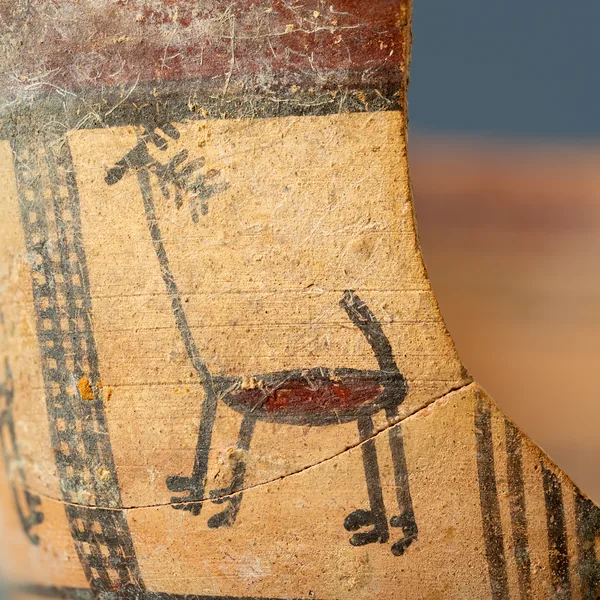
Bichrome Skyphos with Stags in Metopes
Bichrome ware (Iron Age)
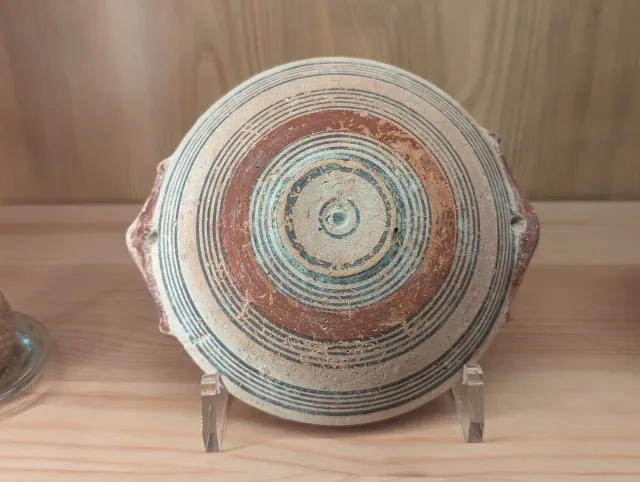
Bichrome IV Bowl with Red-Painted Pierced Lug Handles
Bichrome ware (Iron Age)
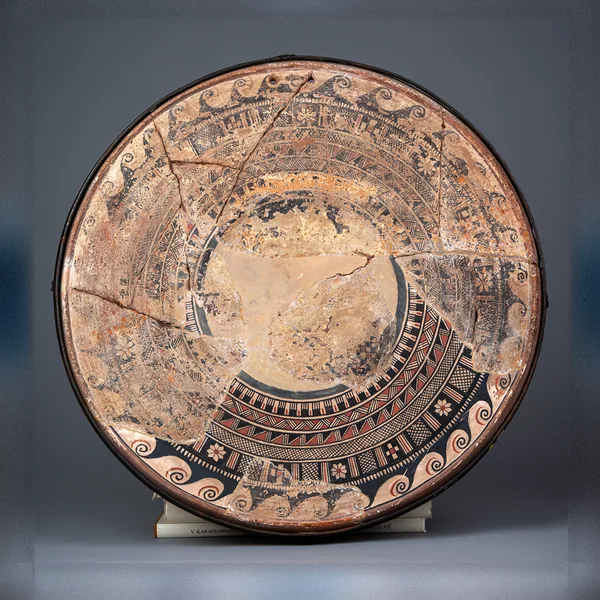
Large Bichrome Plate from Salamis with a Wave Band and Rosette Metopes
Bichrome ware (Iron Age)
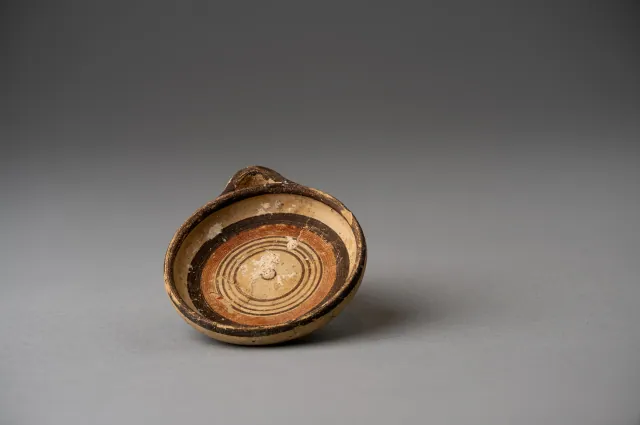
Miniature Bichrome Plate with Concentric Circles
Bichrome ware (Iron Age)
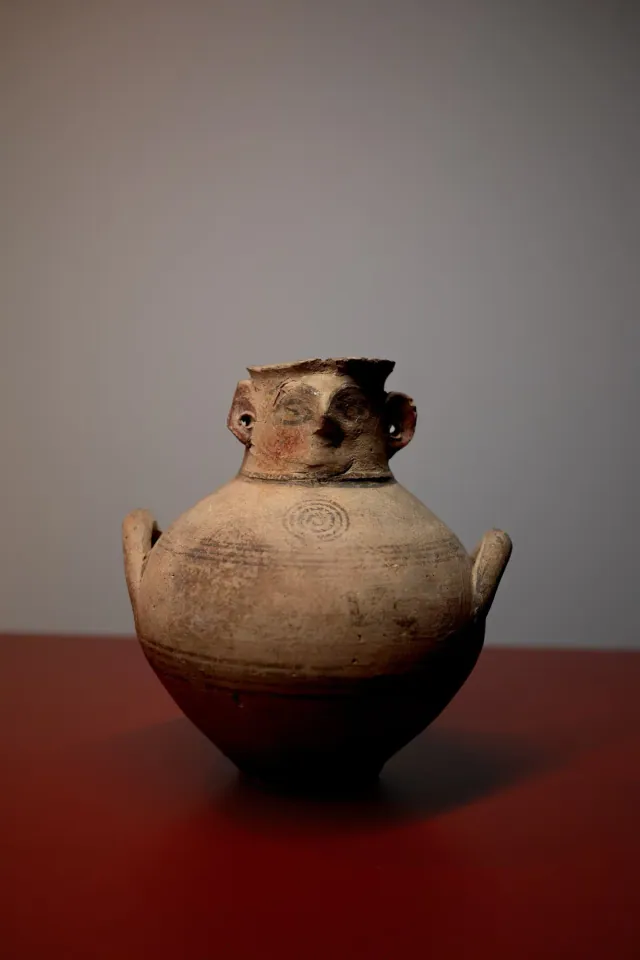
Bichrome IV Face-Neck Jar of the Kourion Type
Bichrome ware (Iron Age)
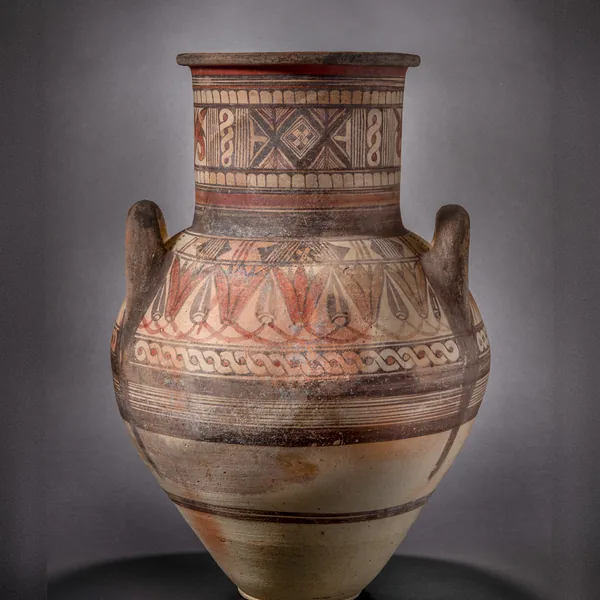
Bichrome IV Amphora with a Lotus-and-Bud Shoulder Frieze
Bichrome ware (Iron Age)
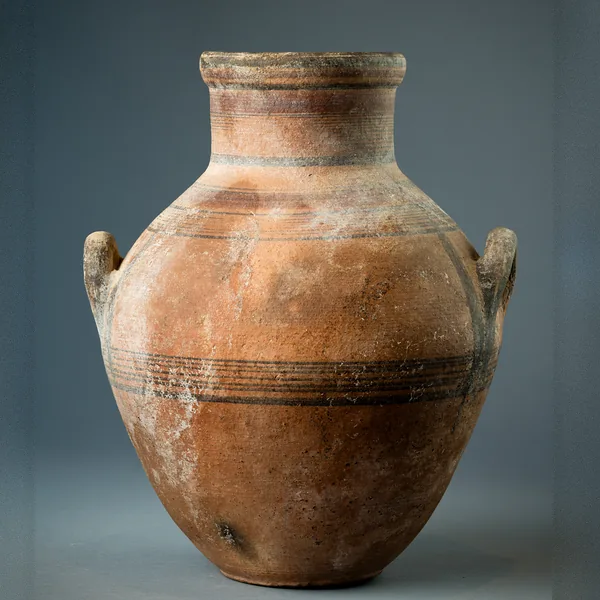
Bichrome IV Amphora with Shoulder Handles and Banded Decoration
Bichrome ware (Iron Age)
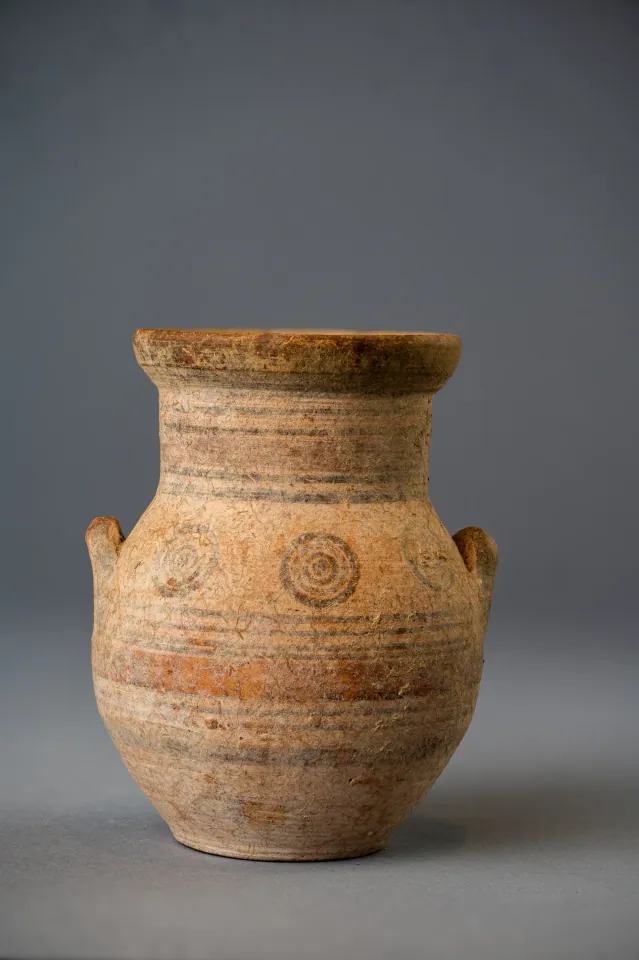
Bichrome IV Amphoriskos with Concentric Circles
Bichrome ware (Iron Age)
Found at the places discussed
Objects in our catalogue, in museum collections, recorded as found at these sites.


Background
Where to read more on this site before or after watching.
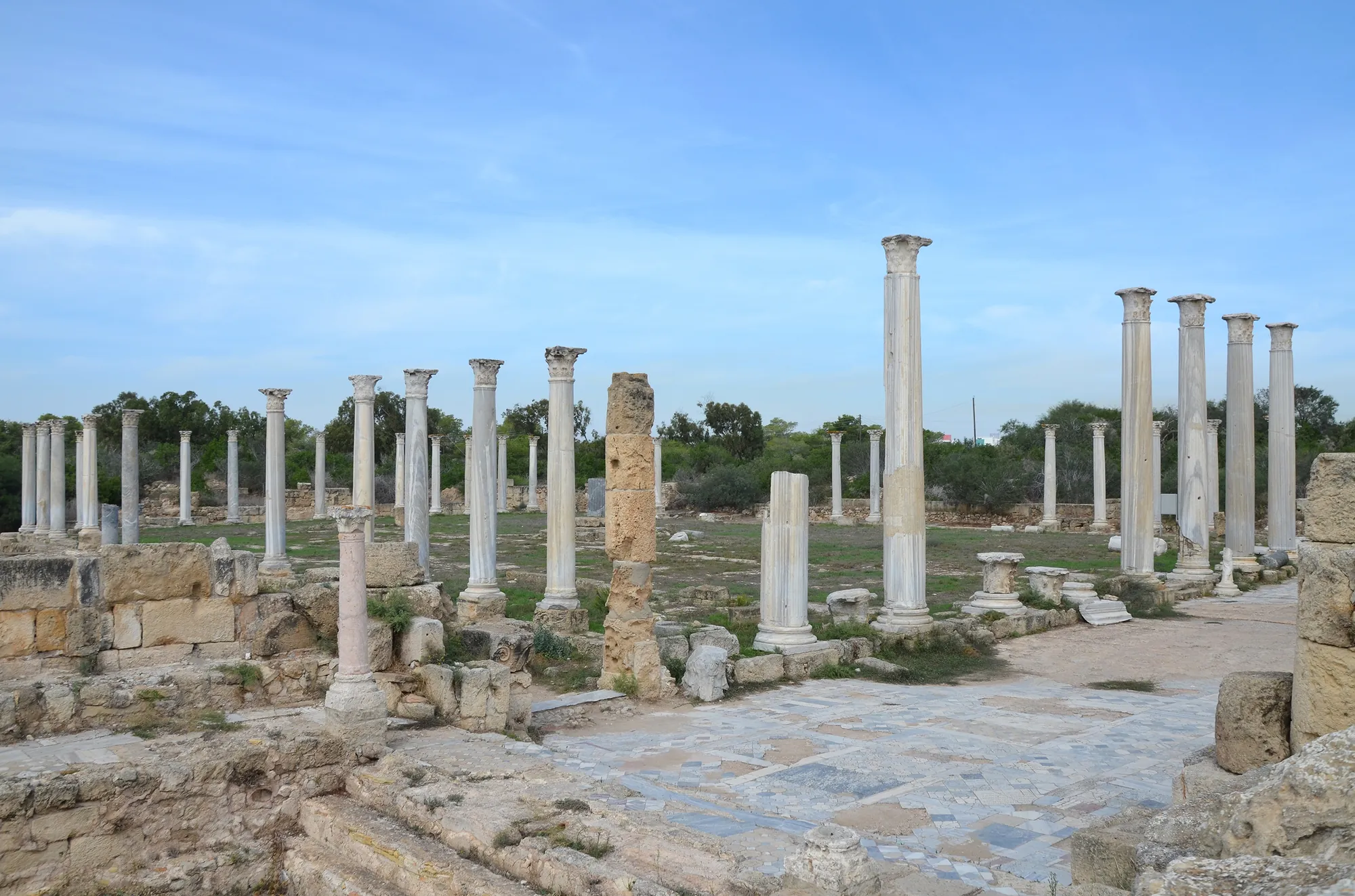
The site
Salamis
A city on the east coast of Cyprus at the mouth of the Pedieos river, founded in the 11th century BC and one of the leading city-kingdoms of the island until 311/310 BC. It is known for the Royal Tombs with their sacrificed horses and chariots, for its Roman gymnasium, baths and theatre, and as Constantia, seat of the bishops of Cyprus from the 4th century AD. The site lies in the north of the island; the Cypriot and French excavations stopped in 1974.
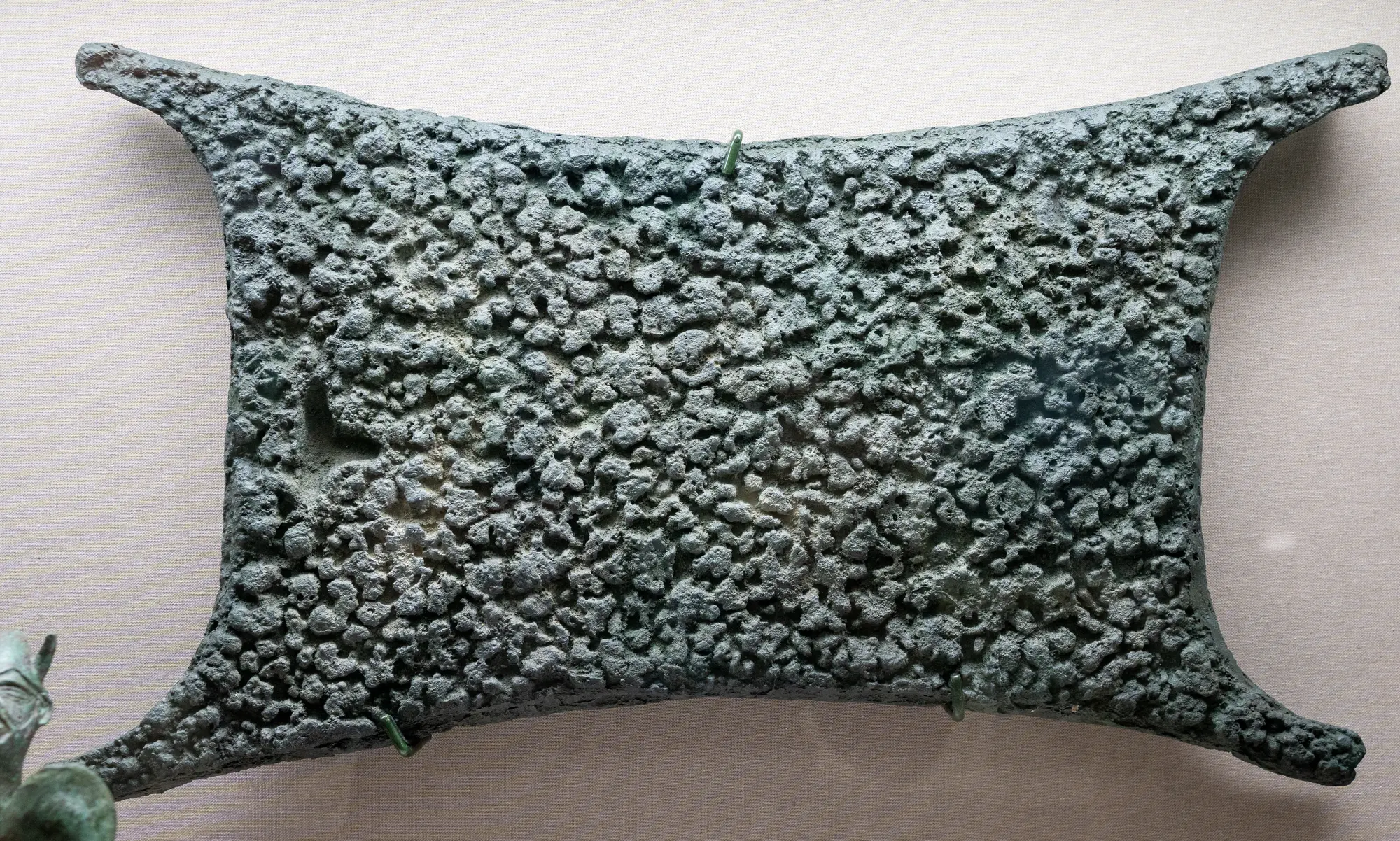
In the compendium
Hittite Empire and Cyprus
The Late Bronze Age Anatolian empire that claimed Alashiya as a tributary but left almost no material trace on Cyprus.
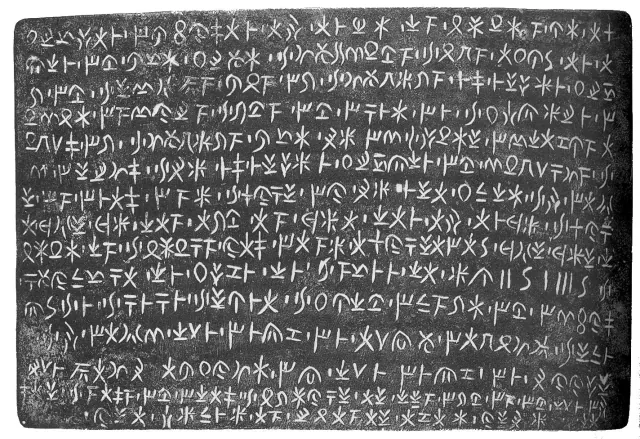
In the compendium
Achaemenid Persia
The Persian Empire, which held the Cypriot city-kingdoms as tribute-paying client states from c. 545 or 525 BCE until 332 BCE.
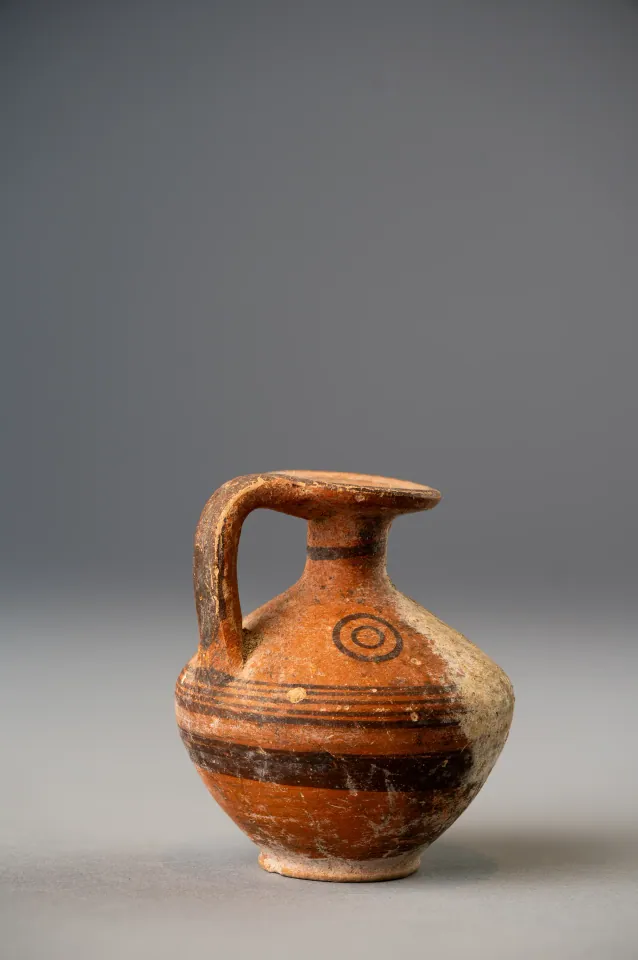
In the compendium
The Phoenicians
The Iron Age city-states of the Levantine coast, whose traders and settlers made Kition a Phoenician kingdom and shared a hybrid culture with Cyprus.
Map of Cyprus
Places discussed in the talk
- Has a page on this site
- Other places
- Ground above 200, 500, 1,000 m
Places
- 1Hala Sultan Tekke
- 2Salamis