
Lecture·Archaeological Research Unit - University of Cyprus·2025
From the Chalcolithic to the Bronze Age at Kissonerga
Chapters
About the lecture
Lindy Crewe, Director of the Cyprus American Archaeological Research Institute, examines the transition from the Chalcolithic to the Early Bronze Age and Middle Bronze Age through the neighboring settlements of Kissonerga-Mosphilia and Kissonerga-Skalia in western Cyprus. Unlike most Chalcolithic settlements on the island, which were abandoned at the end of the period, the locality of Kissonerga shows continuous habitation across the overlapping Philia phase down to the transition to the Late Cypriot period.
Crewe outlines the major transformations between the two eras, including the shift from single-room roundhouses to rectilinear architecture, the move to extramural cemeteries, the introduction of cattle, donkeys, and woolly sheep, and new cooking, metallurgical, and textile technologies. Building on the excavations of Edgar Peltenburg and ceramic studies by Diane Bolger at Mosphilia, she traces how innovations appeared sequentially rather than as a single package. In Late Chalcolithic Period 4 at Mosphilia, local potters exploited non-calcareous clays from the Mavrokolymbos river valley to produce thin-walled Red-and-Black Stroke-Burnished ware, while chamber tombs also appeared within the settlement. Imported Red Polished Philia ware, copper tools, spurred annular pendants, and terracotta spindle whorls from the northwestern Philia heartland soon followed, alongside local imitations and, in Period 5, cattle bones and jar burials.
Turning to her own excavations at Kissonerga-Skalia, Crewe presents early stratified deposits and architecture where local potters used the same Mamonia complex clays to imitate Philia, Vounous, and south-coast vessel forms, developing a local Drab Polished ware tradition that continued through the Middle Cypriot period. In the final phase of the site, dating to the Middle Cypriot III to Late Cypriot I transition and dominated by an industrial complex including a beer-making courtyard, new island-wide connections appear in the form of Karpas-style spindle whorls, handmade pithoi, and wheelmade vessels imitating Canaanite jars, alongside a pit containing shaped cattle skulls.
The final part of the lecture examines Kissonerga-Skalia's engagement with the sea, located 300 metres away. The site has yielded over 6,400 marine shells, chiefly limpets and top shells, including twenty large limpet shells pierced with double holes and concentrated deposits of small limpets in the final-phase courtyard alongside unwashed juglets. Crewe discusses ethnographic parallels for the use of limpets in food, brewing, perfume, and medicine, and presents four copper fish hooks found at Skalia, the only examples known from the Early and Middle Cypriot Bronze Age.
From our collection
Pieces in the Drakopoulos collection of the kinds and periods this talk covers: Neolithic and Chalcolithic wares, Red Polished ware.
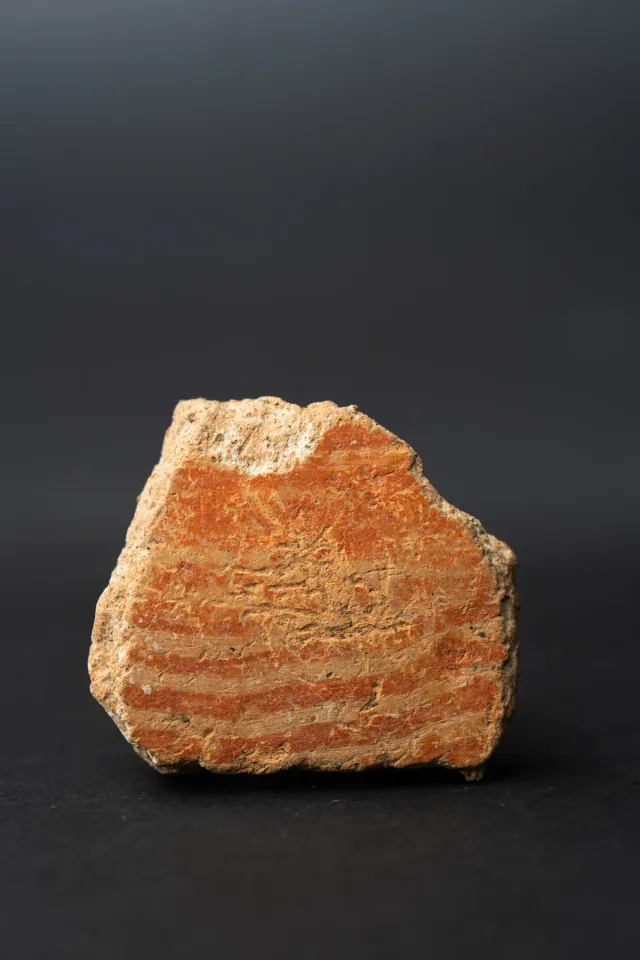
Combed Ware Bowl Fragment with Parallel Bands
Neolithic and Chalcolithic wares
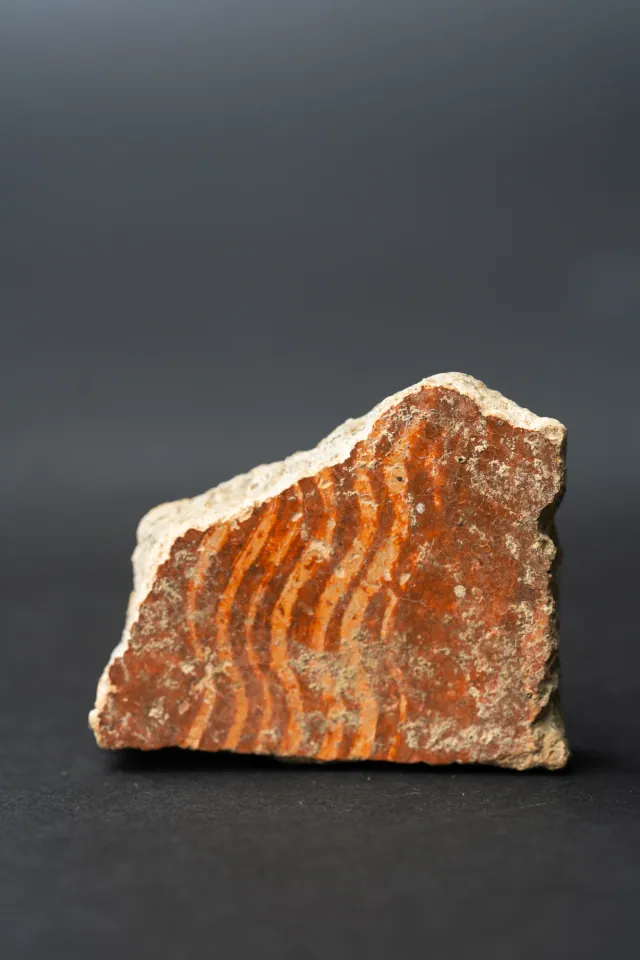
Combed Ware Bowl Fragment with Multiple Wavy Bands
Neolithic and Chalcolithic wares
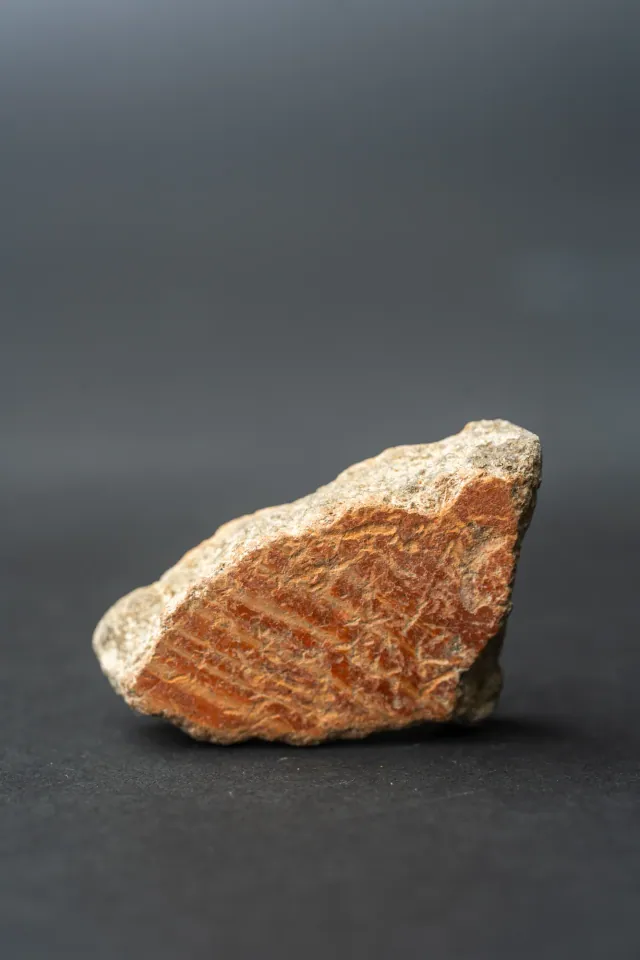
Combed Ware Bowl Fragment with Oblique Bands
Neolithic and Chalcolithic wares
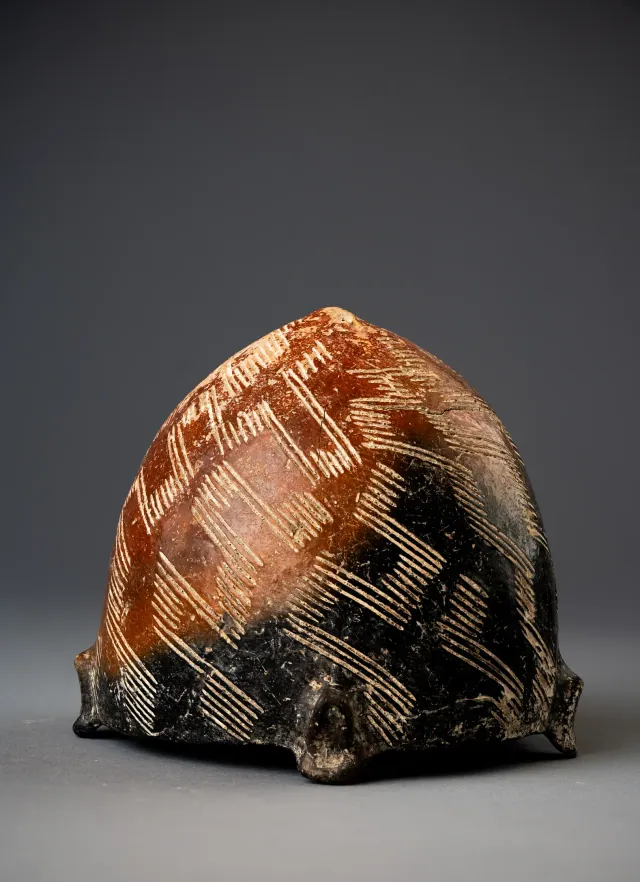
Black-topped Red Polished Tulip Bowl with Incised Hatched Lattice
Red Polished ware
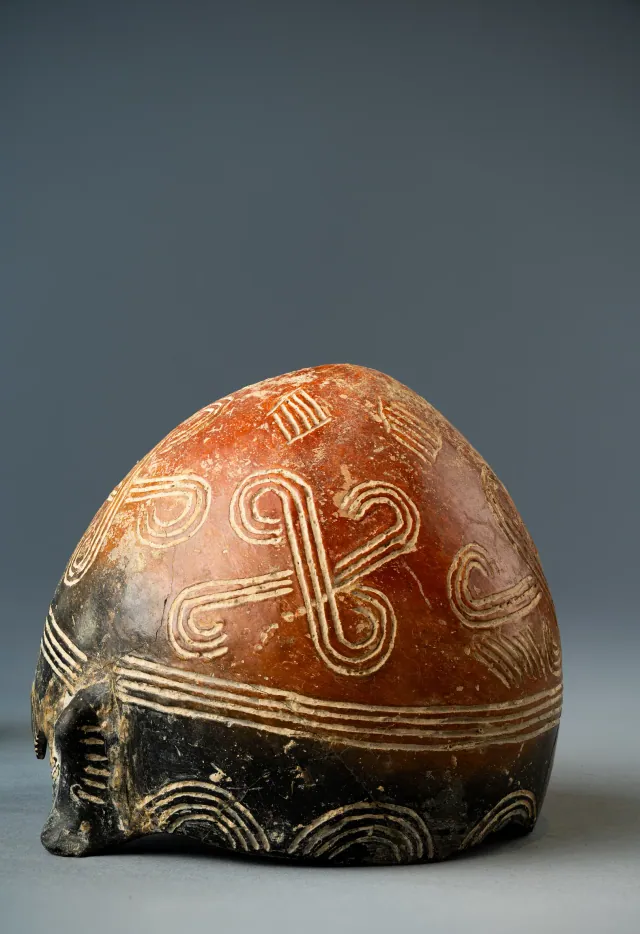
Black-topped Red Polished Tulip Bowl with Incised Spiral-armed Cross, Circles and Arcades
Red Polished ware
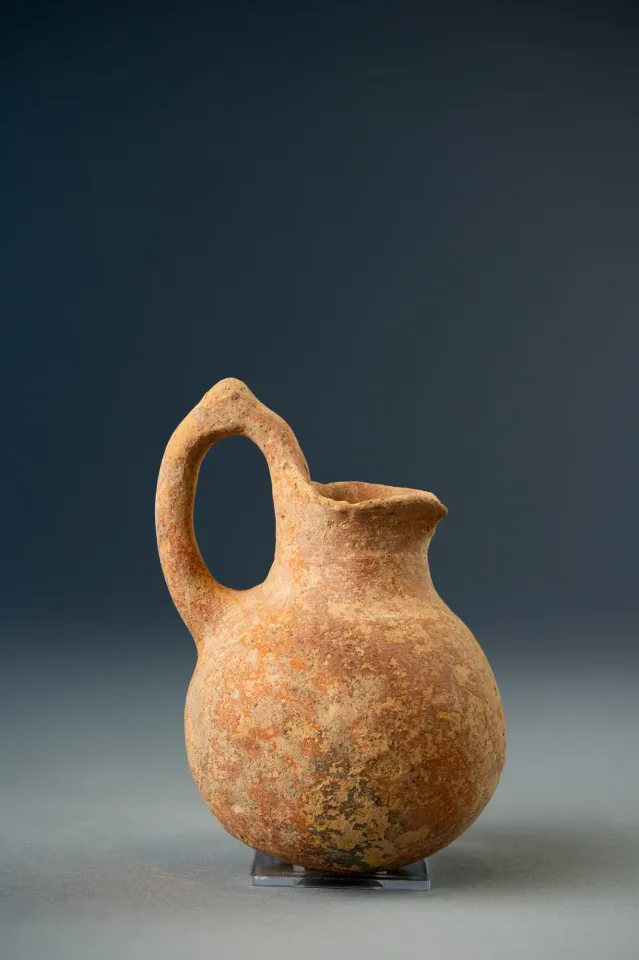
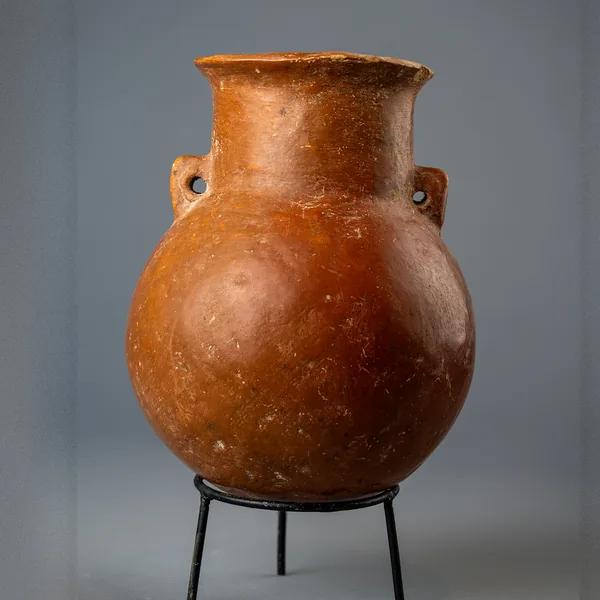
Red Polished Juglet with High-Swung Handle
Red Polished ware
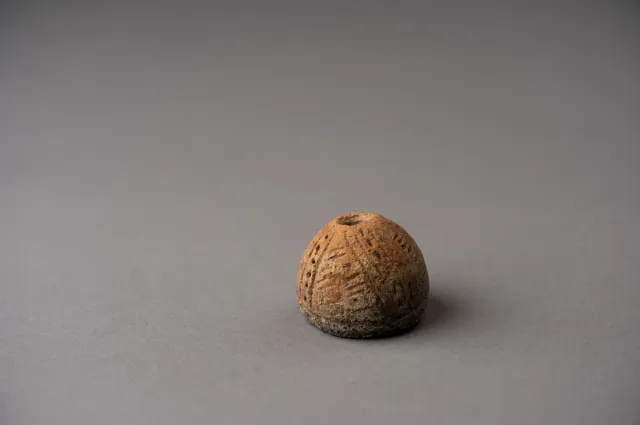
Red Polished Spindle Whorl with Incised Lattice and Dotted Bands
Red Polished ware
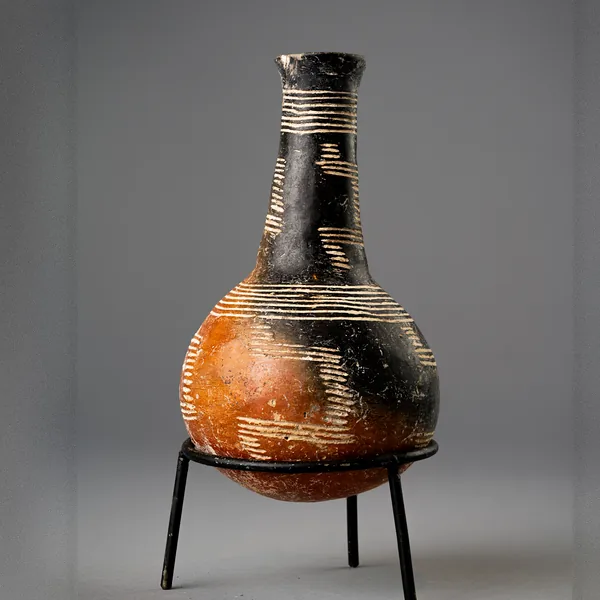
Red Polished Black-Topped Bottle with Stepped Incised Bands
Red Polished ware
Found at the places discussed
Objects in our catalogue, in museum collections, recorded as found at these sites.
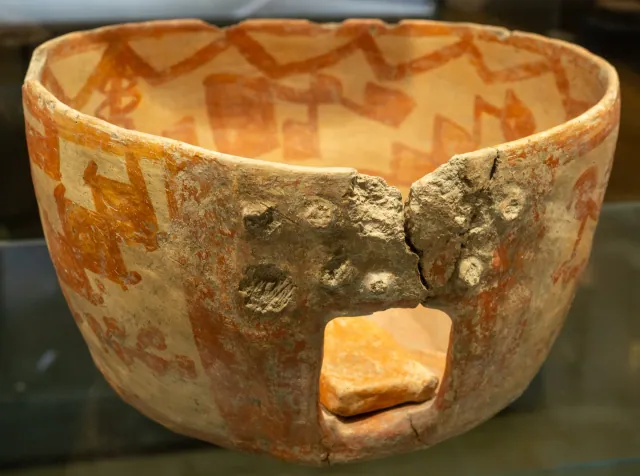
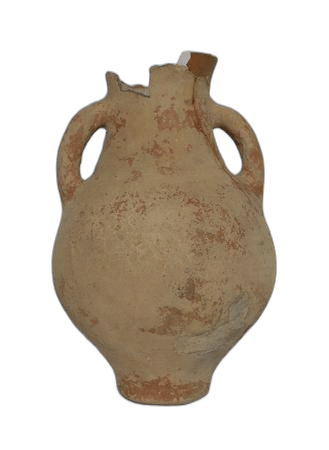

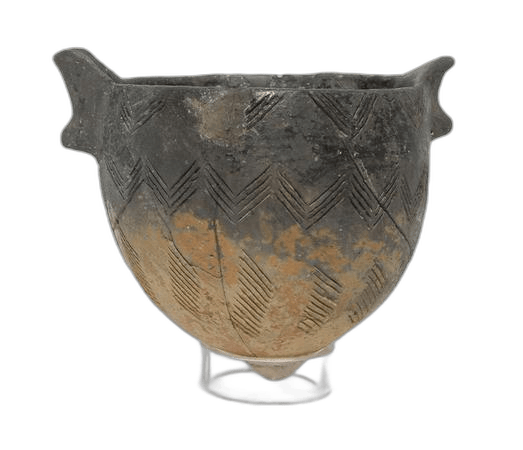
Background
Where to read more on this site before or after watching.
The site
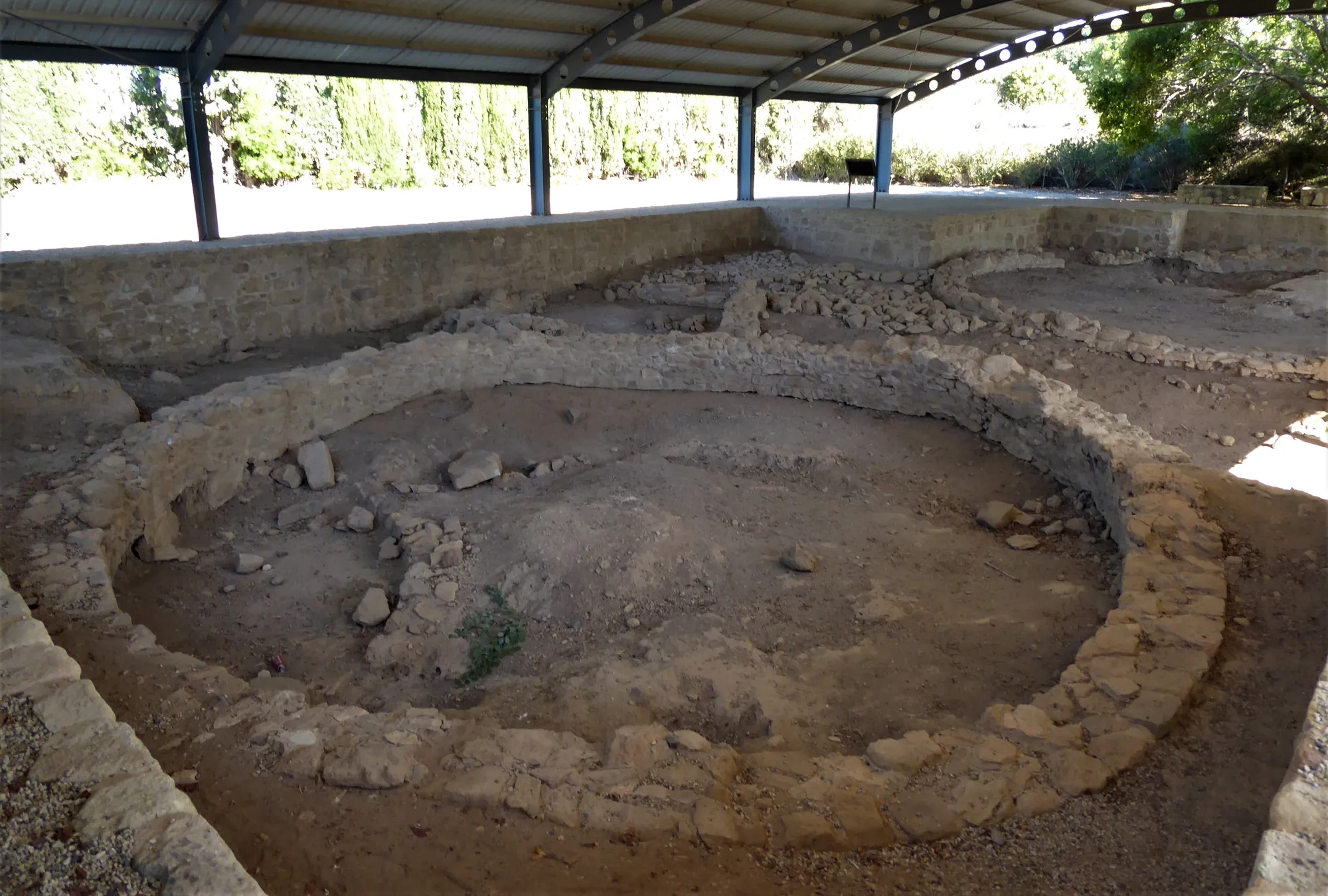
Chlorakas-Palloures
A Middle and Late Chalcolithic village on a terrace edge above the coastal plain at Chlorakas, north of Paphos, lived in from about 3400 to 2400 BC. Rescue excavation since 2015 has found the largest Late Chalcolithic round building yet known on Cyprus and the oldest securely dated copper axe from the island.
In the compendium
Chalcolithic Round Houses
The free-standing circular house of Chalcolithic Cyprus, from timber post rings to stone-footed great houses, and the Kissonerga building model.
In the compendium
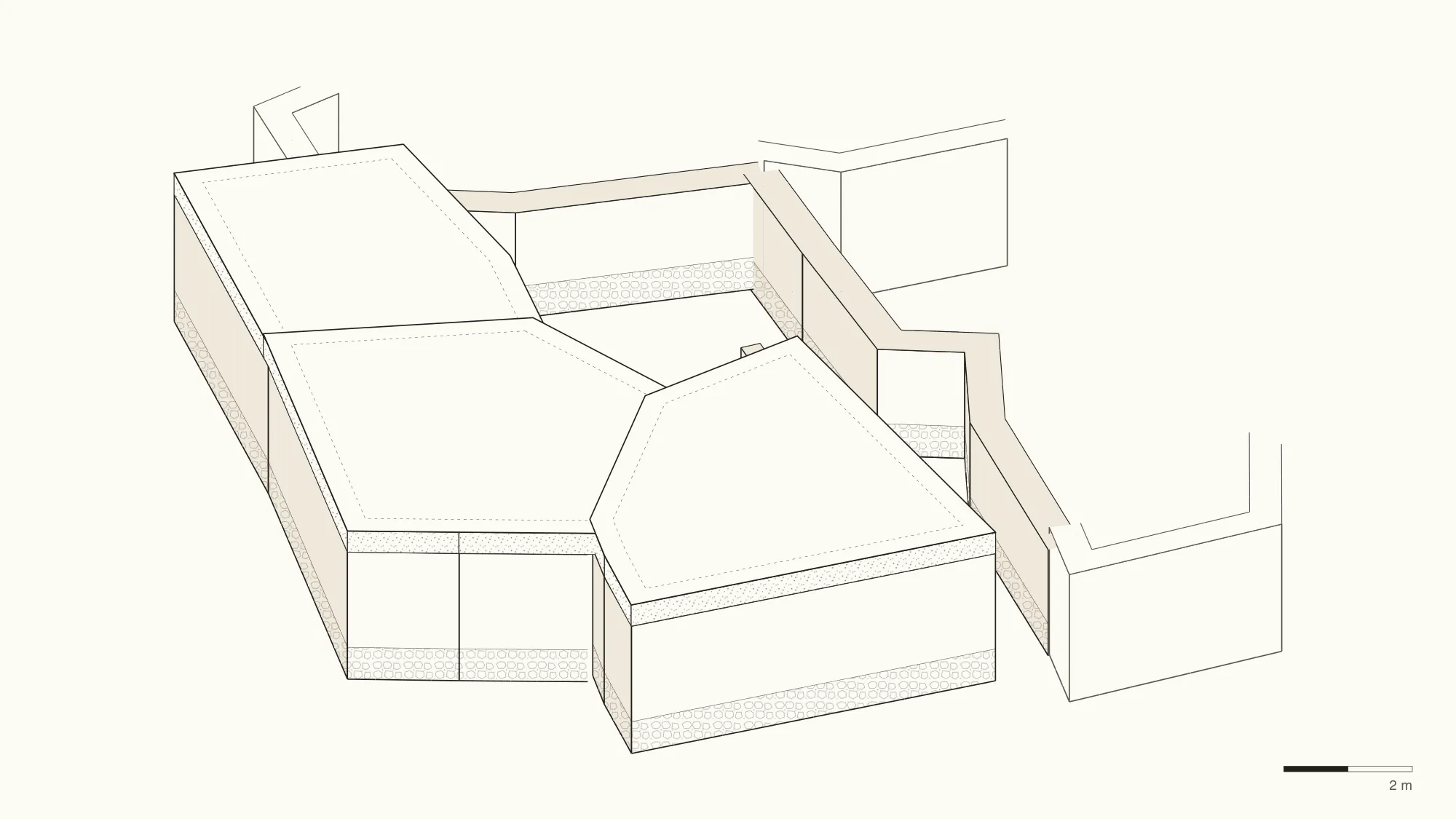
Early and Middle Bronze Age Houses
From about 2400 BC Cypriot villagers built rectangular, multi-roomed houses, usually a walled courtyard with two or three roofed rooms behind it.
In the compendium
Village Life in Early Bronze Age Cyprus
Everyday life in the unwalled farming villages of Philia and Early Cypriot Cyprus, known best from the excavated settlements of Marki-Alonia and Sotira-Kaminoudhia.
Map of Cyprus
Places discussed in the talk
- Has a page on this site
- Other places
- Ground above 200, 500, 1,000 m
Places
- 1Kissonerga-Mosphilia
- 2Kissonerga-Skalia (approx.)
- 3Kissonerga-Mylouthkia (approx.)
- 4Chlorakas-Palloures
- 5Lemba (approx.)
- 6Marki-Alonia
- 7Vasilia (approx.)
- 8Vounous (approx.)