
Lecture·CAARI Cyprus·2025
Changes in Ground Stone Technology Related to Early Copper Use in Cyprus (3500–1900 BC)
Chapters
About the lecture
Ellon Souter, the Edgar Peltenburg Fellow in Cypriot Prehistory at CAARI, presents research from her doctoral and postdoctoral work on ground stone tools and their relationship to the adoption of copper metallurgy in Cyprus between the Middle Chalcolithic and the Early Bronze Age (3500 to 1900 BC). Introduced by CAARI director Lindy Crewe, the lecture questions models that attribute the emergence of the Cypriot Bronze Age and the Philia phase mainly to Anatolian migration and the rapid replacement of stone tools by metal.
Souter begins by reviewing the history of research, noting how the 1974 invasion and occupation of the north have left archaeologists comparing Chalcolithic settlements in the southwest with Early Bronze Age material from Marki-Alonia in central Cyprus and older northern cemetery excavations. She outlines the debate between Edgar Peltenburg, who argued for indigenous experimentation with copper at Kissonerga-Mosphilia linked to picrolite procurement in the Troodos, and David Frankel and Jennifer Webb, who proposed that Philia migrants introduced a new technological package.
Applying a chaîne opératoire and life-history approach to assemblages from the Lemba cluster in the southwest, Marki-Alonia, Kissonerga-Skalia, and legacy collections from the occupied north in the Cyprus Museum, Souter traces changes in stone selection, manufacture, use wear and deposition. In the Late Chalcolithic, when the first copper objects appear in the southwest, stone adzes, axes and pestles do not decline; instead they increase in number, draw on gabbros from distant Troodos rivers such as the Diarizos and Kouris, and undergo flaking, lateral splitting and all-over grinding. Souter examines intentional caches of tools and preforms in buildings such as the Pithos House and Building 834 at Kissonerga-Mosphilia, at Lemba-Lakkous, and at Chlorakas-Palloures, where an early copper axe or adze dating to c. 2600 BC was deposited in a jar alongside a stone counterpart.
Turning to the Philia and Early Cypriot periods, Souter assesses new tool types connected to metalworking, including moulds, ring hammers, hafted hammers, grooved abraders and whetstones. Although parallels exist at Tarsus and in the Levant, the full mainland repertoire is never adopted. Comparisons between Marki-Alonia, Kissonerga-Skalia and northern sites show that stone chisels largely disappeared, probably replaced by copper, whereas stone axes, adzes and Chalcolithic grinding traditions persisted at different rates across the island. Souter argues for a piecemeal, reciprocal process in which local communities selectively incorporated copper and mainland contacts into existing stone-working traditions.
From our collection
Pieces in the Drakopoulos collection of the kinds and periods this talk covers: Tools and equipment, Early Cypriot (Early Bronze Age).
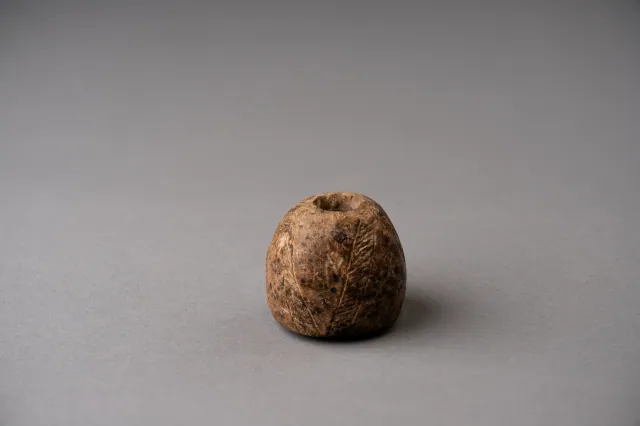
Spindle Whorl with Incised Herringbone Bands
Tools and equipment
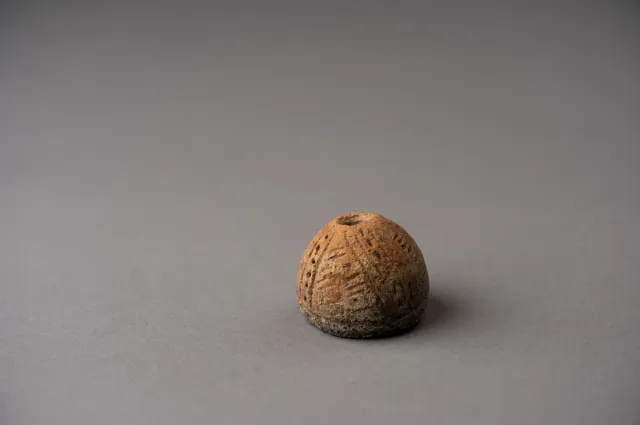
Red Polished Spindle Whorl with Incised Lattice and Dotted Bands
Tools and equipment
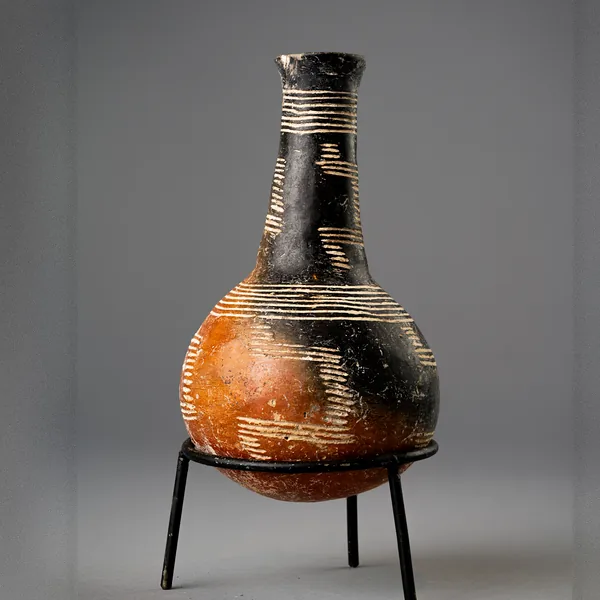
Red Polished Black-Topped Bottle with Stepped Incised Bands
Early Cypriot (Early Bronze Age)
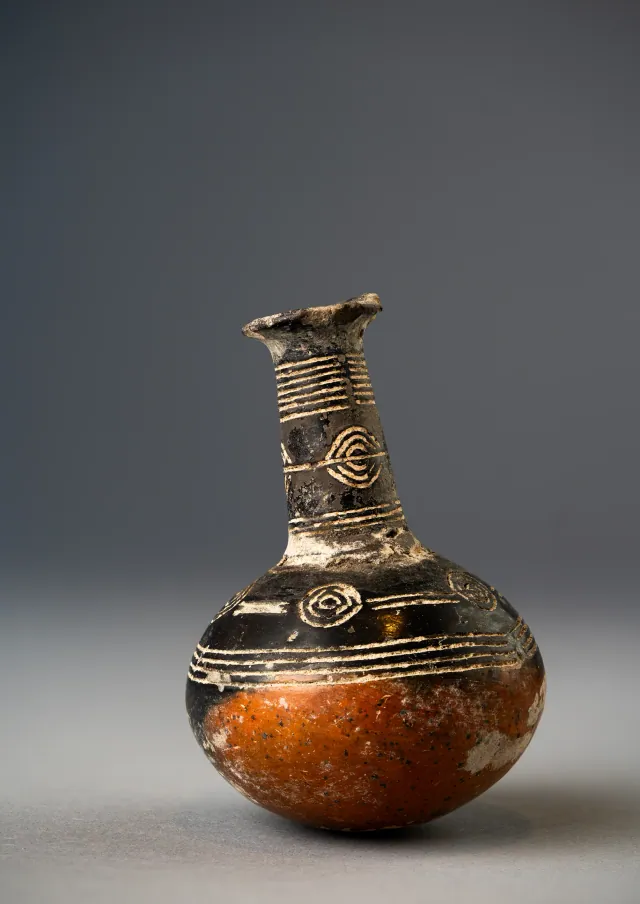
Red Polished Black-Topped Bottle with Incised Concentric Circles
Early Cypriot (Early Bronze Age)
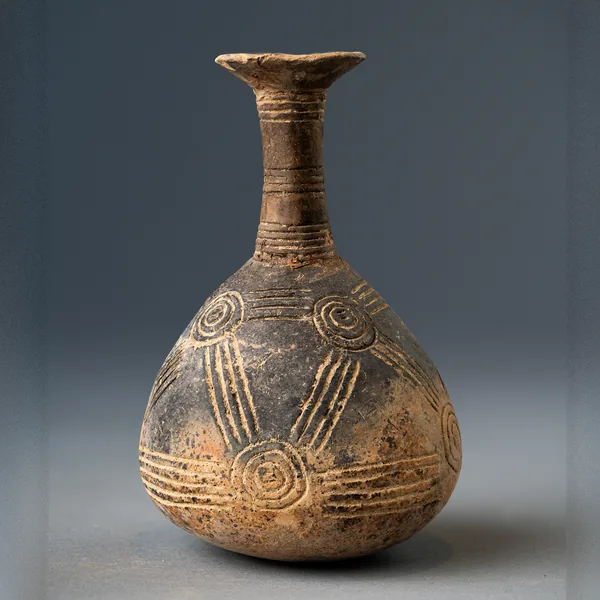
Red Polished Bottle with Linked Concentric Circles
Early Cypriot (Early Bronze Age)
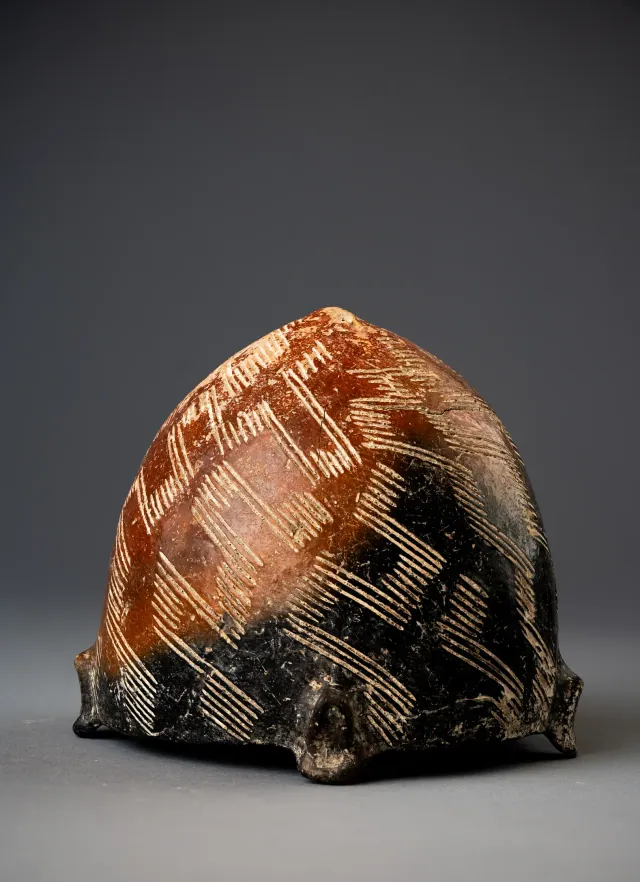
Black-topped Red Polished Tulip Bowl with Incised Hatched Lattice
Early Cypriot (Early Bronze Age)
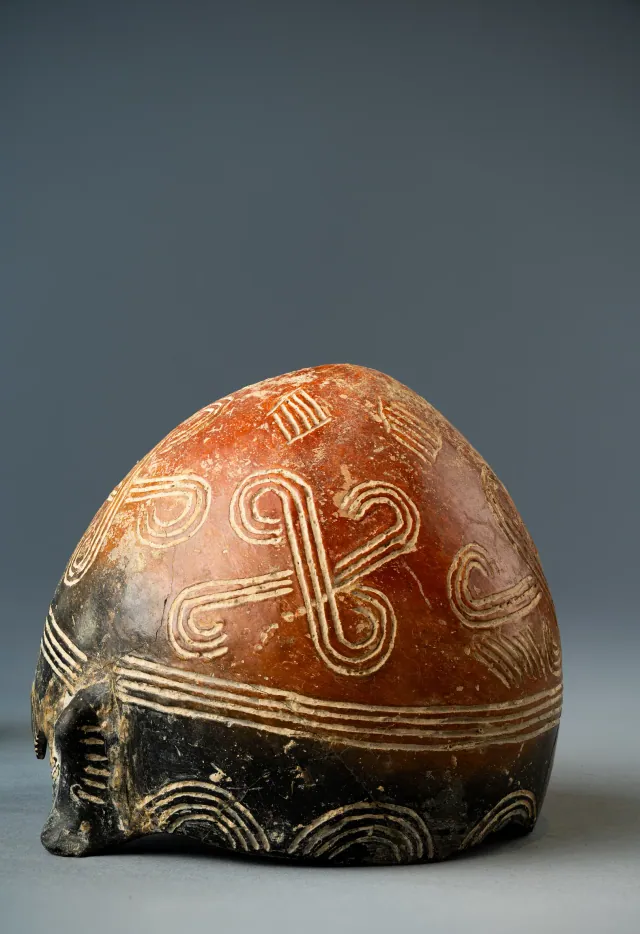
Black-topped Red Polished Tulip Bowl with Incised Spiral-armed Cross, Circles and Arcades
Early Cypriot (Early Bronze Age)
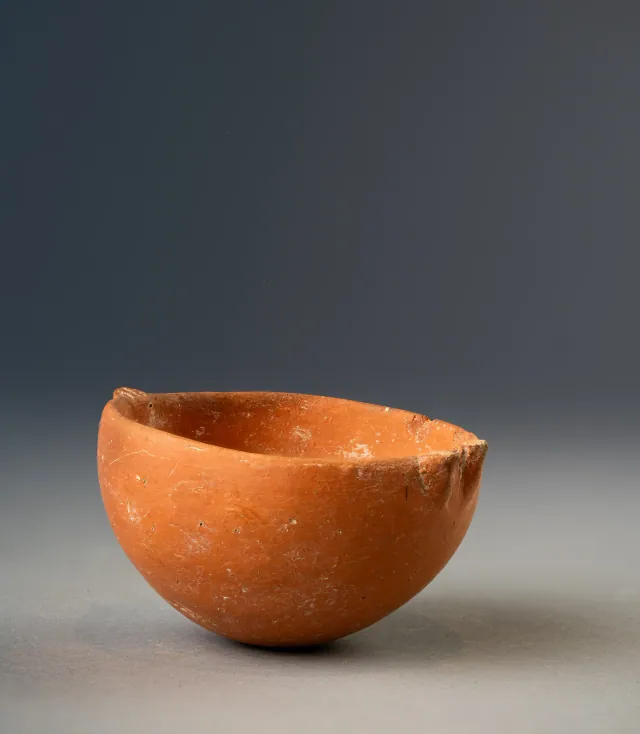
Red Polished Hemispherical Bowl with Two Rim Lugs
Early Cypriot (Early Bronze Age)
Found at the places discussed
Objects in our catalogue, in museum collections, recorded as found at these sites.
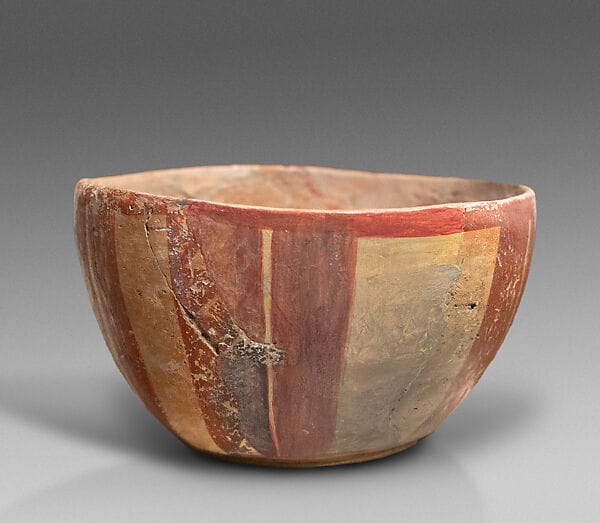
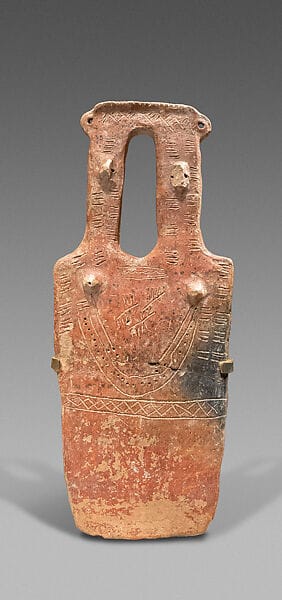
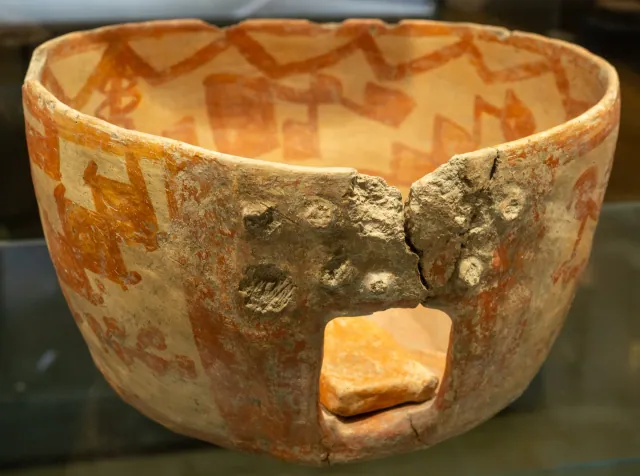
Background
Where to read more on this site before or after watching.
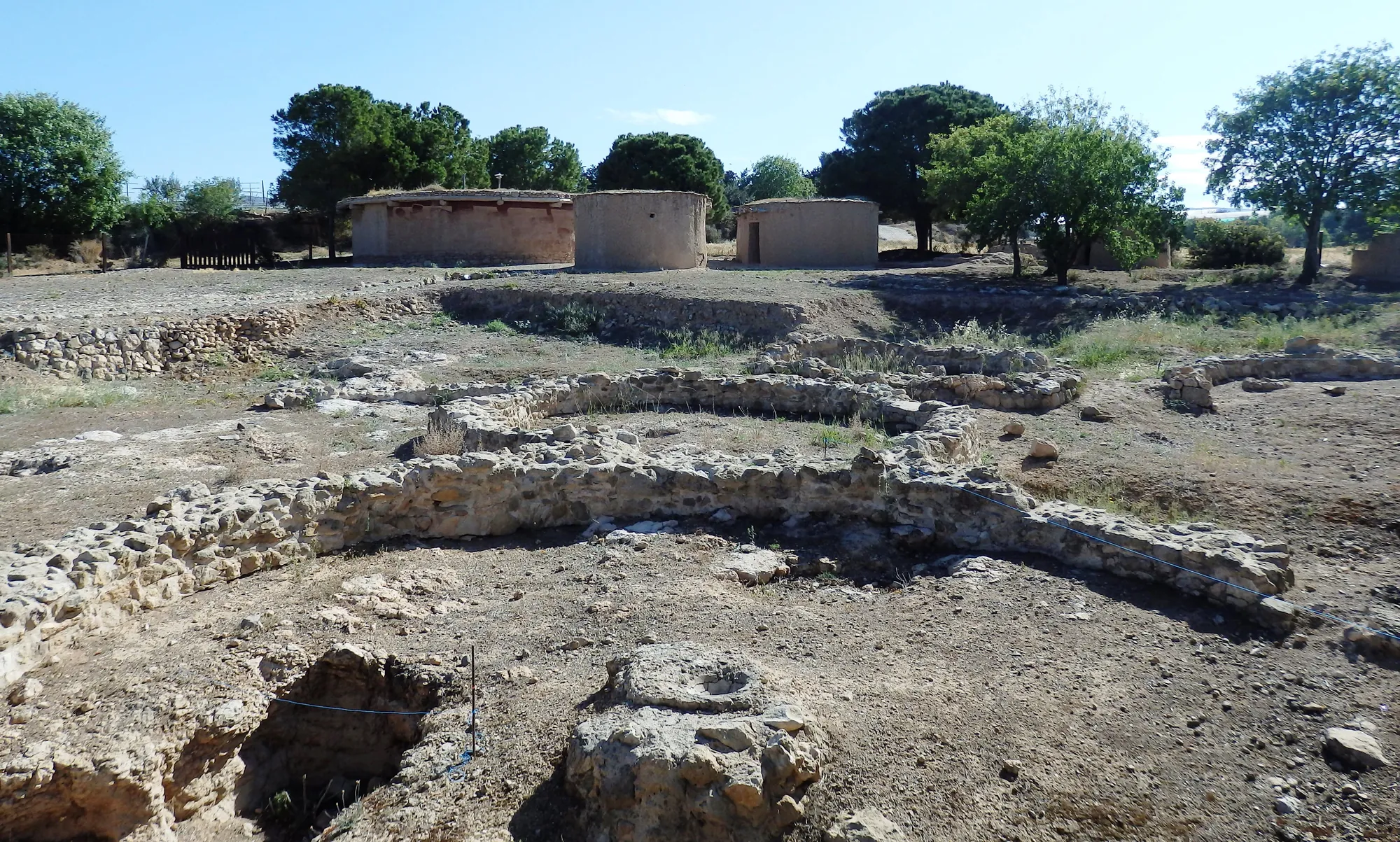
The site
Lemba-Lakkous
A Chalcolithic village on a coastal terrace north of Paphos, lived in at intervals from about 3500 to 2400 BC and excavated by Edgar Peltenburg for the Lemba Archaeological Project from 1976 to 1983. It produced the limestone figure known as the Lemba Lady, a large group of graves and, beside the excavation, the Lemba Experimental Village of rebuilt round houses.
In the compendium
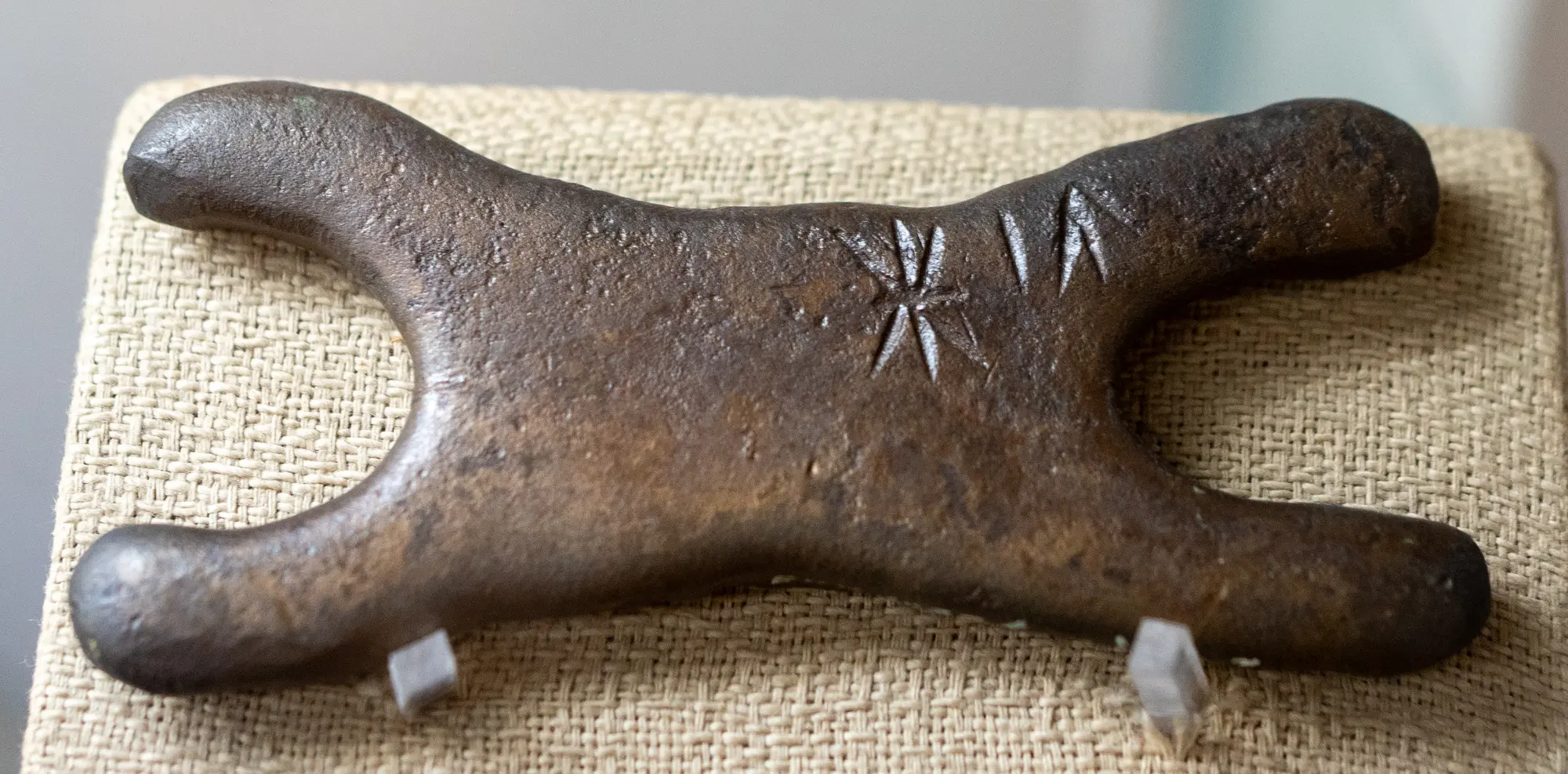
Copper Metallurgy in Ancient Cyprus
The mining, smelting and casting of the Troodos sulphide ores, from hammered Chalcolithic native copper to Late Bronze Age oxhide ingots and Archaic slag heaps.
In the compendium
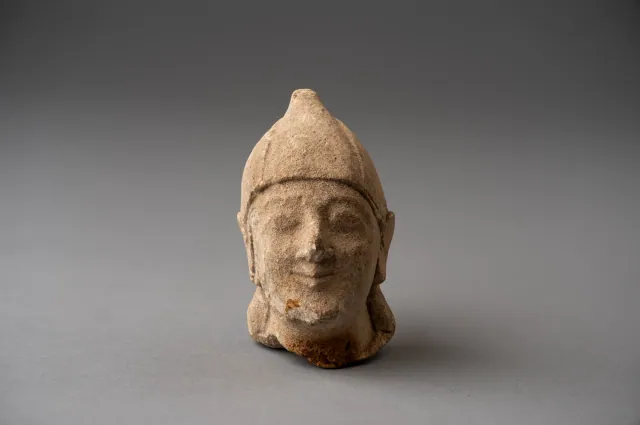
Stone in Ancient Cyprus
Cypriots worked local chert, igneous rocks, picrolite and limestone from the Neolithic onwards, and imported marble, alabaster and gemstones.
In the compendium
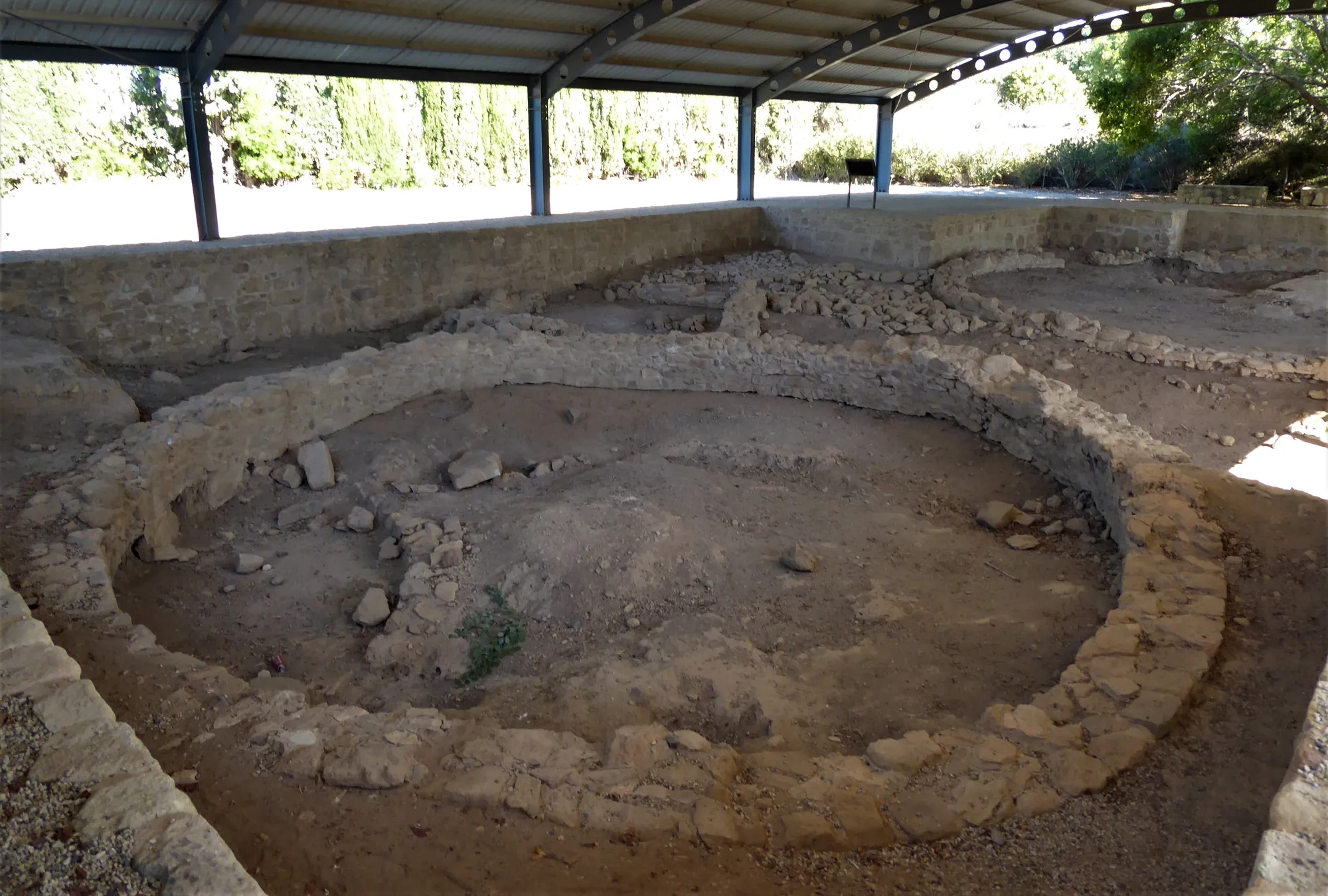
Chalcolithic Round Houses
The free-standing circular house of Chalcolithic Cyprus, from timber post rings to stone-footed great houses, and the Kissonerga building model.
Map of Cyprus
Places discussed in the talk
- Has a page on this site
- Other places
- Ground above 200, 500, 1,000 m
Places
- 1Marki-Alonia
- 2Kissonerga-Mosphilia
- 3Kissonerga-Skalia (approx.)
- 4Lemba-Lakkous
- 5Chlorakas-Palloures
- 6Erimi-Pamboula (approx.)
- 7Sotira-Kaminoudhia
- 8Souskiou (approx.)
- 9Vasilia (approx.)
- 10Lapithos