
Lecture·Archaeological Research Unit - University of Cyprus·2017·In Greek
Continuities and Discontinuities in Cypriot Prehistory and the Study of Cultural Change
Συνέχειες-ασυνέχειες της Κυπριακής Προϊστορίας και η μελέτη της πολιτισμικής αλλαγής
Chapters
About the lecture
Ioannis Voskos of the National and Kapodistrian University of Athens examines cultural change and apparent chronological gaps in Cypriot prehistory. Delivered in Greek at the Archaeological Research Unit of the University of Cyprus, the lecture critiques traditional culture-historical models and proposes an internal socio-economic explanation for transitions across the Neolithic and Chalcolithic periods, between the 6th and 3rd millennia BC.
Voskos begins by surveying how theoretical currents in archaeology have approached cultural change. Early twentieth-century research in Cyprus, shaped by Porphyrios Dikaios and Einar Gjerstad of the Swedish Cyprus Expedition, established a tripartite framework dividing the Stone Age into the Aceramic Neolithic of Khirokitia, the Ceramic Neolithic of Sotira and the Chalcolithic of Erimi. Because this static model struggled to explain transitions and chronological gaps between phases, scholars such as Hector Catling and Nicholas Stanley Price attributed changes to natural disasters, island abandonment and foreign colonisations. While processual and post-processual archaeology developed internationally from the 1960s, Cypriot Stone Age studies lagged behind as fieldwork focused on the Late Bronze Age and the Achaean colonisation hypothesis promoted by Vassos Karageorghis. From the 1980s, and after the discovery of Epipalaeolithic Akrotiri-Aetokremnos, new interdisciplinary projects reshaped the field.
Turning to the evidence from 6500 to 2500 BC, Voskos analyses subsistence, food storage and household organisation. Reviewing archaeobotanical and zooarchaeological data alongside Joanne Clarke's mobility model, he argues that the continuity of plant varieties between Khirokitia and Sotira disproves abandonment. Instead, Cypriot communities alternated between a semi-permanent foraging and deer-hunting economy during the chronological gaps, and settled agro-pastoralism during the peaks of the Khirokitia, Sotira and Erimi cultures. He traces storage from outdoor pits at Kantou-Koufovounos and communal pit areas at Lemba-Lakkous (exceeding 7,000 litres in capacity) to the privatisation of surplus inside Late Chalcolithic buildings, culminating in the Pithos House at Kissonerga-Mosphilia, where 37 storage jars, olive oil production, metallurgy, weights, seals and faience indicate attempted elite control.
Voskos argues that during the settled phases of Khirokitia, Sotira and Middle Chalcolithic Erimi, population growth and household competition were balanced by levelling mechanisms such as communal feasting, decorated Red-on-White pottery and shared rituals in structures like the Red Building at Kissonerga, excavated by Edgar Peltenburg. When internal tensions grew too strong, communities resisted hierarchy by breaking up permanent settlements and reverting to egalitarian, semi-nomadic life. In the Late Chalcolithic, however, consolidated agro-pastoralism, the replacement of Red-on-White pottery and picrolite objects with monochrome wares, and rising household autonomy made these changes irreversible despite the violent destruction of the Pithos House. Voskos concludes that the Early Bronze Age Philia phase arose from local groups entering Eastern Mediterranean networks rather than an Anatolian colonisation. A question-and-answer session follows on cranial studies, Anatolian ceramic technology and radiocarbon dates.
From our collection
Pieces in the Drakopoulos collection of the kinds and periods this talk covers: Neolithic and Chalcolithic wares, Neolithic, Early Cypriot (Early Bronze Age).
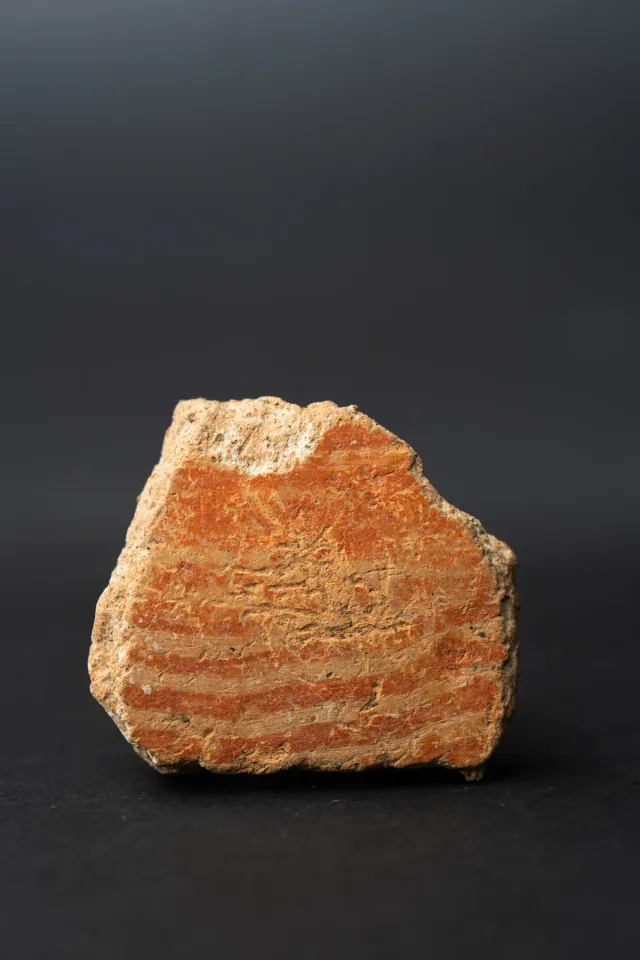
Combed Ware Bowl Fragment with Parallel Bands
Neolithic and Chalcolithic wares
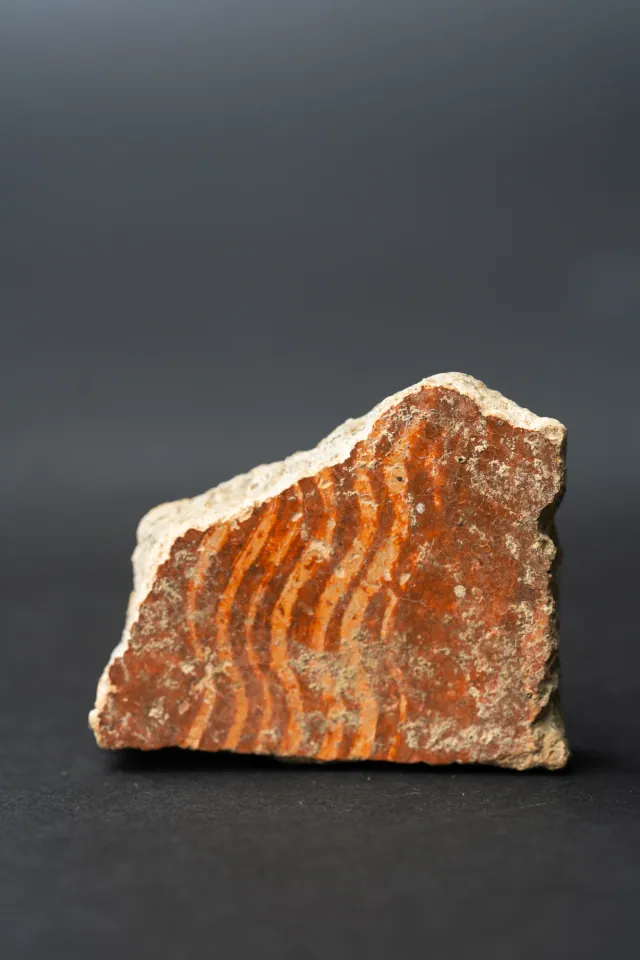
Combed Ware Bowl Fragment with Multiple Wavy Bands
Neolithic and Chalcolithic wares
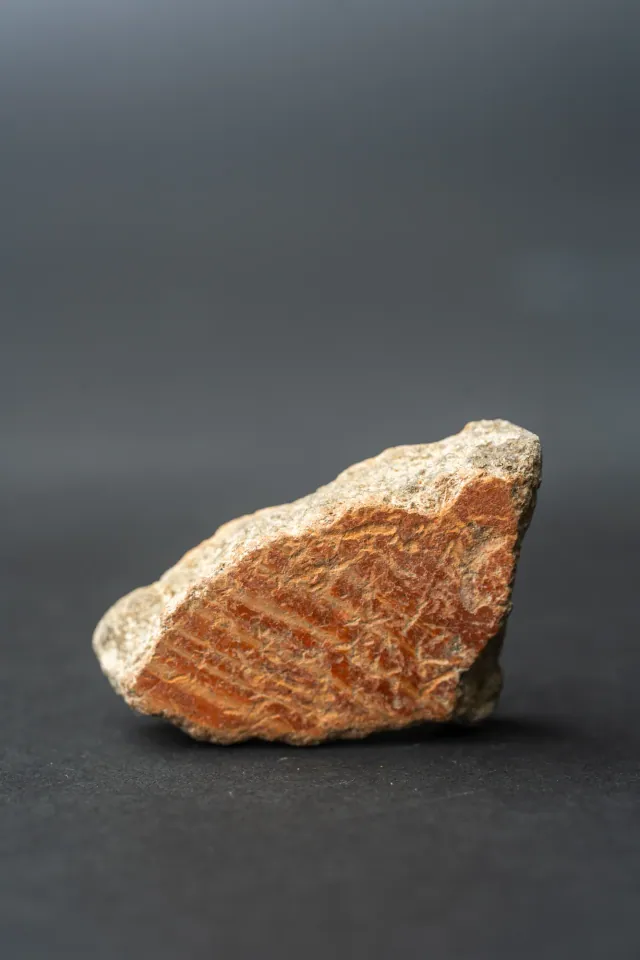
Combed Ware Bowl Fragment with Oblique Bands
Neolithic and Chalcolithic wares
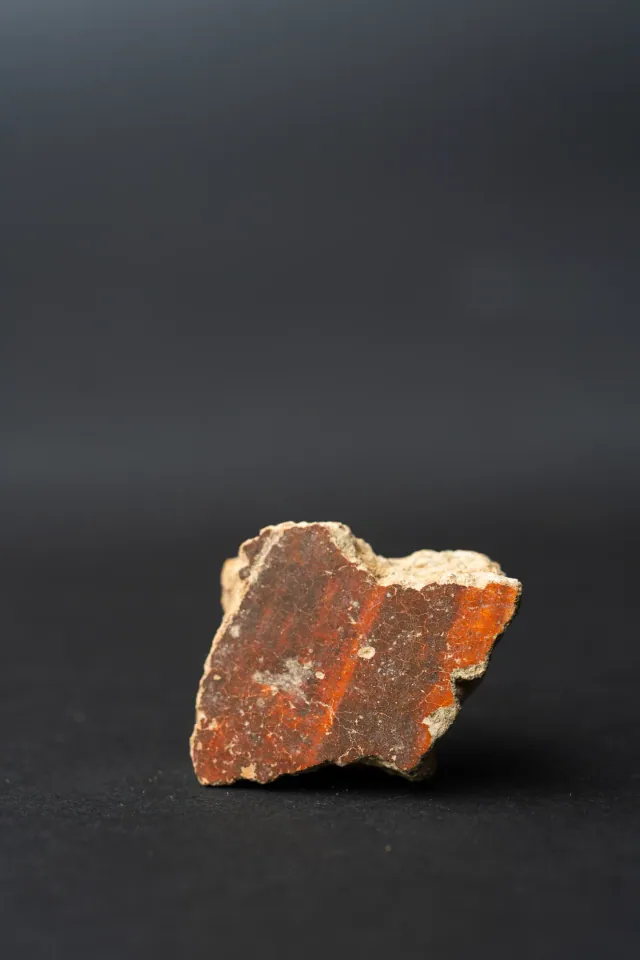
Red Lustrous Ware Body Sherd with Fire-Mottled Slip
Neolithic
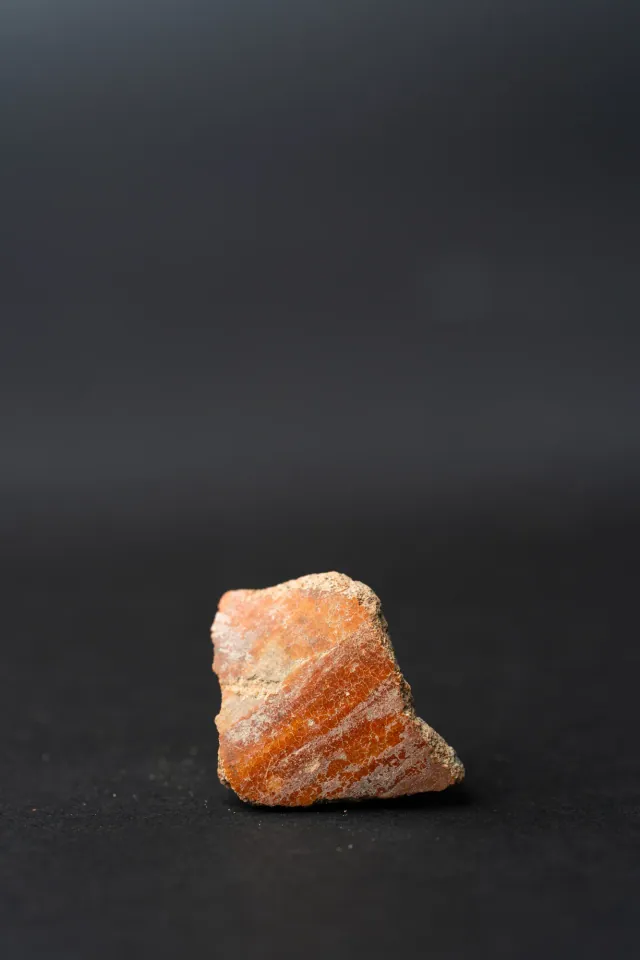
Red Slip Ware Body Sherd with Streaked Slip
Neolithic
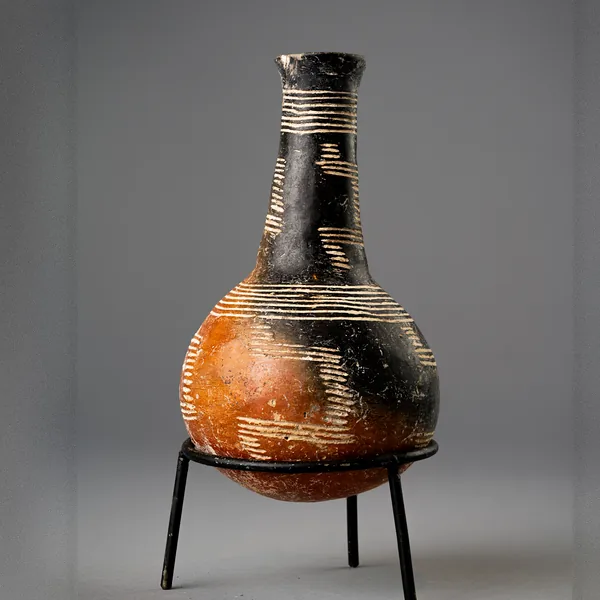
Red Polished Black-Topped Bottle with Stepped Incised Bands
Early Cypriot (Early Bronze Age)
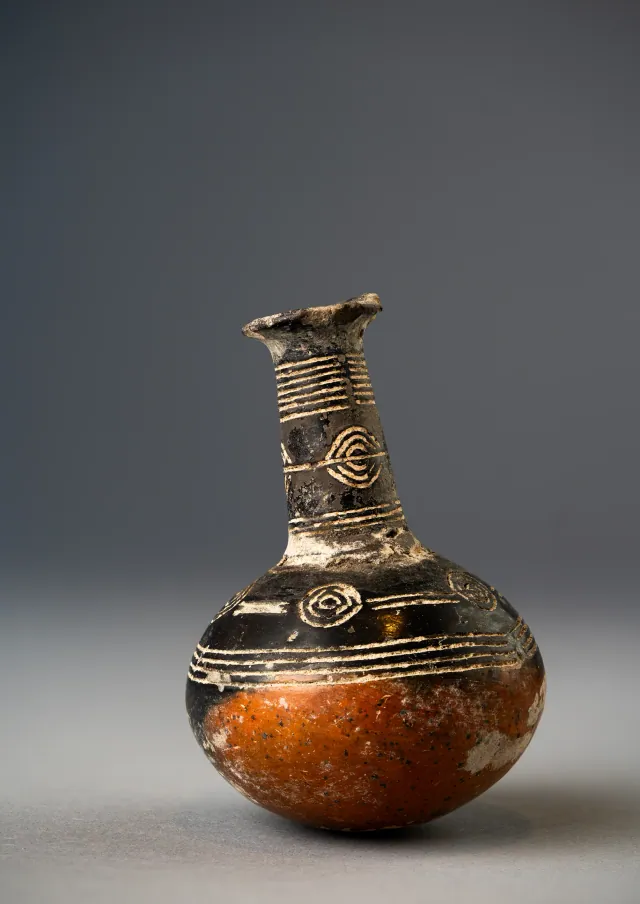
Red Polished Black-Topped Bottle with Incised Concentric Circles
Early Cypriot (Early Bronze Age)
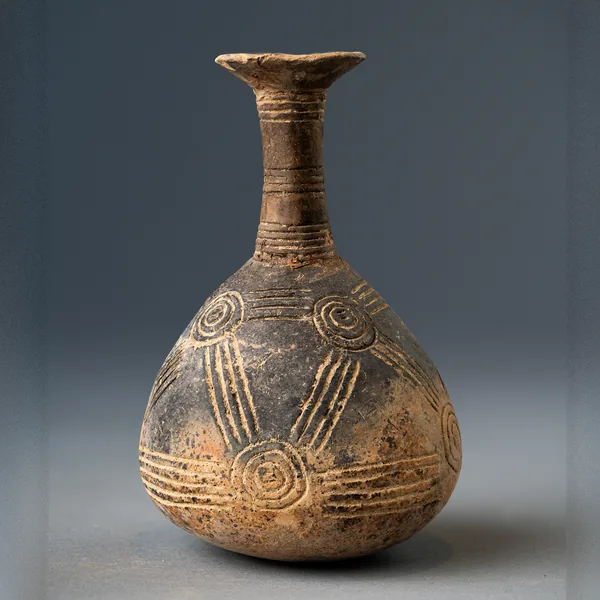
Red Polished Bottle with Linked Concentric Circles
Early Cypriot (Early Bronze Age)
Found at the places discussed
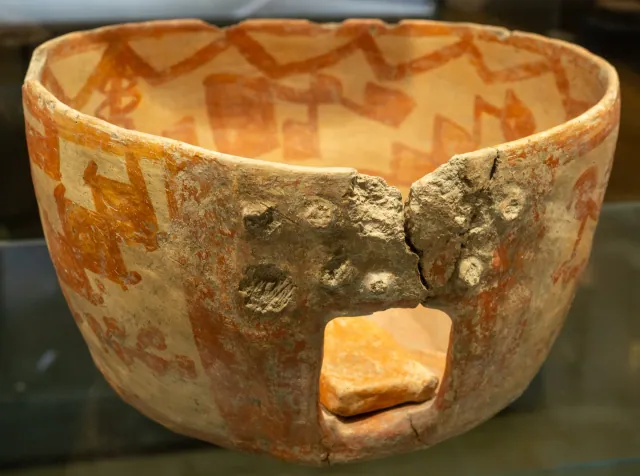
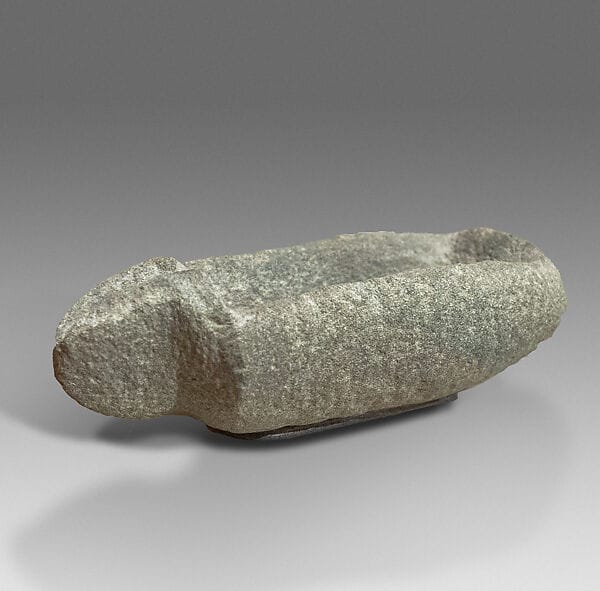
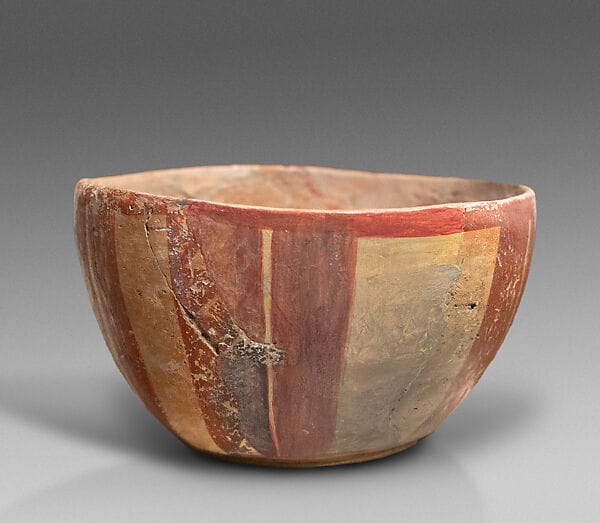
Objects in our catalogue, in museum collections, recorded as found at these sites.
Background
Where to read more on this site before or after watching.
The site
Khirokitia
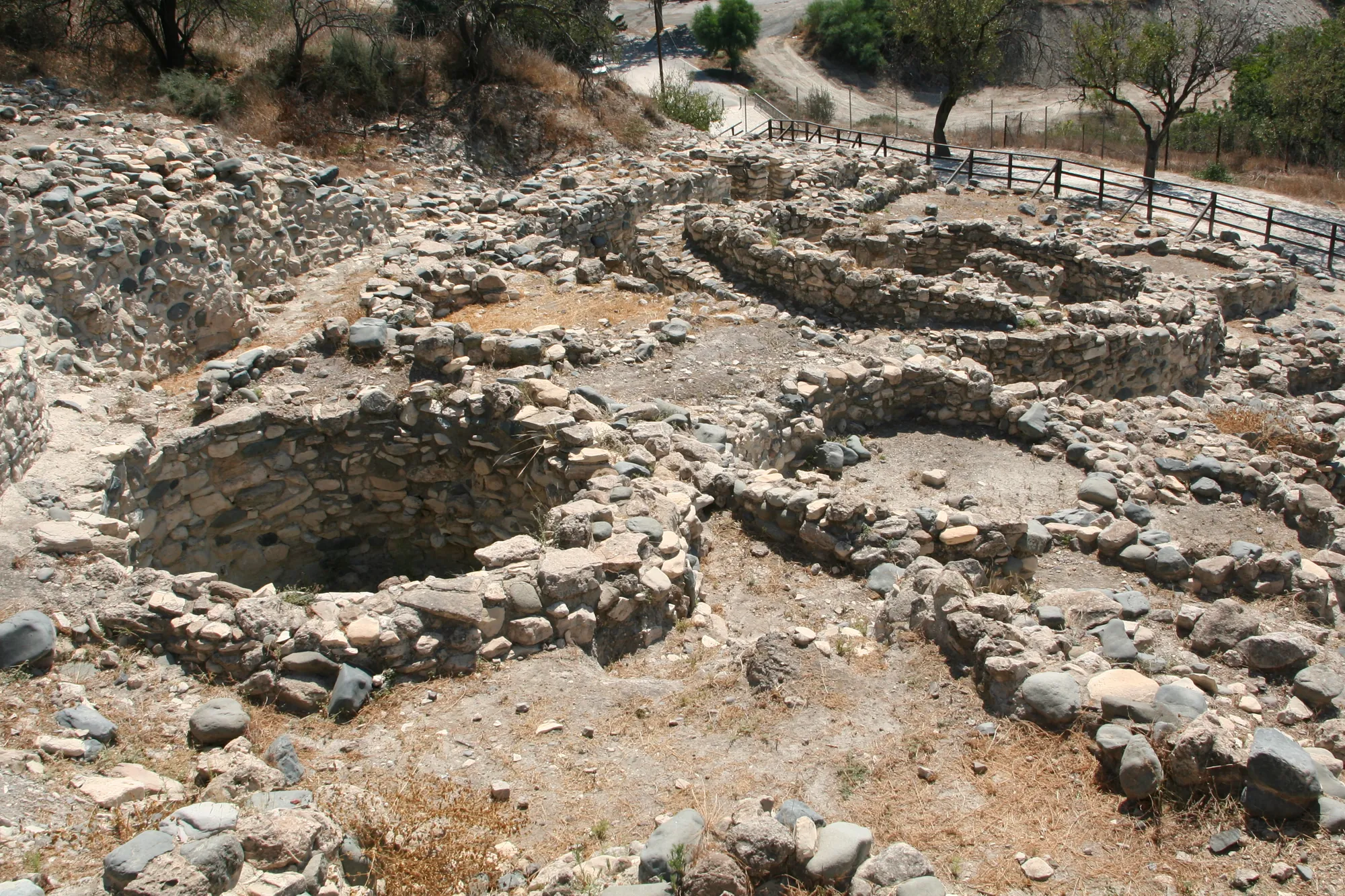
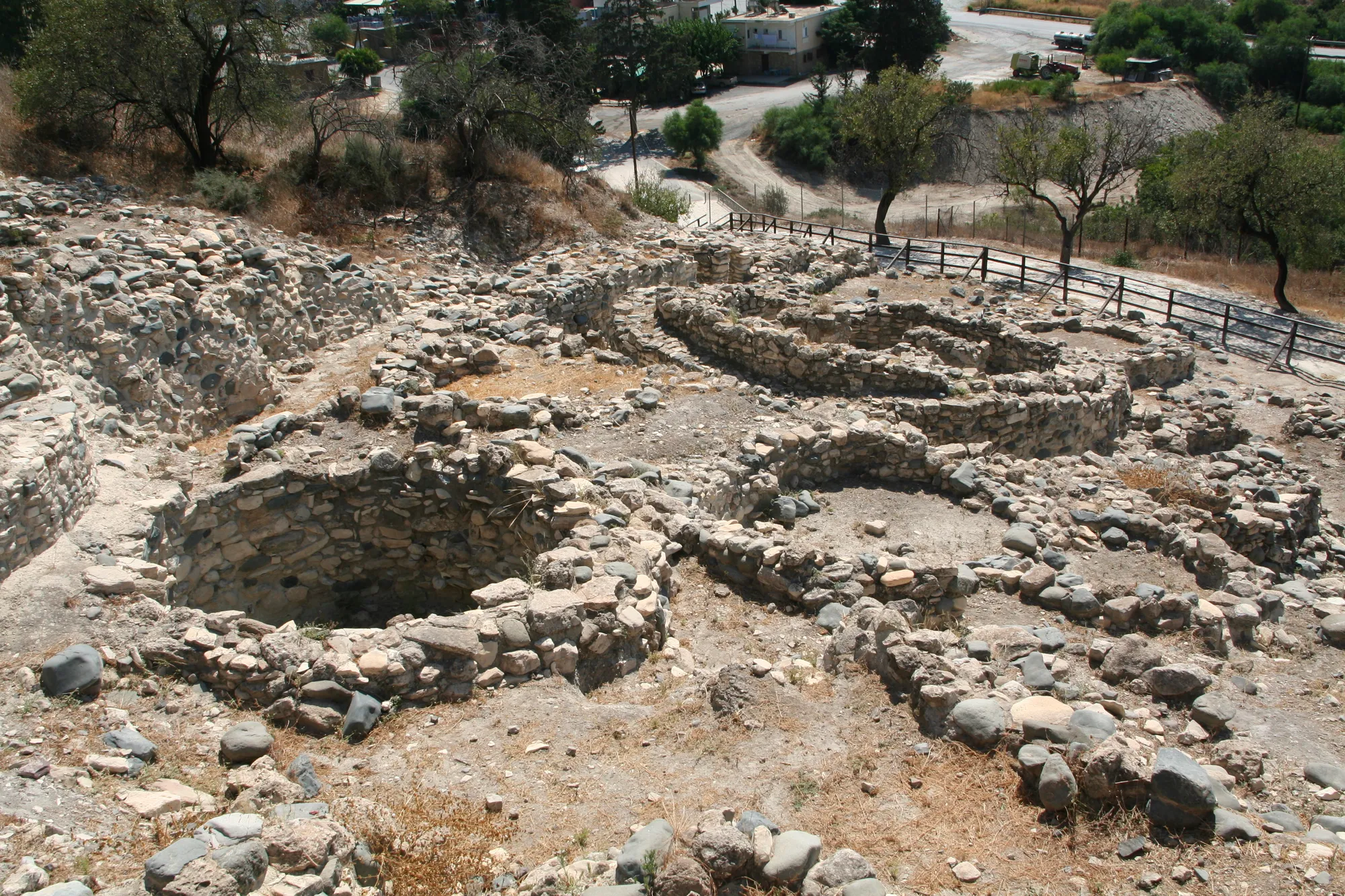
Khirokitia is a walled village of round stone and earth houses on a hill above the Maroni river, lived in from about 7000 BC to the later 6th millennium BC by farmers who made no pottery. It gave its name to the Khirokitia culture, the last stage of the Aceramic Neolithic in Cyprus, and has been a UNESCO World Heritage Site since 1998.
In the compendium
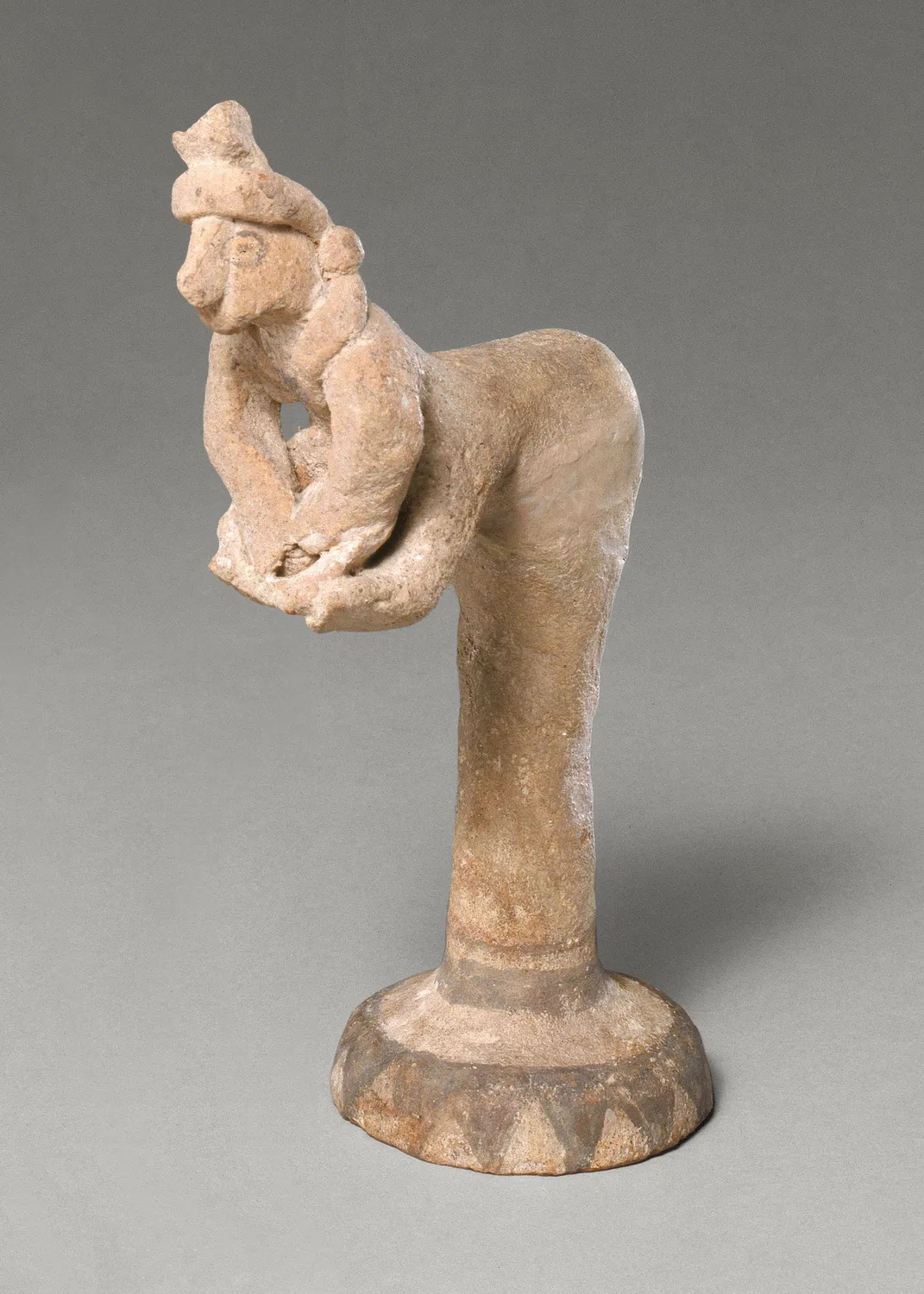
Food and Diet in Ancient Cyprus
What Cypriots grew, herded, hunted, cooked and drank from the first Neolithic villages to the end of the Cypro-Archaic period.
In the compendium
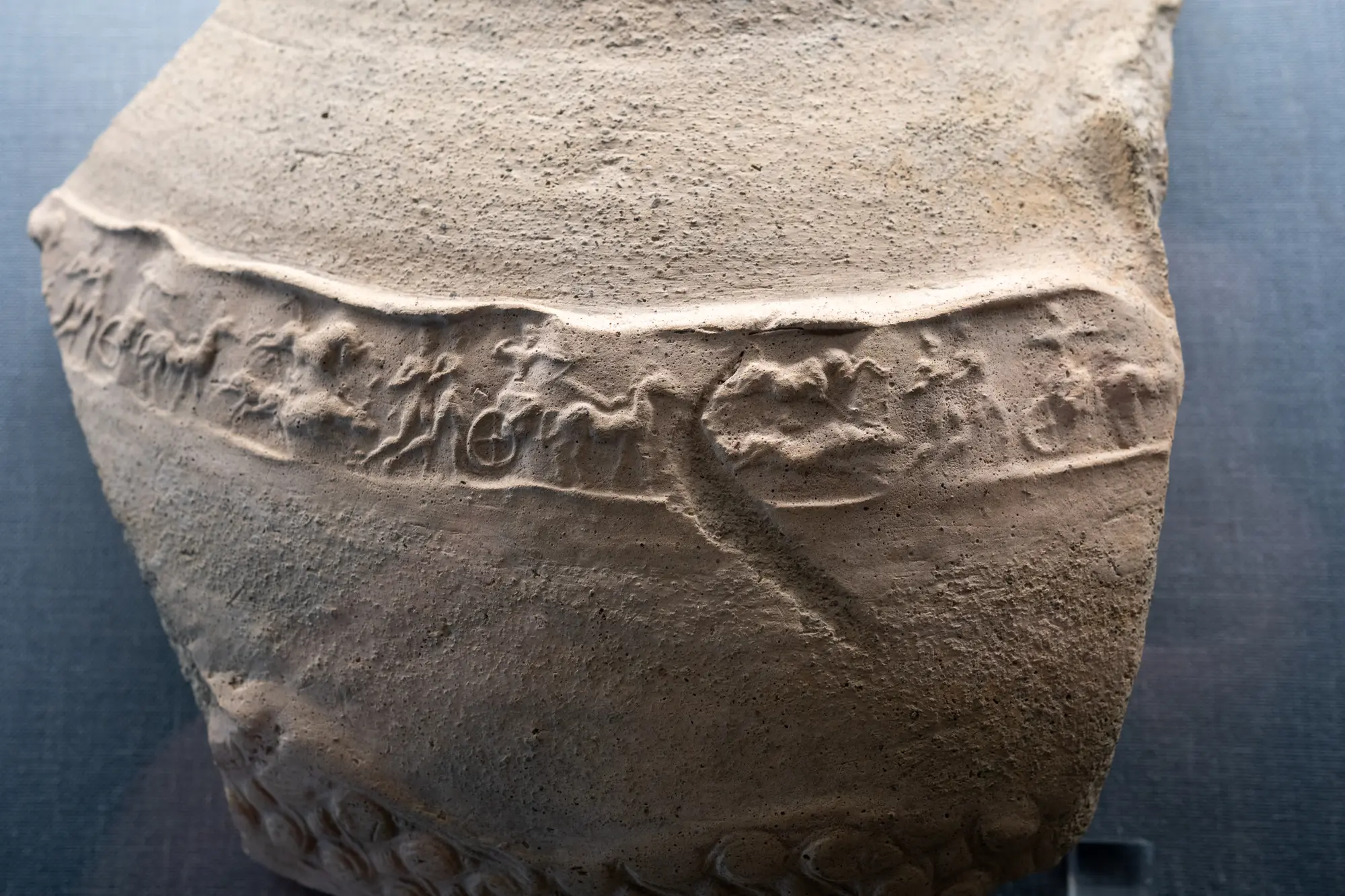
Food Storage in Ancient Cyprus: Pits, Pithoi and Storerooms
How Cypriots stored grain, oil and wine, from Chalcolithic pits and household jars to the great pithos halls of the Late Bronze Age towns.
In the compendium
Neolithic Round Houses
The circular buildings of Cyprus's first farming villages, from Klimonas and Tenta to Khirokitia, and the rounded houses of the Ceramic Neolithic.
Map of Cyprus
Places discussed in the talk
- Has a page on this site
- Other places
- Ground above 200, 500, 1,000 m
Places
- 1Khirokitia
- 2Akrotiri-Aetokremnos
- 3Lemba-Lakkous
- 4Kissonerga-Mosphilia
- 5Kantou-Koufovounos (approx.)
- 6Souskiou-Vathyrkakas
- 7Vasilikos Valley (approx.)