
Lecture·Archaeological Research Unit - University of Cyprus·2017·In Greek
Alassa 17 years later: A retrospective
Άλασσα 17 χρόνια μετά. Μια αναδρομή
Chapters
About the lecture
In this lecture, given in Greek, former Director of the Department of Antiquities Sophocles Hadjisavvas reviews the excavations carried out at the Late Bronze Age settlement of Alassa between 1984 and 2000, together with supplementary work undertaken in 2016 in preparation for the final publication.
Hadjisavvas begins with the history of the project, initiated in 1983 ahead of the construction of the Kouris Dam. Between 1984 and 1986 the team excavated the lower settlement at Pano Mandilaris, uncovering domestic quarters, eight tombs dating from Late Cypriot IIB to IIIA, and three domestic cult spaces containing numerous bull figurines. Finds from Pano Mandilaris include a complete ceramic tuyère, half of a miniature oxhide ingot found in a foundry context, an astragalus inscribed with a Cypro-Minoan sign, strainer jugs decorated with fish beside a wine press, and unfinished chlorite vessels and loom weights that Costas Xenophontos traced to raw material imported from the Persian Gulf.
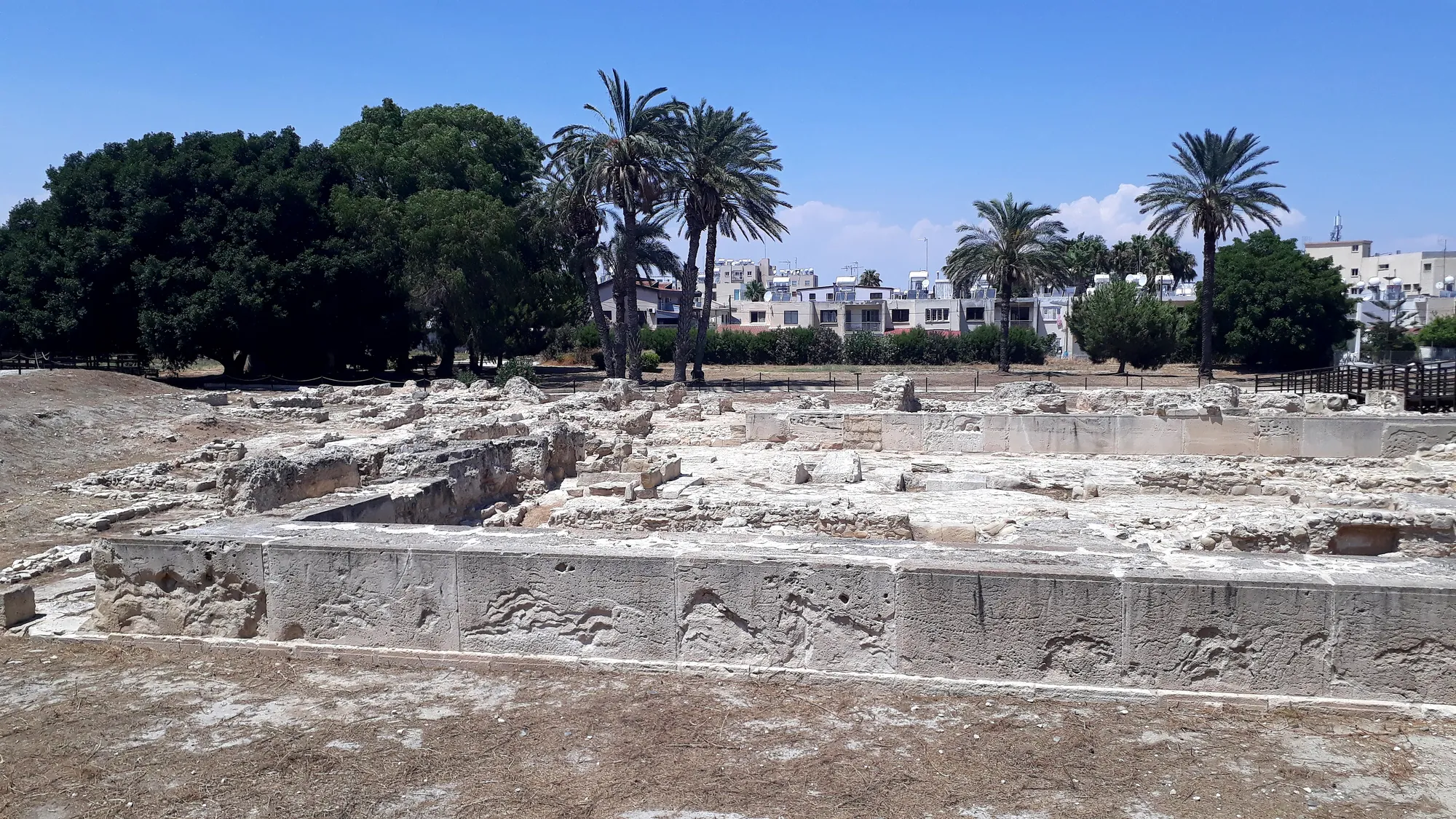
From 1990 work shifted 250 metres uphill to Paliotaverna, where a 3.4-metre-wide street separated three structures. Building I was a pillared hall comparable to Building X at Kalavasos. Building II, a square monumental complex covering 1,545 square metres around a central courtyard with a portico, is the second largest Late Bronze Age building on Cyprus after Building 18 at Enkomi. Hadjisavvas and consulting architect Martin Schmid analyse its ashlar masonry, built in the shell-wall technique on a levelled plinth with drafted-margin orthostats and red mudbrick superstructure. The talk walks through the hearth room, bathroom and toilet in the south wing, the pithos magazine and wine cellar in the north wing, the water cisterns and drainage channels, and a stone-lined underground cistern re-investigated in 2016. Building III housed craft installations, including a circular wine press with a sunken receiving pithos.
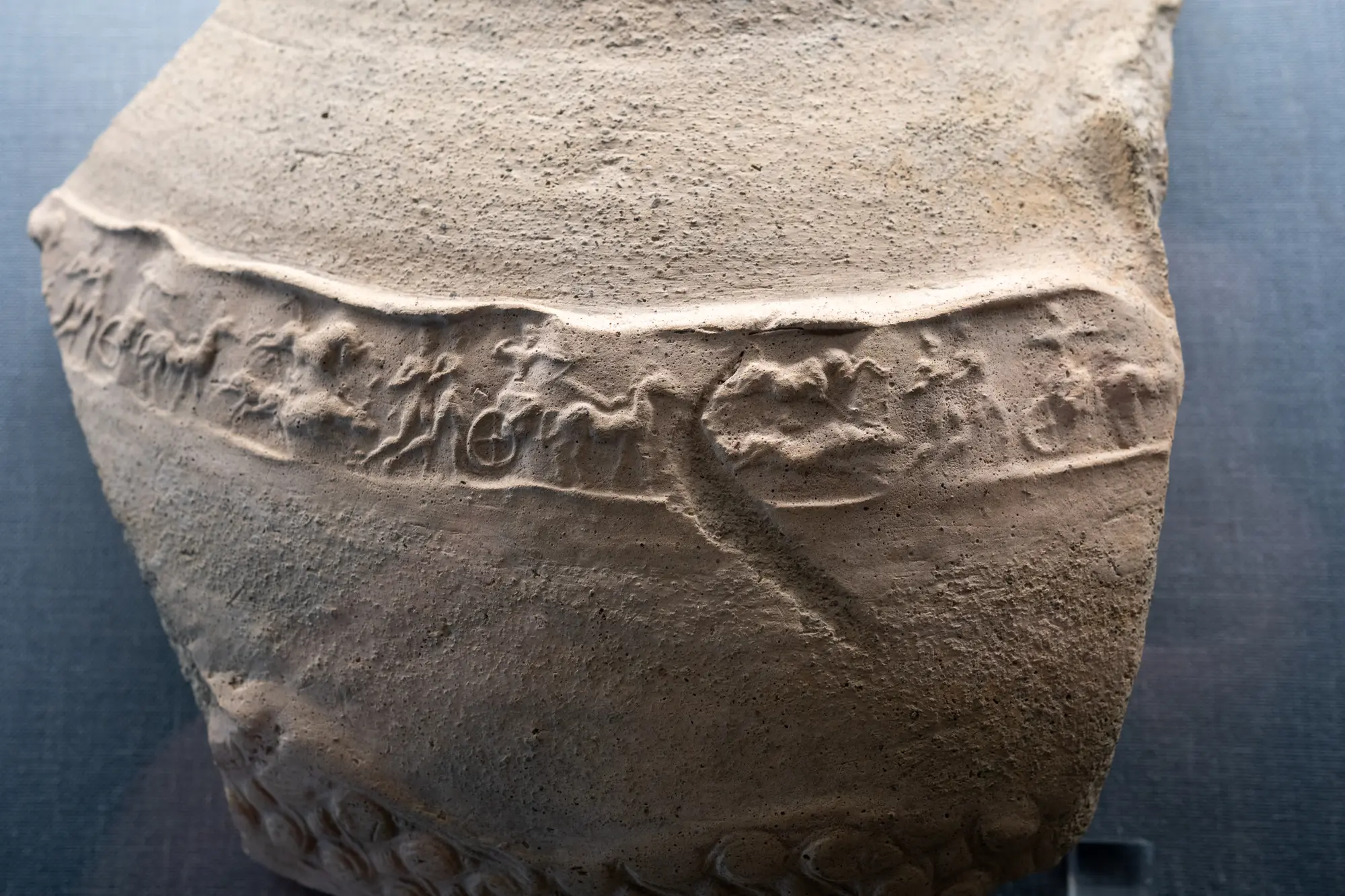
Material from some 764 pithoi and at least 185 cylinder-seal impressions on pithoi were recovered, depicting chariot hunts, combat around an olive tree with griffins and lions, and warriors. Joanna Smith identified one griffin impression as made by the same cylinder used on a sherd from Episkopi-Bamboula. Radiocarbon dates analysed by Stuart Manning place the construction of Building II in Late Cypriot IIC, a fire destruction around 1200 BC followed by immediate rebuilding, and a peaceful abandonment around 1100 BC. Hadjisavvas concludes that Alassa functioned as a regional administrative centre controlling copper production and redistributing foodstuffs, and notes Yuval Goren's clay analysis pointing to Alassa as a primary source of the Amarna letters from Alashiya. A discussion follows on the dry-stone ashlar construction, the scarcity of metal finds, and the chronological implications of the radiocarbon dates.
From our collection
Pieces in the Drakopoulos collection of the kinds and periods this talk covers: Jar, Late Cypriot (Late Bronze Age).
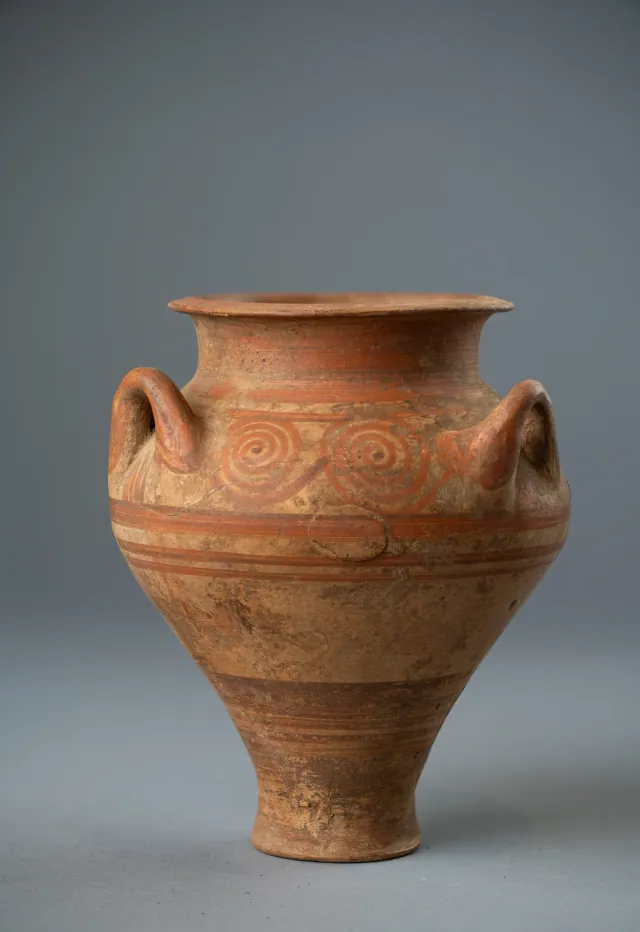
Cypriot Three-Handled Jar in the Mycenaean Style with Running Spirals
Jar
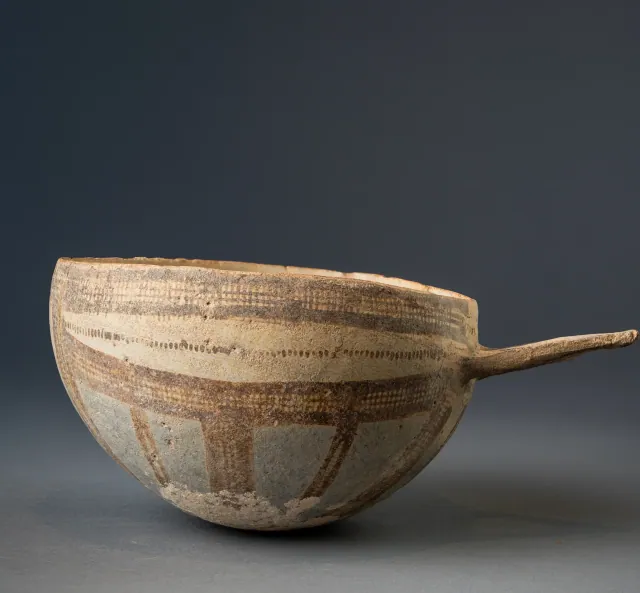
White Slip II Hemispherical Bowl with Wishbone Handle
Late Cypriot (Late Bronze Age)
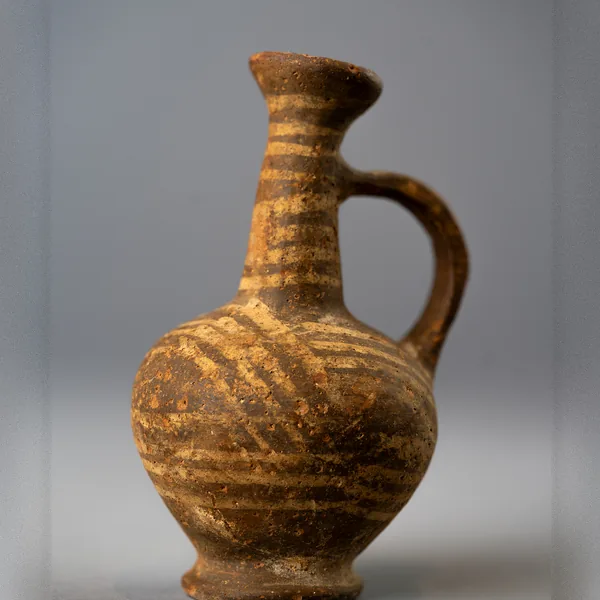
Base Ring II Bilbil Juglet with White-Painted Bands
Late Cypriot (Late Bronze Age)
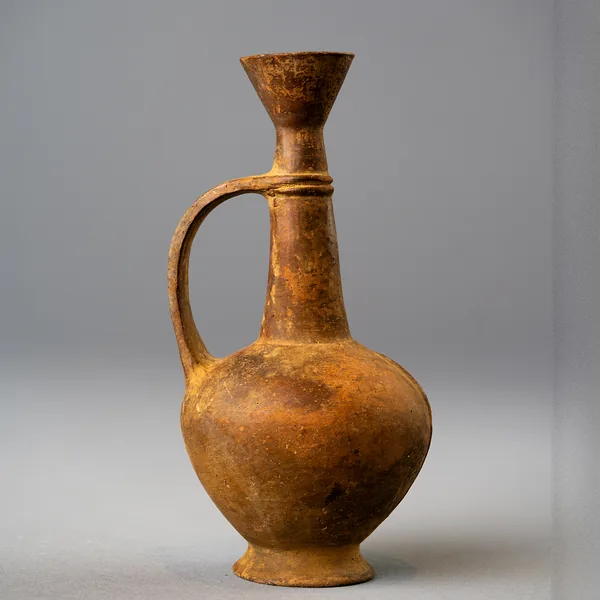
Base Ring Bilbil Juglet with Funnel Mouth and Neck Ridge
Late Cypriot (Late Bronze Age)
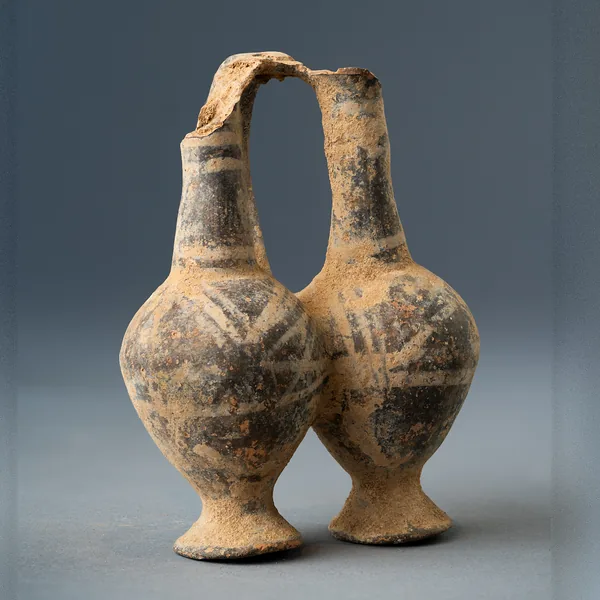
Base Ring II Double Juglet with White-Painted Decoration
Late Cypriot (Late Bronze Age)
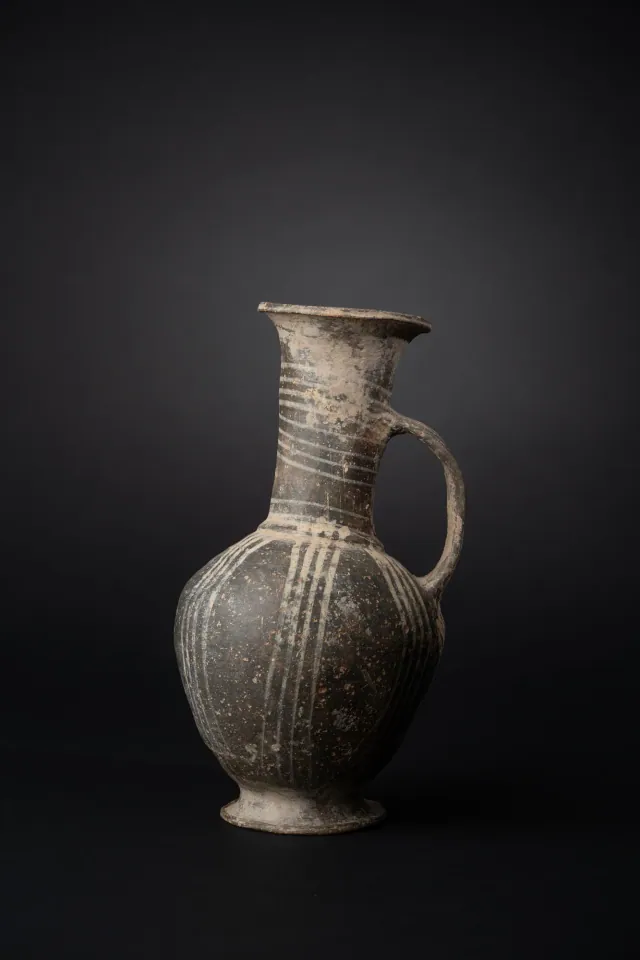
Base Ring II Jug with White-Painted Lattice Bands
Late Cypriot (Late Bronze Age)
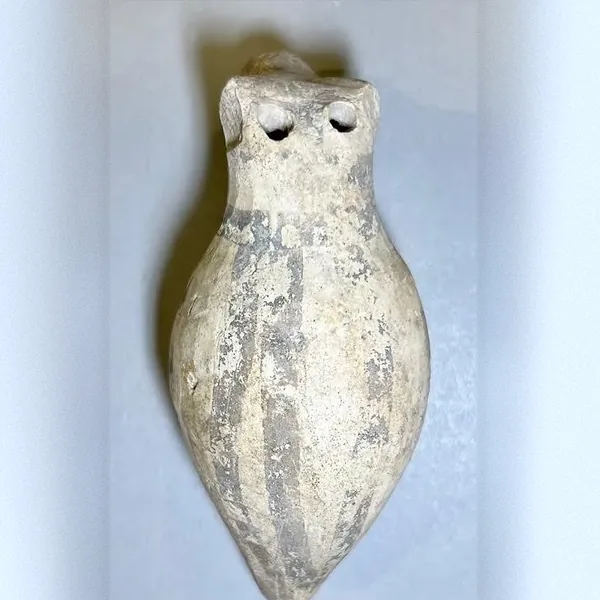
White Painted VI Owl-Headed Rattle
Late Cypriot (Late Bronze Age)
Found at the places discussed
Objects in our catalogue, in museum collections, recorded as found at these sites.
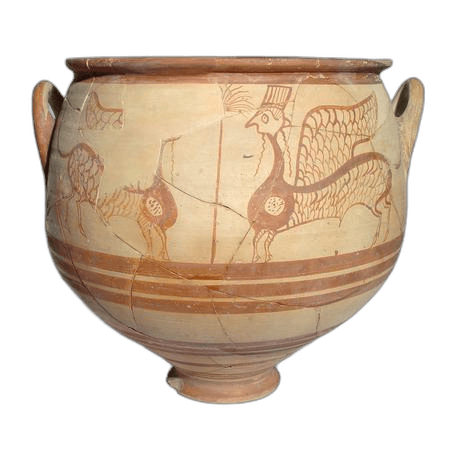
Background
Where to read more on this site before or after watching.
The site
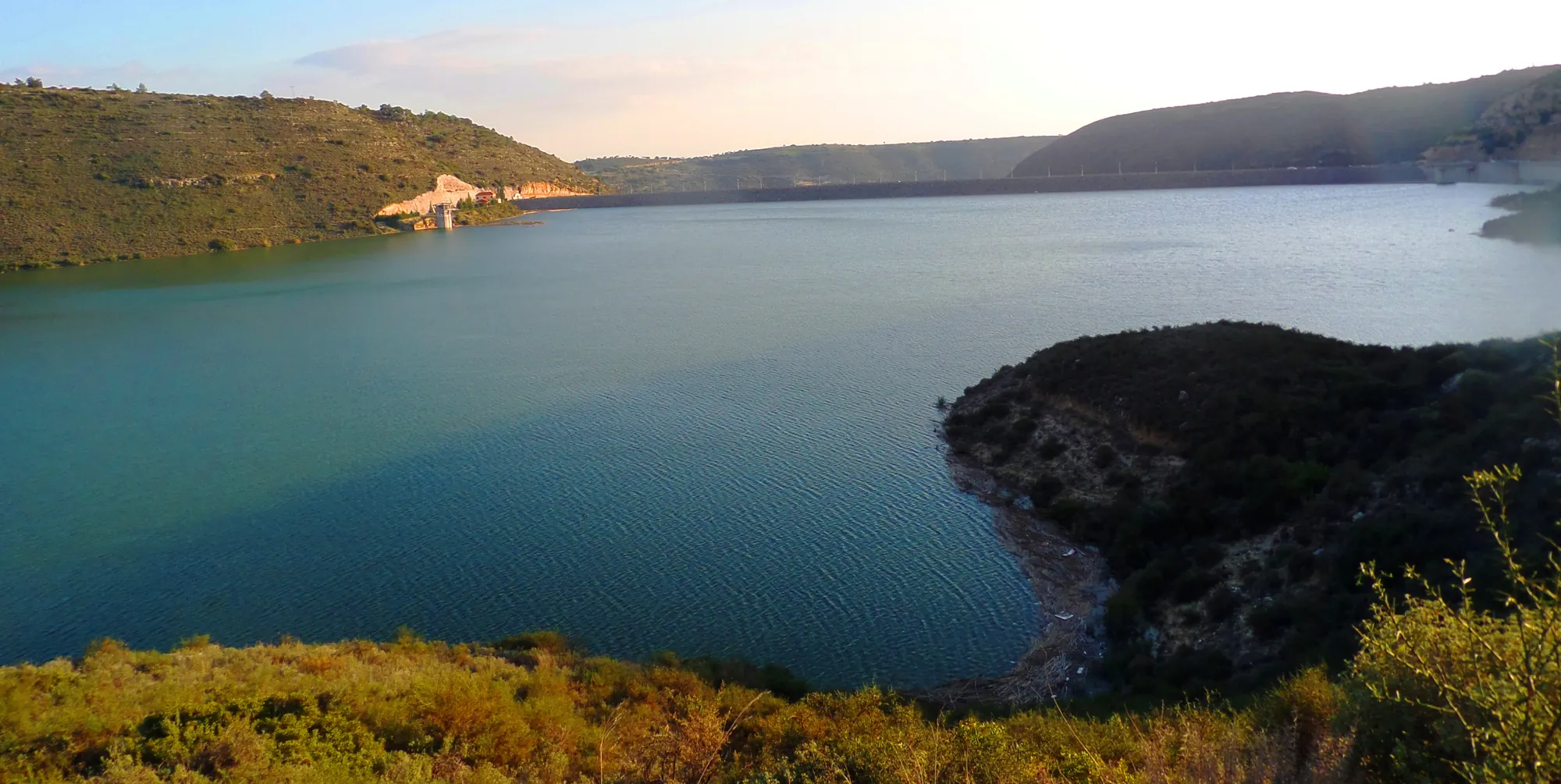
Alassa
A Late Bronze Age town in the Kouris valley, found in 1983 during survey ahead of the Kouris dam and excavated by Sophocles Hadjisavvas for the Department of Antiquities from 1984 to 2000. Its upper quarter at Paliotaverna has the largest ashlar building of the period on Cyprus; houses and tombs lie downslope at Pano Mandilaris.
In the compendium
Ashlar Masonry
Squared, dressed stone used on Cyprus from about 1500 BC for gateways, tombs and the largest buildings of the Late Bronze Age towns, set below walls of mudbrick.
In the compendium
Late Bronze Age Towns and Buildings
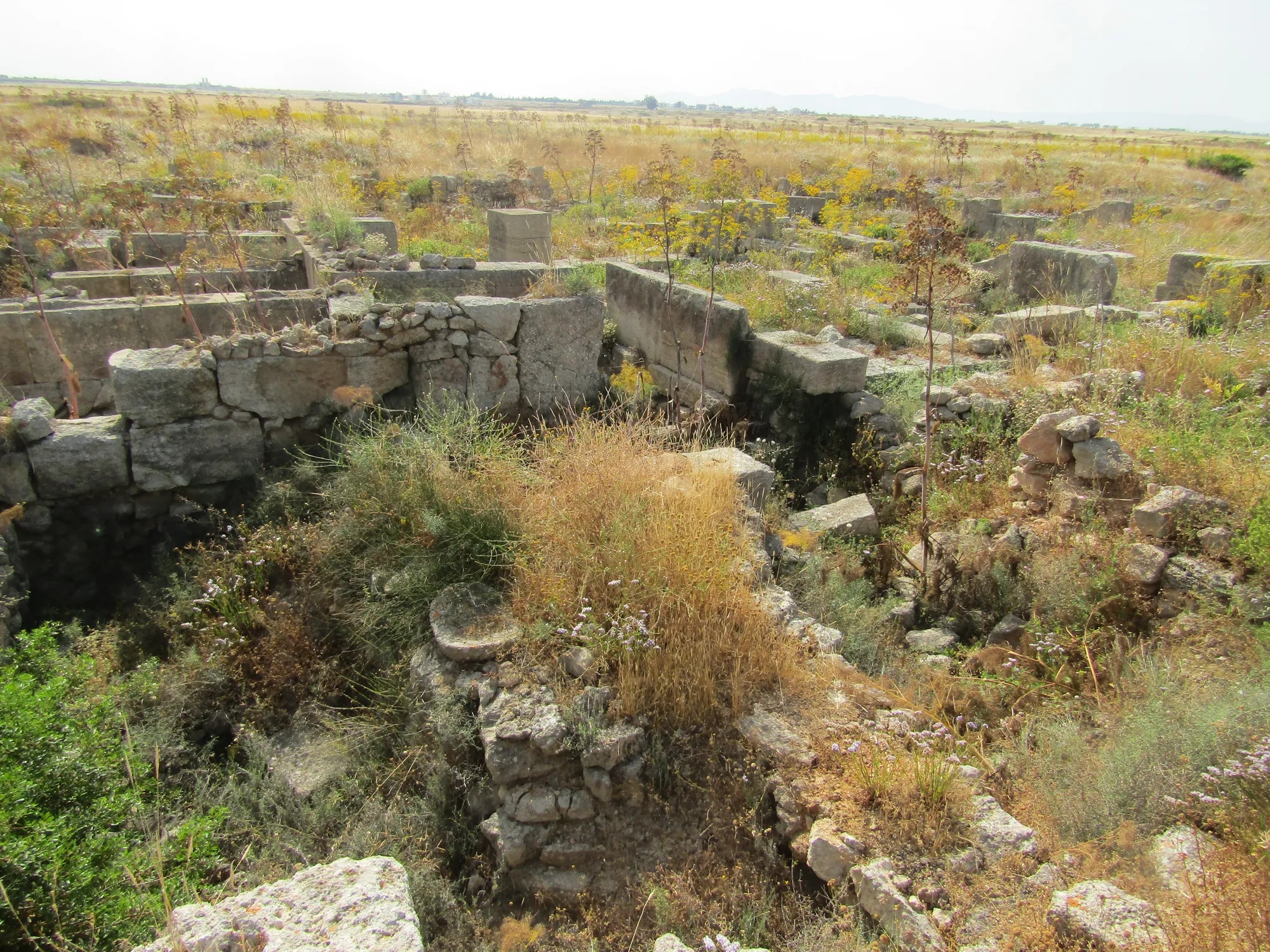
How Late Bronze Age Cyprus built its first towns: street grids, large ashlar buildings with storage halls, courtyard houses, and the short-lived settlements of the twelfth century.
In the compendium
Food Storage in Ancient Cyprus: Pits, Pithoi and Storerooms
How Cypriots stored grain, oil and wine, from Chalcolithic pits and household jars to the great pithos halls of the Late Bronze Age towns.
Map of Cyprus
Places discussed in the talk
- Has a page on this site
- Other places
- Ground above 200, 500, 1,000 m
Places
- 1Alassa
- 2Enkomi
- 3Kalavasos-Ayios Dhimitrios
- 4Kition
- 5Episkopi-Bamboula
- 6Amathus