
Lecture·Archaeological Research Unit - University of Cyprus·2023
Monumentality, Placemaking and Social Interaction on Late Bronze Age Cyprus
Chapters
About the lecture
Kevin Fisher of the University of British Columbia examines the first large-scale monumental buildings erected on Cyprus during the Late Bronze Age, drawing on his 2023 book on monumentality, placemaking and social interaction and on fieldwork by the Kalavasos and Maroni Built Environments Project. Opening with the design and reception of Apple's corporate headquarters in California as a modern parallel for how built space directs behaviour and provokes unintended responses, Fisher outlines an integrative method for reading poorly preserved ancient foundations. He combines space syntax and justified access graphs with viewshed analysis, environmental psychology and proxemics to distinguish between spaces suited to larger public-inclusive occasions and deeper, less visible spaces meant for private-exclusive interaction.
Fisher applies this method to five Late Cypriot complexes: the Fortress Complex and the Ashlar Building at Enkomi, excavated by Porphyrios Dikaios between 1948 and 1958, alongside Building X at Kalavasos-Ayios Dhimitrios, the Ashlar Building at Maroni-Vournes and Building II at Alassa-Paliotaverna. Whatever economic or administrative roles these structures held, Fisher argues that a primary purpose was to host ceremonial feasting and cultic rituals through which elites negotiated status and community bonds. At Enkomi's Level IIIA Ashlar Building, he contrasts the central hearth room (Room 14), built with drafted orthostats on a plinth and entered through an elaborate vestibule, with two simpler rubble-built hearth rooms that allowed hosts to filter guests by rank. Ceramic and faunal assemblages, such as Mycenaean vessels around Room 14, stacked bowls in the Sanctuary of the Horned God, and the Room 173 feasting deposit at Kalavasos-Ayios Dhimitrios, corroborate these dining and ritual activities.
The second half of the lecture considers the materiality and labour of construction, focusing on ashlar masonry as well as rubble stone, mudbrick and plaster. Fisher discusses calcareous sandstone quarrying in the Pakhna formation near Tochni, laser scanning of tool marks on orthostats from the Pithos Hall at Kalavasos-Ayios Dhimitrios, and the retention of rough central panels and lifting bosses as visible markers of the building process. He also presents recent excavations in Building XVI at Kalavasos-Ayios Dhimitrios, an official-style rubble structure without ashlar walls where an open-air room (Room 2) yielded a carved gypsum block, deer antlers, a pierced triton shell, wall brackets and slag, while the central court (Room 1) preserved eleven superimposed pyrogenic lime plaster floors around an octagonal ashlar basin. He closes by tracing the afterlife of Late Bronze Age monuments, from the remodelling of Enkomi's Ashlar Building to the reuse of drafted Bronze Age blocks in the Archaic and Classical palace at Palaepaphos Hadjiabdullah and late Roman stone-robbing.
From our collection
Pieces in the Drakopoulos collection of the kinds and periods this talk covers: Mycenaean pottery, Cypro-Geometric, Cypro-Archaic.
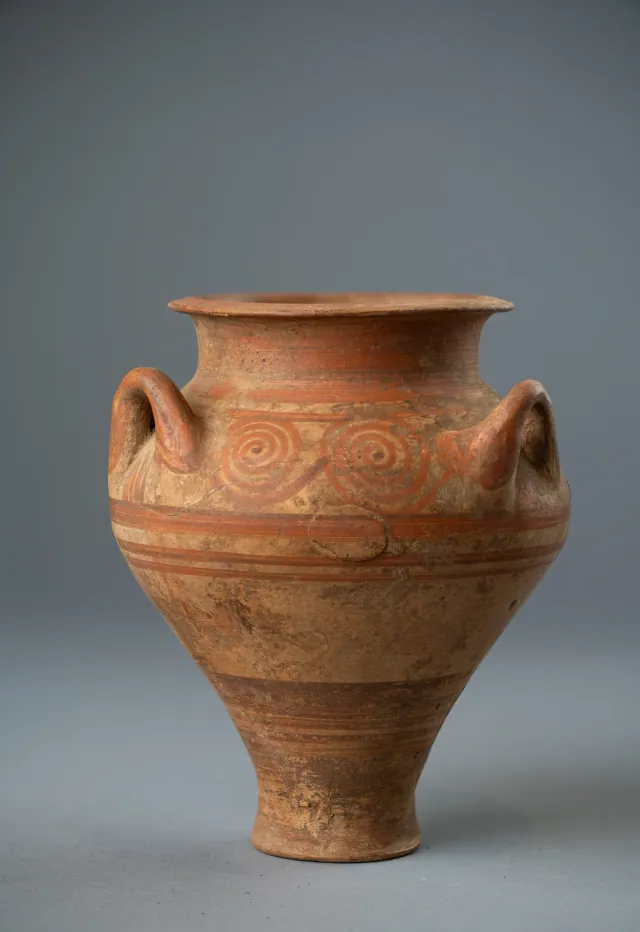
Cypriot Three-Handled Jar in the Mycenaean Style with Running Spirals
Mycenaean pottery
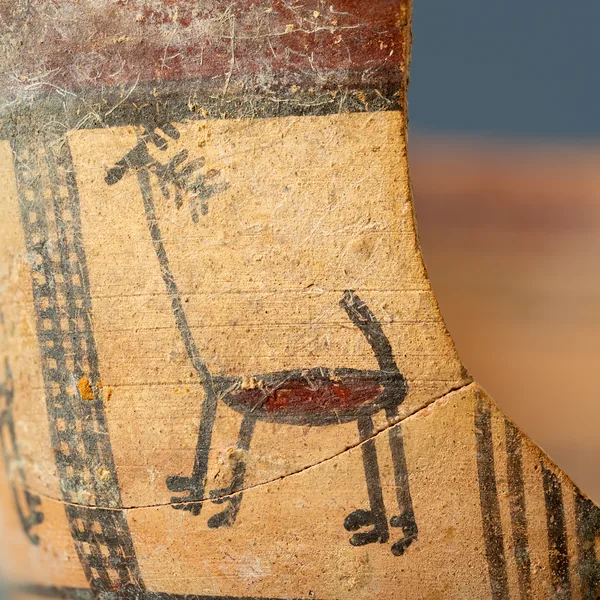
Bichrome Skyphos with Stags in Metopes
Cypro-Archaic
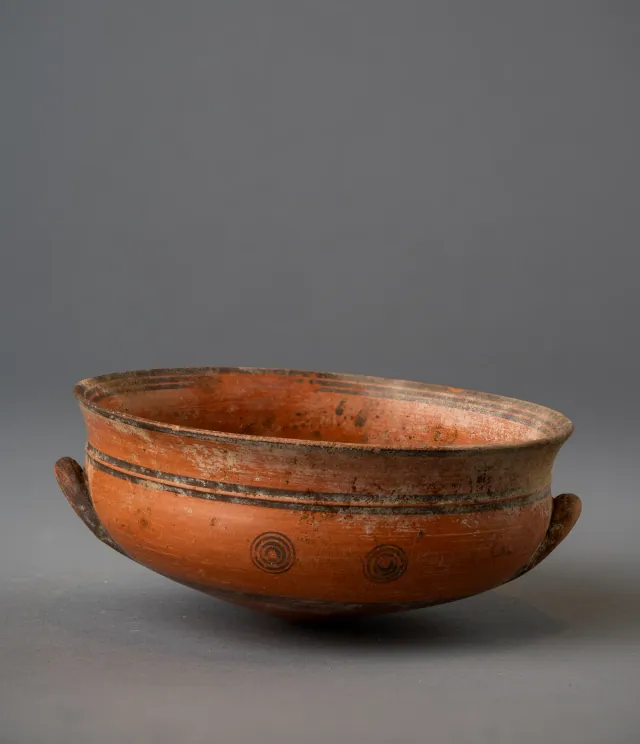
Black-on-Red Two-Handled Bowl with Raised Flaring Rim
Cypro-Archaic
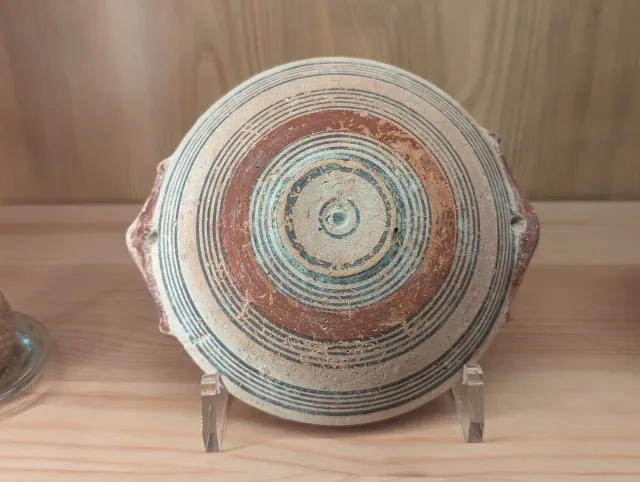
Bichrome IV Bowl with Red-Painted Pierced Lug Handles
Cypro-Archaic
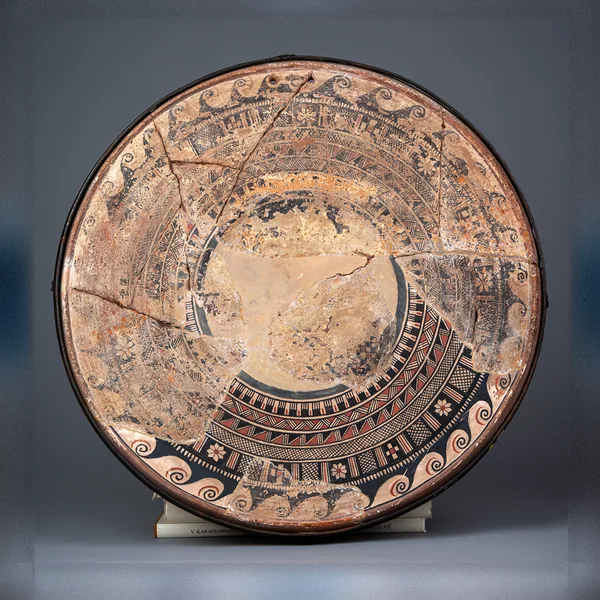
Large Bichrome Plate from Salamis with a Wave Band and Rosette Metopes
Cypro-Archaic
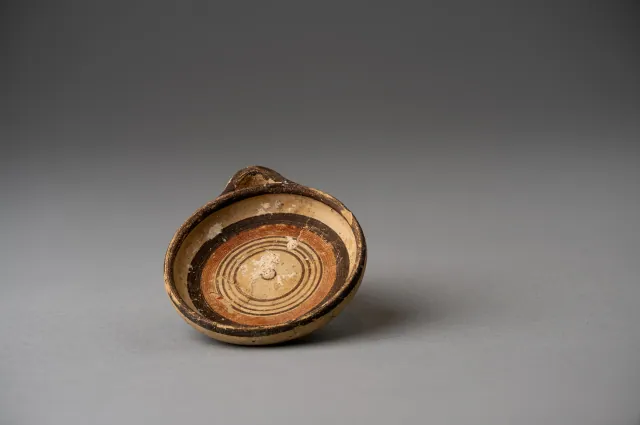
Miniature Bichrome Plate with Concentric Circles
Cypro-Archaic
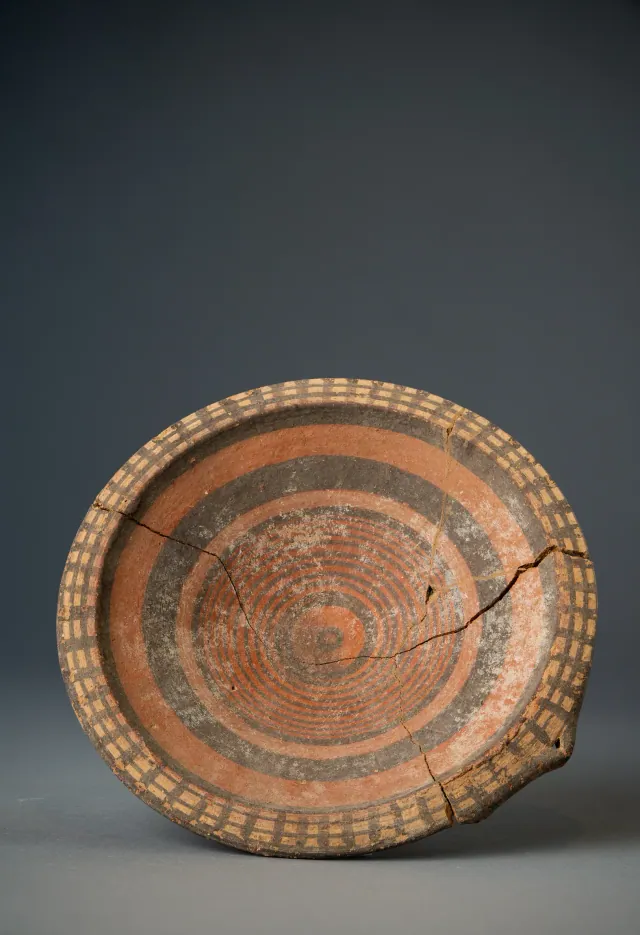
Black-on-Red Plate with Barred Rim and Concentric Circles
Cypro-Archaic
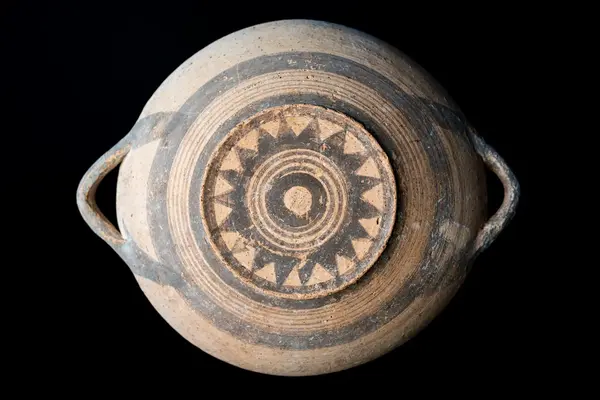
White Painted Plate with a Sawtooth Star on the Underside
Cypro-Geometric
Found at the places discussed
Objects in our catalogue, in museum collections, recorded as found at these sites.
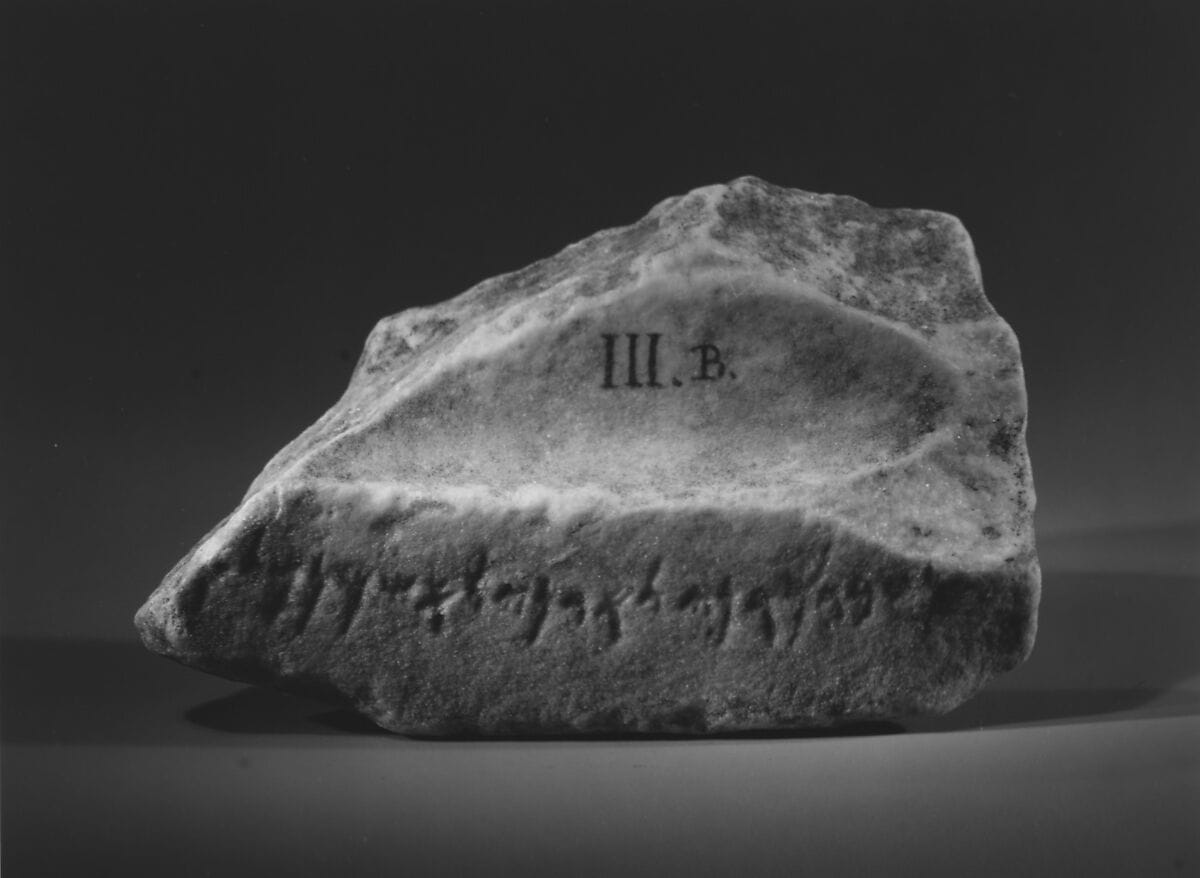


Background
Where to read more on this site before or after watching.
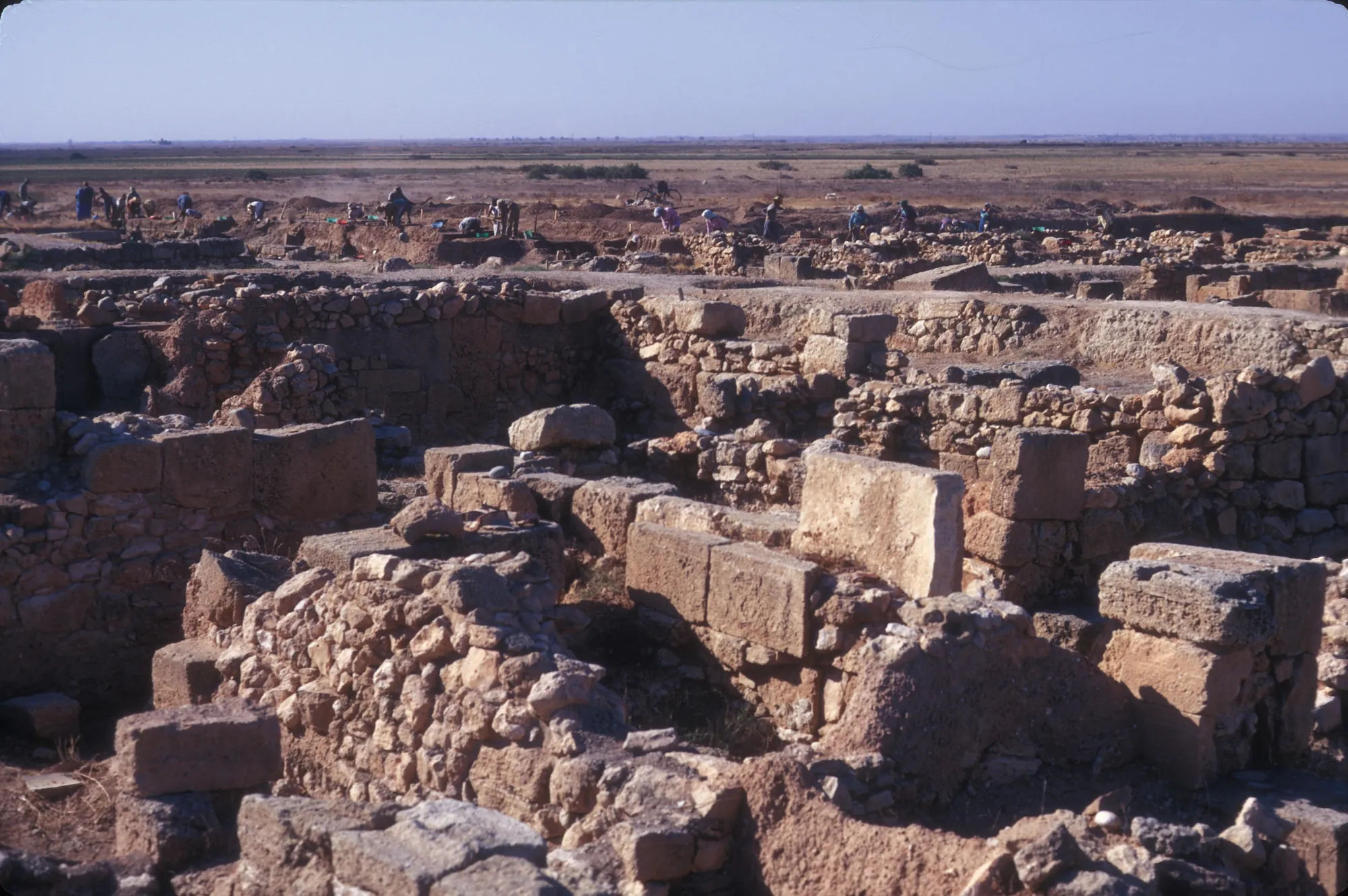
The site
Enkomi
Enkomi is a walled Late Bronze Age town near the mouth of the Pedieos river on the bay of Famagusta, lived in from about 1650 BC until it was gradually abandoned for nearby Salamis. It was a port for Cypriot copper, and its excavations produced metal workshops, sanctuaries with bronze cult statues, rich tombs and the largest group of Cypro-Minoan inscriptions on the island.
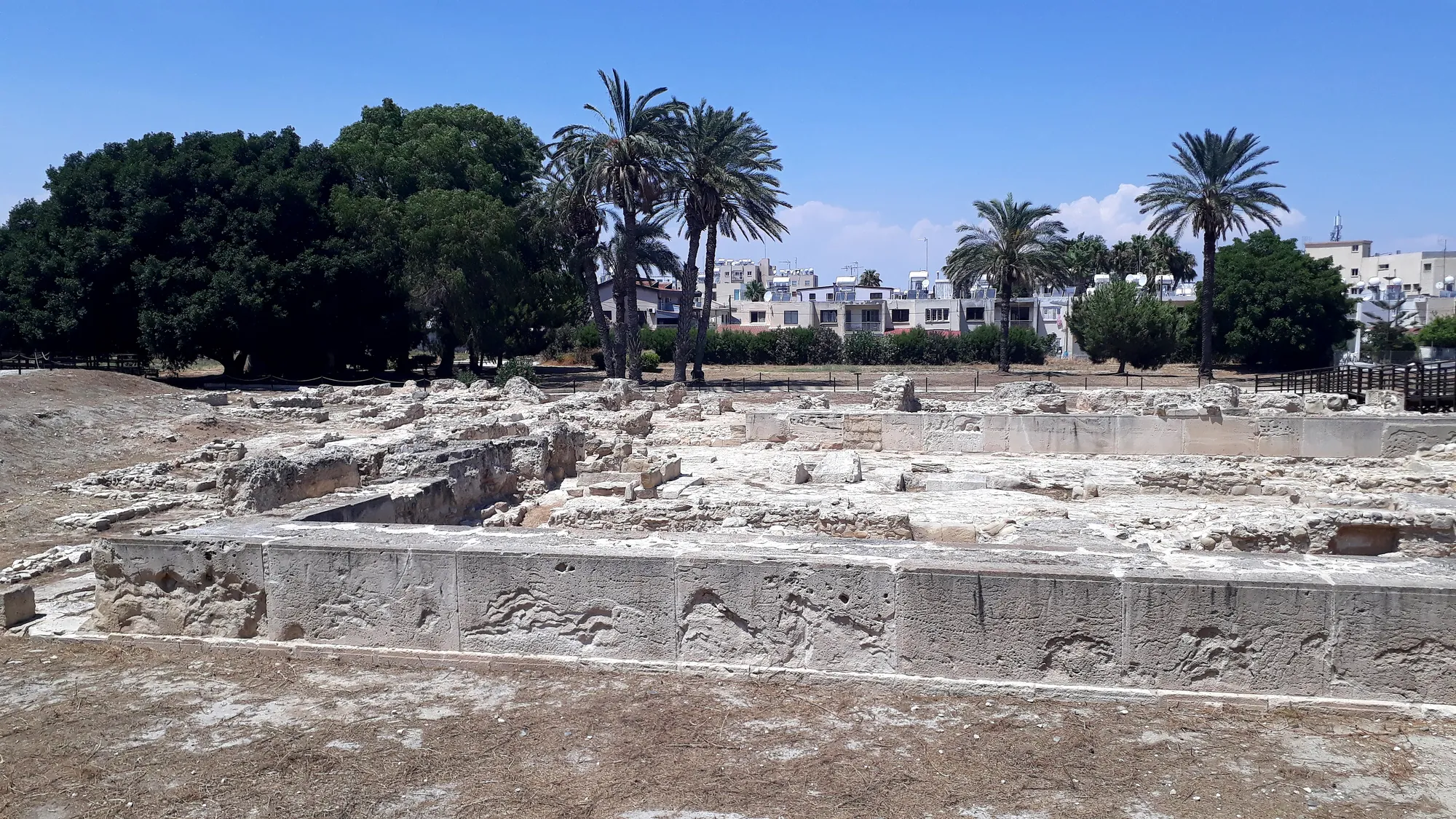
In the compendium
Ashlar Masonry
Squared, dressed stone used on Cyprus from about 1500 BC for gateways, tombs and the largest buildings of the Late Bronze Age towns, set below walls of mudbrick.
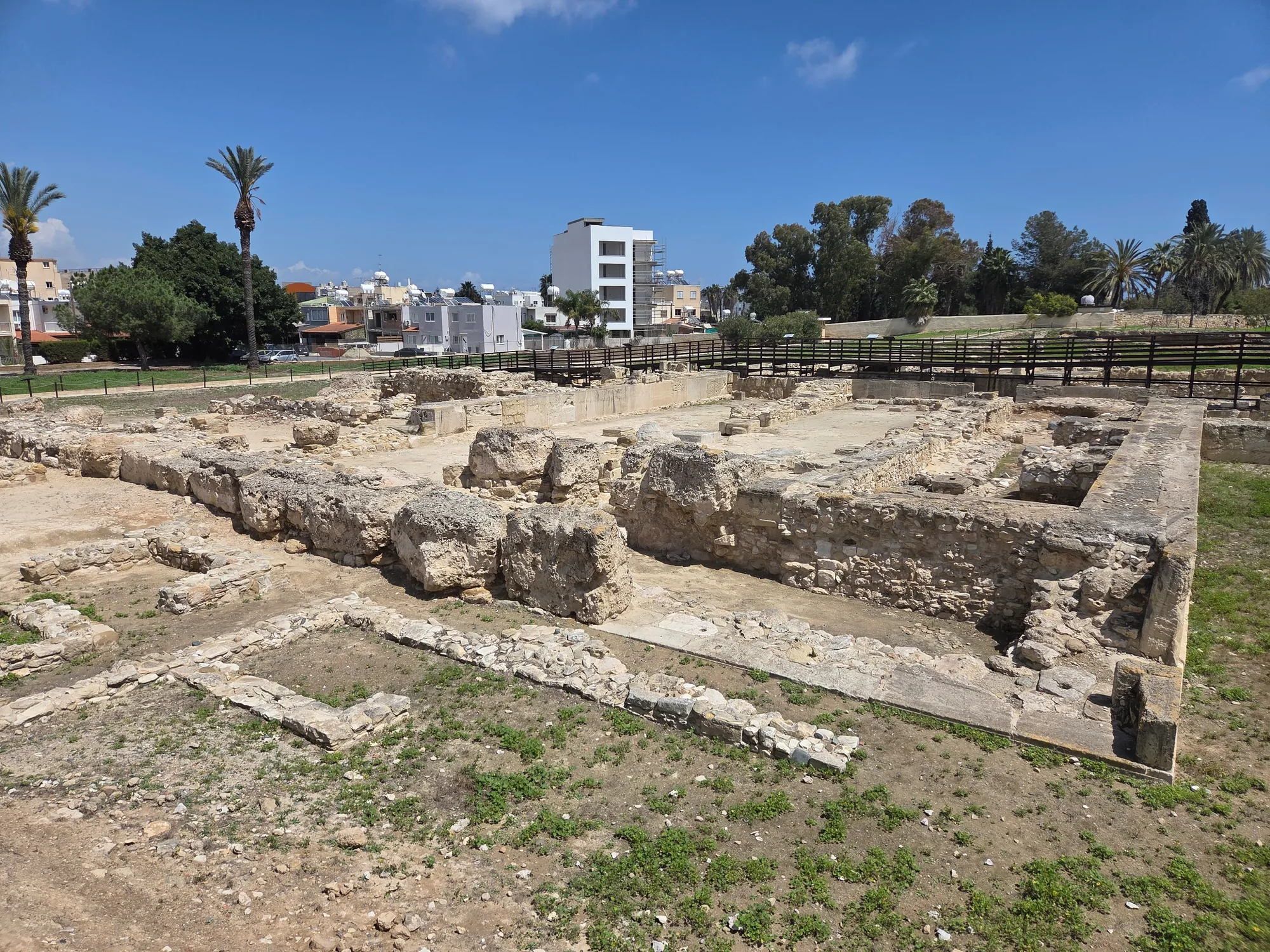
In the compendium
Bronze Age Sanctuaries and Temples
Cypriot cult buildings of the Bronze Age, from the clay sanctuary model of Vounous to the walled courts, altars and inner rooms of the Late Cypriot temples.
In the compendium
Building Materials and Techniques
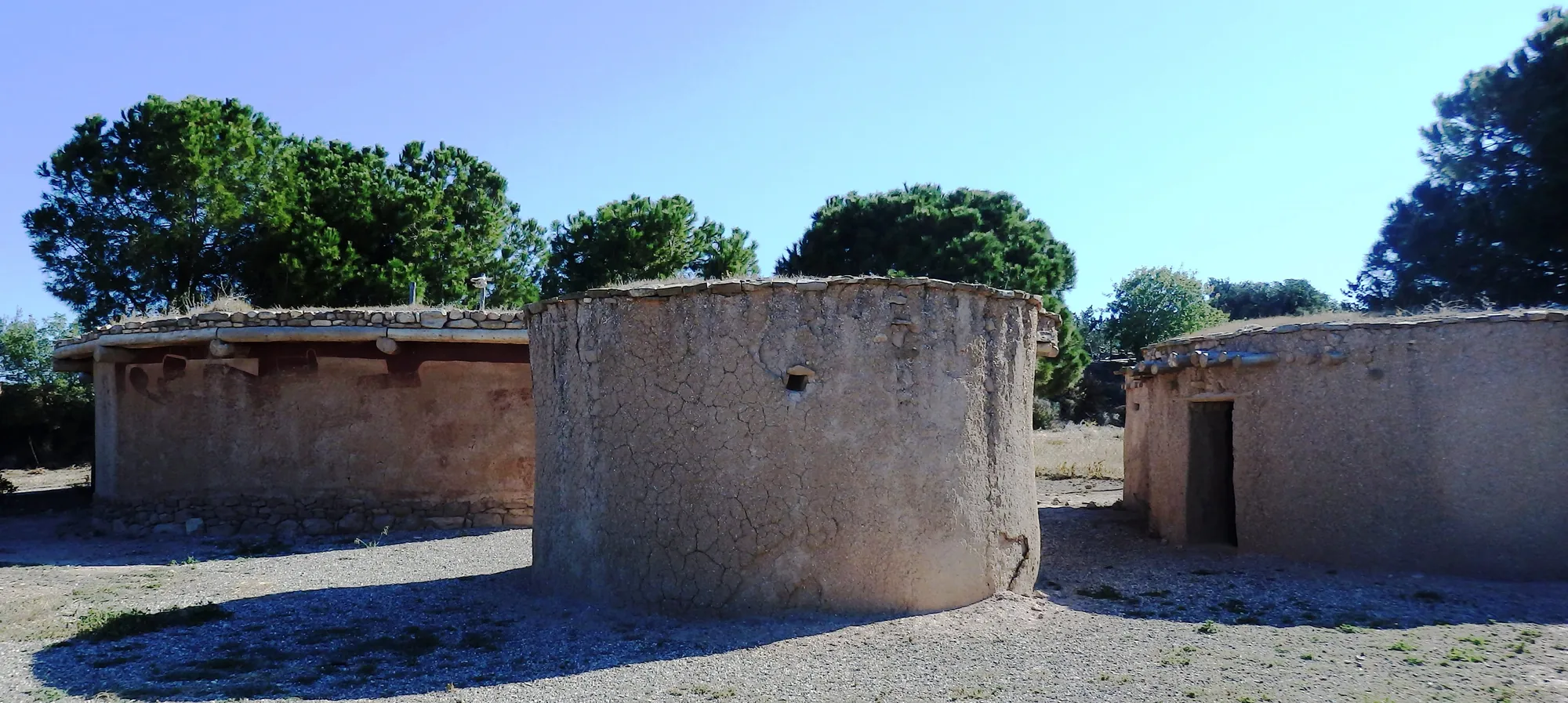
Cypriot houses were built of local stone, earth and timber: walls of rubble or mudbrick on stone socles, under flat roofs of beams, brush and packed earth.
Map of Cyprus
Places discussed in the talk
- Has a page on this site
- Other places
- Ground above 200, 500, 1,000 m
Places
- 1Enkomi
- 2Kalavasos-Ayios Dhimitrios
- 3Maroni-Vournes (approx.)
- 4Alassa-Paliotaverna (approx.)
- 5Kition
- 6Maa-Palaeokastro
- 7Palaepaphos
- 8Tochni (approx.)