
Lecture·Archaeological Research Unit - University of Cyprus·2021
Hellenistic and Roman Funerary Wall Painting in Cyprus
Chapters
About the lecture
Demetrios Michaelides, Professor Emeritus at the University of Cyprus, examines the funerary wall paintings of Hellenistic and Roman Paphos. Up to the late 1970s, the main known painted tombs in Cyprus were the 6th-century BC Tomb 60 at Salamis, excavated by Vassos Karageorghis, and two Hellenistic tombs at the locality Ammi in Paphos cleared by Kyriakos Nicolaou. Rapid urban and tourist development in Paphos after the Turkish invasion of 1974 led to rescue excavations by Sophocles Hadjisavvas, Michaelides, and Stathis Raptou, bringing the number of known painted tombs in the town to about thirty. Because they lie beneath modern buildings and have been repeatedly reused and looted, these monuments remain inaccessible, difficult to date, and vulnerable to deterioration.
Michaelides outlines the repertoire of the paintings, which are simpler in execution than domestic wall paintings from sites such as the House of Aion or the House of Orpheus. Hellenistic tombs show strong links with Alexandria, featuring painted false doors, foreshortened plaster architecture, and imitation alabaster. In the Roman period, from the late 2nd to the 4th century AD, the repertoire widens. One collapsed built tomb preserves the lower parts of personifications of the Four Seasons on its pendentives, while other tombs depict deceased women accompanied by Greek farewell inscriptions, female masks among foliage, garlands, pomegranates, partridges and peacocks, and toilet objects such as mirrors, strigils, pyxides, and unguentaria that match the grave goods placed with the dead.
The second half of the talk presents collaborative re-examinations of two tombs carried out with Anne-Marie Guimier-Sorbets, Giovanni Verri, and Alain Guimier using photo-induced luminescence imaging for Egyptian blue and LAB colour space analysis. At Hellenistic Tomb I at Ammi, these methods and close inspection revealed preparatory incisions, iron nails for hanging real garlands, traces of a false door on the back wall, and new details of the ceiling painted as a textile baldachin with Macedonian stars, serrated kilim-like bands, precious stones set in gold, and golden lion-griffins flanking flowers. In a mid-2nd-century AD domed Roman tomb excavated by Hadjisavvas in 1981, architectural study of a chamfered block clarified the construction of the dome, while imaging of the sarcophagus front revealed a dog, a suspended casket, confronted peacocks flanking a vase, a Roman chair (solium), and a small bird, which Michaelides interprets as the memorial of an unmarried young woman.
In the question-and-answer session, Michaelides discusses pigment analyses by Ioanna Kakoulli and Vasiliki Lysandrou, the scarcity of identifiable Christian burials in early Paphos beyond incised or painted crosses in reused tombs such as the Tombs of the Kings, and the identification of painted plants and fruits.
From our collection
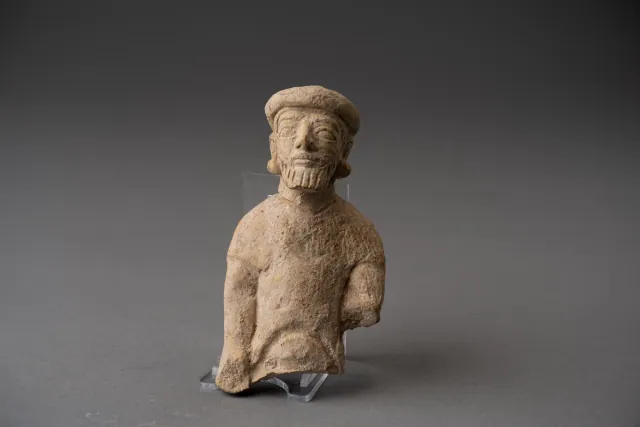
Pieces in the Drakopoulos collection of the kinds and periods this talk covers: Hellenistic.
The Drakopoulos collection →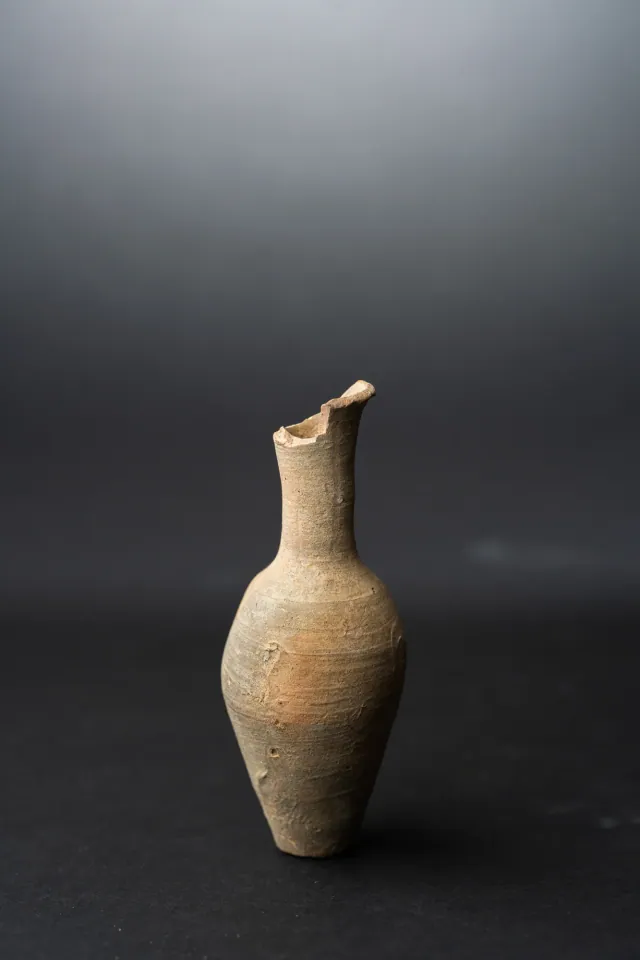
Background
Where to read more on this site before or after watching.
In the compendium
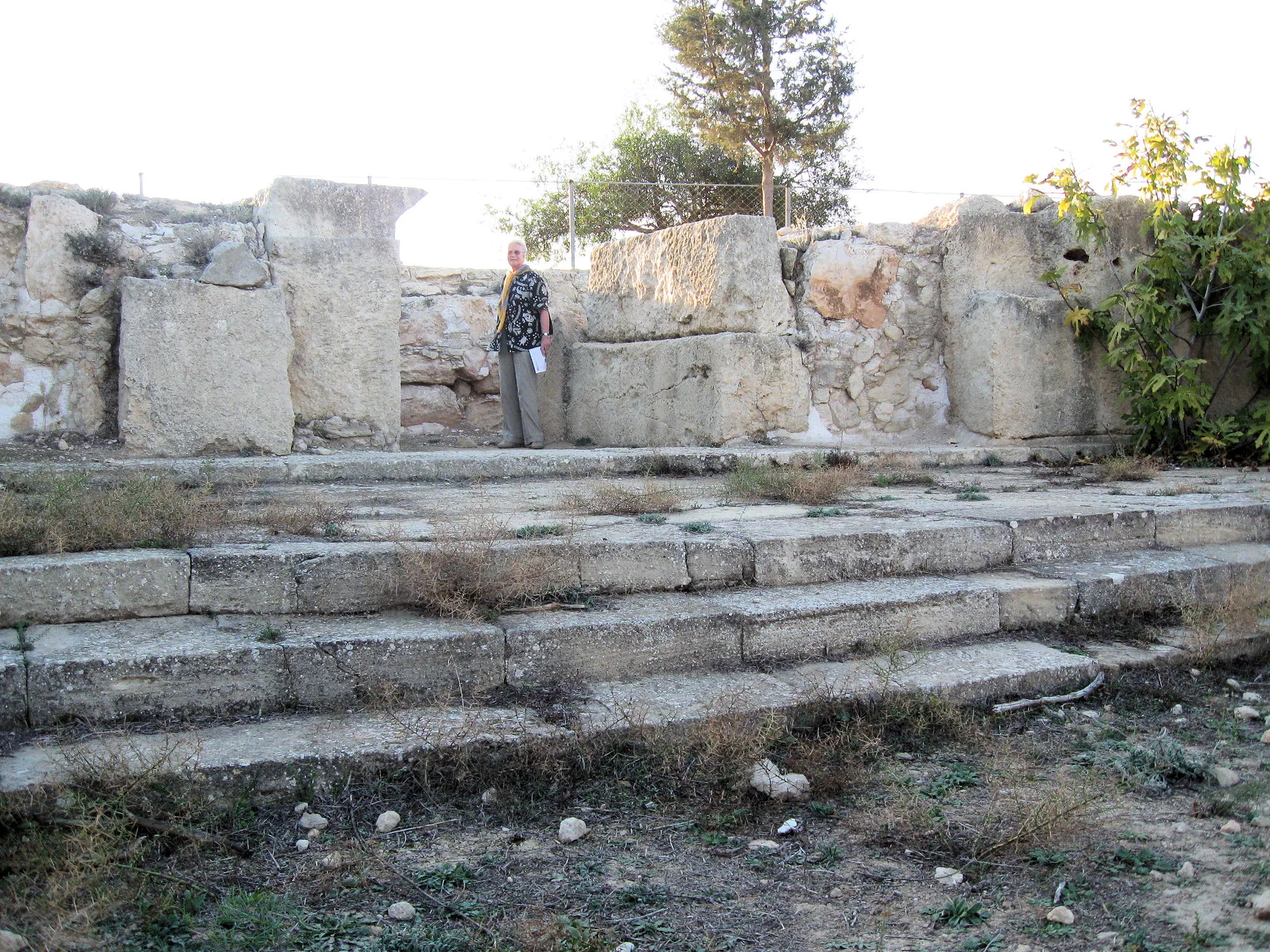
Royal and Built Tombs
Tombs built of cut stone in Cyprus, from the ashlar tombs under Late Bronze Age houses at Enkomi to the royal tombs of Salamis and Tamassos and the rock-cut courts of Nea Paphos.
In the compendium
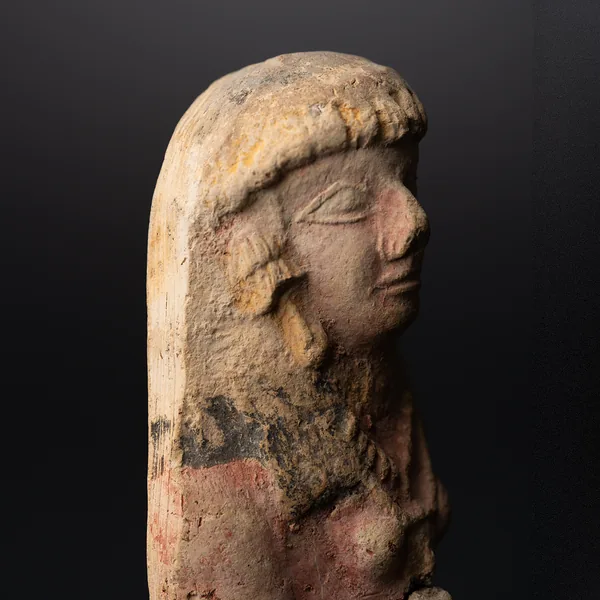
Egypt
Ancient Egypt, Cyprus's partner in copper, pottery and prestige goods from the Middle Kingdom to the Ptolemies, who annexed the island.
In the compendium
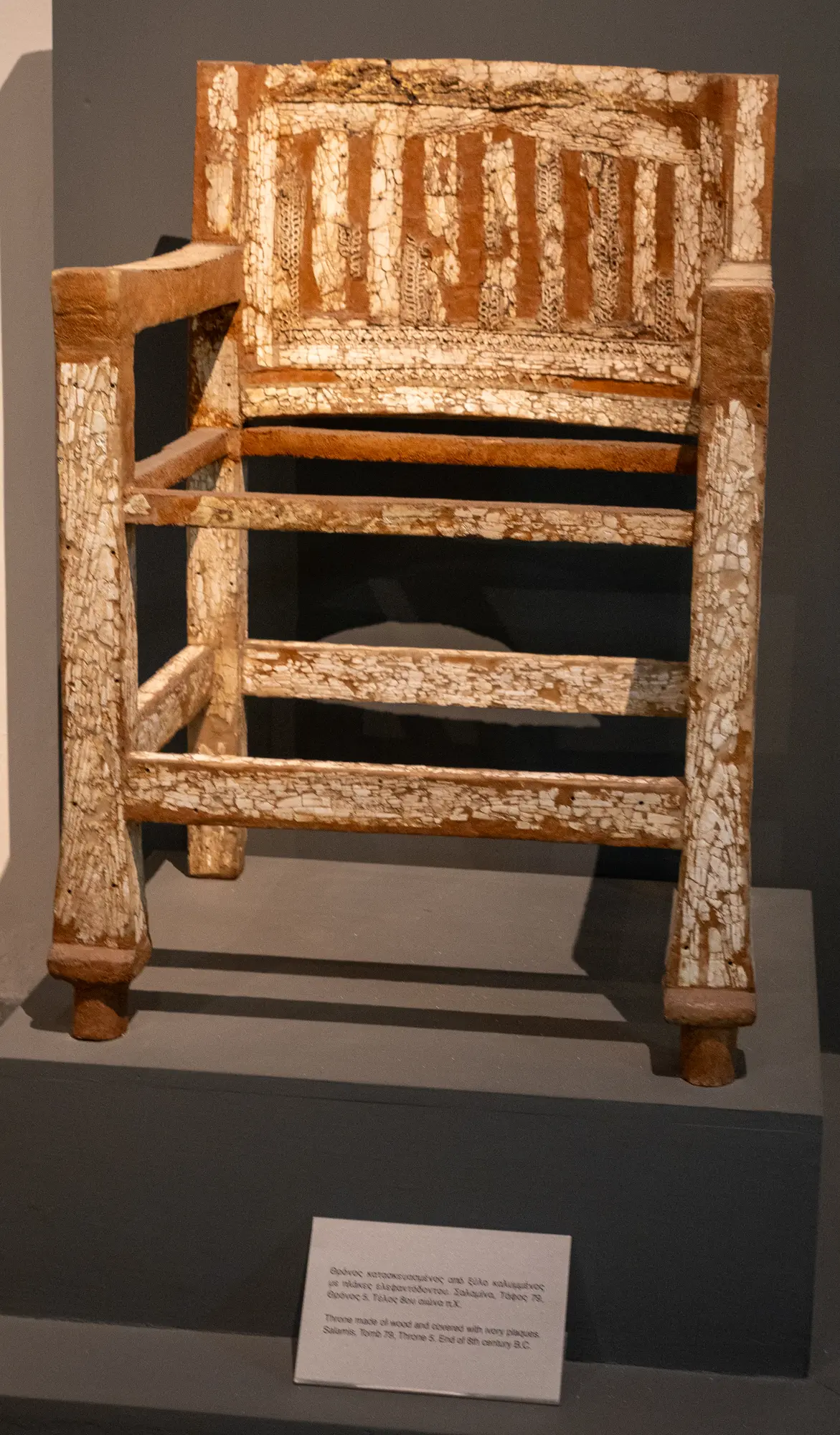
Furniture in Ancient Cyprus
How Cypriots sat, slept and stored goods from the Neolithic to the Archaic kingdoms, known almost entirely from built benches, clay models, seals and royal tombs.
The period
Hellenistic
The Ptolemaic period in Cyprus, c. 310–31 BCE, when the city-kingdoms were abolished and the island was governed as one province from Nea Paphos.