
Lecture·Archaeological Research Unit - University of Cyprus·2022
The Archaeology and Urban Topography of Classical Kition
Classical Kition
Chapters
About the lecture
Sabine Fourrier presents the results of the French archaeological mission at Kition, alongside rescue excavations by the Department of Antiquities, to reconstruct the urban topography of the city during the Cypro-Classical period. While the fifth and fourth centuries BC are well documented through inscriptions and coins, Fourrier notes that the archaeological record for Cypriot capital cities of this era, such as Salamis, remains uneven. At Kition, coinages bearing the Herakles-Melqart type and Phoenician inscriptions attest to a stable royal dynasty from Baalmilk I to Pumiathon, who expanded the kingdom by annexing Idalion in the mid-fifth century and Tamassos in the mid-fourth century.
Moving from the periphery of the ancient city under modern Larnaca toward its centre, the lecture first examines the cemeteries. While necropoleis such as Mnimata, Pervolia, and Tourapi continued in use from earlier periods without a regular plan, the fourth-century cemetery at Ayios Prodromos was laid out all at once with aligned tombs. In the same period, the royal built tombs shifted northward from their Cypro-Archaic locations at Faneromeni and the Lefkaritis tomb to the Sotiros area immediately southwest of the urban plateau.
Fourrier then addresses the problem of Kition's Classical fortifications. Although historical accounts of Cimon's siege in 449 BC confirm that the Classical city was walled, no excavated rampart dates to this period. The Late Bronze Age wall at Kathari excavated by Vassos Karageorghis was abandoned in the Early Iron Age, the Archaic sandstone tower at Bamboula was cut through by a fourth-century sewage collector, and a 2019 test trench at the Mound in Faneromeni revealed a wall built of reused gypsum over coins of the Alexander type, which Fourrier attributes to Demetrios Poliorketes in the early Hellenistic period.
After reviewing suburban sanctuaries around the Salt Lake and the Classical phases of the Kathari temple, the talk focuses on the complete remodelling of Bamboula in the fourth century BC. The Archaic sanctuary was buried beneath a large terrace supporting an open-air altar and the shipsheds of the royal military harbour to the north. Excavations completed in October 2021 after the removal of modern tennis courts established that the building had seven ramps, forty metres long, with wooden roof pillars set on stone bases, built in three phases beginning under King Milkyaton. To the south, the long casemate-like South Building and a recently excavated pit containing forty Phoenician administrative ostraka written in black ink lead Fourrier to suggest that the Bamboula complex, combining naval arsenal, sanctuary, and archive, formed part of the royal palace quarter of Classical Kition.
From our collection
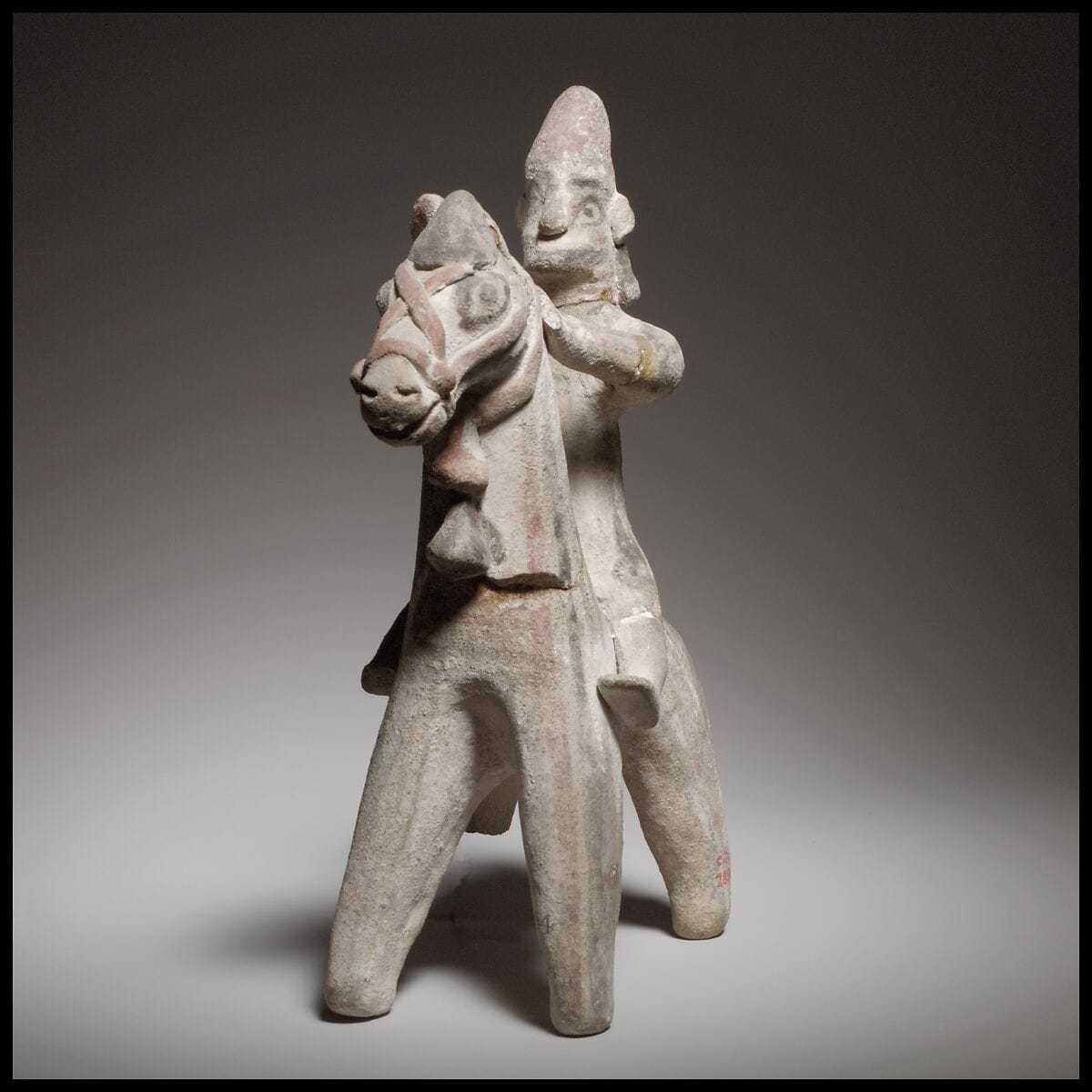
Pieces in the Drakopoulos collection of the kinds and periods this talk covers: Cypro-Geometric, Cypro-Archaic, Hellenistic.
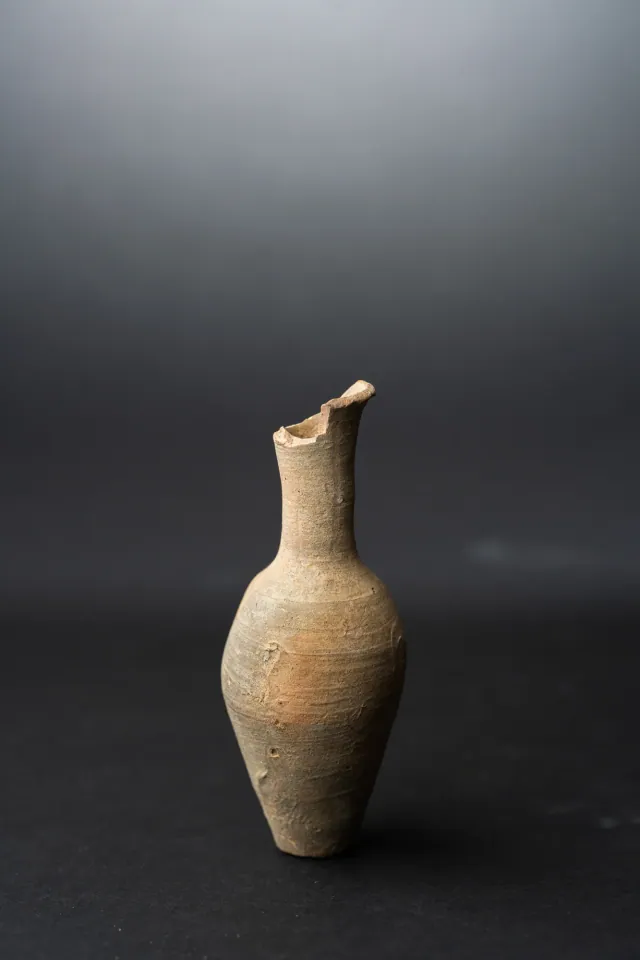
Fusiform Unguentarium
Hellenistic
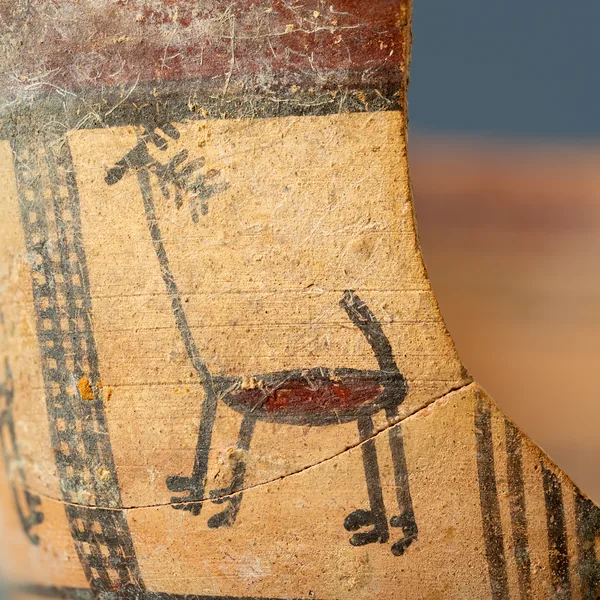
Bichrome Skyphos with Stags in Metopes
Cypro-Archaic
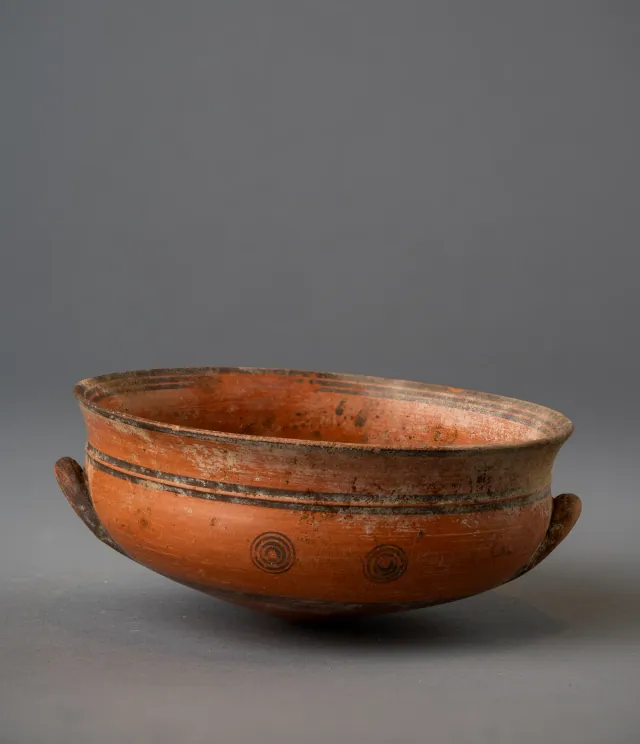
Black-on-Red Two-Handled Bowl with Raised Flaring Rim
Cypro-Archaic
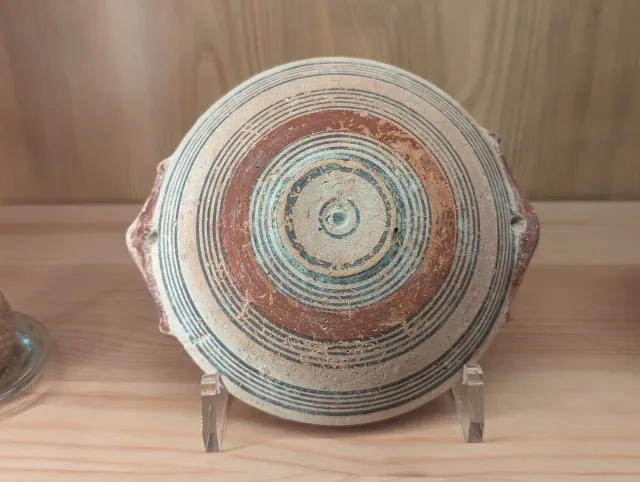
Bichrome IV Bowl with Red-Painted Pierced Lug Handles
Cypro-Archaic
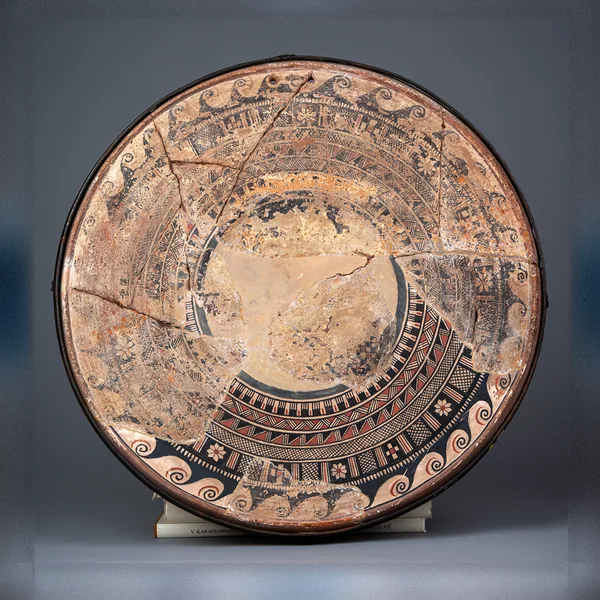
Large Bichrome Plate from Salamis with a Wave Band and Rosette Metopes
Cypro-Archaic
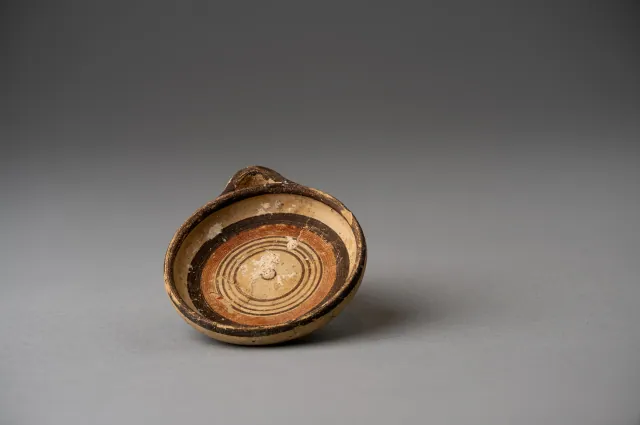
Miniature Bichrome Plate with Concentric Circles
Cypro-Archaic
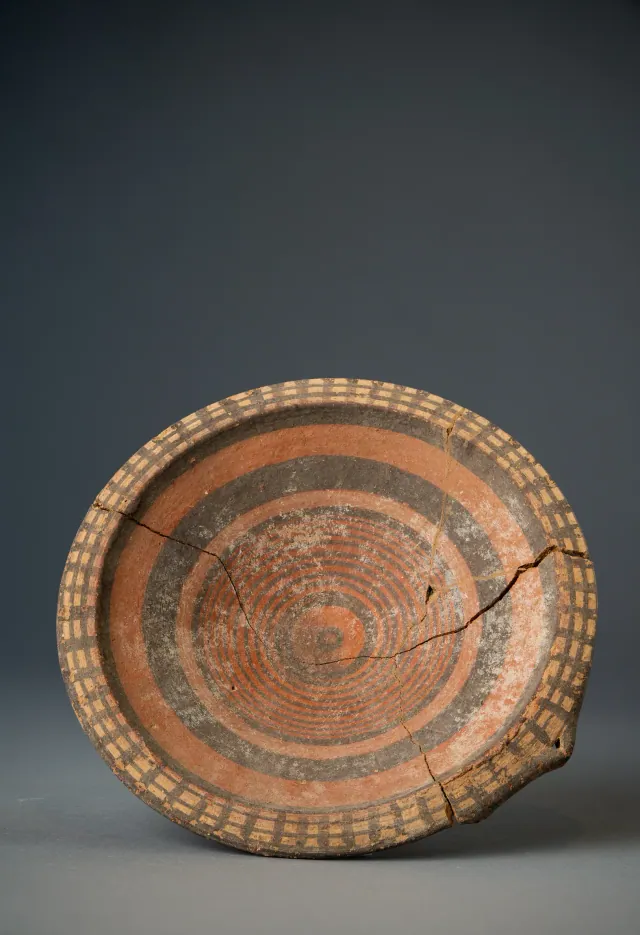
Black-on-Red Plate with Barred Rim and Concentric Circles
Cypro-Archaic
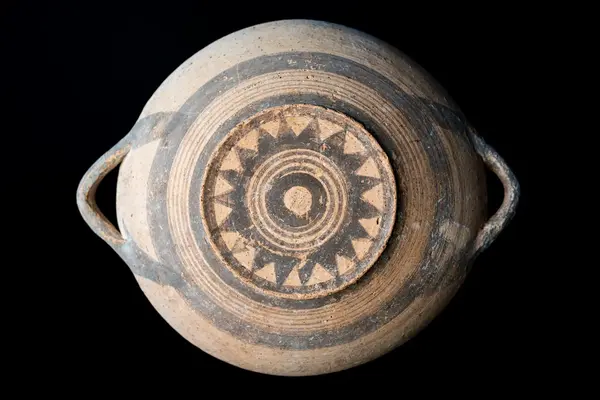
White Painted Plate with a Sawtooth Star on the Underside
Cypro-Geometric
Found at the places discussed
Objects in our catalogue, in museum collections, recorded as found at these sites.


Background
Where to read more on this site before or after watching.
The site
Kition
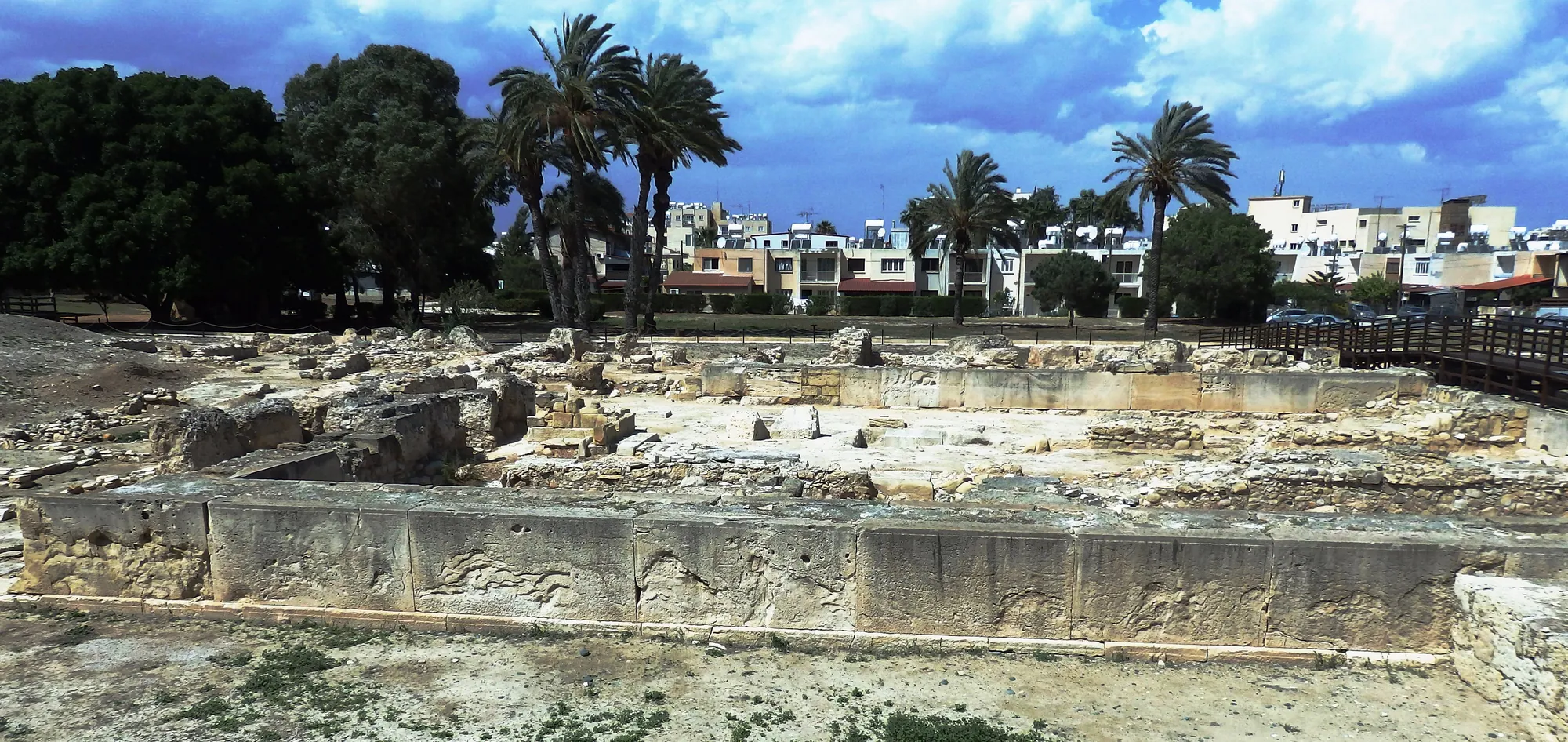
Kition lies under modern Larnaca on the south-east coast. It was founded as a harbour town in the 13th century BC, with temples and copper workshops in its sacred quarter at Kathari. After a long gap the Phoenicians rebuilt the main temple for Astarte, and from the 5th century BC the city was the seat of a Phoenician dynasty with a war harbour of ship sheds at Bamboula. Its last king was put to death by Ptolemy I in 312 BC, but the city lived on into the Roman period and beyond.
In the compendium
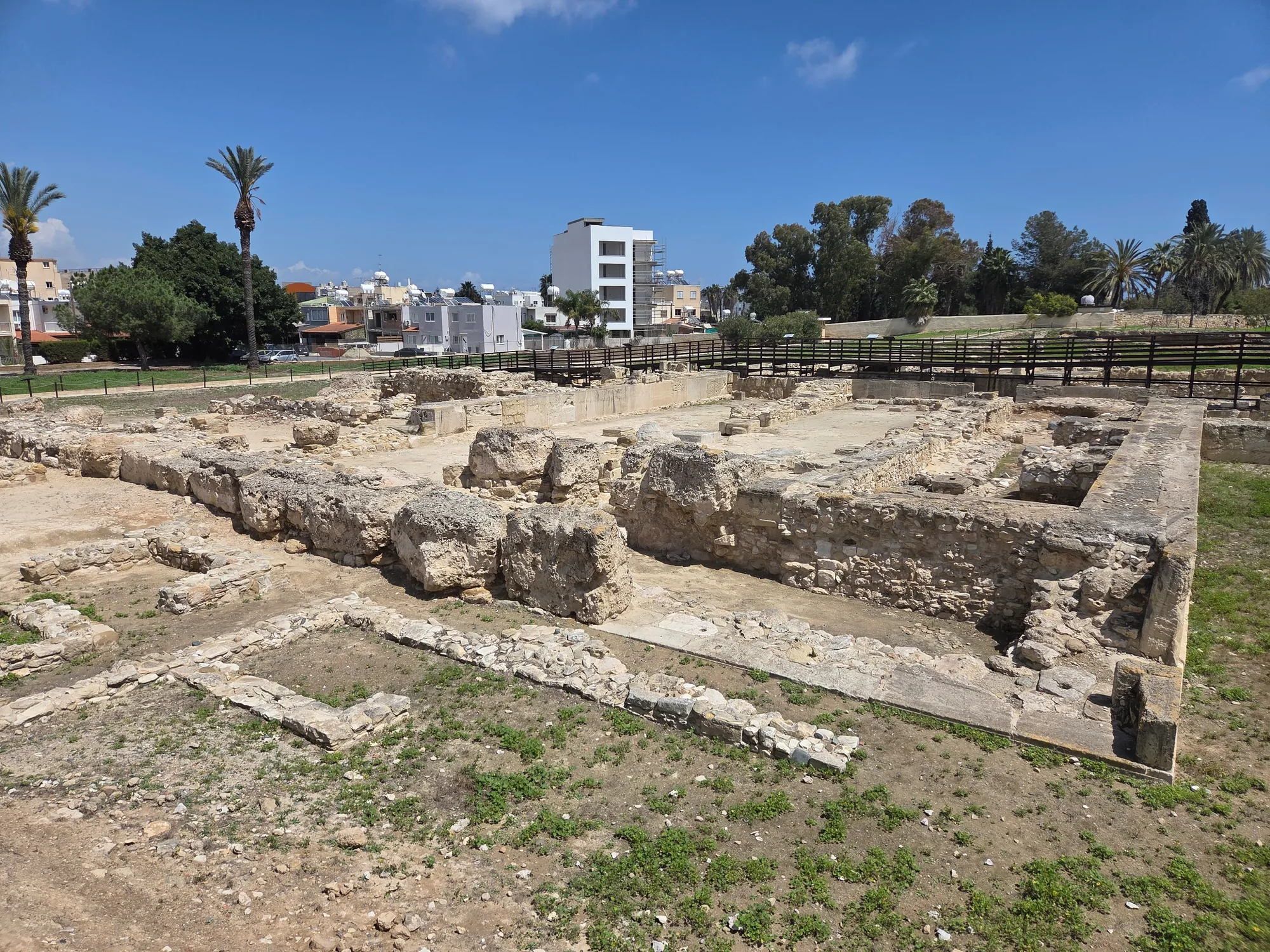
Bronze Age Sanctuaries and Temples
Cypriot cult buildings of the Bronze Age, from the clay sanctuary model of Vounous to the walled courts, altars and inner rooms of the Late Cypriot temples.
In the compendium
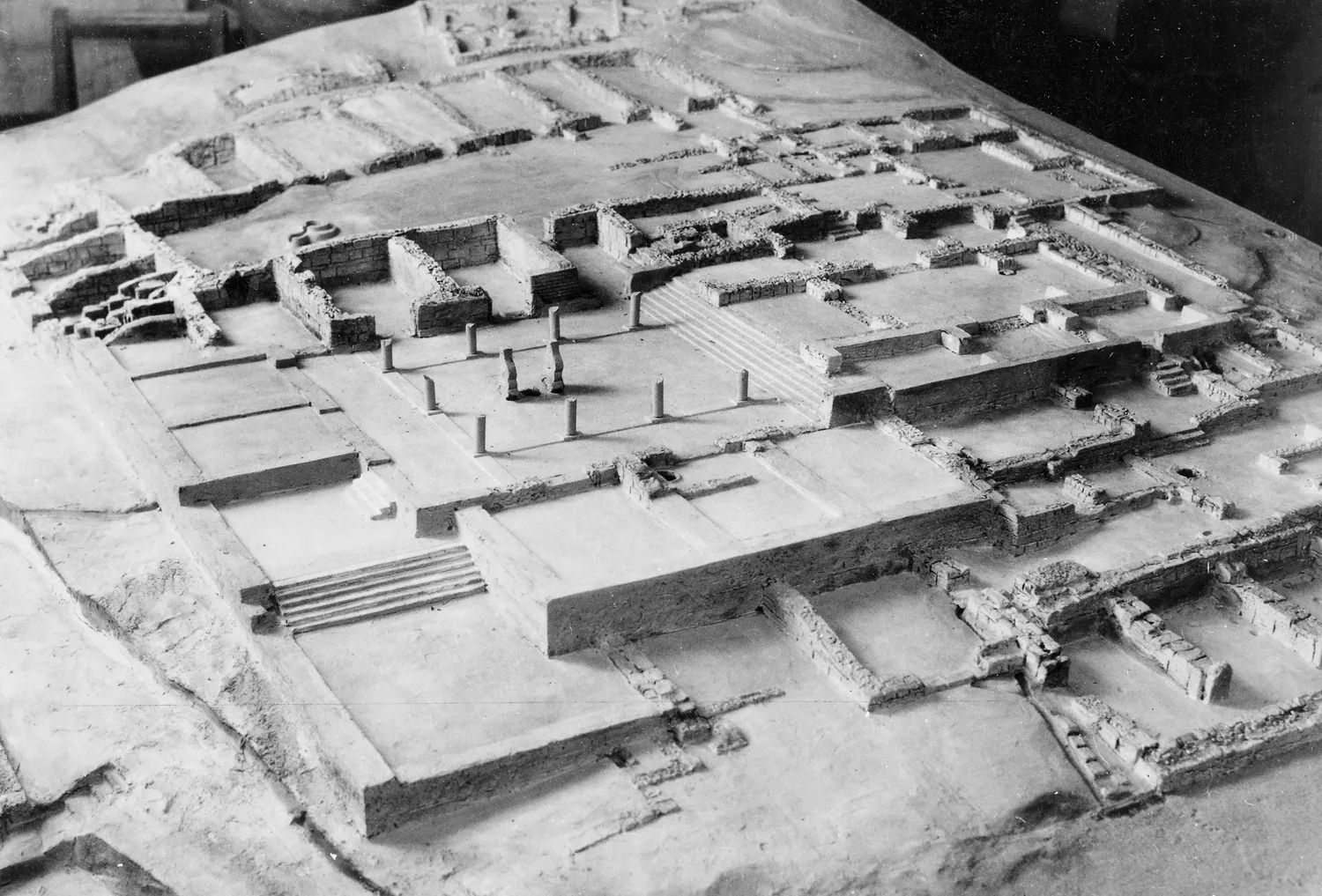
Iron Age Cities and Palaces
The capitals of the Iron Age kingdoms of Cyprus, their palaces at Vouni, Amathus, Idalion and Palaepaphos, their houses, and the volute and Hathor capitals of the period.
In the compendium
Iron Age Sanctuaries
The Cypriot Iron Age sanctuary was a walled open-air court with an altar, sacred trees and small roofed rooms; Greek-style temples arrived only under Rome.
Map of Cyprus
Places discussed in the talk
- Ground above 200, 500, 1,000 m