
Lecture·Archaeological Research Unit - University of Cyprus·2020
The Changing Nature of Occupation at Bronze Age Kissonerga-Skalia
Chapters
About the lecture
Lindy Crewe, Director of the Cyprus American Archaeological Research Institute, examines the sequence of occupation at the settlement of Kissonerga-Skalia in southwestern Cyprus, where she has directed excavations since 2007. Following an introduction by the chair, Crewe situates the site within the wider prehistoric landscape of Kissonerga village, noting the Neolithic water wells at Kissonerga-Mylouthkia and the long Chalcolithic sequence excavated by Edgar Peltenburg at neighbouring Kissonerga-Mosphilia. Located 500 metres from the sea, Skalia was exposed during agricultural land consolidation in the early 1970s and later surveyed by Sophocles Hadjisavvas.
In the northern part of the plot, where Bronze Age levels were lost, excavation uncovered five Middle Chalcolithic pit graves without grave goods, studied by Michelle Gamble, which appear to represent an off-site burial ground. Moving to the Late Chalcolithic and the Philia phase at the start of the Early Bronze Age, Crewe compares Late Chalcolithic Red-and-Black Stroke-Burnished pottery with Red Polished Philia ware, noting a shared emphasis on pouring and serving vessels. At Skalia, Philia deposits in Areas G2, B3 and D yield true imports from the northwest alongside local imitations and early Drab Polished ware. Area B3 preserves truncated Early Cypriot floors, a sherd-lined mortar, chalk discs, and reused Chalcolithic ground stone tools, while Area D preserves a sequence of five floors from the Philia phase to the Middle Bronze Age, with thin rectilinear walls, plastered floors, picrolite ornaments including a probable labret, spindle whorls, copper fish hooks, and a circular pit house.
At the transition from the Middle to the Late Bronze Age, an extensive levelling and building programme truncated earlier levels to create a large open space bounded by a curving wall 1.2 metres wide and a series of stone-filled sump pits. Around this space were industrial and storage installations: a burnt feature in Area G containing a mutilated terracotta ox figurine and local imitations of Plain White ware pithoi and a wheelmade Canaanite jar; double grinding workspaces; an L-shaped courtyard with a malted-grain drying kiln for beer production; and a benched room in Area B2 with deer antlers, a wild boar mandible, and a foundation pit holding five cattle crania. Before its abandonment around 1600 BC, the site saw scaled-back activity, mended bowls, and shifting ceramic links with the north coast, the Ovgos valley, the south coast and eastern Cyprus. The discussion afterward covers survey history, possible honey in juglets, coastal geomorphology, archaeobotanical and faunal remains studied by Leilani Lucas and Paul Croft, and Late Chalcolithic vessels from Philia tombs.
From our collection
Pieces in the Drakopoulos collection of the kinds and periods this talk covers: Neolithic and Chalcolithic wares, Red Polished ware, White Painted ware (Bronze Age).
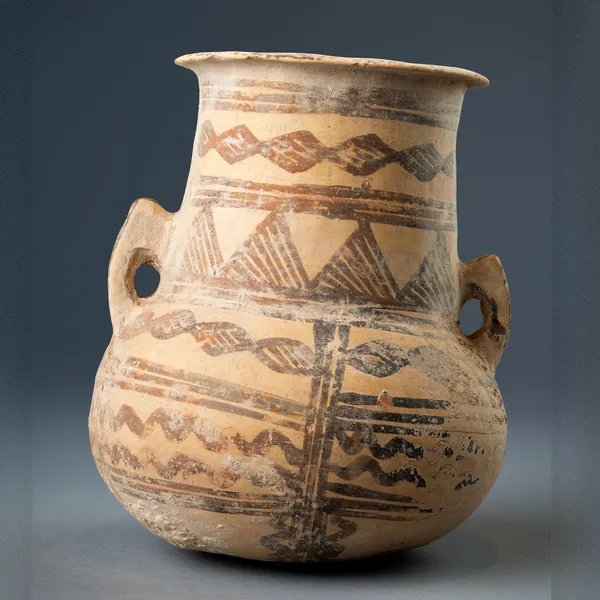
White Painted III-IV Amphora with Lozenge Chains and Hatched Triangles
White Painted ware (Bronze Age)
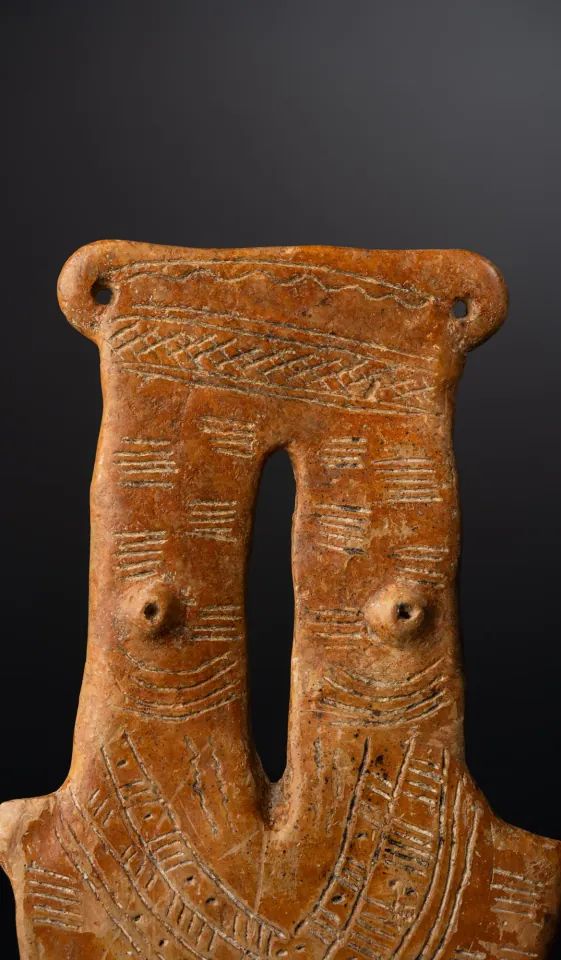
Red Polished Two-Necked Plank Figure
Red Polished ware
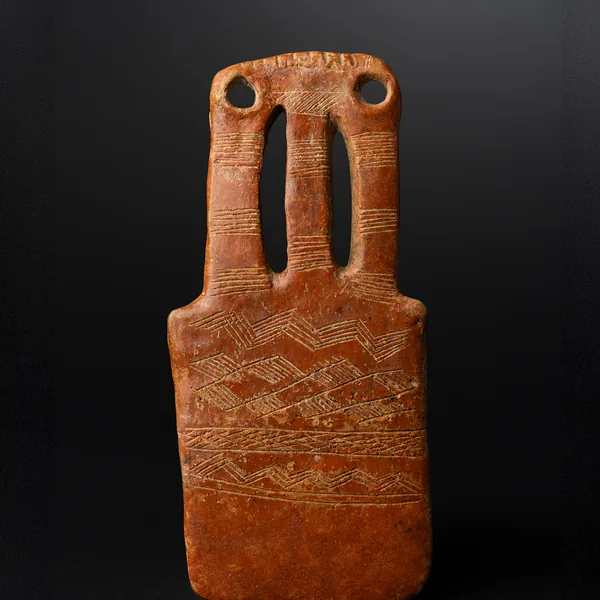
Red Polished Three-Necked Plank Figure
Red Polished ware
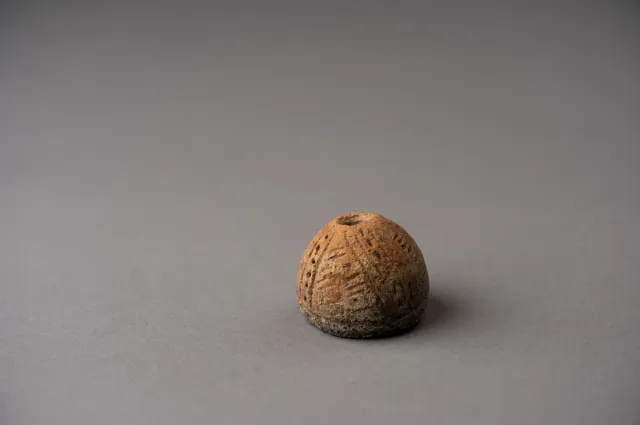
Red Polished Spindle Whorl with Incised Lattice and Dotted Bands
Red Polished ware
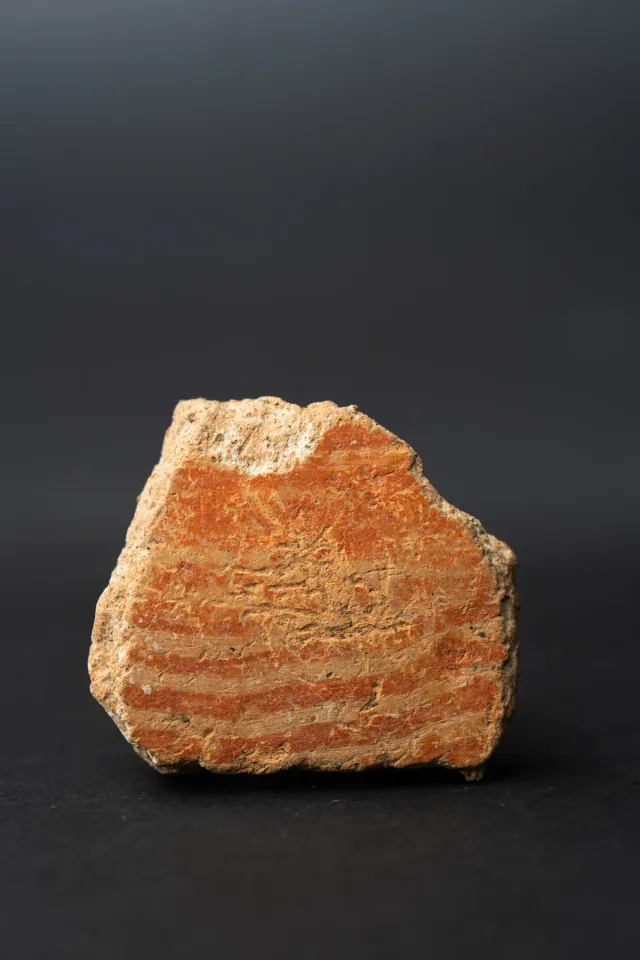
Combed Ware Bowl Fragment with Parallel Bands
Neolithic and Chalcolithic wares
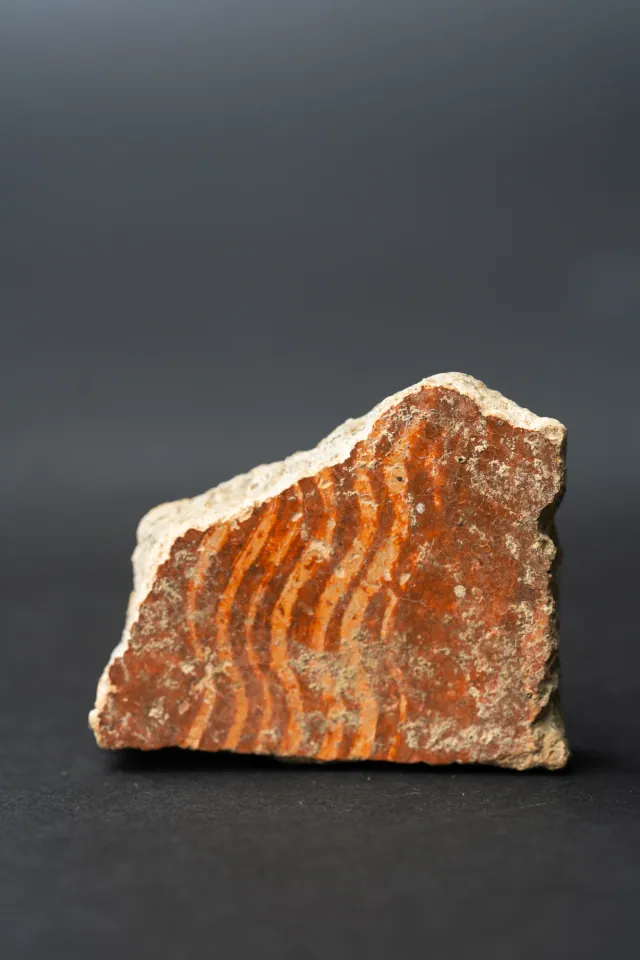
Combed Ware Bowl Fragment with Multiple Wavy Bands
Neolithic and Chalcolithic wares
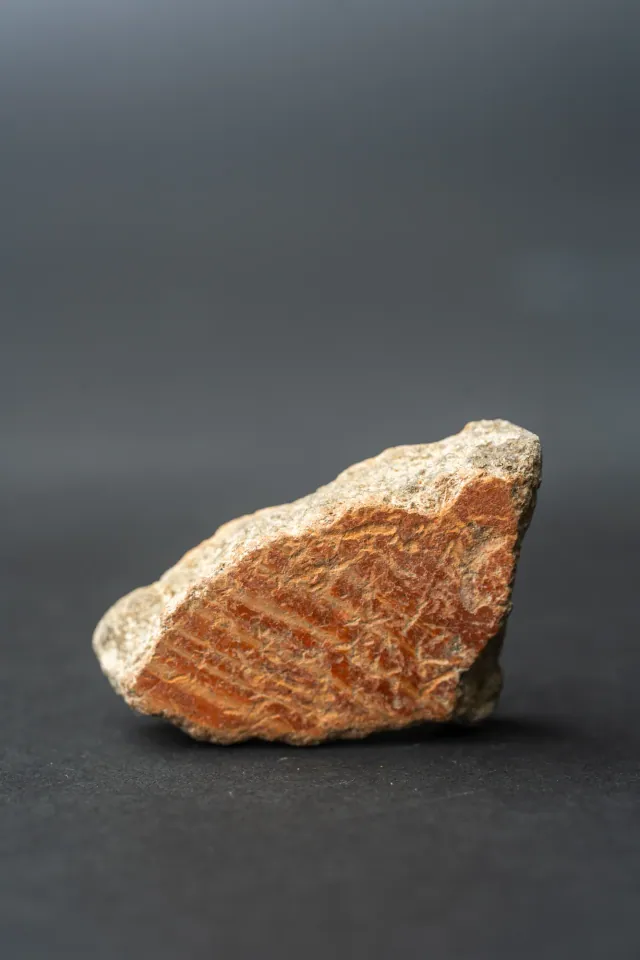
Combed Ware Bowl Fragment with Oblique Bands
Neolithic and Chalcolithic wares
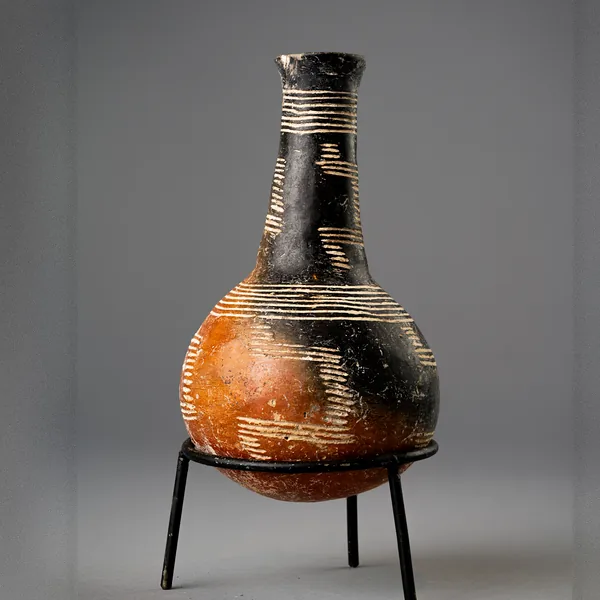
Red Polished Black-Topped Bottle with Stepped Incised Bands
Red Polished ware
Found at the places discussed
Objects in our catalogue, in museum collections, recorded as found at these sites.
Background
Where to read more on this site before or after watching.
In the compendium
Early and Middle Bronze Age Houses
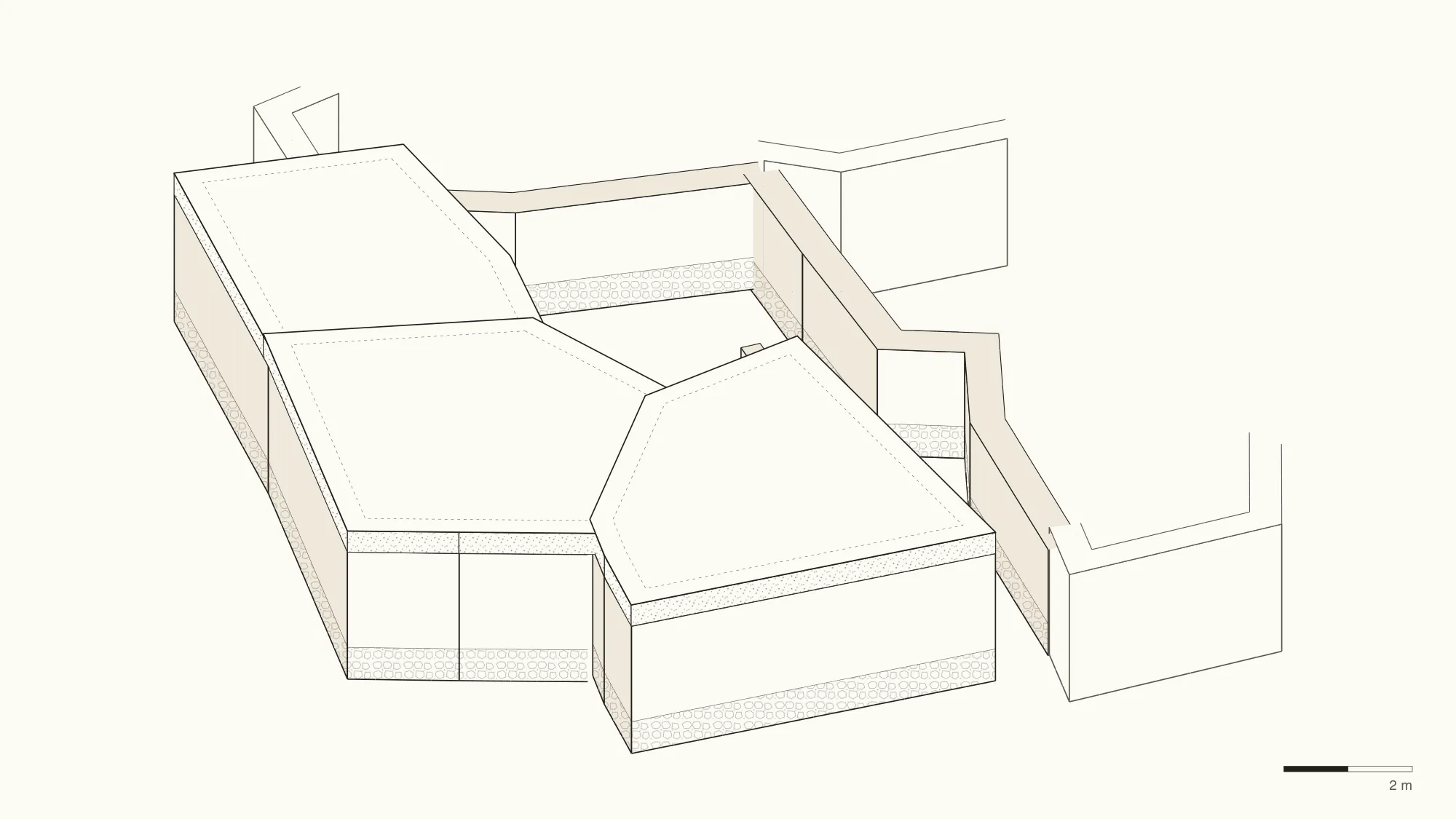
From about 2400 BC Cypriot villagers built rectangular, multi-roomed houses, usually a walled courtyard with two or three roofed rooms behind it.
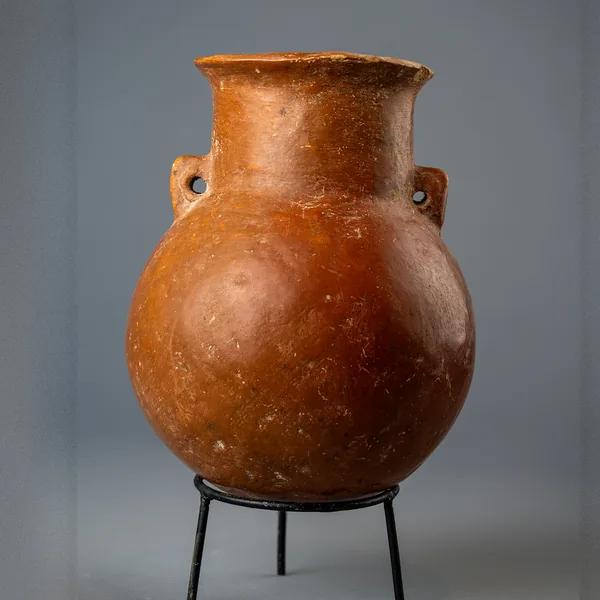
In the compendium
Village Life in Early Bronze Age Cyprus
Everyday life in the unwalled farming villages of Philia and Early Cypriot Cyprus, known best from the excavated settlements of Marki-Alonia and Sotira-Kaminoudhia.
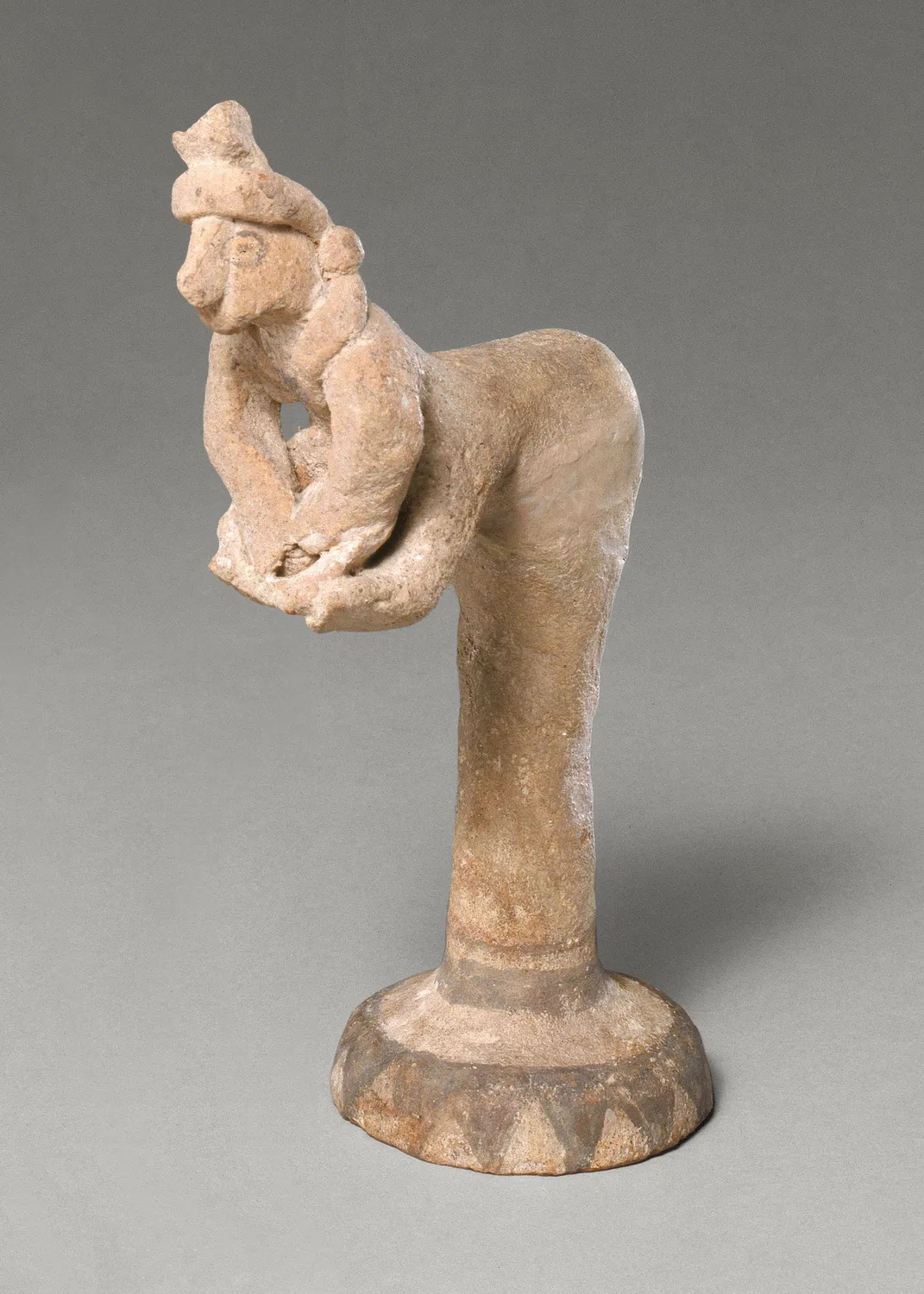
In the compendium
Food and Diet in Ancient Cyprus
What Cypriots grew, herded, hunted, cooked and drank from the first Neolithic villages to the end of the Cypro-Archaic period.
The period
Neolithic
The period c. 9000–3900 BCE in which farmers from the mainland settled Cyprus, built villages of circular houses, and later adopted pottery.
Map of Cyprus
Places discussed in the talk
- Ground above 200, 500, 1,000 m
Places
- 1Kissonerga-Skalia (approx.)
- 2Kissonerga-Mosphilia
- 3Kissonerga-Mylouthkia (approx.)