
Video essay·Dig.·2024
The Last Kingdom Standing in the Bronze Age Collapse
Chapters
About the video
This video essay from the channel Dig. examines the chronology of the Late Bronze Age collapse across the eastern Mediterranean and argues that Cyprus, known as Alashiya, was the last polity of the region to fall, surviving until c. 1100 BC. The first six minutes review archaeological dating methods and trace destruction and abandonment between c. 1225 and the 1130s BC in Hittite Anatolia, Troy, the Mycenaean Aegean, Ugarit, the Levant, Egypt and Mesopotamia.
In the section beginning at 0:06:08, the narrator turns to Cyprus, which reached its urban peak during Late Cypriot II (c. 1450 to 1200 BC). It remains uncertain whether Alashiya was ruled by one figure or by a patchwork of polities presenting a unified front abroad, though the extraction, refining and export of copper underpinned the state.
From 0:07:42 the video details disruptions around 1200 BC: the abandonment of Alassa, Episkopi-Bamboula, Kalavasos-Ayios Dhimitrios, Maroni-Vournes and Morphou-Toumba tou Skourou, alongside violence at Sinda, Enkomi and Hala Sultan Tekke. The Late Cypriot IIIA period (1200 to 1100 BC) saw rebuilding at Enkomi, occupation at Kition and Palaepaphos, and short-lived settlements at Maa-Palaeokastro and Pyla-Kokkinokremos. Once interpreted as Aegean refugee settlements, these two sites are presented as outposts of Palaepaphos and Kition established to control copper deposits.
From 0:09:18 the narrator places the end of the Cypriot Bronze Age in Late Cypriot IIIB around 1100 BC, arguing that vanishing foreign copper markets and a modest influx of settlers brought down the Alashiyan system and led into the Iron Age network of city-kingdoms.
From our collection
Pieces in the Drakopoulos collection of the kinds and periods this talk covers: Late Cypriot (Late Bronze Age), Cypro-Geometric.
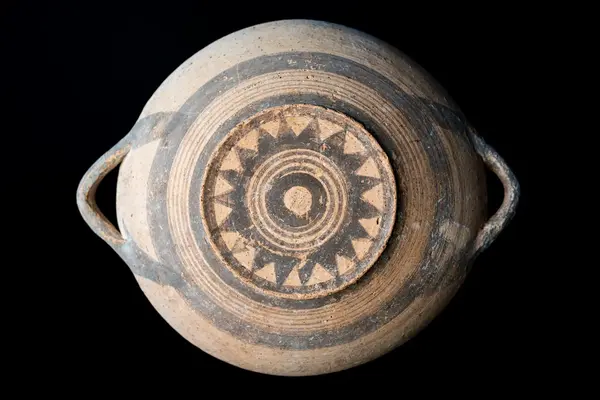
White Painted Plate with a Sawtooth Star on the Underside
Cypro-Geometric
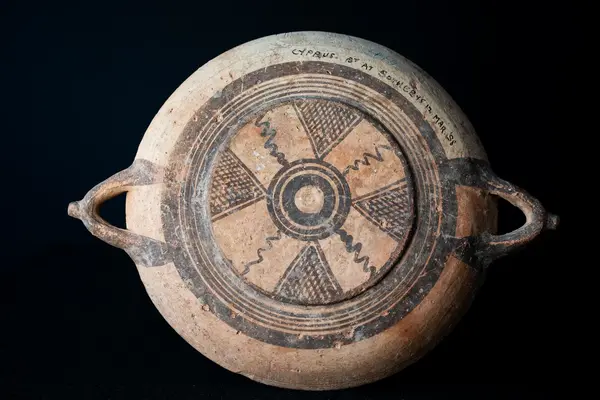
White Painted Plate with Latticed Triangles and Wavy Lines on the Underside
Cypro-Geometric
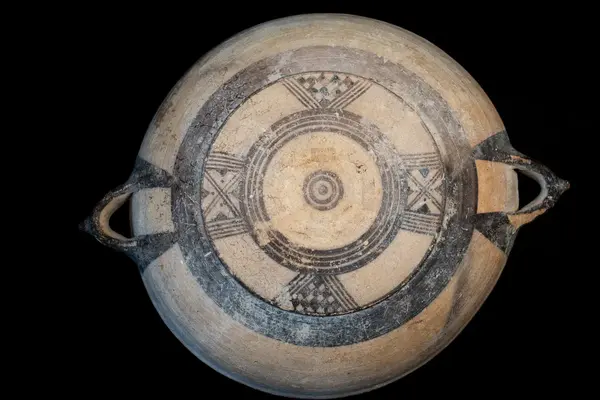
Large White Painted Plate with Knobbed Handles and a Four-Armed Cross on the Underside
Cypro-Geometric
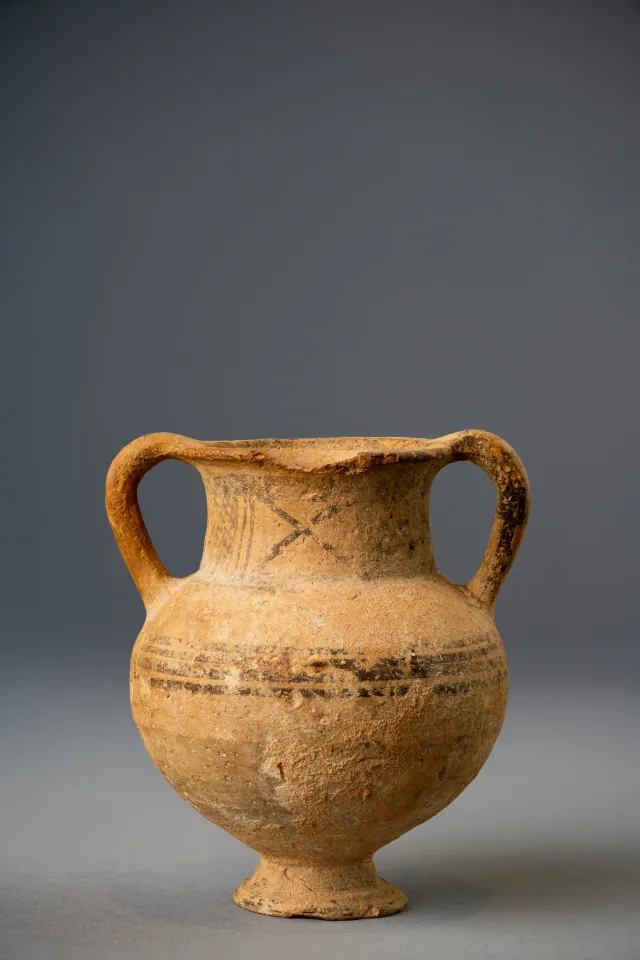
White Painted Amphoriskos on a Conical Foot
Cypro-Geometric
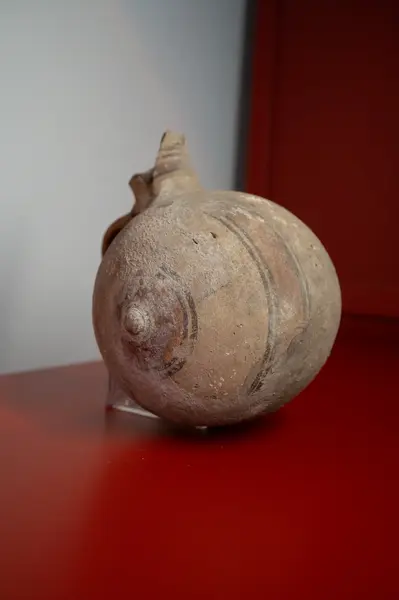
Bichrome Barrel Jug with Circled End-Knobs
Cypro-Geometric
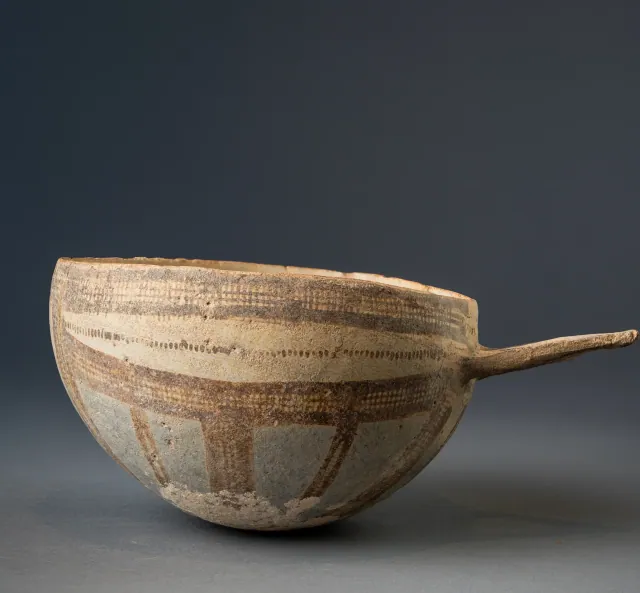
White Slip II Hemispherical Bowl with Wishbone Handle
Late Cypriot (Late Bronze Age)
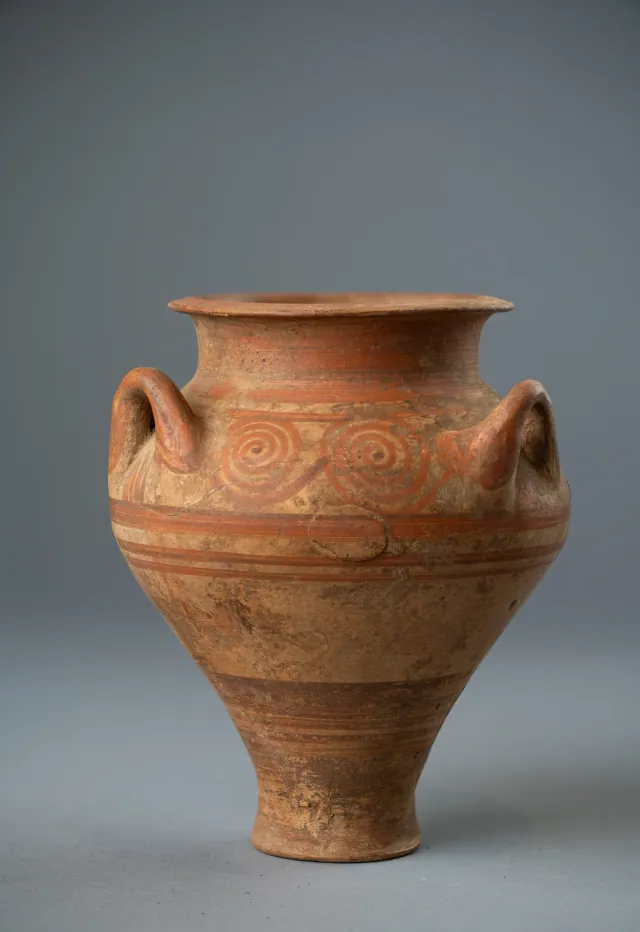
Cypriot Three-Handled Jar in the Mycenaean Style with Running Spirals
Late Cypriot (Late Bronze Age)
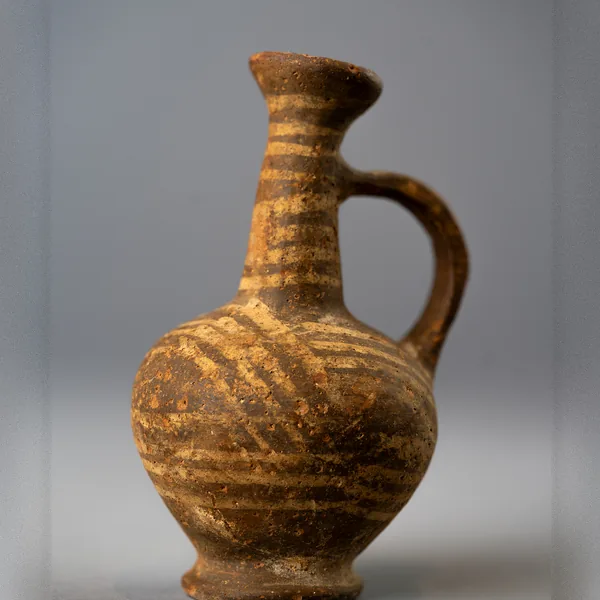
Base Ring II Bilbil Juglet with White-Painted Bands
Late Cypriot (Late Bronze Age)
Found at the places discussed
Objects in our catalogue, in museum collections, recorded as found at these sites.


Background
Where to read more on this site before or after watching.
The site
Alassa
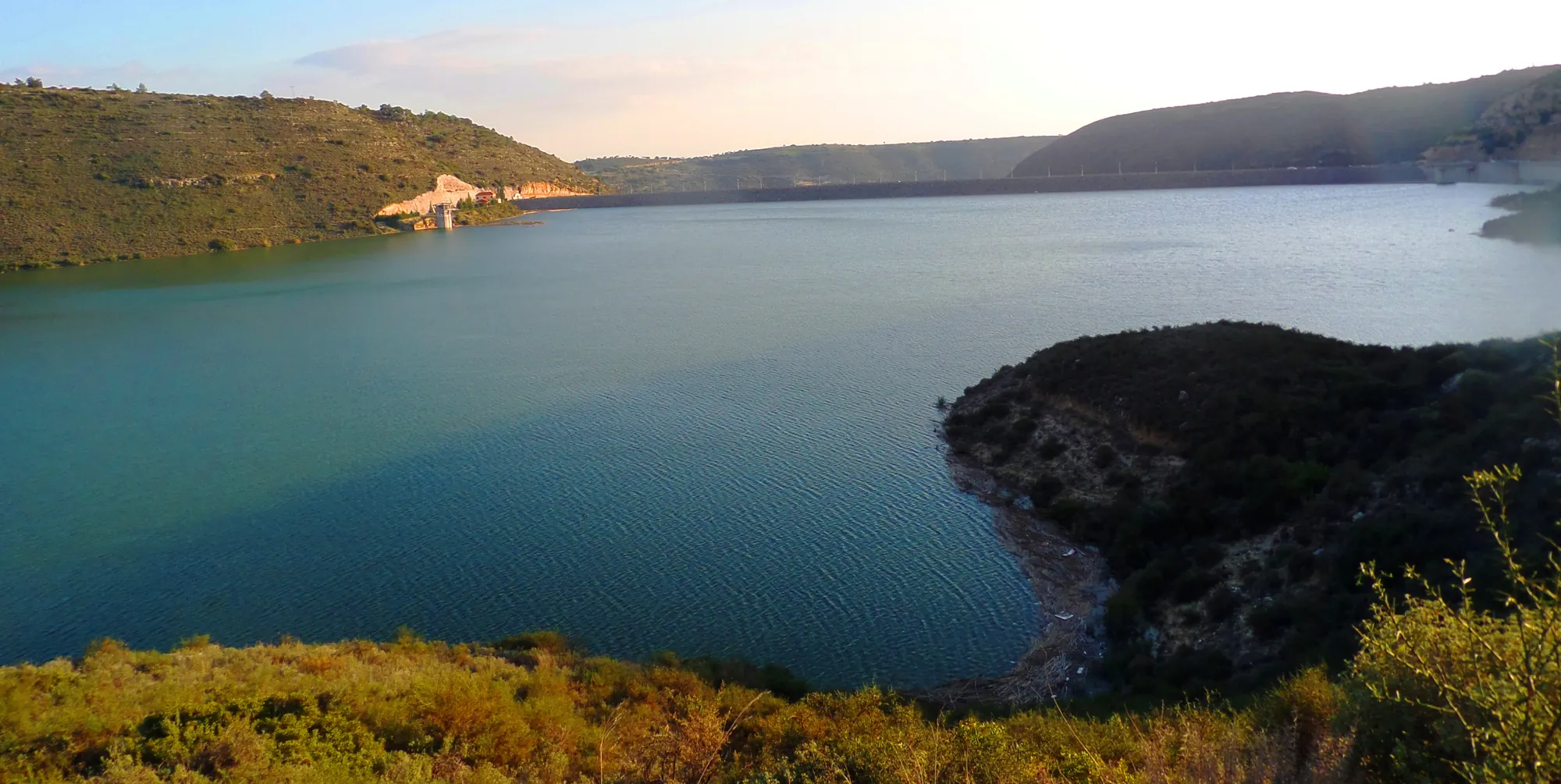
A Late Bronze Age town in the Kouris valley, found in 1983 during survey ahead of the Kouris dam and excavated by Sophocles Hadjisavvas for the Department of Antiquities from 1984 to 2000. Its upper quarter at Paliotaverna has the largest ashlar building of the period on Cyprus; houses and tombs lie downslope at Pano Mandilaris.
In the compendium
Iron Age Cities and Palaces
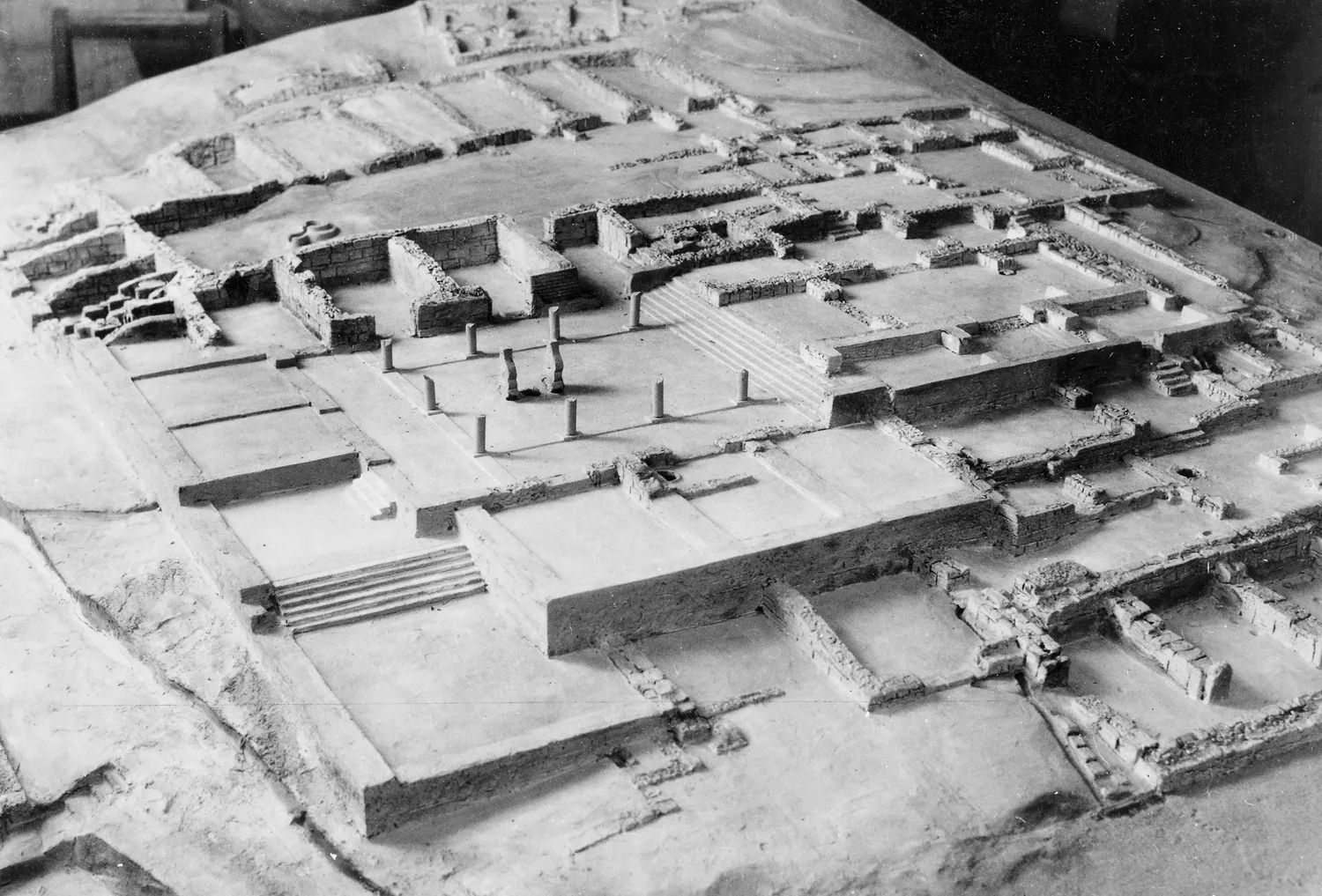
The capitals of the Iron Age kingdoms of Cyprus, their palaces at Vouni, Amathus, Idalion and Palaepaphos, their houses, and the volute and Hathor capitals of the period.
In the compendium
Late Bronze Age Towns and Buildings
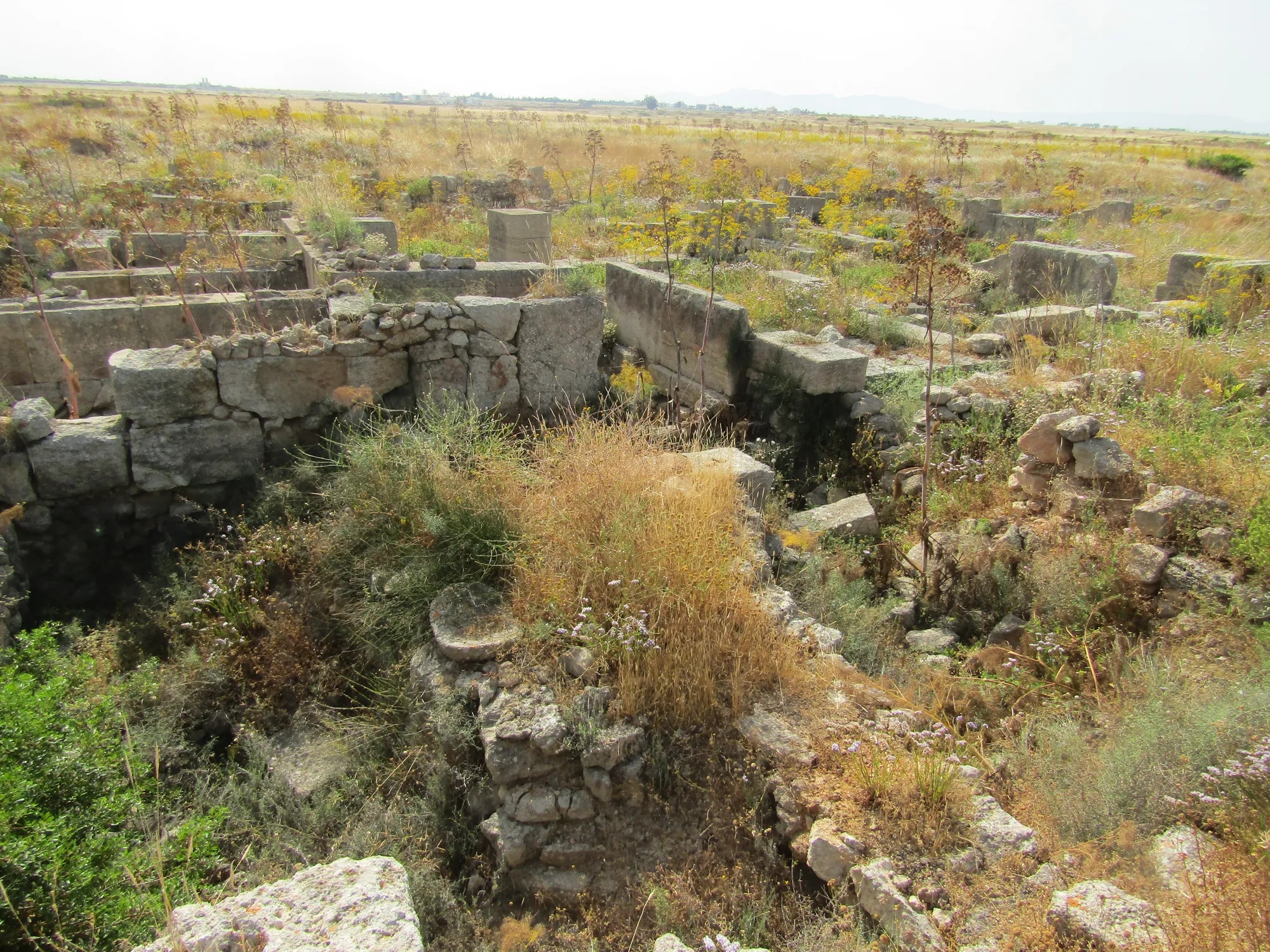
How Late Bronze Age Cyprus built its first towns: street grids, large ashlar buildings with storage halls, courtyard houses, and the short-lived settlements of the twelfth century.
In the compendium
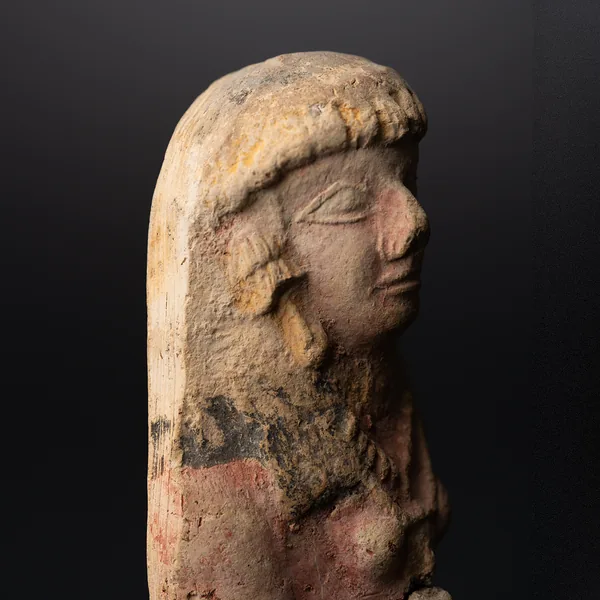
Egypt
Ancient Egypt, Cyprus's partner in copper, pottery and prestige goods from the Middle Kingdom to the Ptolemies, who annexed the island.
Map of Cyprus
Places discussed in the talk
- Has a page on this site
- Other places
- Ground above 200, 500, 1,000 m
Places
- 1Alassa
- 2Episkopi-Bamboula
- 3Kalavasos-Ayios Dhimitrios
- 4Maroni-Vournes (approx.)
- 5Toumba tou Skourou
- 6Sinda
- 7Enkomi
- 8Hala Sultan Tekke
- 9Kition
- 10Palaepaphos
- 11Maa-Palaeokastro
- 12Pyla-Kokkinokremos