
Lecture·Archaeological Research Unit - University of Cyprus·2017
Identities and Materialities in Prehistoric Cyprus: Evidence of Foreign Cultural Interaction before the Bronze Age
Chapters
About the lecture
Diane Bolger of the University of Edinburgh examines how communities in southwestern Cyprus engaged with the surrounding mainland during the Middle and Late Chalcolithic periods, from the late fourth into the third millennium BC, well before the Early Bronze Age and the Philia phase. Drawing on excavations directed with Edgar Peltenburg at Lemba-Lakkous, Kissonerga-Mosphilia, and the settlement and cemeteries of Souskiou (Vathyrkakas and Laona), she compares closely spaced sites to show how local communities responded differently to external contacts and reconfigured their personal and social identities.
Bolger outlines Chalcolithic continuities with the Neolithic, including circular houses and single intramural pit graves, before turning to ceramic changes from Middle Chalcolithic Red-on-White ware to Late Chalcolithic monochrome wares with Anatolian affinities, and to early metalwork. She then discusses anthropomorphic figurines and cruciform figurines and pendants made of picrolite. Reinterpreting these objects within gender research rather than as mother goddesses, she notes male, female, dual-sexed and ambiguous examples that point to a fluid, non-binary gender system tied to life-cycle rituals. At Lemba and Kissonerga, most figurines were deliberately broken; in the ceremonial pit at Kissonerga-Mosphilia, dated to the end of the fourth millennium BC, nineteen stone and ten ceramic figurines were intentionally defaced and buried around a damaged ceramic building model, after which figurine production ceased at the site. At Souskiou, by contrast, most figurines and pendants were deposited intact in deep extramural bell-shaped pit tombs, whereas the human skeletons were disarticulated and stacked with skulls arranged in rows for multiple interments.
In the Late Chalcolithic, anthropomorphic imagery disappeared across the island for some five hundred years, replaced by new foreign-derived ornaments and technologies. Bolger presents recent X-ray fluorescence analyses by Lina Kassianidou and Andreas Charalambous on late fourth-millennium faience beads from Souskiou-Laona and Vathyrkakas, several of which contain tin in their glazes, and on Late Chalcolithic metal tools from Lemba and Kissonerga, which shifted from Middle Chalcolithic personal ornaments to chisels and include examples with enough tin to qualify as tin bronze. She contrasts Late Chalcolithic Kissonerga, which adopted chamber tombs, disc-type faience beads, and spurred annular pendants of shell and picrolite with Levantine and Anatolian parallels, with neighbouring Lemba, where pit graves continued, foreign ornaments were absent, Anatolian-style relief pottery and a tin-bearing copper fragment appeared, and the settlement ended in destruction by fire. Drawing on recent research by Charalambos Paraskeva and on John Robb and Oliver Harris's concept of body worlds, she concludes by paying tribute to the memory of Edgar Peltenburg. A question-and-answer session addresses differences between Lemba and Kissonerga, earlier relief pottery at Politiko-Kokkinorotsos, Cyprus Survey material in the north, and whether breakage at Lemba and Kissonerga reflects settlement use prior to burial.
From our collection
Pieces in the Drakopoulos collection of the kinds and periods this talk covers: Neolithic and Chalcolithic wares, Neolithic, Early Cypriot (Early Bronze Age).
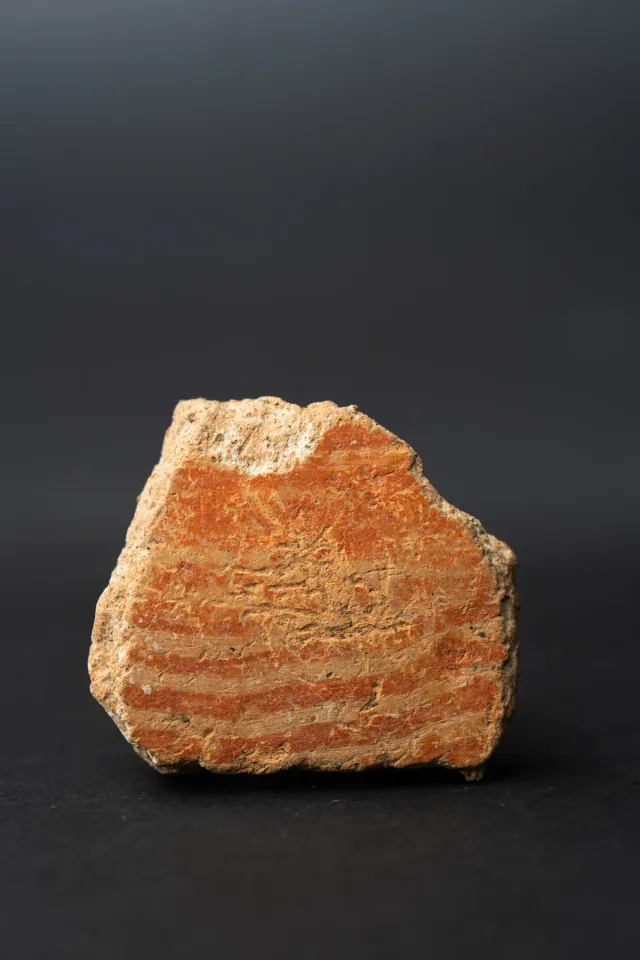
Combed Ware Bowl Fragment with Parallel Bands
Neolithic and Chalcolithic wares
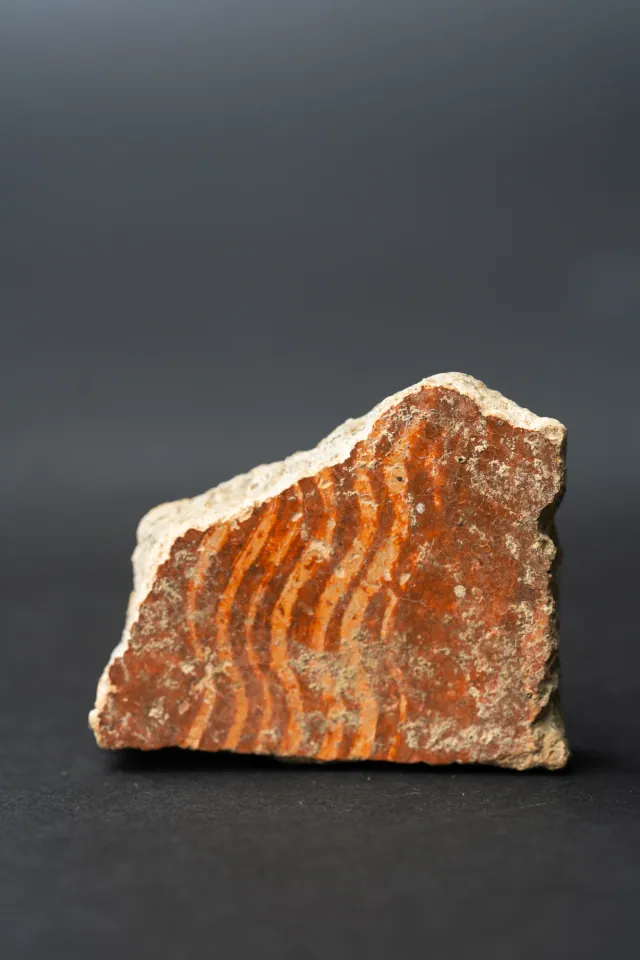
Combed Ware Bowl Fragment with Multiple Wavy Bands
Neolithic and Chalcolithic wares
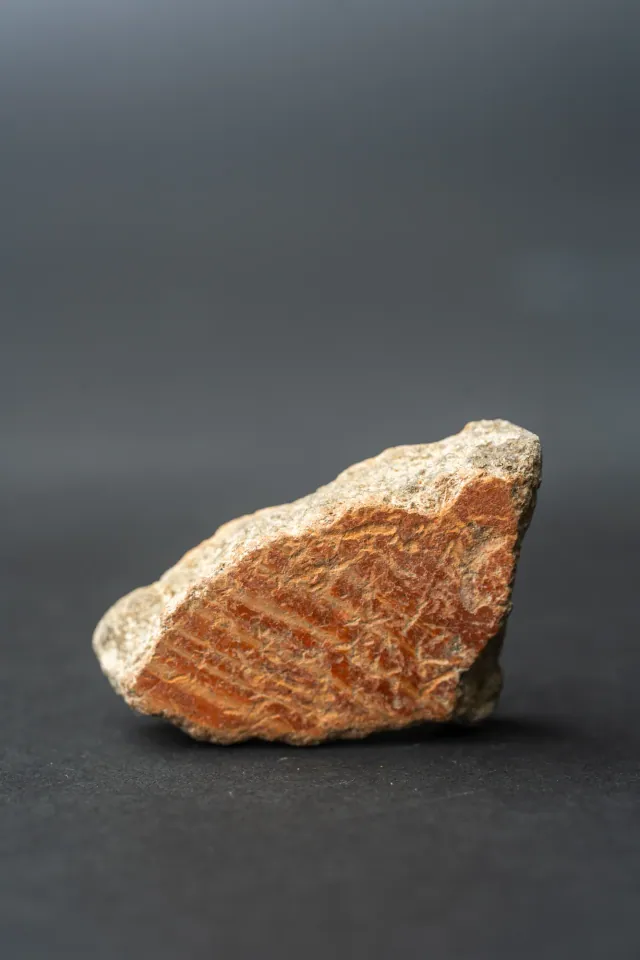
Combed Ware Bowl Fragment with Oblique Bands
Neolithic and Chalcolithic wares
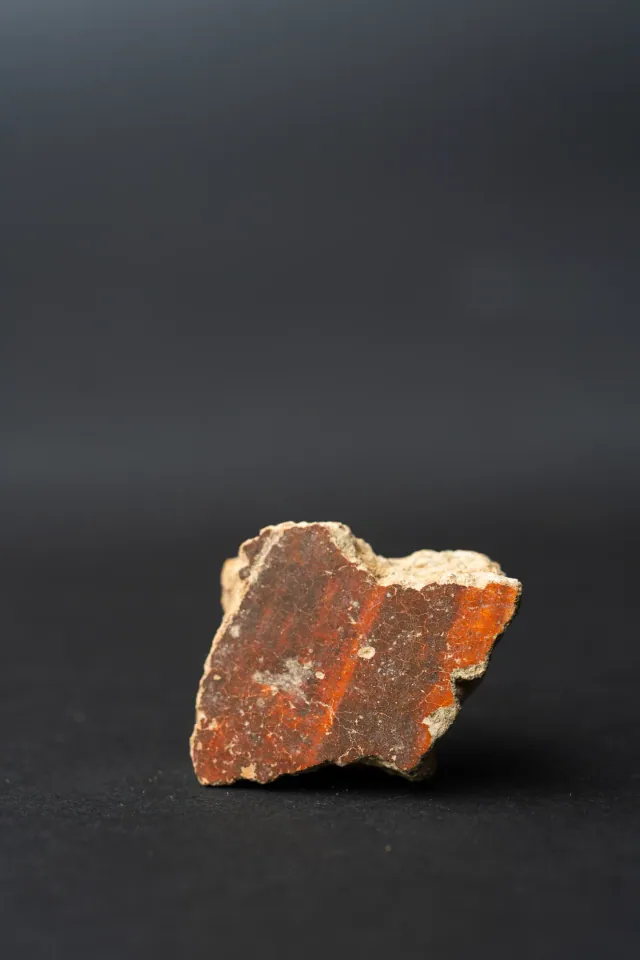
Red Lustrous Ware Body Sherd with Fire-Mottled Slip
Neolithic
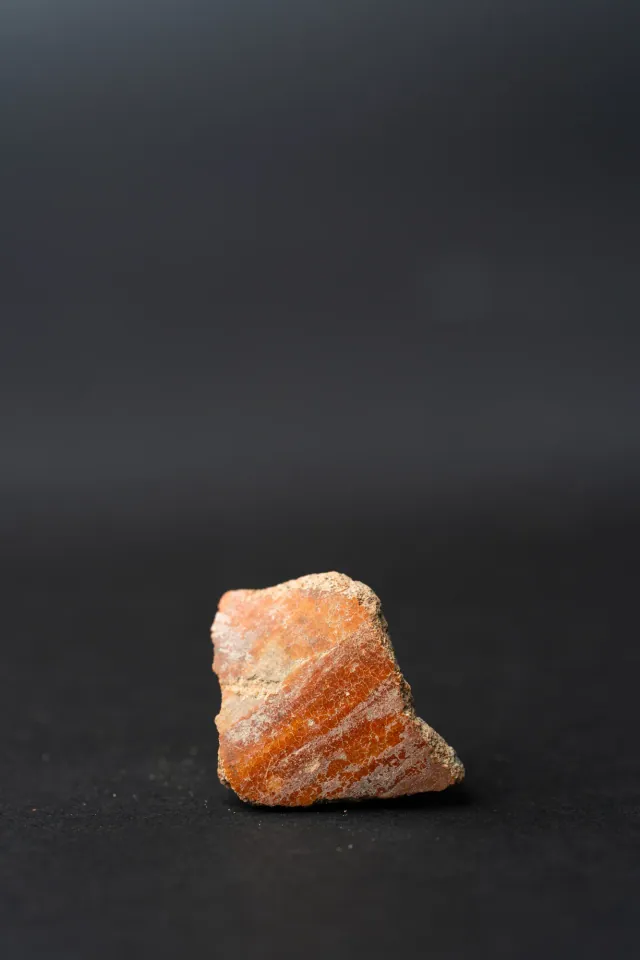
Red Slip Ware Body Sherd with Streaked Slip
Neolithic
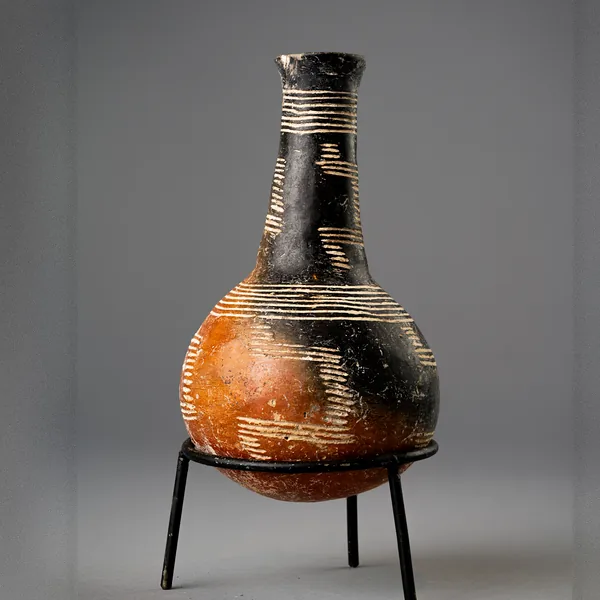
Red Polished Black-Topped Bottle with Stepped Incised Bands
Early Cypriot (Early Bronze Age)
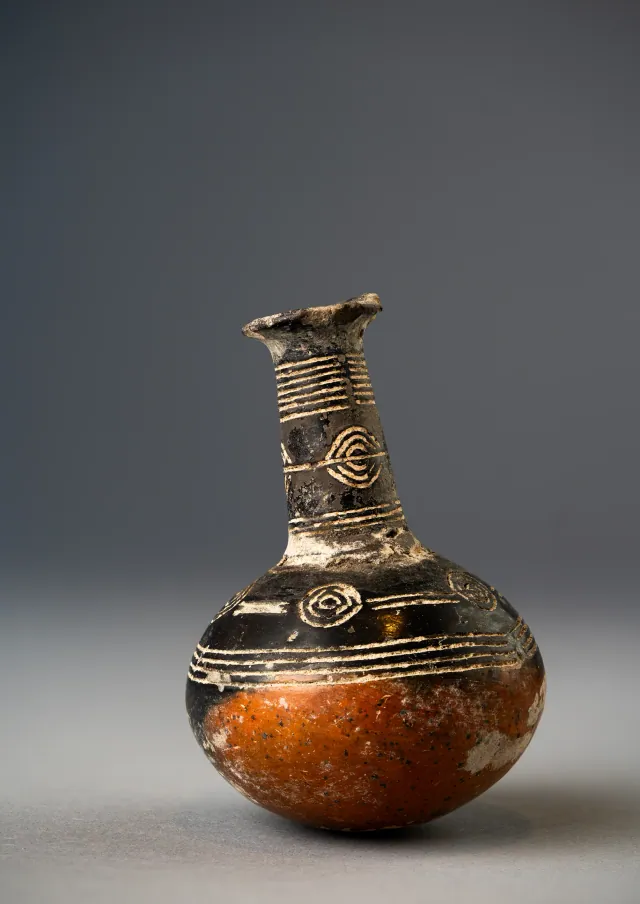
Red Polished Black-Topped Bottle with Incised Concentric Circles
Early Cypriot (Early Bronze Age)
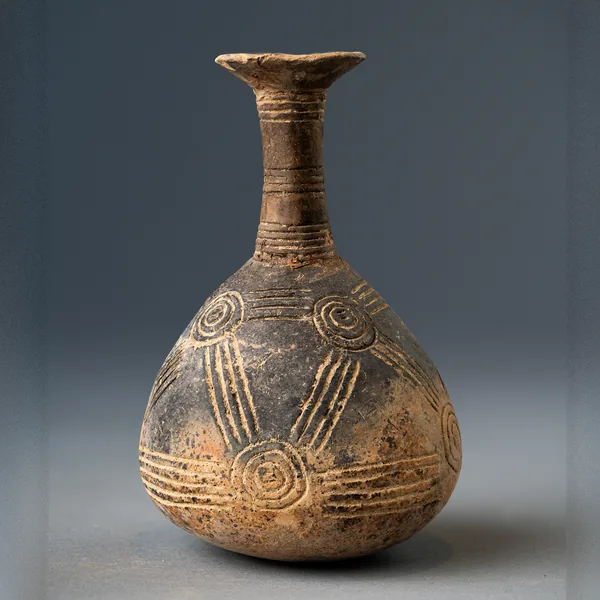
Red Polished Bottle with Linked Concentric Circles
Early Cypriot (Early Bronze Age)
Found at the places discussed
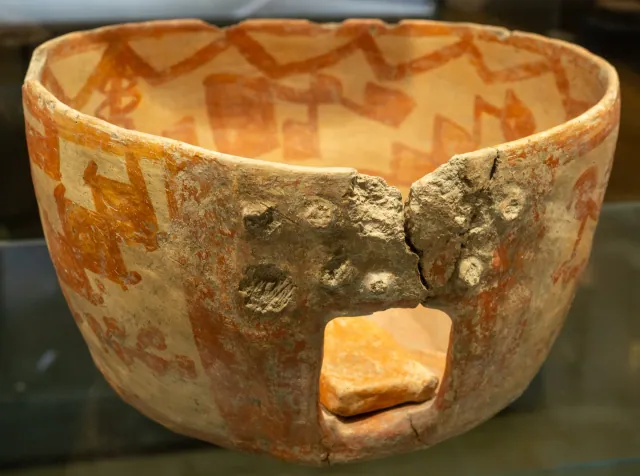
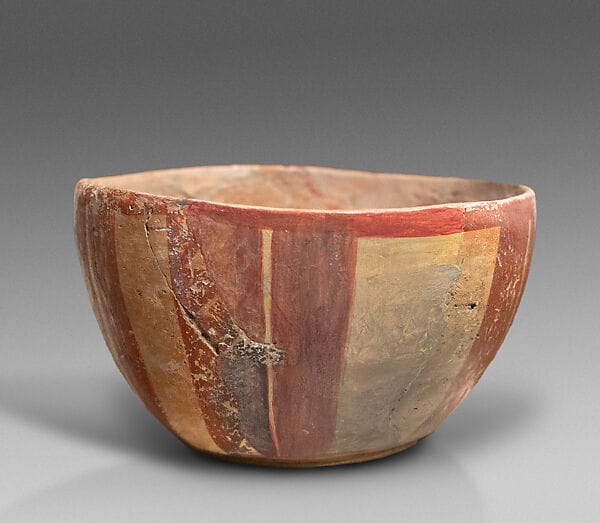
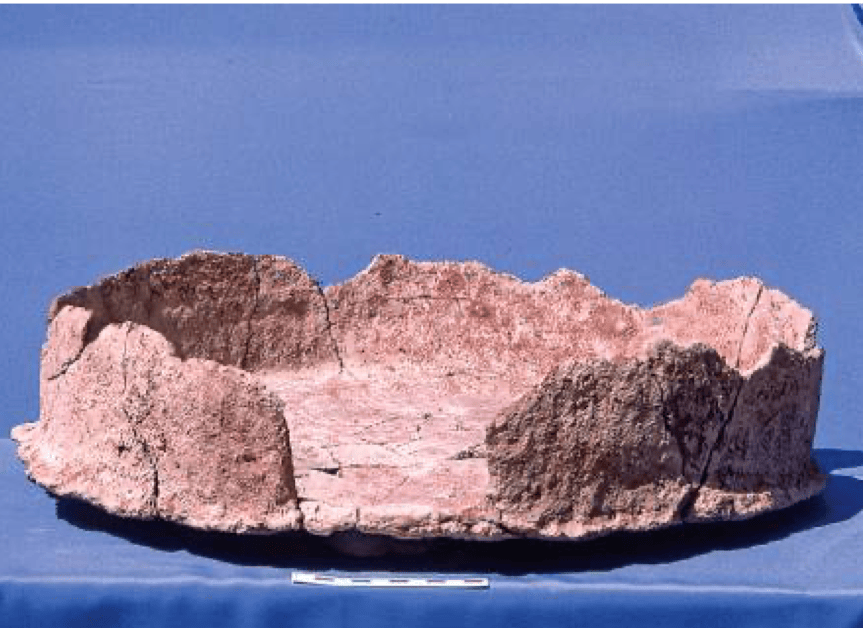
Objects in our catalogue, in museum collections, recorded as found at these sites.
Background
Where to read more on this site before or after watching.
The site
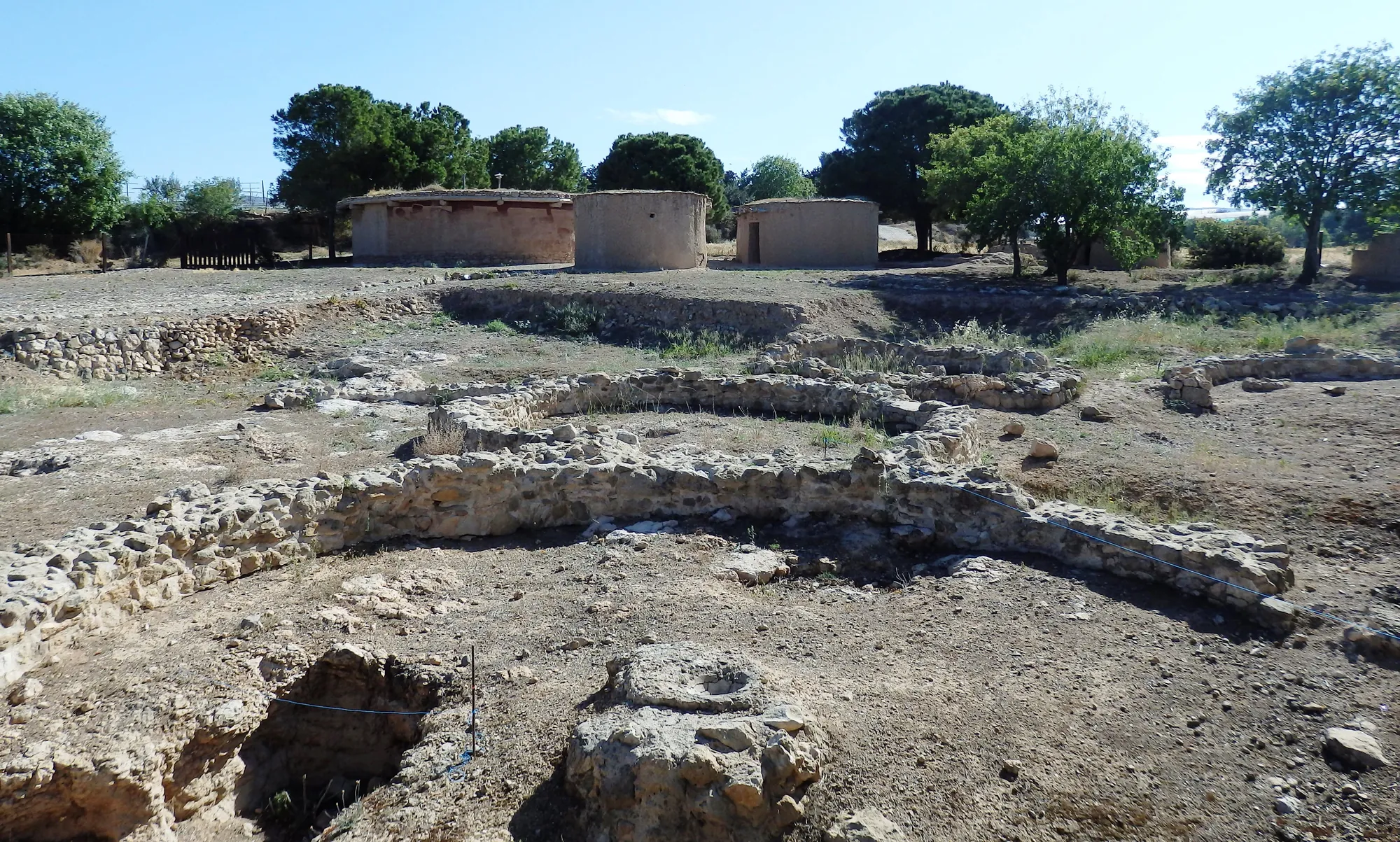
Lemba-Lakkous
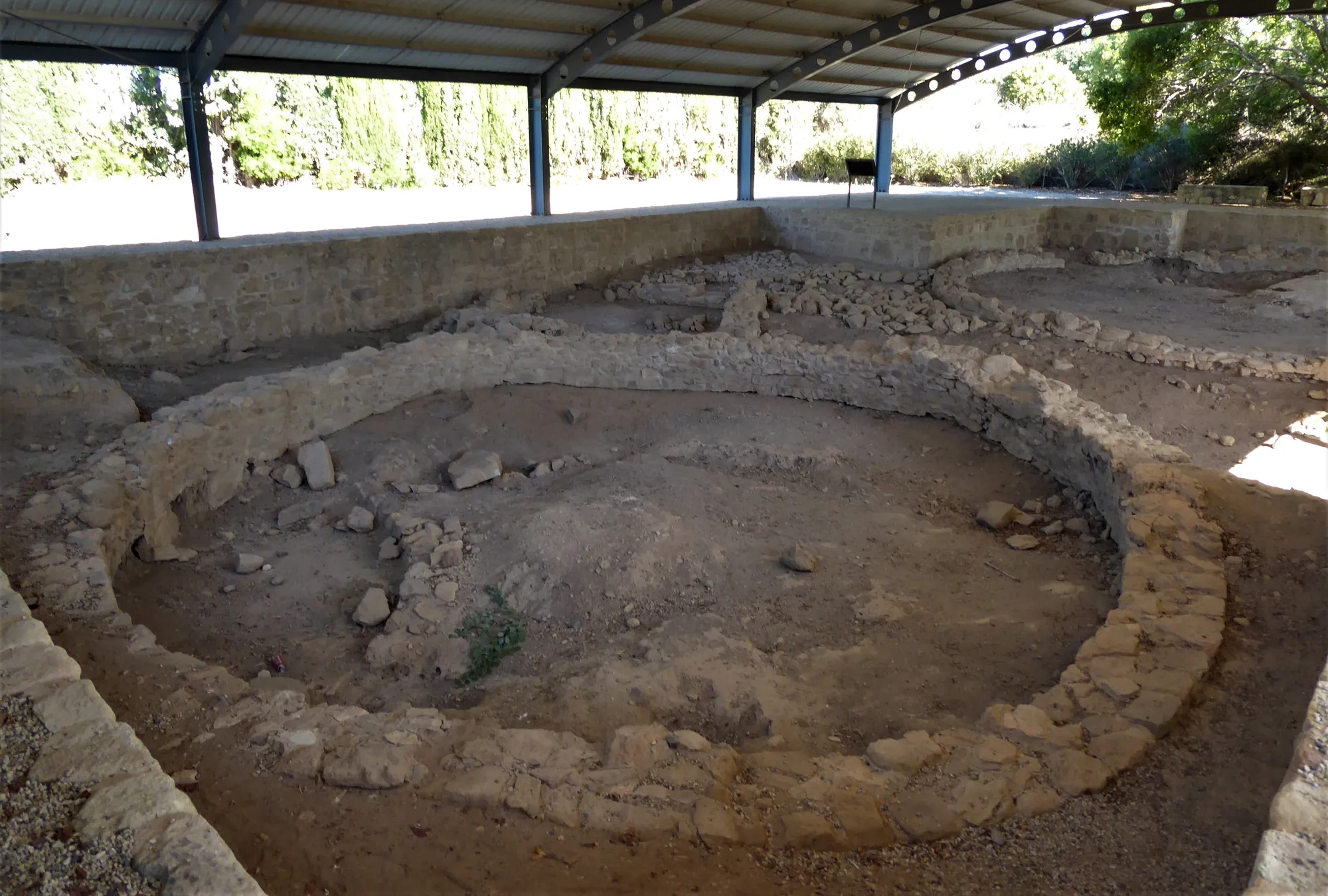
A Chalcolithic village on a coastal terrace north of Paphos, lived in at intervals from about 3500 to 2400 BC and excavated by Edgar Peltenburg for the Lemba Archaeological Project from 1976 to 1983. It produced the limestone figure known as the Lemba Lady, a large group of graves and, beside the excavation, the Lemba Experimental Village of rebuilt round houses.
In the compendium
Chalcolithic Round Houses
The free-standing circular house of Chalcolithic Cyprus, from timber post rings to stone-footed great houses, and the Kissonerga building model.
In the compendium
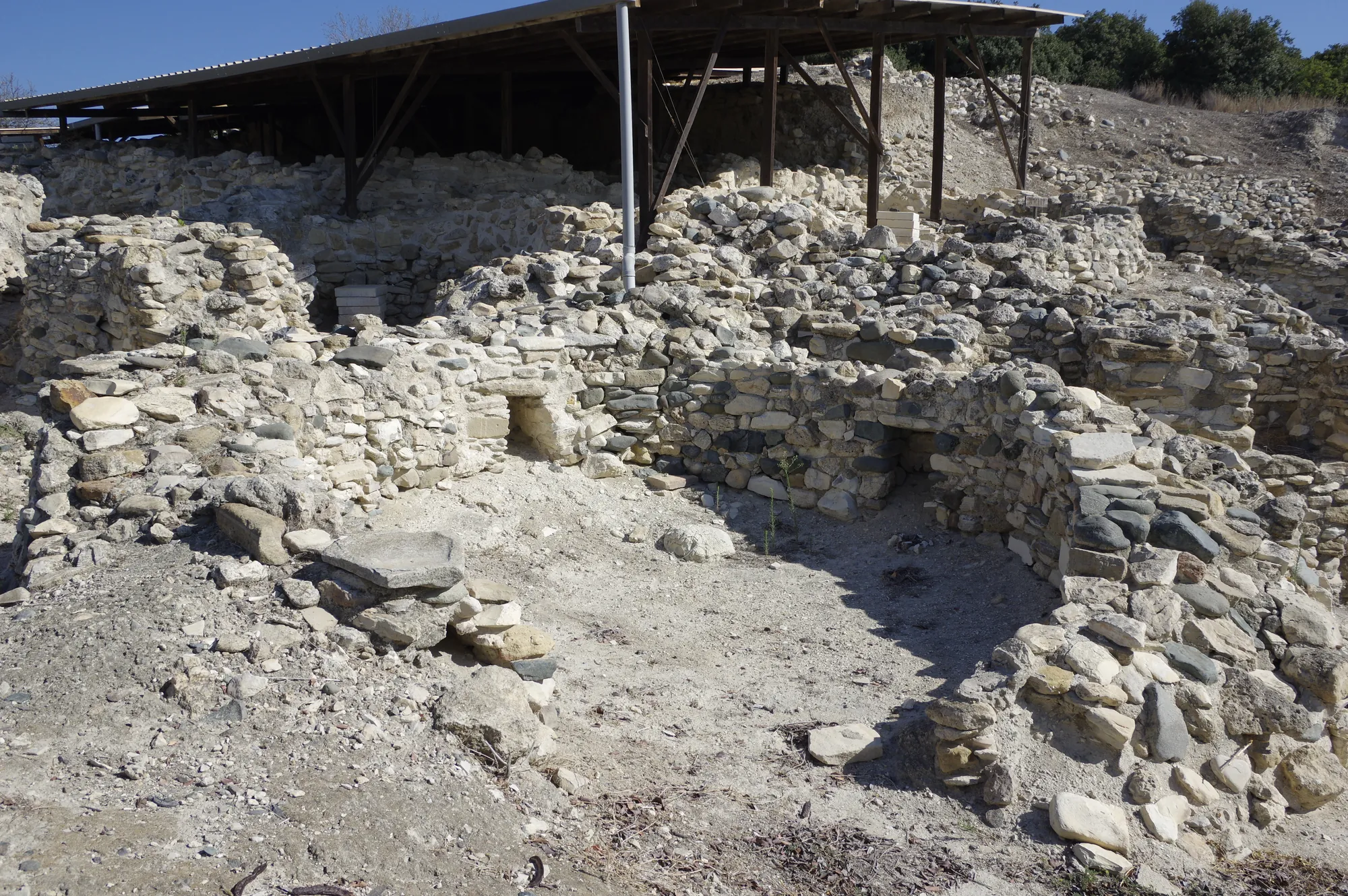
Neolithic and Chalcolithic Burial in Cyprus
Burial on Cyprus from the first farming villages to the eve of the Bronze Age, mostly contracted bodies in pits beneath or beside houses.
In the compendium
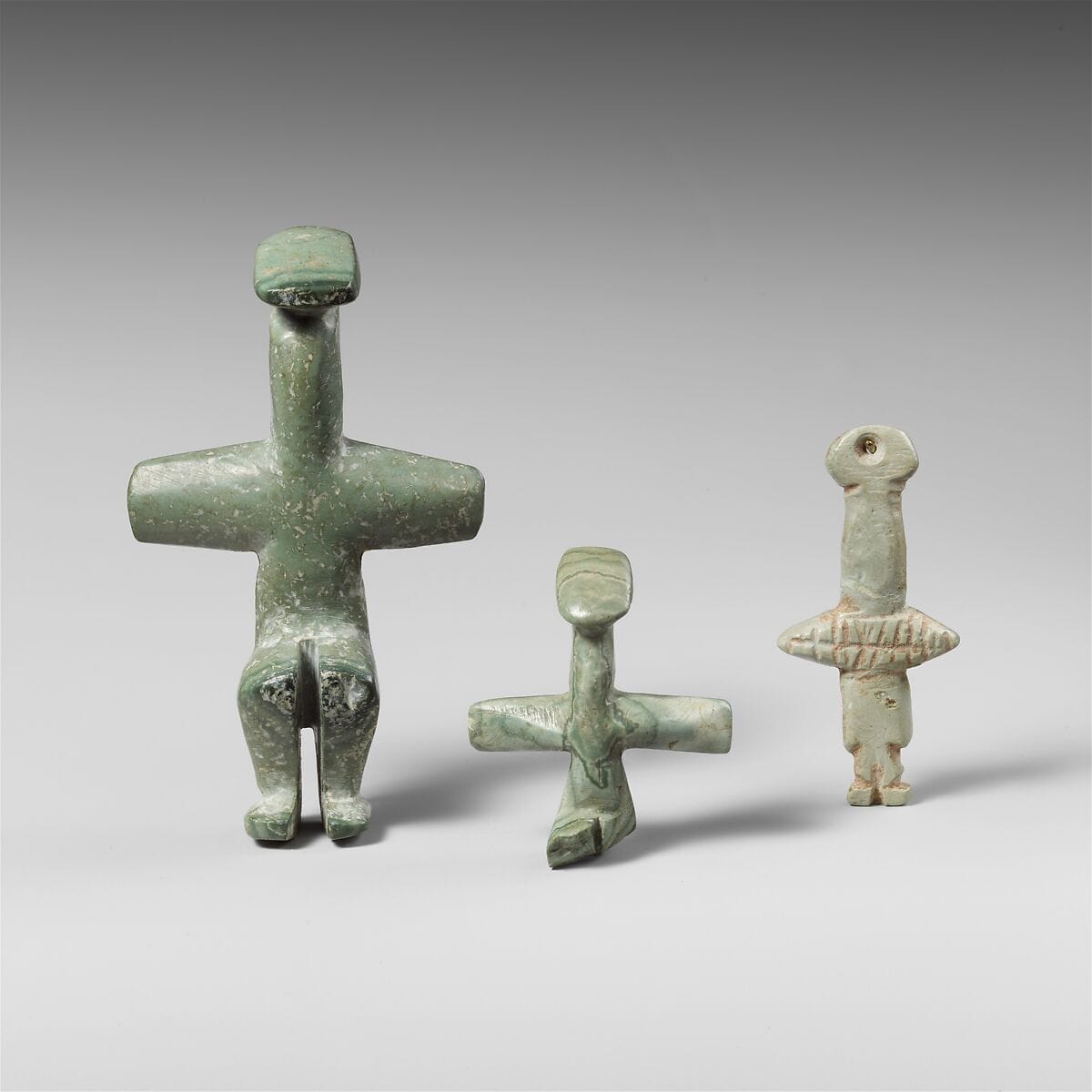
Cruciform Figurines
Small stylised human figures with outstretched arms and bent legs, carved mostly in picrolite in Chalcolithic Cyprus and often worn as pendants.
Map of Cyprus
Places discussed in the talk
- Has a page on this site
- Other places
- Ground above 200, 500, 1,000 m
Places
- 1Souskiou (approx.)
- 2Souskiou-Laona (approx.)
- 3Souskiou-Vathyrkakas
- 4Kissonerga-Mosphilia
- 5Kissonerga-Mylouthkia (approx.)
- 6Lemba-Lakkous
- 7Marki-Alonia
- 8Politiko-Kokkinorotsos (approx.)