
Lecture·CAARI Cyprus·2020
From South Asia to the Eastern Mediterranean: Zebu cattle in iconography and nature of Bronze Age Cyprus
Anna Spyrou
Chapters
About the lecture
Zooarchaeologist Anna Spyrou investigates the appearance of Bos indicus, or zebu cattle, in the iconography and potential fauna of Bronze Age Cyprus. Domesticated in the Indus Valley two millennia after taurine cattle (Bos taurus) were domesticated in the Fertile Crescent, zebu are distinguished physically by a thoracic hump, a pronounced dewlap, long pendulous ears, a sloping rump, and upward-facing horns. Physiologically, they produce less milk and meat than taurine cattle but are thermotolerant, resistant to parasites, and suited to arid environments. Recent genetic studies discussed with Yorgia Hadjipavlou at the Agricultural Research Institute show that the modern indigenous Cypriot cattle breed carries a strong Bos indicus genetic component.
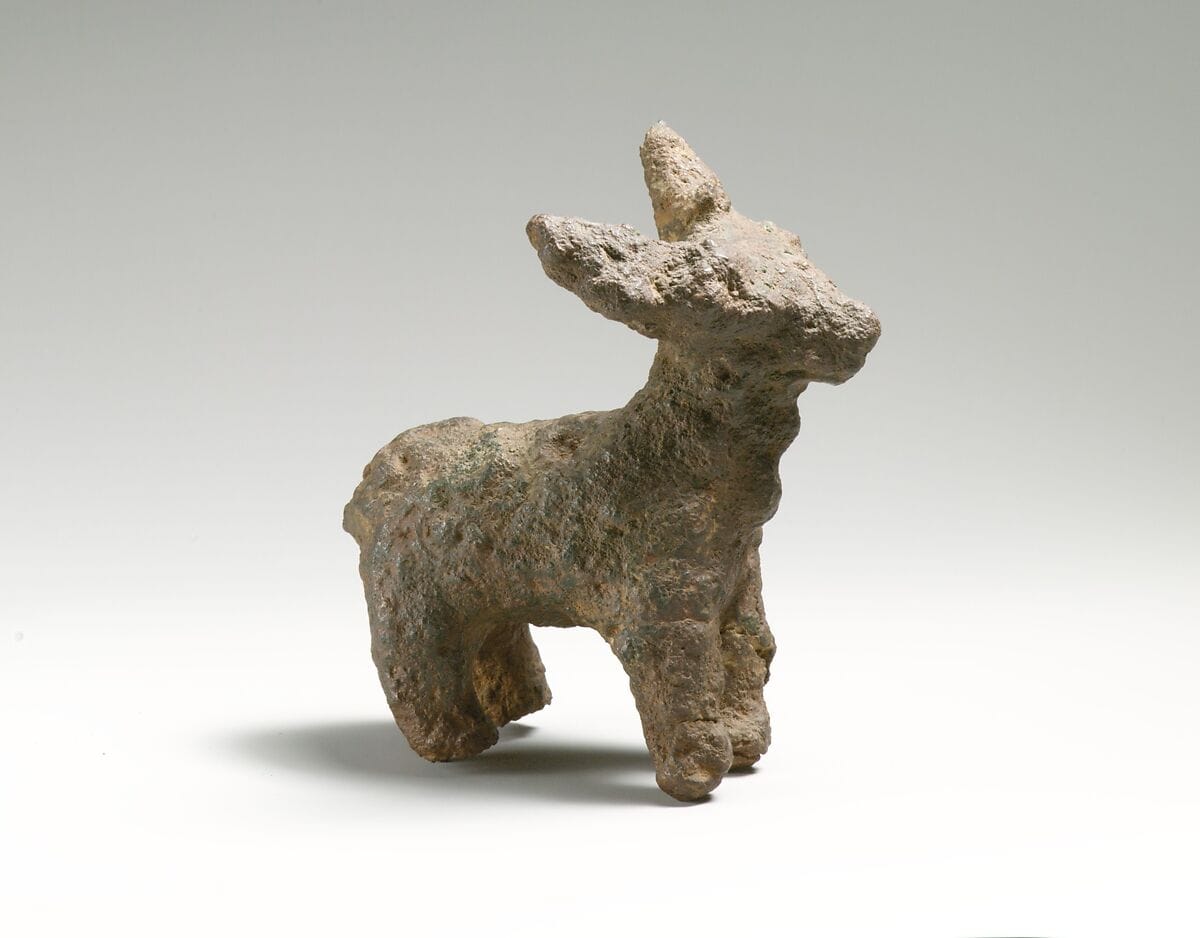
To trace when zebu reached Cyprus, Spyrou outlines three lines of archaeological evidence: skeletal morphology (such as bifid vertebrae found at Levantine sites like Deir Alla), ancient DNA, and iconography. Because faunal reports in Cyprus have traditionally grouped all cattle under Bos and ancient DNA studies on Cypriot cattle had not yet been conducted, she turns to three-dimensional terracotta and bronze figurines, assembled with the help of Vassos Karageorghis. Requiring both a thoracic hump and a dewlap alongside secondary anatomical traits to identify a zebu rather than a heavy-shouldered taurine bull, she examines examples primarily from the Late Bronze Age: a small terracotta bull from Sinda now in the Louvre; two terracotta bulls from the sanctuary at Ayia Irini; a schematic figurine and a 90.9-gram zoomorphic balance weight from Enkomi (paralleled at Tel Beth Shemesh); a handmade figurine incised with four Cypro-Minoan signs from Psilatos at Moutti; bronze statuettes from Katydhata and the ashlar altar at Myrtou-Pigadhes; and a single earlier Middle Bronze Age red-slipped bull from Kissonerga-Skalia.
Spyrou connects this evidence to ecological arguments by Roger Matthews and paleogenomic research by Dan Bradley's team at Trinity College Dublin, which linked the spread of zebu ancestry into Near Eastern taurine herds to multi-century droughts around 4.2 ka and 3.2 ka BP, the latter attested in pollen records from the Larnaca Salt Lake. She concludes by describing her collection of Cypriot cattle bone samples for ancient DNA analysis in Dublin. In the question session, participants including Julia Mutti, Bernard Knapp, and Diane Bolger discuss distinguishing zebu humps from draught oxen musculature, Alassa figurines, collagen preservation in Cyprus, and zebu depictions in Early Christian mosaics.
From our collection
Pieces in the Drakopoulos collection of the kinds and periods this talk covers: Terracotta figurine, Middle Cypriot (Middle Bronze Age), Late Cypriot (Late Bronze Age).
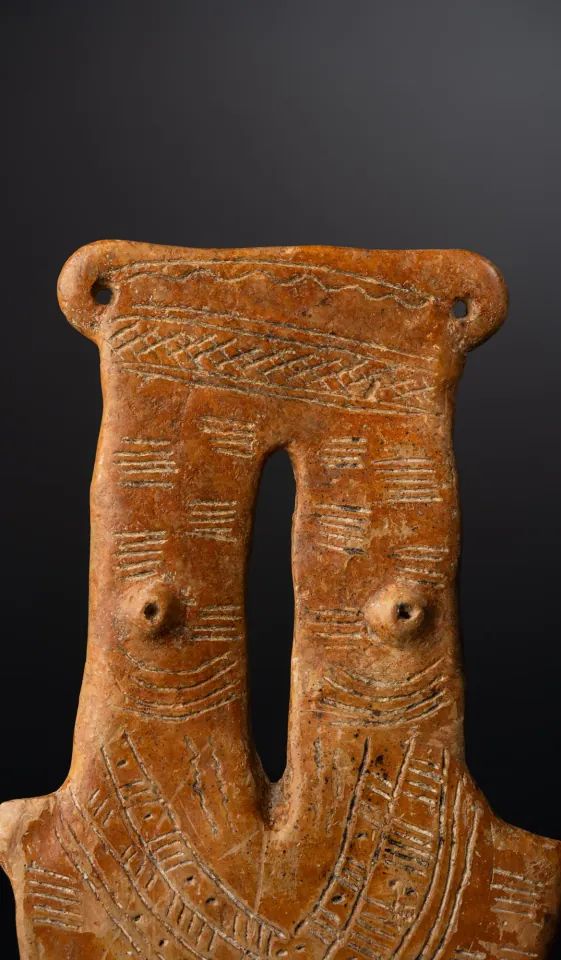
Red Polished Two-Necked Plank Figure
Terracotta figurine
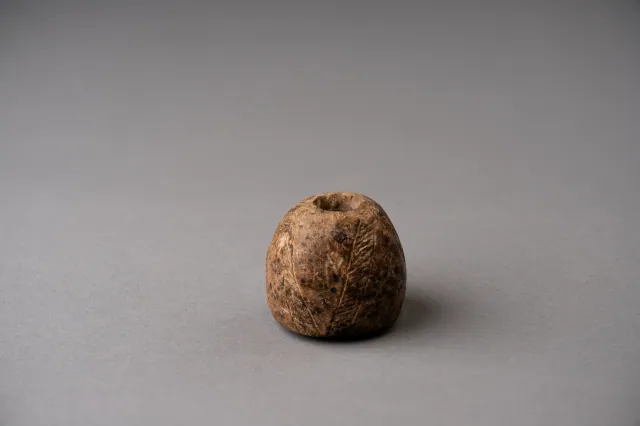
Spindle Whorl with Incised Herringbone Bands
Middle Cypriot (Middle Bronze Age)
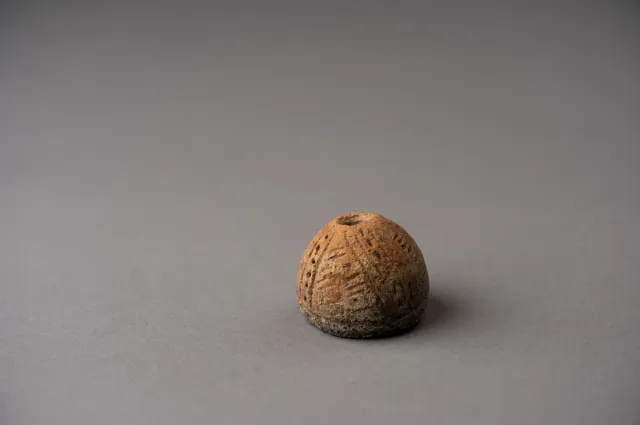
Red Polished Spindle Whorl with Incised Lattice and Dotted Bands
Middle Cypriot (Middle Bronze Age)
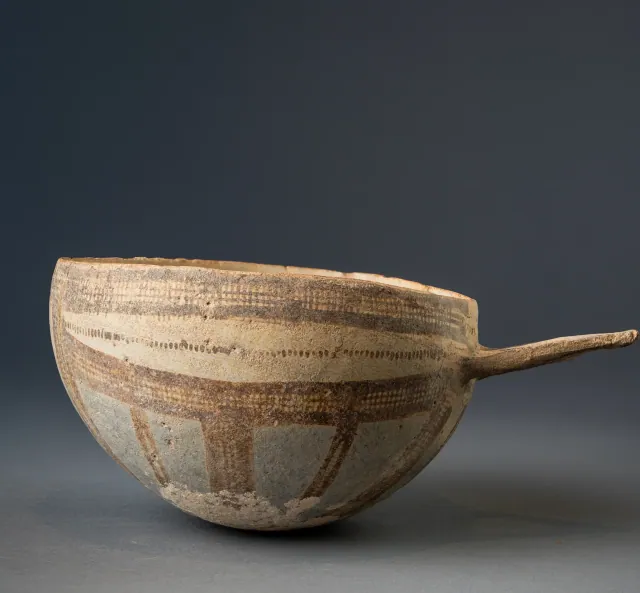
White Slip II Hemispherical Bowl with Wishbone Handle
Late Cypriot (Late Bronze Age)
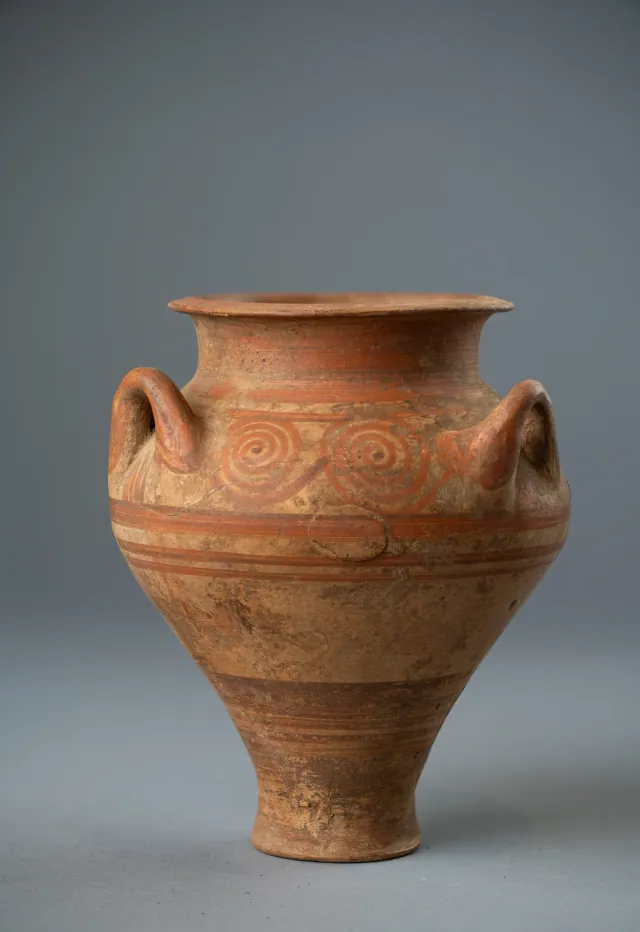
Cypriot Three-Handled Jar in the Mycenaean Style with Running Spirals
Late Cypriot (Late Bronze Age)
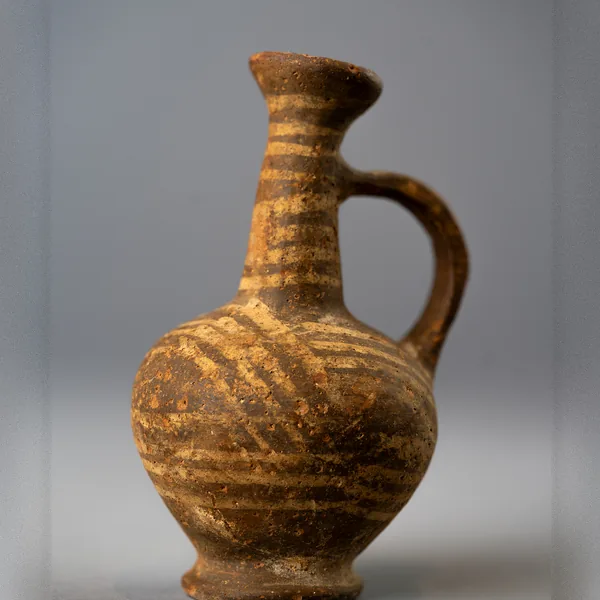
Base Ring II Bilbil Juglet with White-Painted Bands
Late Cypriot (Late Bronze Age)
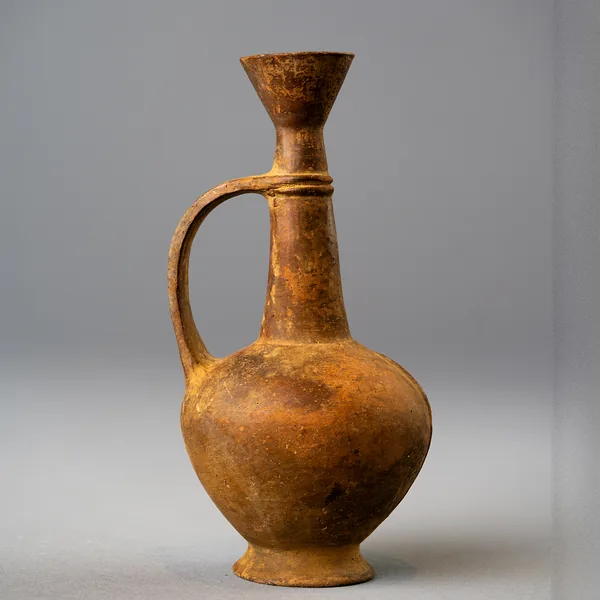
Base Ring Bilbil Juglet with Funnel Mouth and Neck Ridge
Late Cypriot (Late Bronze Age)
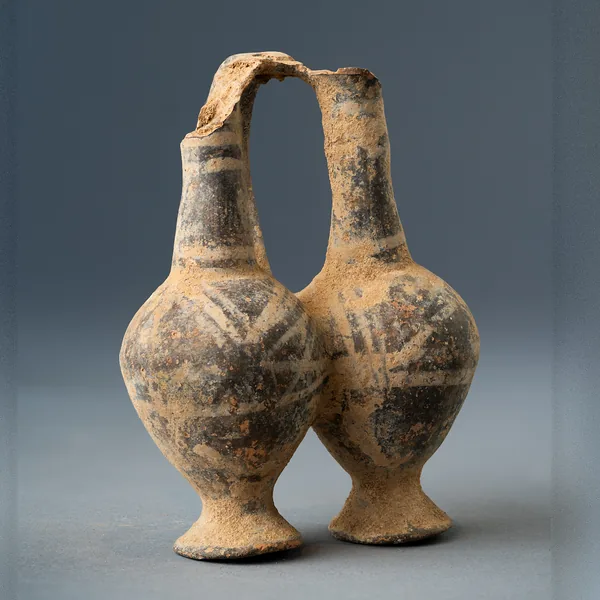
Base Ring II Double Juglet with White-Painted Decoration
Late Cypriot (Late Bronze Age)
Found at the places discussed
Objects in our catalogue, in museum collections, recorded as found at these sites.

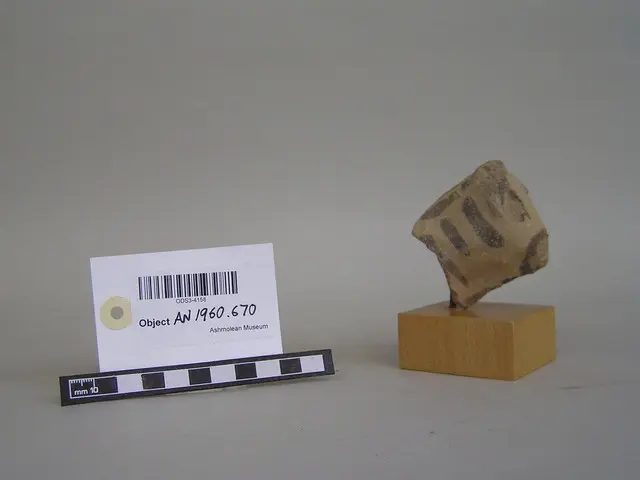


Background
Where to read more on this site before or after watching.
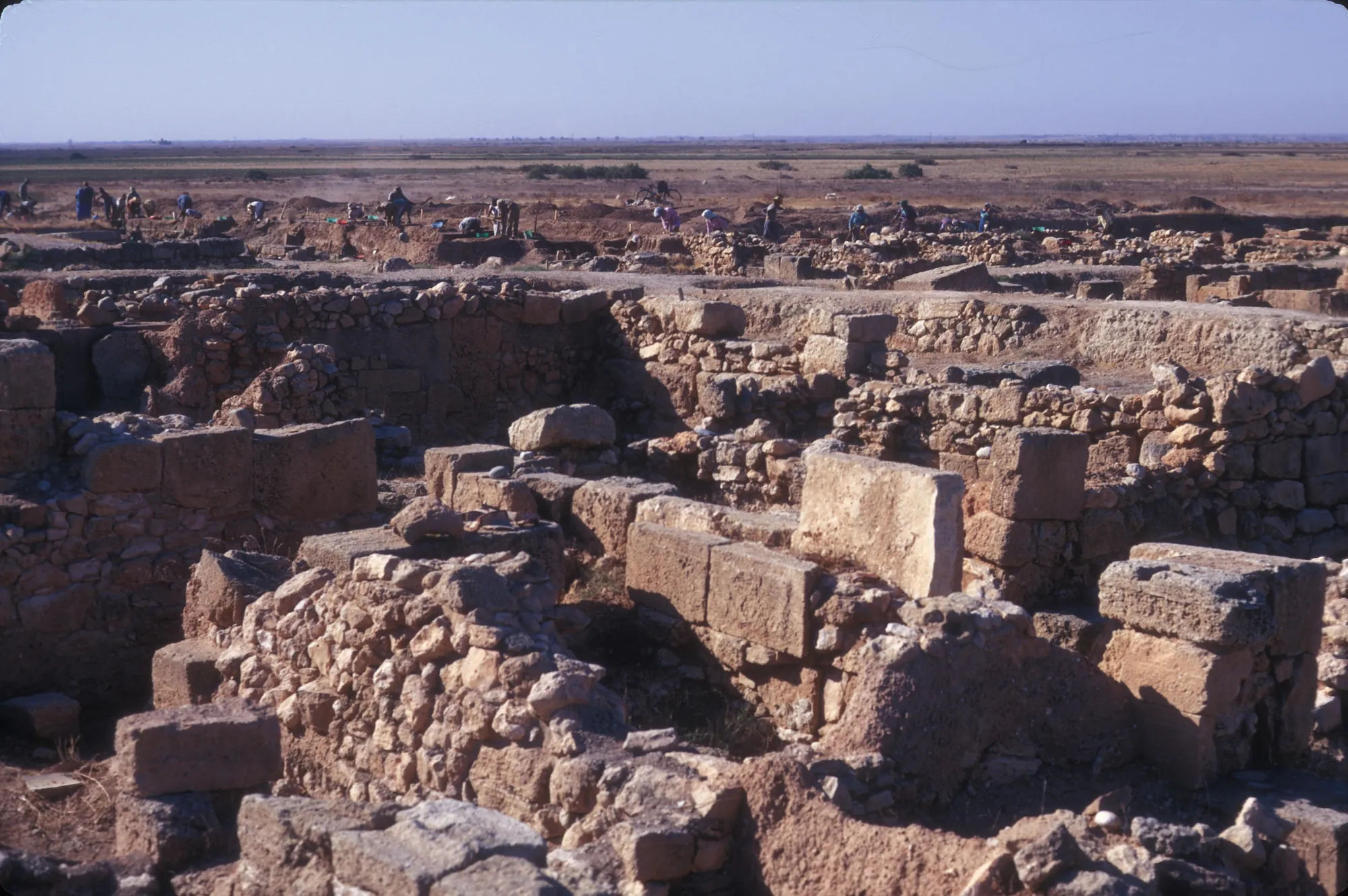
The site
Enkomi
Enkomi is a walled Late Bronze Age town near the mouth of the Pedieos river on the bay of Famagusta, lived in from about 1650 BC until it was gradually abandoned for nearby Salamis. It was a port for Cypriot copper, and its excavations produced metal workshops, sanctuaries with bronze cult statues, rich tombs and the largest group of Cypro-Minoan inscriptions on the island.
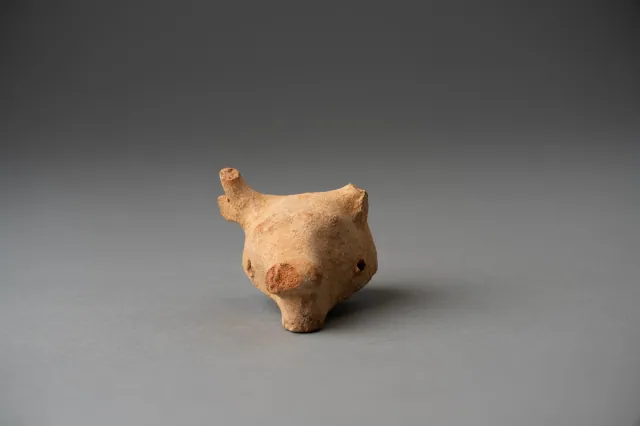
In the compendium
Bulls and Cattle
Bulls and cattle in Cypriot art, modelled on Red Polished cult vessels, made as Base Ring rhyta and dedicated as Archaic votives in clay and stone.
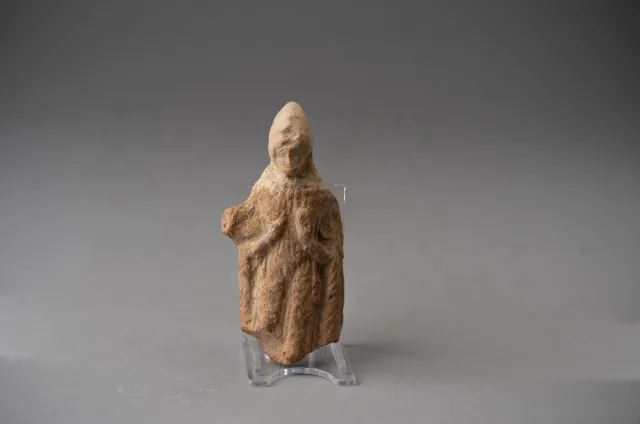
In the compendium
Terracotta Figurines
Small clay figures made in Cyprus by hand, on the wheel or in moulds, from Chalcolithic birthing figures to the Cypro-Archaic sanctuary votives.
In the compendium
Bronze Figurines
Small solid-cast bronze figures of gods, worshippers and animals, made in Cyprus from the Late Bronze Age and dedicated in sanctuaries or placed in tombs.
Map of Cyprus
Places discussed in the talk
- Has a page on this site
- Other places
- Ground above 200, 500, 1,000 m