
Lecture·Archaeological Research Unit - University of Cyprus·2021
The tumulus of Laona: an un-Cypriot monument in the landscape of the island
Chapters
About the lecture
Maria Iacovou, Professor of Prehistoric and Protohistoric Archaeology at the University of Cyprus, presents eight years of research by the Palaepaphos Urban Landscape Project on the mound of Laona at Palaepaphos (modern Kouklia). She characterizes the tumulus as an "un-Cypriot" monument: although raised by local Paphian builders using local soils and traditional techniques, an earthen mound of this scale and engineering plan has neither precedent nor successor in the island's cultural record.
Iacovou first sets Laona within the urban layout of ancient Paphos. Geophysical surveys begun in 2003 disproved the assumption of T. B. Mitford and J. H. Iliffe that a single city wall enclosed the town; instead, special-function zones occupied separate plateaus east and north of the sanctuary of Aphrodite. On the plateau of Hadjiabdullah, 70 metres south of Laona, excavations revealed a 5th-century BC workshop and storage complex alongside the building long known as the palace, identifying the plateau as the administrative citadel of the Cypro-Classical dynasty.
Investigations at Laona itself began in 2012. Digital modelling showed an artificial mound measuring roughly 100 by 60 metres and 10 metres high, requiring some 13,700 cubic metres of alternating geological marl and red organic soil. Trenches in the south-east corner revealed that the mound buried an earlier defensive rampart built of stone and mould-made mudbricks, with two facing staircases on its inner face and a preserved height of up to 6 metres. Diagnostic pottery from its foundation trench dates the rampart to the late Cypro-Archaic period, contemporary with the Hadjiabdullah complex, whereas sherds carried in the mound's red soils run from the Middle Cypriot down to the 4th or early 3rd century BC.
Deep stepped trenching inside the south-east quarter exposed a 4 by 5 metre stone-walled structure cut into bedrock and packed solid with worked marl, which Iacovou interprets as a decoy or pseudo-grave meant to misdirect tomb robbers. A micromorphological study by Panagiotis Karkanas and Myrsini Gkouma identified four construction stages for the tumulus. Comparing Laona with mounds at Salamis, Amathus and Korovia, Iacovou places its construction in the wars of Alexander's successors around 300 BC, before Ptolemy I abolished the Cypriot kingdoms, and notes that under Hellenistic rule the mound was abandoned and forgotten while the Ptolemies promoted the sanctuary of Aphrodite. In the discussion afterwards, Iacovou responds to questions from Lina Kassianidou, Sophocles Hadjisavvas and others on cenotaphs, further trenching and Macedonian and Thracian parallels.
From our collection
Pieces in the Drakopoulos collection of the kinds and periods this talk covers: Cypro-Archaic, Hellenistic.
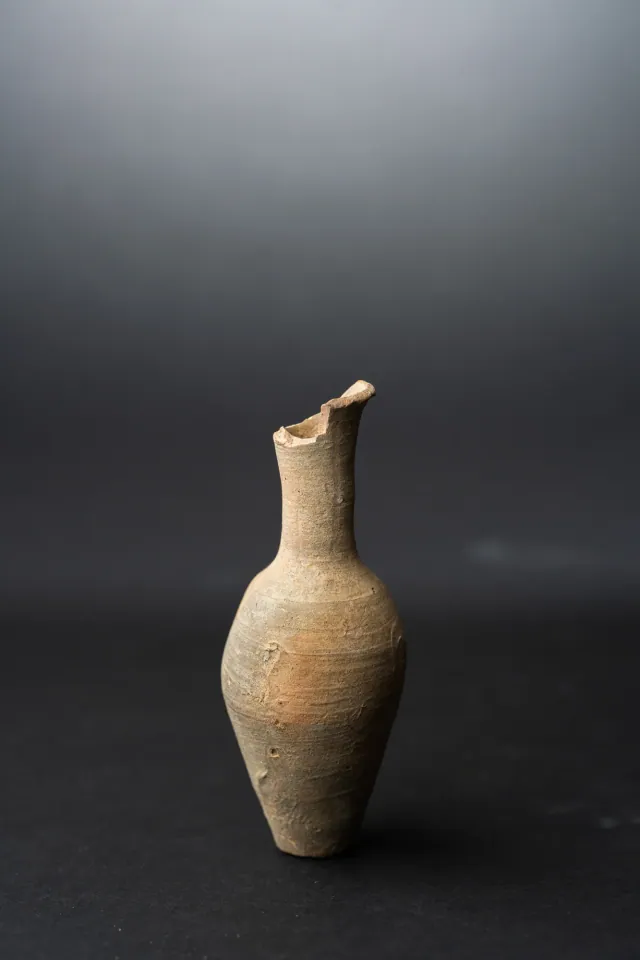
Fusiform Unguentarium
Hellenistic
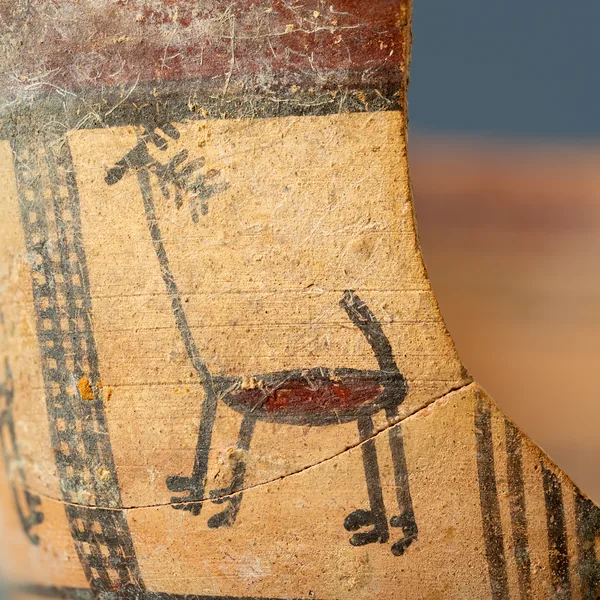
Bichrome Skyphos with Stags in Metopes
Cypro-Archaic
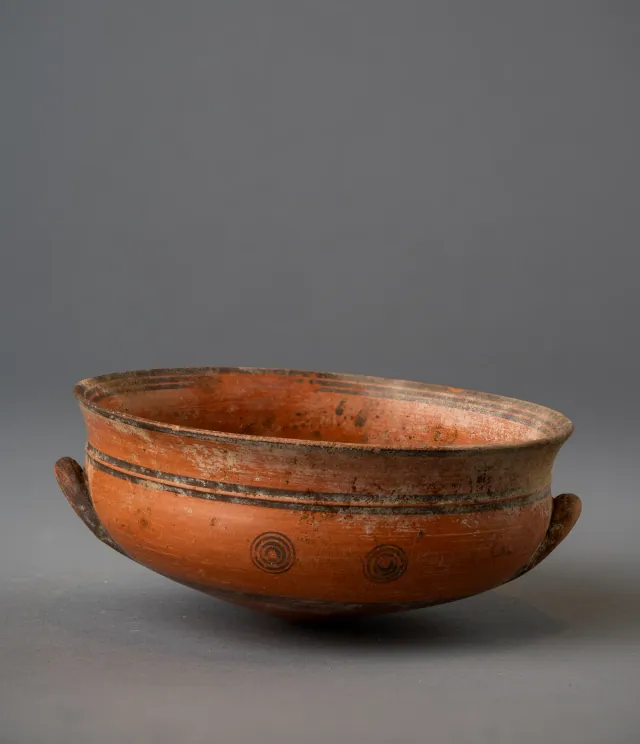
Black-on-Red Two-Handled Bowl with Raised Flaring Rim
Cypro-Archaic
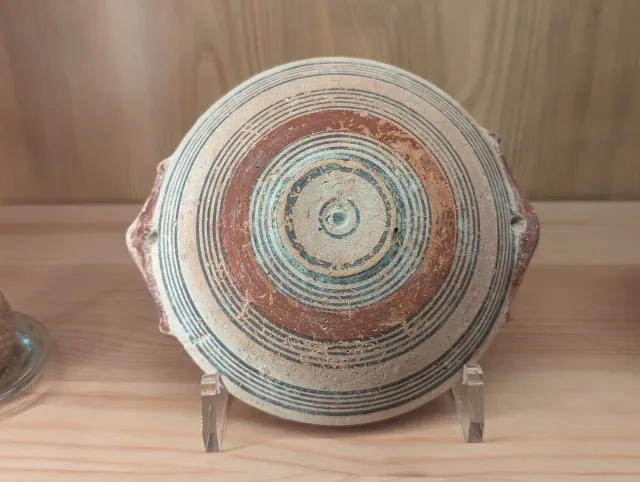
Bichrome IV Bowl with Red-Painted Pierced Lug Handles
Cypro-Archaic
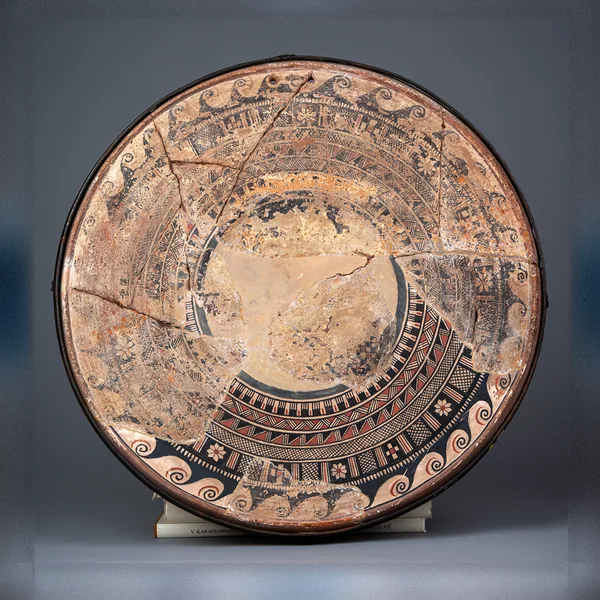
Large Bichrome Plate from Salamis with a Wave Band and Rosette Metopes
Cypro-Archaic
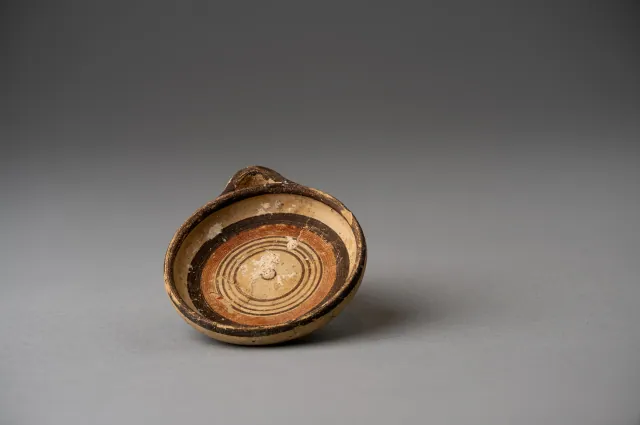
Miniature Bichrome Plate with Concentric Circles
Cypro-Archaic
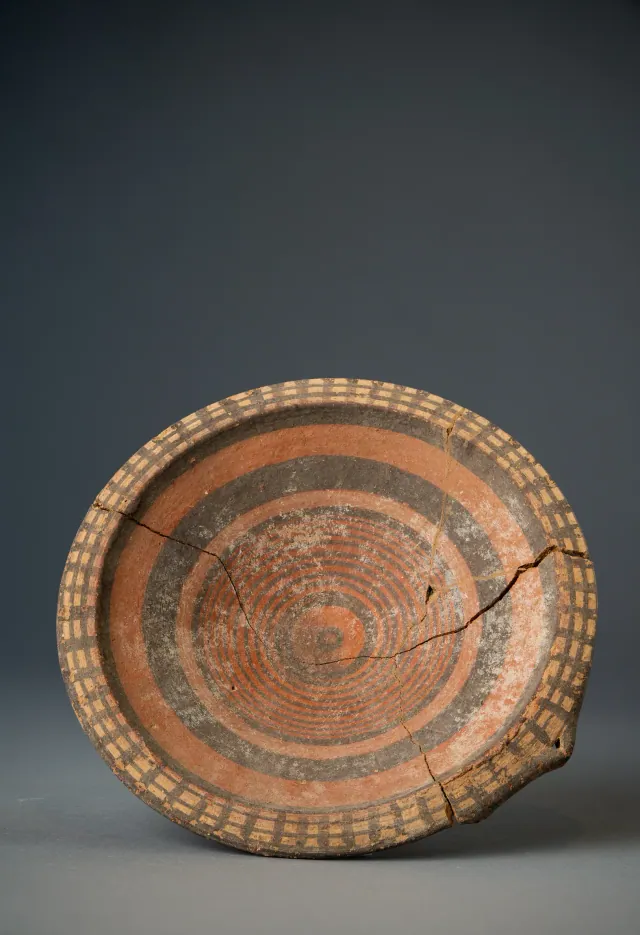
Black-on-Red Plate with Barred Rim and Concentric Circles
Cypro-Archaic
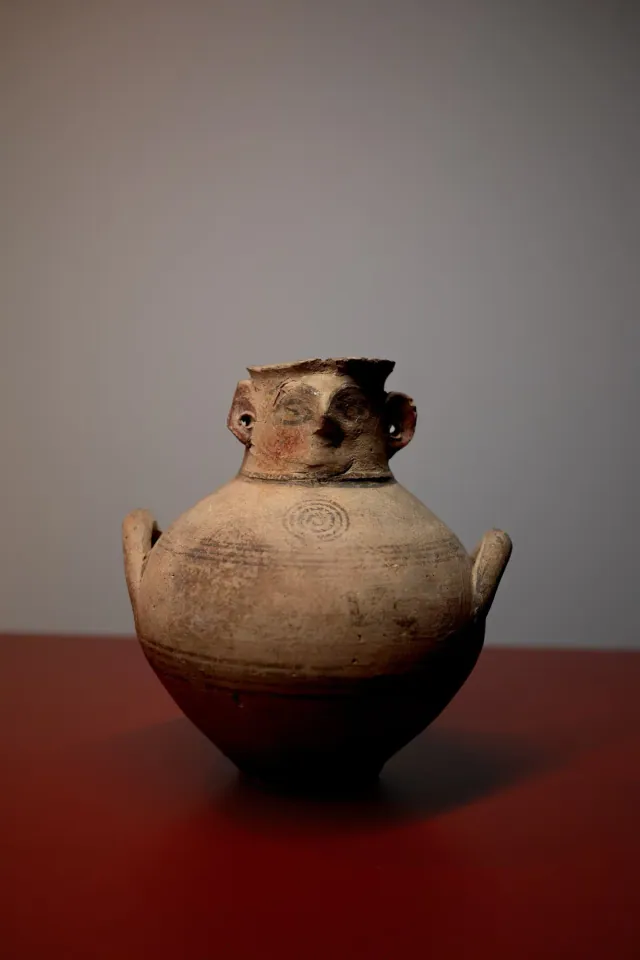
Bichrome IV Face-Neck Jar of the Kourion Type
Cypro-Archaic
Found at the places discussed
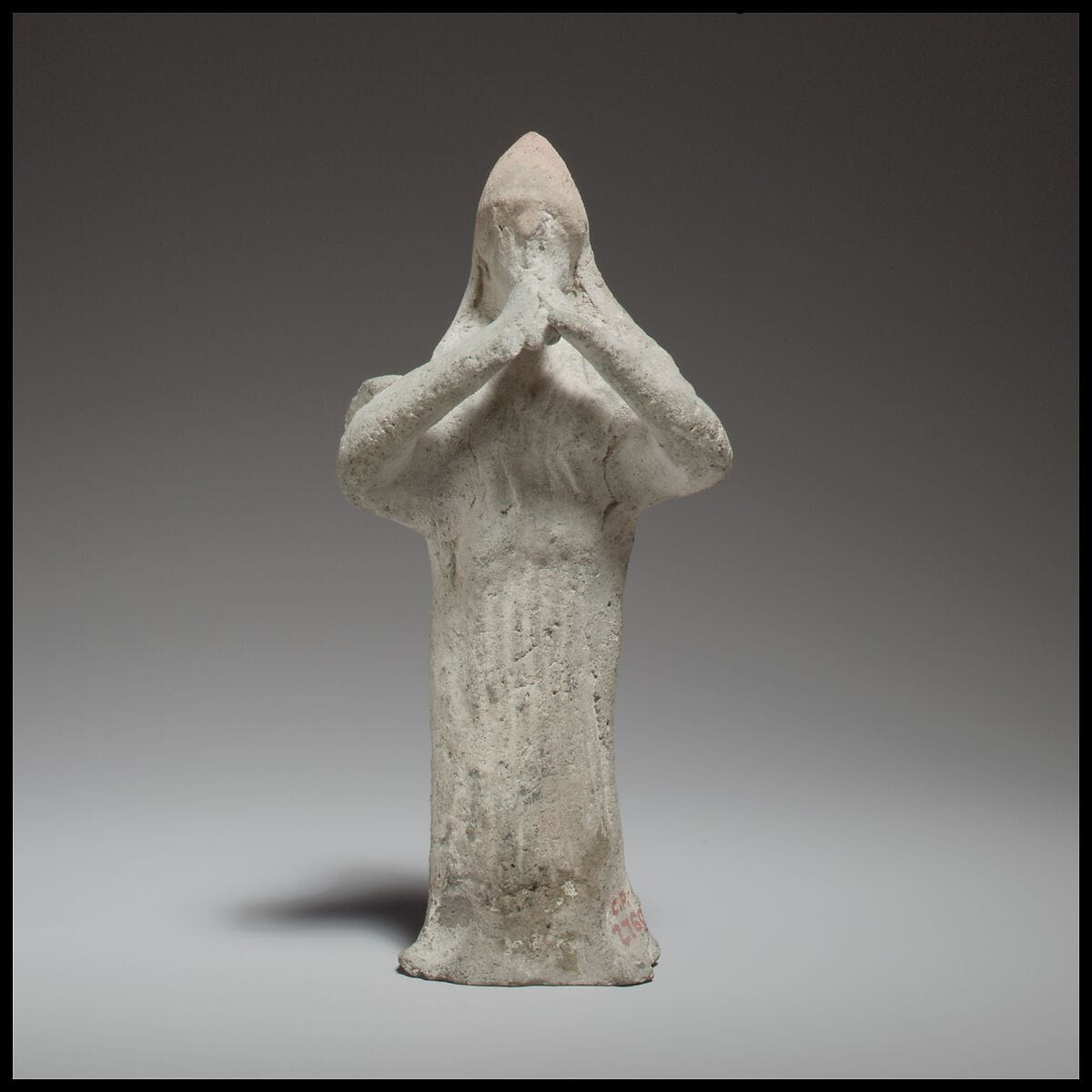
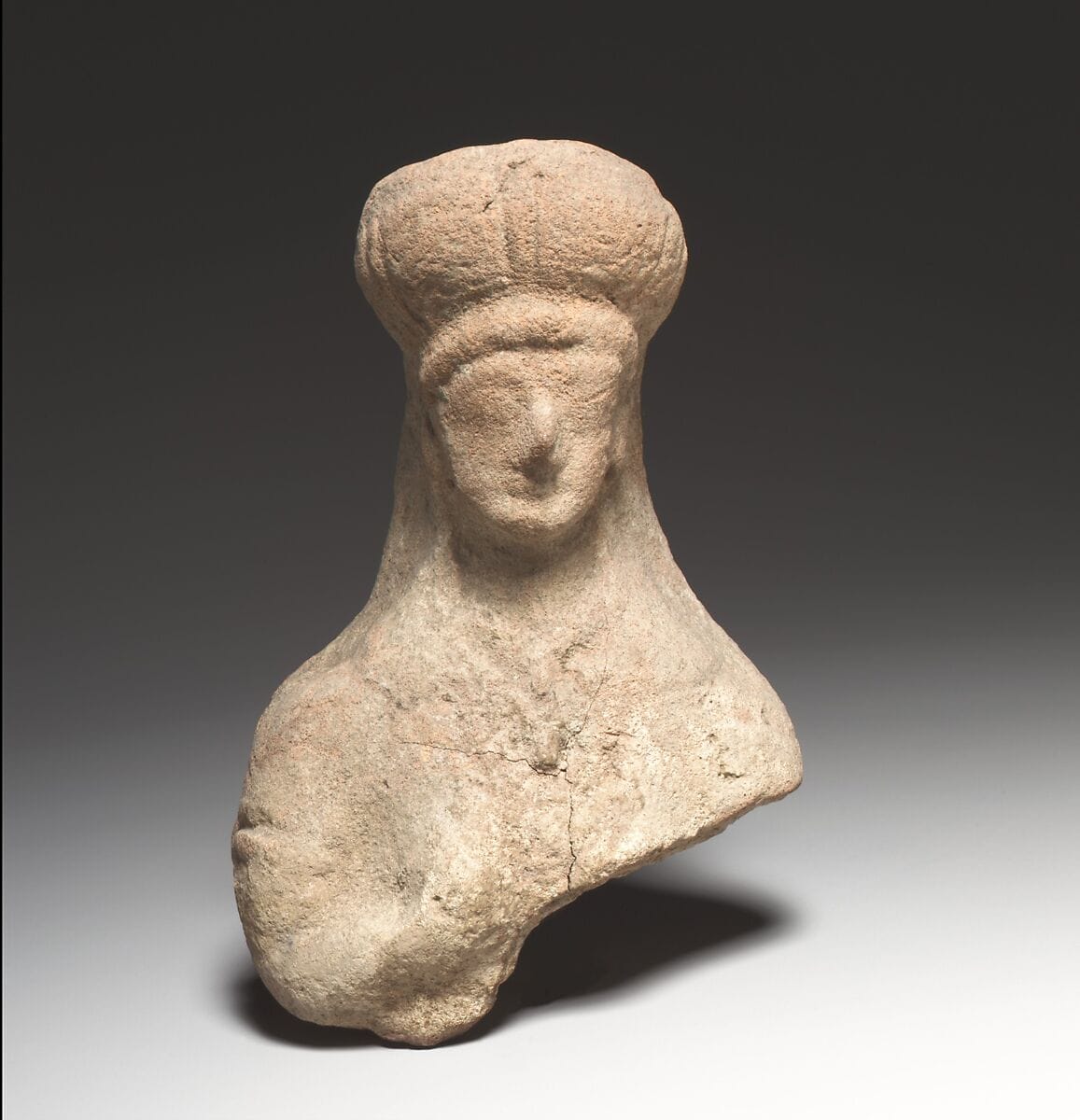
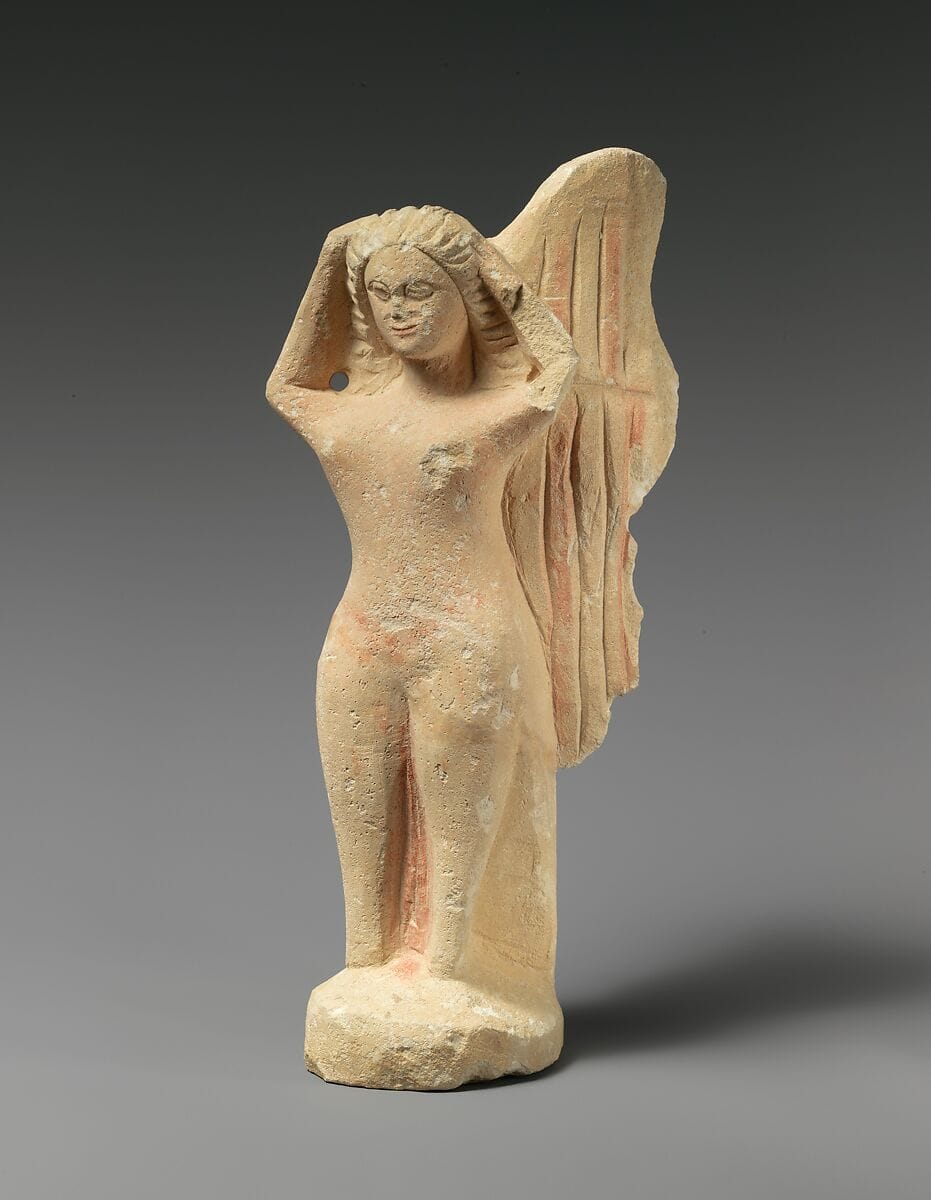
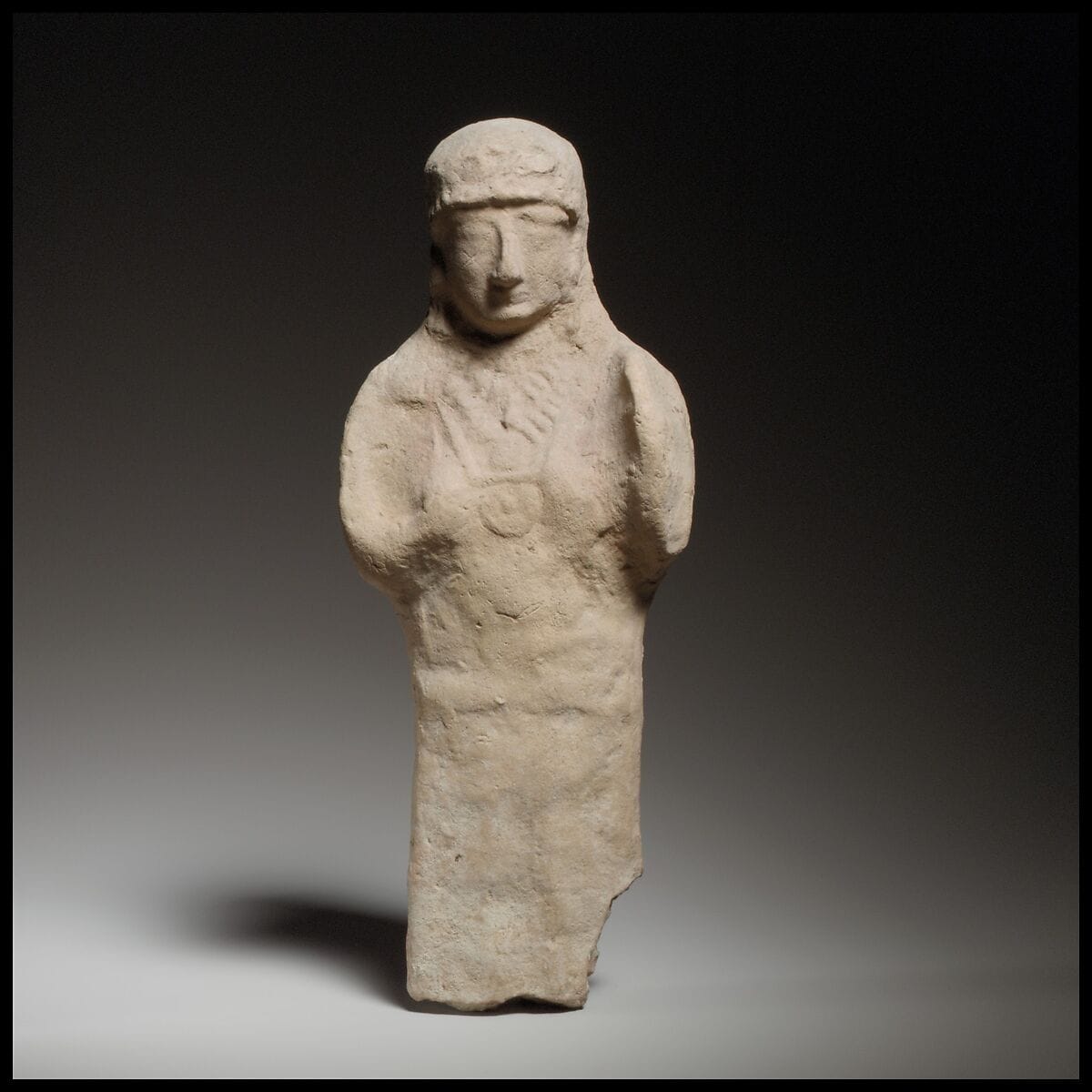
Objects in our catalogue, in museum collections, recorded as found at these sites.
Background
Where to read more on this site before or after watching.
The site
Palaepaphos (Kouklia)
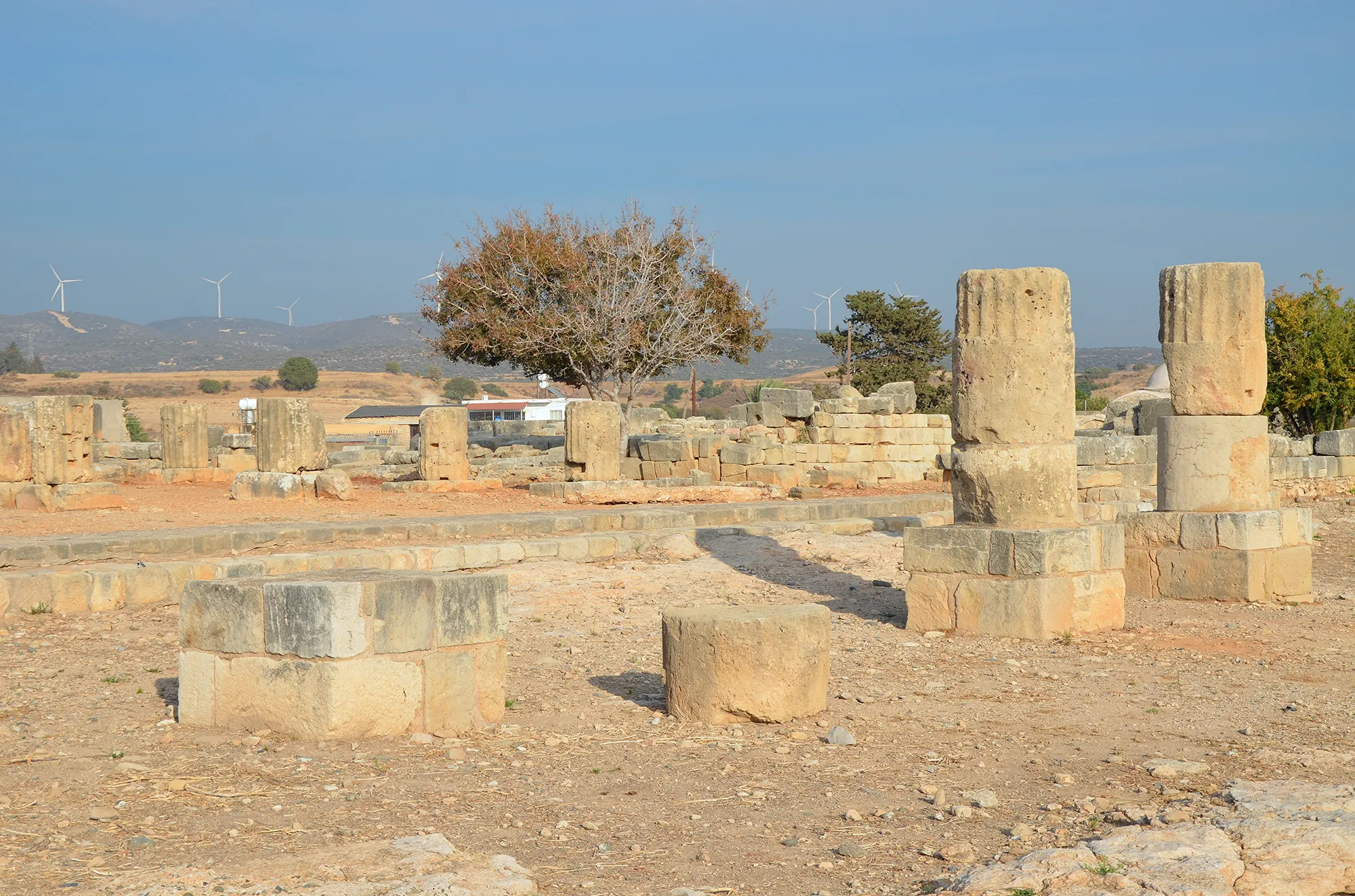
Palaepaphos, Old Paphos, lies under and around the village of Kouklia in western Cyprus. Founded in the Middle Bronze Age, it was the only large town of the south-west until the early Hellenistic period, the seat of the kings of Paphos and the site of the sanctuary of the Paphian goddess, Aphrodite, worshipped here from about 1200 BC to the end of the 4th century AD.
In the compendium
Building Materials and Techniques
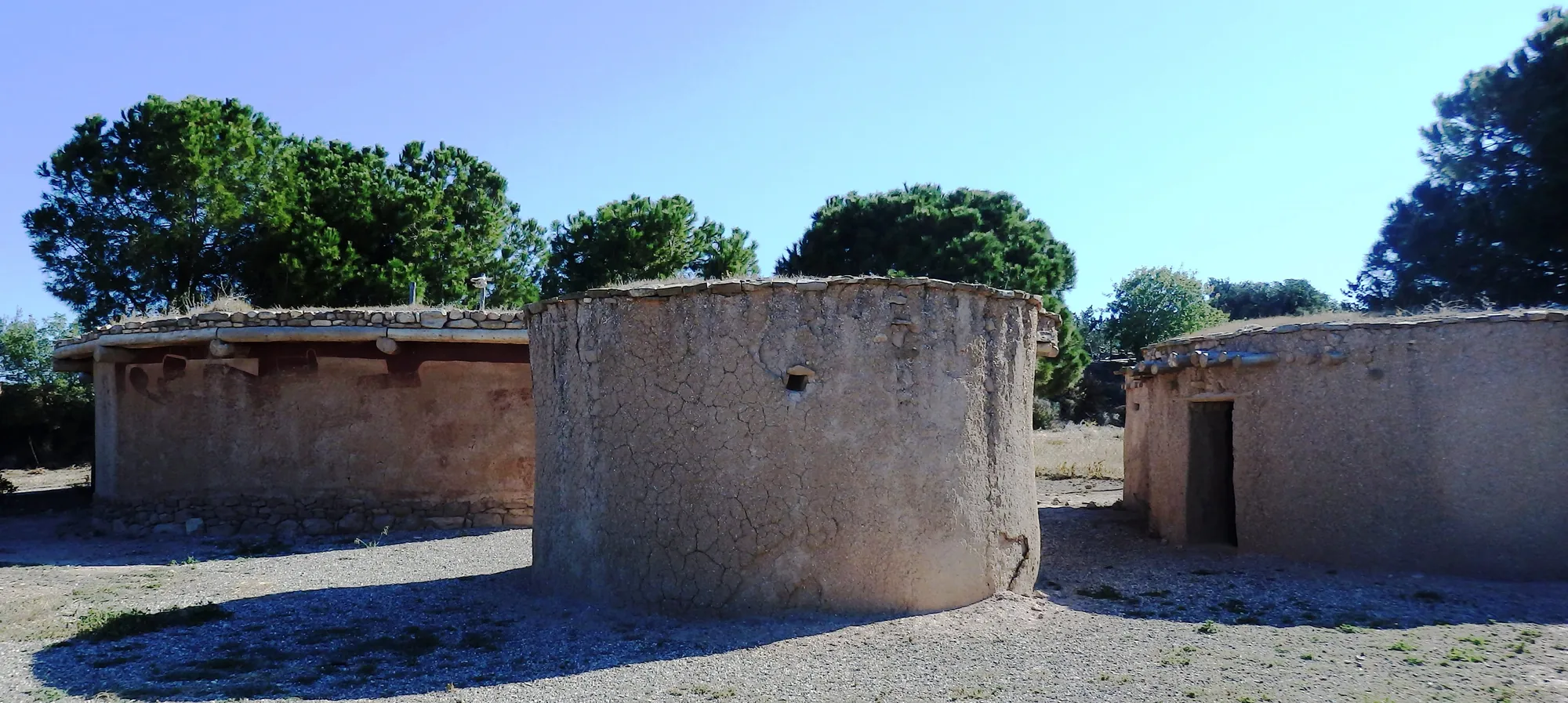
Cypriot houses were built of local stone, earth and timber: walls of rubble or mudbrick on stone socles, under flat roofs of beams, brush and packed earth.
In the compendium
Iron Age Cities and Palaces
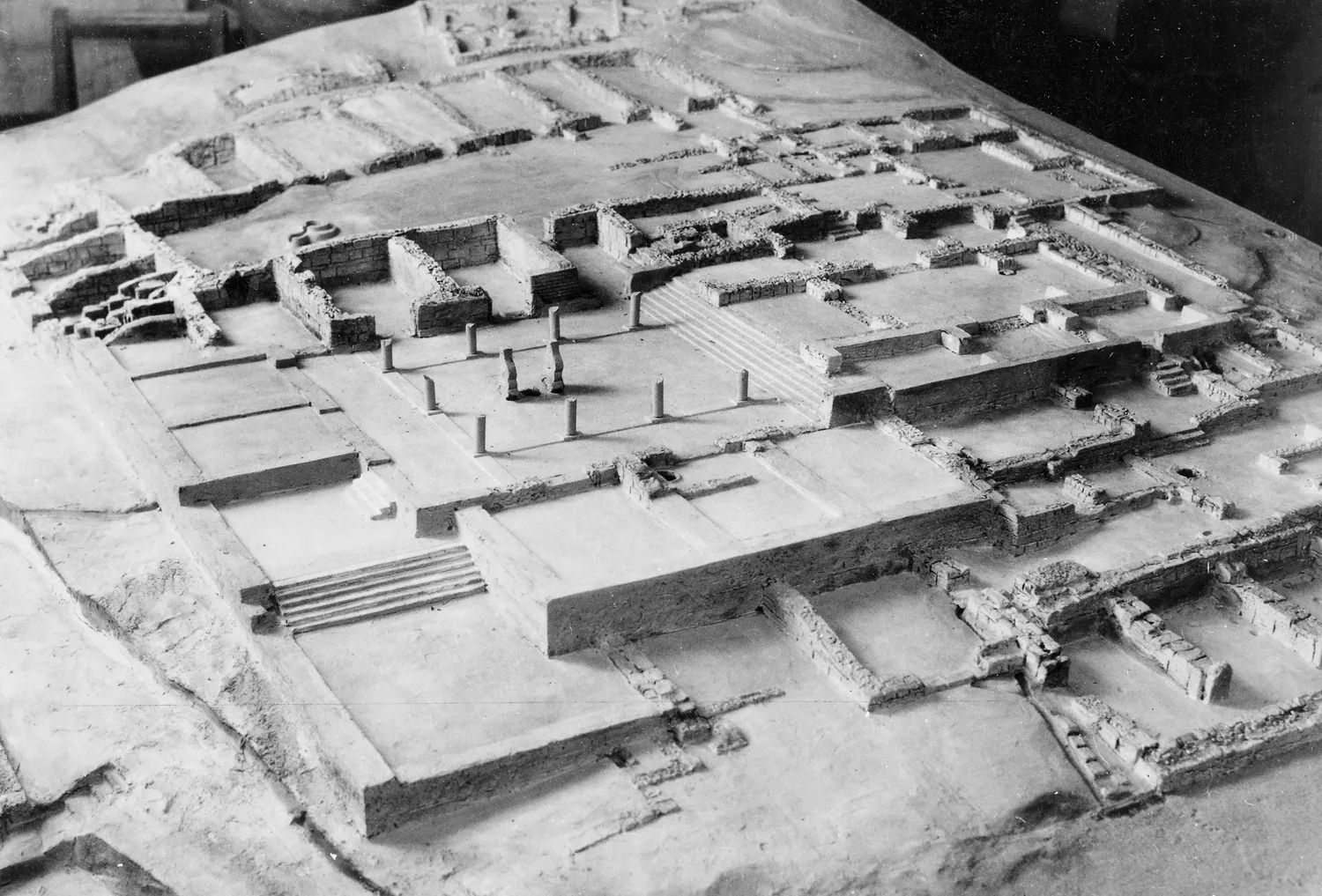
The capitals of the Iron Age kingdoms of Cyprus, their palaces at Vouni, Amathus, Idalion and Palaepaphos, their houses, and the volute and Hathor capitals of the period.
In the compendium
Royal and Built Tombs
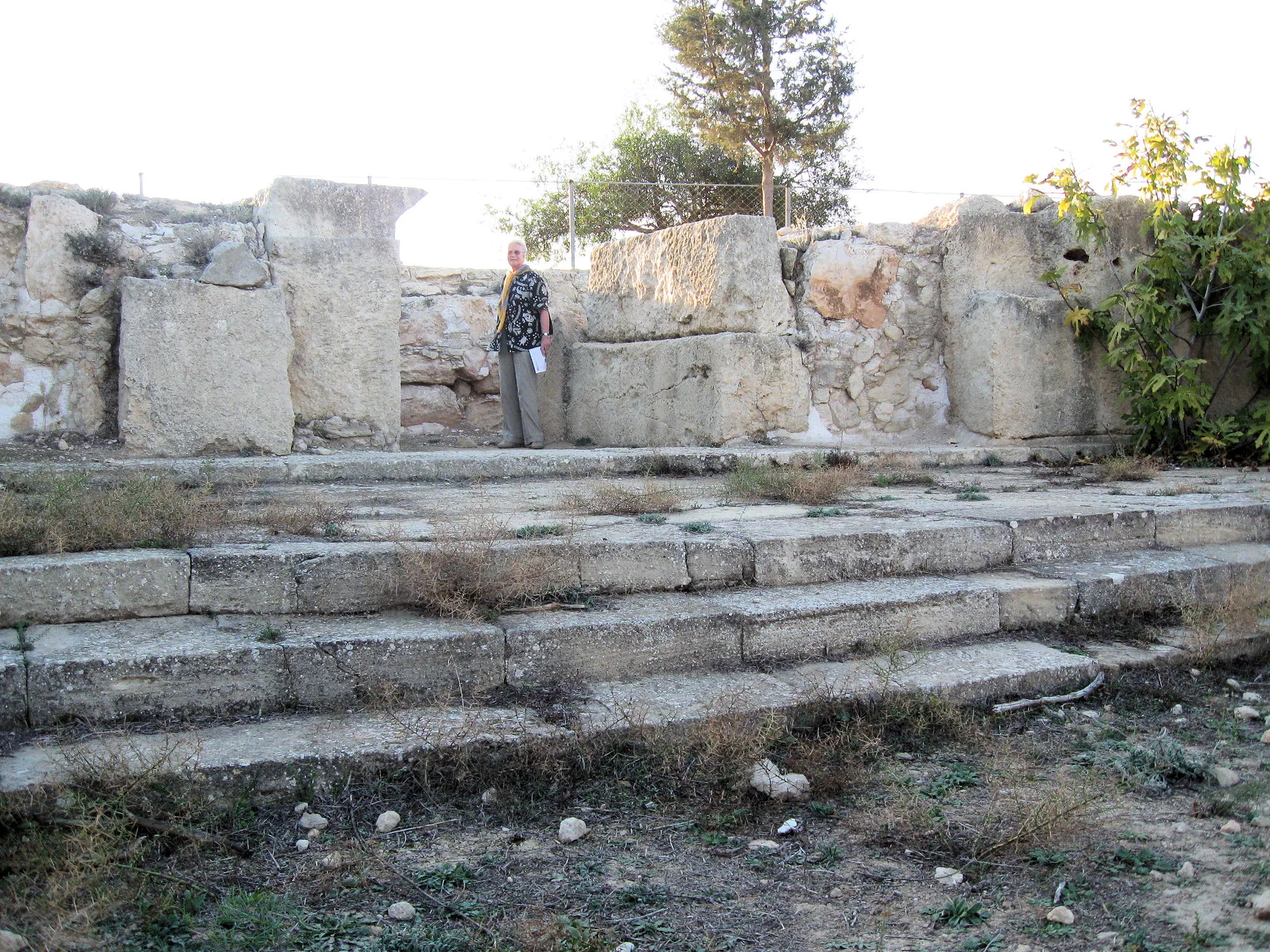
Tombs built of cut stone in Cyprus, from the ashlar tombs under Late Bronze Age houses at Enkomi to the royal tombs of Salamis and Tamassos and the rock-cut courts of Nea Paphos.
Map of Cyprus
Places discussed in the talk
- Has a page on this site
- Other places
- Ground above 200, 500, 1,000 m
Places
- 1Palaepaphos
- 2Salamis
- 3Amathus
- 4Nea Paphos
- 5Korovia (approx.)