
Lecture·Archaeological Research Unit - University of Cyprus·2024
Architectural decoration of the Stoas of the Agora of Amathus
Anna Urszula Kordas and Szymon Popławski
Chapters
About the lecture
Anna Urszula Kordas of the University of Warsaw and Szymon Popławski of the Technical University of Vienna present a photogrammetric study and architectural reconstruction of the limestone decoration from the stoas of the agora of Amathus. The project grew out of Kordas's doctoral research on Hellenistic and Roman stonemasons' marks in Cyprus and Alexandria, which required assigning over 230 displaced architectural blocks to specific buildings around the square.
Kordas places the Amathus material in the context of other Cypriot agoras at Nea Paphos, Kourion, Salamis and Soloi, where surviving ornament is mostly marble from the 2nd and 3rd centuries AD. Amathus preserves Hellenistic and early Roman architectural decoration cut in local limestone. She reviews the excavation history of the site, dug by Michalis Loulloupis for the Department of Antiquities between 1977 and 1991 and studied further by the French School at Athens in 2001 and 2002. Beginning in the 3rd century BC with a palaestra, baths and a double stoa, the square was remodelled under Tiberius in the 1st century AD into a paved courtyard framed by the Western Stoa, the Southern Stoa and the new L-shaped Stoa. Late antique dismantling and reuse left the blocks without stratigraphic context, so the team used Structure from Motion photogrammetry to group them into twenty-three decorative sets by ornament and dimensions.
Popławski presents the reconstructions of the three porticos based on column drums, stylobate blocks and intercolumniations. For the Western Stoa, an intercolumniation of 2.32 metres matches four triglyphs and four metopes of Doric frieze A with twelve flat-grooved modillions on the cornice above, while the lack of stone architraves points to wooden beams. For the Southern Stoa, collapsed blocks along the street allow a restoration combining a Doric architrave, Doric frieze B, and a cornice of flat modillions with Y-shaped grooves and diamonds over a two-metre intercolumniation. A preliminary reconstruction of the L-shaped Stoa pairs Doric columns with a Doric architrave, a frieze with semicircular groove endings, and a cornice with channel-grooved modillions.
Comparing these proportions with the rules of Vitruvius, Popławski notes that the restored columns of the Western Stoa are unusually slender, probably owing to mismatched drums in their modern anastylosis. Across all three stoas, the builders combined the Doric order with flat-modillion cornices of Alexandrian tradition. While flat-grooved modillions occur across the Ptolemaic world and Doric orders appear at the Tombs of the Kings in Paphos, the Y-shaped and channelled modillion forms at Amathus have no parallels in Egypt and point to a local Cypriot workshop tradition.
From our collection
Pieces in the Drakopoulos collection of the kinds and periods this talk covers: Hellenistic.
The Drakopoulos collection →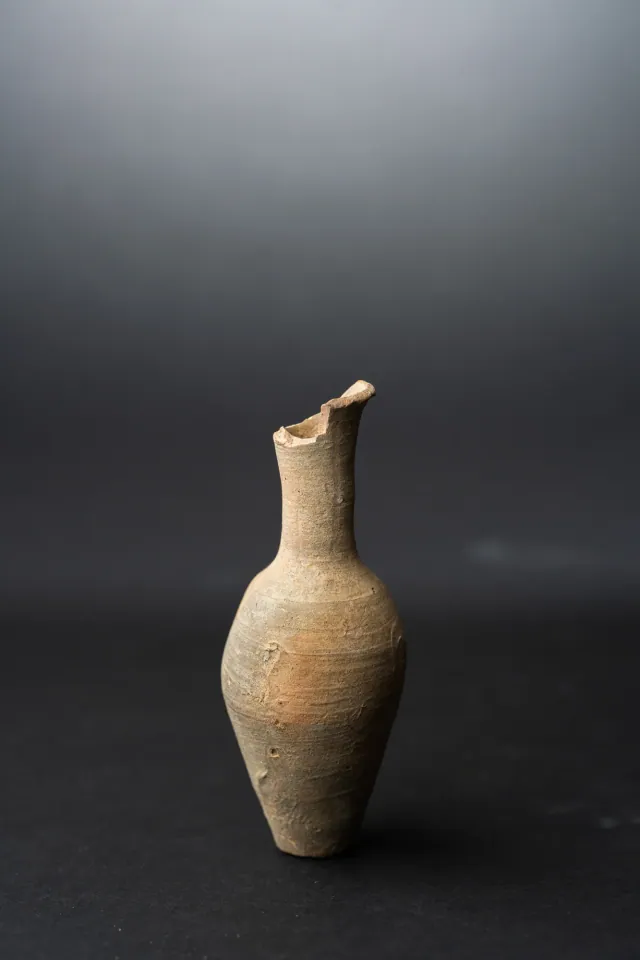
Found at the places discussed
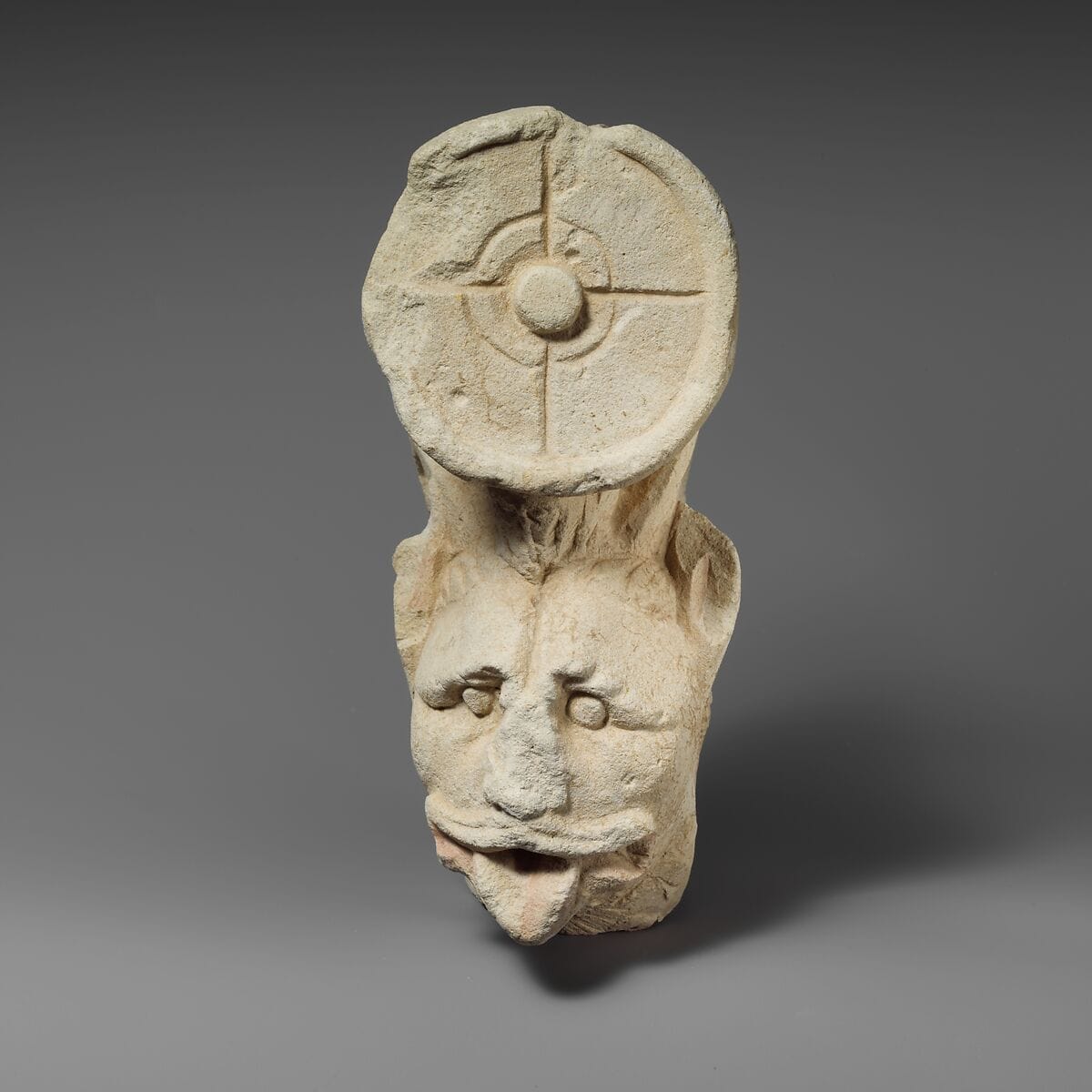
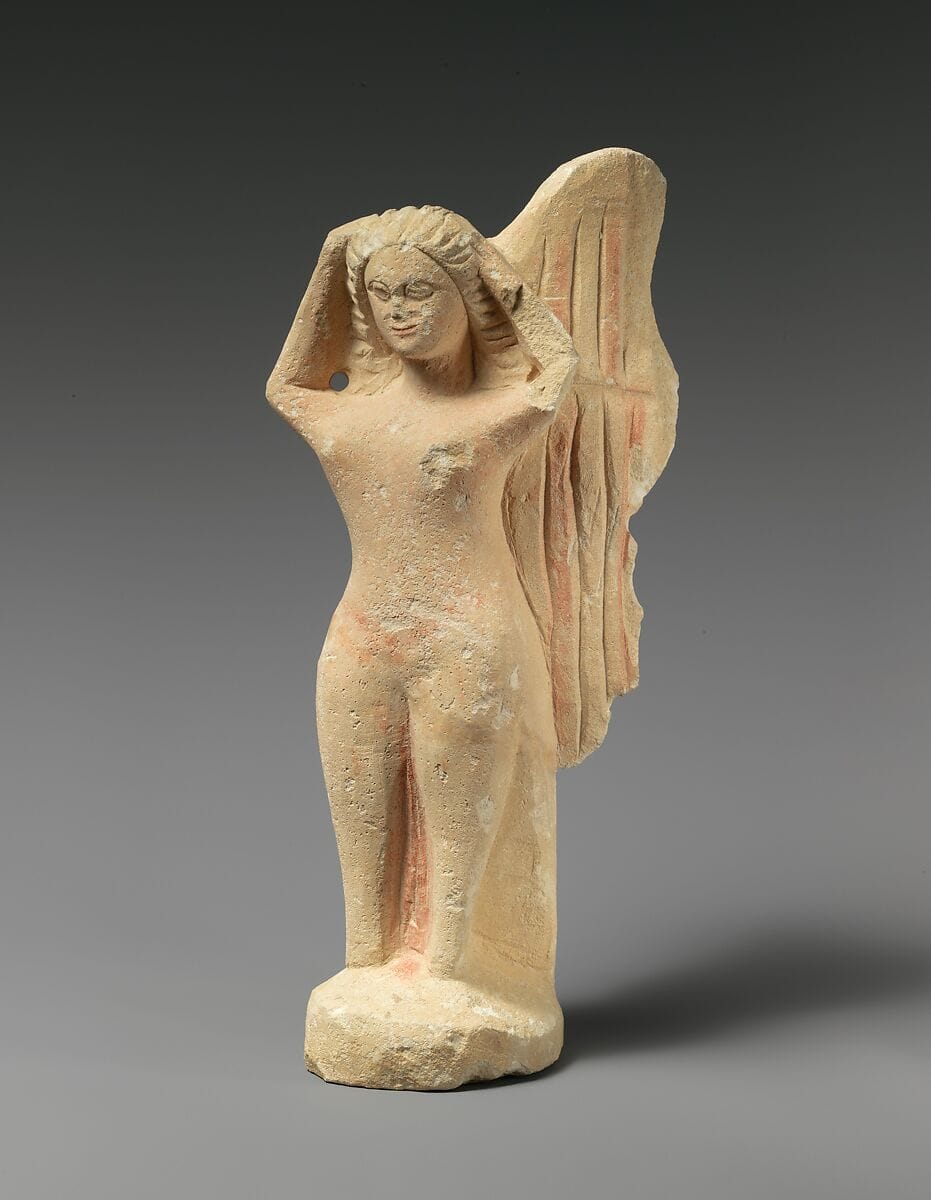
Objects in our catalogue, in museum collections, recorded as found at these sites.


Background
Where to read more on this site before or after watching.
The site
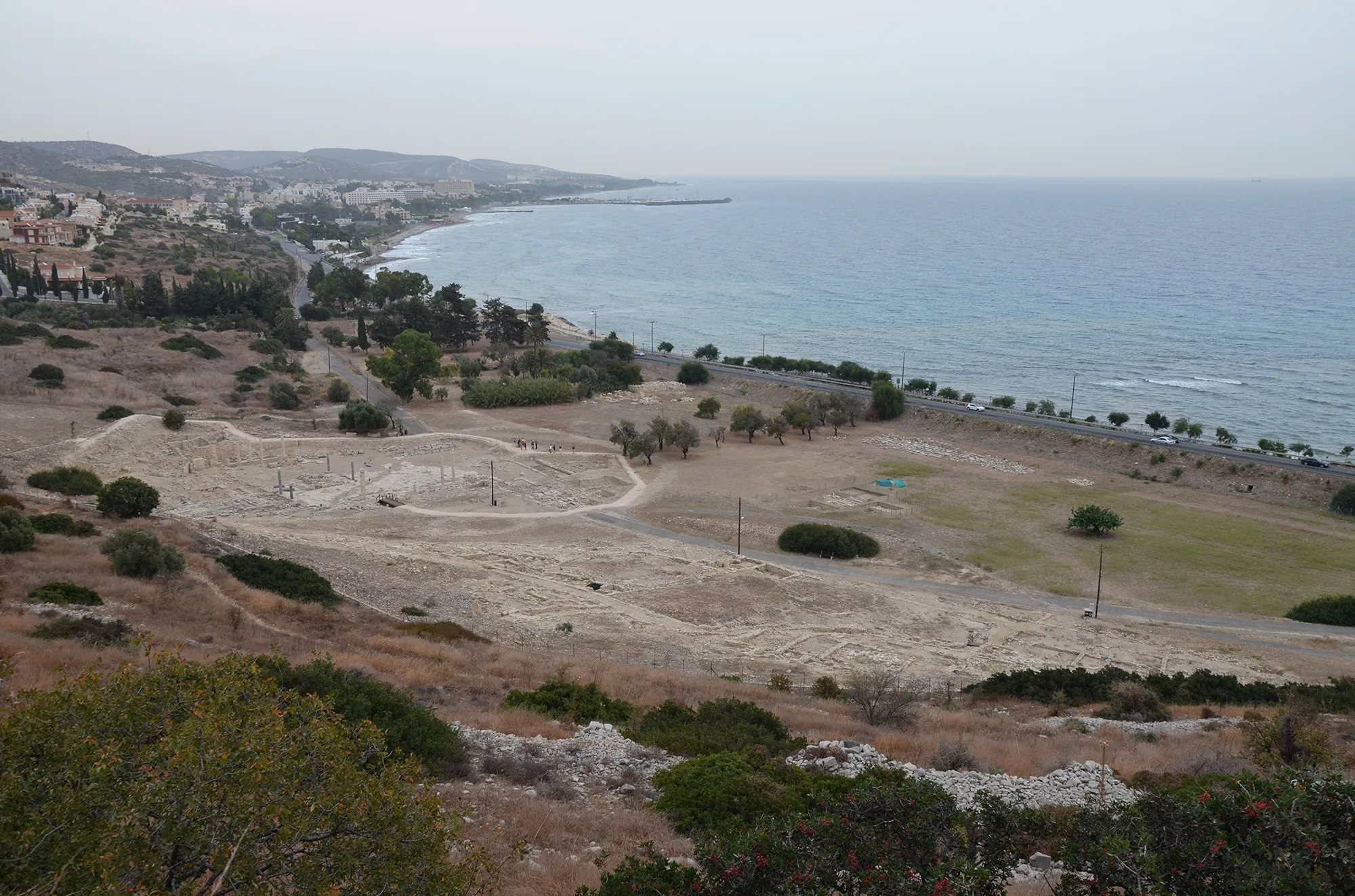
Amathus
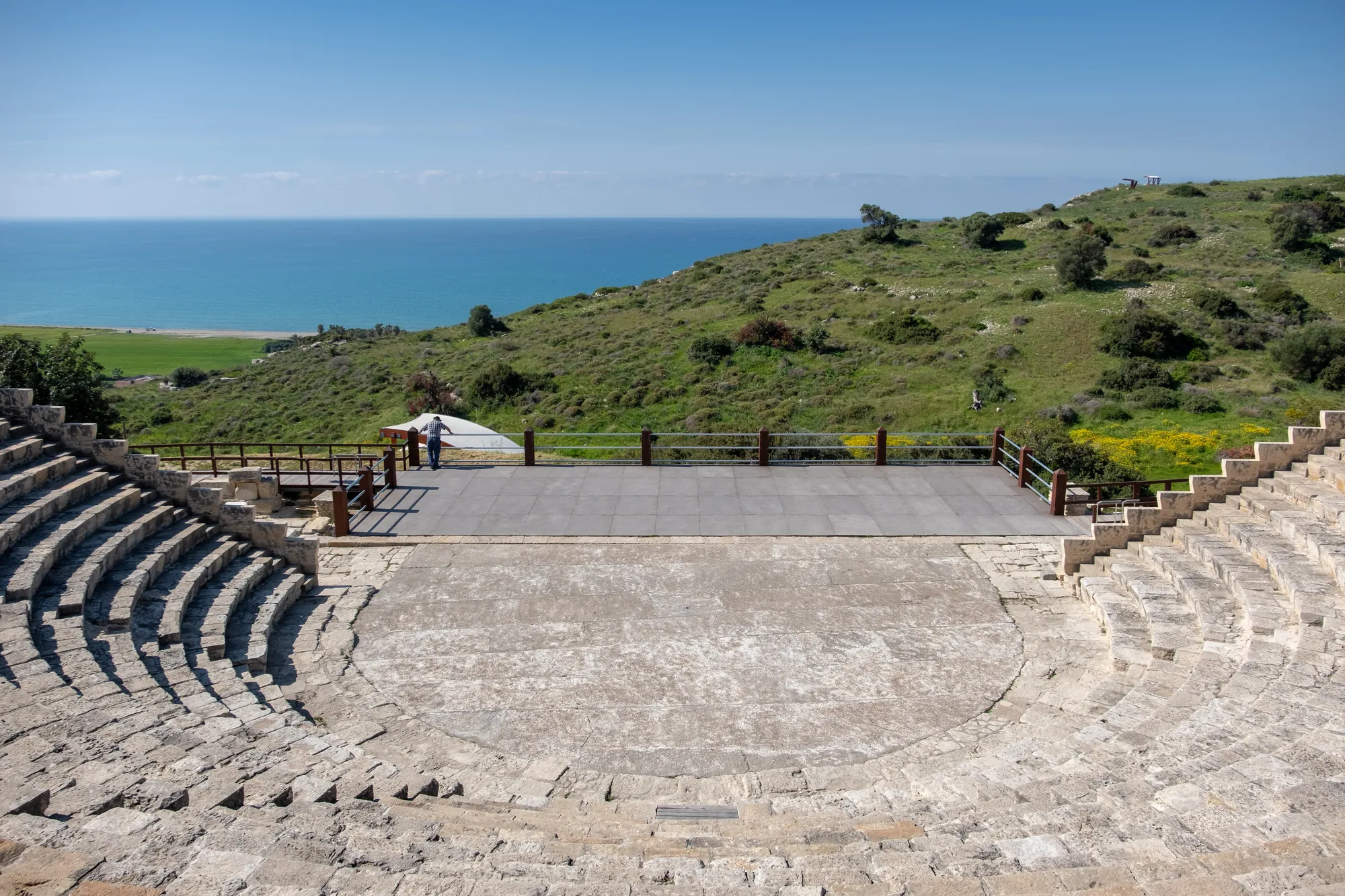
Amathus was the capital of one of the Iron Age kingdoms of Cyprus, on a coastal hill about 10 km east of Limassol. It was founded on an empty site in the 11th century BC and lived in until the end of the 7th century AD. Its acropolis carried a sanctuary of Aphrodite and the kings' palace; its people kept the island's old non-Greek language, Eteocypriot, at least until the time of Alexander.
In the compendium
Theatres, Baths and Public Buildings
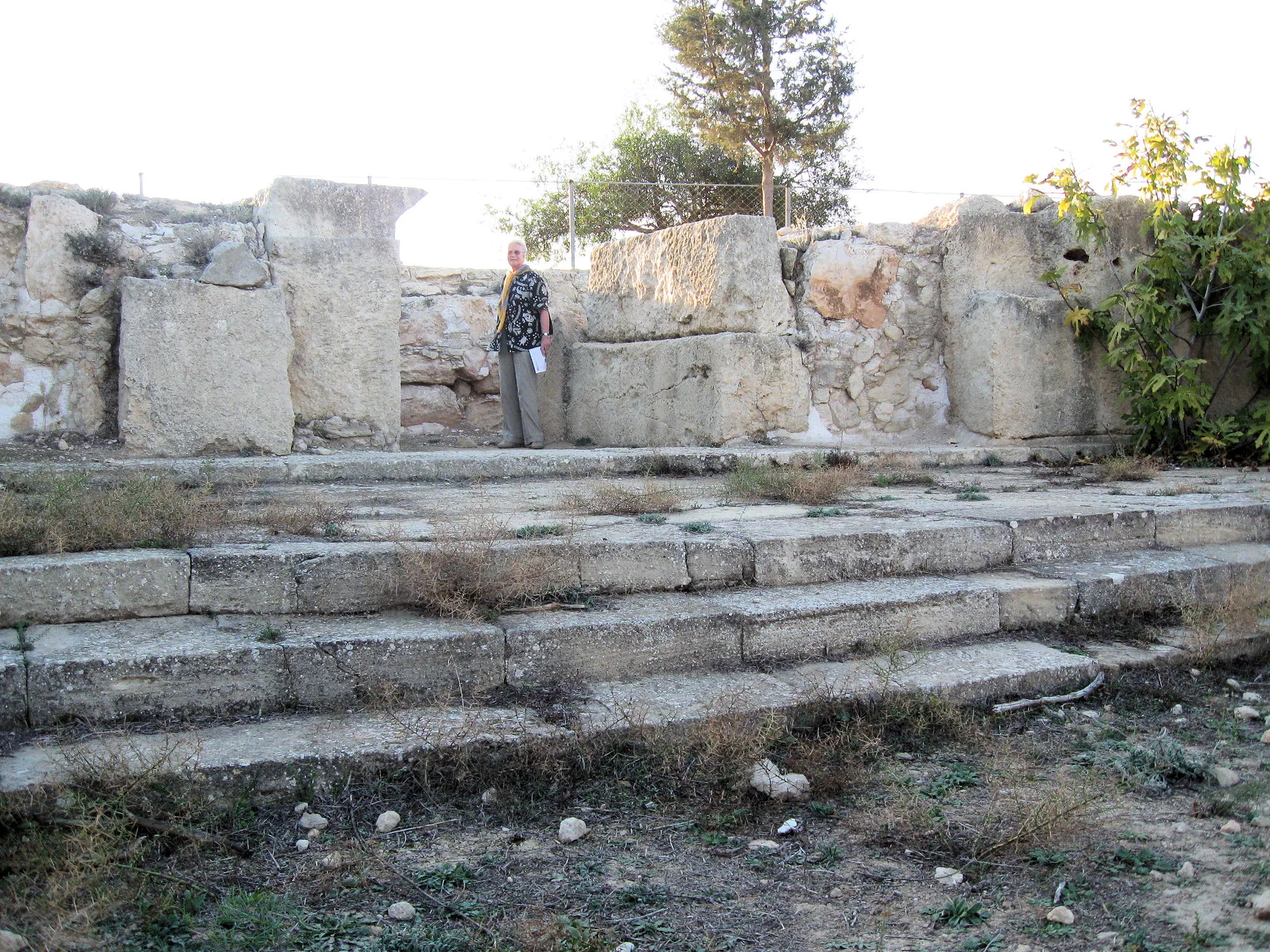
The public buildings of Hellenistic and Roman Cyprus: theatres, an odeion, agoras, the Salamis gymnasium, the Kourion stadium and heated baths, mostly rebuilt after AD 76/77.
In the compendium
Royal and Built Tombs
Tombs built of cut stone in Cyprus, from the ashlar tombs under Late Bronze Age houses at Enkomi to the royal tombs of Salamis and Tamassos and the rock-cut courts of Nea Paphos.
In the compendium
Egypt
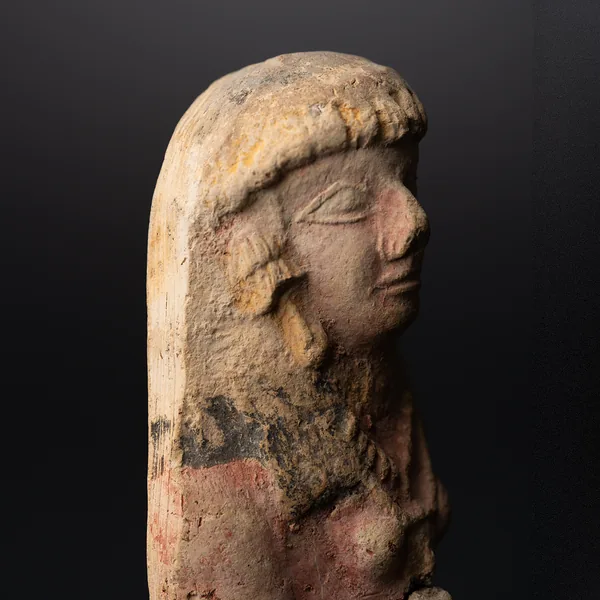
Ancient Egypt, Cyprus's partner in copper, pottery and prestige goods from the Middle Kingdom to the Ptolemies, who annexed the island.
Map of Cyprus
Places discussed in the talk
- Has a page on this site
- Other places
- Ground above 200, 500, 1,000 m
Places
- 1Amathus
- 2Nea Paphos
- 3Kourion
- 4Salamis
- 5Soloi