
Lecture·Archaeological Research Unit - University of Cyprus·2021
Maritime transport containers and the COMPASS project in Late Bronze and Early Iron Age Cyprus
Chapters
About the lecture
In this lecture for the Archaeological Research Unit, Artemis Georgiou introduces COMPASS, a five-year European Research Council Starting Grant project investigating interregional connectivity in the Eastern Mediterranean during the Late Bronze Age and the Cypro-Geometric period through the ceramic transport containers imported to Cyprus.
Georgiou begins with the Late Bronze Age trade in bulk goods, exemplified by the late 14th-century BC Uluburun shipwreck, which carried ten tons of Cypriot copper alongside 150 Canaanite jars. Unlike smaller fine-ware closed vessels such as Cypriot Base Ring ware or Mycenaean stirrup jars used for small quantities of high-value substances, maritime transport containers moved liquid and agricultural commodities in bulk. She outlines the three main classes circulating in the region: Levantine Canaanite jars holding wine, oil, olives or terebinth resin; New Kingdom Egyptian fusiform and squat wine jars; and large coarse-fabric transport stirrup jars produced primarily in Crete.
Turning to Cyprus, Georgiou notes that early excavations focused on Mycenaean fine wares while often grouping imported transport amphorae with local plain and coarse wares. Recent re-examinations of material from Enkomi and Kalopsida, new excavations at Hala Sultan Tekke, and the 1980s provenance studies at Maa-Palaeokastro have shown that these imports were far more common than previously assumed. Most imported transport containers in Cyprus come from contexts after 1200 BC, when state-controlled trade gave way to smaller, decentralised commercial networks. As a case study, she presents her examination of the 2010–2011 material from Pyla-Kokkinokremos, directed by Vassos Karageorghis and Athanasia Kanta. Over 1,000 sherds represent at least 68 Canaanite and Egyptian jars across 27 macroscopic fabric groups. Only one belongs to the standardized angular-shouldered Canaanite type common before 1200 BC; the rest are bellied amphorae characteristic of the 12th-century BC and Early Iron Age trade.
In the second half of the talk, Georgiou sets out the methodology of the COMPASS project across Cyprus, including Early Iron Age assemblages from Kition, Amathus and Palaepaphos. The team combines typological recording with portable XRF, thin-section petrography, neutron activation analysis, organic residue analysis and palaeoproteomics to identify origins and contents, alongside compound-specific radiocarbon dating, 3D capacity modelling, mechanical stress testing, the study of pot marks and Cypro-Minoan signs, and evidence for secondary reuse as ovens, storage jars or infant burials.
From our collection
Pieces in the Drakopoulos collection of the kinds and periods this talk covers: Jar, Late Cypriot (Late Bronze Age), Cypro-Geometric.
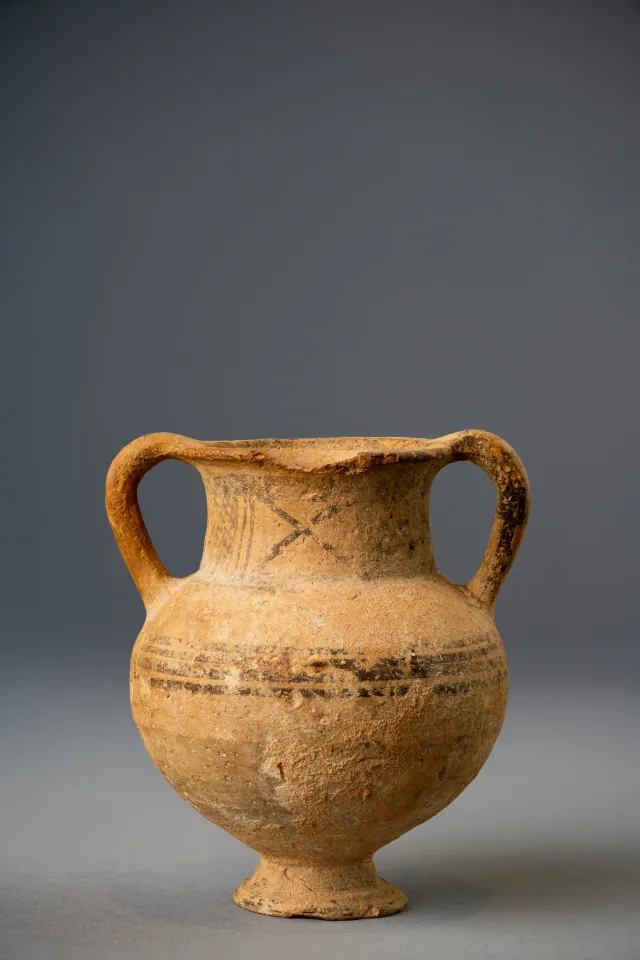
White Painted Amphoriskos on a Conical Foot
Jar
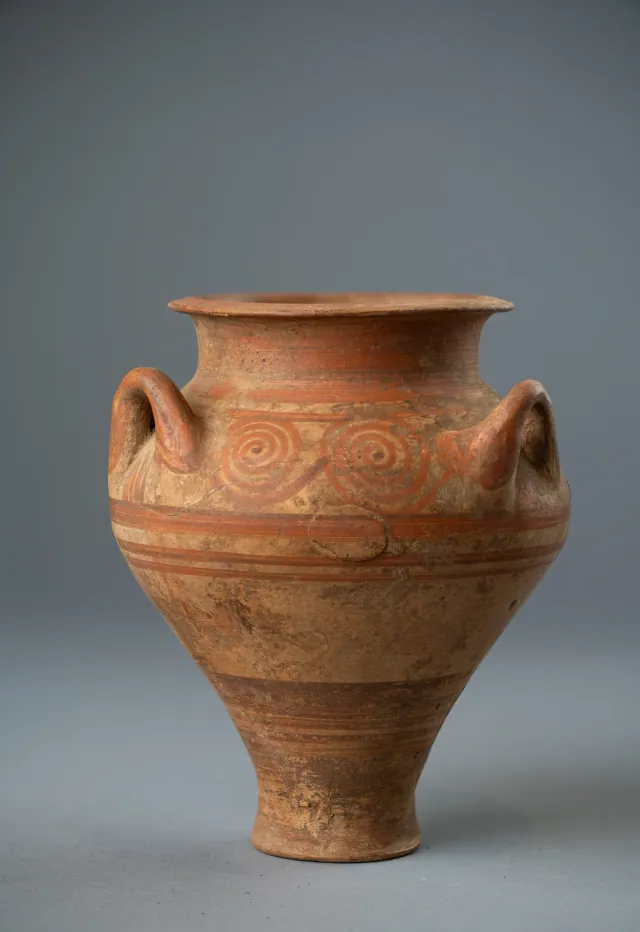
Cypriot Three-Handled Jar in the Mycenaean Style with Running Spirals
Jar
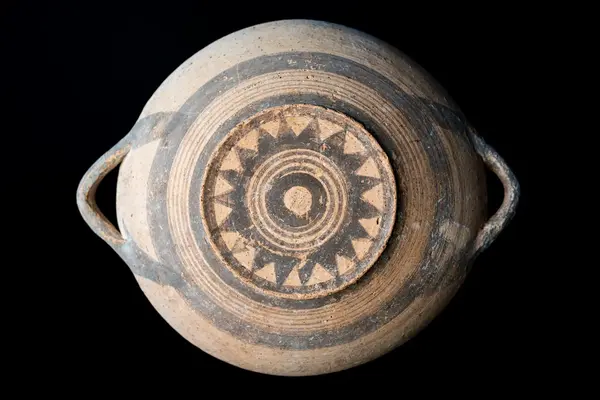
White Painted Plate with a Sawtooth Star on the Underside
Cypro-Geometric
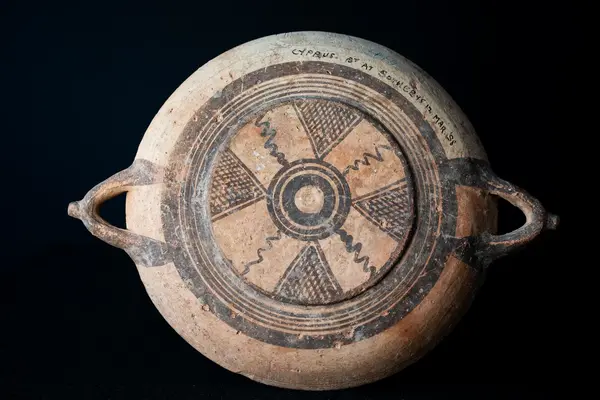
White Painted Plate with Latticed Triangles and Wavy Lines on the Underside
Cypro-Geometric
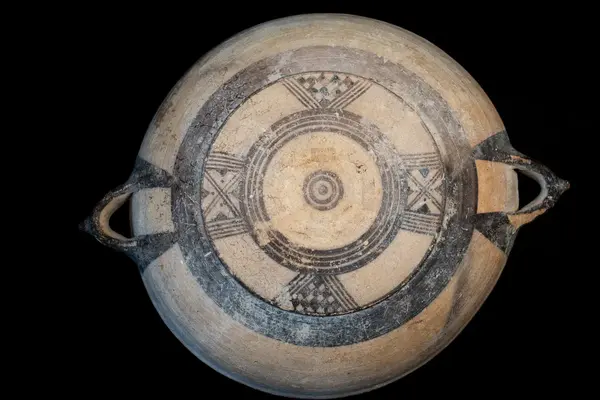
Large White Painted Plate with Knobbed Handles and a Four-Armed Cross on the Underside
Cypro-Geometric
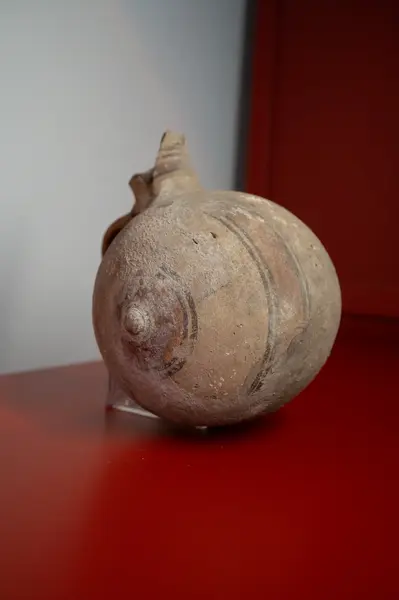
Bichrome Barrel Jug with Circled End-Knobs
Cypro-Geometric
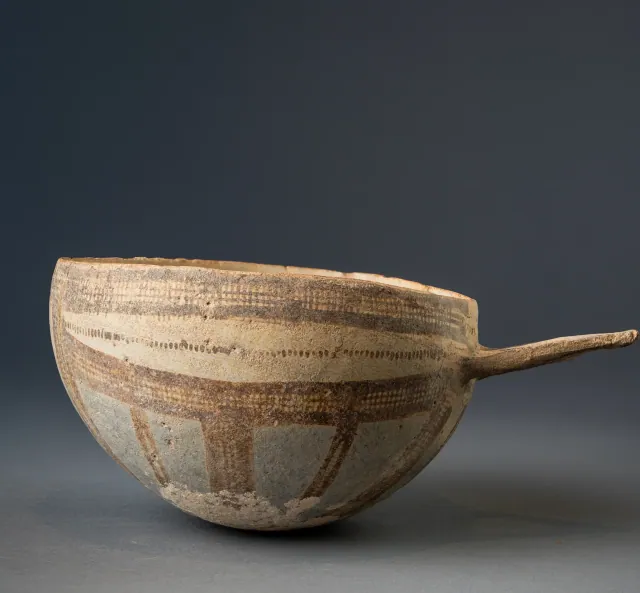
White Slip II Hemispherical Bowl with Wishbone Handle
Late Cypriot (Late Bronze Age)
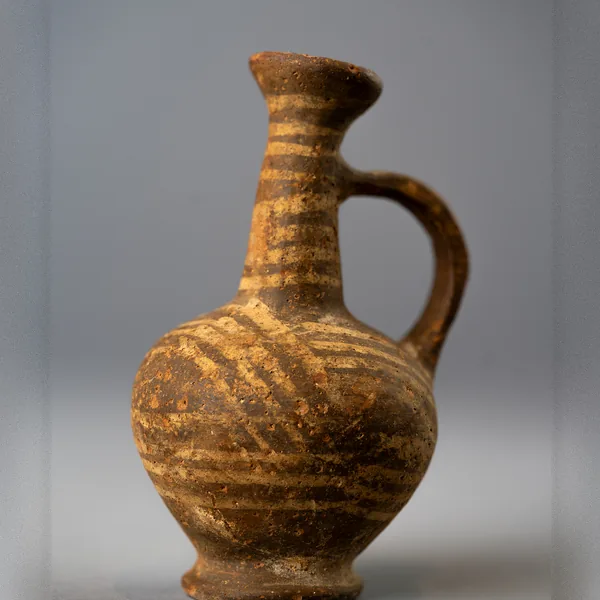
Base Ring II Bilbil Juglet with White-Painted Bands
Late Cypriot (Late Bronze Age)
Found at the places discussed
Objects in our catalogue, in museum collections, recorded as found at these sites.


Background
Where to read more on this site before or after watching.
The site
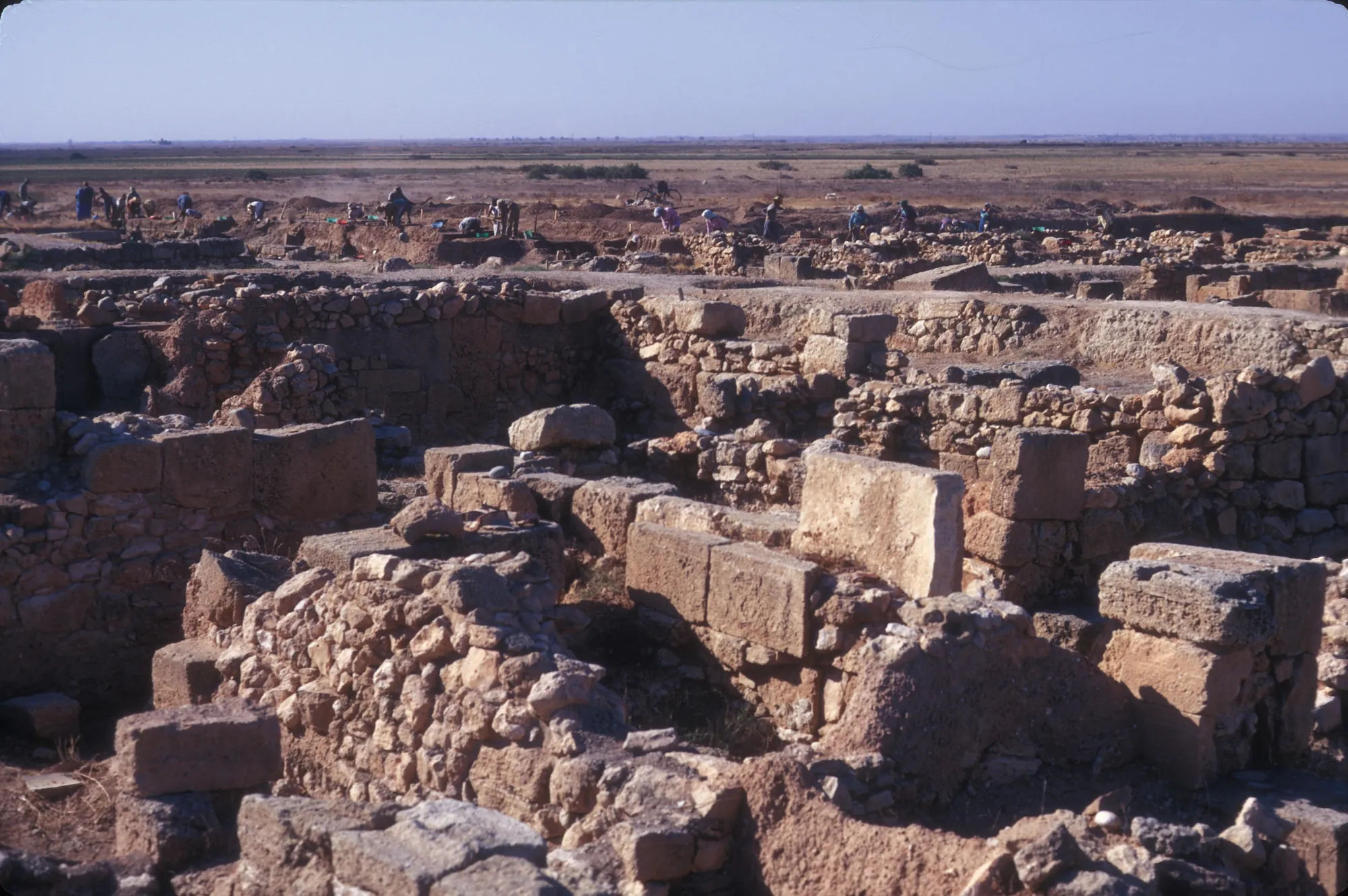
Enkomi
Enkomi is a walled Late Bronze Age town near the mouth of the Pedieos river on the bay of Famagusta, lived in from about 1650 BC until it was gradually abandoned for nearby Salamis. It was a port for Cypriot copper, and its excavations produced metal workshops, sanctuaries with bronze cult statues, rich tombs and the largest group of Cypro-Minoan inscriptions on the island.
In the compendium
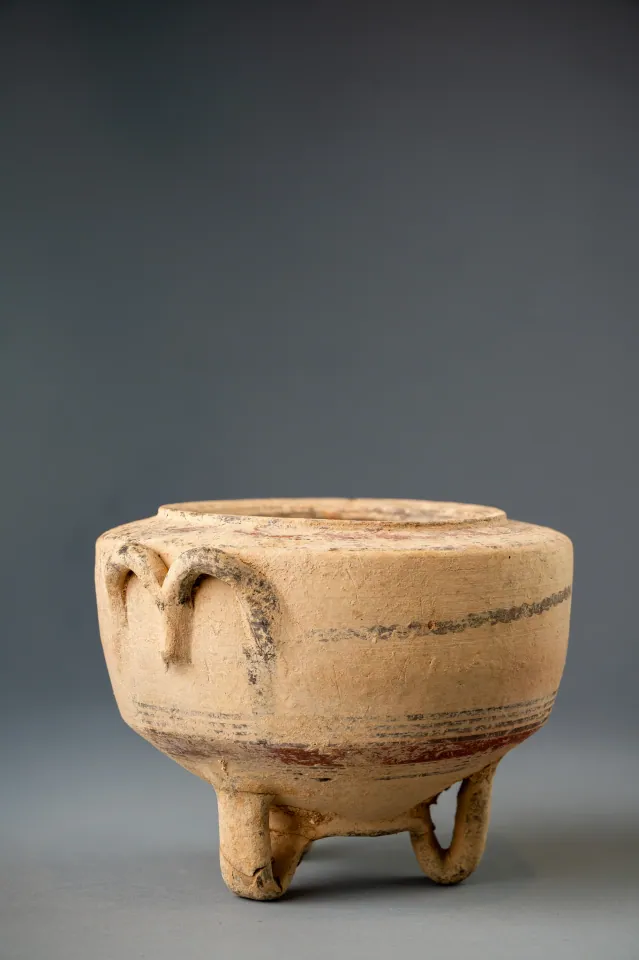
Jars and Pithoi
A symmetrical wide-necked vessel, the family of Cypriot storage and transport jars, pithoi and painted jars, including the amphora.
In the compendium
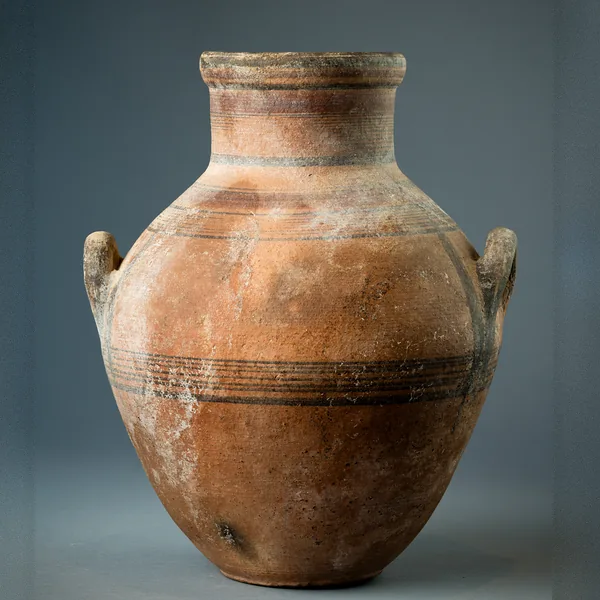
Amphora
A closed jar with two opposed handles, made in Cyprus in belly-handled and vertical-handled painted series and as a basket-handled transport jar.
In the compendium
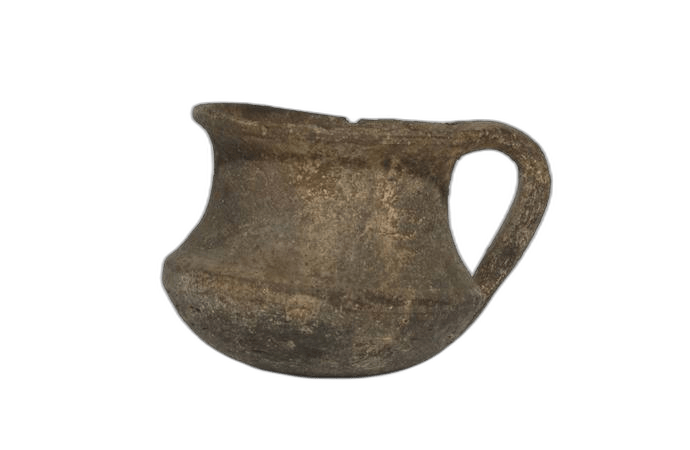
Coarse Wares, Pithoi and Cooking Pots
The heavily tempered storage, cooking and utility pottery of Cyprus from the Chalcolithic to the Cypro-Classical period, classified mainly by fabric and function.
Map of Cyprus
Places discussed in the talk
- Has a page on this site
- Other places
- Ground above 200, 500, 1,000 m
Places
- 1Pyla-Kokkinokremos
- 2Enkomi
- 3Kalopsida (approx.)
- 4Hala Sultan Tekke
- 5Maa-Palaeokastro
- 6Kition
- 7Amathus
- 8Palaepaphos
- 9Kalavasos-Ayios Dhimitrios