
Conference paper·Archaeological Research Unit - University of Cyprus·2018·In Greek
Lapithos-Vrysi tou Barba and Pyla-Kokkinokremos: A Study of Bronze Age Copper-Alloy Objects
Λάπιθος-Βρύση του Μπάρμπα και Πύλα-Κοκκινόκρεμος: Μελέτη χάλκινων αντικειμένων της Εποχής του Χαλκού
Chapters
About the video
Andreas Charalambous of the Archaeological Research Unit presents the results of portable X-ray fluorescence (pXRF) analyses of Bronze Age copper-alloy objects from two Cypriot sites: the cemetery of Lapithos-Vrysi tou Barba, representing the Early Bronze Age and the Middle Bronze Age, and the settlement of Pyla-Kokkinokremos, representing the Late Bronze Age. The paper is given in Greek.
At Lapithos-Vrysi tou Barba, Charalambous has analysed 180 of the roughly 450 to 460 metal artefacts recovered from 50 tombs excavated by John Linton Myres in 1913 and Menelaos Markides in 1917. The study forms part of a publication project led by Jennifer Webb. Stored in the Cyprus Museum for a century without treatment, the objects had to be cleaned by the Department of Antiquities conservation laboratory before surface readings could be taken, as corrosion products such as copper oxide, malachite, azurite and bronze disease skew surface measurements toward pure copper.
At Pyla-Kokkinokremos, inhabited for roughly fifty years at the transition from Late Cypriot IIC to IIIA before its abandonment in the early 12th century BC, earlier excavations were conducted by Vassos Karageorghis and Athanasia Kanta. The material studied here comes from Sectors 3, 4 and 5 of the 2014 to 2016 excavations conducted by Belgian universities (Ghent and Louvain) and the Mediterranean Archaeological Society in Greece. The assemblage comprises 133 copper-alloy items (mostly small fragments), along with 33 lead fragments, 3 iron objects and 29 copper slags.
The analyses show a clear shift in alloying and copper metallurgy between the two periods. At Lapithos, arsenical copper predominates, while most objects contain either no tin or up to 5 per cent tin. Pins over 10 cm long account for the pieces with the highest arsenic (up to 15.6 per cent, giving a silvery surface) and the highest tin, including toggle and mushroom-headed pins. Because Cypriot ores are poor in arsenic apart from the Laxia tou Mavrou and Pefkos deposits in the Limassol forest, Charalambous suggests that arsenic minerals such as realgar and orpiment may have been imported from Kythnos or Anatolia, alongside imported tin. At Pyla-Kokkinokremos, 86 per cent of the objects are tin bronzes (typically 8 to 11 per cent tin) and only 3 to 4 per cent are arsenical copper. He highlights an object from Pyla cast in two different alloys, pieces re-identified by pXRF (silver surface decoration, pure tin, and metallic copper mislabelled as slag), and a heavily leaded tripod stand fragment compared with examples from Palaepaphos-Skales and Palaepaphos-Plakes. The quantity of scrap metal and lead fragments in Sectors 3 and 4 at Pyla confirms a workshop for producing and recycling bronze.
From our collection
Pieces in the Drakopoulos collection of the kinds and periods this talk covers: Early Cypriot (Early Bronze Age).
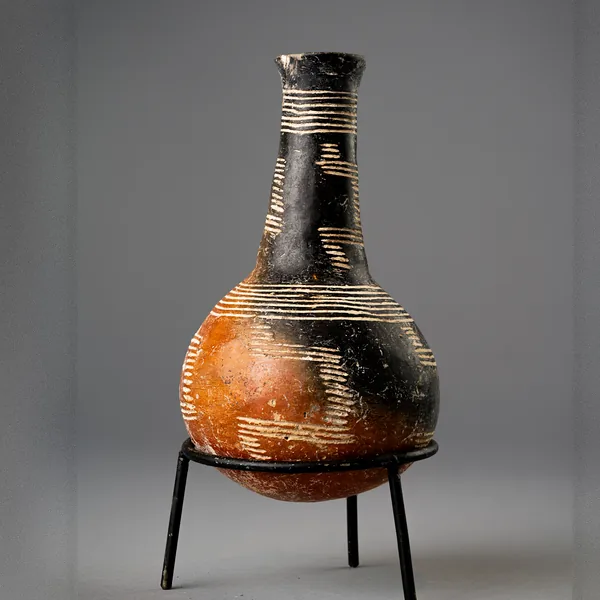
Red Polished Black-Topped Bottle with Stepped Incised Bands
Early Cypriot (Early Bronze Age)
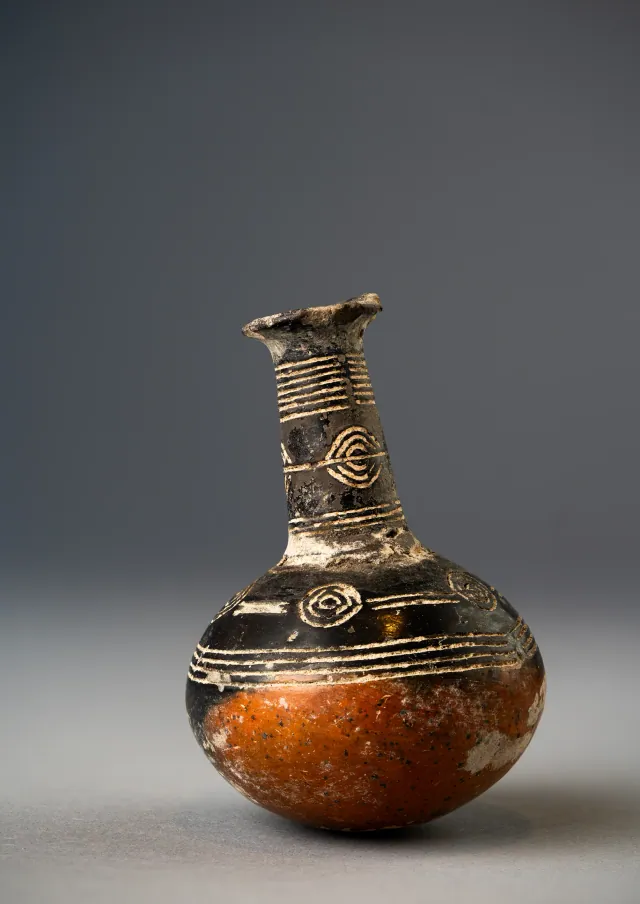
Red Polished Black-Topped Bottle with Incised Concentric Circles
Early Cypriot (Early Bronze Age)
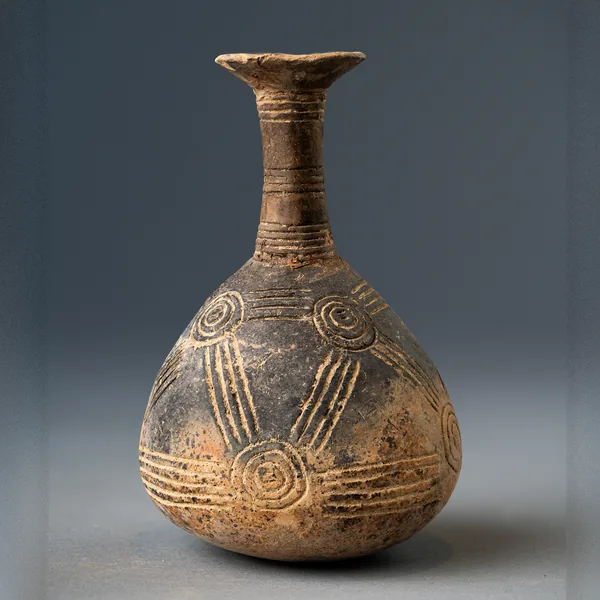
Red Polished Bottle with Linked Concentric Circles
Early Cypriot (Early Bronze Age)
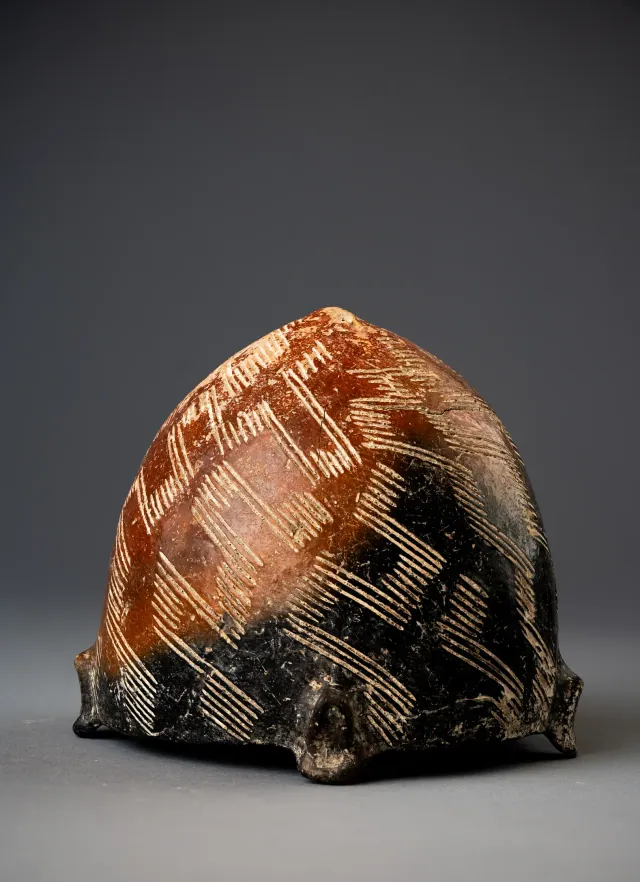
Black-topped Red Polished Tulip Bowl with Incised Hatched Lattice
Early Cypriot (Early Bronze Age)
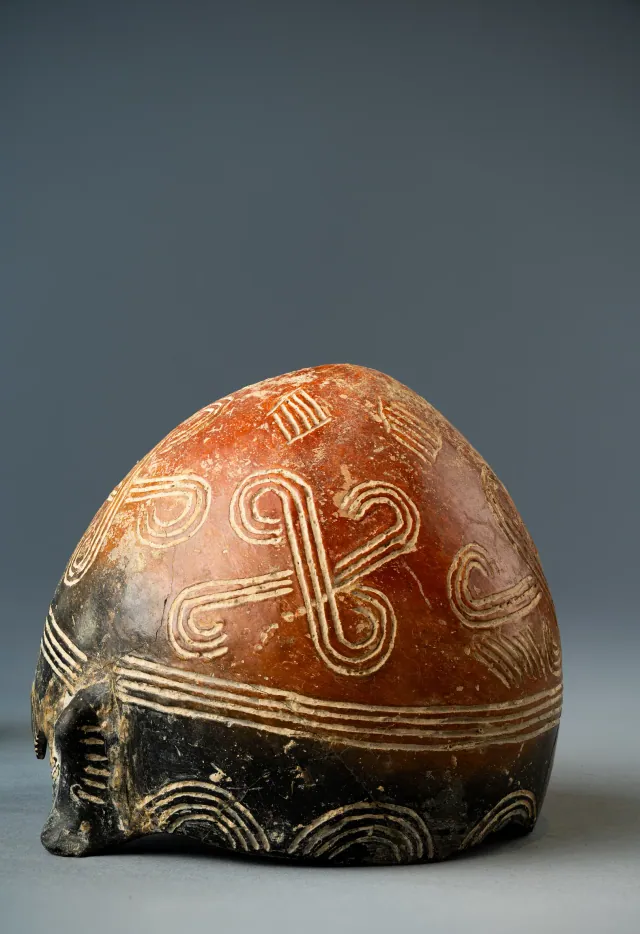
Black-topped Red Polished Tulip Bowl with Incised Spiral-armed Cross, Circles and Arcades
Early Cypriot (Early Bronze Age)
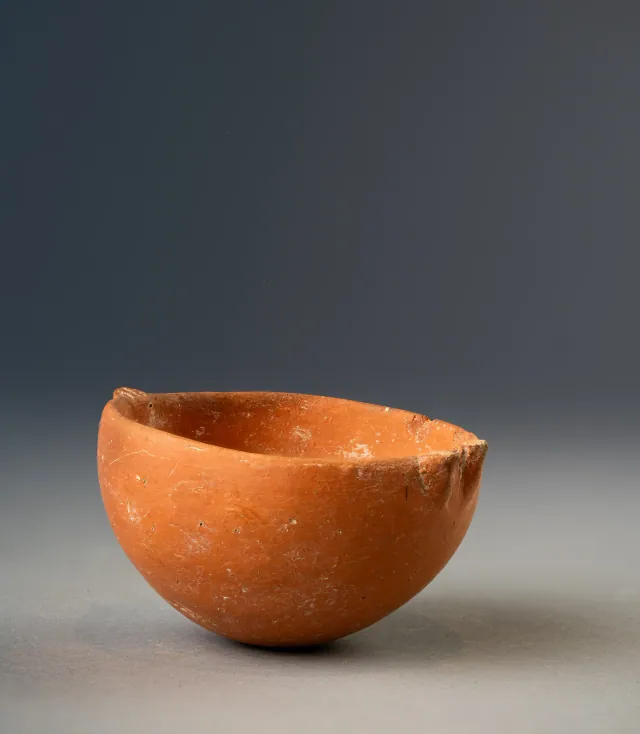
Red Polished Hemispherical Bowl with Two Rim Lugs
Early Cypriot (Early Bronze Age)
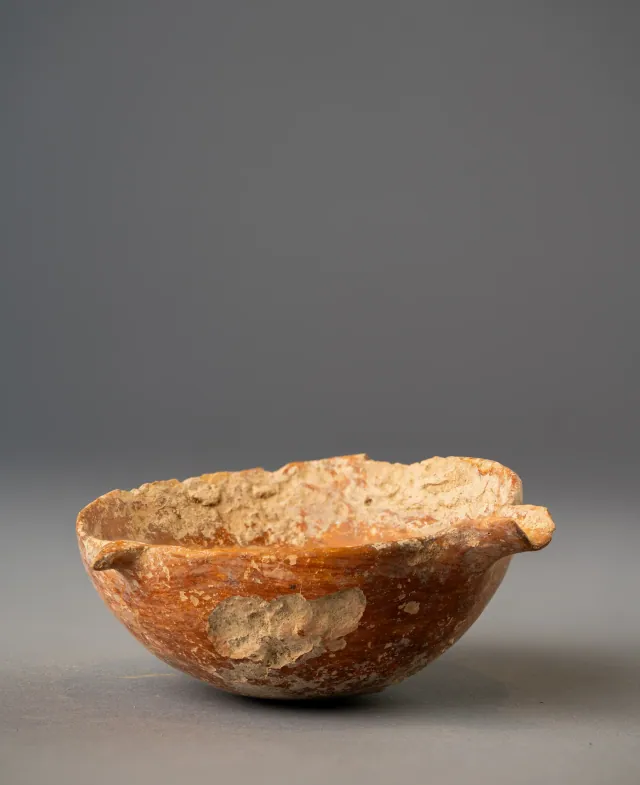
Red Polished Bowl with Two Opposed Tab Lugs
Early Cypriot (Early Bronze Age)
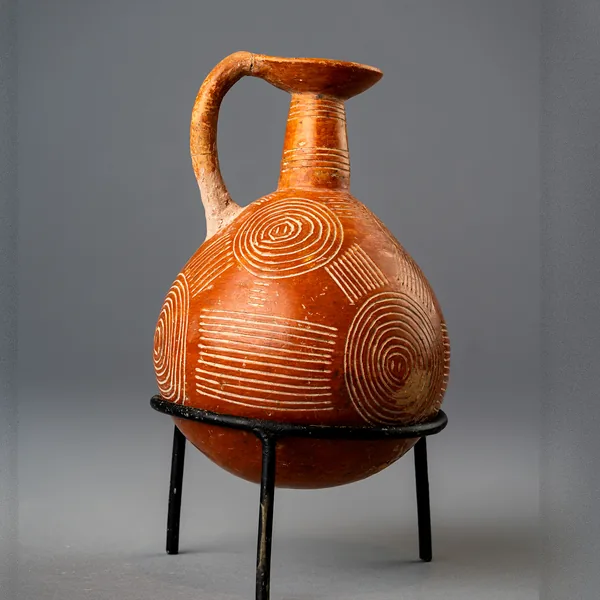
Red Polished Jug with Concentric Circles and Line Panels
Early Cypriot (Early Bronze Age)
Found at the places discussed
Objects in our catalogue, in museum collections, recorded as found at these sites.

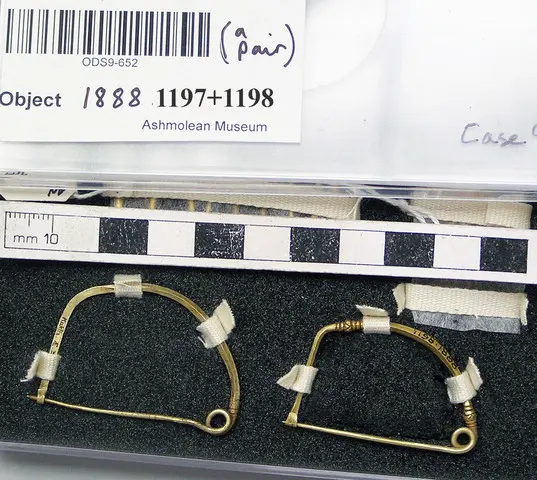
).webp)

Background
Where to read more on this site before or after watching.
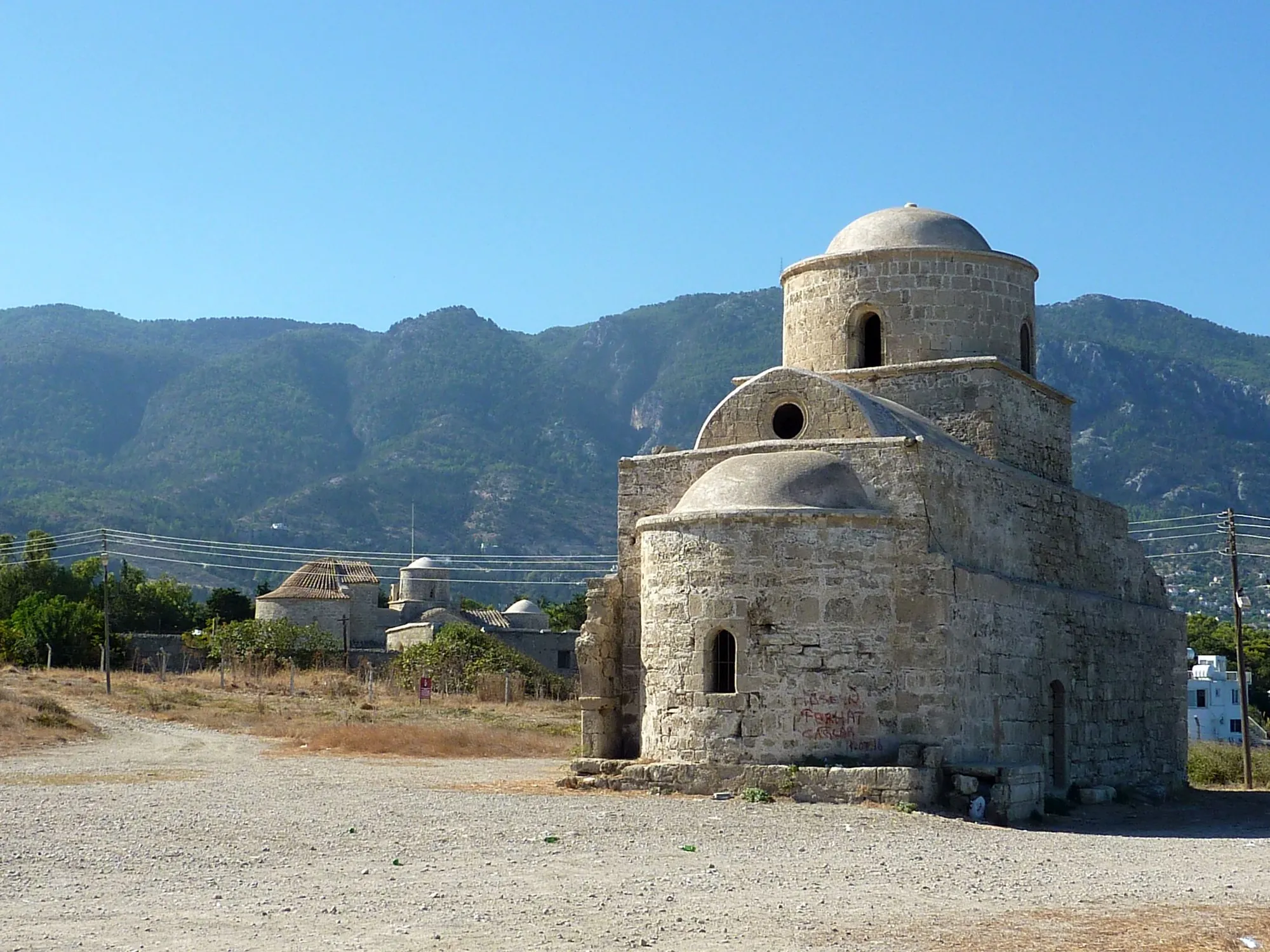
The site
Lapithos
A group of cemeteries and settlement sites around the village of Lapithos on the north coast, below the Kyrenia range. Its Early and Middle Bronze Age cemetery at Vrysi tou Barba has produced about five times as much metal as Vounous, its Cypro-Geometric tombs gave the pottery sequence for that period, and ancient Lapethos was a city-kingdom until 312 BC.
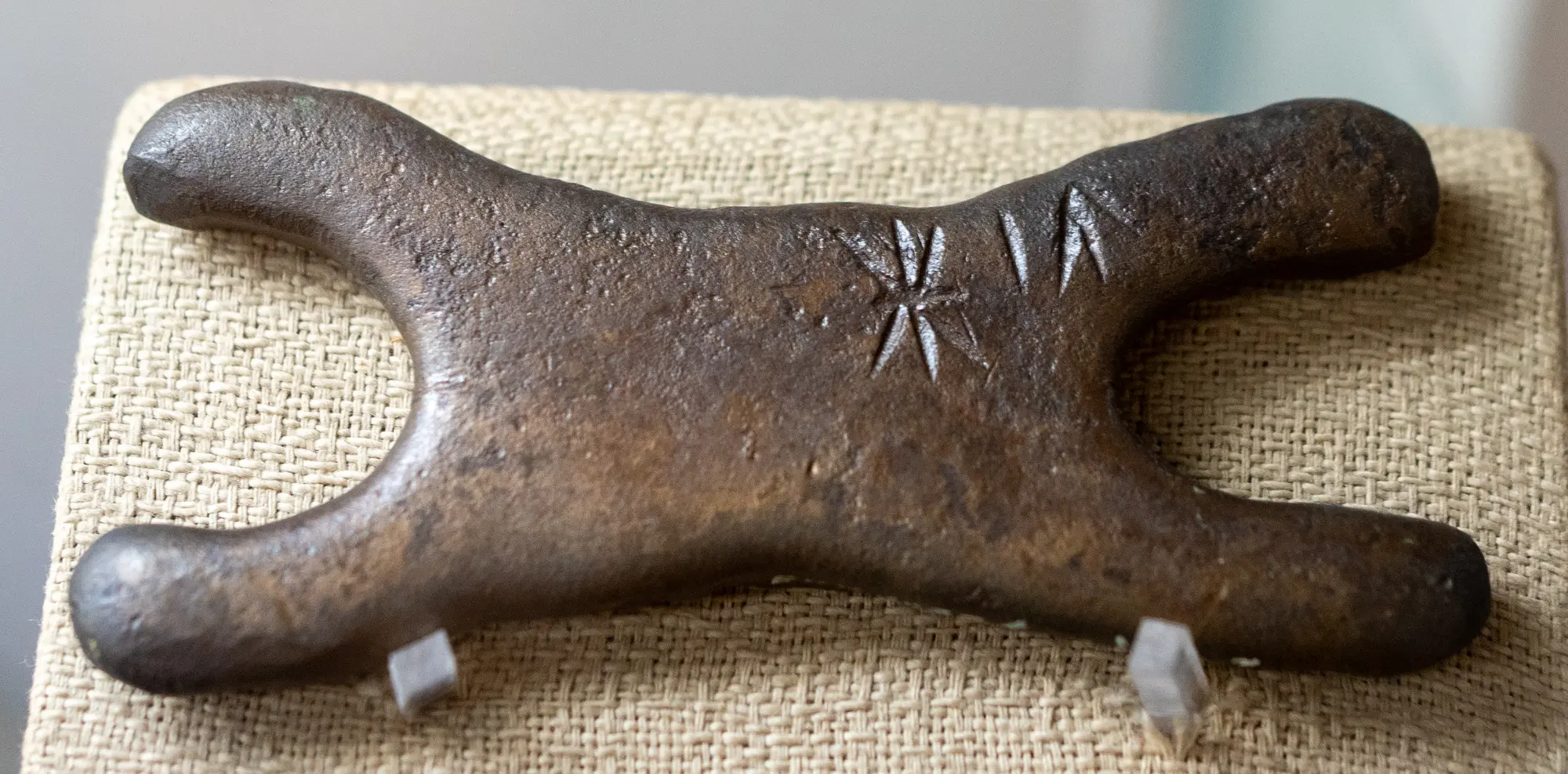
In the compendium
Copper Metallurgy in Ancient Cyprus
The mining, smelting and casting of the Troodos sulphide ores, from hammered Chalcolithic native copper to Late Bronze Age oxhide ingots and Archaic slag heaps.
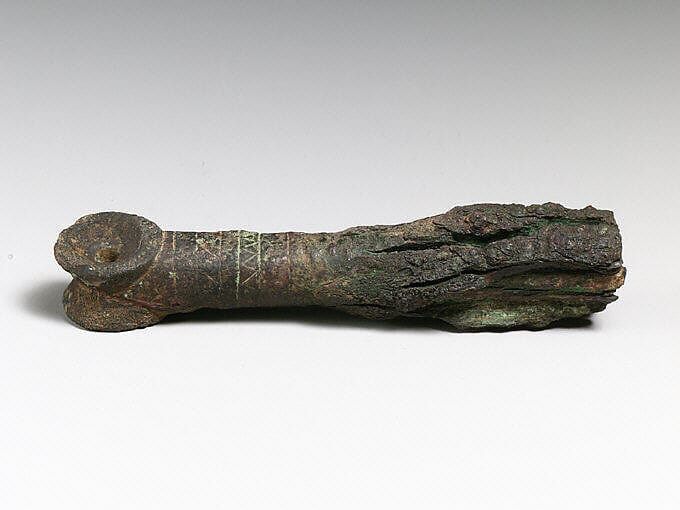
In the compendium
Gold, Silver, Tin, Arsenic and Iron in Ancient Cyprus
The metals other than copper used by Cypriot smiths from the Philia facies to the Hellenistic period, including arsenic, tin, gold, electrum, silver, lead and iron.
In the compendium
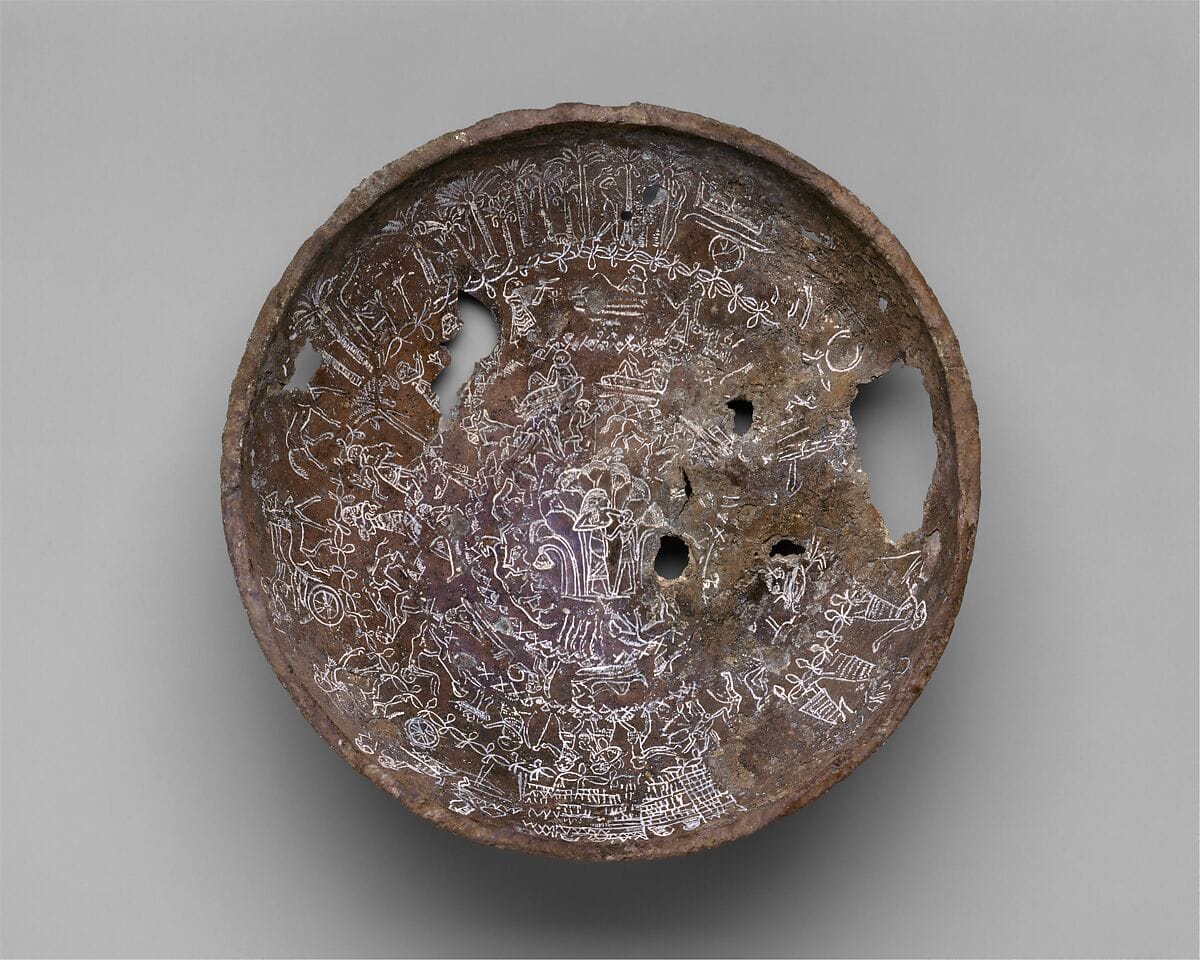
Metal Vessels
Bowls, cauldrons, jugs, cups, strainers and the bronze stands that carried them, made in Cyprus from the Late Bronze Age to the Cypro-Archaic period.
Map of Cyprus
Places discussed in the talk
- Has a page on this site
- Other places
- Ground above 200, 500, 1,000 m
Places
- 1Lapithos
- 2Pyla-Kokkinokremos
- 3Palaepaphos