
Conference paper·Archaeological Research Unit - University of Cyprus·2018·In Greek
Plans for the Corpus of the Mosaics of Cyprus
Σχέδια για το Σύνταγμα Ψηφιδωτών της Κύπρου
Chapters
About the video
In this paper, given in Greek at the annual review of the Archaeological Research Unit of the University of Cyprus for 2017, Emeritus Professor Demetrios Michaelides sets out his plans for a complete corpus of the mosaics of Cyprus. Michaelides began studying Cypriot mosaics in 1970 while working with Michael Loulloupis at the House of the Gladiators at Kourion, and later succeeded Ino Nicolaou, to whose memory the day's conference is dedicated, as Cyprus's representative to the Association Internationale pour l'Étude de la Mosaïque Antique (AIEMA).
Michaelides contrasts the mid-twentieth-century view of Terence Bruce Mitford and the Swedish Cyprus Expedition, when Cypriot mosaics barely registered in scholarship, with the present picture: discoveries now extend beyond the coastal cities into inland sites such as Nicosia and Akaki and up into the Troodos range as high as Lagoudera. He reviews earlier corpora and studies, including the 1974 volume by Stylianos Pelekanidis and Panagiota Atzaka (which included eighteen Early Christian buildings on Cyprus), the Sorbonne doctoral thesis of Fryni Hadjichristofi on Early Christian mosaics, and the 2012 doctoral corpus of 245 floor mosaics compiled by conservator Eleftherios Charalambous.
Modelled on the French and Tunisian corpora, Michaelides's own catalogue covers all techniques included by AIEMA under the term mosaic, such as opus tessellatum, opus musivum, opus sectile and opus spicatum, on both floors and walls, from the early Hellenistic, Roman and Early Christian periods down to Frankish and Venetian rule. Organized by district, town or village, and building, it also gathers fragments in museum stores, small pieces taken abroad as nineteenth- and early twentieth-century souvenirs (now in the Hermitage in St Petersburg and in the Harvey Mudd collection at the University of Southern California), and lost mosaics known from travelers' accounts and archives, starting with Oldřich Prefát at Salamis in 1563. He shows newly rediscovered photographs in Berlin of the lost Orpheus mosaic excavated at Salamis in 1882 by Max Ohnefalsch-Richter, and pre-restoration photographs and notes in the Peter Megaw archive at the University of Cyprus recording the apse mosaics of Panagia Angeloktisti at Kiti and of Panagia tis Kyras at Livadia in Famagusta district, the latter completely destroyed after the Turkish invasion of 1974. In the discussion afterwards, in response to Maria Iacovou, he explains why he doubts the Cypriot provenance attributed to a portable emblema inscribed "Chaire" at a villa in Beaulieu-sur-Mer built by one of the Reinach brothers.
From our collection
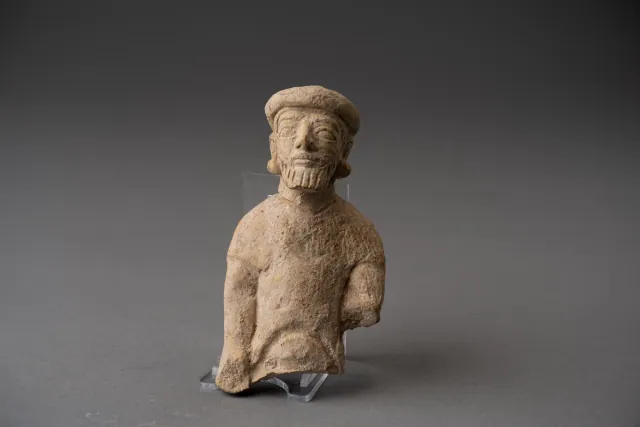
Pieces in the Drakopoulos collection of the kinds and periods this talk covers: Hellenistic.
The Drakopoulos collection →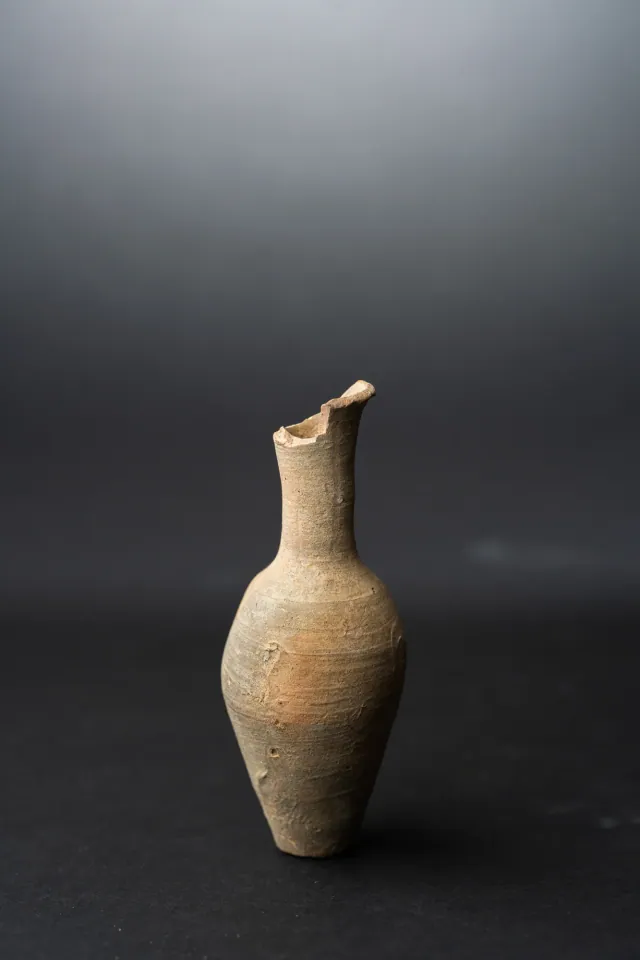
Found at the places discussed
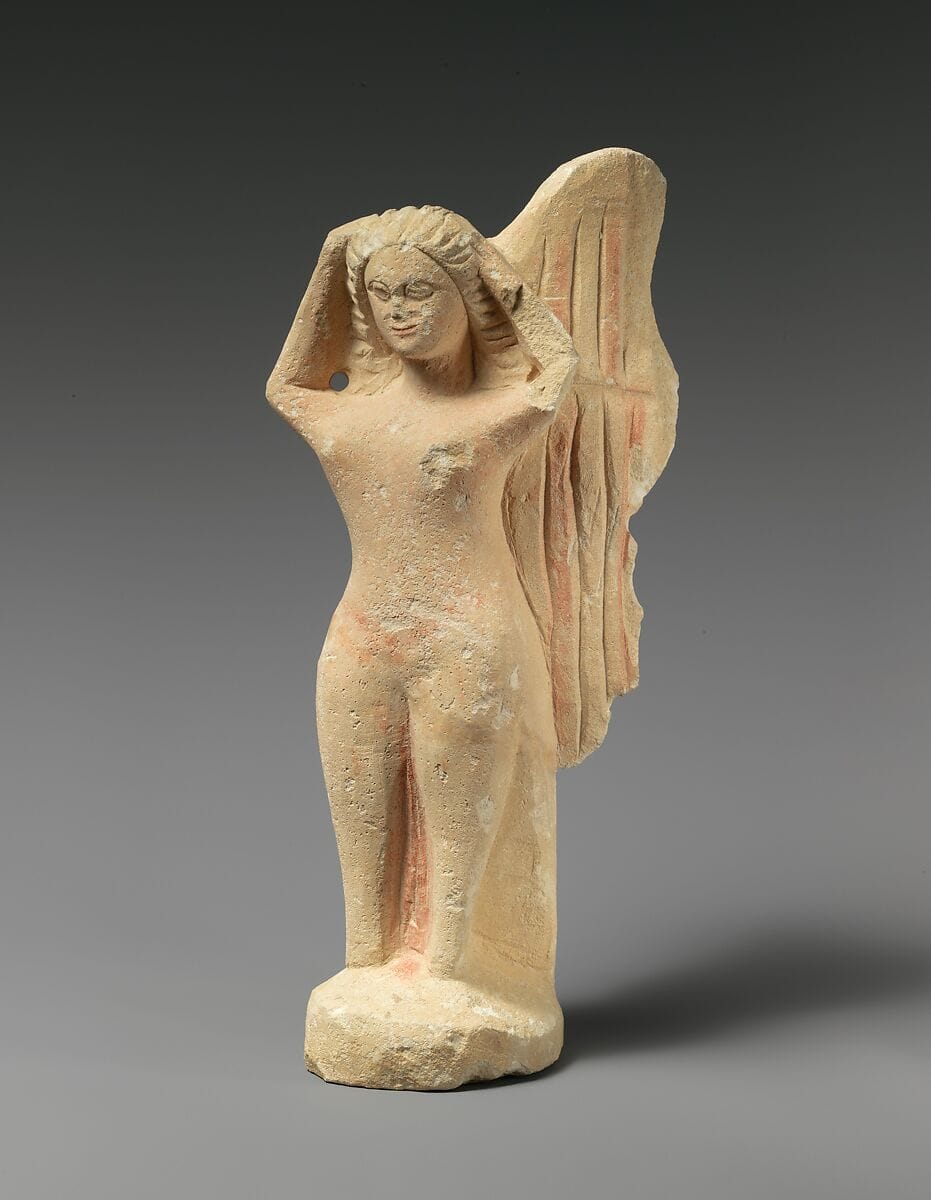
Objects in our catalogue, in museum collections, recorded as found at these sites.


Background
Where to read more on this site before or after watching.
The site
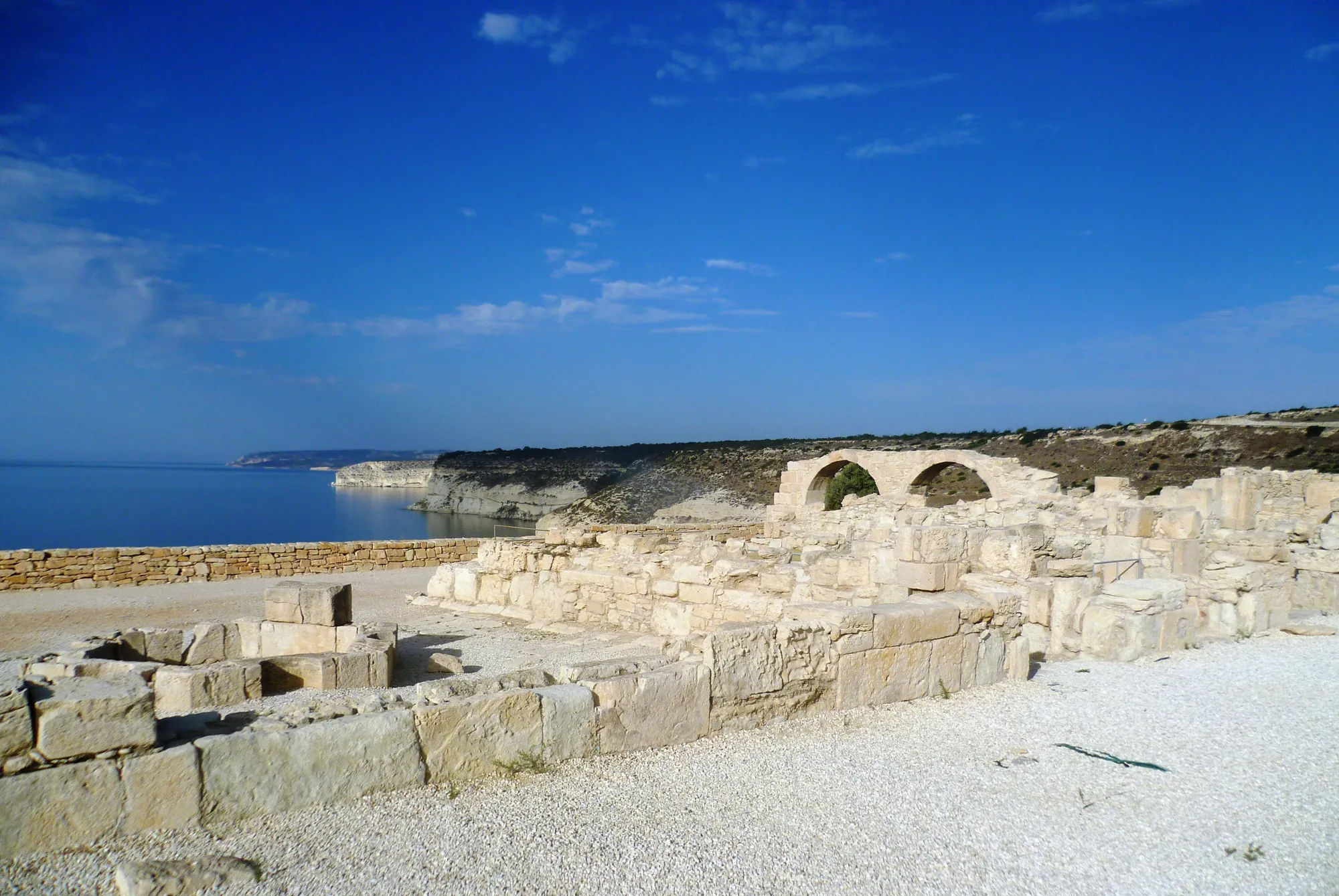
Kourion
Kourion stands on a limestone bluff above Episkopi Bay, west of Limassol. It was the seat of one of the Iron Age kingdoms of Cyprus, then a Hellenistic and Roman city with a theatre, baths and houses with mosaic floors, and a great sanctuary of Apollo Hylates to the west. An earthquake in the later 4th century AD destroyed the city; a Christian town with a bishop's church grew up over the ruins and was abandoned in the later 7th century.
In the compendium
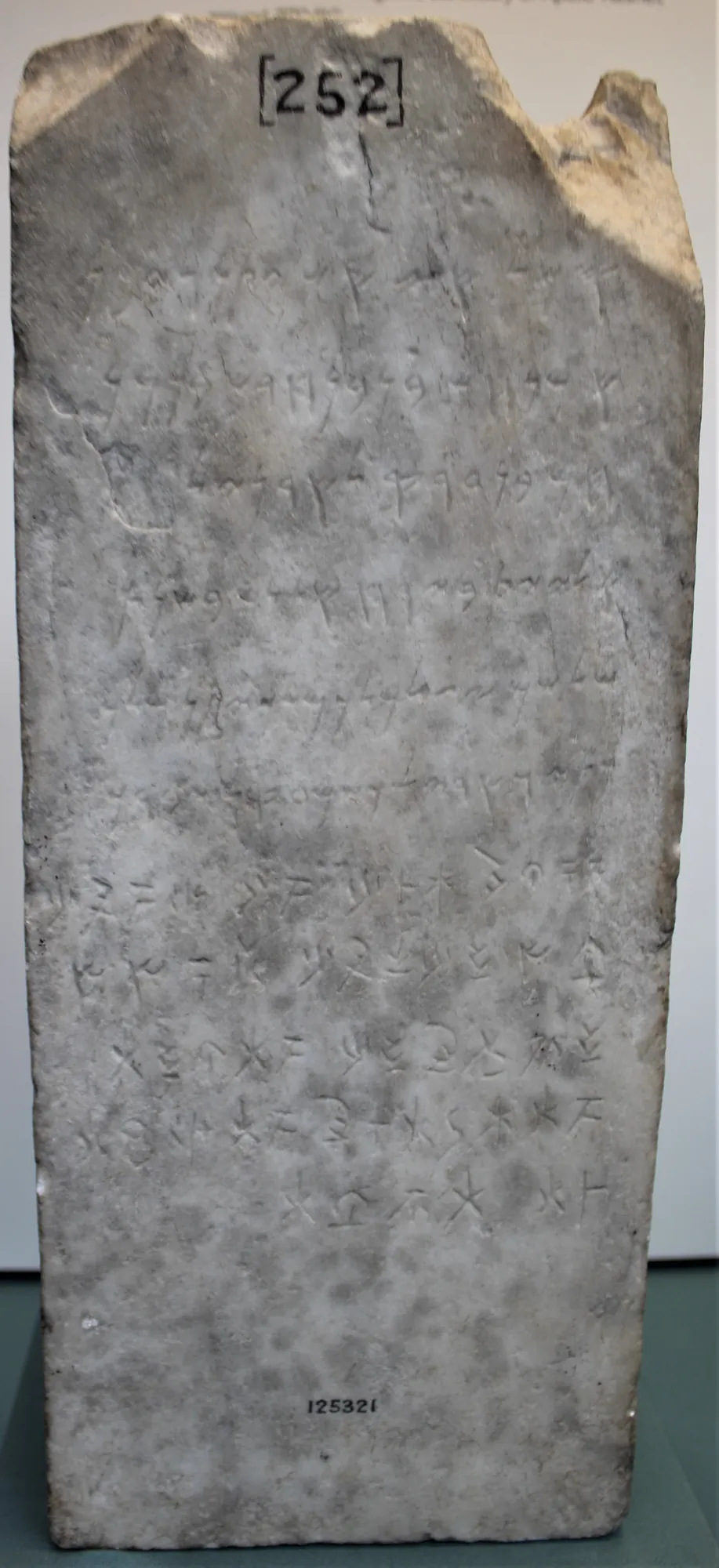
Max Ohnefalsch-Richter: Excavator, Dealer and the Divided Finds of British Cyprus
The German excavator whose finds left British Cyprus lawfully through the division of finds of 1880 to 1895, the patrons he dug for, the sales of 1887 and 1896, and the record he left.
The period
Hellenistic
The Ptolemaic period in Cyprus, c. 310–31 BCE, when the city-kingdoms were abolished and the island was governed as one province from Nea Paphos.
Map of Cyprus
Places discussed in the talk
- Has a page on this site
- Other places
- Ground above 200, 500, 1,000 m
Places
- 1Kourion
- 2Akaki (approx.)
- 3Salamis
- 4Palaepaphos
- 5Kiti (approx.)
- 6Livadia (approx.)