
Panel·Archaeological Research Unit - University of Cyprus·2024
Medicine from Ancient Cyprus and Botanical Terminology in Egyptian Texts
DAAD Taziz Conference
Dirk Roland Haupt, Tarek Abu Hussein, Albrecht Fuess, Demetrios Michaelides, Claire Malleson, Mennat-Allah El Dorry and Tanja Pommerening
Chapters
About the video
This session opens the DAAD Ta'ziz workshop on material culture in the Eastern Mediterranean at the Archaeological Research Unit of the University of Cyprus. After welcoming addresses by Ourania Kouka, Dirk Roland Haupt, Tarek Abu Hussein and Albrecht Fuess, Demetrios Michaelides lectures on medicine and healing in ancient Cyprus, followed by a panel on botanical terminology in ancient Egyptian and historical texts.
Michaelides surveys evidence for Cypriot medical practice from the Cypro-Archaic to the Roman period. About twenty named doctors are attested, notably on the fifth-century BC bronze tablet of Idalion in the Cypriot syllabary, recording a contract with the physician Onasilos and his brothers to treat citizens wounded during the Persian siege. Literary sources preserve Apollonios of Kition, whose illustrated commentary on Hippocrates' On Joints was dedicated to King Ptolemy of Cyprus, and Diagoras. Votive finds include Archaic childbirth figurines and Hellenistic and Roman limestone anatomical ex-votos.
Turning to medicaments, Michaelides reviews accounts by Aristotle, Dioscorides, Pliny and Galen, who visited the mines of Soli in 166 AD to collect copper-based minerals such as misy and chalkanthos. Finds from Paphos include a sherd naming hippokistis juice, miniature lead vessels stamped Tibarios that Michaelides argues held collyrium, and the Tomb of the Surgeon, which yielded bronze boxes containing copper-salt pills and twenty-five surgical tools including a bronze pyoulkos. An instrument case from the Paphos agora and anatomical clay hot-water bottles from the House of Dionysos and House of Orpheus conclude his talk, before questions on osteology and temple boys.
Claire Malleson, Mennat-Allah El Dorry and Tanja Pommerening then examine the pitfalls of translating plant names in Egyptian and Coptic sources, covering cereals, fava beans, maize and the recreation of pharaonic medical recipes.
From our collection
Pieces in the Drakopoulos collection of the kinds and periods this talk covers: Terracotta figurine.
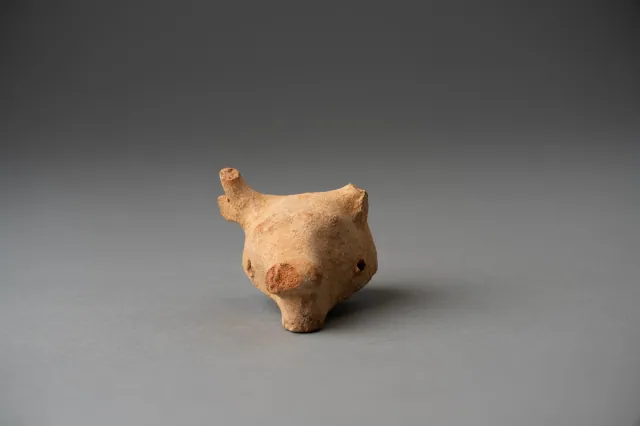
Head of a Terracotta Bull Figurine
Terracotta figurine
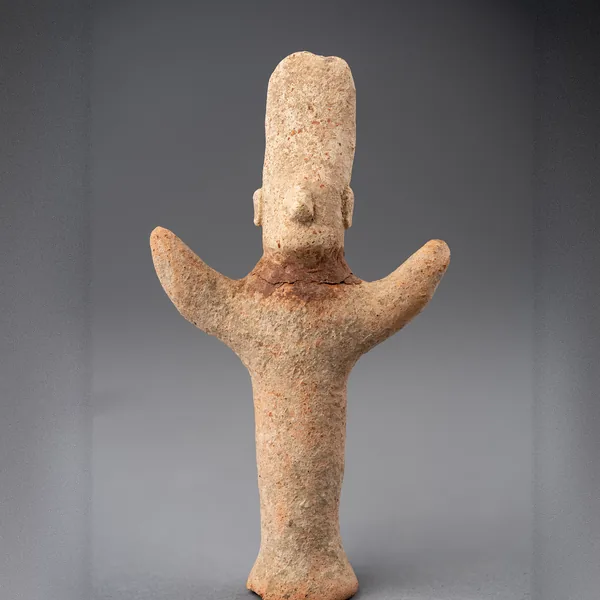
Terracotta Figure with Upraised Arms and Tall Cylindrical Headdress
Terracotta figurine
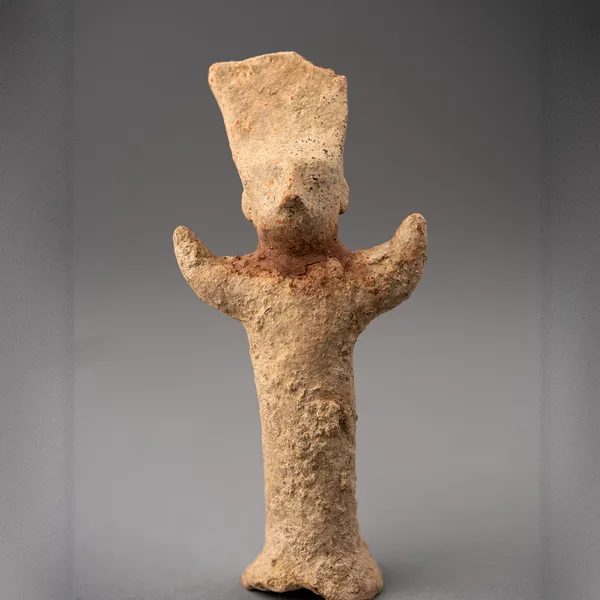
Terracotta Figure with Upraised Arms and Flaring Headdress
Terracotta figurine
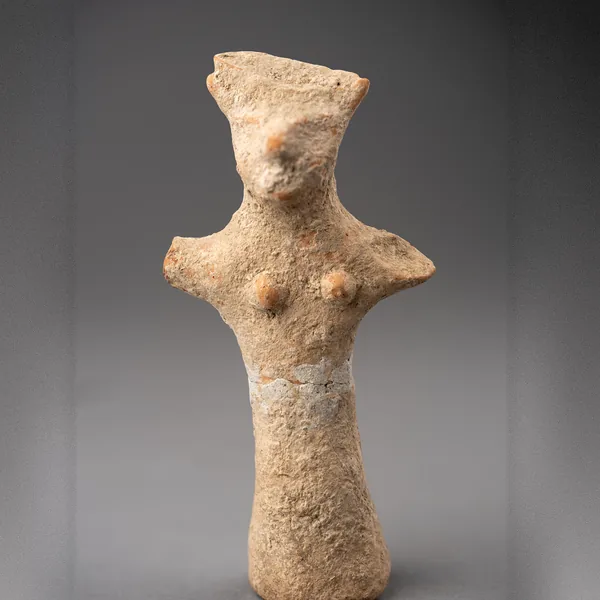
Terracotta Female Figure with Outstretched Arms
Terracotta figurine
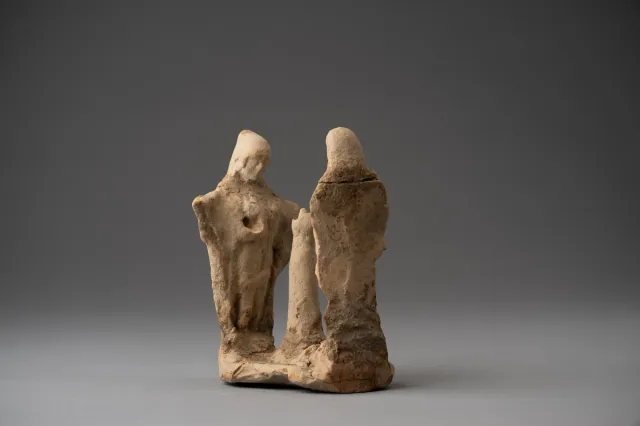
Two Veiled Figures from a Terracotta Ring-Dance Group, with the Stump of the Central Tree
Terracotta figurine
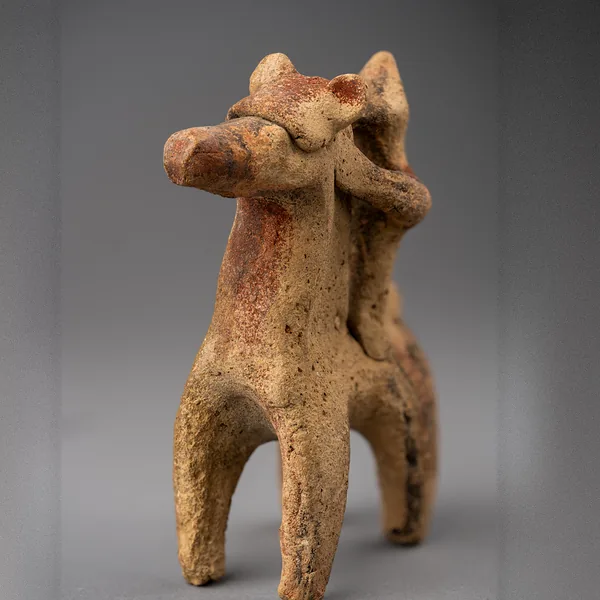
Horse and Rider Figurine with a Painted Star on the Neck
Terracotta figurine
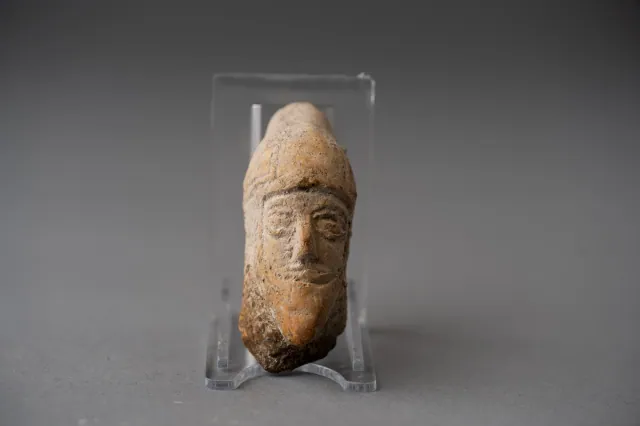
Terracotta Head of a Bearded Votary in a Pointed Cap
Terracotta figurine
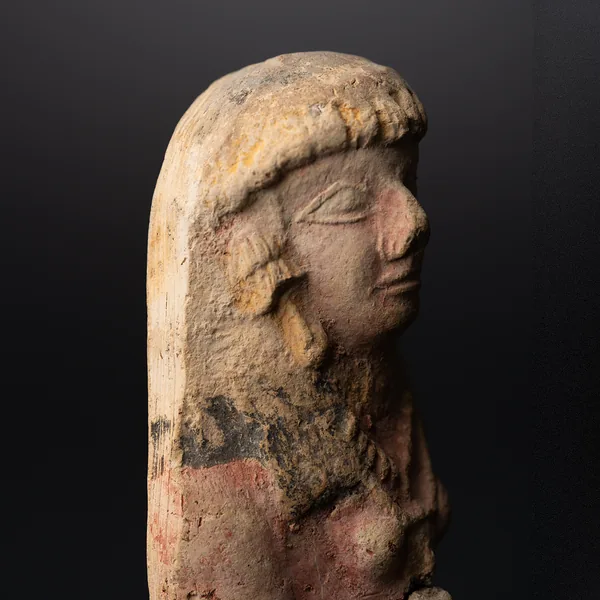
Upper Part of a Mould-Made Female Figure with an Egyptianizing Wig
Terracotta figurine
Found at the places discussed
Objects in our catalogue, in museum collections, recorded as found at these sites.
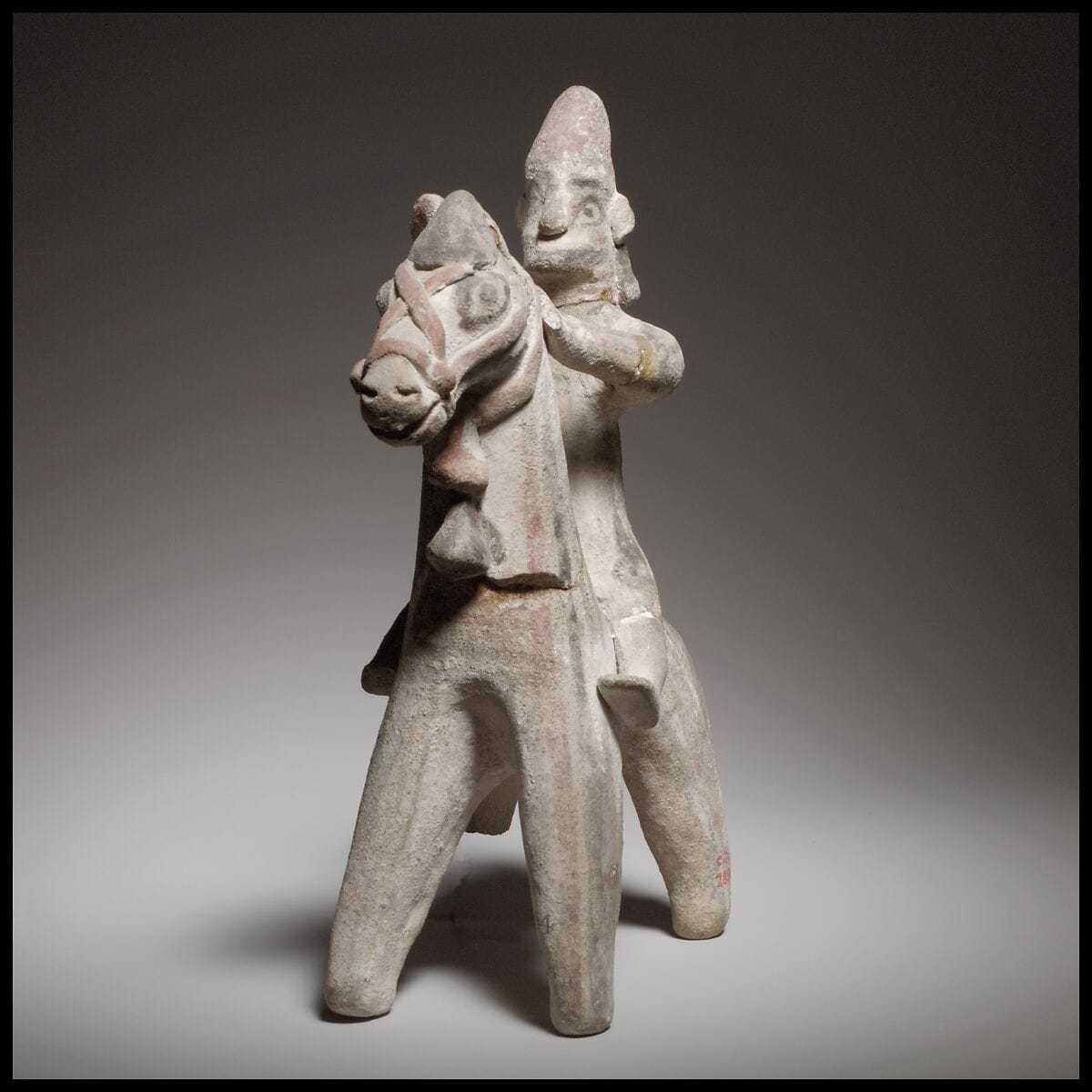
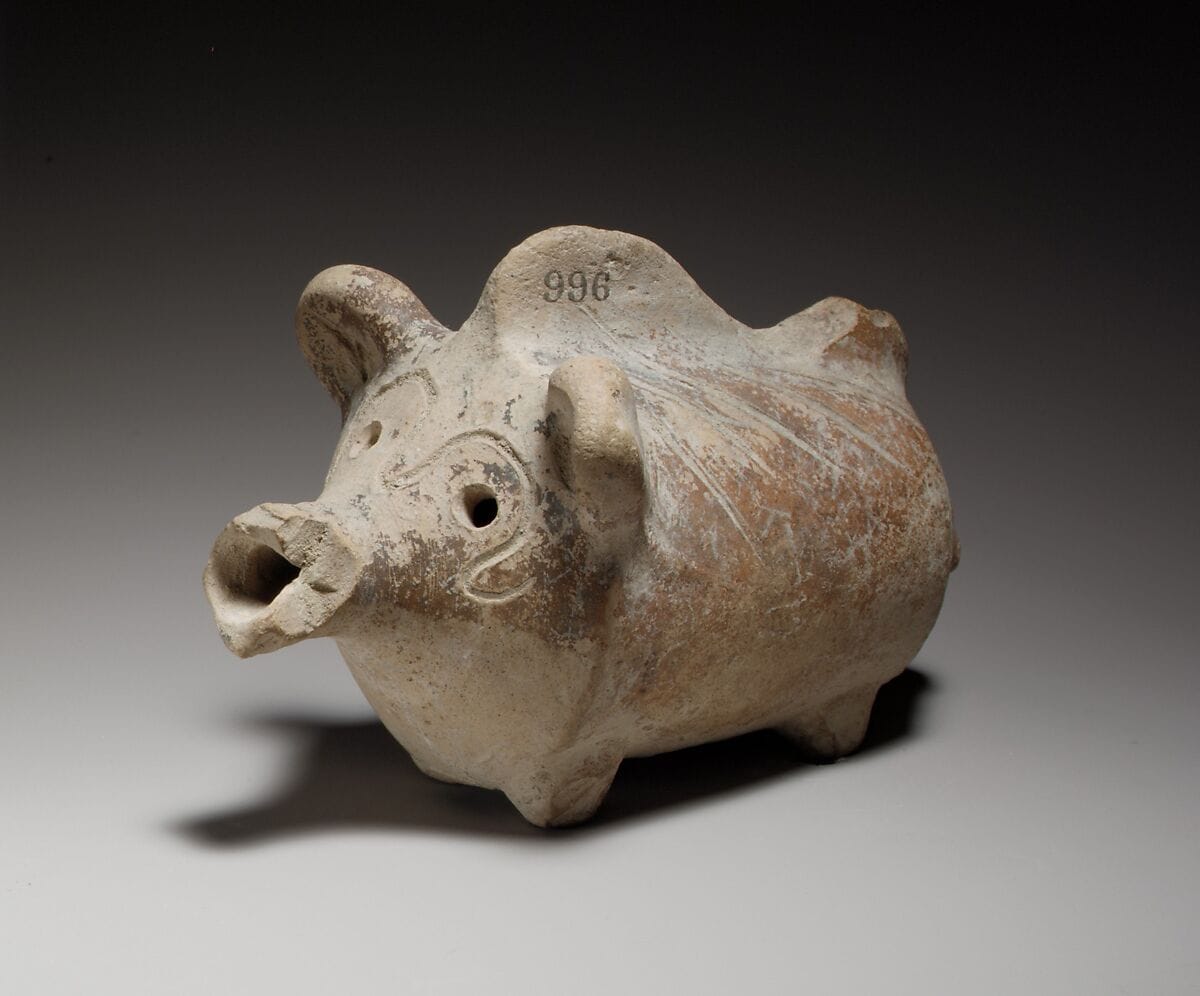
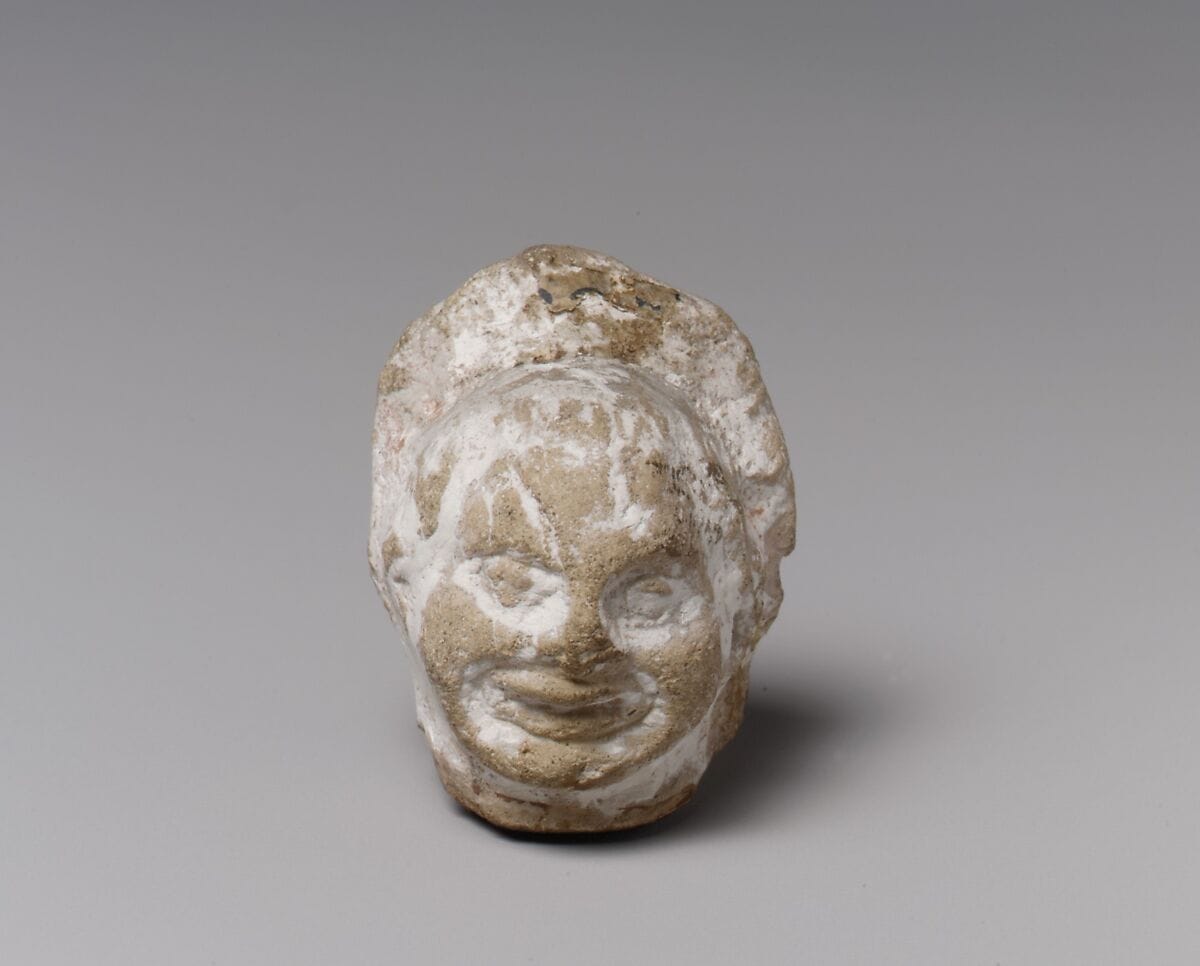
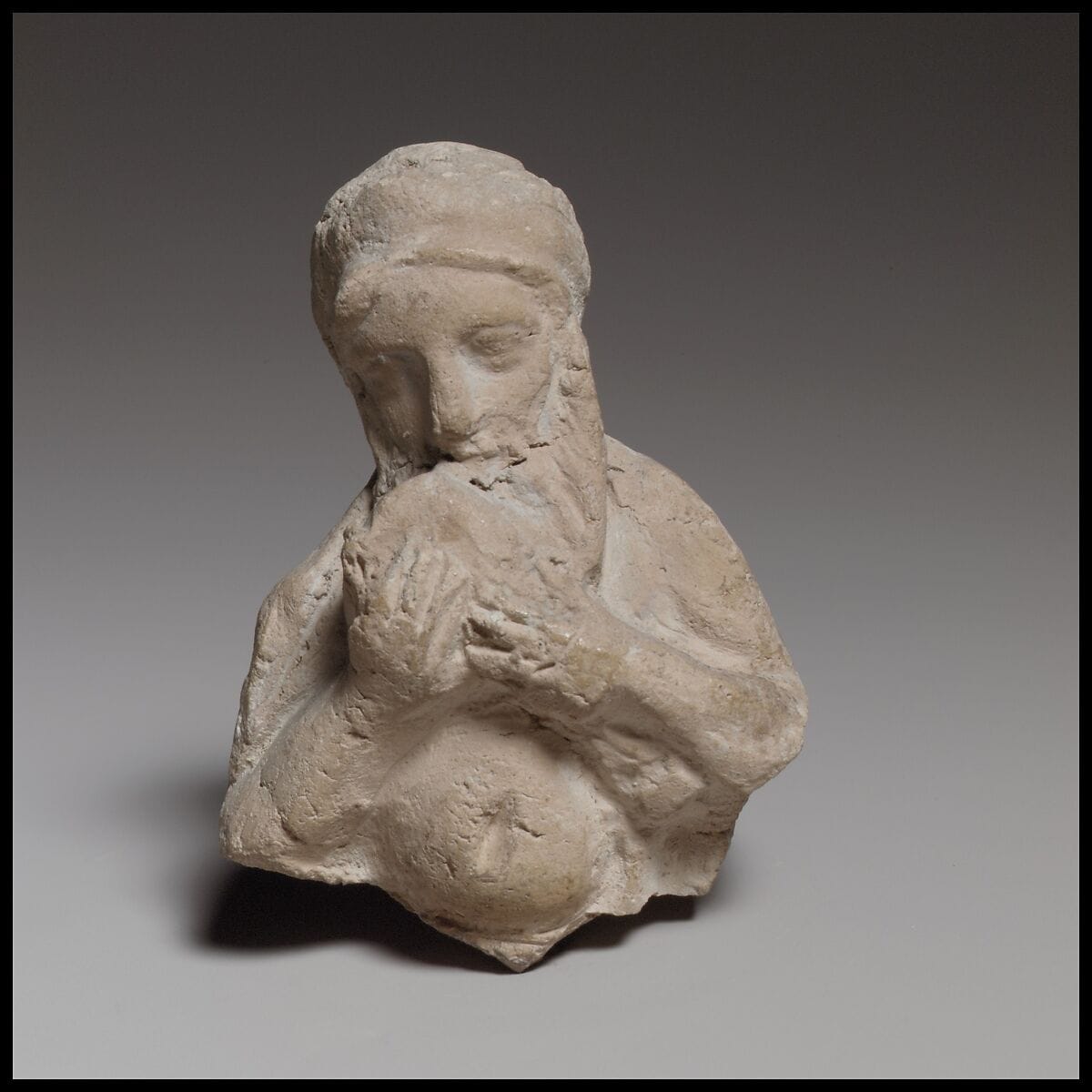
Background
Where to read more on this site before or after watching.
The site
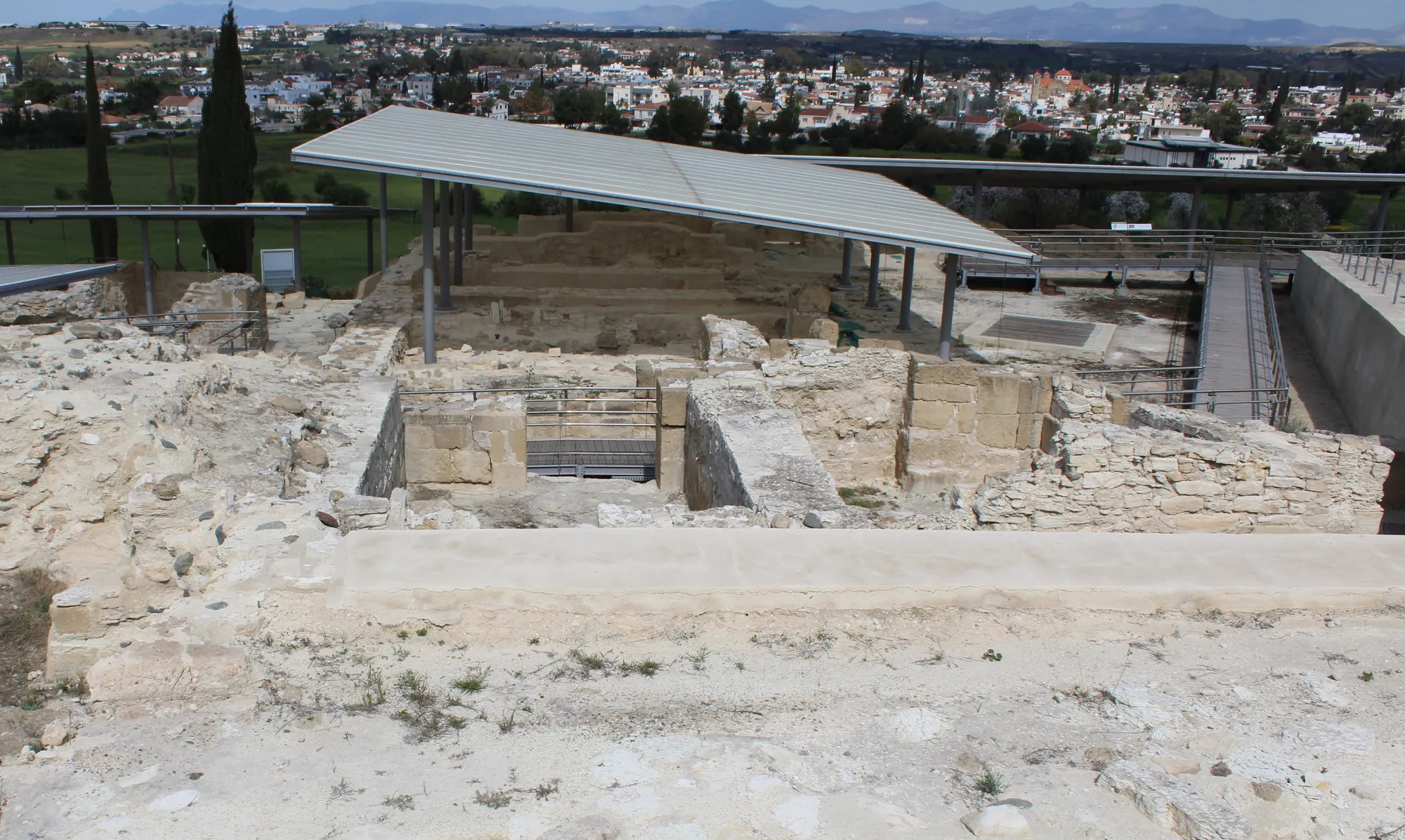
Idalion
Idalion is an inland city-kingdom of Iron Age Cyprus at the modern village of Dali, built round two limestone acropoleis and a walled lower city on the Yialias river. Its bronze tablet, the longest known text in the Cypriot syllabary, records a siege of the city in the first half of the 5th century BC; soon afterwards Idalion passed to the Phoenician kings of Kition, whose administrative archive was found on the west terrace.
In the compendium
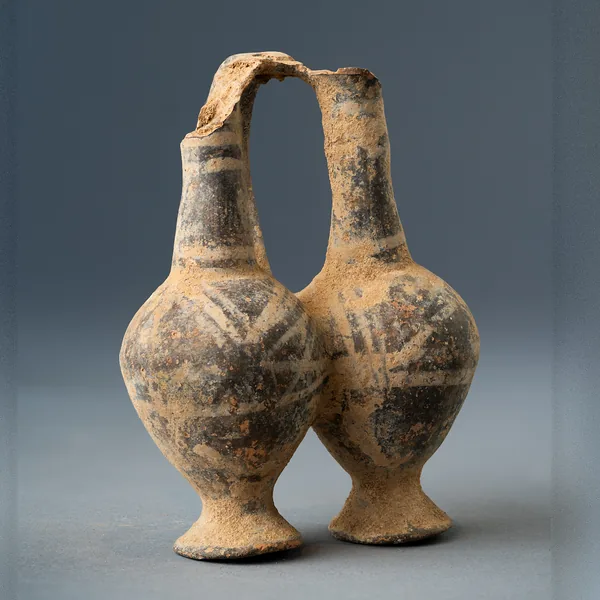
Medicine and Healing in Ancient Cyprus
Disease, drugs, doctors and healing cults in ancient Cyprus, from Neolithic skeletons to the physician Onasilos of Idalion in the early fifth century BCE.
In the compendium
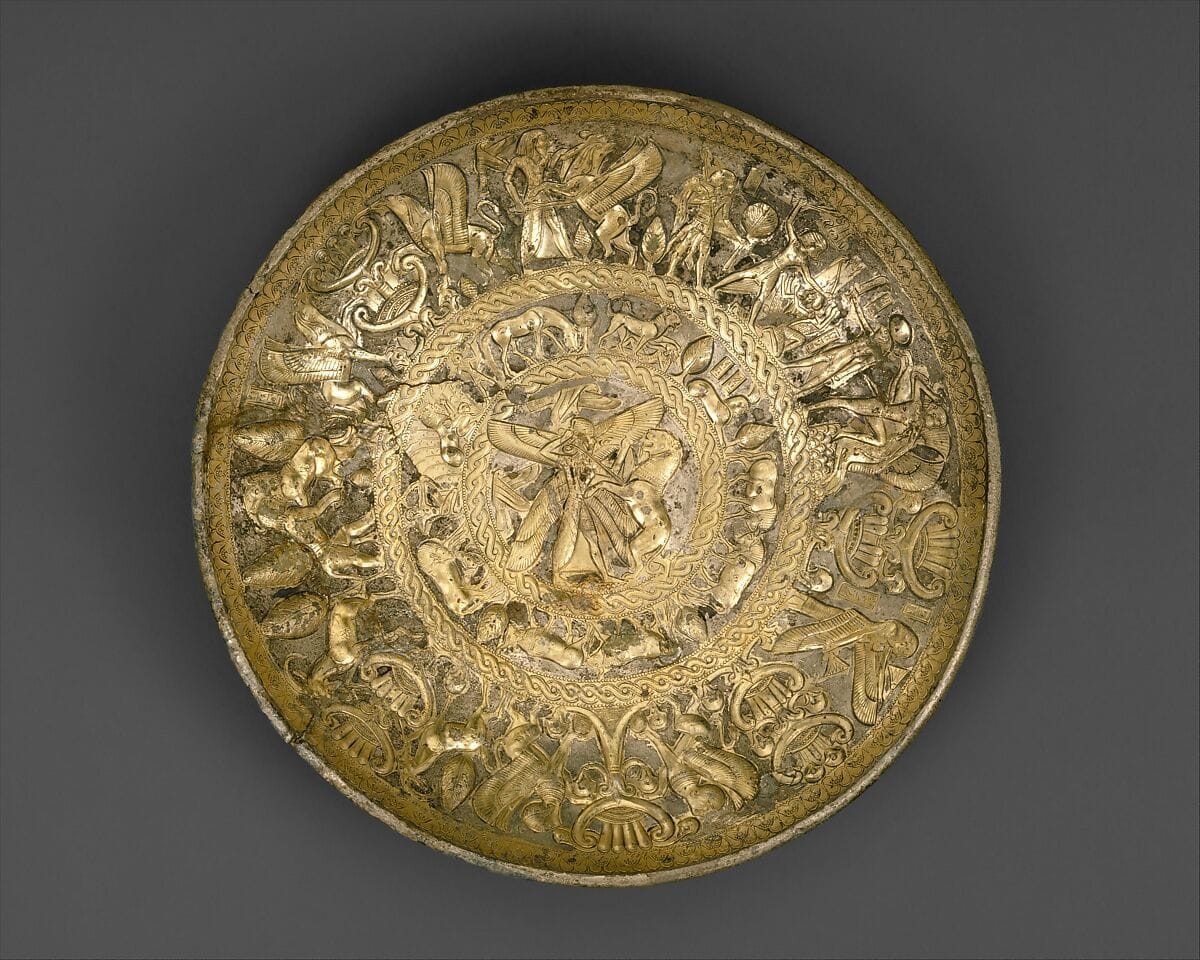
Writing and Literacy in Ancient Cyprus
The scripts of ancient Cyprus, from undeciphered Cypro-Minoan to the Cypriot Syllabary, Eteocypriot, Phoenician and the Greek alphabet, and who used them.
In the compendium
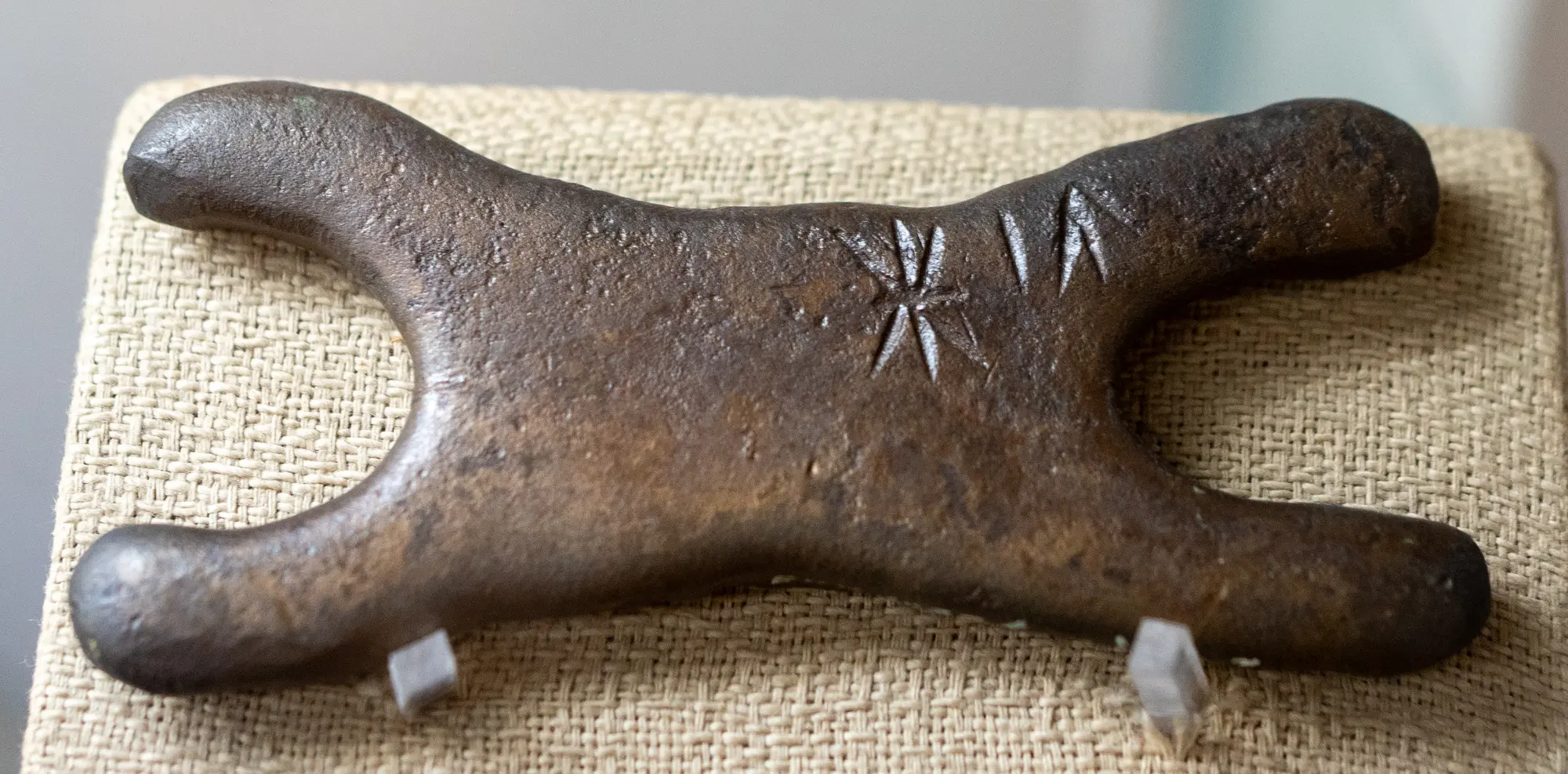
Copper Metallurgy in Ancient Cyprus
The mining, smelting and casting of the Troodos sulphide ores, from hammered Chalcolithic native copper to Late Bronze Age oxhide ingots and Archaic slag heaps.
Map of Cyprus
Places discussed in the talk
- Has a page on this site
- Other places
- Ground above 200, 500, 1,000 m