
Conference paper·Archaeological Research Unit - University of Cyprus·2018·In Greek
The Archaeological Work of the University of Cyprus, 2017: Mosaics, Medieval Churches, Ottoman Astrology and the Eastern Necropolis of Nea Paphos
ΤΟ ΑΡΧΑΙΟΛΟΓΙΚΟ ΕΡΓΟ ΤΟΥ ΠΑΝΕΠΙΣΤΗΜΙΟΥ ΚΥΠΡΟΥ, 2017
Demetrios Michaelides, Maria Parani, Michalis Olympios, Euphrosyne Rizopoulou-Egoumenidou and Vasiliki Lysandrou
Chapters
About the video
Given in Greek, this fourth and final session of the annual study day on the archaeological work of the University of Cyprus in 2017, dedicated to the memory of Ino Nicolaou, brings together five papers on mosaics, medieval churches, Ottoman-period astrology and the cemeteries of Nea Paphos.
Demetrios Michaelides presents his plans for a Corpus of the Mosaics of Cyprus, begun after his 1970 work with Michalis Loulloupis at the House of the Gladiators at Kourion. Reviewing earlier surveys by Stylianos Pelekanidis, Fryni Hadjichristofi and Eleftherios Charalambous, he outlines a corpus covering Hellenistic, Roman, Early Christian and medieval floor and wall mosaics, including opus sectile and opus spicatum. He traces fragments in the Hermitage and the Harvey Mudd collection, newly located photographs in Berlin of the lost Orpheus mosaic found by Max Ohnefalsch-Richter at Salamis in 1882, and Peter Megaw's archival photographs and sketches of the apse mosaics of Panagia Angeloktisti at Kiti and the destroyed Panagia tis Kyras at Livadia. In the discussion Maria Iacovou asks about an emblema inscribed "Chaire" in a Reinach villa at Beaulieu-sur-Mer, whose Cypriot attribution Michaelides doubts.
Maria Parani reports on a Leventis-funded project (2014 to 2016) studying the domed church of the Transfiguration of the Saviour at Sotira in the Famagusta district, whose late 13th-century wall paintings were uncovered in 1989 by Athanasios Papageorghiou. She examines the non-canonical layout of the scenes: an Annunciation with a fountain of two entwined snakes paralleled at Moutoullas, a Crucifixion on the lower south wall, an early Cypriot Last Judgement showing individual torments in hell, Cypriot bishops and military saints, and a small beardless figure in Crusader dress praying in the Orthodox manner before St George.
Michalis Olympios introduces the "Historic Bedestan" project on the Greek cathedral of Panagia Hodegetria in Nicosia, beside the Latin cathedral of St Sophia. Because the monument lies in the occupied north, the team combines visual study of the masonry and sculpture with archival research in Venice, Rome, Istanbul and Cyprus. Olympios discusses the relation between the Early Christian basilica and the 14th- to 16th-century building, the Gothic north facade and its coats of arms, and 1930s and 1940s Department of Antiquities records of wall foundations between the twin south aisles and fragments of gilded statues and reliefs.
Euphrosyne Rizopoulou-Egoumenidou examines the last three pages of the property ledger of the Dragoman Hadjigeorgakis, recording the births and zodiac signs of his six children between 1789 and 1799. Comparing the entries with the manuscript of Aloisios Petrakis Karidis, she sets the predicted temperaments against the children's lives through the family's flight to Constantinople, the Dragoman's execution in 1809, the reprisals of 1821 and their return to Cyprus.
Vasiliki Lysandrou presents the postdoctoral project SPACES, coordinated by George Papasavvas, which digitises and georeferences roughly 500 shaft and rock-cut chamber tombs from the eastern necropolis of Nea Paphos excavated by Michaelides between 1983 and 1990, combining the plans with a 1968 aerial photograph found in Scotland.
From our collection
Pieces in the Drakopoulos collection of the kinds and periods this talk covers: Hellenistic.
The Drakopoulos collection →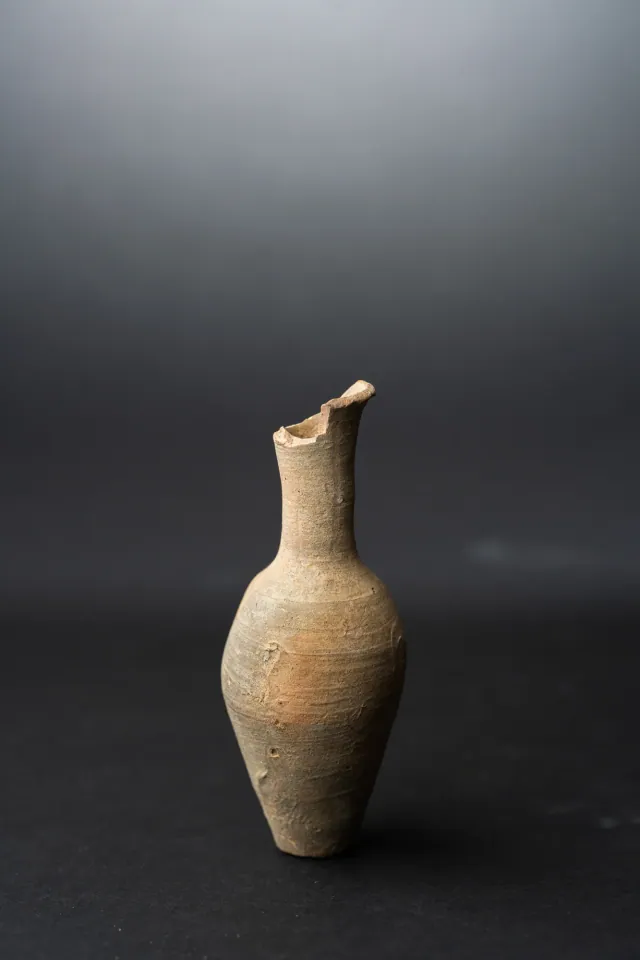
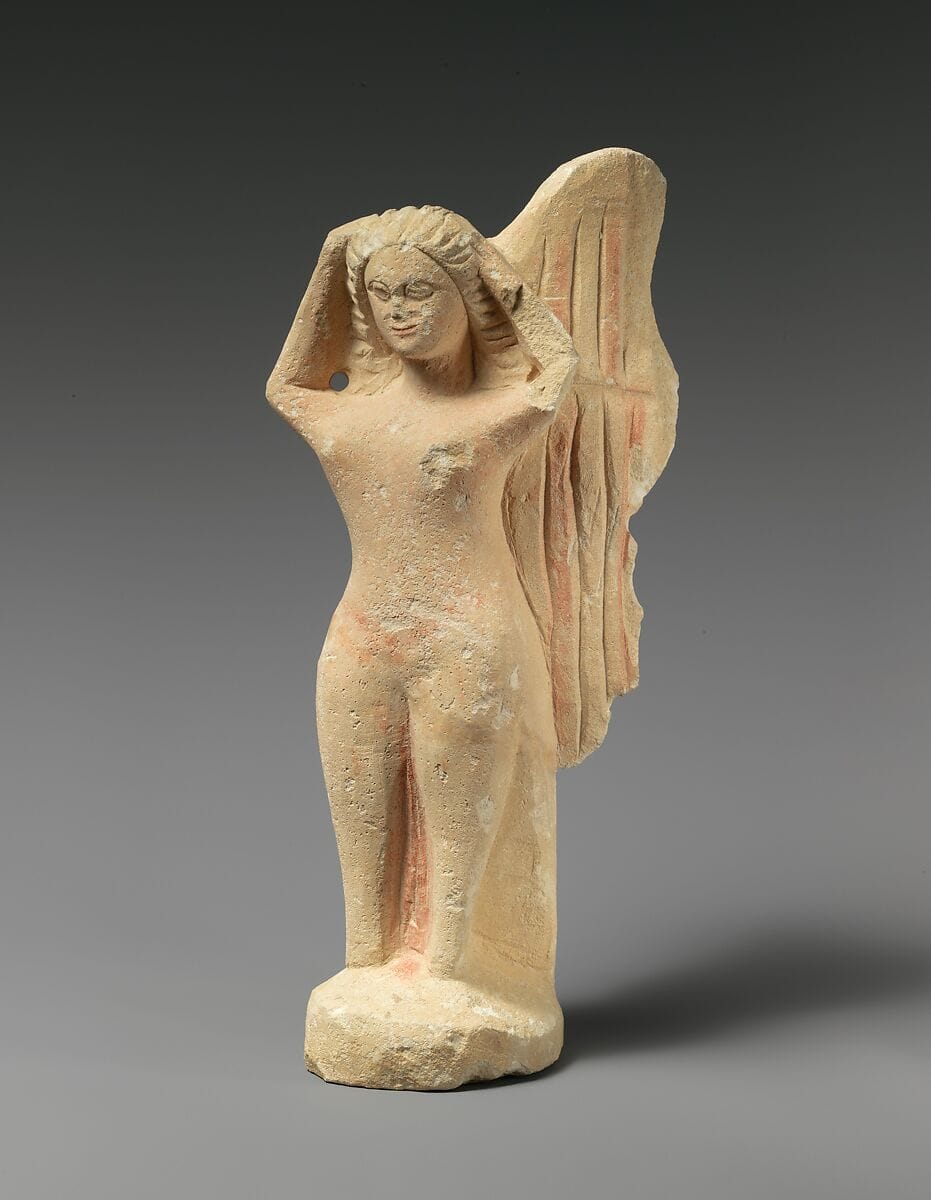
Found at the places discussed
Objects in our catalogue, in museum collections, recorded as found at these sites.


Background
Where to read more on this site before or after watching.
The site
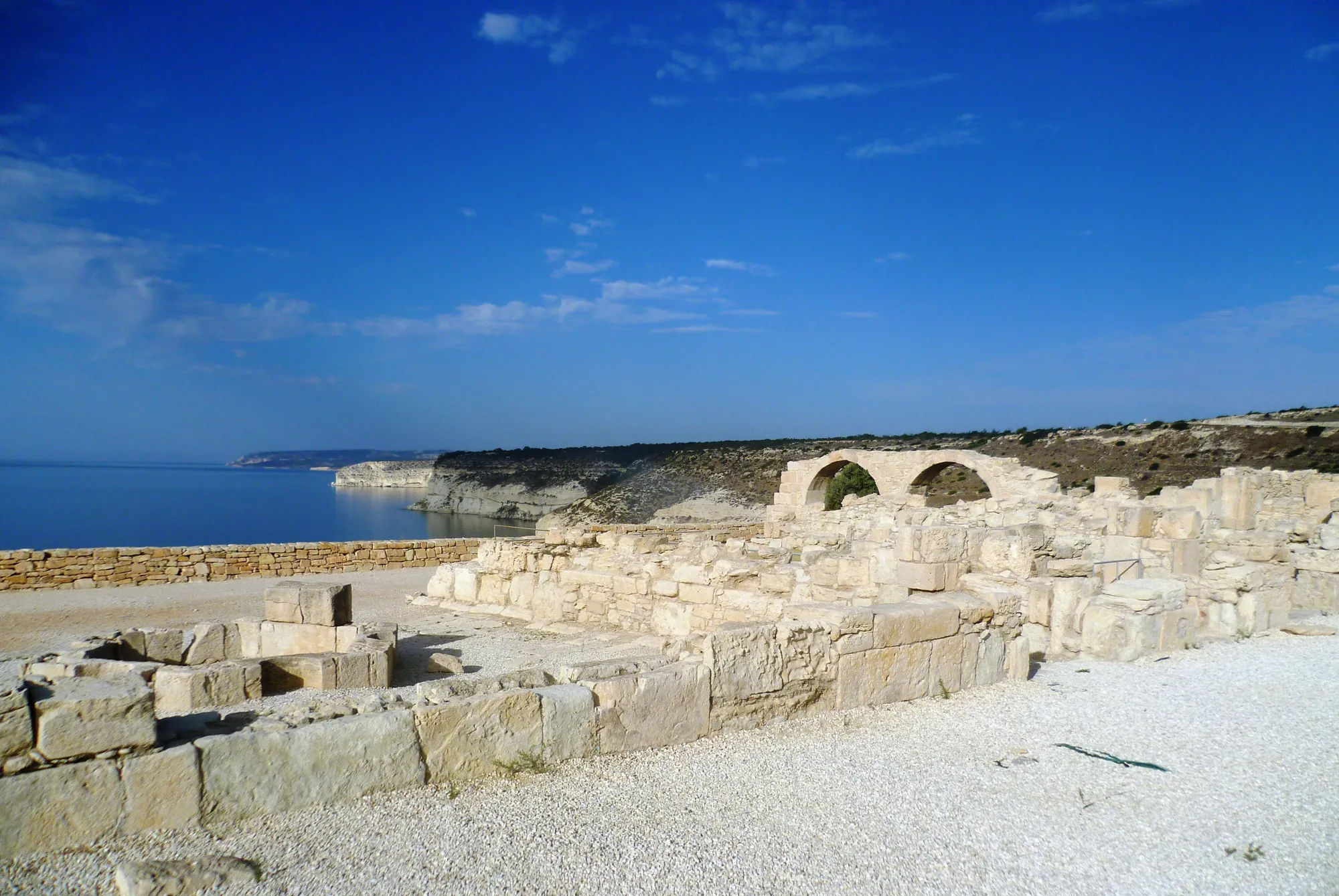
Kourion
Kourion stands on a limestone bluff above Episkopi Bay, west of Limassol. It was the seat of one of the Iron Age kingdoms of Cyprus, then a Hellenistic and Roman city with a theatre, baths and houses with mosaic floors, and a great sanctuary of Apollo Hylates to the west. An earthquake in the later 4th century AD destroyed the city; a Christian town with a bishop's church grew up over the ruins and was abandoned in the later 7th century.
In the compendium
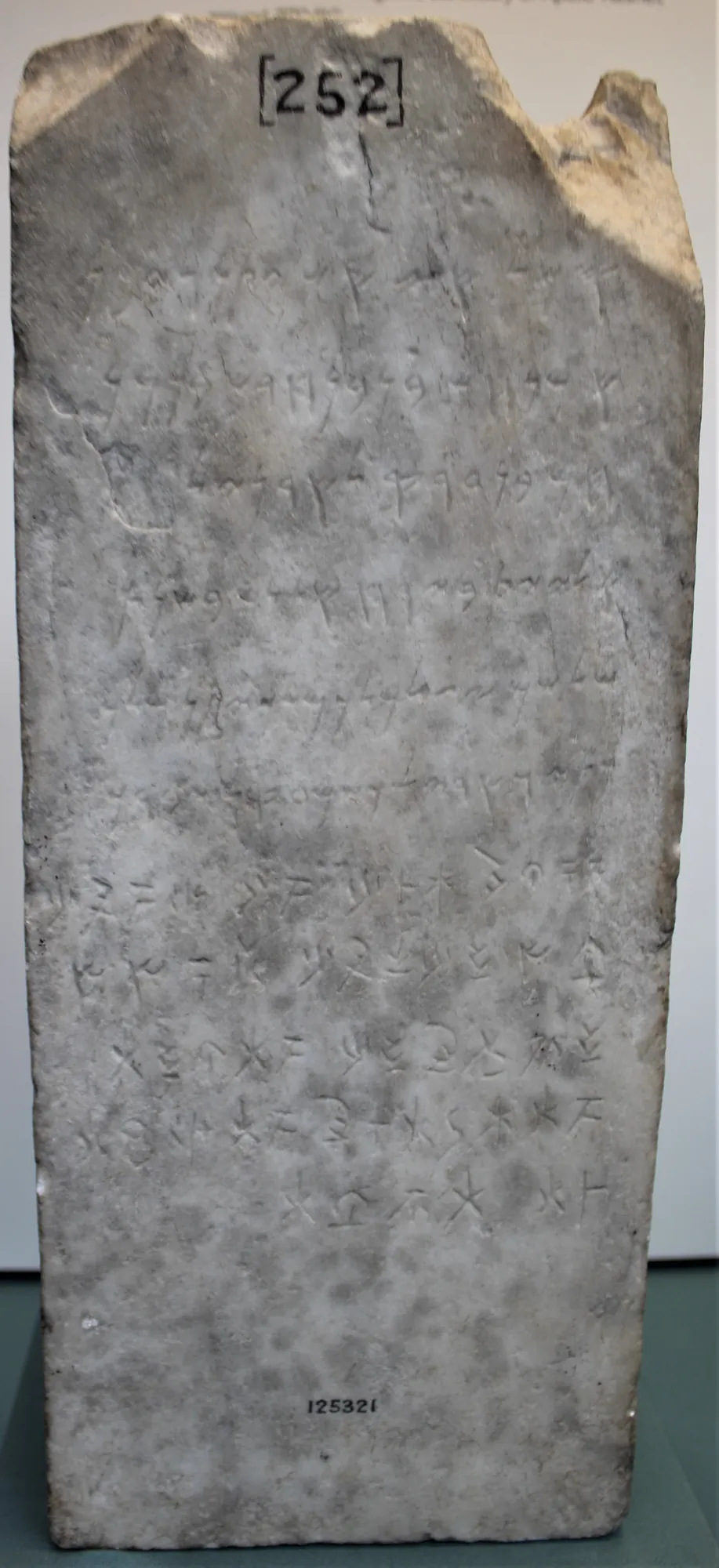
Max Ohnefalsch-Richter: Excavator, Dealer and the Divided Finds of British Cyprus
The German excavator whose finds left British Cyprus lawfully through the division of finds of 1880 to 1895, the patrons he dug for, the sales of 1887 and 1896, and the record he left.
The period
Hellenistic
The Ptolemaic period in Cyprus, c. 310–31 BCE, when the city-kingdoms were abolished and the island was governed as one province from Nea Paphos.
Map of Cyprus
Places discussed in the talk
- Has a page on this site
- Other places
- Ground above 200, 500, 1,000 m
Places
- 1Kourion
- 2Salamis
- 3Kiti (approx.)
- 4Livadia (approx.)
- 5Nea Paphos