
Lecture·Archaeological Research Unit - University of Cyprus·2019
Terracottas in a Domestic Context: The Case of the House of Orpheus in Nea Paphos, Cyprus
Giorgos Papantoniou, Demetrios Michaelides and Maria Dikomitou-Eliadou
Chapters
About the lecture
Delivered by Giorgos Papantoniou on behalf of his co-researchers Demetrios Michaelides and Maria Dikomitou-Eliadou, this lecture presents the findings of the A. G. Leventis Foundation project "Moulding Expressions of Culture" on the terracotta figurines from the House of Orpheus at Nea Paphos. Excavated by the Department of Antiquities and the University of Cyprus, the residence sits near the Villa of Theseus and the House of Dionysos, with its main mosaic-decorated phase dating to the late 2nd and early 3rd centuries AD above Hellenistic remains.
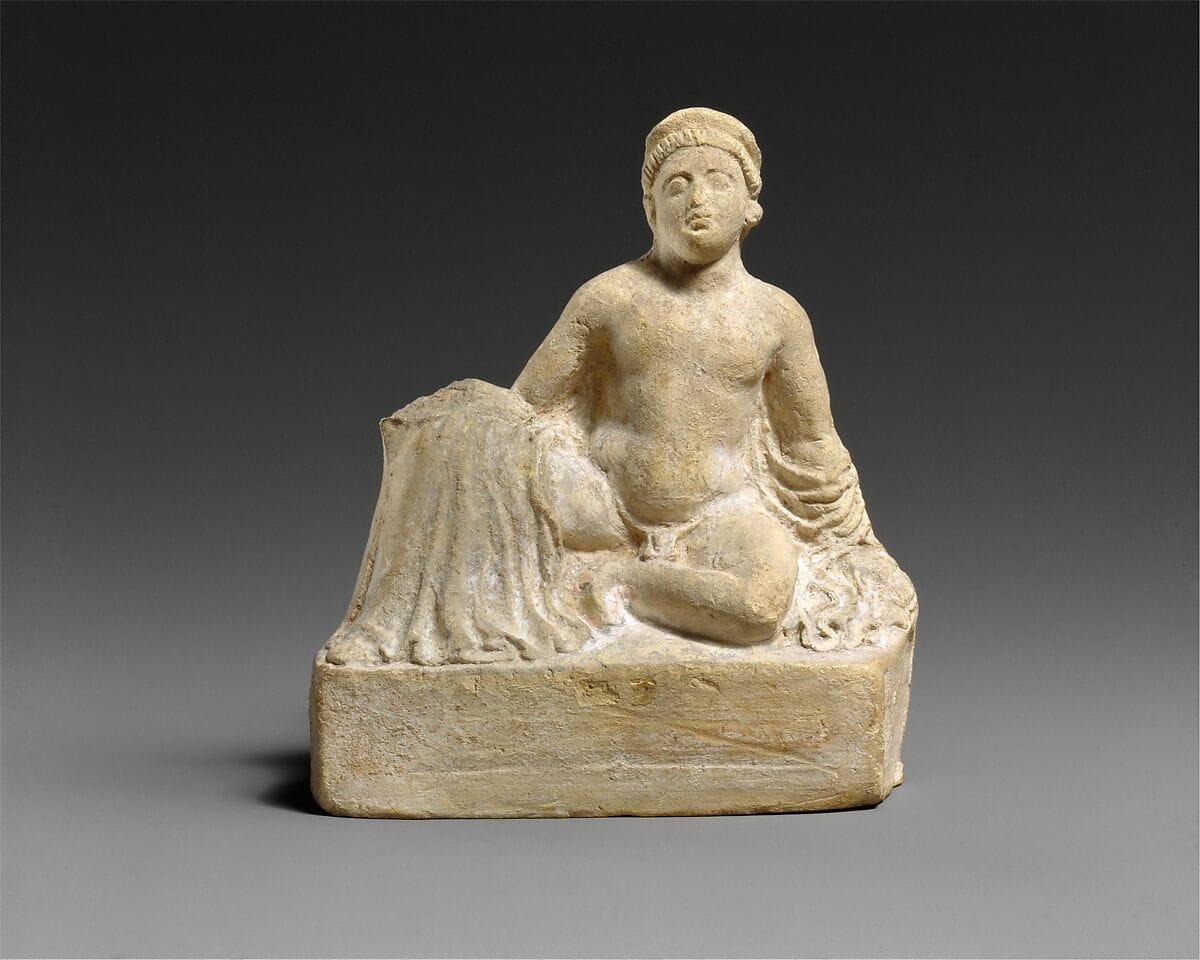
The excavation yielded over four hundred terracotta fragments, dated mostly to the Roman period and concentrated around the atrium and private heated baths. Papantoniou surveys their iconography, in which Aphrodite is the most prominent deity. Variants include Aphrodite fastening her strophion, a Venus Pudica, and a Toilet of Venus with winged Eros. The strophion figurine matches a piece from the House of Dionysos in the Paphos Museum from the same mould, both preserving the incised signature of the local coroplast Epaphrias. Other divine and mythological figures include Eros with a lowered torch, Hermes, Pan, Dionysos, and Egyptian-inspired pieces including a bust with Isis locks and a reclining Tyche of Alexandria. The assemblage also contains life-size theatrical masks, a male grotesque caricature, a multi-coloured chariot group, an African head, and animal figurines of deer and Maltese-type dogs.
Turning to ceramic analysis and manufacturing technology, the speakers report that macroscopic examination, pXRF and neutron activation analysis show a homogeneous calcareous fabric divided into two compositional groups, explained by local Paphian production using either two clay sources or two workshops, or by interregional distribution within Cyprus. Nearly all the figurines were hollow-cast in two-piece moulds and fired between 750 and 950 degrees, with circular back vents and hand-applied details such as a clay dolphin. Experimental replications with the Laboratory of Thetis Authentics in Athens examined clay shrinkage and detail loss across derivative mould generations, showing how Maltese dog prototypes from Egypt were copied locally.
The final section considers domestic function. Comparing parallels from Delos, Priene, Olynthos and Pompeii alongside finds from the House of Orpheus such as miniature limestone and terracotta altars and a boat-shaped multi-nozzle lamp depicting Isis, Serapis and Harpocrates, the authors argue that single figurines could serve as household cult items, bedroom or courtyard ornaments, or toys. The talk concludes with a presentation of the project's 2019 Brill edited volume, Hellenistic and Roman Terracottas.
From our collection
Pieces in the Drakopoulos collection of the kinds and periods this talk covers: Undecorated.
The Drakopoulos collection →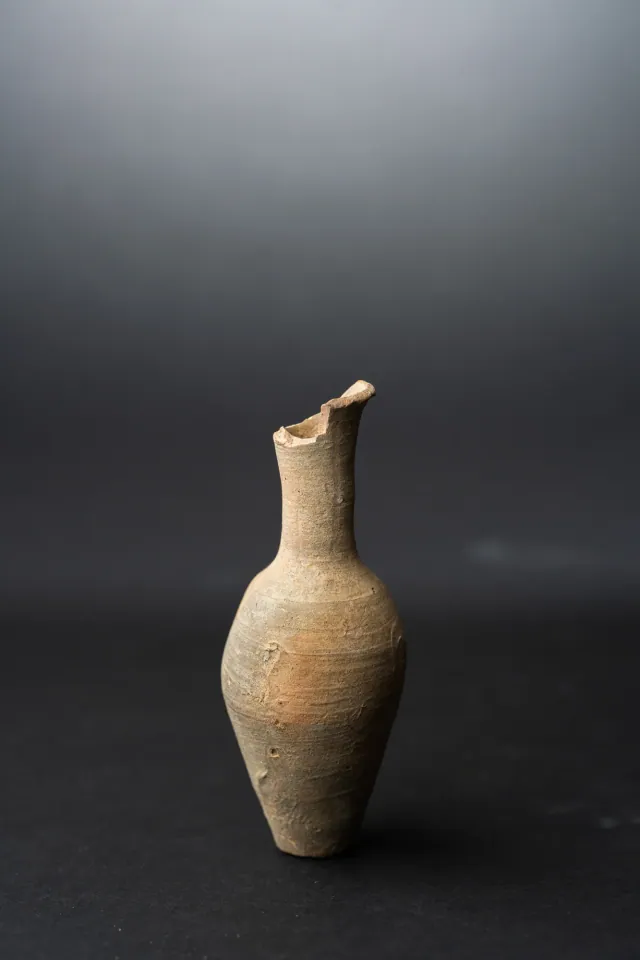
Found at the places discussed
Objects in our catalogue, in museum collections, recorded as found at these sites.


Background
Where to read more on this site before or after watching.
The site
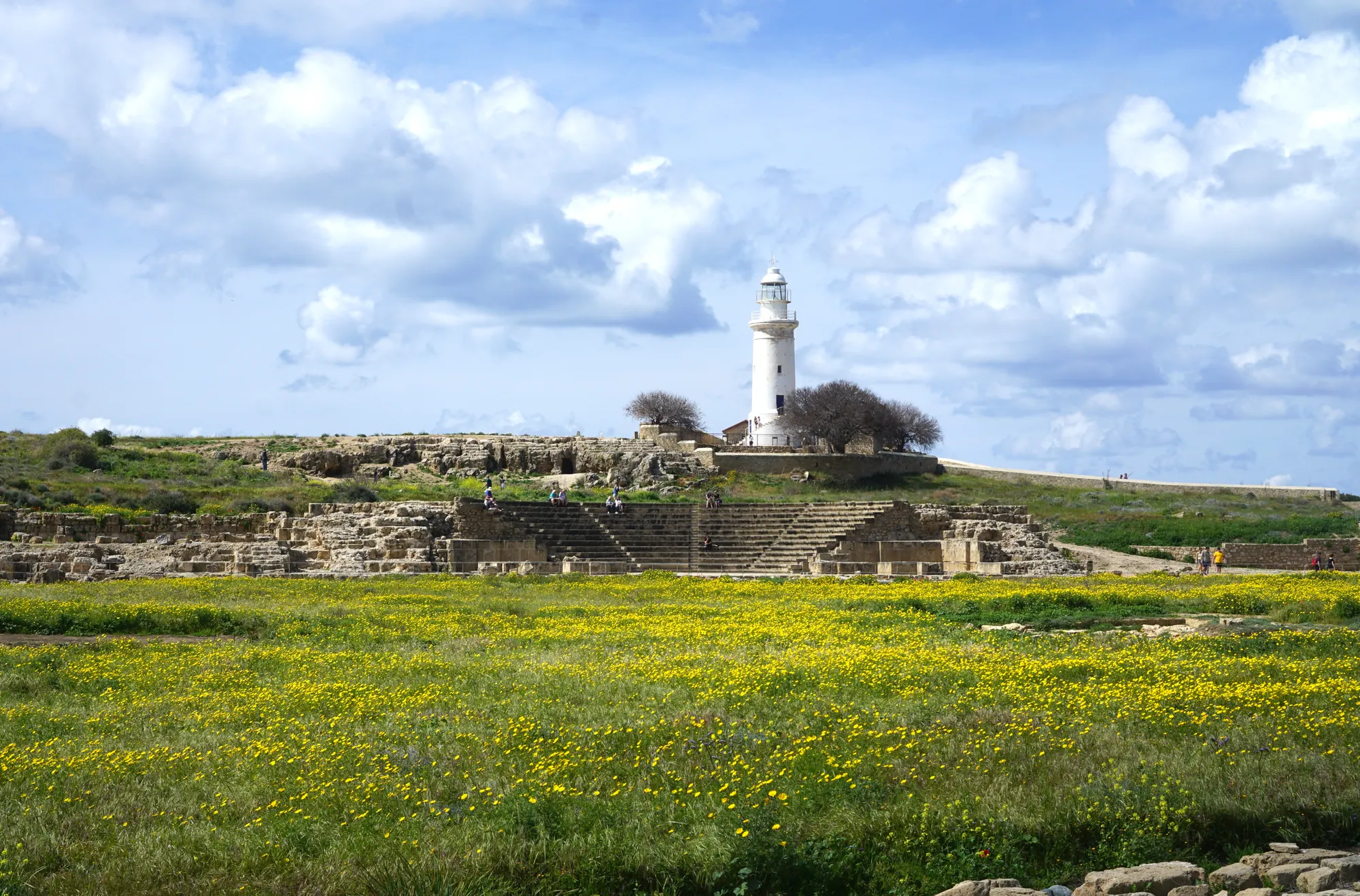
Nea Paphos
Nea Paphos, New Paphos, lies under Kato Paphos on the south-west coast of Cyprus. Founded about 320 BC as a harbour town for the kingdom of Paphos, it became the seat of the Ptolemaic governors of the island and then the capital of the Roman province until the 4th century AD. Its walls, theatre, civic centre, mosaic-floored houses and rock-cut tombs are part of the UNESCO World Heritage Site of Paphos, inscribed in 1980.
In the compendium
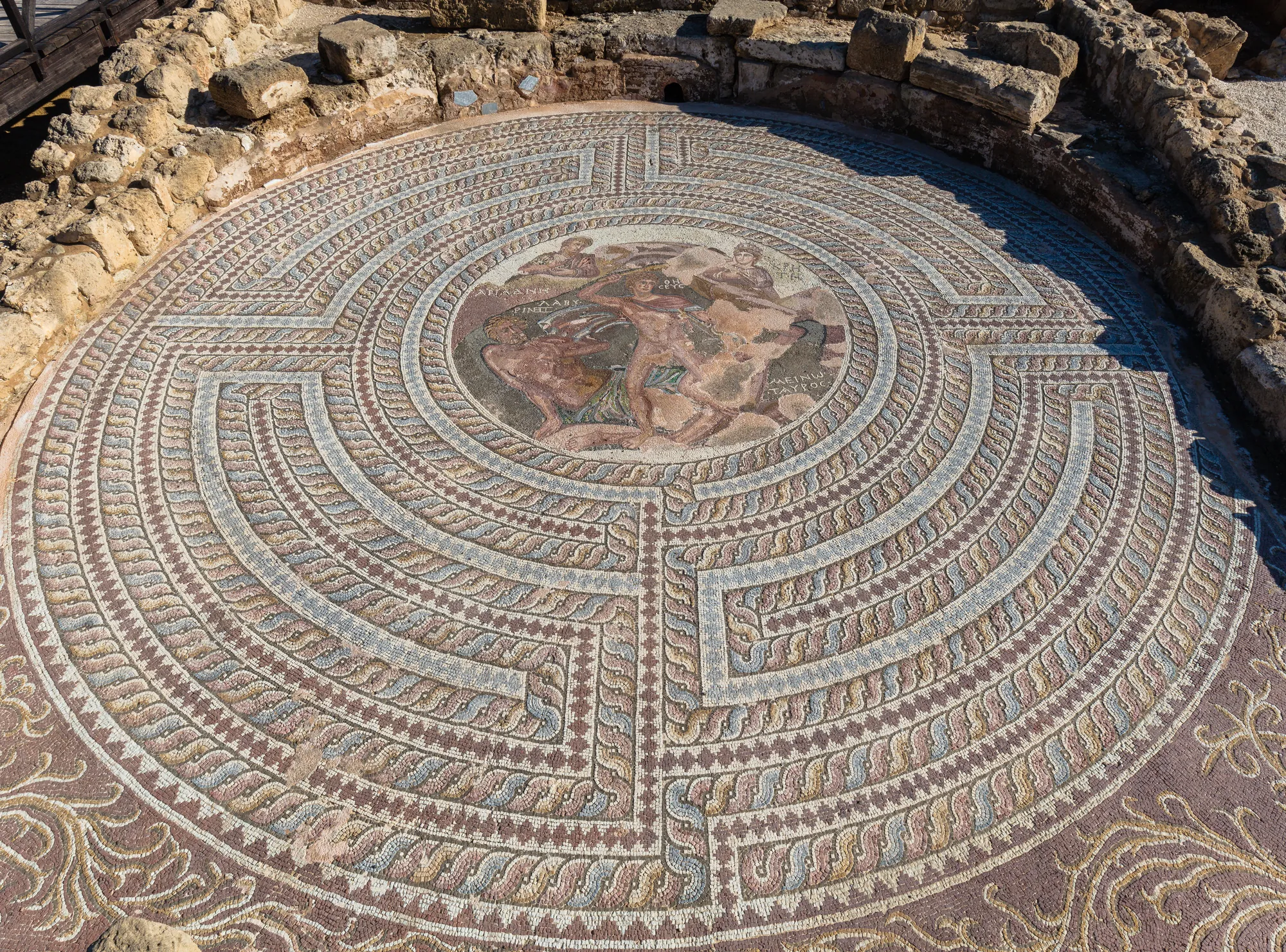
Hellenistic and Roman Houses
Town houses on Cyprus from the founding of Nea Paphos in the late 4th century BC to the earthquakes of the 4th century AD, from mosaic-floored peristyle houses to a mudbrick house at Kourion.
In the compendium
Egypt
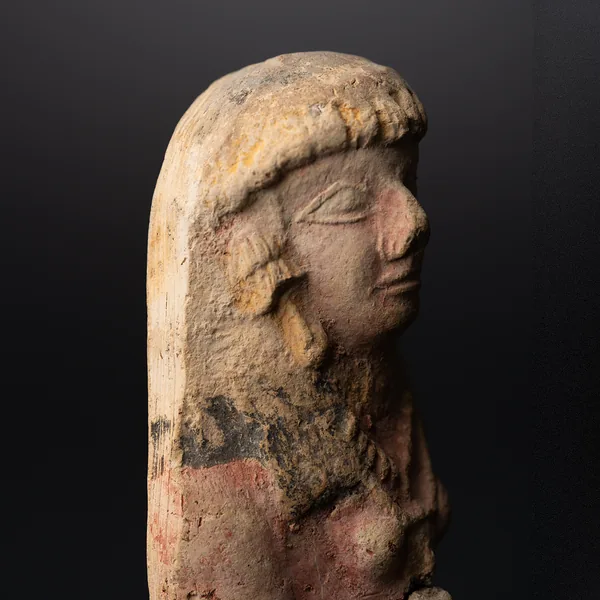
Ancient Egypt, Cyprus's partner in copper, pottery and prestige goods from the Middle Kingdom to the Ptolemies, who annexed the island.
In the compendium
Lamps
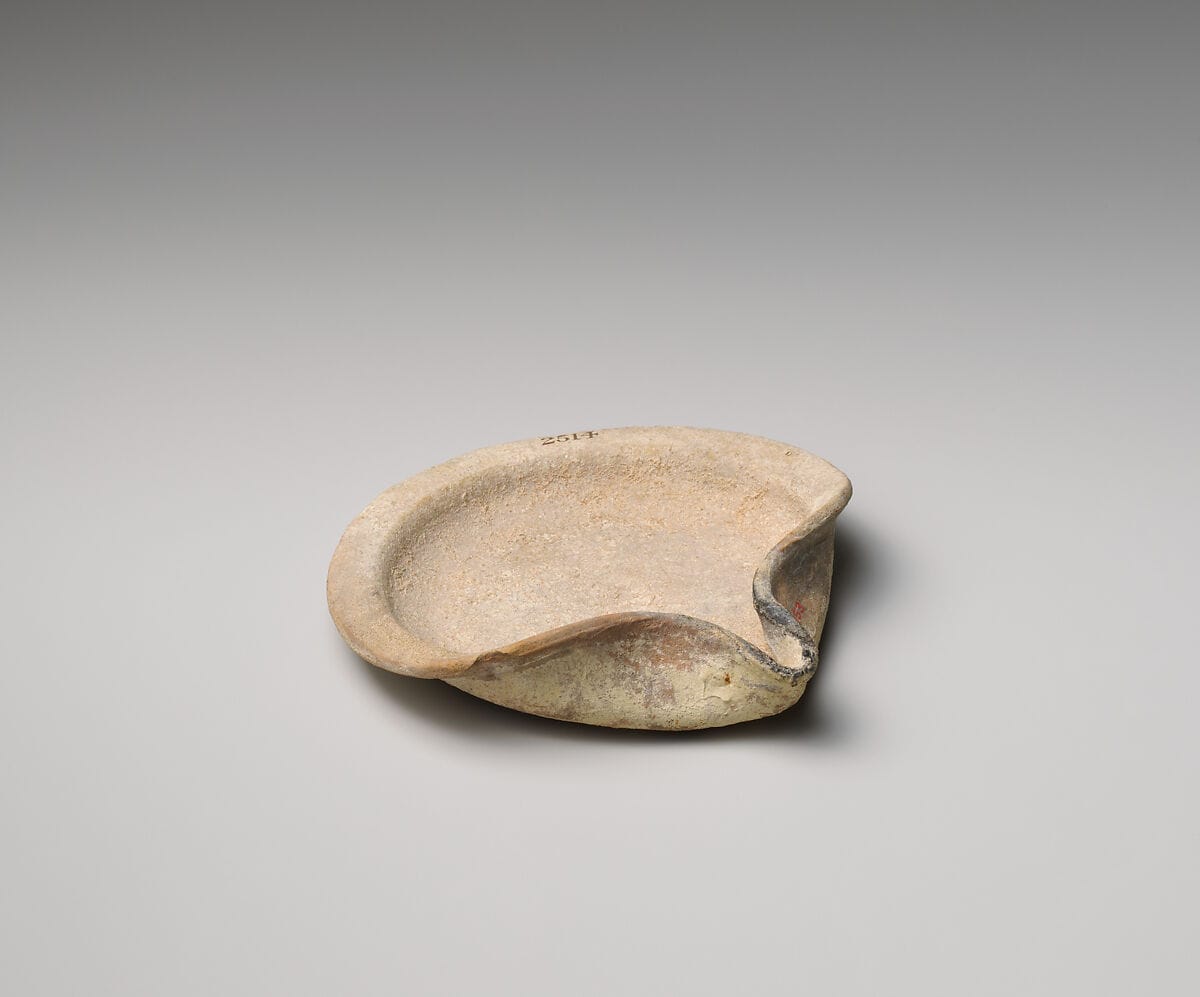
A small hand-held vessel that burned oil or fat on a wick, made in Cyprus as an open saucer from the Late Bronze Age and as a closed lamp from the Hellenistic period.