
I · The sources · The books
The books, page by page
Live
The literature of Cypriot archaeology, read online page by page: Cesnola’s volumes, the colonial government’s reports and gazettes, the Swedish Cyprus Expedition and the Medelhavsmuseet’s bulletins, and the early books and articles in German, French, Greek and Italian. Every page is shown as it was printed, beside its text, and the pages not written in English have an English translation beside them, block for block.
The people, sites, tombs and publications a page names link to their own pages, so a sentence in a book of the 1880s leads to everything else we hold on that place or person.
- books and volumes
- 210
- books and volumes
- pages, each with its scan
- 57,463
- pages, each with its scan
- pages in English translation
- 2,462
- pages in English translation
- languages
- 7
- languages
- names linked on the pages
- 25,523
- names linked on the pages
- years of publication
- 1840–2009
- years of publication
What is on the shelf
The whole shelf
Every book in the reader, 210 of them, on eight shelves: the Swedish Cyprus Expedition’s volumes, the early accounts and travels, the first excavation reports, the Cesnola Collection in the journals of its day, the colonial government’s publications, the early catalogues and plate books, museum catalogues and guides, and a run of the Medelhavsmuseet’s Bulletin. Group them by shelf, by the language they were written in or by decade, and choose a book to see it.
By shelf
| By shelf | books | Pages | Pages in English translation |
|---|---|---|---|
| Swedish Cyprus Expedition5 books | 1,370 pages · 2 in English | ||
| Early accounts, travels and histories22 books | 7,571 pages · 1,052 in English | ||
| Early excavation reports and articles20 books | 1,473 pages · 489 in English | ||
| The Cesnola Collection in early journals12 books | 102 pages | ||
| Colonial government publications93 books | 39,125 pages | ||
| Early catalogues and plate books22 books | 3,961 pages · 6 in English | ||
| Museum catalogues and guides8 books | 1,288 pages · 317 in English | ||
| Medelhavsmuseet Bulletin28 books | 2,573 pages · 596 in English |
By the language of the book
| By the language of the book | books | Pages | Pages in English translation |
|---|---|---|---|
| English195 books | 54,361 pages · 280 in English | ||
| German10 books | 956 pages · 681 in English | ||
| Swedish2 books | 474 pages · 309 in English | ||
| Greek1 book | 880 pages · 867 in English | ||
| Italian1 book | 398 pages | ||
| French1 book | 394 pages · 325 in English |
Where the scans come from
- Cyprus Library (Cyprus Digital Library)83 books
- Internet Archive (copies of university and public libraries)75 books
- Medelhavsmuseet, Stockholm41 books
- Universitätsbibliothek Heidelberg11 books
15 of the books were written in a language other than English, and 2,462 pages across the shelf are in English translation. A book written mostly in English can still carry pages in another language (an article in German in one of the Medelhavsmuseet’s English bulletins, say), and those are translated too.
The reader
The printed page beside its text
Six books from the shelf, from Cesnola’s Cyprus of 1878 to a Swedish exhibition catalogue of 1974, a few pages of each. The scan sits beside the text set from it; for a book not written in English, read the original, the English, or both side by side, paragraph against paragraph. With Names on, the people, places, tombs and works the page names are marked and listed under it; point at one to find it on the page.
In the reader itself every book opens at any page, by scan or by printed page number, with a table of contents, the book’s own references to its figures and plates turning to them, full-screen reading and a citation for each page.
Names on the page
One place, many spellings
The same place is printed a dozen ways across a century of books: in English, Latin, French, German and Greek forms, or under the name of the village beside it. Each mention is linked to one record, so that all of them lead to the same page. 25,523 names are linked on 8,293 pages of 190 books, to 3,493 records in our registers.
9,005
links to 28 sites
8,059
links to 1,547 people
6,588
links to 1,369 publications
1,806
links to 525 tombs
65
links to 24 excavations
The sites named most often, of 28: how they are printed
- Salamis
1,182 pages · 82 books
- Salamis 844
- Salamina 122
- Σαλαμῖνος 68
- Σαλαμῖνι 43
- Constantia 33
- Σαλαμῖνα 28
- Σαλαμίνιος 9
- Idalion
1,144 pages · 75 books
- Dali 461
- Idalion 436
- Idalium 158
- Dali (Idalium) 49
- Idalie 39
- Dali (Idalion) 17
- Ἰδαλίου 16
- Kourion
1,066 pages · 75 books
- Curium 527
- Kurion 261
- Kourion 165
- Κουρίου 20
- Kurium 18
- Κουρίῳ 18
- Κούριον 15
- Amathus
948 pages · 69 books
- Amathus 799
- Amathonte 39
- Ἀμαθοῦντος 22
- Amathos 13
- Ἀμαθοῦντα 12
- Ἀμαθοῦντι 11
- Ἀμαθοῦς 10
- Kition
896 pages · 72 books
- Kition 466
- Citium 223
- Κιτίου 43
- Κίτιον 36
- Kitium 30
- Κιτίῳ 26
- Cition 16
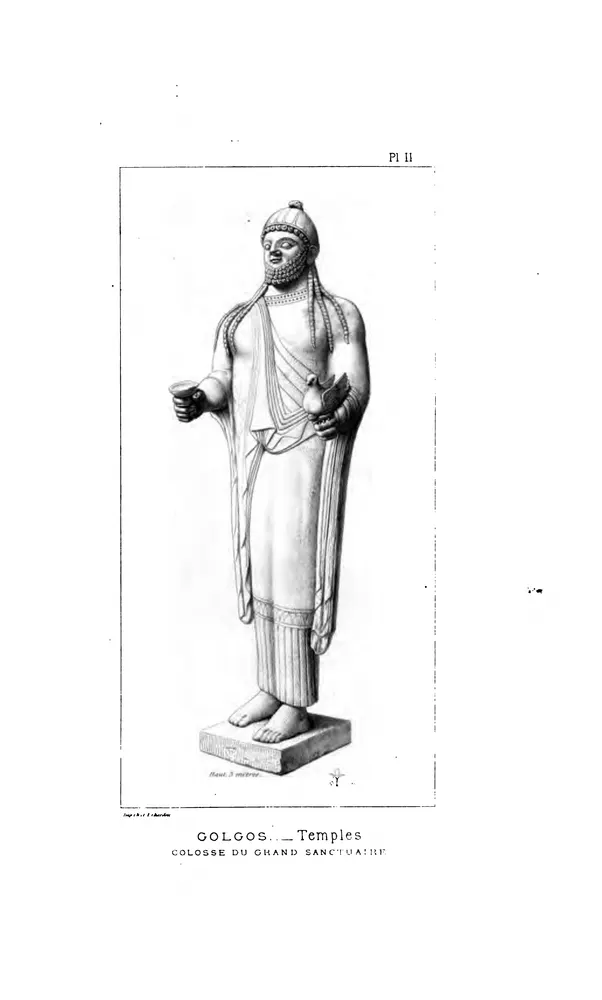
- Golgoi
567 pages · 48 books
- Golgoi 396
- Golgos 99
- Aghios Photos 8
- necropolis (Golgoi) 8
- Γολγοῖς 7
- Ayios Photios 5
- Aghios Photios 5
- Kyrenia
531 pages · 50 books
- Kyrenia 196
- Kerynia 41
- Κηρυνείας 40
- Kyrenia Castle 36
- Cerinia 33
- Cerines 31
- Κηρύνειαν 31
- Enkomi
517 pages · 45 books
- Enkomi 462
- Engomi 27
- Encomi 10
- Enkomi-Alasia 6
- Old Salamis 4
- Palaepaphos
422 pages · 53 books
- Kouklia 129
- Kuklia 86
- Old Paphos 71
- Παλαιπάφῳ 27
- Παλαιπάφου 20
- Palaipaphos 17
- Palaepaphos 15
- Tamassos
395 pages · 40 books
- Tamassos 259
- Tamassus 39
- Politiko 38
- Pera 19
- Tamasos 13
- Tamasus 7
- Ταμασσός 7
The people named most often, of 1,547
- Luigi Palma di Cesnola
422 pages · 65 books
- Cesnola 141
- General di Cesnola 56
- General Cesnola 32
- L. P. di Cesnola 25
- De Cesnola 20
- M. de Cesnola 17
- Gen. di Cesnola 16
- Max Ohnefalsch-Richter
210 pages · 33 books
- Ohnefalsch-Richter 68
- O.-Richter 40
- Max Ohnefalsch-Richter 21
- M. O.-Richter 17
- M. Ohnefalsch-Richter 15
- Ohnefalsch-Richters 10
- Dr. Ohnefalsch-Richter 7
- Einar Nilson Gjerstad
161 pages · 32 books
- Gjerstad 92
- Einar Gjerstad 49
- E. Gjerstad 13
- Robert Hamilton Lang
136 pages · 29 books
- Mr. Lang 31
- R. H. Lang 25
- H. Lang 15
- M. Lang 15
- Mr. Hamilton Lang 9
- Mr. R. H. Lang 6
- R. Hamilton Lang 5
- George Jeffery
129 pages · 32 books
- G. Jeffery 79
- Geo. Jeffery 3
- Mr. G. Jeffery 3
- Alessandro (Alexander) Palma di Cesnola
122 pages · 27 books
- A. P. di Cesnola 31
- A. Cesnola 16
- Major di Cesnola 14
- Cesnola 8
- A. PALMA DI CESNOLA 7
- Alessandro Palma di Cesnola 7
- Alexander Palma di Cesnola 6
- Charles Newton
116 pages · 18 books
- Sir Charles Newton 44
- C. T. Newton 42
- Mr. Newton 9
- Sir C. Newton 8
- Mr. C. T. Newton 5
- Newton 4
- Gustaf VI Adolf of Sweden
108 pages · 27 books
- King Gustaf VI Adolf 29
- Gustaf VI Adolf 17
- Gustaf Adolf 14
- Kronprins Gustaf Adolf 10
- H. M. King Gustaf VI Adolf 9
- H.M. King Gustaf VI Adolf 7
- Crown Prince Gustaf Adolf 6
The counts are of pages: a name printed five times on one page counts once. The forms beside each name are the ones printed, with how many pages print them; forms that differ only in capitals are counted together. 6,672 of the links rest on initials or a surname alone, and the reader marks them as probable.
When they were printed
Publication years
One square for each book at the year it was printed, from 1840 to 2009. 76 of them came out before 1900. The even run from 1878 to 1960 is the colonial government’s Cyprus Gazette, one volume a year, joined after the Second World War by its annual reports.
written in English in another language, with English in another languageEach square opens its book.
| Decade | Books | Pages |
|---|---|---|
| 1840s | 1 | 6 pp. |
| 1870s | 9 | 1,824 pp. |
| 1880s | 42 | 6,208 pp. |
| 1890s | 24 | 5,849 pp. |
| 1900s | 26 | 5,350 pp. |
| 1910s | 15 | 5,091 pp. |
| 1920s | 11 | 7,084 pp. |
| 1930s | 11 | 9,278 pp. |
| 1940s | 14 | 4,190 pp. |
| 1950s | 17 | 7,555 pp. |
| 1960s | 6 | 776 pp. |
| 1970s | 11 | 1,536 pp. |
| 1980s | 11 | 1,188 pp. |
| 1990s | 8 | 936 pp. |
| 2000s | 4 | 592 pp. |
How it is made
How a book is prepared
Every book goes through the same steps, and each step leaves something on the page that a reader can check.
1The scan
We start from a complete scan of a copy in the public domain or under an open licence: from the Medelhavsmuseet in Stockholm, the Cyprus Digital Library, Heidelberg University Library, and the copies of university and public libraries on the Internet Archive. The scan is the authority for everything beside it.
2The rights
Before a book is published we check its rights from the book itself: the date and place of printing and any notice it prints. The result is stated on the book's page, with the licence of the scans.
3The text
119 books are transcribed page by page for the Archive, keeping the headings, footnotes, tables and captions as the page sets them. The 91 colonial volumes carry the scanned copy's own text, as the library made it, and say so.
4The English
A page not written in English is translated block for block: each paragraph, heading, footnote and table has its English counterpart beside it, numbers and references exactly as printed, and the titles of cited works left in their own language. Each translated page is then read a second time, the English against the original, for errors of meaning.
5The names
Each page is read for the places, tombs, people and works it names, in the form printed. A name is linked only when it matches a record in our registers, by its name or a known alias, and the printed form is on the page itself. A link that rests on initials or a surname alone is marked as probable.
6The book's own references
References to the book's own figures and plates are matched to the page that prints them, so that "Pl. XII" in the text turns to the plate. Each page has its own address and its own citation.
One page taken apart
Herrmann 1888, p. 23
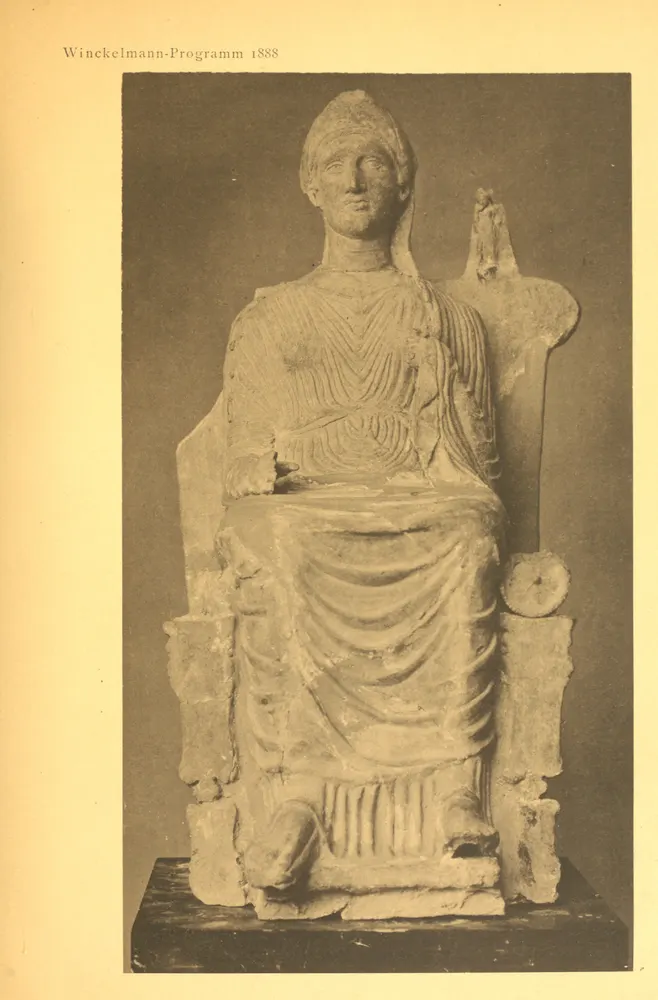
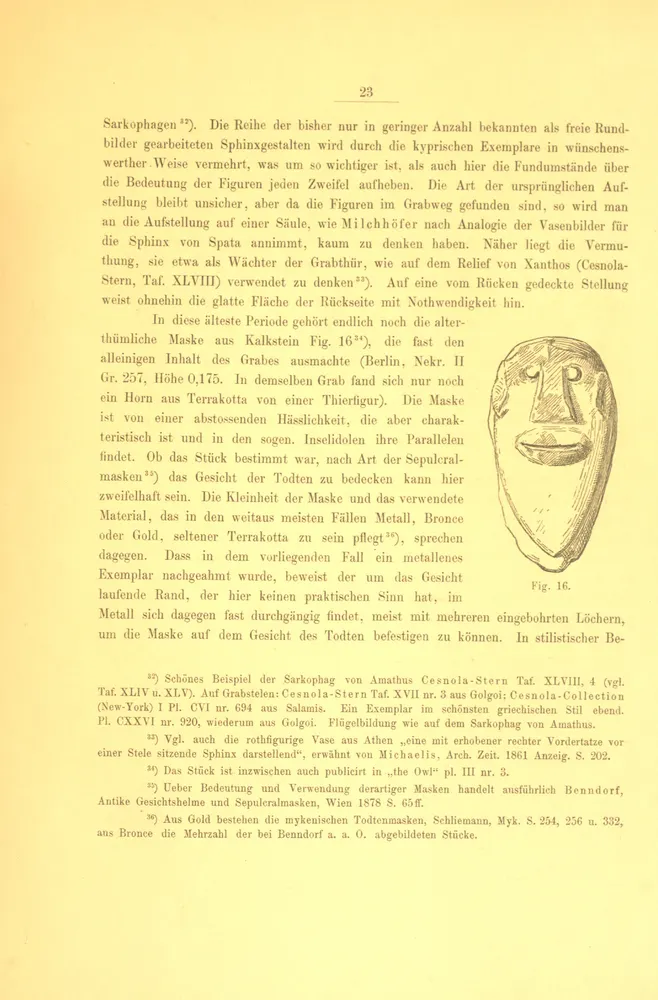
A page of Das Gräberfeld von Marion auf Cypern (Achtundvierzigstes Programm zum Winckelmannsfeste der Archaeologischen Gesellschaft zu Berlin), as the reader holds it: the scan, the German text set from it, the English beside it, the names it links, and the address, citation and rights that go with it.
The text, as printed in German
Sarkophagen32). Die Reihe der bisher nur in geringer Anzahl bekannten als freie Rundbilder gearbeiteten Sphinxgestalten wird durch die kyprischen Exemplare in wünschenswerther Weise vermehrt, was um so wichtiger ist, als auch hier die Fundumstände über die Bedeutung der Figuren jeden Zweifel aufheben. Die Art der ursprünglichen Aufstellung bleibt unsicher, aber da die Figuren im Grabweg gefunden sind, so wird man an die Aufstellung auf einer Säule, wie Milchhöfer nach Analogie der Vasenbilder für die Sphinx von Spata annimmt, kaum zu denken haben. Näher liegt die Vermuthung, sie etwa als Wächter der Grabthür, wie auf dem Relief von Xanthos (Cesnola-Stern, Taf. XLVIII) verwendet zu denken33). Auf eine vom Rücken gedeckte Stellung weist ohnehin die glatte Fläche der Rückseite mit Nothwendigkeit hin.
In diese älteste Periode gehört endlich noch die alterthümliche Maske aus Kalkstein Fig. 1634), die fast den alleinigen Inhalt des Grabes ausmachte (Berlin, Nekr. II Gr. 257, Höhe 0,175. In demselben Grab fand sich nur noch ein Horn aus Terrakotta von einer Thierfigur). Die Maske ist von einer abstossenden Hässlichkeit, die aber charakteristisch ist und in den sogen. Inselidolen ihre Parallelen findet. Ob das Stück bestimmt war, nach Art der Sepulcralmasken35) das Gesicht der Todten zu bedecken kann hier zweifelhaft sein. Die Kleinheit der Maske und das verwendete Material, das in den weitaus meisten Fällen Metall, Bronce oder Gold, seltener Terrakotta zu sein pflegt36), sprechen dagegen. Dass in dem vorliegenden Fall ein metallenes Exemplar nachgeahmt wurde, beweist der um das Gesicht laufende Rand, der hier keinen praktischen Sinn hat, im Metall sich dagegen fast durchgängig findet, meist mit mehreren eingebohrten Löchern, um die Maske auf dem Gesicht des Todten befestigen zu können. In stilistischer Be-
Block 1–2 of 8: paragraphs, headings, footnotes and tables are kept as the page sets them.
The English, block for block
Sarcophagi32). The series of sphinx figures, hitherto known only in small numbers as free-standing round sculptures, is worthily augmented by the Cypriot examples, which is all the more important since here too the find circumstances leave no doubt about the significance of the figures. The original manner of their placement remains uncertain, but since the figures were found in the dromos of the tomb, one will hardly have to think of their placement on a column, as Milchhöfer assumes by analogy with the vase paintings for the sphinx from Spata. A more likely supposition is to consider them as guardians of the tomb door, as used on the relief from Xanthos (Cesnola-Stern, Pl. XLVIII). A position with the back supported is in any case indicated necessarily by the smooth surface of the reverse side33).
To this earliest period finally also belongs the archaic limestone mask Fig. 1634), which made up almost the sole contents of the grave (Berlin, Nekr. II Gr. 257, height 0,175. In the same grave only one further find was made, a horn of terracotta from an animal figure). The mask is of a repellent ugliness, which is nevertheless characteristic and finds its parallels in the so-called island idols. Whether the piece was intended, in the manner of sepulchral masks35), to cover the face of the deceased can remain doubtful here. The small size of the mask and the material used, which in by far the most cases tends to be metal, bronze or gold, more rarely terracotta36), speak against it. That in the present case a metal example was imitated is proved by the rim running around the face, which here has no practical purpose, but which is found almost without exception on metal examples, mostly with several drilled holes so that the mask could be fastened to the face of the deceased. In stylistic be-
The names on the page
- ‘Amathus’Amathus · site
- ‘Golgoi’Golgoi · site
- ‘Salamis’Salamis · site
- ‘Michaelis’A. Michaelis · person
- ‘Schliemann’Heinrich Schliemann · person
- ‘Cesnola-Collection (New-York) I Pl. CVI nr. 694’A Descriptive Atlas of the Cesnola Collection of Cypriote Antiquities in the Metropolitan Museum of Art, New York, Vol. 1 · publication, probably
Its address and its citation
https://www.ancientcyprus.com/archive/herrmann-graberfeld-marion-1888/p/27
Herrmann 1888, p. 23.
Paul Herrmann, Das Gräberfeld von Marion auf Cypern (Achtundvierzigstes Programm zum Winckelmannsfeste der Archaeologischen Gesellschaft zu Berlin) (1888), p. 23 [scan 27]. Scan: Internet Archive, Public domain (Public Domain Mark). English translation: ancientcyprus.com (CC BY 4.0). The Archive, ancientcyprus.com, https://www.ancientcyprus.com/archive/herrmann-graberfeld-marion-1888/p/27 (accessed date).
Its rights
Scans and printed text: Internet Archive, Public domain (Public Domain Mark). English translation: ancientcyprus.com, CC BY 4.0.
Public domain: first published 1888; author died 1935.
Start here
Eight books to open first
A way in through the shelf: Cesnola’s account of his excavations, the French, German and Greek literature of the 1880s and 1890s with its English, the catalogue of the Cyprus Museum of 1899, and the Swedish work of the twentieth century. The lines are from our introductions to the books, where a book has one so far.
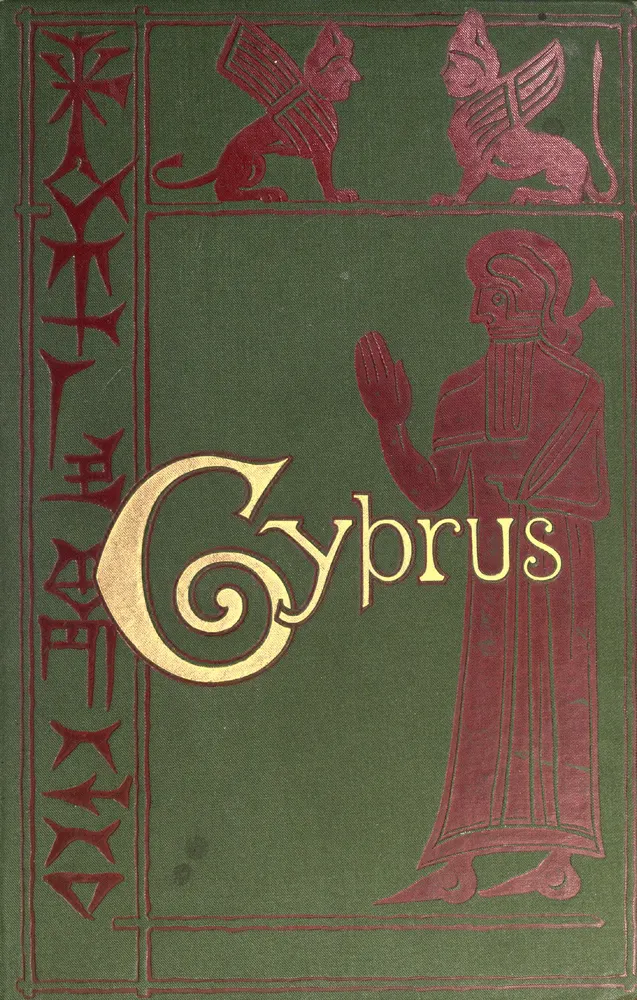
 English · 1878 · 560 pagesCyprusCesnola 1878Cyprus: Its Ancient Cities, Tombs, and Temples is Luigi Palma di Cesnola's account of the excavations he directed in Cyprus while he was American consul there, from his arrival at Larnaca in 1865.543 names linked on its pages
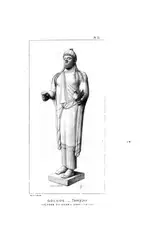 French · 1882 · 394 pages · 325 in EnglishMonuments antiques de Chypre, de Syrie et d'ÉgypteCeccaldi 1882407 names linked on its pages
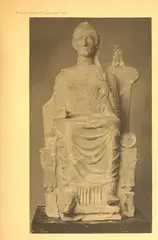 German · 1888 · 78 pages · 63 in EnglishDas Gräberfeld von Marion auf CypernHerrmann 188881 names linked on its pages
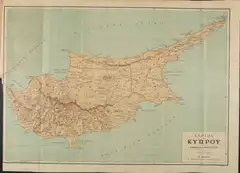 Greek · 1890 · 880 pages · 867 in EnglishΤὰ Κυπριακά, ἤτοι γεωγραφία, ἱστορία καὶ γλῶσσα τῆς νήσου Κύπρου ἀπὸ τῶν ἀρχαιοτάτων χρόνων μέχρι σήμερονSakellarios 18901,222 names linked on its pages
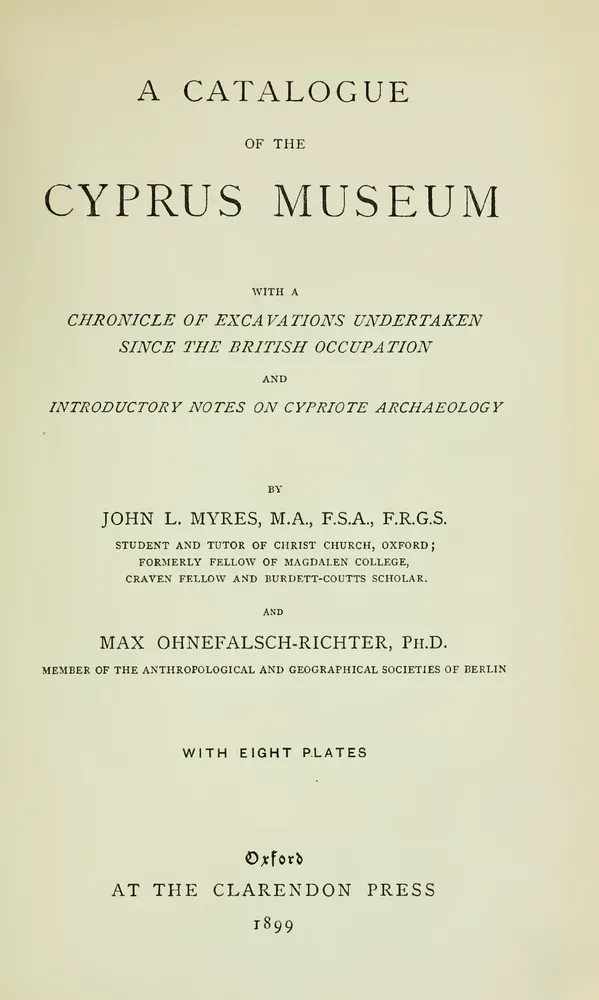
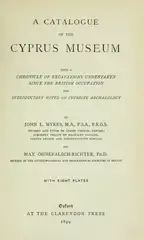 English · 1899 · 268 pagesA Catalogue of the Cyprus Museum, with a Chronicle of Excavations undertaken since the British Occupation, and Introductory Notes on Cypriote ArchaeologyMyres and Ohnefalsch-Richter 1899A Catalogue of the Cyprus Museum (Oxford: Clarendon Press, 1899) is the catalogue of the government collection of antiquities in Nicosia, the Cyprus Museum, by John L. Myres and Max Ohnefalsch-Richter.916 names linked on its pages
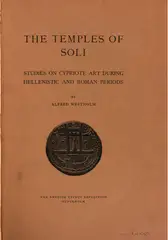 English · 1936 · 296 pagesThe Temples of SoliWestholm 1936The Temples of Soli (Stockholm 1936) is Alfred Westholm's publication of the temple site the Swedish Cyprus Expedition excavated outside the ancient city of Soli.255 names linked on its pages
 English · 1972 · 402 pagesThe Swedish Cyprus Expedition, Vol. IV, Part 1DÅström et al. 1972Volume IV, Part 1D of The Swedish Cyprus Expedition (Lund 1972) completes the expedition's account of the Late Cypriote Bronze Age.2,313 names linked on its pages
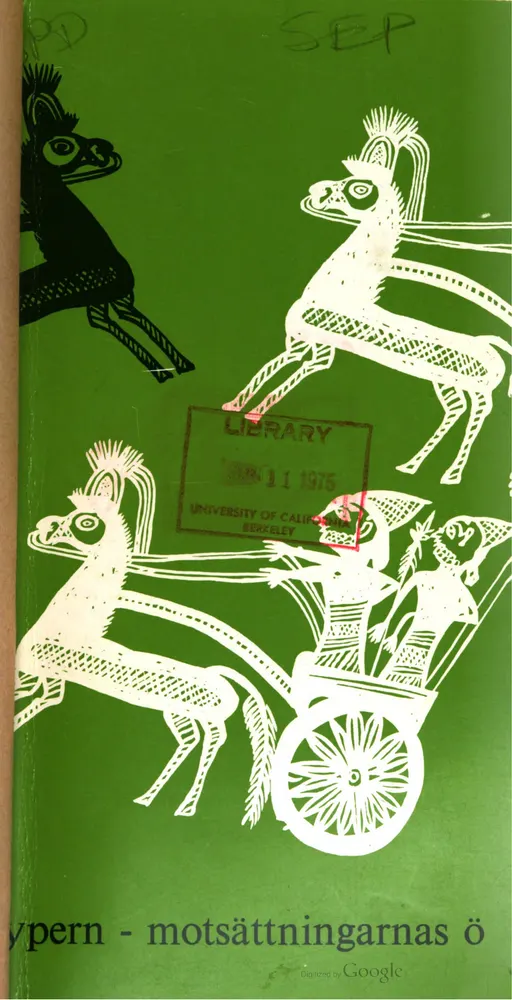
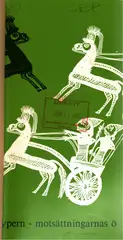 Swedish · 1974 · 192 pages · 164 in EnglishCypern – motsättningarnas öÅström 1974Cypern – motsättningarnas ö ("Cyprus, the island of contrasts"; Gothenburg 1974) is the Swedish catalogue of an exhibition of Cypriot antiquities held at the Röhsska Museum of Decorative Arts in Gothenburg from 20 October 1974 to 6 January 1975, published by Paul Åström as the first pocket-book of the series Studies in Mediterranean Archaeology.403 names linked on its pages
Using it
Reading, citing and reusing the books
Licences
- Scans and printed text: Public domain (CC0)124 books
- Scans and printed text: Public domain (Public Domain Mark)76 books
- Scans and printed text: Public domain10 books
- English translations: ancientcyprus.com, CC BY 4.02,462 pages
Each book’s page states its rights: who made the scan, its licence, and the reason the book is free to read. The scans and the printed text are free to reuse under those terms; when you quote our English, credit the translation to ancientcyprus.com.
How to cite a page
Cite the book by its author, title and year, then the printed page number; give the scan number in brackets where the page has no number of its own. Every page has its own address (…/p/12), and the reader’s Cite button builds the citation for the page you are on, short, in full or as BibTeX. A page can also be opened by its printed number: …?page=45.
Where they are on the site
- The bookshelf in the Archive: every book on its shelf, with its cover and counts.
- Each book has its own page, with our introduction where there is one (47 so far), its contents, its rights and how to cite it; each of its pages opens in the reader at its own address.
- The publication register lists the wider literature, and the works the books cite link to it.
- The reading list is a separate, shorter thing: 30 books on ancient Cyprus published between 1878 and 2023, most of them modern, each with a page of its own (2 with a description so far); their text is not in the reader. Where the shelf holds the same book, it can be read here: Lawrence-Cesnola Collection (1881), Cyprus (1878) and The Swedish Cyprus Expedition, Vol. IV, Part 1D (1972).
Found a misreading, a wrong link or a page out of order? The scan beside the text is the authority, and corrections are welcome through the contact page. If you own an antiquity you have found in one of these books, or think you have, please contact us too: our advice is confidential, unless the law requires us to share it.
What comes next
What comes next
More of the early literature
The books and articles of the nineteenth and early twentieth centuries still missing from the shelf, as open scans of them are found.
More in English
English for more of the pages written in Swedish, German and French, block for block beside the original.
More names linked
The people, tombs and cited works the pages name that have no record of their own yet, linked as they are added to the registers.
Every book in the publication register
Each volume on the shelf with its record in the register, so that a citation of it anywhere on the site leads to its pages.
An introduction to each book
What each book is and how it came to be written, with the works it rests on: 47 of the 210 have one so far.