
II · The registers · The catalogue
Every object, classified the same way
Live
The catalogue brings together objects from museums around the world, from the tombs in our tomb register and from the photographs in the Archive, and describes every one of them with the same vocabulary: what kind of object it is, its ware and series, its shape, its decoration and motifs, what it is made of, when and where it was made, and where it was found.
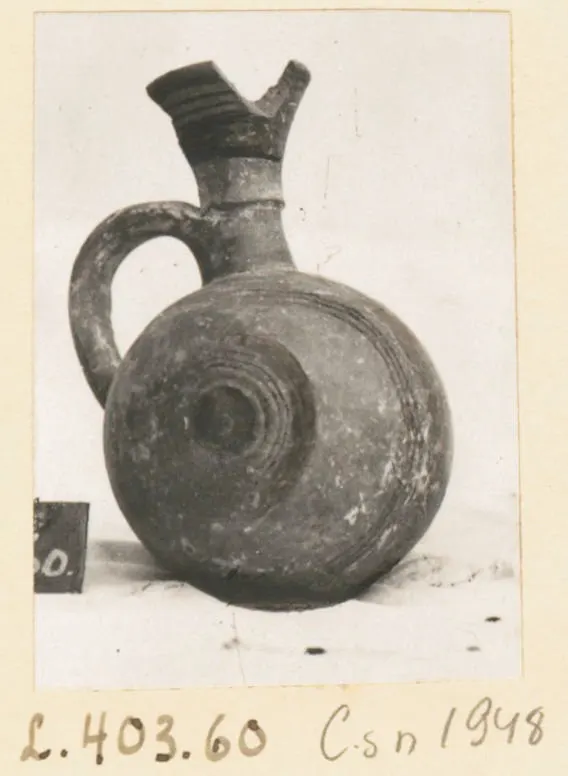
So objects of one kind can be found together wherever they are recorded: a jug of one ware in a museum’s records, another in the report of the tomb it came from, a third in a photograph taken at the excavation.
- objects
- 90,489
- objects
- catalogue pieces
- 7,405
- catalogue pieces
- from excavation reports
- 35,619
- from excavation reports
- from museum records
- 43,445
- from museum records
- in Archive photographs
- 14,242
- in Archive photographs
- terms in use
- 391
- terms in use
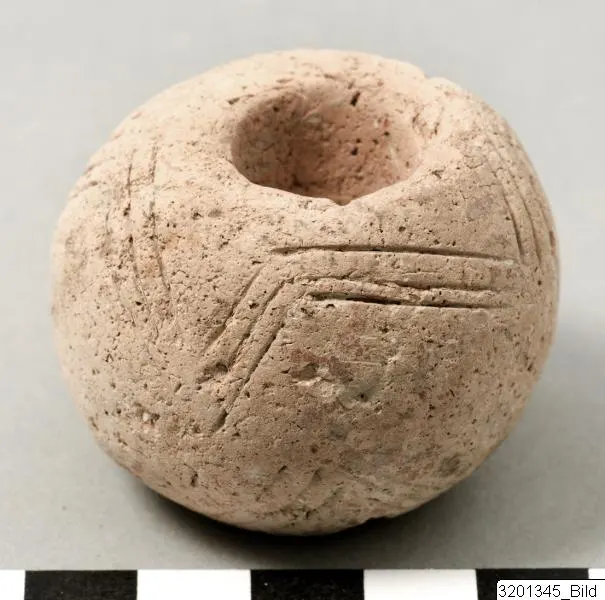
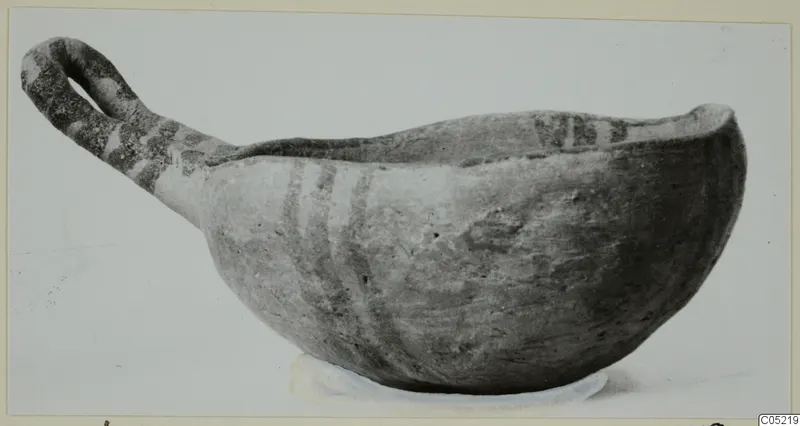
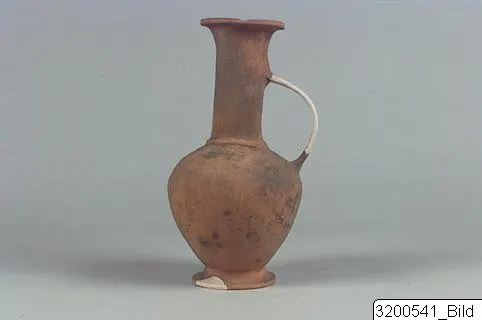
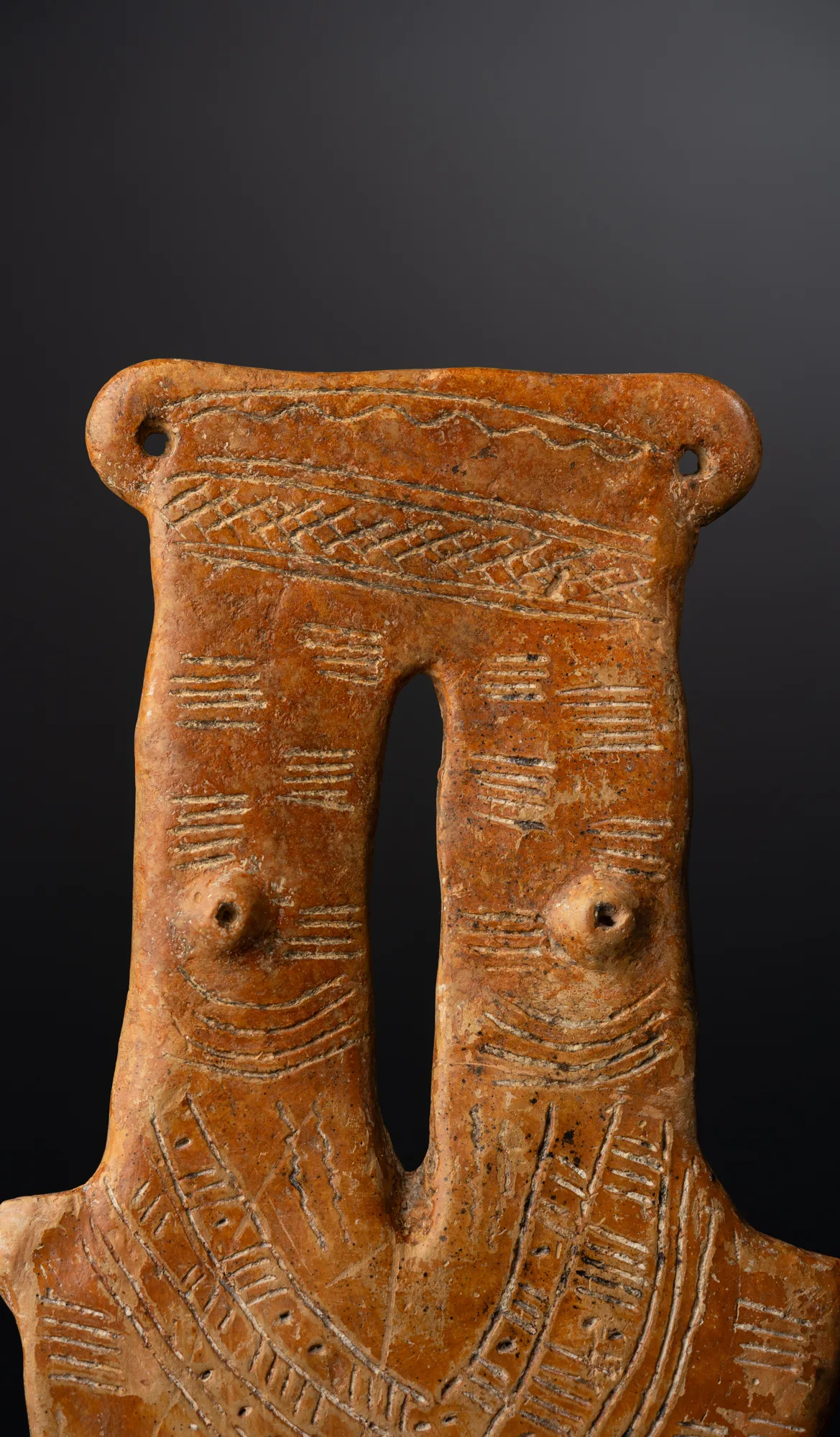
What is in it
Where the objects come from
The catalogue has two kinds of record. The 7,405 catalogue pieces each have a full entry of their own: objects in museums and in our own collection, with their pictures, descriptions and references. The 83,084 object entries are built from what is recorded elsewhere on the site: the finds listed in the excavation reports of the tomb register, the records of museums that publish their collections, and the objects in the Archive’s photographs.
Where two sources describe the same object, they are joined into one entry: 8,908 objects are known from more than one, and 1,314 from all three.
Objects by the records they are known from
| Excavation report | Museum record | Archive photograph | Objects | Count |
|---|---|---|---|---|
| Catalogue piece | 7,405 | |||
| 35,506 | ||||
| 27,556 | ||||
| 11,114 | ||||
| 5,780 | ||||
| 1,314 | ||||
| 969 | ||||
| 845 | ||||
By museum or collection
Catalogue pieces Object entries from the museum’s records
- Medelhavsmuseet19,058 (0 catalogue pieces, 19,058 object entries)
- British Museum8,253 (2,075 catalogue pieces, 6,178 object entries)
- Penn Museum5,137 (0 catalogue pieces, 5,137 object entries)
- Ashmolean Museum4,884 (642 catalogue pieces, 4,242 object entries)
- Musée du Louvre3,073 (0 catalogue pieces, 3,073 object entries)
- Metropolitan Museum of Art2,310 (2,310 catalogue pieces, 0 object entries)
- Museum Gustavianum1,920 (0 catalogue pieces, 1,920 object entries)
- met1,113 (0 catalogue pieces, 1,113 object entries)
- fitzwilliam499 (0 catalogue pieces, 499 object entries)
- Museum of Archaeology and Anthropology, Cambridge449 (0 catalogue pieces, 449 object entries)
- Ontario Museum405 (405 catalogue pieces, 0 object entries)
- Larnaca Museum393 (393 catalogue pieces, 0 object entries)
- Cyprus Museum, Nicosia355 (355 catalogue pieces, 0 object entries)
- rom326 (0 catalogue pieces, 326 object entries)
- cyprus-museum298 (0 catalogue pieces, 298 object entries)
- Cyprus Museum, Jacksonville280 (280 catalogue pieces, 0 object entries)
- Liverpool Museum252 (252 catalogue pieces, 0 object entries)
- natmus244 (0 catalogue pieces, 244 object entries)
- Pierides Museum, Larnaca190 (190 catalogue pieces, 0 object entries)
- karlsruhe161 (0 catalogue pieces, 161 object entries)
- Ringling Museum of Art151 (0 catalogue pieces, 151 object entries)
- The Drakopoulos Collection137 (137 catalogue pieces, 0 object entries)
- Hunterian Museum137 (137 catalogue pieces, 0 object entries)
- berlin131 (0 catalogue pieces, 131 object entries)
- Kourion Museum113 (113 catalogue pieces, 0 object entries)
- joconde113 (0 catalogue pieces, 113 object entries)
- Vienna Museum110 (110 catalogue pieces, 0 object entries)
- khm85 (0 catalogue pieces, 85 object entries)
- mfa66 (0 catalogue pieces, 66 object entries)
- smithsonian65 (0 catalogue pieces, 65 object entries)
- hood49 (0 catalogue pieces, 49 object entries)
And 93 pieces in 12 smaller collections. Objects known only from an excavation report or a photograph are not counted here.
By kind of object
- Pottery vessel31,305
- Jewellery5,361
- Terracotta figurine4,144
- Tool1,934
- Stone sculpture1,929
- Lamp1,593
- Seal1,102
- Weapon1,053
- Toilet object901
- Textile tool806
- Glass vessel736
- Stone vessel706
By period
Counted where the record gives the period or it can be read from the object; many records give only a date in years, or none.
The catalogue, two facets at once
Ware by shape, period by material, findspot by ware
Every object in the catalogue, counted by any two of its facets: which shapes were made in which wares, which materials in which periods, which wares were found at which sites, which museums hold which kinds of object. Choose a number to see the objects behind it, and where each is recorded: in the catalogue, a museum’s records, an excavation report or a photograph in the Archive.
A heading marked › divides into the terms below it: a ware into its numbered series, a shape family into its types, a period into its phases.
An object with several values for one facet (a vessel of clay and bronze, a jug painted with birds and fish) is counted under each of them, and once in the totals. The catalogue’s own search does the same with every facet at once and free text besides: search the catalogue.
The vocabulary
Every term, and how many objects carry it
The vocabulary has 410 terms in 9 facets, and 284 sites as findspots. Terms nest: a ware family holds its numbered series and named variants, a shape family its specific types, a period its phases. Each term says what it covers and what it does not, gives the other names it goes by in museum records and the literature, and its dates where it has them.
Open a family to see the terms inside it; choose a term to read its scope note and see its objects.
How it is made
One object, classified
Each object is read against the vocabulary from its own record, facet by facet. Here is one from our own collection, with every value it was given and how many objects in the catalogue share it. Each value links to the others.
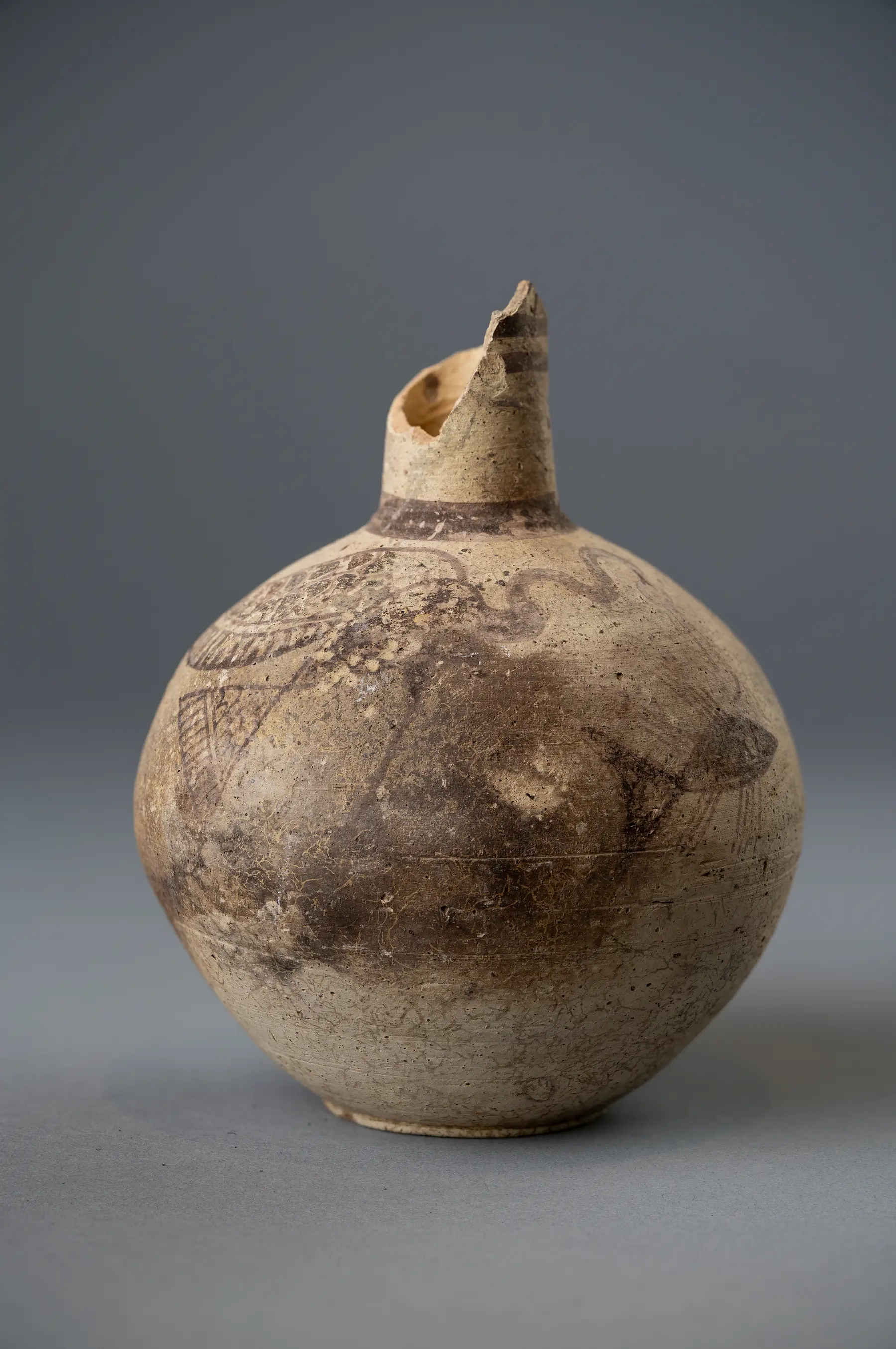
The Drakopoulos Collection · 750–600 BC
| Facet | Term | Objects with it |
|---|---|---|
| Object type | Pottery vessel | 31,305 |
| Ware | Bichrome ware (Iron Age) › Bichrome IV | 519 |
| Shape | Jug | 10,361 |
| Style | Free-Field Style | 96 |
| Decoration | Painted › Painted in two colours | 1,123 |
| Motifs | BirdFish | 26719 |
| Material | Clay | 39,588 |
| Period | Iron Age › Cypro-Archaic | 4,455 |
| Place of production | Cyprus | 23,851 |
One vocabulary for every object
Object type, material, period, place of production, decoration, motif and findspot apply to everything, from a pin to a statue. Pottery adds its ware, shape and painting style.
Ware and shape are kept apart
A ware is a class of pottery defined by its clay, surface and firing; a shape is the form of the vessel. A jug can be of any ware, so the two are separate facets and can be combined.
The most specific term the record supports
A vessel is classified as Red Polished III where its record says so, and as Red Polished where it does not. A broad term always includes everything below it. Numbered series follow the Swedish Cyprus Expedition's system.
Stated or deduced
A value read in the object's record is distinguished from one deduced from its shape, date or a close parallel. Deduced values are marked “probably”; numbered series are never guessed.
Wares of the same name, kept apart
White Painted, Black Slip, Plain White and Bichrome each name one ware of the Bronze Age and another of the Iron Age. They are separate terms, and the object's date decides between them.
Imitations
A jar made in Cyprus in the Mycenaean manner is classified as Mycenaean pottery made in Cyprus: the ware says what it looks like, the place of production where it was made.
Where each value comes from
For the object entries, every value is copied from the source named against it on the object's page: the excavation report, the museum record or the Archive's record of the photograph. The records are joined by catalogue and museum numbers and by matching photographs.
Read twice
A sample of the classified objects was read again, independently, and the differences settled against the records. Problems found in the records themselves are listed for correction.
Two of the rules at work
A three-handled jar in our collection: Mycenaean pottery by its ware, made in Cyprus by its place of production, and its period deduced rather than stated in its record, so marked “probably”.
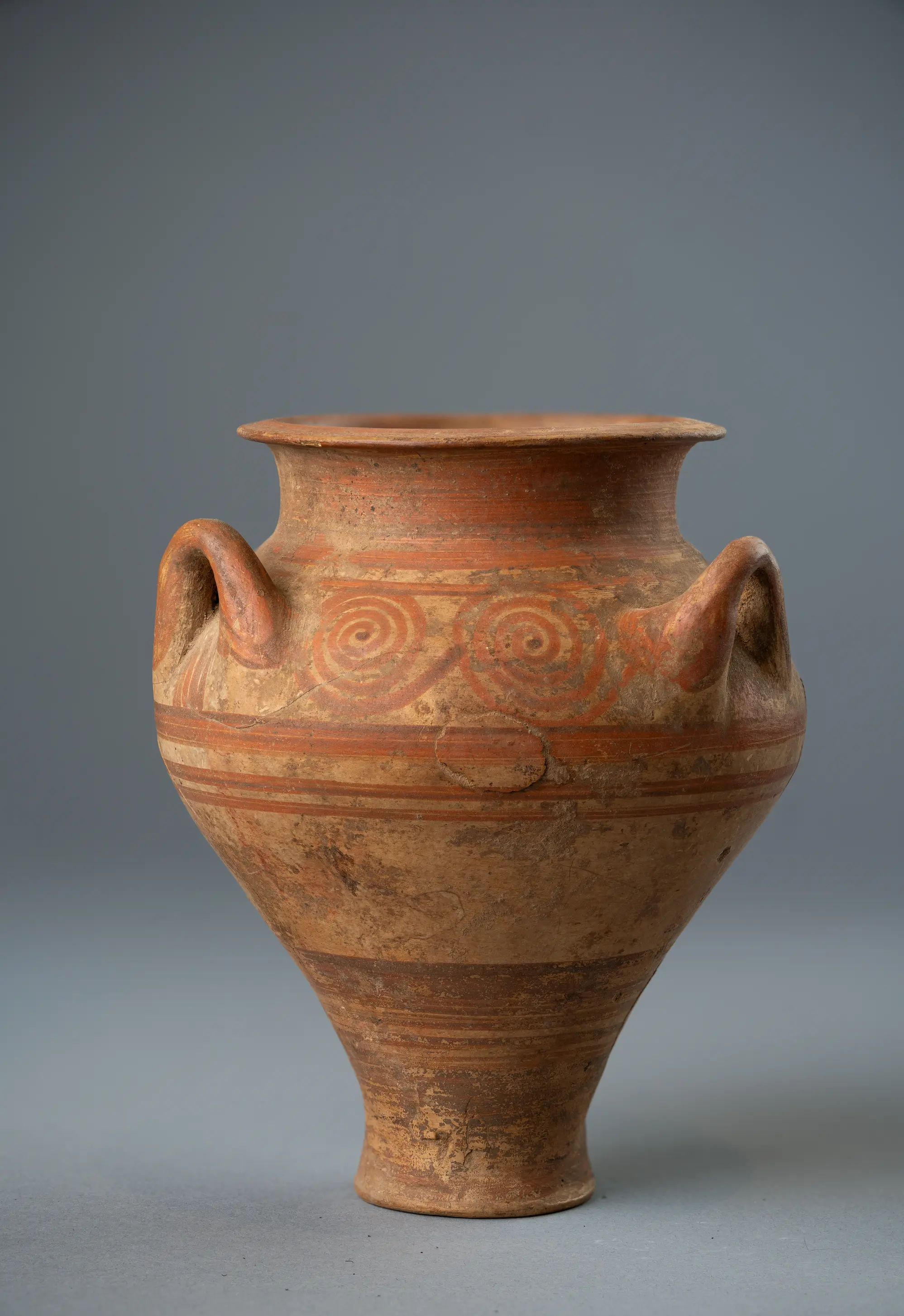
The Drakopoulos Collection · 1375–1300 BC
| Facet | Term | Objects with it |
|---|---|---|
| Object type | Pottery vessel | 31,305 |
| Ware | Mycenaean pottery | 1,048 |
| Shape | Jar › Piriform jar | 49 |
| Decoration | Painted | 4,593 |
| Motif | Guilloche and spiral | 66 |
| Material | Clay | 39,588 |
| Periodprobably | Bronze Age › Late Cypriot (Late Bronze Age) | 4,669 |
| Place of production | Cyprus | 23,851 |
Start here
Objects and terms to begin with
Three objects that show how records are joined, and five terms that open onto large groups of objects.
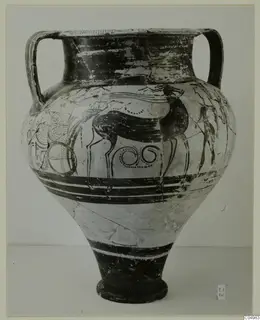 Object entryLevanto-Helladic amphora with chariotsEnkomi, SCE Tomb 3. One object known three ways: its entry in the excavation report, the museum's record and the expedition's photograph, joined in one entry.
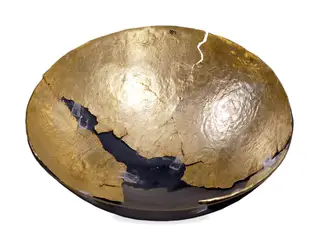 Object entryLarge gold plain bowlEnkomi, BM Tomb 66. The tomb register's entry and the British Museum's record of the same bowl, with the museum's photograph.
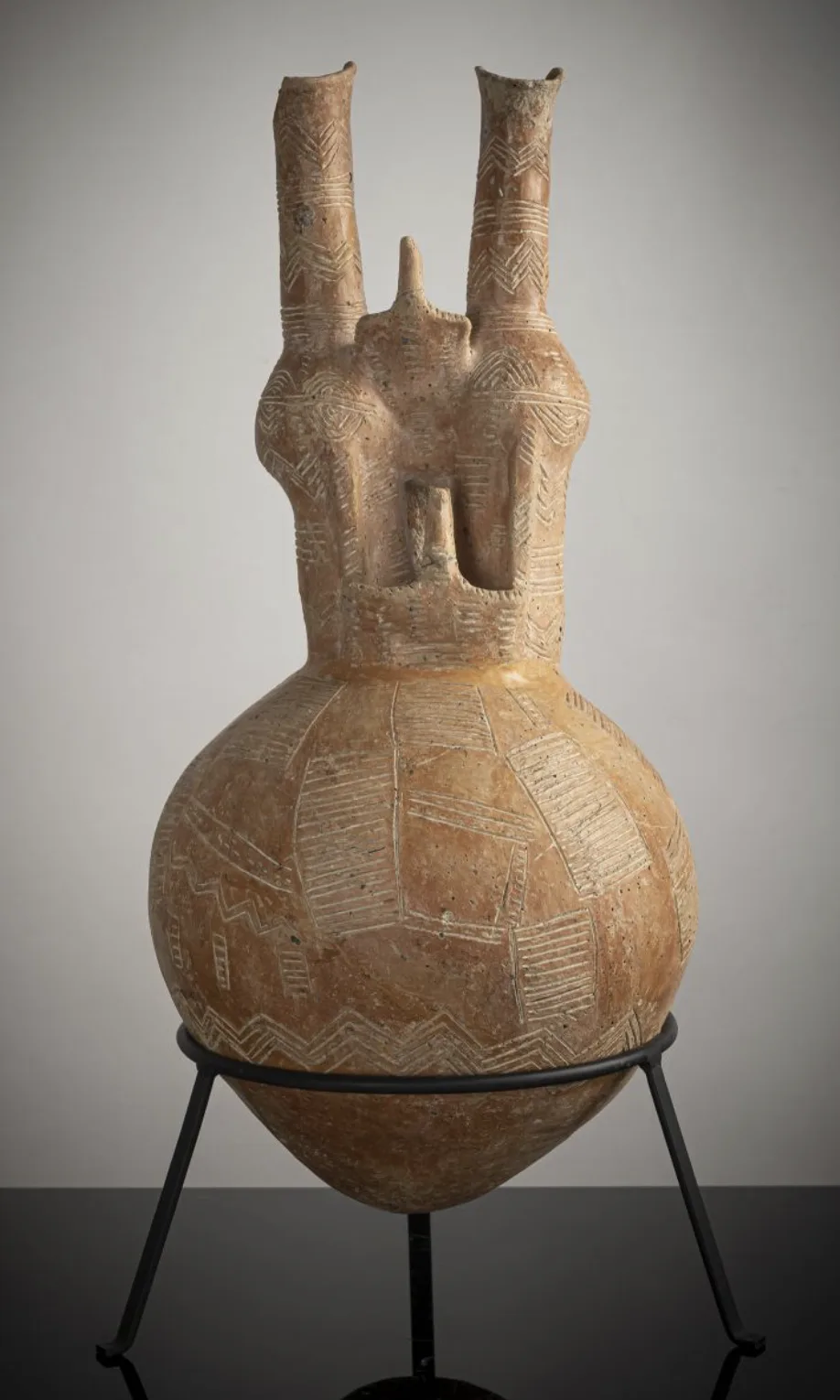 Catalogue pieceRed Polished Double-Necked Jug with Two Modelled BirdsThe Drakopoulos Collection. Classified by ware, shape, decoration and motif, each value linking to the other objects of its kind.
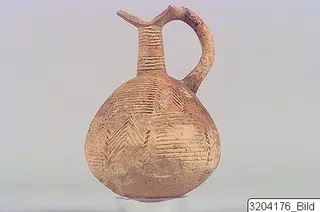 WareRed Polished ware3,981 objects. Handmade ware with a red slip burnished to a sheen, often incised and white-filled; the dominant Cypriot ware of the Early and Middle Bronze Age.
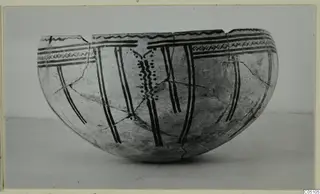 WareWhite Slip ware701 objects. Handmade LBA ware with a thick white slip and dark painted decoration; the hemispherical 'milk bowl' with wishbone handle is its type shape.
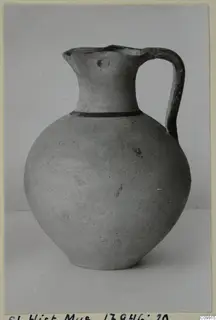 StyleFree-Field Style96 objects. Cypro-Archaic painting with a single motif (bird, lotus, figure) floating in an open field on the shoulder of a jug.
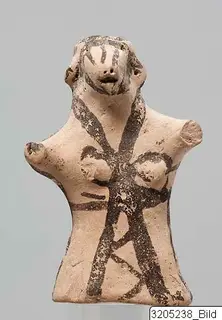 Object typeTerracotta figurine4,144 objects. Hand-modelled or moulded clay figures, from plank figures to Archaic votaries and horse-and-rider groups.
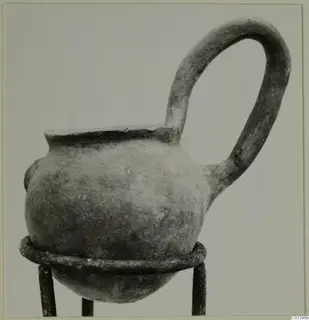 FindspotLapithos-Vrysi tou Barba4,051 objects found there.
Using it
Licences, credits and citing
The object entries, our compilation of the tomb register, the museum records and the Archive’s records, are published under a Creative Commons Attribution-NonCommercial 4.0 licence, as is the tomb register itself. Photographs keep their own licences, given with each on the object’s page with the credit that goes with it. Each catalogue piece’s page names the museum or collection that holds it. The site is non-commercial and free to use.
To cite an object, give its title, the museum or collection and its number where it has one, “Ancient Cyprus”, the address of its page and the date you consulted it. An object entry’s page names the excavation report or museum record each value was copied from: cite those too.
Where it is
- Search the catalogue
- every object, filtered by any facet, museum or source, and by words
- Browse by term
- each facet with its most common terms
- A facet
- its whole tree of terms, with the number of objects under each
- A term
- its scope, dates, other names, series and objects
- Objects in the Archive
- the objects in the Archive's photographs, object cards and drawings
The holders
Records and pictures from Medelhavsmuseet, British Museum, Penn Museum, Ashmolean Museum, Musée du Louvre, Metropolitan Museum of Art, Museum Gustavianum, met, fitzwilliam, Museum of Archaeology and Anthropology, Cambridge, Ontario Museum, Larnaca Museum, Cyprus Museum, Nicosia, rom, cyprus-museum, Cyprus Museum, Jacksonville, Liverpool Museum, natmus, Pierides Museum, Larnaca, karlsruhe, Ringling Museum of Art, Hunterian Museum, berlin, Kourion Museum, joconde, Vienna Museum, khm, mfa, smithsonian and hood, and the excavators whose reports the tomb register reads. We are grateful to every one of them.
Own a Cypriot antiquity? We can help you find what it is and where it belongs in the catalogue. Contact us: our advice is confidential, unless the law requires us to share it. What to do with an antiquity.
What comes next
What we are adding
Subjects for figurines and sculpture
What a figurine or statue represents: a votary, a horse and rider, a temple boy, a deity. The terms are drafted; the objects are next.
Forms for objects that are not vessels
The specific form of a tool, weapon or ornament: a dagger, a toggle pin, a fibula, a spindle whorl, a scarab.
Parts of fragments
Which part of an object a fragment is: a head, a torso, a statue base, a rim, a handle.
Wares read from photographs
A ware for the vessels whose records name none, read from their pictures.
Findspots outside Cyprus
Cypriot objects found abroad, placed at the sites where they were found.
Written entries
Full written entries for the most important objects, which then join the catalogue.