
Conference paper·CAARI Cyprus·2021
Cypriot Aphrodite and British Colonial Discourse: A Reappraisal
Chapters
About the video
In this paper for the CAARI and British Museum conference on archaeology in British-period Cyprus, Christine Morris presents joint research with Giorgos Papantoniou on the use of Aphrodite and ancient imagery in official representations between 1878 and 1960. Drawing on earlier studies by Michael Given and Yiannis Papadakis on the political manipulation of the goddess and the colonial suppression of Hellenizing narratives due to the Enosis movement, the authors test whether philatelic designs reflect a deliberate muting of the classical past.
The paper first traces the modern ubiquity of the marble nude Aphrodite from Soli, which was found in 1901. Oral history shared by Panayiotis Panayidis records that the statue was uncovered during ploughing, hidden in a barn for sale, and confiscated by the colonial police for the museum. Since independence in 1960, this statue and other classical monuments such as Salamis, alongside the head of Aphrodite excavated by Vassos Karageorghis, have featured on Republic of Cyprus stamps, euro coins, the Cyprus Tourism Organisation logo, and commercial branding.
Moving to the onset of British rule, Morris examines an August 1878 cartoon and poem in Punch depicting the first High Commissioner, Garnet Wolseley, offering flowers to a Venus wrapped in the British flag, as well as an 1883 Victorian poem in which Queen Victoria displaces Venus in her own grove.
The second half of the talk analyses three colonial stamp issues. The 1928 Jubilee set, the island's first pictorial issue, was overseen by Governor Ronald Storrs and approved by King George V. Alongside British and religious subjects, three of the ten stamps feature ancient themes: a coin of Amathus, the Hellenistic philosopher Zeno of Kition, and a map showing Aphrodite rising from the sea near Paphos. The 1934 definitive set similarly includes views of Vouni, Salamis, and Soli, with Vouni and Soli then under excavation by the Swedish Cyprus Expedition. Morris and Papantoniou argue that in these interwar issues the classical past was not silenced. A clearer shift occurs in the 1955 issue under Queen Elizabeth II, as resistance to British rule intensified: ancient monuments disappear in favour of agricultural and mineral resources, ancient coins are paired with heraldry to emphasize kingship, and the goddess appears only through a coastal view labelled "Beach of Aphrodite" at Petra tou Romiou, an early attestation of what Robert Merrillees identified as a modern mythic addition linking her birth to the rock.
From our collection
Pieces in the Drakopoulos collection of the kinds and periods this talk covers: Hellenistic.
The Drakopoulos collection →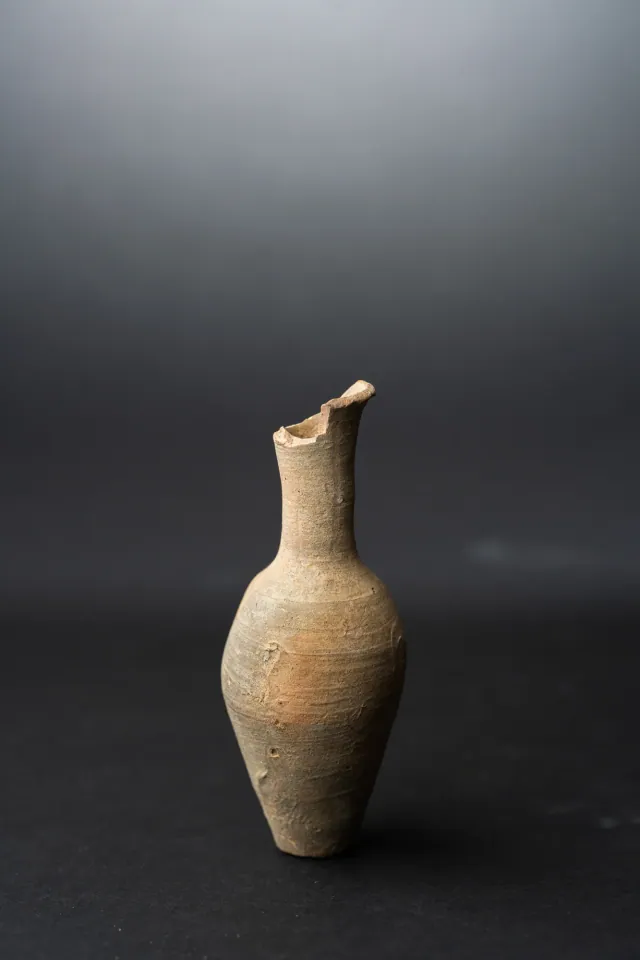
Found at the places discussed
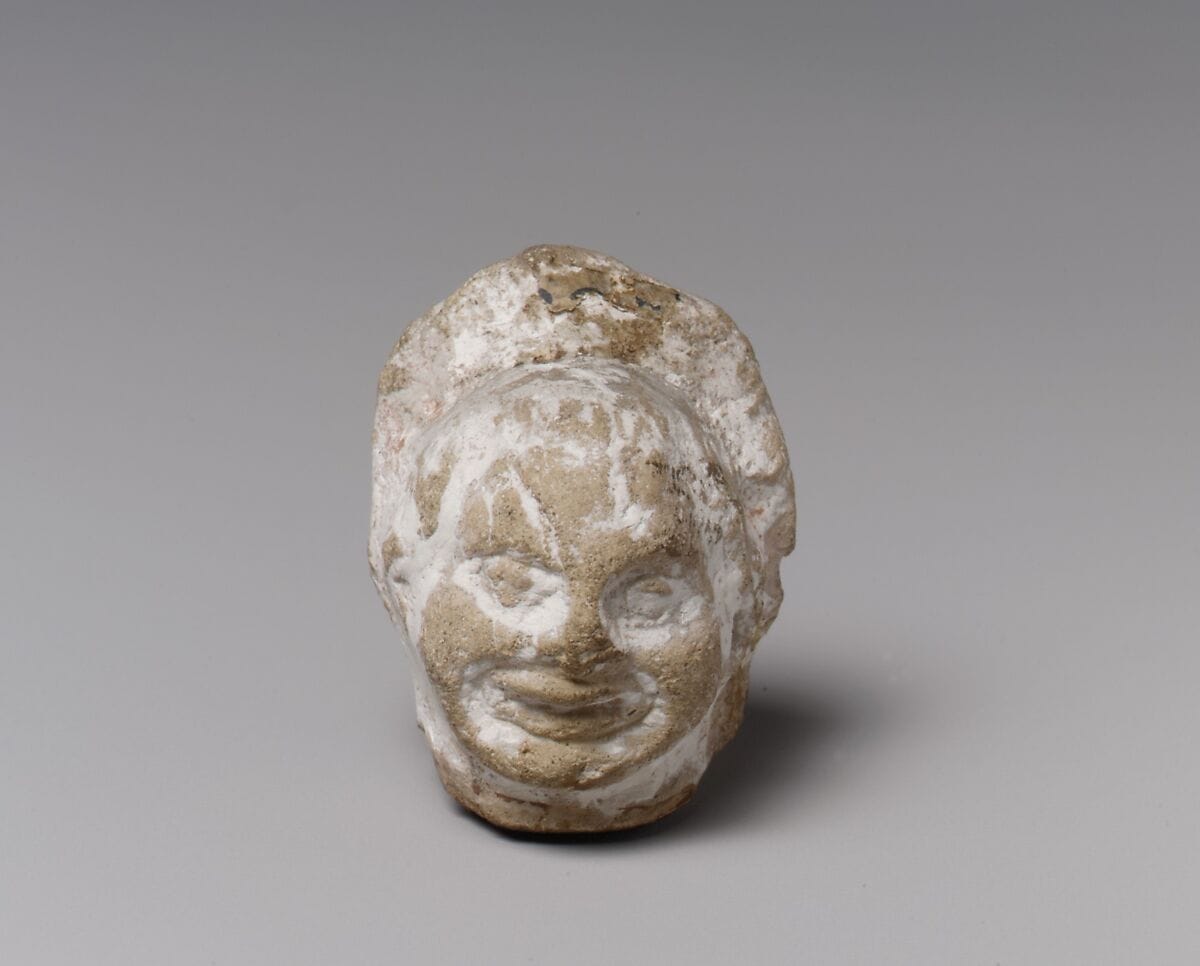
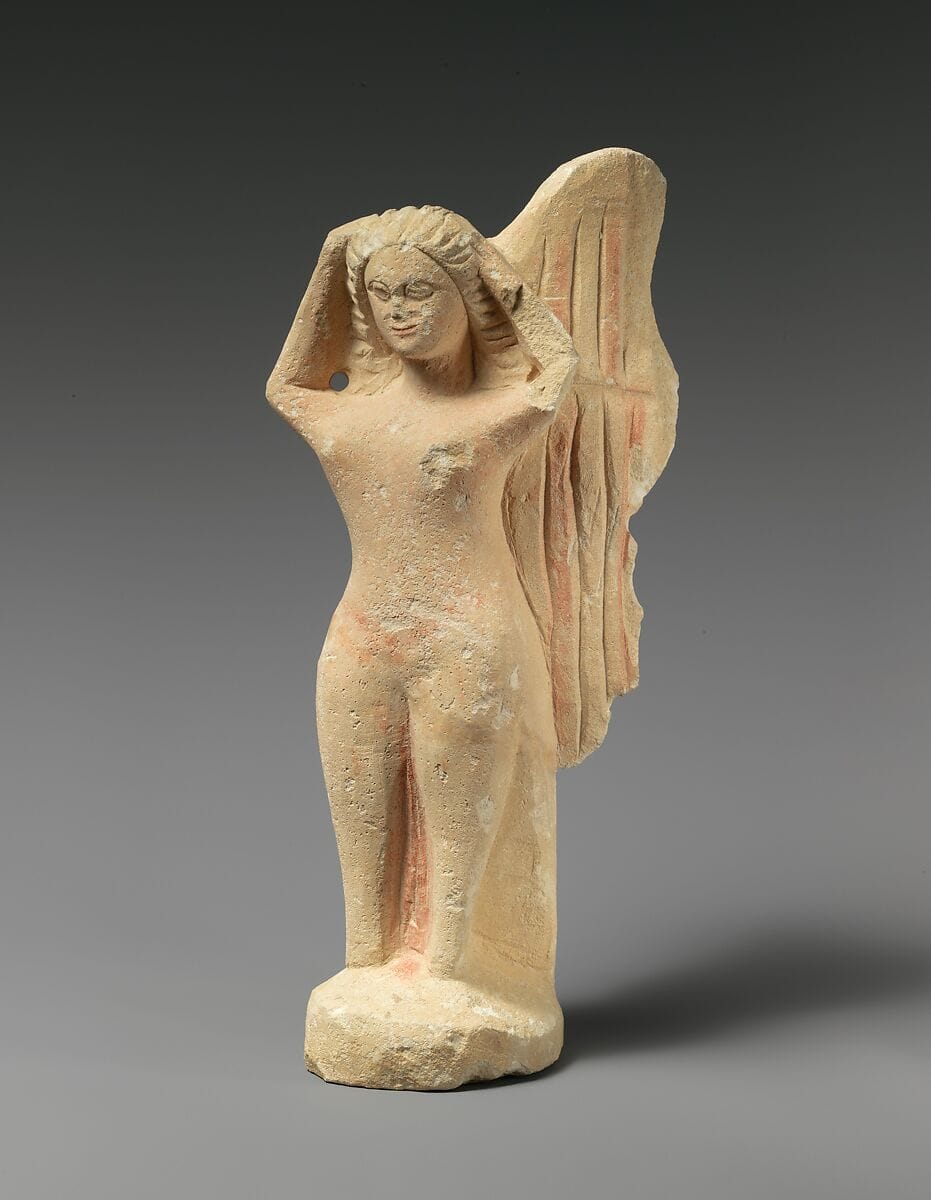
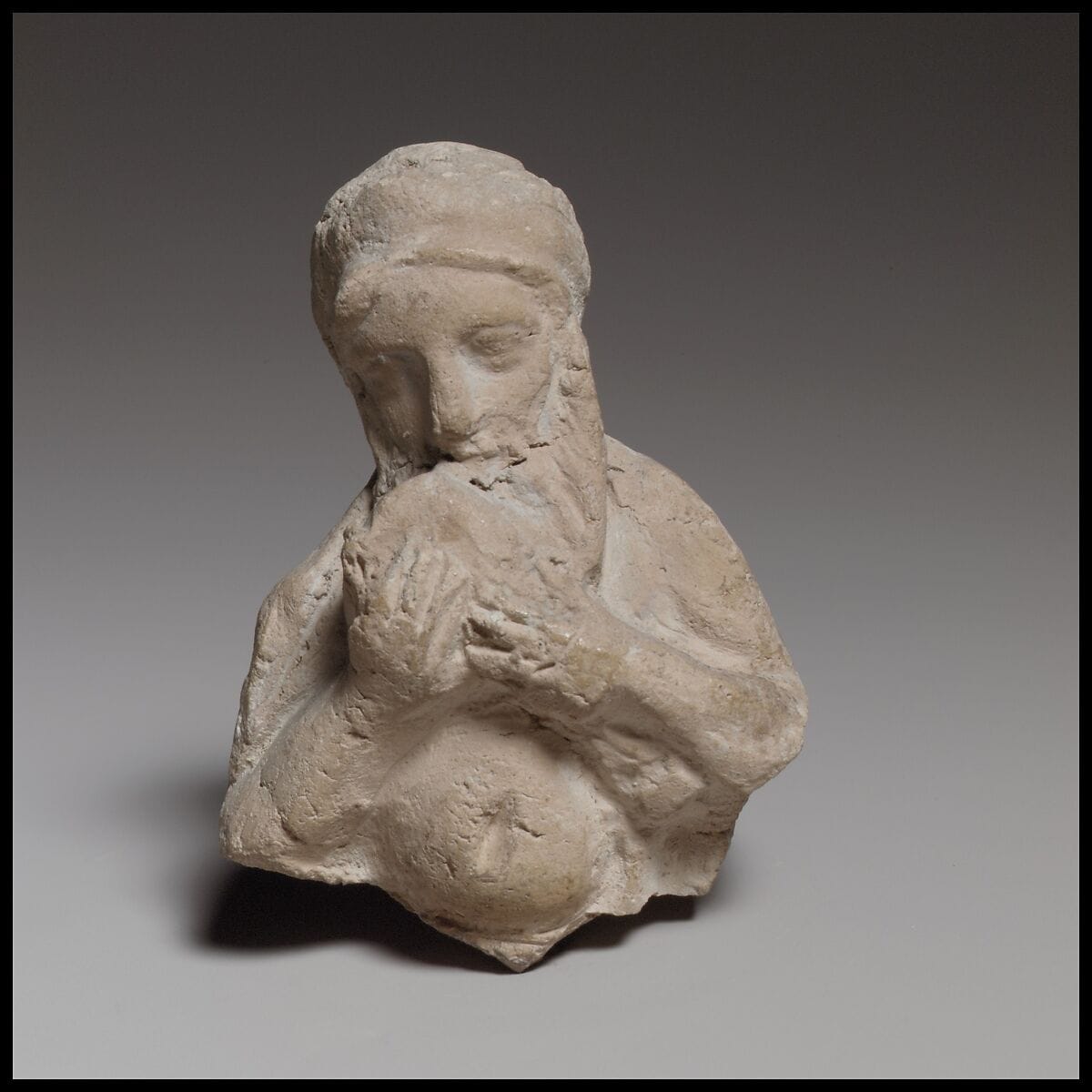
Objects in our catalogue, in museum collections, recorded as found at these sites.

Background
Where to read more on this site before or after watching.
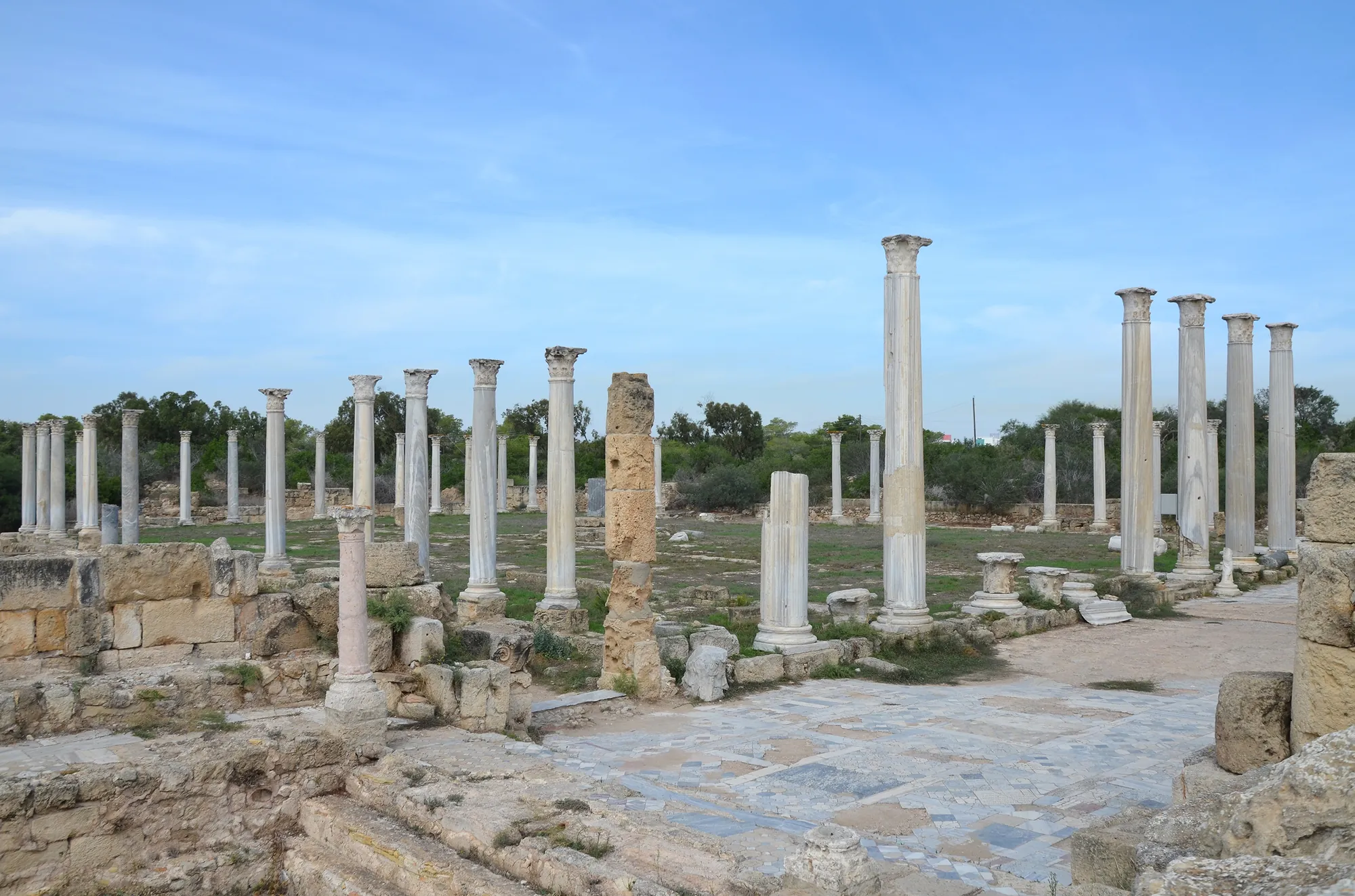
The site
Salamis
A city on the east coast of Cyprus at the mouth of the Pedieos river, founded in the 11th century BC and one of the leading city-kingdoms of the island until 311/310 BC. It is known for the Royal Tombs with their sacrificed horses and chariots, for its Roman gymnasium, baths and theatre, and as Constantia, seat of the bishops of Cyprus from the 4th century AD. The site lies in the north of the island; the Cypriot and French excavations stopped in 1974.
In the compendium
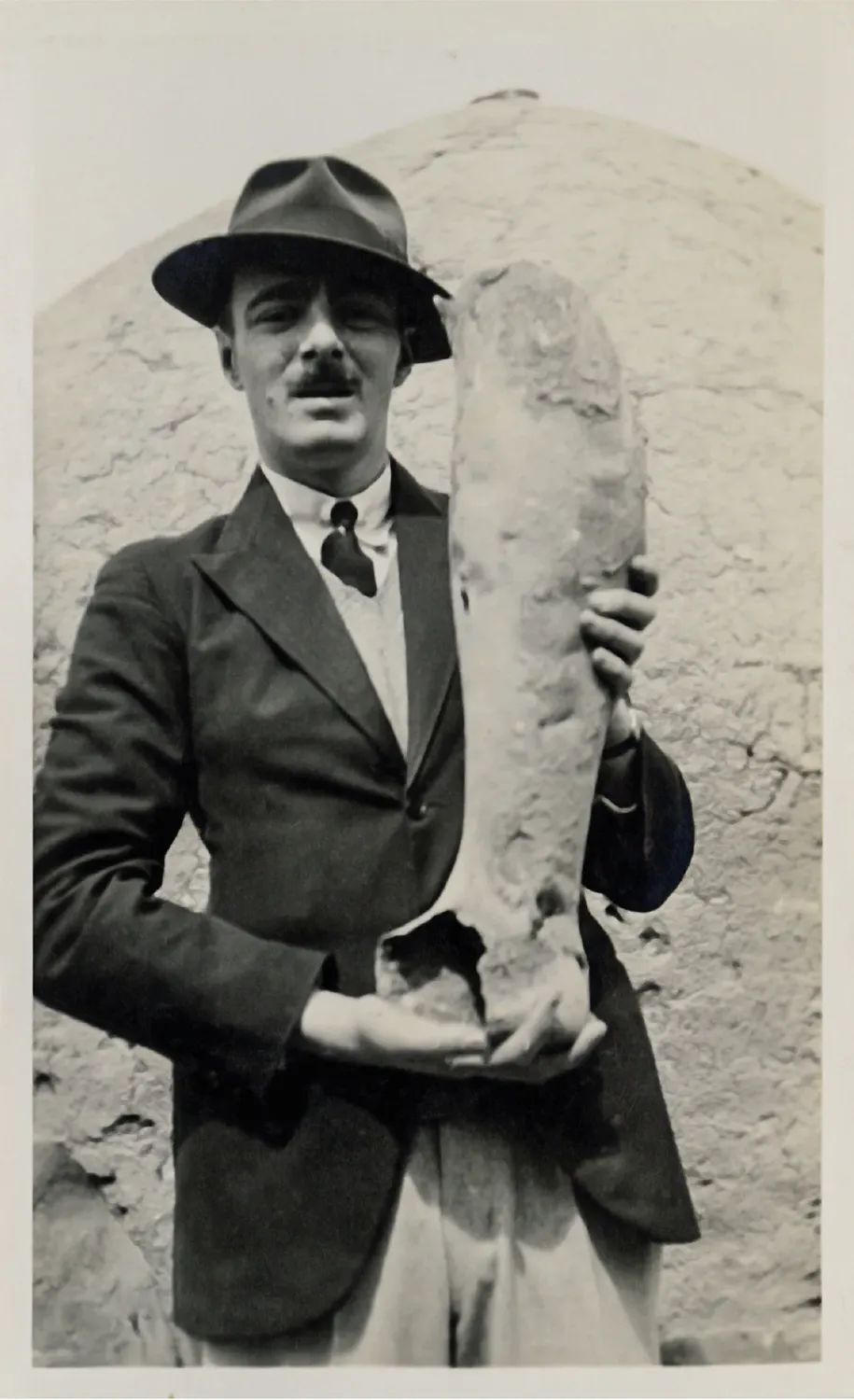
Illicit Digging under British Rule, 1878 to 1960
How unlicensed tomb-digging continued in Cypriot villages under British rule, how the Museum, the police and the Department of Antiquities answered it, and whether the lawful trade encouraged it.

In the compendium
Coins of Ancient Cyprus
The coins struck in Cyprus from the late sixth century BCE by the city-kingdoms, then by Alexander, the Ptolemies and Rome, and what they record.
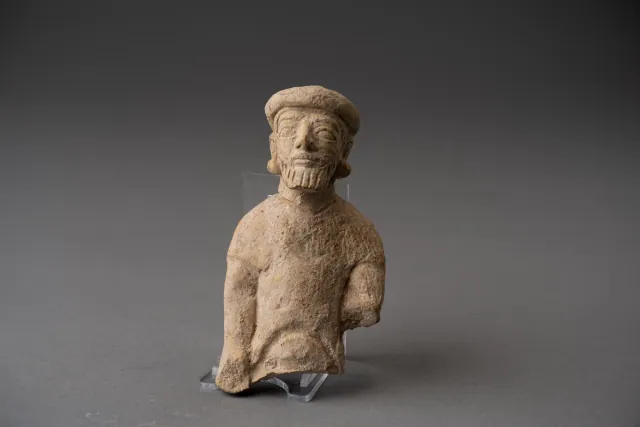
The period
Hellenistic
The Ptolemaic period in Cyprus, c. 310–31 BCE, when the city-kingdoms were abolished and the island was governed as one province from Nea Paphos.
Map of Cyprus
Places discussed in the talk
- Has a page on this site
- Other places
- Ground above 200, 500, 1,000 m