
Lecture·Archaeological Research Unit - University of Cyprus·2017
Hidden in the Shadow of the Stamps: Discovering the Variety and the Economic Importance of Hellenistic Transport Amphorae in Nea Paphos
Chapters
About the lecture
Agata Dobosz, a researcher at the Archaeological Research Unit of the University of Cyprus and the Jagiellonian University in Krakow, presents interim findings from her research project on Hellenistic transport amphorae from Nea Paphos, drawing on excavations at the Agora, Maloutena and the House of Orpheus.
Dobosz begins with the historical position of Nea Paphos after its late fourth-century BC foundation and the Ptolemaic conquest of Cyprus, and explains the function of transport amphorae and their handle stamps. Because past scholarship in Paphos and elsewhere concentrated on stamped handles for their epigraphic and iconographic value, roughly ninety per cent of the amphora record was left aside. In published reports from Paphos, about two thousand of the two thousand four hundred recorded amphorae are stamped handles, a bias that exaggerates the share of centres that stamped regularly, above all Rhodes. To correct this, her project records all stamped and unstamped fragments from Hellenistic strata, combining macroscopic fabric grouping with petrographic, chemical and organic residue analyses.
Walking through over three hundred fragments from the Agora, Dobosz divides the material into Early, Middle and Late Hellenistic phases. In the Early Hellenistic period, alongside North Aegean imports from Thasos and South Aegean vessels from Samos or Paros, Chios, Kos, Knidos and Rhodes, she identifies Cypriot groups. One comes from Kourion, the kouriaka keramia of the mid-third-century BC Zenon papyri, first identified by Virginia Grace in 1979. A second group, previously attributed through sigma-alpha stamps to Salamis, shares its fabric with local Paphian colour-coated ware studied by John Hayes, and Dobosz suggests it may instead represent the paphia keramia named in the Zenon papyri. A third fabric matches Hayes Type 1 early Roman amphorae and local roof tiles, pointing to continuity in Paphian ceramic workshops.
In the Late Hellenistic well S.173 at the Agora, Coan amphorae and Coan-type vessels from various centres outnumber Rhodian ones, reversing the picture given by published stamps; Knidian, Tripolitanian and Italian Lamboglia 2 amphorae also occur, with Palestinian and Egyptian vessels elsewhere on the site. In the discussion afterwards, Dobosz addresses the end of Cypriot basket-handled amphorae, the problems of attributing stamps with Cypriot Syllabary signs to Kition, and the Late Classical to Early Hellenistic transition.
From our collection
Pieces in the Drakopoulos collection of the kinds and periods this talk covers: Hellenistic.
The Drakopoulos collection →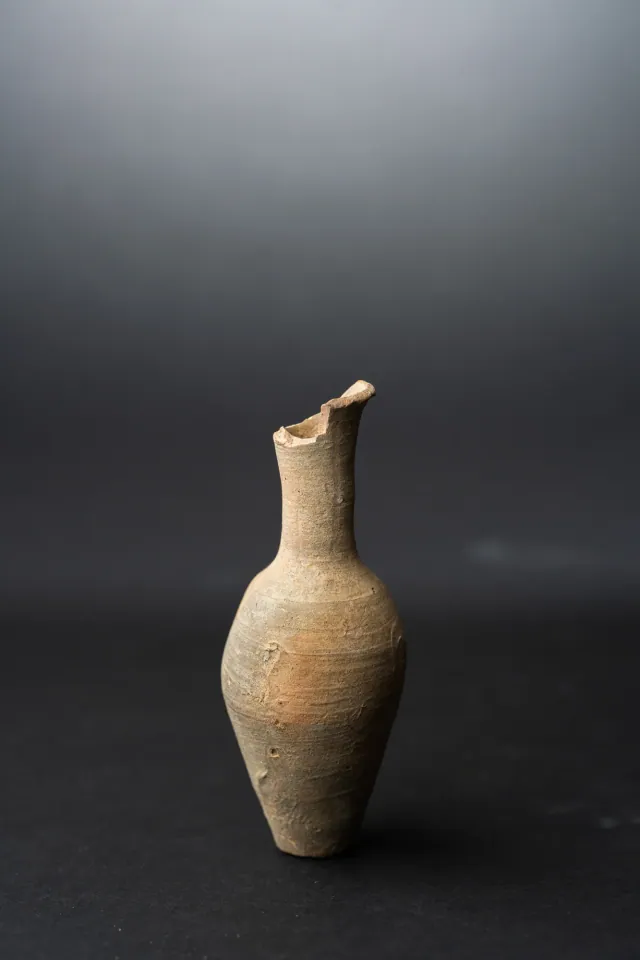
Found at the places discussed
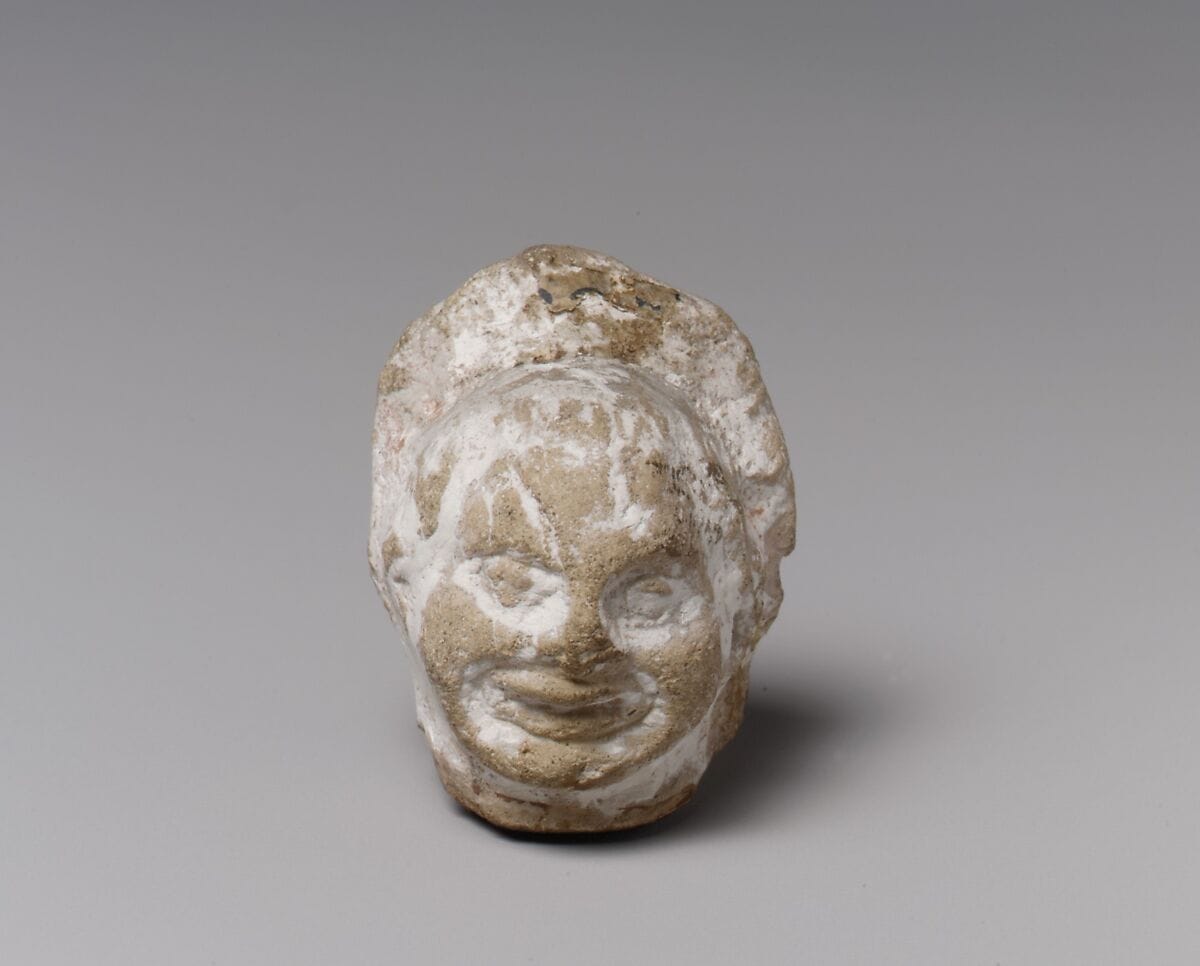
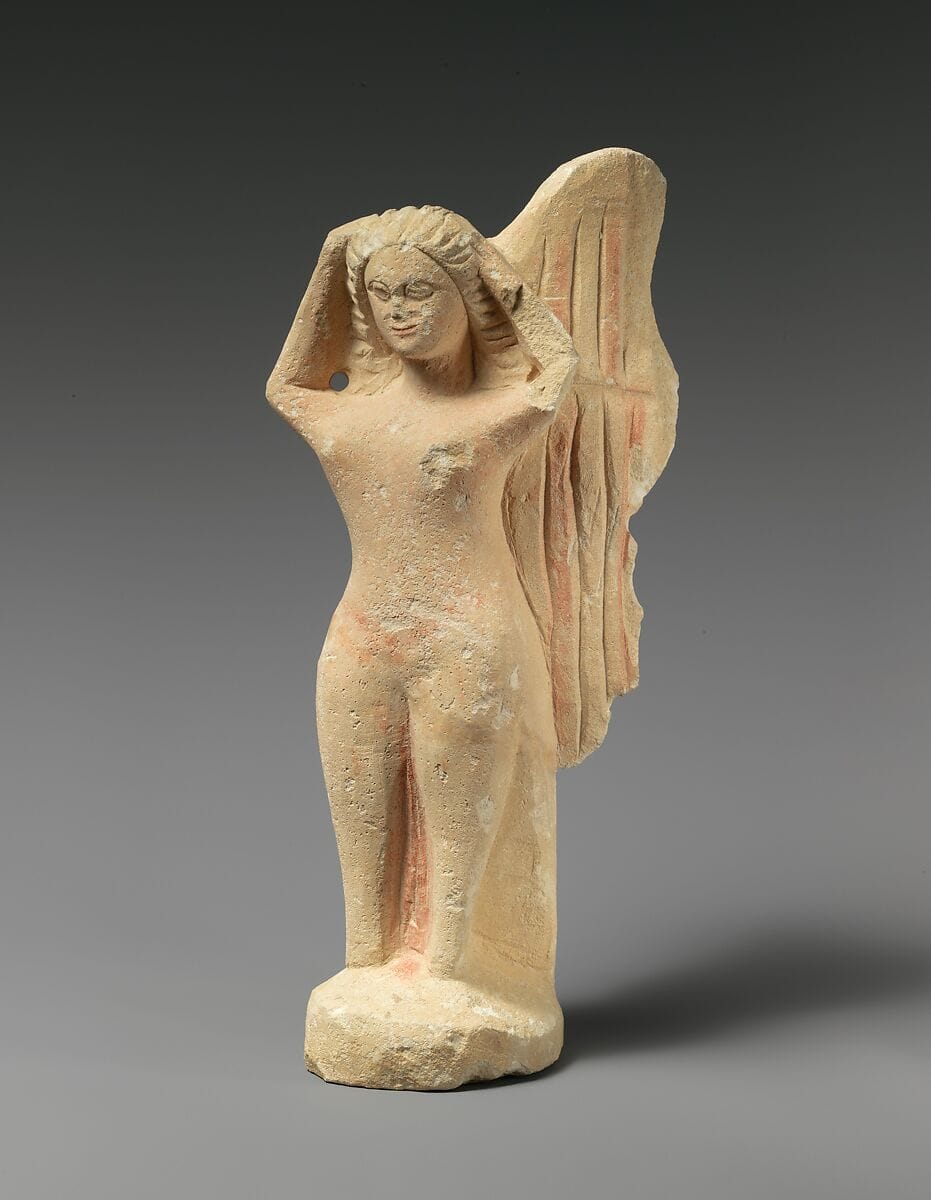
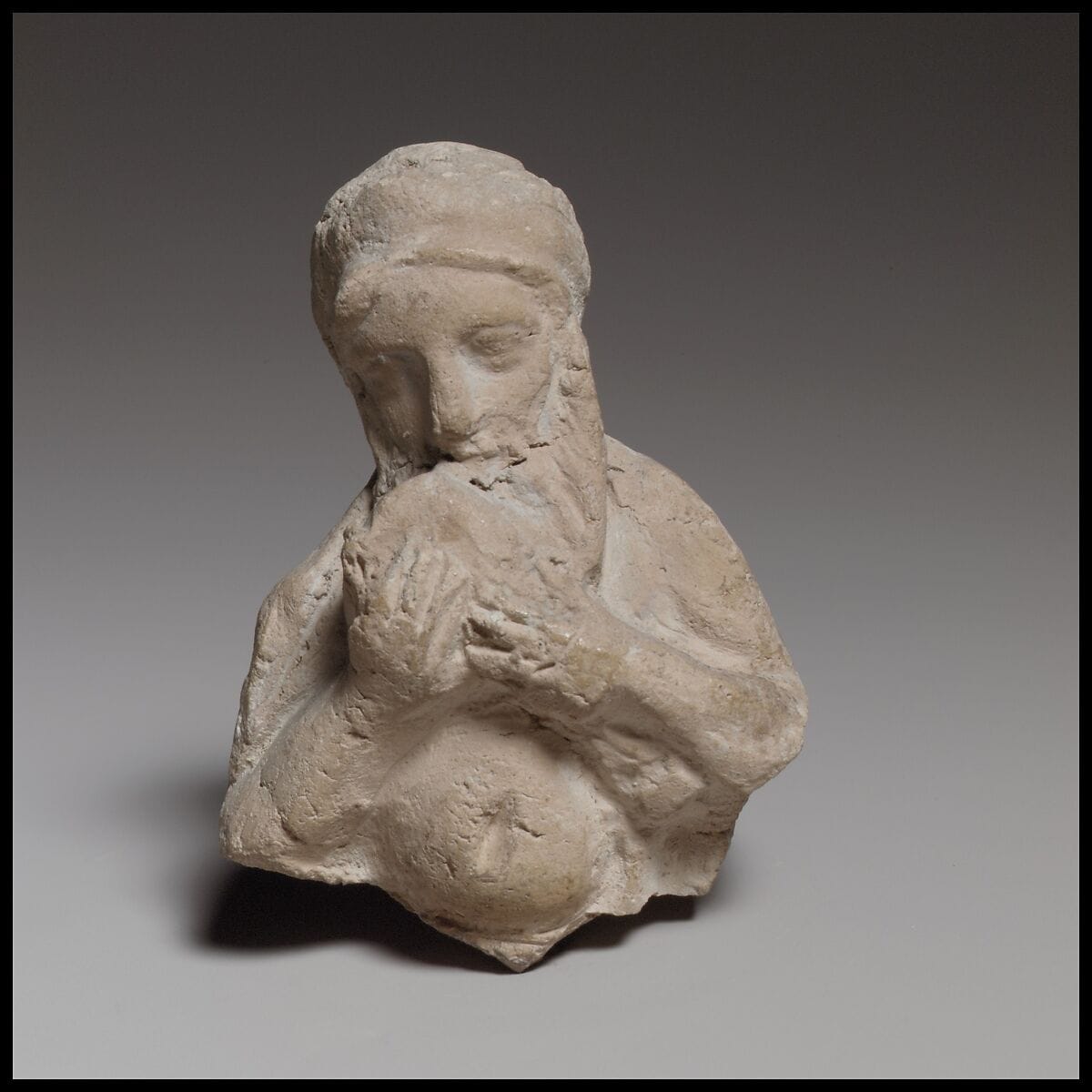
Objects in our catalogue, in museum collections, recorded as found at these sites.

Background
Where to read more on this site before or after watching.
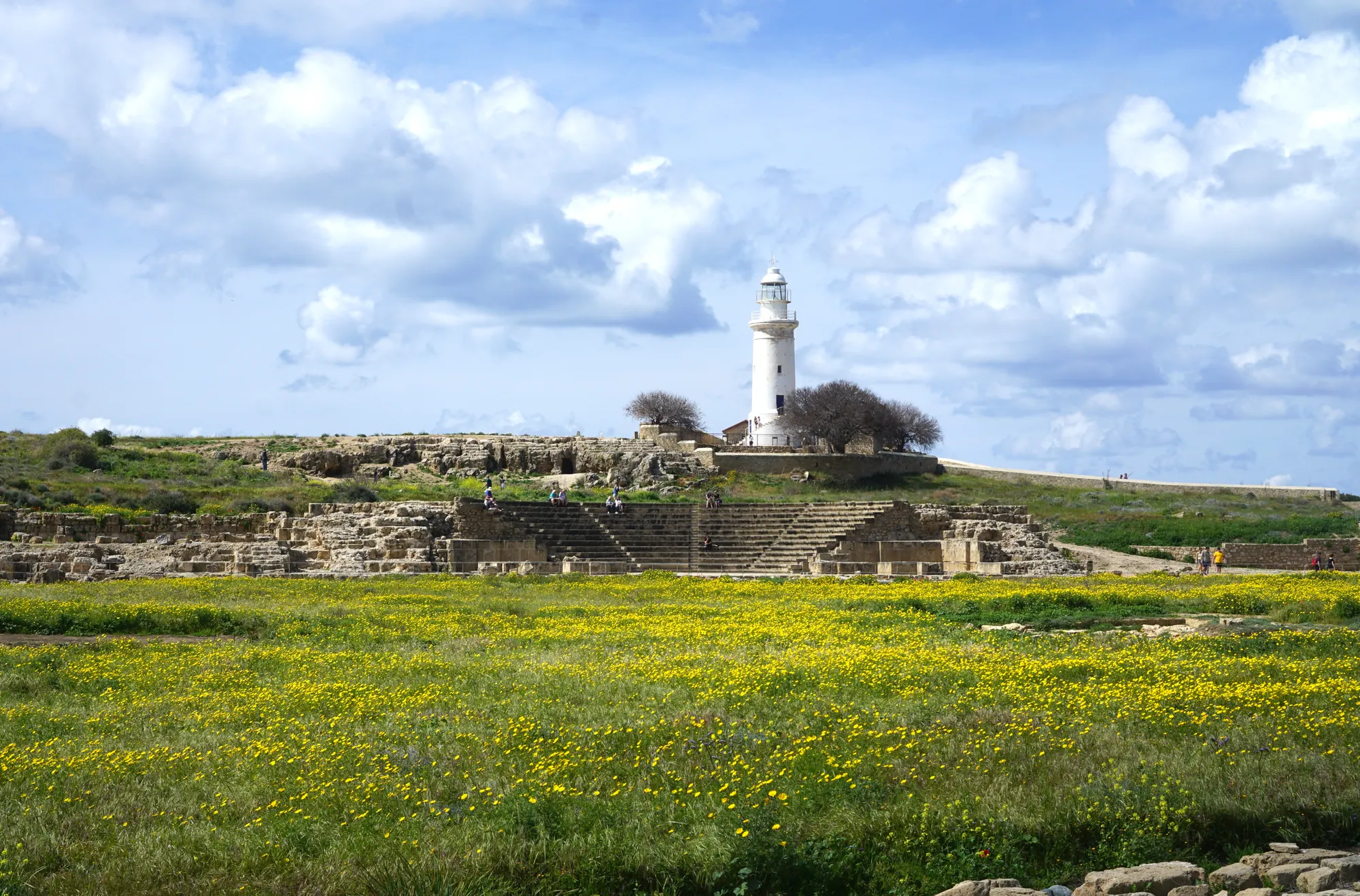
The site
Nea Paphos
Nea Paphos, New Paphos, lies under Kato Paphos on the south-west coast of Cyprus. Founded about 320 BC as a harbour town for the kingdom of Paphos, it became the seat of the Ptolemaic governors of the island and then the capital of the Roman province until the 4th century AD. Its walls, theatre, civic centre, mosaic-floored houses and rock-cut tombs are part of the UNESCO World Heritage Site of Paphos, inscribed in 1980.
In the compendium
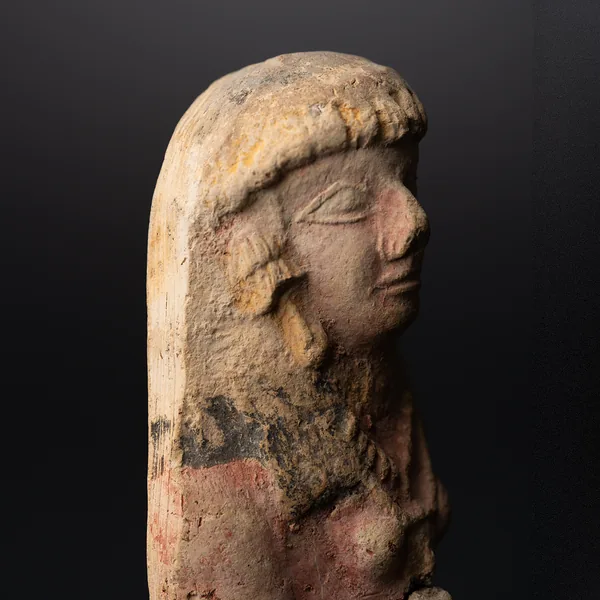
Egypt
Ancient Egypt, Cyprus's partner in copper, pottery and prestige goods from the Middle Kingdom to the Ptolemies, who annexed the island.
In the compendium
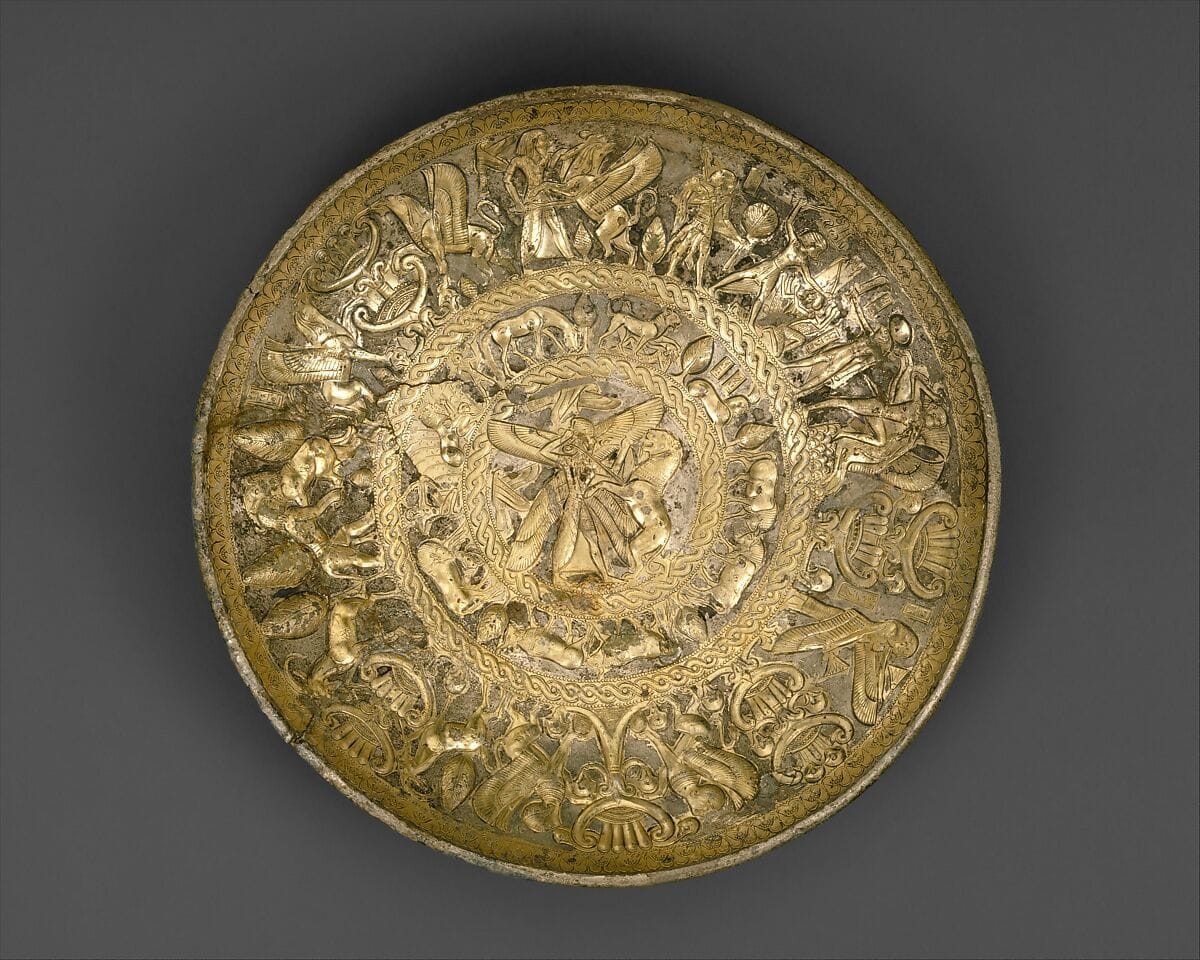
Writing and Literacy in Ancient Cyprus
The scripts of ancient Cyprus, from undeciphered Cypro-Minoan to the Cypriot Syllabary, Eteocypriot, Phoenician and the Greek alphabet, and who used them.
In the compendium
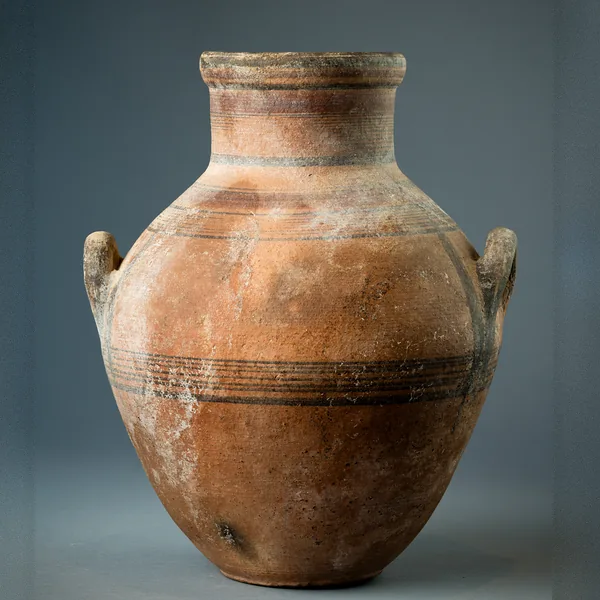
Amphora
A closed jar with two opposed handles, made in Cyprus in belly-handled and vertical-handled painted series and as a basket-handled transport jar.
Map of Cyprus
Places discussed in the talk
- Ground above 200, 500, 1,000 m
Places