
Conference paper·CAARI Cyprus·2021
Mycenaean pottery and 'objects of no value': Finds management and issues of division during the British Museum excavations in Cyprus in the late 19th c. AD
Chapters
About the video
Angelos Papadopoulos examines the management, division and export of finds during the British Museum excavations in Cyprus in the 1890s, focusing on Late Bronze Age tombs at Kourion and Enkomi. He begins with the establishment of the Cyprus Exploration Fund in 1887 after the High Commissioner halted private digging, and with the contemporary scholarly interest in the Mycenaean question shaped by Charles Newton, who linked finds from Mycenae with material from Rhodes and Cyprus.
Under the Ottoman antiquities law still in force, finds were divided in three parts between the landowner, the excavator and the government. By purchasing the land or securing the landowner's rights, the British Museum claimed two-thirds of the finds. Papadopoulos traces how this worked at Kourion Site D in 1895, excavated by the local agents Charles Christian and John Williamson under the supervision of the British Museum curator Walters, and at Enkomi, where Percy Christian excavated alongside Alexander Murray and Arthur Smith.
Archival correspondence shows that the division and shipment of finds were contentious. At Enkomi, the first division of thirty-one tombs was decided by tossing a coin. In a later division, gold and silver objects were held back in a safe rather than presented, and in June 1897 Percy Christian requested permission to export two cases of antiquities described as "practically of no value" for friends in England. Complaints in Cyprus reached the Legislative Council, where the Chief Secretary admitted that the division method favoured the British Museum because Arthur Smith knew the value of the antiquities in each tomb far better than Benjamin Travers, the Commissioner of Famagusta.
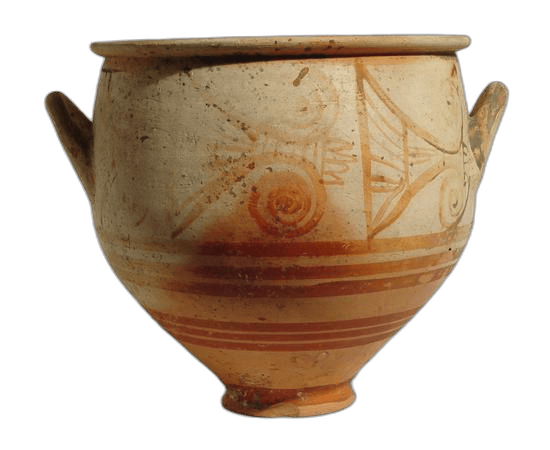
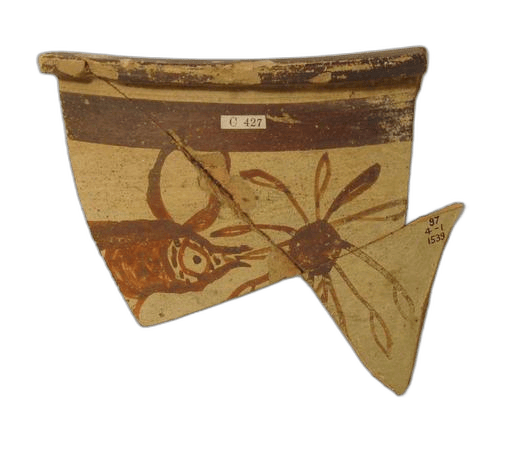
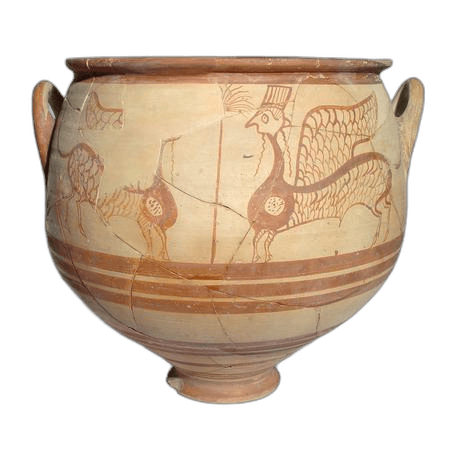
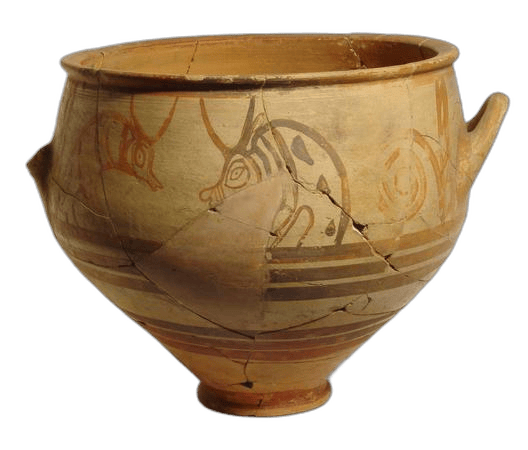
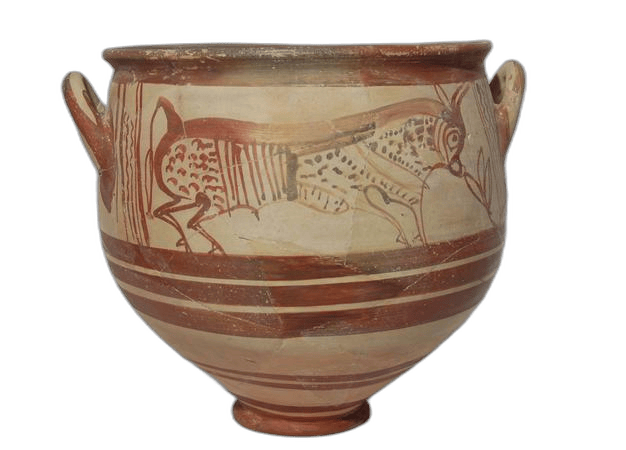
Although the 1900 publication claimed that tomb groups were kept intact, recent archival and storeroom research by Despo Pilides and Thomas Kiely shows that tomb groups were separated between London and the Cyprus Museum, while lesser finds and so-called duplicates were given away or sold. The excavators prioritised gold, Egyptian imports and Mycenaean pottery, especially pictorial kraters showing themes such as hunters with hounds, archers and the master of horses. Papadopoulos concludes that reuniting these dispersed tomb groups is necessary before scholars can rely on vessel counts to study trade, chronology and status.
From our collection
Pieces in the Drakopoulos collection of the kinds and periods this talk covers: Mycenaean pottery, Late Cypriot (Late Bronze Age).
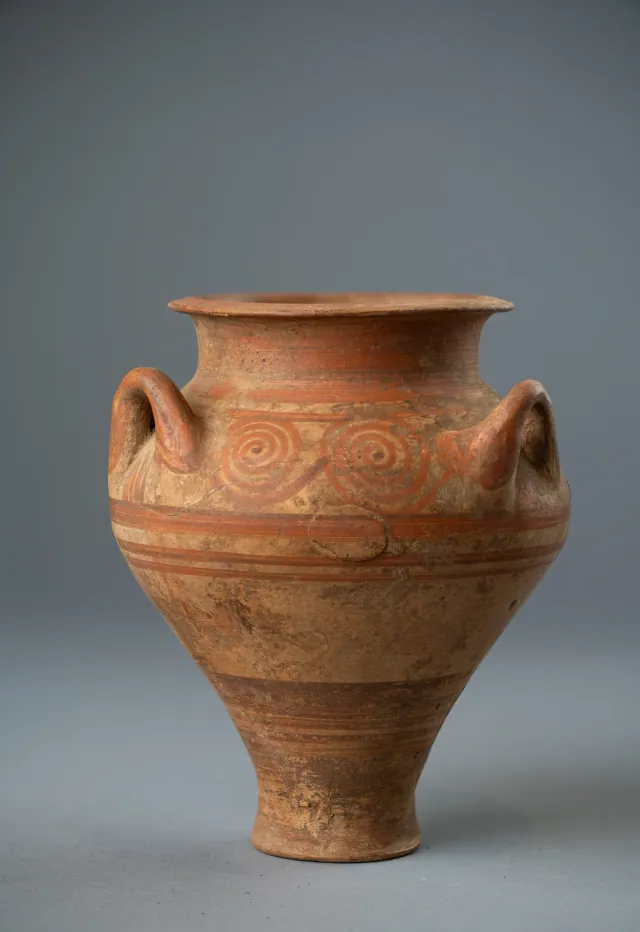
Cypriot Three-Handled Jar in the Mycenaean Style with Running Spirals
Mycenaean pottery
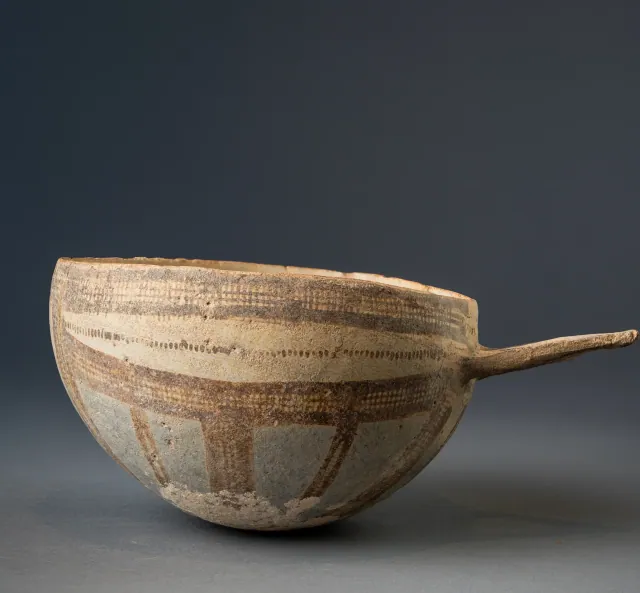
White Slip II Hemispherical Bowl with Wishbone Handle
Late Cypriot (Late Bronze Age)
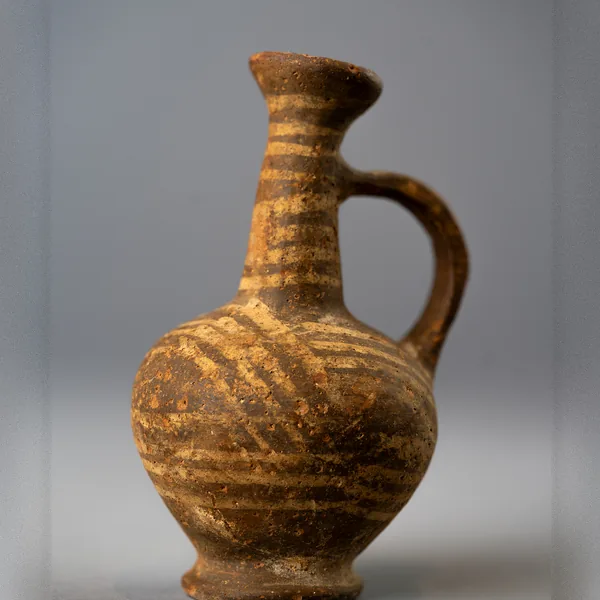
Base Ring II Bilbil Juglet with White-Painted Bands
Late Cypriot (Late Bronze Age)
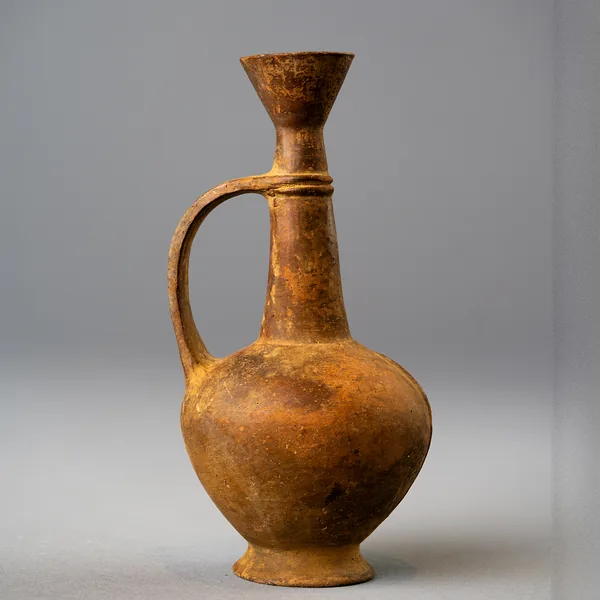
Base Ring Bilbil Juglet with Funnel Mouth and Neck Ridge
Late Cypriot (Late Bronze Age)
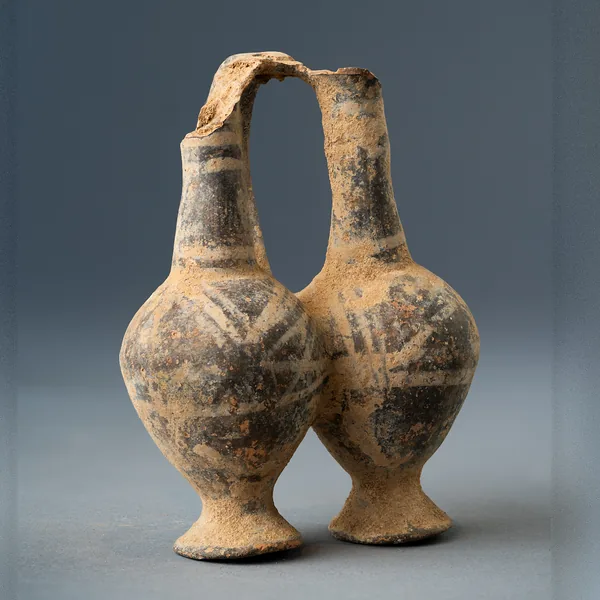
Base Ring II Double Juglet with White-Painted Decoration
Late Cypriot (Late Bronze Age)
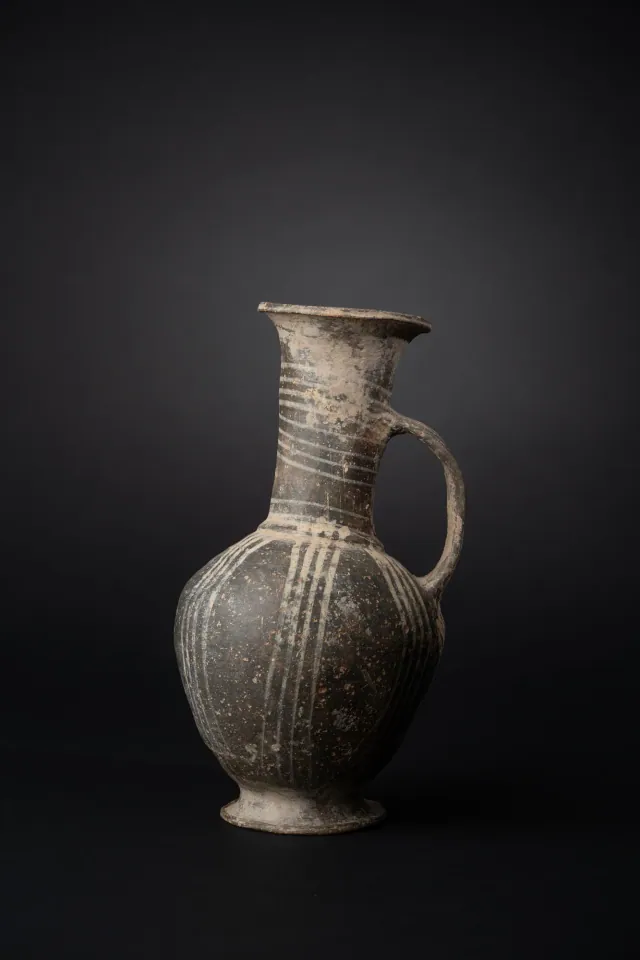
Base Ring II Jug with White-Painted Lattice Bands
Late Cypriot (Late Bronze Age)
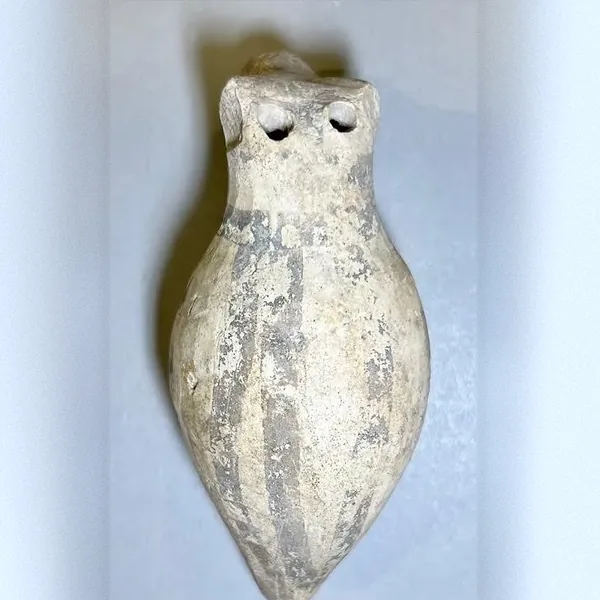
White Painted VI Owl-Headed Rattle
Late Cypriot (Late Bronze Age)
Found at the places discussed
Objects in our catalogue, in museum collections, recorded as found at these sites.
Background
Where to read more on this site before or after watching.
The site
Kourion
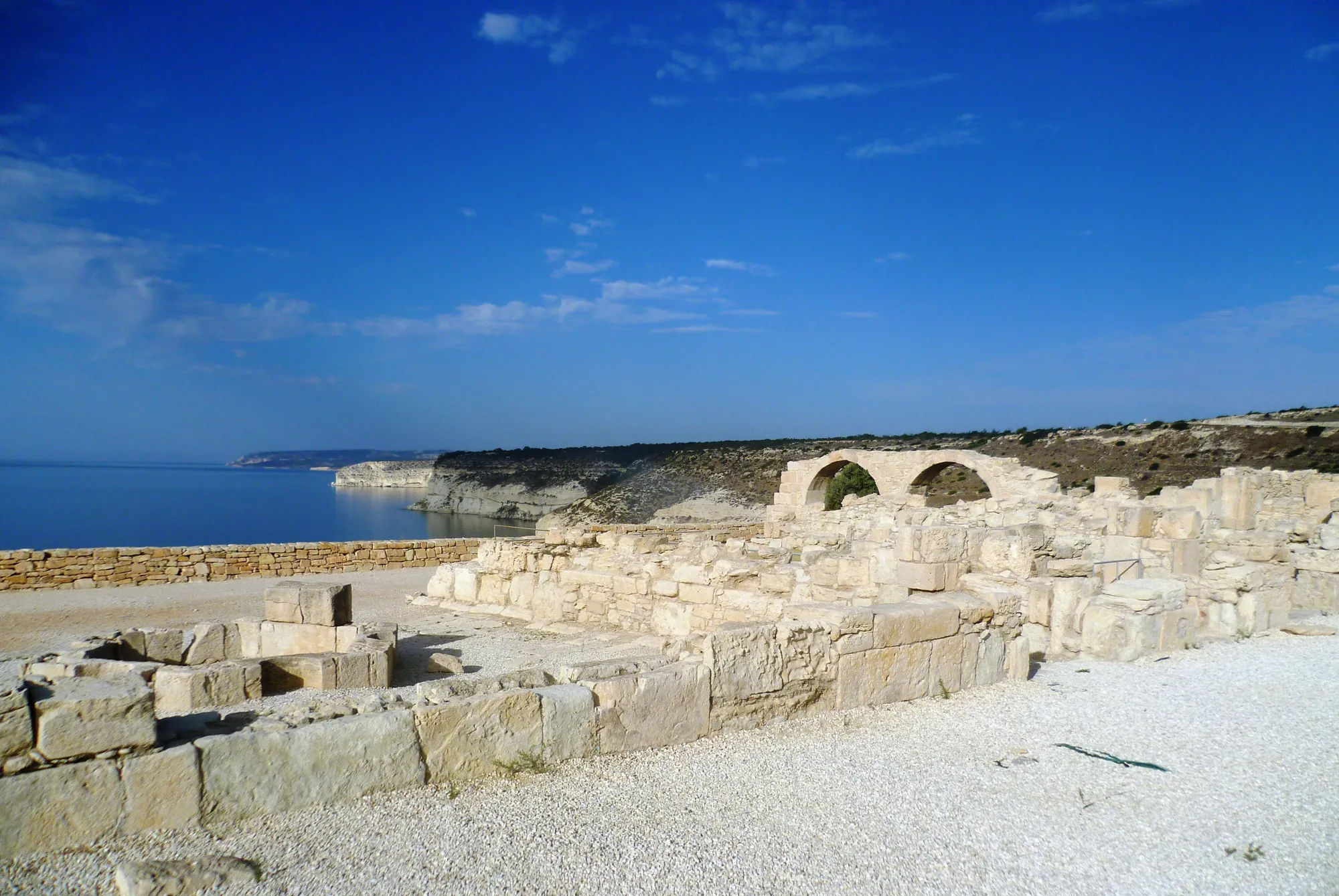
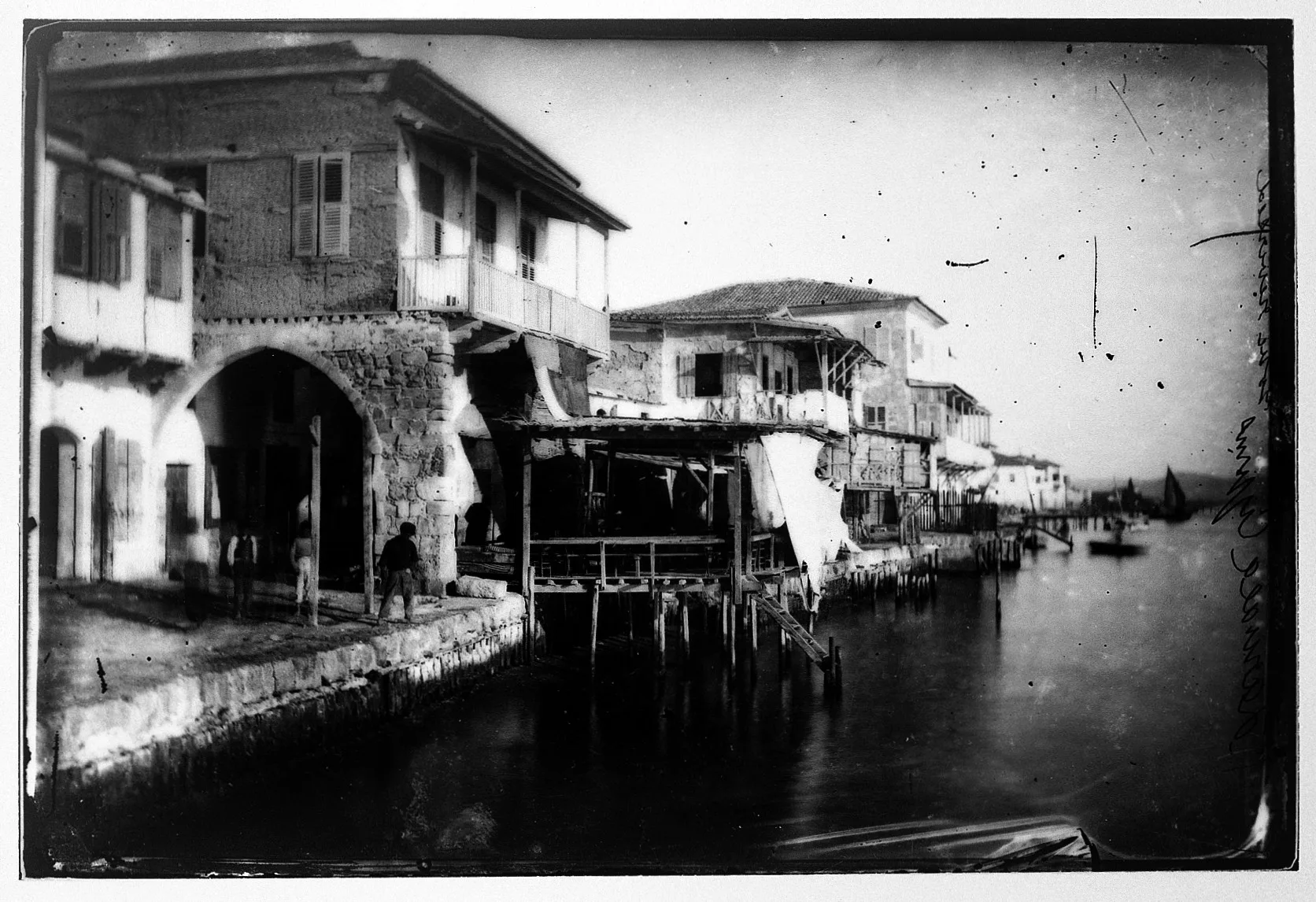
Kourion stands on a limestone bluff above Episkopi Bay, west of Limassol. It was the seat of one of the Iron Age kingdoms of Cyprus, then a Hellenistic and Roman city with a theatre, baths and houses with mosaic floors, and a great sanctuary of Apollo Hylates to the west. An earthquake in the later 4th century AD destroyed the city; a Christian town with a bishop's church grew up over the ruins and was abandoned in the later 7th century.
In the compendium
Firmans and Partage: The Lawful Export of Antiquities from Ottoman Cyprus, 1860s to 1905
The firmans, landowners' rights and the division of finds in thirds under which consuls, excavators and museums lawfully exported Cypriot antiquities from the 1860s until the law of 1905.

In the compendium
Mycenaean Imports and Local Imitations
Mycenaean pottery, mostly made in the north-east Peloponnese, was the largest body of imported fine ware in Late Bronze Age Cyprus, and Cypriot potters copied some of its shapes.
In the compendium
The Pictorial Style
Figured painting on Late Bronze Age kraters found in Cyprus, first on Mycenaean imports and then on the locally made Rude or Pastoral Style kraters.
Map of Cyprus
Places discussed in the talk
- Ground above 200, 500, 1,000 m